Kamil Tyborowski

400 posts

Kamil Tyborowski banner
Kamil Tyborowski

Kamil Tyborowski

@kamtybor

software engineer, growth @weaviate_io

Katılım Kasım 2022
309 Takip Edilen37 Takipçiler
Kamil Tyborowski retweetledi

Prajjwal Yadav
Prajjwal Yadav@PrajjwalYd·
Just told Claude to import a PDF into Weaviate. It figured out the schema, vectorised every page, batched the whole thing. I typed one sentence (works with CSV and JSON/JSONL too, but that feels less impressive to say) This is the part where I'm supposed to feel useful Try the Weaviate agent skills: github.com/weaviate/agent…
English

1
6
16
1.5K
Kamil Tyborowski retweetledi
Victoria Slocum
Victoria Slocum@victorialslocum·
If you're building a PDF RAG pipeline: Should you be using OCR and 𝘁𝗲𝘅𝘁-𝗯𝗮𝘀𝗲𝗱 𝗿𝗲𝘁𝗿𝗶𝗲𝘃𝗮𝗹 methods, or just 𝗲𝗺𝗯𝗲𝗱 𝗶𝗺𝗮𝗴𝗲𝘀 𝗱𝗶𝗿𝗲𝗰𝘁𝗹𝘆 using late interaction models? This paper says the answer might actually be 𝘣𝘰𝘵𝘩. My colleagues at Weaviate released IRPAPERS, a benchmark comparing 𝗶𝗺𝗮𝗴𝗲-𝗯𝗮𝘀𝗲𝗱 and 𝘁𝗲𝘅𝘁-𝗯𝗮𝘀𝗲𝗱 retrieval over 3,230 pages from 166 scientific papers. The setup: Take the same PDFs and process them two ways. For text, run OCR with GPT-4.1 and embed with Arctic 2.0 + BM25 hybrid search. For images, embed raw page images with ColModernVBERT multi-vector embeddings. Test both on 180 needle-in-the-haystack questions. 𝗧𝗵𝗲 𝗿𝗲𝘀𝘂𝗹𝘁𝘀: Text edges out images at the top rank: 46% vs 43% Recall@1 But images match or exceed text at deeper recall: 93% vs 91% Recall@20 But text and image based methods actually fail on 𝘥𝘪𝘧𝘧𝘦𝘳𝘦𝘯𝘁 𝘲𝘶𝘦𝘳𝘪𝘦𝘴. At Recall@1: • 22 queries succeed with text but fail with images • 18 queries succeed with images but fail with text This complementarity is what makes 𝗠𝘂𝗹𝘁𝗶𝗺𝗼𝗱𝗮𝗹 𝗛𝘆𝗯𝗿𝗶𝗱 𝗦𝗲𝗮𝗿𝗰𝗵 work. By fusing scores from both text and image retrieval, they achieved: • 49% Recall@1 (beating either modality alone) • 81% Recall@5 • 95% Recall@20 More in the video below 🔽 Dataset: huggingface.co/datasets/mteb/… Paper: arxiv.org/abs/2602.17687 Code: github.com/weaviate/IRPAP…
English
18
102
747
43K
Kamil Tyborowski
Kamil Tyborowski@kamtybor·
if you are not cross posting to linkedin like this you ngmi
Kamil Tyborowski tweet media
English
1
0
2
34
Kamil Tyborowski retweetledi
opal
opal@unbreakopal·
polish people be like “cvzvzb ckdjzm jzk cbvznm” and it mean hi
English
390
6.9K
111.4K
2.7M
Kamil Tyborowski retweetledi
Bob van Luijt
Bob van Luijt@bobvanluijt·
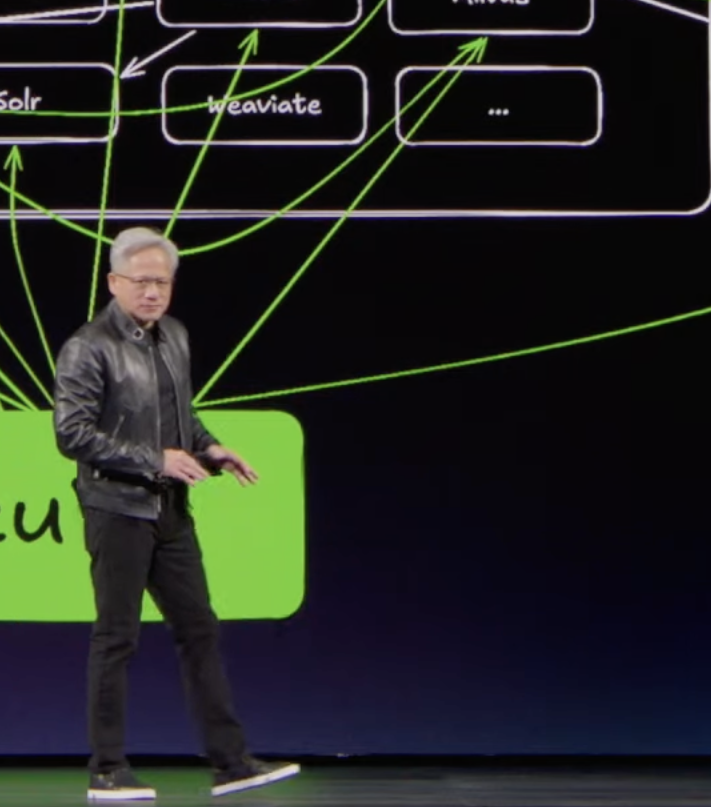
👀 And what did my eyes see during Jensen's #GTC keynote...?
Bob van Luijt tweet media
English
2
7
30
5.5K
Kamil Tyborowski retweetledi
Bela Wiertz
Bela Wiertz@blwiertz·
Berlin, get ready for 50.000€ in Prizes @techeurope_ is back on 25 & 26 of April with Big Berlin Hack #2, bringing together >300 builders for a weekend 👇 Register Now
English
9
6
106
11.8K
Kamil Tyborowski retweetledi
Prajjwal Yadav
Prajjwal Yadav@PrajjwalYd·
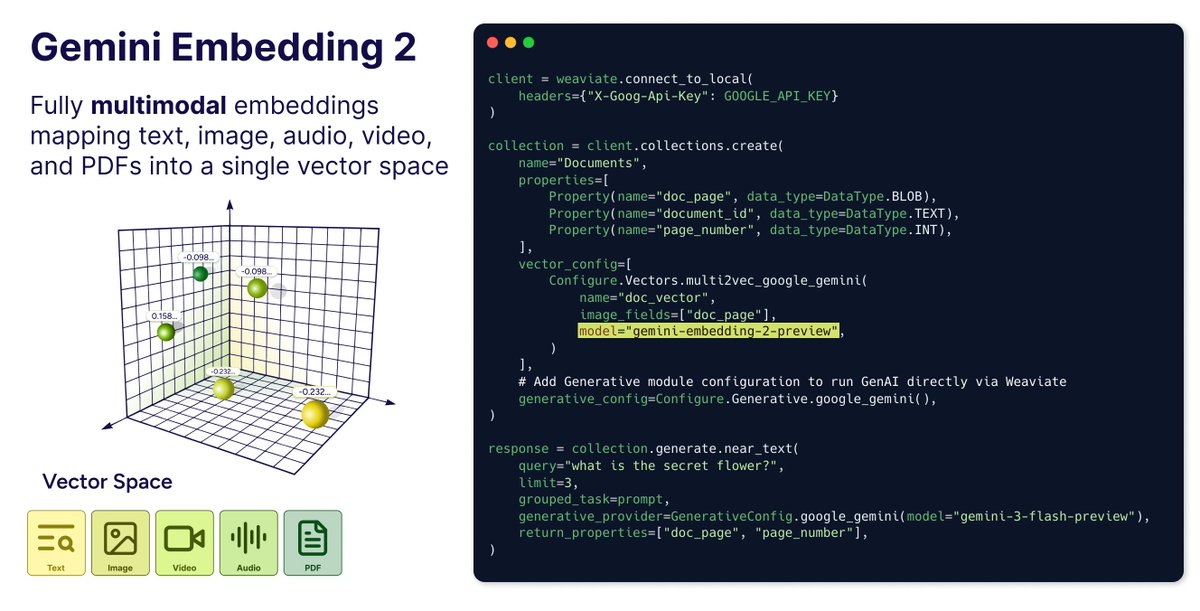
Working with rich media often means turning everything into text. OCR for docs. Whisper for audio. Captioning for video. Basically, flattening everything into sad little strings and hoping the meaning carries through. (Often, it doesn’t) Because, real world knowledge doesn’t really live as clean strings. @googleaidevs recently released Gemini Embedding 2, which maps text, images, audio, and video into a single embedding space, enabling multimodal retrieval and classification across different types of media. We wired it up with the multi2vec_google_gemini module in @weaviate_io and and now the pipeline for embedding multimodal data looks a bit different: - For PDFs: You can skip the text parsing. Convert pages directly to images, embed the visual layout, and let Gemini 3 Flash extract the answers. - For Audio: Slice mp3s, embed the raw audio chunks, and run semantic search directly over your sound files. - For Video: Drop frame captioning. Slice and chunk the mp4, index the clips, and pass the retrieved context directly to the generative model. Wrote three notebooks mapping out the exact steps: - PDF: github.com/weaviate/recip… - Video: github.com/weaviate/recip… - Audio: github.com/weaviate/recip…
English
0
2
6
1.1K
Kamil Tyborowski retweetledi
Victoria Slocum
Victoria Slocum@victorialslocum·
𝗧𝗲𝘅𝘁. 𝗜𝗺𝗮𝗴𝗲𝘀. 𝗩𝗶𝗱𝗲𝗼. 𝗔𝘂𝗱𝗶𝗼. 𝗣𝗗𝗙𝘀. One embedding model. One unified space. @googleaidevs just released 𝗚𝗲𝗺𝗶𝗻𝗶 𝗘𝗺𝗯𝗲𝗱𝗱𝗶𝗻𝗴 𝟮, their first fully multimodal embedding model - and it's now available in @weaviate_io. The model maps text, images, videos, audio, and PDFs into a 𝘀𝗶𝗻𝗴𝗹𝗲 𝘂𝗻𝗶𝗳𝗶𝗲𝗱 𝗲𝗺𝗯𝗲𝗱𝗱𝗶𝗻𝗴 𝘀𝗽𝗮𝗰𝗲. This means you can query with text and retrieve relevant videos, or search with an image and find related documents, or any other combination - all using the same model. It supports: • Text (up to 8,192 tokens, 100+ languages) • Images (up to 6 per request, PNG/JPEG) • Video (up to 120 seconds, MP4/MOV) • Audio (native ingestion, no transcription needed) • PDFs (up to 6 pages, embedded directly) The model also uses Matryoshka Representation Learning (MRL), so you can scale dimensions down from the default 3072 to 1536 or 768 depending on your performance vs. storage tradeoff. It's already available in Weaviate, and I've included a walkthrough in the video below of building a 𝗺𝘂𝗹𝘁𝗶𝗺𝗼𝗱𝗮𝗹 𝗣𝗗𝗙 𝗥𝗔𝗚 𝗽𝗶𝗽𝗲𝗹𝗶𝗻𝗲. We embed each PDF page as an image using Gemini Embedding 2, add it to Weaviate, then query with text to retrieve relevant PDF page images. These images are passed to Gemini Flash to generate answers using the document context. The dataset has "needles" hidden in the documents - so when we ask "what's the secret flower?", the pipeline needs to use multimodal understanding of both text and images to answer correctly. Check out the model release blog: blog.google/innovation-and… PDF RAG notebook: github.com/weaviate/recip…
English
5
7
35
3K
Kamil Tyborowski retweetledi
Weaviate AI Database
Weaviate AI Database@weaviate_io·
The era of juggling 5 different embedding models is over. Google just unified text, images, video, audio, and PDFs into one vector space. 𝗢𝗻𝗲 𝗺𝗼𝗱𝗲𝗹, 𝗺𝘂𝗹𝘁𝗶𝗽𝗹𝗲 𝗺𝗼𝗱𝗮𝗹𝗶𝘁𝗶𝗲𝘀: Text, images, video, audio, and PDFs all mapped into a single unified vector space. No more juggling different embedding models or complex preprocessing pipelines. 𝗕𝘂𝗶𝗹𝘁 𝗼𝗻 𝗚𝗲𝗺𝗶𝗻𝗶 𝗮𝗿𝗰𝗵𝗶𝘁𝗲𝗰𝘁𝘂𝗿𝗲 with support for 100+ languages and some impressive specs: • 8192 max input tokens • Flexible output dimensions (128-3072) • Top 5 performance on MTEB Multilingual leaderboard • SOTA among proprietary models across most modalities 𝗪𝗵𝘆 𝘁𝗵𝗶𝘀 𝗺𝗮𝘁𝘁𝗲𝗿𝘀 𝗳𝗼𝗿 𝘆𝗼𝘂𝗿 𝗥𝗔𝗚 𝗮𝗽𝗽𝗹𝗶𝗰𝗮𝘁𝗶𝗼𝗻𝘀: By natively handling interleaved data without intermediate processing steps, Gemini Embedding 2 simplifies complex pipelines. You can now build semantic search and recommendation systems that seamlessly work across text documents, images, videos, and audio files. The model is available now via Gemini API and Vertex AI, and works with Weaviate's existing text2vec-google integration 💚 Check out these recipes to get started 👇 Semantic search/RAG over video: github.com/weaviate/recip… Semantic search/RAG over audio: github.com/weaviate/recip… Multimodal PDF RAG: github.com/weaviate/recip…
Weaviate AI Database tweet media
English
3
18
81
4.3K
atlas
atlas@creatine_cycle·
jobs left in the singularity: - salesforce engineer - salesforce engineer (gtm systems) - lead salesforce engineer - head of salesforce engineering - chief of staff
English
15
7
305
20K
Kamil Tyborowski retweetledi
Victoria Slocum
Victoria Slocum@victorialslocum·
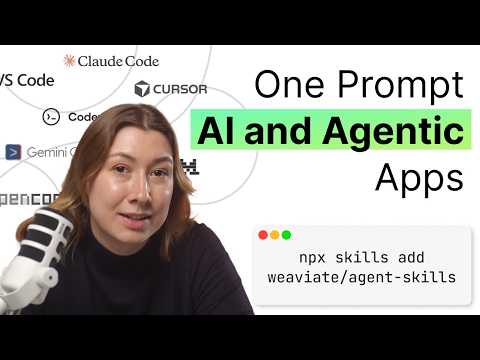
We’ve been building an entire full-stack AI or agentic project almost 𝗲𝘃𝗲𝗿𝘆 𝗱𝗮𝘆 with our new Agent Skills plugin. If you've been vibe coding with Claude Code, Cursor, or GitHub Copilot, you know the feeling: describe a feature, watch the agent blueprint the logic, and boom - your app comes to life. But as soon as you get into specialized infrastructure and tools, problems start to pop up more and more. The agent starts hallucinating legacy v3 syntax, guessing at hybrid search parameters, or failing to implement efficient multivector embedding strategies. That's why we built 𝗪𝗲𝗮𝘃𝗶𝗮𝘁𝗲 𝗔𝗴𝗲𝗻𝘁 𝗦𝗸𝗶𝗹𝗹𝘀 - a bridge between the most popular coding agents and Weaviate's infrastructure and best practice knowledge on building AI and agentic apps that makes sure your implementation is right on the first try. The repo is organized into two main tiers: 1️⃣ 𝗪𝗲𝗮𝘃𝗶𝗮𝘁𝗲 𝗦𝗸𝗶𝗹𝗹𝘀 (/skills/weaviate): Focused scripts for schema inspection, data ingestion, and precision search. These are the tools your agent reaches for when it needs to manage and operate on your Weaviate cluster. 2️⃣ 𝗖𝗼𝗼𝗸𝗯𝗼𝗼𝗸𝘀 (/skills/weaviate-cookbooks): End-to-end project blueprints that guide agents in building complete applications with Weaviate and modern frameworks like FastAPI and Next.js. Perfect for vibe coding fully functioning systems at once. These skills handle the most important parts of the Weaviate ecosystem - cluster management, data lifecycle (CSV/JSON/JSONL imports), agentic search with the Query Agent, and advanced retrieval with hybrid, semantic, and keyword search. 𝗦𝗼𝗺𝗲 𝗼𝗳 𝗺𝘆 𝗳𝗮𝘃𝗼𝗿𝗶𝘁𝗲 𝗰𝗼𝗼𝗸𝗯𝗼𝗼𝗸𝘀: 𝗤𝘂𝗲𝗿𝘆 𝗔𝗴𝗲𝗻𝘁 𝗖𝗵𝗮𝘁𝗯𝗼𝘁: Build a full-stack chatbot with FastAPI backend and NextJS frontend 𝗣𝗗𝗙 𝗥𝗲𝘁𝗿𝗶𝗲𝘃𝗮𝗹 𝘄𝗶𝘁𝗵 𝗠𝘂𝗹𝘁𝗶𝘃𝗲𝗰𝘁𝗼𝗿 𝗘𝗺𝗯𝗲𝗱𝗱𝗶𝗻𝗴𝘀: Implement multimodal RAG over PDF collections using Weaviate Embeddings and Ollama with Qwen3-VL 𝗕𝗮𝘀𝗶𝗰, 𝗔𝗱𝘃𝗮𝗻𝗰𝗲𝗱, 𝗮𝗻𝗱 𝗔𝗴𝗲𝗻𝘁𝗶𝗰 𝗥𝗔𝗚: Set up RAG pipelines from basic retrieve-generate to query decomposition, filtering, reranking, and hierarchical RAG 𝗕𝗮𝘀𝗶𝗰 𝗔𝗴𝗲𝗻𝘁𝘀 𝘄𝗶𝘁𝗵 𝗗𝗦𝗣𝘆: Build tool-calling AI agents with structured outputs Getting started: 𝗨𝘀𝗶𝗻𝗴 𝗻𝗽𝘅 𝘀𝗸𝗶𝗹𝗹𝘀 (𝘄𝗼𝗿𝗸𝘀 𝘄𝗶𝘁𝗵 𝗖𝘂𝗿𝘀𝗼𝗿, 𝗖𝗹𝗮𝘂𝗱𝗲 𝗖𝗼𝗱𝗲, 𝗚𝗲𝗺𝗶𝗻𝗶 𝗖𝗟𝗜, 𝗲𝘁𝗰.) npx skills add weaviate/agent-skills 𝗢𝗿 𝘃𝗶𝗮 𝗽𝗹𝘂𝗴𝗶𝗻 𝗺𝗮𝗻𝗮𝗴𝗲𝗿 /plugin install weaviate@weaviate-plugins Set your environment variables (grab a free sandbox cluster at weaviate.io), run /weaviate:quickstart, and you're ready to build. Shoutout to the team 🫶 for making this happen. We're still cooking, more on the way. Give the repo a star? github.com/weaviate/agent…
English
19
9
69
5.3K
Kamil Tyborowski retweetledi
milk
milk@iShowShitpost·
ZXX
52
7.6K
52.9K
948.2K
Kamil Tyborowski retweetledi
Weaviate AI Database
Weaviate AI Database@weaviate_io·
What if you could build query agents, data transformers, and custom AI workflows with just npx and a few prompts? Our new 𝗪𝗲𝗮𝘃𝗶𝗮𝘁𝗲 𝗔𝗴𝗲𝗻𝘁 𝗦𝗸𝗶𝗹𝗹𝘀 library bridges the gap between coding agents (Claude Code, Cursor, GitHub Copilot, etc.) and building 𝗲𝗻𝗱-𝘁𝗼-𝗲𝗻𝗱 𝗔𝗜 𝗮𝗽𝗽𝗹𝗶𝗰𝗮𝘁𝗶𝗼𝗻𝘀. It's not just for Weaviate database operations. It includes full project cookbooks for building complete applications: • Query Agent chatbots with FastAPI backends and Next.js frontends • Multimodal PDF RAG systems with multivector embeddings • Various RAG patterns (basic, advanced, agentic) • DSPy agents with tools and memory Installation is literally one line: `npx skills add weaviate/agent-skills` Then you can build full applications with natural language prompts like: • "Build a query agent chatbot with a frontend" • "Create a multivector PDF application" • "Set up an agentic RAG pipeline" Check out the video for how to install and get started 👇 youtu.be/T0GD9xWihPI Github: github.com/weaviate/agent…
YouTube video
YouTube
Weaviate AI Database tweet media
English
1
9
34
2.1K
Kamil Tyborowski retweetledi
alli
alli@sonofalli·
JSON derulo
Čeština
115
963
8.2K
173.3K
Kamil Tyborowski retweetledi
Femke Plantinga
Femke Plantinga@femke_plantinga·
Most legal AI assistants take 6+ months to build. We shipped ours in 36 hours. Here’s how: Legal research is complex by design. You need extreme precision, absolute security, and the ability to filter through thousands of contracts by date, jurisdiction, or clause type. Traditional RAG systems collapse under this complexity because they follow a linear path: query → search → generate. The problem with this approach is that legal queries are never one-dimensional. When you ask "What are the notice periods in our 2024 service agreements?", a naive RAG system might pull semantically similar clauses from 2022. Without a reasoning layer, it lacks the common sense to apply necessary filters before searching. This is why building production-ready legal assistants usually requires months of custom orchestration: managing conversation state, writing complex query logic, coordinating retrievers. 𝗔𝗴𝗲𝗻𝘁𝗶𝗰 𝗦𝗲𝗮𝗿𝗰𝗵 changes this entirely. When our finance team asked us to help navigate internal contracts, we used Weaviate's 𝗤𝘂𝗲𝗿𝘆 𝗔𝗴𝗲𝗻𝘁 to turn raw PDFs into a production app in 36 hours. The agent treats the database as a set of tools rather than a static data store, autonomously handling: • Schema inspection to determine the best search strategy • Structured query construction with complex filters • Precision reranking based on actual relevance • Answer synthesis grounded in retrieved context We embedded legal PDFs using ColQwen (a multimodal model that preserves layout and tables) with Muvera compression, split contracts into three collections by type, and let the agent handle all the orchestration we'd normally spend months building. The architecture is more sophisticated than traditional approaches - but requires way less custom code. → In Search Mode, it retrieves and reranks relevant contract sections. → In Ask Mode, it synthesizes grounded answers with cited sources. Both modes stream results with full transparency to reduce hallucinations. Read the full tutorial here: weaviate.io/blog/legal-rag…
Femke Plantinga tweet media
English
9
22
208
16.6K
Kamil Tyborowski retweetledi
Victoria Slocum
Victoria Slocum@victorialslocum·
I canceled my ChatGPT subscription yesterday and switched to Claude instead (despite the outage 🙈) Before you come for me in the comments: 𝗻𝗼𝗻𝗲 of the AI platforms are perfect right now, and I didn't switch because Anthropic is the epitome of good in the world. I switched because the combination of slightly-more-principled positioning and genuinely superior integration capabilities justified the friction of re-training my prompts. And so now, after two years of carefully training ChatGPT to stop sounding like... well, ChatGPT... I'm starting over. I've been thinking about doing it for awhile, even before Anthropic's Pentagon decision where they refused a contract for mass surveillance and autonomous weapons and lost $200M. I've also really appreciated the way their marketing team is positioning Claude as a thinking tool, and their no ads campaign was undeniably epic. But it was the technical features that actually won me over. After working on the 𝗪𝗲𝗮𝘃𝗶𝗮𝘁𝗲 𝗔𝗴𝗲𝗻𝘁 𝗦𝗸𝗶𝗹𝗹𝘀 repo in the last weeks and doing a lot of testing with Claude code and MCP and skills plugins, I've been super impressed with the user experience. I didn't quite realize how much work they were putting into taking their platform beyond just a chatbot, but I definitely see it now, and I think it's going to be a large part of the future of AI. So here's what my Claude setup looks like after working on it all of yesterday. In the Claude.ai app: Detailed prompt in the "Personal preferences" settings page telling it to be very direct and concise, with a straightforward, neutral tone. Plus memory and searching past chats turned on ✅ Projects: • 𝗖𝗼𝗻𝘁𝗲𝗻𝘁 𝗶𝗱𝗲𝗮𝘀 𝗮𝗻𝗱 𝗯𝗿𝗮𝗶𝗻𝘀𝘁𝗼𝗿𝗺𝗶𝗻𝗴: Context includes personal brand, content focus and past ideas, visual style, etc. • 𝗚𝗼𝗮𝗹𝘀 𝟮𝟬𝟮𝟲 (𝗮𝗻𝗱 𝗼𝘁𝗵𝗲𝗿 𝗳𝘂𝘁𝘂𝗿𝗲 𝗽𝗹𝗮𝗻𝗻𝗶𝗻𝗴): Context includes past and present goals • My current learning journey for 𝘁𝗿𝗮𝗻𝘀𝗳𝗼𝗿𝗺𝗲𝗿𝘀 𝗮𝗻𝗱 𝗟𝗟𝗠 𝗮𝗿𝗰𝗵𝗶𝘁𝗲𝗰𝘁𝘂𝗿𝗲𝘀: Context includes papers, notes, etc. 𝗖𝗼𝗻𝗻𝗲𝗰𝘁𝗼𝗿𝘀 added for: • Figma • Notion • Github • Google Calendar & Drive In 𝗖𝗹𝗮𝘂𝗱𝗲 𝗖𝗼𝗱𝗲, I'm still working on it a bit, but of course I have the 𝗪𝗲𝗮𝘃𝗶𝗮𝘁𝗲 𝗔𝗴𝗲𝗻𝘁 𝗦𝗸𝗶𝗹𝗹𝘀 𝗽𝗹𝘂𝗴𝗶𝗻 added and have built soooo many apps this week with just one prompt, which still is crazy to me. If you have any other good plugins or hacks, please send! 🙏
Victoria Slocum tweet media
English
4
4
39
2.4K
james hawkins
james hawkins@james406·
average b2b saas website: "we make software for people. we're obsessed with the customer. everything we do is to make their lives easier." average b2b saas pricing page:
james hawkins tweet media
English
20
22
1.8K
32.5K
Kamil Tyborowski retweetledi
Prajjwal Yadav
Prajjwal Yadav@PrajjwalYd·
The crab🦀 is for people who fear undefined behaviour. The lobster🦞 is for people who fear doing things themselves. And, this is the entire spectrum of tech Twitter.
English
0
1
2
54