

Support Your Local Talent
854 posts

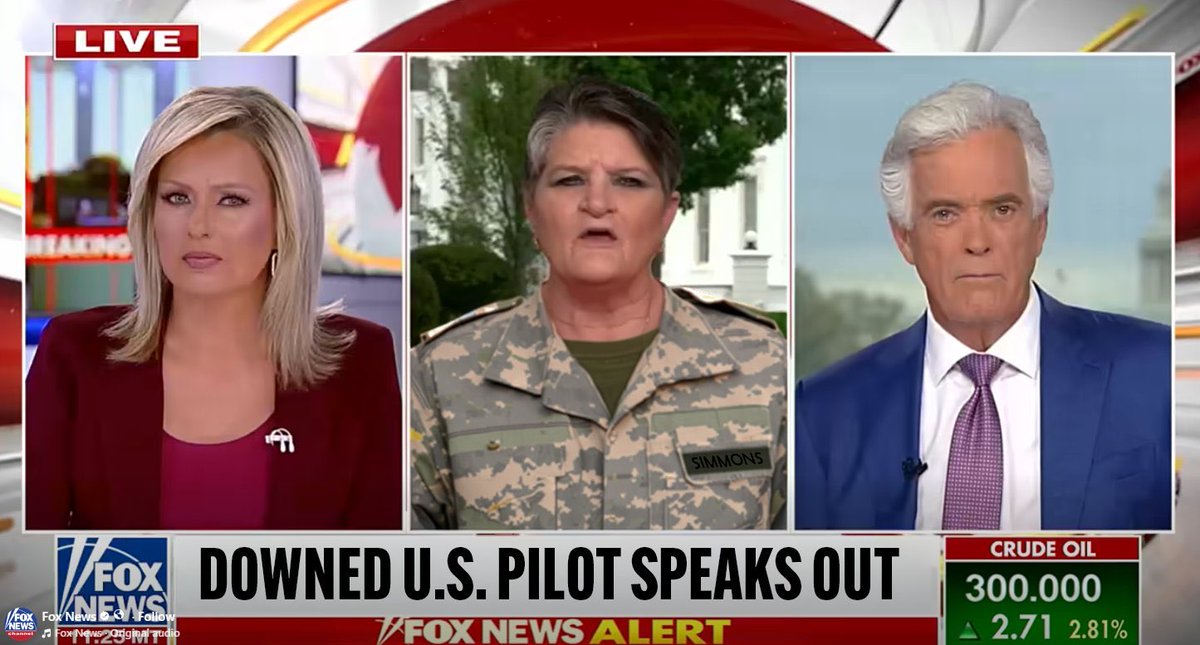
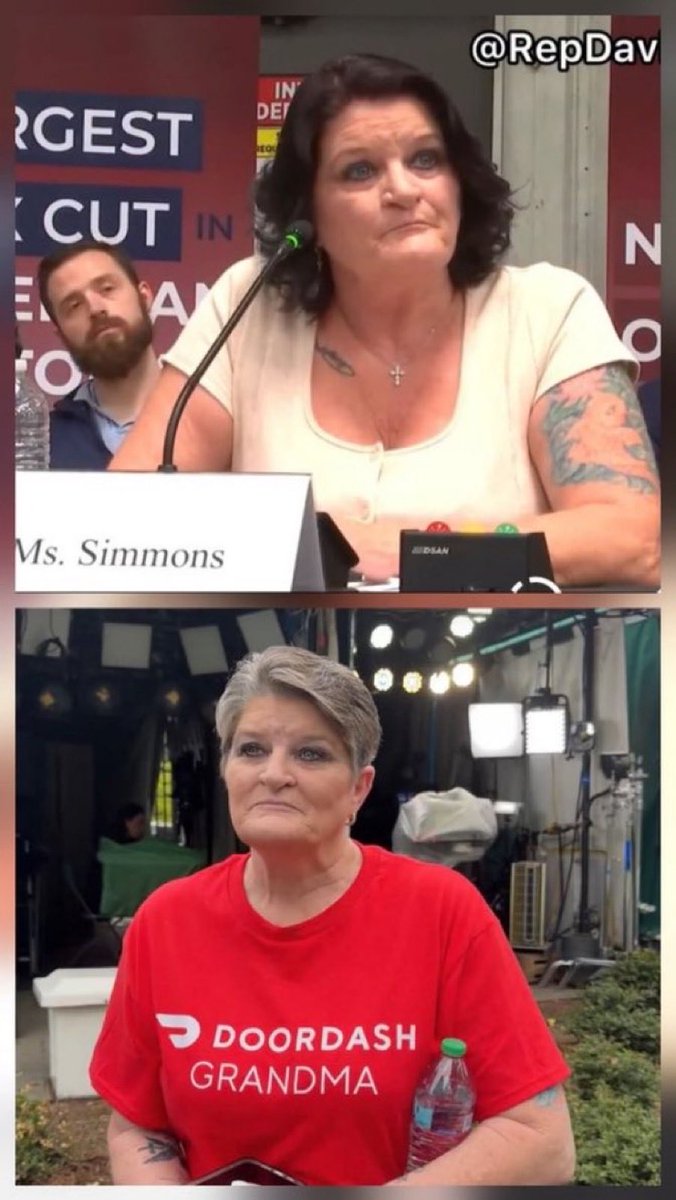
💥💥💥 Are you kidding me?! Is this a joke?! The military woman pictured here is literally the exact same person as the DoorDash grandma from a few days ago.

Anonymous@YourAnonNews
Downed US pilot interviewed by Fox News
English
Oops … they did it again .
Ps. Did’t B.spears die in a car accident ?
English
Support Your Local Talent retweetledi
🚨 THE TITANIC WASN'T A TRAGEDY. IT WAS A MASS EXECUTION TO BIRTH THE FEDERAL RESERVE SLAVE SYSTEM 🚨
In 1912 the Rothschild banking cartel and their puppet J.P. Morgan needed to eliminate the final roadblocks to total control over America's money. Three of the richest and most influential men on Earth stood in their way. These men saw the scam clearly and fiercely opposed the creation of a private central bank that would enslave generations:
John Jacob Astor IV: wealthiest man aboard, strong Tesla supporter, outspoken critic of centralized banking tyranny.
Benjamin Guggenheim: mining billionaire with massive influence.
Isidor Straus: Macy's empire founder, another titan who refused to kneel.
These three billionaires rejected the Federal Reserve Act: a sinister private cartel owned by elites, designed to print infinite fiat debt, finance endless wars, and profit from human misery and death.
So the cabal set the trap. The "unsinkable" Titanic's maiden voyage became the perfect hit.
J.P. Morgan, who owned the White Star Line and financed the ship's construction, suddenly canceled his personal trip at the last moment. His friend Milton Hershey also backed out and went on to build his chocolate empire instead. Coincidence?
The ship was pushed at full speed into a known iceberg field with only half the required lifeboats. Even worse: Titanic featured experimental electromagnetic deck-sealing technology. Watertight doors that could lock passengers below decks like prisoners while the elite escaped.
Outcome? Astor, Guggenheim, and Straus perish in the icy Atlantic. Opposition erased.
Less than two years later (1913-1914) the Federal Reserve Act is forced through under suspicious Christmas Eve conditions. A private banking cartel now controls the U.S. money supply, charges interest on debt conjured from nothing, and funds world wars, depressions, and endless inflation theft.
The Rothschilds and Morgan didn't just get away with murder. They built the greatest financial enslavement machine in history.
Wake up. The "accident" was a deliberate strike. The iceberg was the murder weapon. The Fed was the reward.
Who else has to vanish before the next major power grab? 👀
FOLLOW ME, THE NEXT DROP WILL BE SHOCKING
English
Support Your Local Talent retweetledi
OMG!!!! PRESIDENT TRUMP IS SIGNALING THE NASA TRIP IS A HOAX AND THE EARTH IS NOT A ROUND GLOBE!! GOTTA LOVE IT!! 😅😅
x.com/i/status/20444…
Di Mauro@andredimauro
🚨 BREAKING NEWS: Trump posts a video with a CGI Earth and talks about lies traveling fast. If he’s signaling the NASA Moon hoax, MAGA will erupt, Russia/China/India won’t sleep, history gets interesting — and $100B could be saved. Is he finally ready to tell the truth? 🌕👀
Lakeside, VA 🇺🇸 English
Support Your Local Talent retweetledi

🚨I’m still trying to process what just happened.
The highest ranking US intelligence official, just released smoking gun docs proving that Obama and his underlings committed treason/sedition.
Meaning Trump was right about everything, the news is fake, and the Deep State is real.
Meaning that all of us “conspiracy theorists” were right about the conspiracy against Trump… it wasn’t a theory.
Meaning the shadow war is real, and all our efforts over the last 10 years were not part of a “LARP”.
Meaning that we are not crazy. We were right.
It was all real
English
Support Your Local Talent retweetledi

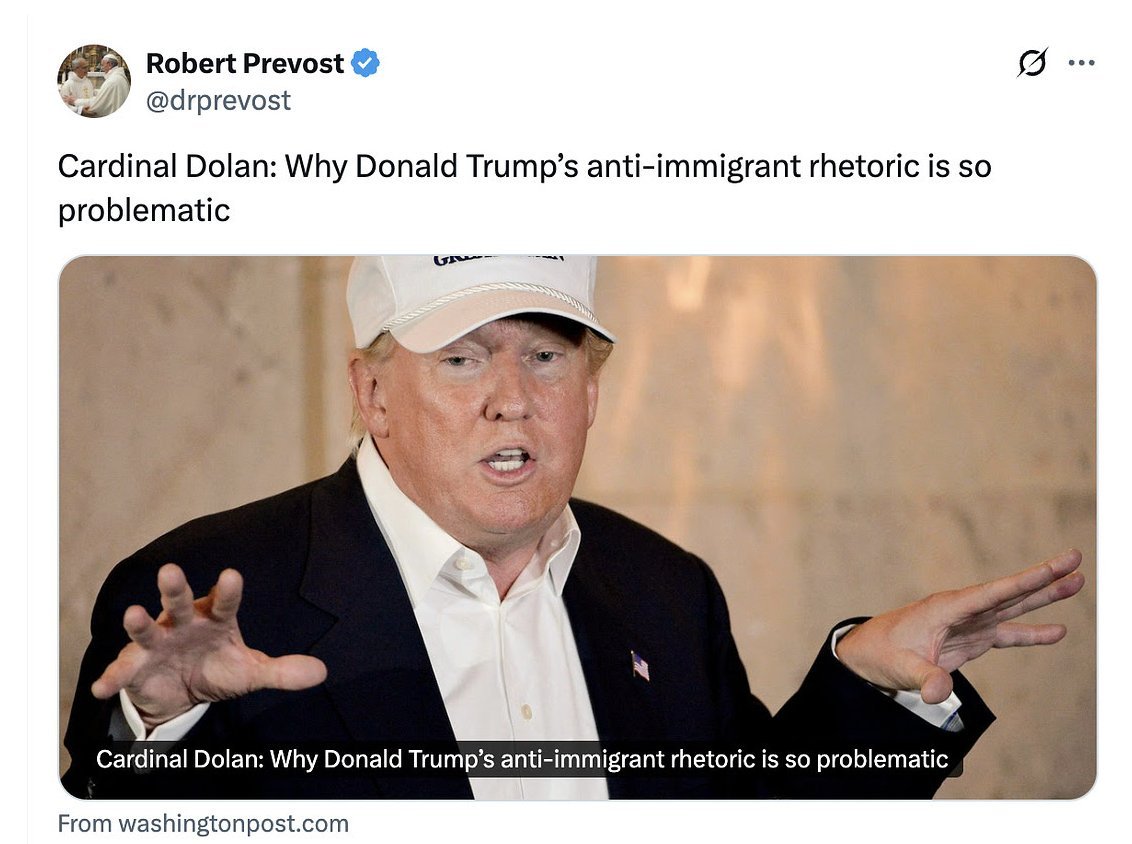
It's fascinating to see what social media reveals about a person before they become the Pope.
Before he became Pope Leo XIV, Cardinal Robert Prevost was on Twitter trashing Trump, criticizing Vance, calling for open borders, promoting COVID vaccines, endorsing stricter gun control, and tweeting after George Floyd:
"We need to hear more from leaders in the Church, to reject racism and seek justice."
The account was deleted the day he was elected.



English
Support Your Local Talent retweetledi

Support Your Local Talent retweetledi

Probably don’t have time to watch this..,. But if you do….
English
Support Your Local Talent retweetledi
Support Your Local Talent retweetledi

This is incredible.
Nicolas Hulscher, MPH@NicHulscher
🚨BREAKING: Largest Real-World Study of Ivermectin + Mebendazole in Cancer Patients Shows 84.4% Clinical Benefit — Nearly HALF Report Cancer Disappearance or Tumor Regression After just 6 months, 48.4% of cancer patients taking ivermectin and mebendazole reported NO EVIDENCE OF DISEASE (32.8%) or tumor regression (15.6%), while 36.1% reported disease stabilization⬇️ We have completed the largest real-world human analysis to date evaluating ivermectin and mebendazole in cancer patients—and the results represent one of the most compelling clinical signals ever documented for repurposed anti-parasitic therapies in oncology. The groundbreaking analysis was made possible through a unique collaboration between The Wellness Company, the McCullough Foundation, and the Chairman of the President’s Cancer Panel (Dr. Harvey Risch)—uniting real-world clinical data, frontline medical experience, and high-level epidemiologic expertise to deliver urgently needed insights in oncology. This was a real-world prospective clinical program evaluation of 197 cancer patients, with 122 completing a follow-up survey at about six months (61.9% response rate). Cancer patients were prescribed compounded ivermectin–mebendazole, with each capsule containing 25 mg ivermectin and 250 mg mebendazole—most commonly taken at 1–2 capsules per day. The cohort represented a clinically relevant population, including a wide variety cancer types, with 37.1% of patients reporting actively progressing disease at baseline and many having already undergone chemotherapy, radiation, and surgery. At six months, 84.4% of cancer patients reported clinical benefit (Clinical Benefit Ratio: 84.4% [95% CI: 77.0–89.8%]): ✅ 32.8% reported no evidence of disease (95% CI: 25.1–41.5%) ✅ 15.6% reported tumor regression (95% CI: 10.2–23.0%) ✅ 36.1% reported stable disease (95% CI: 28.1–44.9%) Treatment adherence was high, with 86.9% completing the full protocol and 66.4% remaining on therapy at six months. The regimen was well tolerated, with 25.4% reporting side effects, primarily mild and gastrointestinal, and over 93% continuing treatment despite these events. Patients were treated in real-world conditions alongside concurrent therapies, including chemotherapy (27.9%), radiation (21.3%), surgery (19.7%), supplements (49.2%), and dietary modification (37.7%), supporting use as an adjunctive approach. Together, these findings represent a large, internally consistent real-world clinical signal that supports URGENT further investigation of ivermectin and mebendazole as low-toxicity, adjunctive cancer therapies. Given the strength of the signal observed here, advancing this line of investigation is no longer optional—it is necessary. This is NOT the end. We will continue advancing this work with larger datasets to further define and validate the role of anti-parasitics in cancer outcomes. The manuscript is now available as a preprint on the Zenodo research repository, operated by the European Organization for Nuclear Research, while undergoing peer review at leading oncology journals: “Real-World Clinical Outcomes of Ivermectin and Mebendazole in Cancer Patients: Results from a Prospective Observational Cohort.” @twc_health @McCulloughFund @P_McCulloughMD @DrHarveyRisch @DrKellyVictory @jathorpmfm @drdrew @PeterGillooly @FosterCoulson
English
Support Your Local Talent retweetledi

In 2011, a neuroscientist at MIT named Dr. Li-Huei Tsai made a discovery that should have been on the front page of every newspaper on Earth.
She exposed mice with advanced Alzheimer's disease to a flickering light pulsing at exactly 40 Hz — forty flashes per second. Nothing else. No drugs. No surgery. Just light at a specific frequency.
Within one hour, the amyloid-beta plaques in their brains — the protein deposits that define Alzheimer's — began to dissolve. Not slow. Not gradually. Within sixty minutes.
After seven days of daily 40 Hz exposure, plaque levels dropped by 50%. The mice regained memory function. Their neurons began firing in synchrony again. The brain's immune cells — microglia — activated and started clearing the toxic buildup like a cleaning crew that had been asleep for years.
The study was published in Nature. The most prestigious scientific journal on the planet. Peer-reviewed. Replicated. Confirmed.
That was 2016. It is now 2026.
40 million people worldwide have Alzheimer's. The pharmaceutical industry generates $13 billion per year from Alzheimer's drugs that do not reverse the disease. Not one of them. They slow it. Maybe. Temporarily. At $26,000 per year per patient.
A 40 Hz light costs less than a dollar to produce.
Dr. Tsai is still at MIT. Her research continues. Phase III human trials are underway. But you will not see this on the evening news. You will not hear your doctor mention it. You will not find it in any pharmacy.
Because a frequency that costs nothing cannot sustain a $13 billion industry.
The light is 40 Hz. The frequency is real. The science is published. And 40 million people are still waiting for permission to use it.
English
Stay healthy with a nasal spray or two daily !
0️⃣BlackBetty ⚓️@BabyD1111229
Hydrogen Peroxide Destroys Bacteria, Viruses, Yeast, Spores and Fungi, According to CDC!! What is Hydrogen Peroxide? It (H2O2) is a chemical compound composed of two hydrogen atoms and two oxygen atoms. It is a pale blue liquid in its pure form but appears colorless when diluted. Hydrogen peroxide is commonly available in concentrations ranging from 3% for household use to 35% for industrial applications. It is a versatile disinfectant due to its ability to produce reactive oxygen species that can attack and destroy various pathogens. How Does It Work? Hydrogen peroxide works by releasing oxygen molecules when it comes into contact with organic material. This release of oxygen creates a highly reactive environment that can damage the cell walls of microorganisms, leading to their inactivation. Here’s how it affects different types of pathogens: 🦠 Bacteria: It can penetrate bacterial cell walls, leading to oxidative stress that damages essential cellular components, ultimately causing cell death. 🦠Viruses: It disrupts the viral envelope or capsid, rendering the virus inactive and unable to infect host cells. 🦠Spores: Spores are highly resistant forms of bacteria or fungi. Hydrogen peroxide can penetrate the tough outer layers of spores, leading to their inactivation. 🦠Yeast and Fungi: Similar to bacteria, the disinfectant disrupts the cell walls of yeast and fungi, leading to cellular damage and death. The CDC’s Stance on Hydrogen Peroxide… The CDC recognizes hydrogen peroxide as an effective disinfectant against a broad spectrum of microorganisms. It is listed as a sterilant and high-level disinfectant, capable of inactivating bacteria, viruses, spores, yeast, and fungi. The CDC recommends its use in healthcare settings for sterilizing medical instruments and surfaces due to its efficacy and safety profile. sciencedirect.com/science/articl…
English
Support Your Local Talent retweetledi

🚨: It took 9 years and 3 billion miles to get this shot. Pluto’s icy Mountains.
English
Support Your Local Talent retweetledi

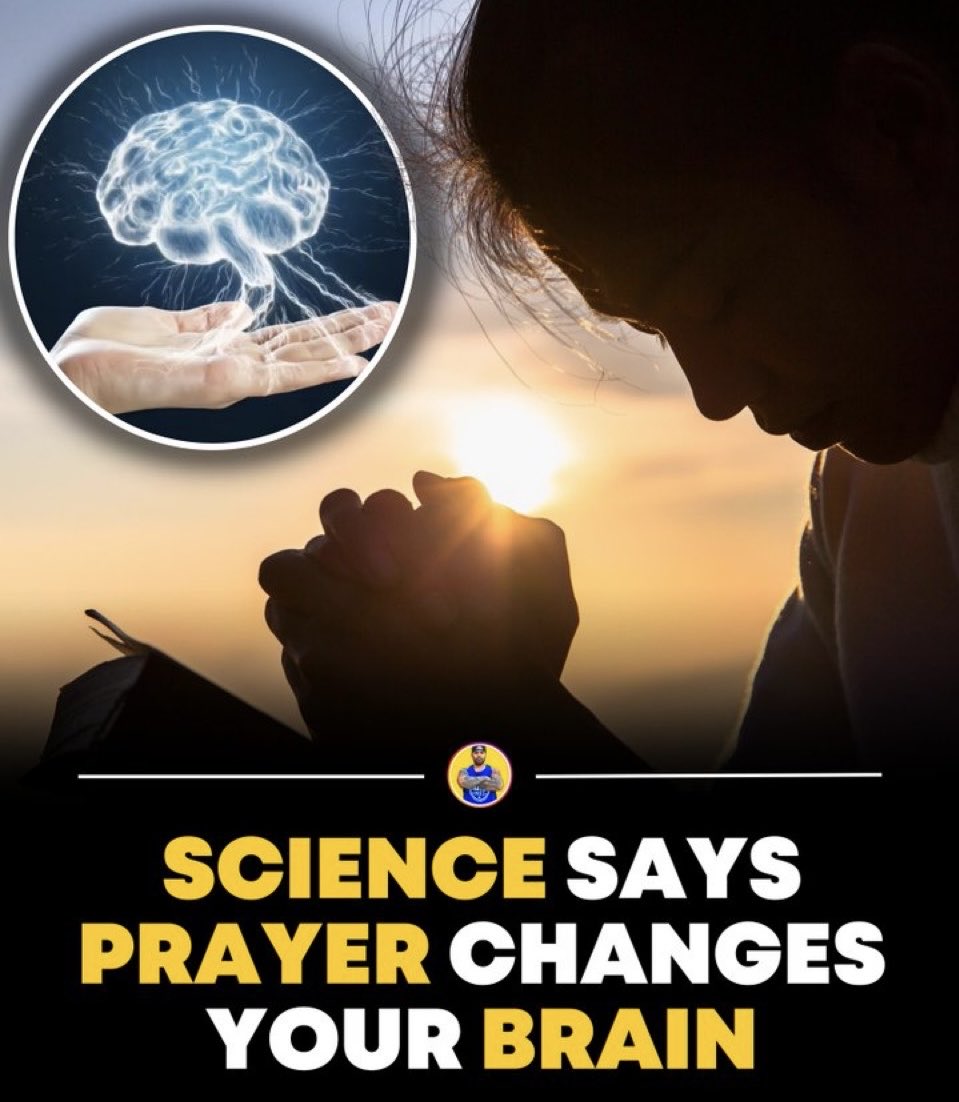
Neuroplasticity is the ability to rewire its neural connections.
Amazingly, regular meditation and prayer can and will reshape your brain!
They strengthen pathways for calm, focus, and resilience while weakening stress and negativity.
You can renew your mind. 🙏🧠🧘♂️
GnosisWolf@GnosisWolf
SATURDAY SCIENCE FIX: “The egg that wasn’t was, then wasn’t” 🤔🤔🤔🤔🤔🤔🤔🤔🤔🤔🤔🤔🤔 (No, not a grammar error 👆)
English