
Sabitlenmiş Tweet
大黒天
17.7K posts

大黒天
@kinokochan99
#共同親権反対 #自民党反対 #外国籍差別反対 #数字で見る政治 時々、本読む本積む。 #読み終わりました 書店員 #相互フォロー中 勧誘やアダルト、非公開はフォローしません 個性的な本屋、書店をフォローする癖があります。
サイタマ Katılım Ağustos 2011
1.9K Takip Edilen1.3K Takipçiler
学校の送り迎えで見かける、あるお母さんがいました。髪はお団子に振り乱し、いつも3分遅刻。子供たちはジップロックに入ったシリアルをそのまま食べている。いわゆる「キラキラした完璧なママ(Pinterest moms)」たちは、彼女のことをいつもヒソヒソと噂していました。正直、私は彼女を少し気の毒に思っていました。
ところがある日の公園でのこと。神経多様性を持つ私の息子が、激しい感覚過敏によるパニック(メルトダウン)を起こしてしまったのです。私はなす術もなく、地面に座り込んで涙を流し、完全に固まってしまいました。
「完璧な」ママたちは、ただ遠巻きに眺め、自分の子を遠ざけるだけ。
その時、不意に彼女が現れました。あの「カオスな」お母さんです。
彼女は大きなバッグを放り投げると、私と一緒に泥の中に座り込み、カバンから重さのある感覚玩具(センソリートイ)を取り出しました。そして冷静に、周囲の視線から息子を隠すように守ってくれたのです。パニックも、批判もありません。息子はわずか3分で落ち着きを取り戻しました。私は言葉も出ませんでした。
その後、二人でコーヒーを飲みました。彼女は「家の中はめちゃくちゃだし、自分は重度のADHDなの」と話してくれました。だからこそ、神経系が限界を迎えて崩壊する瞬間にどう対処すべきか、痛いほど分かっていたのです。
他のママたちの冷ややかな視線は気にならないのか、と私は尋ねました。
彼女は冷めたコーヒーを一口飲み、こう言いました。
「完璧なママたちはオーガニックマフィンの焼き方を知っている。カオスなママたちは、戦場(どん底)での生き残り方を知っているのよ」
今、遅れて走ってくる彼女の姿を見るたび、私はただ微笑んでしまいます。
みんな、あの「カオスなママ」のようになろう。自分の混沌(カオス)を謝るのは、もうやめにして。
ZyNah@wine_018
There’s a mom at our school drop-off. Messy bun, always three minutes late, kids usually eating dry cereal out of a Ziploc. The "Pinterest moms" always whispered about her. I honestly felt a little bad for her. Then one day at the playground, my neurodivergent son had a massive, violent sensory meltdown. I’m sitting in the dirt, crying, totally paralyzed. The "perfect" moms just stared and pulled their kids away. Suddenly, she’s there. The messy mom. She drops her giant bag, sits right in the dirt next to us, pulls a heavy sensory toy out of her purse, and calmly shields my son from the crowd. No panic. No judgment. He regulated in three minutes. I was speechless. We had coffee after. She told me her house is a disaster and she has severe ADHD, but she knows exactly what a nervous system collapse looks like. I asked her how she deals with the judgmental stares from the other moms. She took a sip of her cold coffee and said: "Perfect moms know how to bake organic muffins. Chaotic moms know how to survive the trenches." Every time I see her running late now, I just smile. Girls, be like the messy mom. Stop apologizing for your chaos.
日本語
FGMはアフリカや中東の一部で数千年も続いてきた慣習ですが、あまりにもタブー視されていたため、国際社会では長い間見過ごされてきました。1997年、ワリスが雑誌『Marie Claire』のインタビューで自身の体験を告白したことは、世界に衝撃を与え、この問題を人権侵害として定義し直す大きな転機となりました。
彼女はコフィー・アナン国連事務総長(当時)から国連特別大使に任命され、FGM撤廃のためのキャンペーンを世界中で展開しました。彼女の自伝『砂漠の女ディリー(Desert Flower)』は世界的ベストセラーとなり、後に映画化『デザート・フラワー』もされています。
モデルを引退後、彼女は自身の財団を設立し、以下の活動に力を入れています。
教育支援: 女の子が学校に通えるようにすることで、結婚やFGMから守る。
医療支援: FGMによって身体的・精神的苦痛を抱える女性たちのための再建手術やケア。
啓発活動: アフリカ諸国の指導者やコミュニティに働きかけ、法の整備を促す。
ワリスは、自分を「犠牲者(Victim)」ではなく「生存者(Survivor)」、そして「変革者」として定義しました。彼女の物語は、どんなに過酷な境遇にあっても、自分の声を信じて立ち上がることで、世界を変えることができるという希望を私たちに与えてくれます。
日本語
1965年、ソマリアの砂漠に一人の少女が生まれました。彼女の人生のすべては、彼女を打ち砕くためにあるかのように見えました。
1965年、ソマリア。地球上で最も過酷な環境の一つで、その子は育ちました。道もなければ、街もない。ただ果てしなく続く砂漠、うだるような暑さ、そして生き残るための戦いがあるだけ。
彼女の名は、ワリス・ディリー。
遊牧民の家族に生まれた12人兄弟の一人として、彼女は日々、水が枯れ果て命が脅かされる荒野でヤギや羊の世話をして過ごしました。6歳の時には、すでに数十頭の動物を任されていました。
世間一般でいう「子供時代」など、ここには存在しません。
5歳の時、すべてが一変します。
一人の老婆が彼女を迎えに来ました。
彼女は地面に押さえつけられ、目隠しをされ、何かに噛みつくよう命じられました。薬も、痛み止めもありません。あったのは、ただ激痛だけ。
女性器切除(FGM)。その中でも最も残酷な形で行われました。
彼女は生き延びましたが、命を落とす者もいます。しかし、彼女の世界では、それは「伝統」と呼ばれていました。必要不可欠で、当然のこと。それが彼女を「高潔な女性にする」のだと言い聞かされました。
数年後、13歳になった彼女に、また別の決定が下されます。
父親が、かなり年上の男性との結婚を決めたのです。その対価は、5頭のラクダでした。
今回、彼女は拒絶しました。
母親の密かな助けを借りて、彼女は逃亡します。
たった一人で。砂漠を抜けて。
地図も、金も、守ってくれる者もいない13歳の少女。持っていたのは、ただ「生き抜く」という意志だけでした。
彼女は街に辿り着き、そして、どうにかしてロンドンへと渡りました。
しかし、そこでの生活もまだ「自由」とは程遠いものでした。
彼女はメイドとして働きました。給料もなく、教育も受けられず、言葉も通じない。仕えていた一家が本国へ帰る時、彼女はそこに留まりました。不法滞在。孤独。
彼女は雑用を見つけては働き、床を磨きました。夜には英語を学び、独学で読み書きを習得しました。一歩ずつ、彼女は自分自身を再構築していったのです。
そして、ある日。すべてが再び動き出します。
一人のカメラマンが、彼女の存在に気づいたのです。
彼は、他の誰もが見落としていたもの——生き抜くことで鍛え上げられた強さ、存在感、そして美しさを見抜きました。
彼は彼女にモデルにならないかと提案しました。
彼女はそれを受け入れました。
突然、砂漠の少女は世界中のランウェイを歩くことになります。パリ、ミラノ、ニューヨーク。
彼女はトップブランドの顔となり、雑誌の表紙を飾り、誰もが想像もできないような華やかな生活を送るようになりました。
しかし、過去が消えることはありませんでした。
痛みは消えず、傷跡は残ったまま。
何年もの間、彼女は沈黙を守りました。
そして、栄光の絶頂にいた時、彼女はもう一つの選択をします。
彼女は声を上げたのです。
ファッションのことでも、名声のことでもありません。
自分が受けてきた苦しみについて。
彼女は真実を語りました。公の場で。はっきりと。迷いなく。
世界は彼女の言葉に耳を傾けました。
多くの人々にとって、それは「女性器切除」が伝統ではなく、暴力であることを初めて知る機会となりました。
彼女の声は、モデルとしてのキャリアを遥かに超える影響力を持ち始めました。
彼女は国連と協力し、世界を旅し、演説し、変革のために闘いました。
彼女はモデルを引退しました。
それは失敗したからではなく、もっと大切なものを見つけたからです。
生きる目的。
彼女は自らの物語を綴り、財団を設立し、サバイバー(生存者)たちが癒えるための場所を作りました。
そして少しずつ、状況は変わり始めました。
法律が変わり、認識が広まりました。苦しむはずだった少女たちが、守られるようになったのです。
これは単なる「生存」の物語ではありません。
これは「変革」の物語です。
ワリス・ディリーは、自分を黙らせるはずだった苦しみを、世界中に響き渡る声へと変えたのです。
彼女は砂漠で生まれました。
しかし、そこに埋もれたままになることを拒みました。
彼女は大輪の花を咲かせました。
そして、他の人々も同じように花開くことができるよう、道を切り拓いたのです。
Tock@yvan_theriault
Elle est née dans le désert somalien en 1965, et tout dans sa vie semblait destiné à la briser. Somalie, 1965. Une enfant grandit dans l'un des paysages les plus hostiles de la planète. Pas de routes. Pas de villes. Juste un désert infini, une chaleur accablante et la lutte pour la survie. Elle s'appelle Waris Dirie. L'une des douze enfants d'une famille nomade, elle passe ses journées à garder des chèvres et des moutons sur des terres arides où l'eau est rare et la vie fragile. À six ans, elle est déjà responsable de dizaines d'animaux. L'enfance, telle que la plupart des gens la connaissent, n'existe pas ici. À cinq ans, tout bascule. Une vieille femme vient la chercher. Elle la plaque au sol. On lui bande les yeux. On lui donne quelque chose à mordre. Pas de médicaments. Pas de soulagement. Seulement la douleur. L'excision génitale féminine, la forme la plus atroce. Elle survit. D'autres non. Mais dans son monde, on appelle cela la tradition. Nécessaire. Attendu. On lui dit que c'est ce qui la rend digne. Des années plus tard, à treize ans, une autre décision est prise pour elle. Son père arrange son mariage avec un homme beaucoup plus âgé. Le prix ? Cinq chameaux. Cette fois, elle refuse. Avec le soutien discret de sa mère, elle s'enfuit. Seule. À travers le désert. Une jeune fille de treize ans sans carte, sans argent, sans protection ; juste la volonté de survivre. Elle atteint la ville. Puis, on ne sait comment, Londres. Mais la vie là-bas n'est pas encore synonyme de liberté. Elle travaille comme domestique. Sans salaire. Sans éducation. Sans parler la langue. Quand la famille qu'elle sert rentre chez elle, elle reste. Illégalement. Seule. Elle trouve des petits boulots. Elle nettoie les sols. Elle apprend l'anglais le soir. Elle apprend à lire et à écrire toute seule. Pas à pas, elle se reconstruit. Puis, un jour comme les autres, tout bascule. Un photographe la remarque. Il perçoit ce que les autres n'ont pas vu : une force, une présence, une beauté forgée par la survie. Il lui propose de devenir mannequin. Elle accepte. Et soudain, la jeune fille du désert défile sur les podiums du monde entier. Paris. Milan. New York. Elle devient l'égérie des plus grandes marques. Elle fait la une des magazines. Elle vit une vie que peu pourraient imaginer. Mais le passé ne disparaît pas. La douleur persiste. Les cicatrices demeurent. Pendant des années, elle garde le silence. Puis, au sommet de sa gloire, elle fait un autre choix. Elle prend la parole. Non pas sur la mode. Non pas sur la célébrité. Sur ce qu'elle a subi. Elle dit la vérité – publiquement. Clairement. Sans détour. Le monde l'écoute. Pour beaucoup, c'est la première fois qu'ils entendent parler de l'excision génitale féminine – non pas comme une tradition, mais comme une violence. Sa voix prend une dimension qui dépasse sa carrière. Elle travaille avec les Nations Unies. Elle voyage. Elle prend la parole. Elle milite pour le changement. Elle quitte le mannequinat, non pas par échec, mais parce qu'elle a trouvé quelque chose de plus important. Une raison d'être. Elle écrit son histoire. Elle bâtit des fondations. Elle crée des espaces de guérison pour les survivantes. Et peu à peu, les choses commencent à changer. Les lois évoluent. La prise de conscience se répand. Les filles qui auraient souffert sont protégées. Ce n'est pas seulement une histoire de survie. C'est une histoire de transformation. Waris Dirie a pris ce qui était censé la réduire au silence et en a fait une voix qui résonne dans le monde entier. Elle est née dans le désert. Mais elle a refusé d'y rester enfouie. Elle a éclos. Et elle a fait en sorte que d'autres puissent en faire autant.
日本語
@HAMUinochi 女性美容師の方に「痩せているけど何かスポーツやってるんですか?」と聞かれて「夜にマラソンしているんです」と答えたのですが、オススメはしませんでした。昼間走るのは良いけど、田舎でも都会でも夜は女性は危険。90歳くらいの女性がレイプされる日本だからねぇ😖
日本語

日本という国は
男性にとっては安全な国であるかもしれませんが、女性にとっては安全な国ではありません。
西瓜@11235813my
日本で売られたタイの少女の事件を知っていますか? 60人の男性客がタイ国籍の12歳少女を買ってレイプしたのに、計上されるのは「労働基準法違反事件」と『風営法違反』です だから日本は性犯罪の少ない安全な国です
日本語
@manguan235 这位单亲妈妈并没有说“生活艰辛,请施舍给我”,而是提议“我想靠自己的力量建立起生活,所以请协助我”,她真的很了不起。而那些响应她呼声的人们也很棒。明明是深夜,想到这些却让我有点想哭。😭
中文

@applepiehouse I generally dislike AI translation, but I think it’s a very good thing that it allows us to share issues regarding sexual violence across borders.
English

在東亞女性裡,只有日本女性特別容易被性對象化或被當作男人的幻想,這顯然是受了 AV 的影響。因為在片中看到的女性既聽話又懂性愛,這讓大眾對日本女性產生了「對男人順從」的扭曲印象。
໊🫧@HiHixxx13567
동아시아 여성 중에 유독 일본여성만 성적대상화, 남자들의 환상같은 존재로 비춰지는 경향이 있는데 나는 이게 av때문이라고 생각함 av속에서 순종적이고 성적으로 능숙한 아름다운 여성을 보고 일본여성은 남자에게 순종한다는 왜곡적 이미지까지 생산되었음
中文

もっと前の時代、私が中学生の頃に男性教師が黒板に「●●(教師の名前)ホモ」と書かれた時、普段温厚な男性教師は激昂して、「アホとかバカならまだいい、ホモとはなんだ!!これは決して人として人に言ってはいけない言葉、人間をこの上なく侮辱する言葉だ!!」とクラス中を叱りつけました。
差別用語だから、という理由ではなかったと思います。
あのクラスにもひょっとしたら同性愛者の子もいたかもしれないのにな。
大分マシな時代にはなってきてるのかなと。
Omizan Sakamoto@omi_info3
今の若い方は信じられないかもしれないけども、15年前、生徒の「お前ホモか」という発言に対して「同性愛者を差別する発言はいけません」と叱った教師がいて、その日から「変な思想に染まってるヤバい教師」という目で見られるようになりました。 今はそっちが「普通」なんだけども
日本語
Teman-teman di Indonesia, sudah baca artikel ini? Ada berita tentang seorang wanita Indonesia yang bekerja keras sebagai sopir bus di Jepang.
Orang Indonesia itu rajin dan bersungguh-sungguh, jadi orang Jepang bisa merasa tenang dan aman saat naik busnya. 😊
Semangat!
東京新聞デジタル@tokyo_shimbun
「憧れの日本で憧れの仕事に」インドネシア人女性がバス運転手になった 地域交通でも外国人材の活躍目立つ tokyo-np.co.jp/article/479556/
Indonesia
隣の席に、軍人とその恋人らしき二人が座った。
久しぶりに妻と桜を見て、美味しい店でデートを楽しんでいた時のことだ。
その店は味は確かだが、値段がそれなりに張る。
まあ、私は「食べるために生きている」ような人間で、他に贅沢もしないから、食べたいものは思いっきり食べる主義だ。
ふと隣のカップルを見ると、メニューをあれこれ頼みながら、軍人の彼が「もう10万ウォン(約1万円)超えちゃったよ」と言っているのが聞こえた。
私が国家有功者の子だからだろうか、食堂で軍人が食事をしているのを見ると、どうしても放っておけない。
そのテーブルの会計を済ませずに店を出ると、一日中そのことが頭を離れなくなるのだ。
意を決して、「あの、休暇中ですよね? 失礼でなければ、お二人の食事代を私に持たせていただけませんか?」と声をかけた。
問いかけながら少し緊張したのは、不思議と妻とのデート中に軍人と出くわすことが今までなかったからだ。
こんな状況は初めてだったので、「もし妻が嫌がったらどうしよう」なんて馬鹿な心配も一瞬よぎった。
軍人カップルは最初、「金額が大きすぎるので大丈夫です」と遠慮していた。
それでも私は最後まで、「父が国家有功者なので、軍人さんを見ると、自分が受けた恩恵をそのままお返ししたいんです」と伝えた。
結局、ありがたいことに二人は受け入れてくれた。ちょうど代行運転の運転手さんが到着したという連絡があり、私たちは店を後にした。
家へ帰る車の中で、妻がこう言ってくれた。
「旦那様の素敵な姿を、また一つ見つけちゃったな」
本当は妻に桜を見せて、久しぶりのデートを楽しんでもらおうと思っていただけなのだが、なんだか色々と重なって最高の気分だ。
文章が少し気恥ずかしい(カッコつけすぎな)感じかもしれない。
でも、今日は酔ってるから、まあいいよね(笑)
덕질덕질@ttjattja
옆자리에 군인과 애인으로 보이는 두 사람이 앉았다. 와이프랑 간만에 벚꽃도 보고 맛집에서 데이트도 했다. 그 식당이 맛은 확실한데 가격이 좀 나간다. 나야 뭐, 먹으려고 사는 인간이라 다른데 지출이 없으니 먹고 싶은건 마음껏 먹는다. 근데 우리 옆에 앉은 군인 커플이 이것저것 메뉴를 주문하다가 군인이 "벌써 10만원이야."한다. 내가 국가유공자 자녀라서 그런지 몰라도 식당에 군인이 밥 먹고 있으면 그냥 못 지나간다. 그 테이블 식대를 계산하지 않고 나오면 하루종일 생각이 난다. 하여, "저, 휴가 나오셨죠? 실례가 안된다면 제가 두 분이 드시는 음식 계산 대신 해드려도 될까요?" 라고 물었다. 그 물음을 던지면서 떨렸던 건, 이상하게 와이프랑 데이트할 때엔 군인들을 식당에서 마주친 적이 없었고. 이런 경우가 처음이라 혹시나 와이프가 싫어하면 어쩔까 하는 바보같은 우려 때문이었다. 군인 커플은 처음에는 너무 많이 나와서 괜찮다고 했다. 그럼에도 난 끝까지 "아버지가 국가유공자여서 국인분들 보면 제가 받은 거 그대로 돌려드리고 싶다"고 말씀 드렸다. 결국 감사하게도 두분께서 받아들여 주셨고, 우리 커플은 마침 대리기사님께서 도착하셨다기에 식당을 나왔다. 집으로 돌아가는 차안에서 와이프가 말하길. "우리 남편의 멋진 모습을 또 하나 봤네? 했다. 사실 와이프 벚꽃 구경 시켜주면서 간만에 데이트도 하려 했던 것인데, 이래저래 다 기분이 좋다. 너무 글이 오글거릴수도 있다. 나 오늘 취했거덩 ㅋㅋㅋㅋ
日本語
ハーバード大学での最終学期、アマンダ・グエンは性的暴行を受けました。彼女はサバイバー(被害者)がすべきとされることをすべて行いました。しかし、自分の体から採取された証拠(レイプキット)が、わずか6ヶ月で破棄される運命にあることを知ります。それを止めるには、煩雑な書類手続きをしなければならず、しかもそれを6ヶ月ごとに、一生繰り返さなければならないというのです。当時22歳。彼女は、この「連邦法」そのものを変える決意をしました。
アマンダはNASAでのインターン経験もあり、大きな夢を抱いていました。何年もかけて築き上げてきた未来が、ようやく手の届くところにありました。
しかし、すべてが打ち砕かれました。
彼女は病院へ行き、警察に通報し、過酷な法医学検査に耐えました。将来の夢のためにセキュリティ・クリアランス(機密保持資格)への影響を懸念し、匿名で証拠を提出するという慎重な選択をしました。
そこで、システムの決定的な欠陥が露呈したのです。
匿名であったがために、マサチューセッツ州の法律では、彼女の体から採取された物理的証拠はわずか6ヶ月で永久に破棄されることになっていました。州が定めている告訴の時効「15年」とは、あまりにもかけ離れた期間でした。
わずか6ヶ月。
延長のための公式な手続きも、明確な指示も、ガイドしてくれる人もいません。彼女は自力で方法を見つけ出し、最悪の経験を何度も思い出しながら、いつか正義を求める権利を守るために、6ヶ月ごとに手続きを繰り返さなければなりませんでした。
彼女は全50州のレイプキットに関する法律を調べ始めました。
そこで見つけた事実は衝撃的なものでした。証拠を数年間保管する州もあれば、わずか30日で破棄する州もありました。サバイバー自身に検査費用を請求する州もあれば、証拠がどうなったかを本人に通知しない州もありました。一貫性も基準もなかったのです。
「正義が地理(住んでいる場所)に左右されるべきではない」と彼女は言いました。
しかし、現実はそうだったのです。
2014年11月、アマンダは非営利団体「Rise」を設立しました。スタッフは全員ボランティア、資金はクラウドファンディングで集めました。目標は、連邦法を書き換えること。
彼女はワシントンの議員たちに会い続けました。「優先事項ではない」と一蹴されたり、彼女の体験を疑うスタッフもいました。それでも彼女は歩みを止めませんでした。最も強力な武器は、抽象的な議論ではなく、上院議員の目を見て「これが私に起きたことです。私は今、あなたの目の前に座っています」と伝えることだと学んだのです。
ジーン・シャヒーン上院議員と共に、彼女は「性的暴行サバイバーの権利法(Sexual Assault Survivors' Rights Act)」を起案しました。内容は、検査費用の自己負担禁止、検査結果の受け取り権利、そして証拠破棄の少なくとも60日前までの通知を義務付けるというものでした。
2016年2月に提出されたこの法案は、上院・下院ともに「全会一致」で可決されました。反対票は一票もありませんでした。
2016年10月7日、オバマ大統領が署名し、連邦法として成立。
アマンダはまだ24歳でした。
「Rise」はその後も州ごとに活動を続け、これまでに全米で33の法律を成立させ、8400万人以上のサバイバーを保護する道を作りました。
予算も名前もないボランティアから始まった運動は、この世代で最も効果的な公民権キャンペーンの一つとなったのです。
そしてアマンダは、文字通り「星」を目指すことも諦めませんでした。2024年、ブルー・オリジン社は彼女がベトナム人女性として初めて宇宙へ行くことを発表しました。正義のために戦うことが未来を閉ざすと恐れたかつての少女は、その両方が両立できることを証明したのです。
彼女はノーベル平和賞にノミネートされ、タイム誌の「ウーマン・オブ・ザ・イヤー」にも選ばれました。
しかし、アマンダ・グエンの物語で最も素晴らしいのは、個人の達成ではありません。人生で最も苦痛だった瞬間を、彼女の名前さえ知らない何百万もの人々のために、世界をより公正にするための力へと変えたという事実です。
彼女は、システムが機能することを必要としていた一人の学生でした。
それが機能しないと分かったとき、彼女は自らそれを再構築したのです。
それは24歳の年でした。
The Husky@Mr_Husky1
In her final semester at Harvard, Amanda Nguyen was raped. She did everything survivors are told to do. Then she discovered that the physical evidence collected from her own body would be destroyed in 6 months — unless she filed paperwork to stop it. And then filed it again. Every 6 months. Forever. She was 22 years old. She decided to change federal law instead. 🌟 Amanda had interned at NASA. She had big plans. The kind of future that takes years of hard work to build was finally within reach. Then everything shattered. She went to the hospital. She reported the assault to police. She endured the forensic exam. She made the careful decision to file her rape kit anonymously — worried that an open case could affect security clearance applications for her dream careers. That's when the system revealed how broken it truly was. Because she was anonymous, Massachusetts law gave her only 6 months before her rape kit — physical evidence collected from her own body — would be permanently destroyed. Not the 15 years the state allowed for pressing charges. Six months. No official process to extend it. No clear instructions. No one to guide her. She had to figure it out herself, every 6 months, forcing herself to relive the worst experience of her life just to preserve her right to eventually seek justice. She started researching rape kit laws in all 50 states. What she found was staggering. Some states kept kits for years. Others destroyed them in as little as 30 days. Some states charged survivors for the cost of their own kit collection. Others never notified survivors what happened to their evidence. No consistency. No standard. *"Justice should not depend on geography,"* she said. But it did. In November 2014, Amanda founded Rise — a nonprofit dedicated to changing that reality. Everyone who worked with Rise was a volunteer. They fundraised through crowdfunding. Their goal was rewriting federal law. She met with lawmakers across Washington. Staffers told her it wasn't a priority. Some questioned her story. She kept going. She learned that the most powerful thing she could do was stop being abstract — to walk into a room, look a senator in the eyes, and say: *this happened to me. I am sitting in front of you.* Together with Senator Jeanne Shaheen, she drafted the Sexual Assault Survivors' Rights Act — proposing that survivors should never be charged for their rape kit collection, should receive testing results, and must be notified at least 60 days before their evidence was scheduled for destruction. In February 2016, the bill was introduced. It passed the Senate unanimously. It passed the House unanimously. Not a single vote against. On October 7, 2016, President Obama signed the Sexual Assault Survivors' Rights Act into federal law. Amanda Nguyen was 24 years old. Rise continued working state by state. To date, Rise has helped pass 33 laws across the United States, covering protections for over 84 million rape survivors. A movement started in spare time, with no budget and only volunteers, became one of the most effective civil rights campaigns of its generation. And Amanda never stopped reaching for the stars — literally. In 2024, Blue Origin announced she would be the first Vietnamese woman to fly to space. The young woman who had once feared that fighting for justice would cost her a future in space proved the two didn't have to be a choice. She was nominated for the Nobel Peace Prize. Named a Time Woman of the Year. She wrote a memoir called *Saving Five.* But perhaps the most remarkable thing about Amanda Nguyen's story is not any single achievement. It is the fact that she turned the most painful moment of her life into something that made the world more just for millions of people who will never know her name. She was a college student who needed the system to work. When it didn't, she rebuilt it herself. **At 24 years old.
日本語
@whiteTony99 @JusuBudo98127 所以我向 Twitter(X)舉報了,但 Twitter 的 AI 不認為那是仇恨言論,真的很困擾。請大家也試著舉報看看!
中文

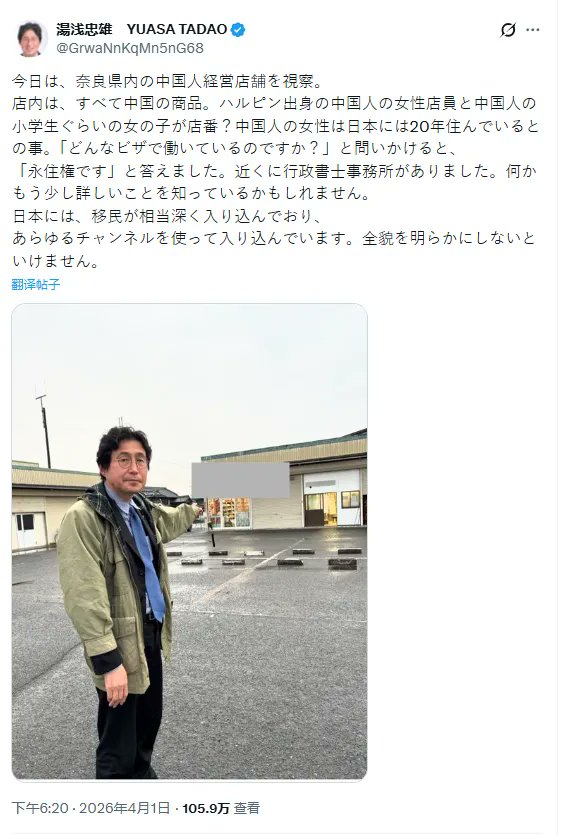
为了不给他流量,就不直接转帖,不吐不快,这帖子里面透出的傲慢和歧视,你一个普通人,跑到在日本合法经营的中国人店里面“视察”,颐指气使,问这问那,指东说西的,这就是日本人的礼貌么?这就是日本人的懂规矩么?
中文
@shinobunHOLO @akg0011 結局、彼は京大を出て芸人やYouTuberを目指しても鳴かず飛ばす、外国人を差別することで有名になったので、いくらでも差別し続けるでしょうね。
日本語


this creepy unc also was a permanent resident abroad for two decades too

English
「100%差別されます」のニュアンスをencounter discrimination(差別に直面する) という表現を使いました。日本を訪れる外国人女性が、街中での視線、公共交通機関での痴漢リスク、あるいはレストランやホテルでの扱いの差など、何らかの形で「女性であることによる不利益」を経験するであろうという確信を強調しました。
近年、SNSで「日本旅行の現実」として、女性(旅行者)が直面するナンパ(スカウト)や痴漢、男尊女卑的な態度の体験談が共有され始めています。ポスト主のメッセージは、当事者としての切実な警告として読む人達に響いて欲しいと思います。
日本語
hello. i am a japanese woman. many of you might be planning a trip to japan, but i have to tell you: no matter your race—White, Black, or Asian—you will encounter discrimination 100% of the time. Especially if you are a woman.
Is Japan a safe country? Yes, but only for men. Japan ranks 118th out of 146 countries in the Gender Gap Index. Please be aware of this reality.
lynx@1u3n9
こんにちは。日本人女性です。 世界の皆さんが日本の旅行を計画しているかもしれませんが、あなたが日本に来たら、白人でも黒人でもアジア人でも、100%差別されます。 もしあなたが“女性”なら。 日本は安全な国?はい、男性にとってはです。 日本はジェンダーギャップ指数の118位(148か国中)です。
English
@fillyjonjonk 그렇군요. 본의 아니게 실수를 하셨네요. 한국에서는 쓰레기 봉투 가격에 처리 비용이 포함되어 있어서, 마치 테트리스를 하듯이 빈틈없이 채워 넣는 '봉투 채우기의 달인'이 있다고 들었어요! 😂
한국어

나 이거 다른 의미로 몰랐어서 + 그 알바장에서 쓰봉을 이 선을 넘지 마세요 위에까지 꽏꽉 간신히 묶을 수만 있는 상태로 만든 후 버린다는 걸 몰라서 헐렁하게 마무리한 쓰봉 내다 버렸다가 소문남
大黒天@kinokochan99
@greenybread "쓰레기통이 꽉 차면 비우기"라는 것도 가르쳐요. 쓰레기통이 꽉 찼는데도 비우지 않는 사람이 있어서요.
한국어
@greenybread "쓰레기통이 꽉 차면 비우기"라는 것도 가르쳐요. 쓰레기통이 꽉 찼는데도 비우지 않는 사람이 있어서요.
한국어


文春が「証拠メール」ということは真実性が高い。
リーク元は防衛省幹部としか思えず、高市首相のトップダウン姿勢に対して一部で反感が広がっていると読める。
政権内部からリークが出ることは人身掌握ができていない証拠。
少しずつ綻びが出てきた高市政権。
---
高市官邸が小泉進次郎防衛相に“発言するな”と伝えていた 中東情勢めぐる閣僚会議で《証拠メール入手》(文春オンライン)
news.yahoo.co.jp/articles/28089…
日本語
「永住権」を持つ人は、日本で日本人とほぼ変わらない就労の自由が認められています。20年も日本に住み、地域社会で商売をしていることは、むしろ日本社会への適応と貢献の証です。
アメリカの「Japantown(日本人街)」や「Mitsuwa(日系スーパー)」に現地の人が通うのと全く同じ構図であることを強調しています。
残念ながら、一部の否定的な反応は、国籍だけを見て判断する偏見に基づいています。そうした「ダブルスタンダード(日本人が海外でやるのはOKで、外国人が日本でやるのはダメという考え)」の矛盾を鋭く指摘しています。
異国の地で20年頑張って根を張っている方に対して、敬意こそあれど「許せない」という言葉が出るのは寂しいことだと思います。
日本語
店内全是中国的商品。店内的中国女性在日本已经居住了20年。当我询问‘持有什么签证?’时,她回答‘是永住权(永久居留权)’。
这条推文下满是“无法原谅”之类的评论,但明明没有任何问题。在美国也有很多只卖日本产品的商店,且由日本人或日裔在经营。
町山智浩@TomoMachi
”店内はすべて中国の商品。店内の中国人の女性は日本には20年住んでいる。「どんなビザで?」と問いかけると 「永住権です」” 何一つ問題ないのに「許せない」みたいなリプが山ほどついている。アメリカにも日本製品だけの店が多くあり、日本人ないし日系人が働いています。
中文