

Kenya Law Reform Commission
1.6K posts
Kenya Law Reform Commission
@klrcKE
A dynamic and responsive agency for progressive law reform
Nairobi, Kenya Katılım Temmuz 2012
352 Takip Edilen2.7K Takipçiler
What is a subsidy?
Originating from a Latin word subsidium, subsidy is support rendered by the government.
A subsidy could be direct (cash) or indirect( tax breaks, credit, price and regulatory subsidies.
The rationale for which the government employs a subsidy is to reduce costs for consumers, support production, or incentivice investment.
Now you know.
#FunfactFriday

English
Digital Governance
Technology is transforming governance;- from e-services and digital payments to automated compliance and regulatory systems.
However, key challenges remain:
💻 Can digital systems effectively reduce corruption and human discretion?
💻 How do we safeguard data protection, privacy and cybersecurity?
💻 Are public institutions adequately prepared for full digital transformation?
Without strong legal and institutional frameworks, digital systems may introduce new risks even as they solve old ones.
⚖️ Ongoing law reform efforts should explore secure, transparent and accountable digital governance frameworks, including digital records, e-declarations and data protection safeguards.
💬 Join the conversation: What role should technology play in strengthening governance, accountability and service delivery in Kenya?
#TalkToUsThursday #DigitalGovernance #Innovation #Transparency #LawReform #PublicParticipation

English
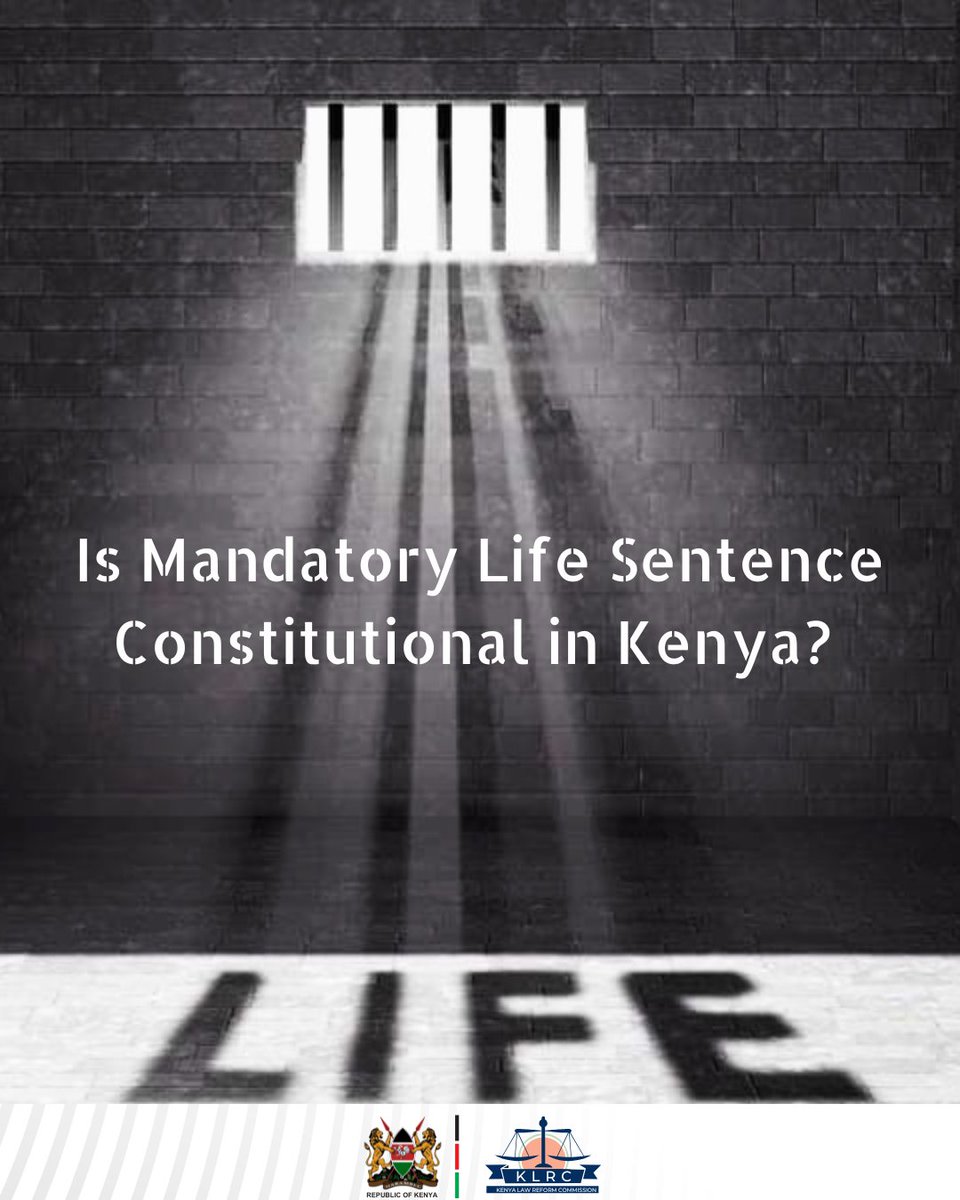
In Republic v Manyeso [2025] KESC 16 (KLR), the Supreme Court addressed the legality of the Court of Appeal’s decision to declare a life sentence for defilement unconstitutional and substitute it with a 40-year term.
The Supreme Court found that the Court of Appeal acted ultra vires by assuming original jurisdiction over a constitutional issue that had not been raised or determined at the High Court.
It emphasized that appellate courts can only determine constitutional questions that have properly flowed through the judicial hierarchy. Consequently, the Supreme Court declined to determine the constitutionality of the life sentence itself, as the issue had not been properly canvassed in the courts below it.
The Supreme Court also held that the Court of Appeal misapplied the Muruatetu decision. It clarified that Muruatetu did not invalidate mandatory or minimum sentences outside the death penalty imposed in murder cases and could not justify declaring life imprisonment unconstitutional.
Crucially, the Court held that substituting a statutory sentence with an alternative sentence amounts to a usurpation of legislative power, violating the doctrine of separation of powers. The Court held that sentencing frameworks must be defined by Parliament, not courts.
The Supreme Court allowed the appeal, set aside the Court of Appeal’s decision, and reinstated the life sentence that had been imposed by the magistrate’s court and affirmed by the High Court. Parties were ordered to bear their own costs.
#KatibaWednesday
English
Topical Tuesday
Voter Registration and the Law
As Kenya heads toward the 2027 General Elections, the conversation on voter registration, especially among the youth, is growing. The law provides a clear framework.
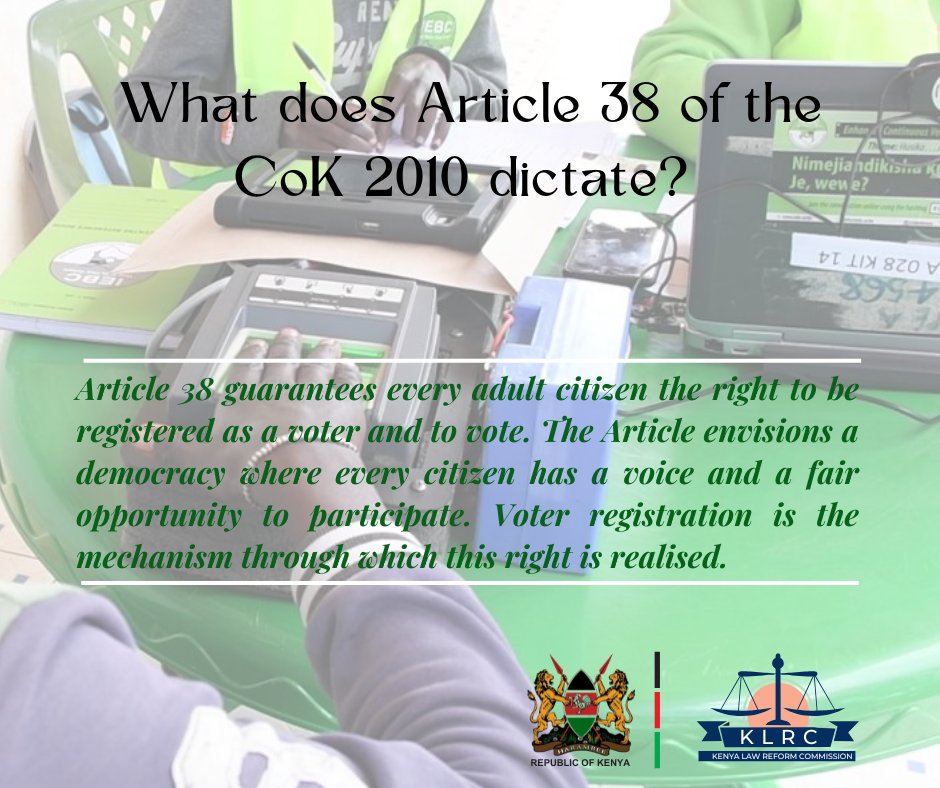
Article 38 guarantees every adult citizen the right to be registered as a voter and to vote.
Article 88 establishes the Independent Electoral and Boundaries Commission (IEBC) and mandates it to conduct elections, including the continuous registration of voters and regular revision of the voters’ roll. This includes removing deceased persons and correcting voter details.
Under the Elections Act, a citizen may vote only if registered in the Register of Voters, which IEBC maintains at polling station, ward, constituency, county and diaspora levels.
Voter registration is generally continuous, but it pauses during specific periods, immediately before a general election, during a by-election and during a referendum.
The Constitution, through Article 38, envisions a democracy where every citizen has a voice and a fair opportunity to participate. Voter registration is the mechanism through which this right is realised.
#TopicalTuesday #VoterRegistration #IEBCKenya
English
Kenya Law Reform Commission wishes our Muslim brothers and sisters a joyous Eid filled with countless blessings.
#ProgressiveLawReform
#Eidmubarak

English
Accountability in Public Service
Public officers are required to declare their income, assets and liabilities in accordance with Section 31 of the Conflict of Interest Act, 2025.
This provision geared towards promoting transparency and accountability in public service and ensuring that the wealth of public officers matches their known and verifiable income sources.
However, practical challenges persist including incomplete disclosures, weak verification systems and limited public access to information.
These gaps can undermine the effectiveness of asset declarations as a tool for detecting unlawful enrichment and promoting integrity.
🔍 Is it time for Kenya to move from manual declarations to a secure, digital and verifiable system with stronger oversight?
💬 Engage with us in the comments section: What other reforms would strengthen accountability, transparency and public trust in asset declarations?
#LawReform #TalktoUsThursday #Governance #Integrity #LawReform #PublicParticipation

English
Is the advice given by the Salaries and Remuneration Commission (SRC) on the remuneration of public officers binding?
This the question the Supreme Court addressed in National Hospital Insurance Fund Management Board v Kenya Union of Commercial Food and Allied Workers & another; Attorney General (Interested Party) (2025).
The SRC is a constitutional commission established under Article 230 of the Constitution with the dual mandate of:
(a)setting and regularly reviewing the remuneration and benefits of all State officers; and
(b)advising the national and county governments on the remuneration and benefits of all other public officers.
It is the second mandate that has drawn considerable discussion, with various entities questioning the legal effect of the advice given by the SRC.
In the case mentioned above, the dispute arose after NHIF negotiated a Collective Bargaining Agreement (CBA) with a trade union without first obtaining SRC’s advice as required by SRC Regulations.
SRC declined to approve the remuneration proposals and directed NHIF to maintain the existing remuneration structure.
The matter went to court where the Employment and Labour Relations Court held that NHIF was not subject to SRC’s mandate and that SRC’s advice was merely advisory.
However, the Court of Appeal reversed that decision, holding that NHIF was a public entity and therefore subject to SRC oversight.
On further appeal, the Supreme Court affirmed the Court of Appeal’s decision. The Supreme Court held that NHIF was a state corporation performing public functions and handling public funds, thereby placing it within the public service.
The Court held that as a consequence, NHIF’s employees were public officers and therefore their remuneration fell under SRC’s constitutional mandate.
The Supreme Court interpreted Article 230(4)(b) of the Constitution purposively and concluded that SRC’s advice on remuneration and benefits of public officers is binding, not merely persuasive.
The Court reasoned that treating SRC’s advice as optional would undermine its constitutional role of ensuring fiscal sustainability of the public wage bill.
English
Topical Tuesday
Last week, the Judiciary marked Mediation Week, highlighting the role mediation can play in resolving disputes outside the traditional courtroom process. This principle is embedded in the Constitution. Article 159(2)(c) encourages courts to promote alternative forms of dispute resolution, including reconciliation, mediation, arbitration and traditional dispute resolution mechanisms.
Not every dispute requires a full court trial. In appropriate cases, such as commercial or family matters, mediation can offer parties a faster and less adversarial way of resolving disagreements, while also helping to ease pressure on the court system.
Kenya has already taken steps in this direction through court-annexed mediation, where certain matters may be referred to mediation. However, mediation is not suitable for every dispute. The Constitution itself recognises limits, particularly where outcomes would be inconsistent with the law or the Bill of Rights.
Even so, the constitutional recognition of alternative dispute resolution reflects an important shift in how justice can be approached. The broader question is how the legal system and those who use it, will continue to integrate mediation as one of the tools for resolving disputes.
#TopicalTuesday #AccessToJustice
#ADR
#Mediation
#JudiciaryKE

English
KLRC has a mandate to collaborate with state and non-state actors in the formulation of legislation to give effect to the social, economic and political policies for the time being in force.
#mandatemonday
English

Does a husband have to prove dependency to benefit from the estate of his deceased wife?
The High Court in Mungai v Attorney General [2025] KEHC 8544 (KLR) examined the constitutionality of section 29(c) of the Law of Succession Act, which defined a dependant to include the husband of a deceased woman only if he had been maintained by her immediately prior to her death.
The petitioner argued that this requirement was discriminatory because a widow inheriting from a deceased husband was not required to prove dependency in order to benefit from his estate.
The High Court reviewed the provision against the constitutional guarantees of equality and non-discrimination under Article 27 and the principle of equality within marriage under Article 45(3) of the Constitution.
The court observed that section 29 of the Act created different standards for spouses depending on gender.
While a wife automatically qualified as a dependant of a deceased husband whether or not she had been maintained by him, a husband could only qualify if he proved that he had been maintained by his deceased wife prior to her death.
The court held that this distinction amounted to gender-based discrimination because it imposed an additional burden on widowers that was not imposed on widows.
Such differential treatment undermined the constitutional principle that spouses are entitled to equal rights at the time of marriage, during marriage, and at its dissolution. Consequently, the provision violated Articles 27(4) and 45(3) of the Constitution.
The court emphasized that while proof of dependency could be a legitimate requirement in succession matters, it must apply equally to both spouses and not discriminate on the basis of sex.
#KatibaWednesday
#EqualityForAll
#ProgressiveLawReform

English
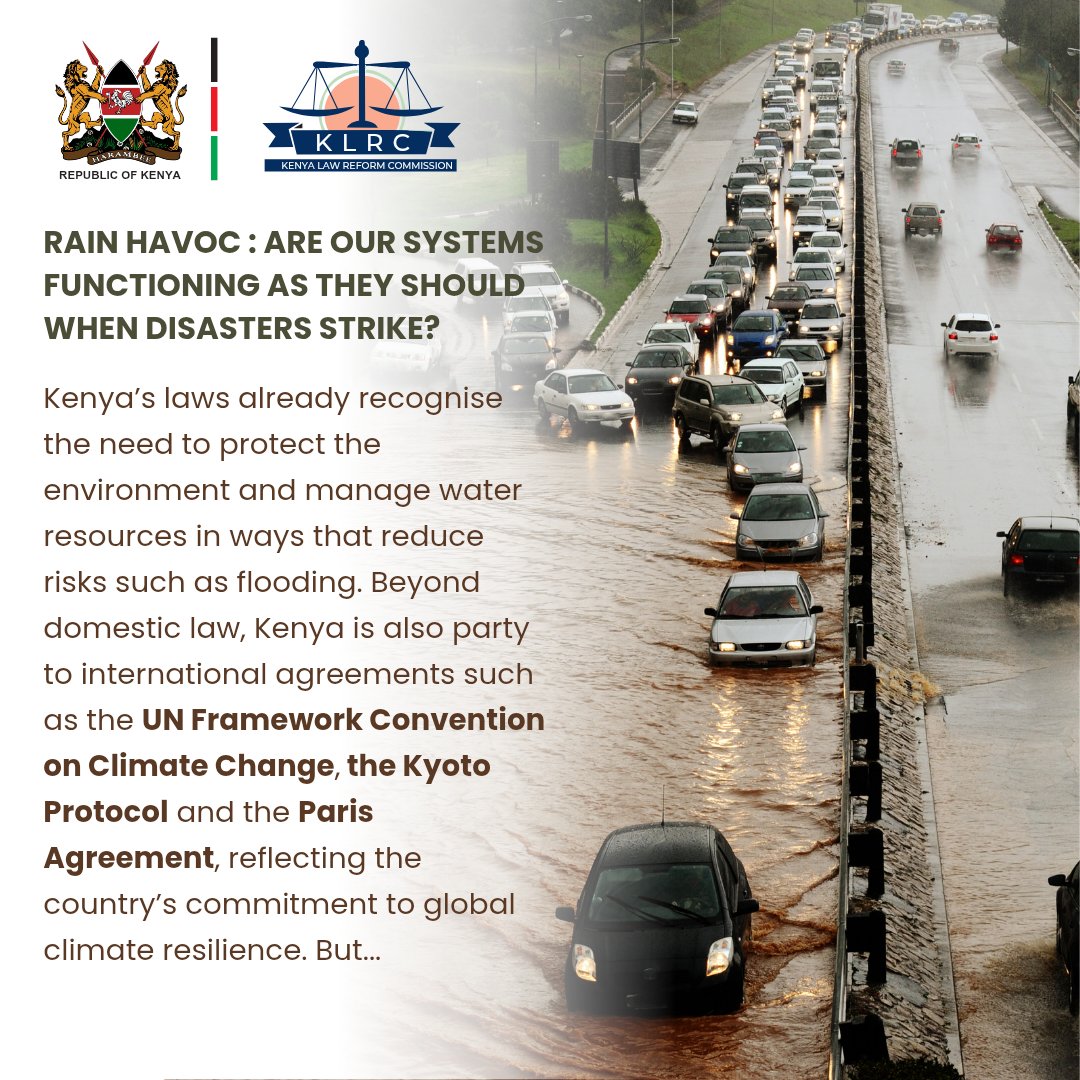
The recent floods across parts of Kenya and the tragic loss of lives in Nairobi are a painful reminder of how vulnerable our cities are to extreme weather.
The Kenya Meteorological Department had issued warnings of heavy rainfall, highlighting the importance of acting on forecasts when they are issued.
Kenya’s laws already recognise the need to protect the environment and manage water resources in ways that reduce risks such as flooding.
The Constitution guarantees every person the right to a clean and healthy environment under Article 42.
This is supported by the Environmental Management and Coordination Act (EMCA), which establishes NEMA to oversee environmental protection and requires environmental impact assessments before major developments.
The Water Act also provides a framework for flood management, assigning responsibilities to national agencies and county governments in areas such as water resource management, drainage and flood control.
Regulations on Water Harvesting and Storage add further detail by requiring maintenance of flood control structures, early warning systems and proper stormwater management.
Beyond domestic law, Kenya is also party to international agreements such as the UN Framework Convention on Climate Change, the Kyoto Protocol and the Paris Agreement, reflecting the country’s commitment to global climate resilience.
The framework is there, both in law and policy. The question is whether these systems are functioning as they should when disasters strike.
#KenyaWeather
#MeteoKenya
#Floods
#TopicalTuesday
English
Did you know KLRC has the mandate to iniate law reform on its own motion.
KLRC is currently conducting a post-enactment evaluation on of key family laws statutes, including Marriage Act, Matrimonial Property Act and Law of Succession Act.
What areas of family law do you think need reforms?
#mandatemonday
English
Kenya Law Reform Commission retweetledi

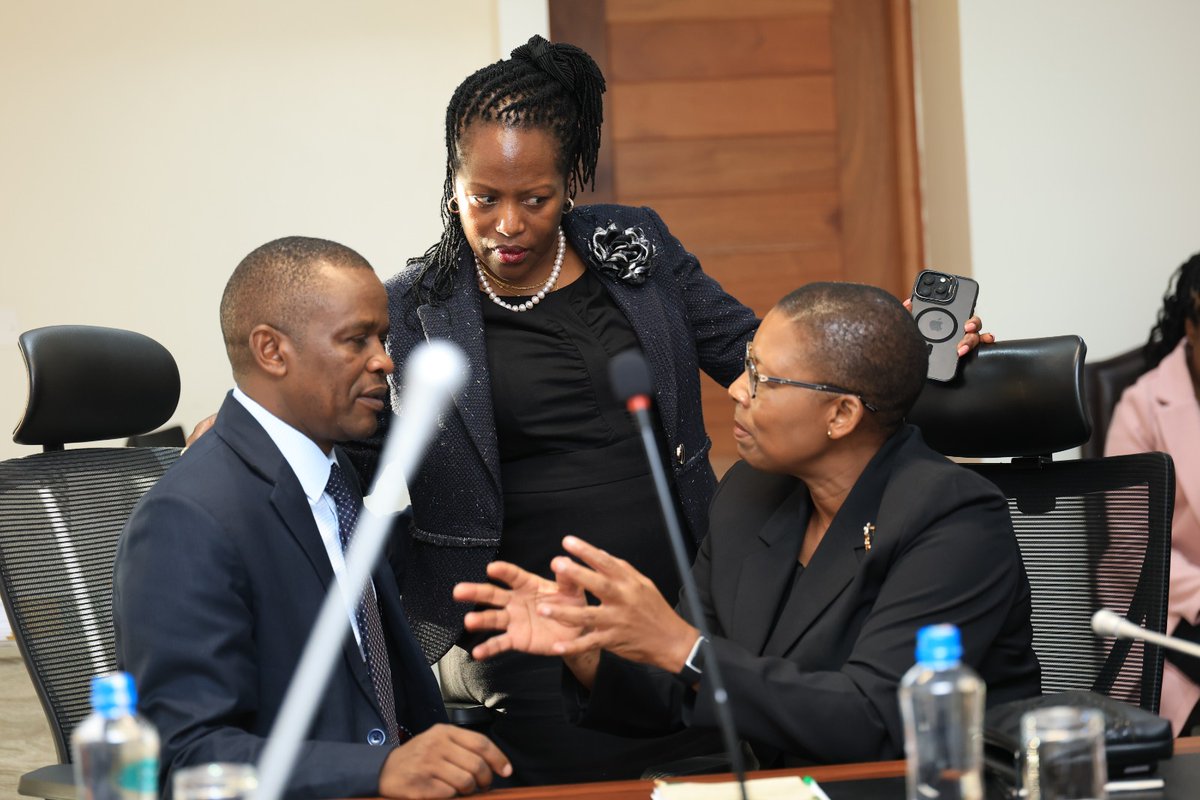
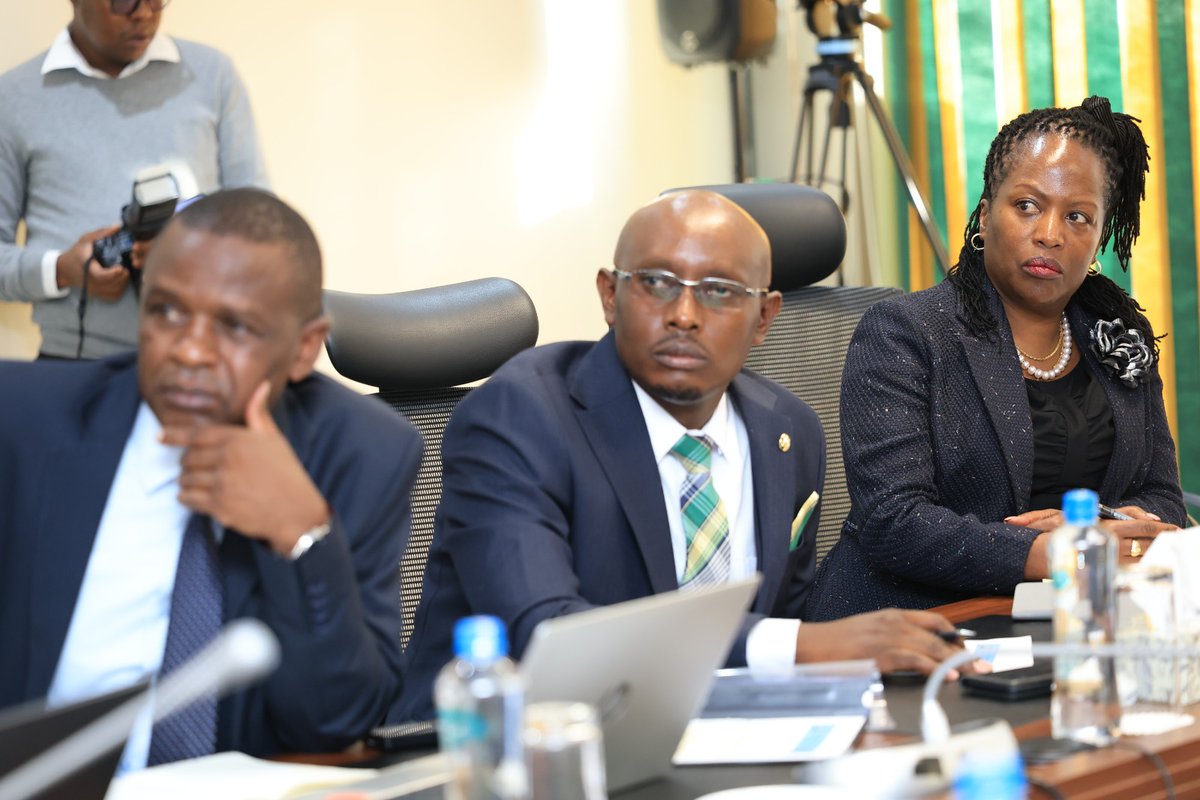
SUSTAINING TRAFFIC JUSTICE REFORMS IN KENYA
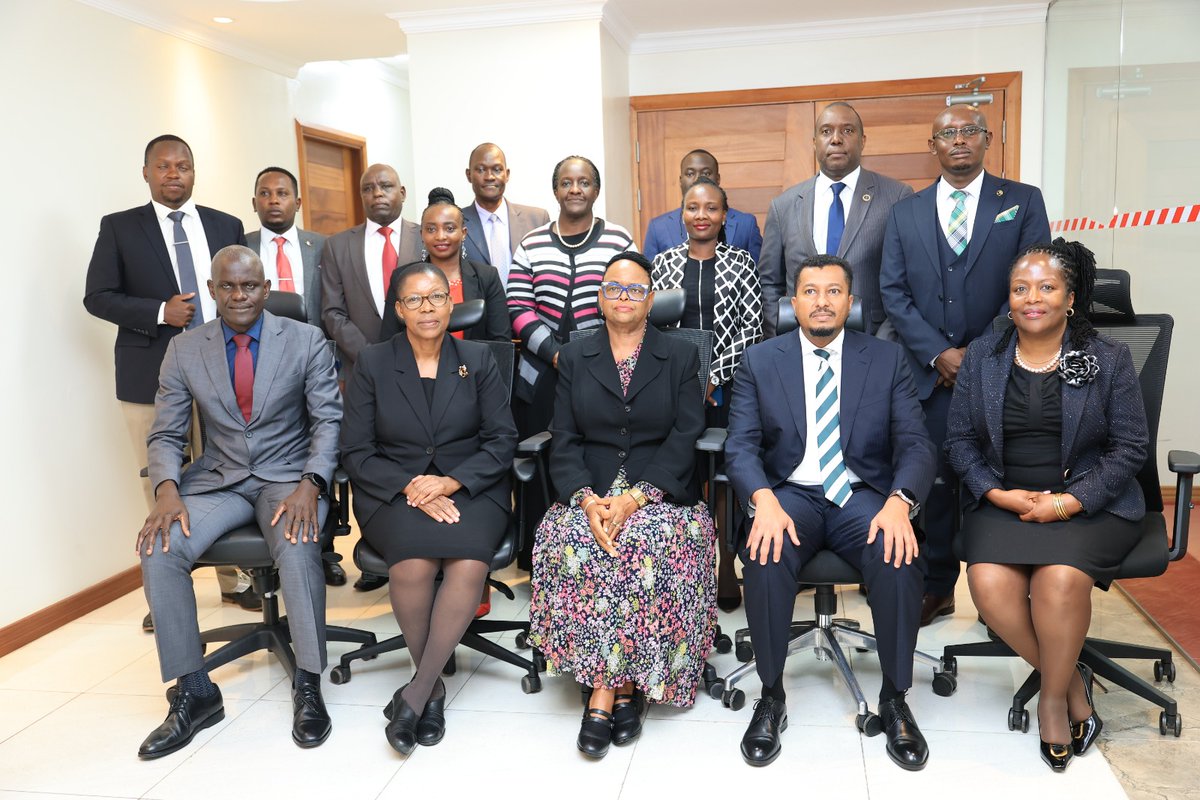
A high-level NCAJ Team convened to follow up on actions pursuant to a meeting held at State House on Monday, 2nd March 2026.
Enhancing road safety and averting traffic deaths remains NCAJ’s top priority.

English
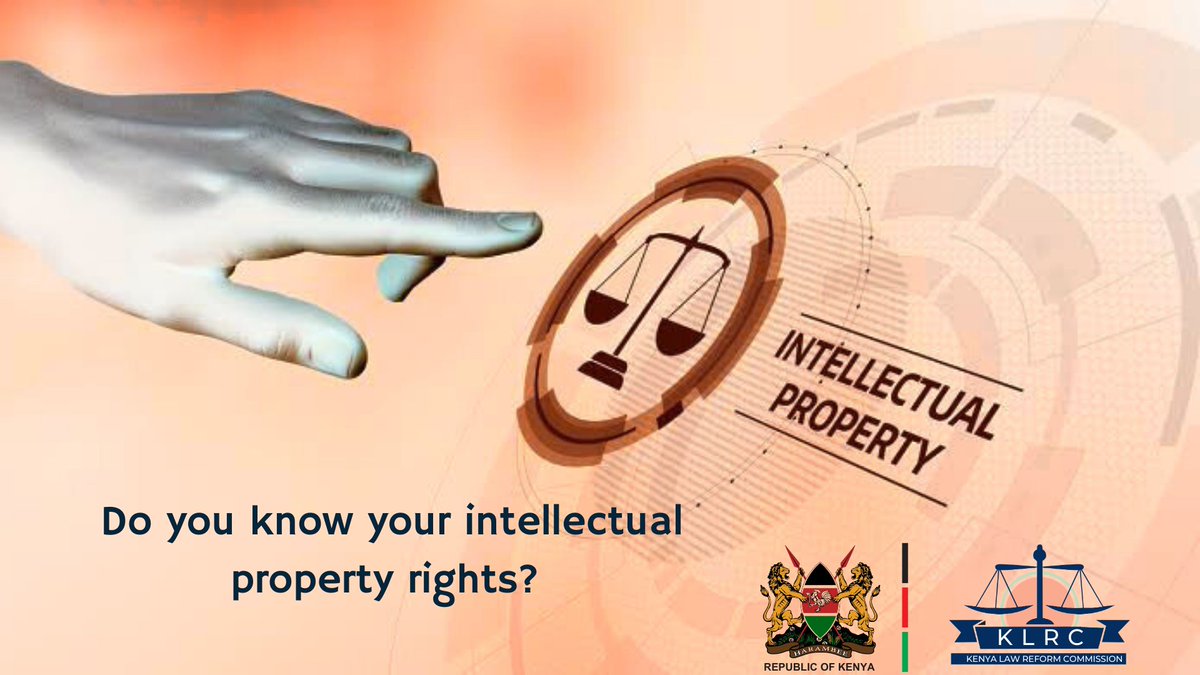
Did you know that under the intellectual property law, an author is entitled to certain rights?
These rights include economic and moral rights. Under the economic right, an author is entitled to financial exploitation.
Moral rights, on the other hand, relate to the authors' rights to personal integrity and protection against damaging alterations.
While economic rights are transferable through assignment or licensing, moral rights are non-transferable.
Now you know.
#intellectualProperty
#Rights
#FunfactFriday
#ProgressiveLawReform
English
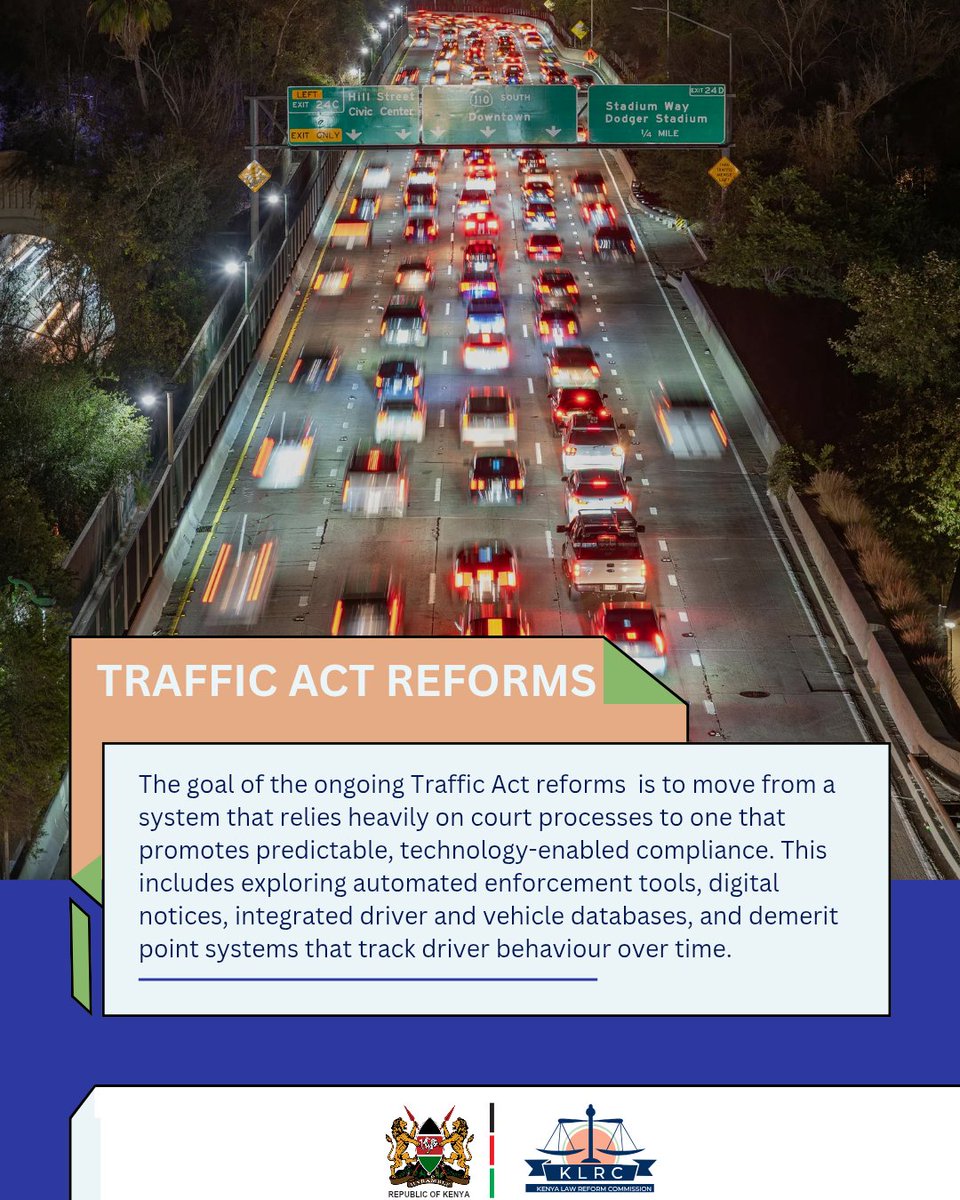
Ongoing reforms to the Traffic Act are increasingly focusing on modernizing how rules are enforced, recognizing that road safety is not just about enforcement but also about behaviour change and the effective use of technology.
The goal is to move from a system that relies heavily on court processes to one that promotes predictable, technology-enabled compliance. This includes exploring automated enforcement tools, digital notices, integrated driver and vehicle databases, and demerit point systems that track driver behaviour over time.
By leveraging technology, enforcement becomes more transparent and less discretionary, helping reduce corruption opportunities while improving compliance. At the same time, reforms aim to ensure that minor regulatory infractions are handled efficiently, while serious offences that endanger lives continue to attract strong criminal sanctions.
Ultimately, the objective is simple: safer roads, fair enforcement, and a system that corrects behaviour quickly while maintaining public trust.
Modern traffic regulation must combine law, technology and responsible governance to protect lives and make our roads safer for everyone.
Share your views with us.
#RoadSafety #LawReform #TrafficReform #DigitalTransformation
English
Kenya Law Reform Commission retweetledi

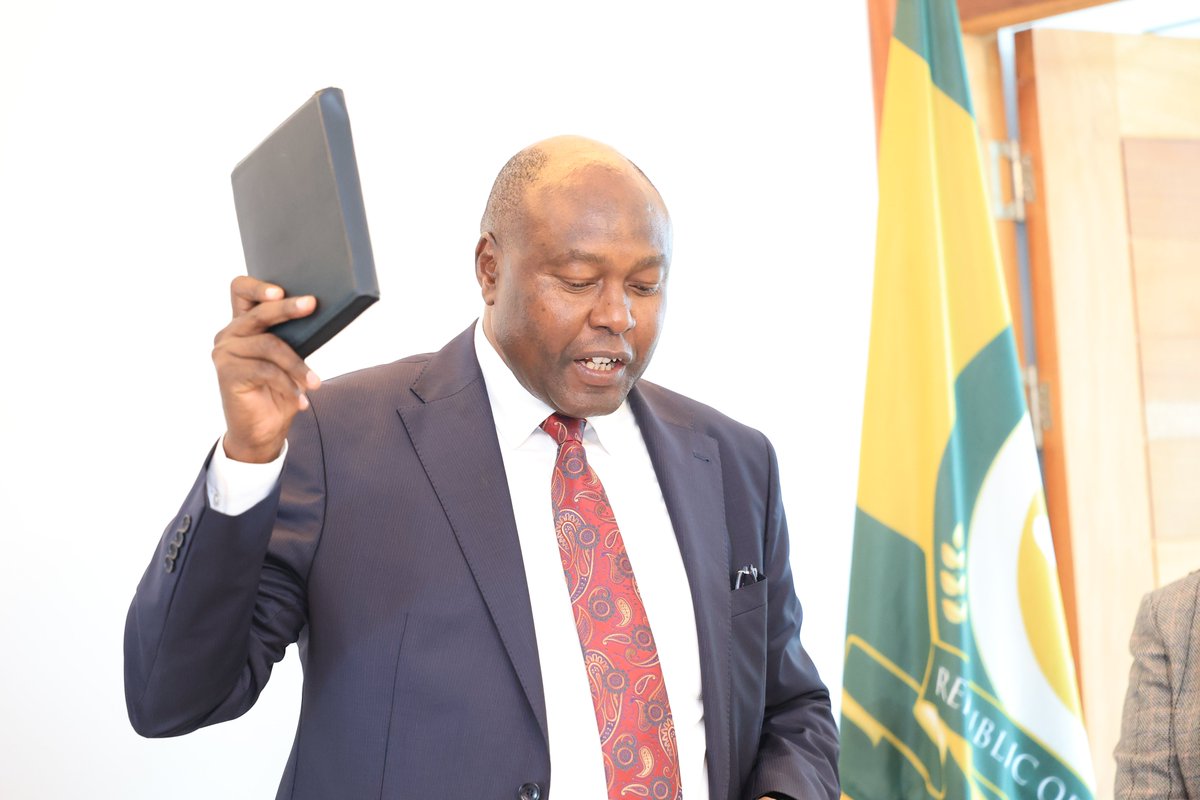
Chief Justice Martha Koome presided over the swearing-in of the Chairperson of the
Public Service Commission; Commissioners of the Kenya Law Reform Commission; and member of the National Heroes’ Council.
Francis Meja was sworn in as the Chairperson of the Public Service Commission, while Emmanuel Mumia, Catherine Ochanda and Walter Ochieng Khobe as members of Kenya Law Reform Commission. Charfano Guyo Mokku was sworn in as a member of the National Heroes Council.
The CJ urged the PSC to strive to ensure that the government becomes a model employer - setting the benchmark for merit, transparency, fairness, and integrity in employer–employee relations.
“The Commission shoulders the duty of actualising Article 234 of the Constitution – that is, embedding constitutional values across the public service, strengthening institutional efficiency, and advancing professional excellence,” CJ Koome said
On Kenya Law Reform Commission, the CJ acknowledge that over the years, the Commission has translated constitutional values into legislative reality - reviewing outdated statutes, proposing progressive reforms, and aligning sectoral laws with constitutional imperatives.
“Your responsibility now is to consolidate and deepen these gains. Law reform must remain proactive, evidence-based, and responsive to emerging social, economic, technological, and governance challenges.”
She urged the Commission to prioritise the review of statutory provisions declared unconstitutional by courts adding that the Judiciary identifies these annually in the State of the Judiciary and Administration of Justice Report. She maintained that prompt legislative action to amend or repeal them is imperative saying the fidelity to the Constitution demands no less.
The CJ encourage the National Heroes Council to celebrate not only prominent figures but also ordinary Kenyans doing extraordinary things - unsung heroes and heroines whose quiet service strengthens our communities. In doing so, the Council nurtures role models for future generations and advance nation-building in its most enduring form.
“By identifying, recognising, and honouring our heroes, you shape our collective memory and affirm the values that define us,” CJ Koome said



English