Andriy Kobolyev

116 posts

Andriy Kobolyev

Andriy Kobolyev

@kobolyev

Founder at Eney. Former CEO (2014-2021) at @NaftogazUkraine. Loving father and husband. Fighting for justice and Ukraine's future as a free state.

Katılım Mayıs 2014
184 Takip Edilen497 Takipçiler
Andriy Kobolyev retweetledi
Jacqui Heinrich
Jacqui Heinrich@JacquiHeinrich·
UPDATE: admin source tells @EdwardLawrence President Trump let the waiver expire in pursuit of ending the war and “will continue to implement sanctions which remain one of the key levers to facilitate this goal.”
Jacqui Heinrich@JacquiHeinrich

Trump has not reissued this waiver as of now - but nobody in the admin has stated that this was a choice rather than an oversight. Everybody we ask (WH, State, Treasury) says they’re looking into it and will get back to us… we’ve been asking for 2 days and no answer

English

9
61
241
100.1K
Andriy Kobolyev
Andriy Kobolyev@kobolyev·
Today, a significant event occurred on the European gas market - Gazprom has ceased its gas supplies to Austria. Austria was a special client to Moscow: It was the first (outside the Warsaw Pact) to sign a contract for gas purchase from the USSR back in the distant year of 1968 and became the second major European gas hub solely due to Soviet supplies, which passed through Ukraine. However, it's definitely too early to uncork the champagne in Kyiv: 1) Gazprom continues to pump the same volumes of gas through Ukraine, which might mean a straightforward scheme of replacing the counterparty - meaning gas to Austria might be resold through some intermediary (for example from Slovakia). 2) This year there's a trend of replacing Russian pipeline gas with Russian LNG, which has allowed Moscow to regain its position as the second largest gas supplier to the EU (a position temporarily lost at the end of last year to the USA). The first scenario does not change the status quo from Ukrainian perspective. The second one, however, is negative for Ukraine, as the Russians will get the same income through private exporters, while we will lose the transit revenue. A potential scenario where Ukraine wins in this ‘traditional gas’ war could be related to increasing the use of our underground gas storage. But for their real utilization Ukrainian government and UGS operator has to finish their homework. In a non-traditional context - this means nuclear energy and bio-methane. Here, there's even more homework to be done, but the prospects are much larger.
Andriy Kobolyev tweet media
English
0
3
9
375
Andriy Kobolyev
Andriy Kobolyev@kobolyev·
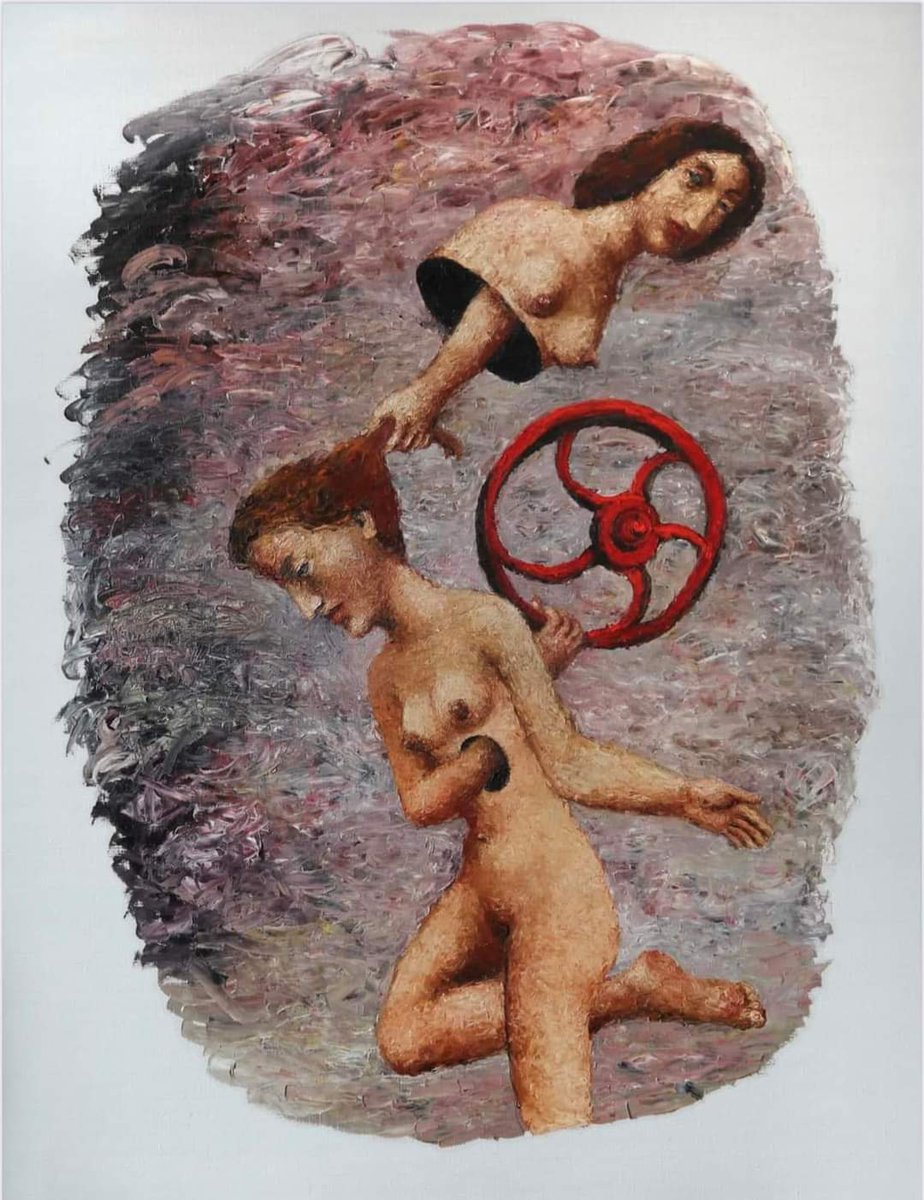
On the day of the celebration of the first official Ukrainian Christmas according to the New Julian calendar (which now and for the next 777!!! years will completely coincide with the Gregorian calendar), I decided to Google why this Christian holiday is celebrated in the Russian world 13 days later than in the Western world. On the way to this knowledge, I quite expectedly came across a layer of explanations for the non-canonicity of all other calendars except the Julian calendar-also expectedly-by various representatives of the Russian Orthodox Church and others. And here I found out one thing that was unexpected for me - if you remove the traditional rhetoric (such as "an explanation for the atheists who want Christmas on December 25"), the logic itself is quite clear and rational - this is how the Kremlin (which essentially runs the ROC) demonstrates its separation from the Western world. Or to put it more simply, this is how Moscow marks its territory. That is why our transition to the Gregorian calendar is another big step towards the Western world, away from Russia. And as for me, the general atmosphere of this Christmas is successfully conveyed by Roytburd's painting "Rus' Departing," which he created precisely as a visualization of the complex and painful process of our separation from the Russian world.
Andriy Kobolyev tweet media
English
0
0
6
333
Andriy Kobolyev
Andriy Kobolyev@kobolyev·
A new precedent is being set in the United States for holding a top-level elected official accountable for his or her actions in office. History is being written before our eyes. P.S. By "setting a precedent," we mean the process of a trial and the issuance of any decision - in favor or against. Whether Trump is allowed to run or not is not important.
English
0
1
4
252
Andriy Kobolyev
Andriy Kobolyev@kobolyev·
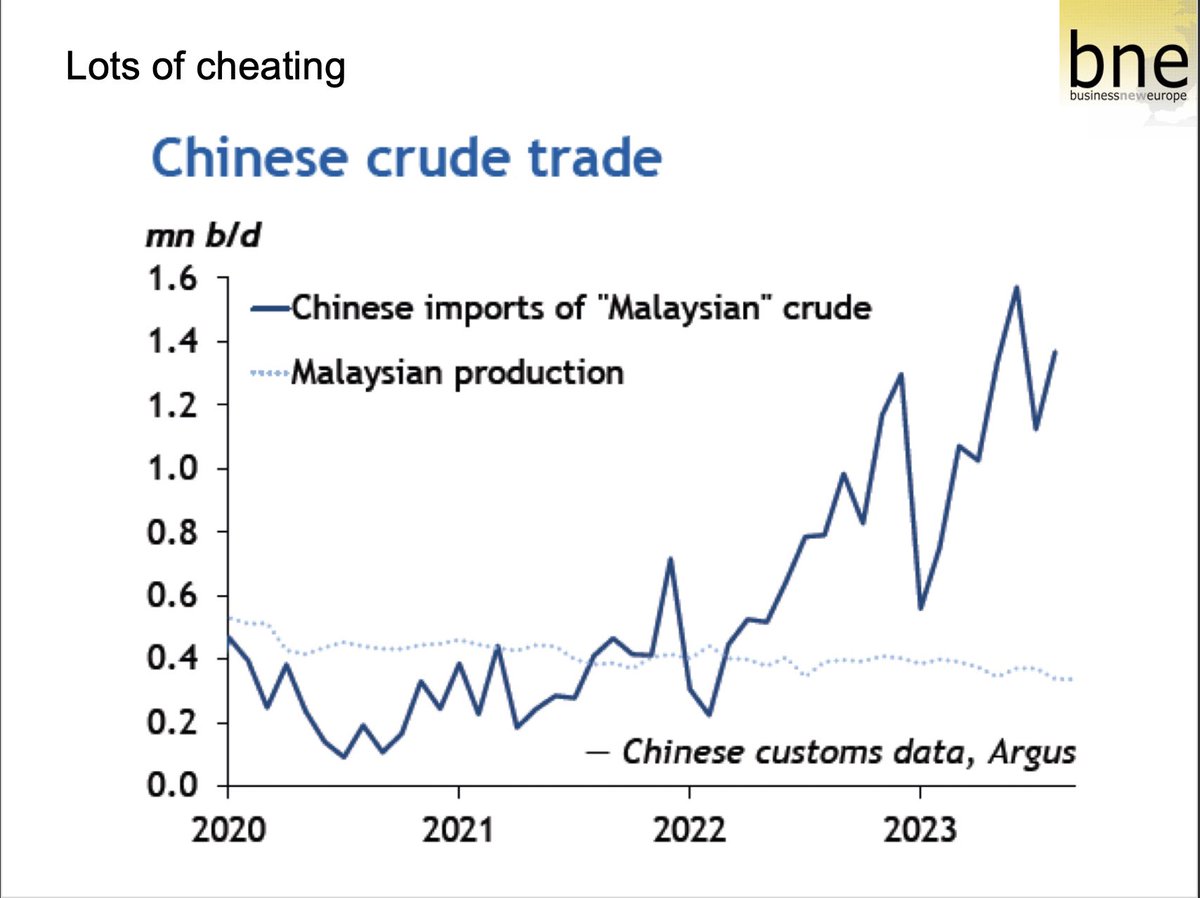
Took part in the round table "Is Europe winning on the energy war?", organized by the #DivanCentre in Berlin. @bneeditor presented rather interesting data on the export of Russian energy carriers. Two obvious conclusions: The first slide: Russian energy is resold in large amounts by other countries as their own resource. For example Malaysia has increased its oil exports to China to a level that is three times higher than its own production. Second slide: Russia's income from oil sales has returned to pre-war levels. It is very, very bad for both Ukraine and the West. After all, it means that Russians have learned to circumvent sanctions by using other countries as hubs for mixing or processing russian gas and oil. They will then be resold to Western countries as non-sanctioned goods. This tactic has been known for a long time, no one particularly hides it anymore. What is the value of loud statements about the creation of a Russian gas hub in Turkey, which is essentially a replacement for the Nord Streams. The question arises - what can be done now? At the round table the greatest interest was caused by the Ukrainian proposal to Western partners: "If you can't sanction - impose a special fee on them." The essence of the proposal is based on the mechanism of anti-dumping duty or anti-subsidy levy. It was often used to protect European manufacturers from unfair competition from other countries, including Ukraine. In the case of Russian energy supplied to Western countries, such a levy can be used to reduce the level of price that the intermediary country will be willing to pay to Russia to the approved ceiling. As an example, let's take gasoline, which is produced from russian oil in Turkey and then exported to Europe. Since gasoline is sold at the market price in Europe, the price of oil paid to russia by the Turkish refinery will also be the market price. The introduction of an anti-dumping duty on such gasoline in the country of its import in the amount of 40 dollars per barrel will force the Turkish refinery to demand a 30-dollar discount on a barrel of russian oil (assuming 75% oil to final product conversion rate). This approach can be applied to any group of goods produced by an intermediary country and has several advantages: 1) returns the busibness of trading energhy from intermediary countries to Western countries. Namely, the loss of such business is one of the main reasons for the negative attitude of politicians like Fico towards helping Ukraine. 2) does not provoke a shortage of energy supply globally, which is so feared by the West. 3) fills the budget of the Western allies, not Russia. Alternatively, the money from such a fee/duty can be transferred to Ukraine. I understand it sounds rather complicated, but the time of simple and quick solutions has already passed. We need new methods of economic warfare, resilient to primitive hacking that Russia is employing.
Andriy Kobolyev tweet mediaAndriy Kobolyev tweet media
English
4
5
8
1.3K
Andriy Kobolyev
Andriy Kobolyev@kobolyev·
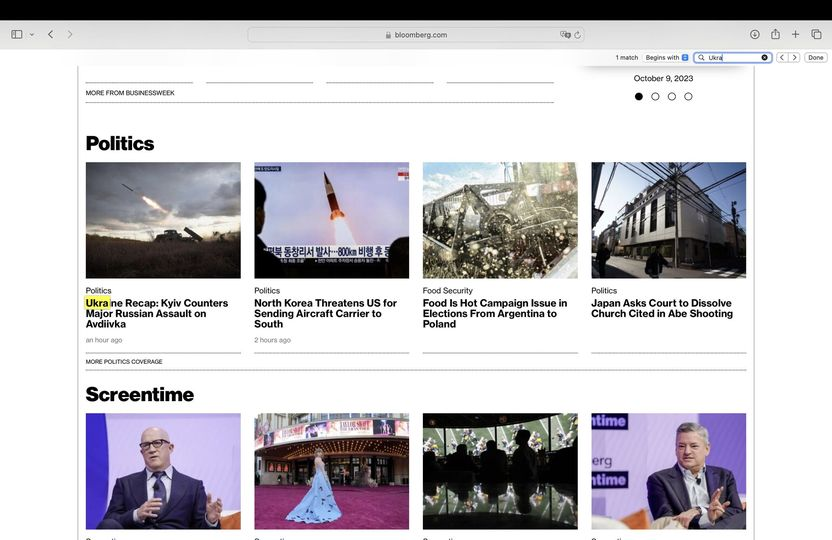
I opened the Bloomberg main page today and saw no news about Ukraine, which usually take up a large part of the screen. A word search on the page yielded only 1 match. Well, our task of staying at the top of the news has become a little more difficult. But it's not the first time for us.
Andriy Kobolyev tweet media
Ukraine 🇺🇦 English
0
3
11
546
Andriy Kobolyev
Andriy Kobolyev@kobolyev·
On the one hand, the military aggression against Israel is very beneficial to Russia (or perhaps is the result of their activities), as it diverts the West's attention from Ukraine. On the other hand, it creates the basis for closer and more effective cooperation between us and Israel. The potential of which is enormous. And history knows many examples of Jews working together with Ukrainians to defeat common enemies.
English
0
0
1
433
Andriy Kobolyev
Andriy Kobolyev@kobolyev·
Yesterday, many people asked me how I was going to celebrate the removal of the bracelet, and today, how do I feel without it? Without delving too deeply into the specifics of my own perception of this experience, I can share one personal nuance: the biggest drawback of the bracelet is the clear prohibition to go to the sauna with it because of the risk of overheating the battery. And as a person who has delved into the world of lithium-ion energy storage in my current line of work, I took this prohibition quite seriously and limited myself to this pleasure completely. That's why yesterday I celebrated by going to the sauna, which is why I feel great today :)
English
0
0
8
328
Andriy Kobolyev
Andriy Kobolyev@kobolyev·
Today, the HACC investigating judge (first instance) made a decision: - To remove my bracelet, - Bail to be reduced to the level actually paid. We are waiting for the full text of the decision. Thank you to everyone who helped and supported us.
Ukraine 🇺🇦 English
0
0
18
339
Andriy Kobolyev
Andriy Kobolyev@kobolyev·
Regarding the Stockholm bonuses case (the picture in the post is about it) Tomorrow at 9AM, an interesting and important hearing is scheduled in the HACC building on Beresteyska Avenue. It is interesting because it will present the testimony of direct witnesses whom detectives "for some reason" could not interrogate for 5 years, but managed to do so recently. And it is important because it won't be the prosecution's speculation and interpretation of who, how, when and why made the decision to pay the bonuses, but how it really happened. There will be several other interesting points, but we will talk about them during the hearing. We invite interested parties and media representatives to participate in a format convenient for them. As always, we will request an open hearing and an online broadcast on YouTube.
Andriy Kobolyev tweet media
Ukraine 🇺🇦 English
0
3
6
312
Andriy Kobolyev
Andriy Kobolyev@kobolyev·
Anyone interested in the gas wars is advised to follow the events in Moldova closely. It is interesting there now. The chronicle of events so far is as follows: In the fall of 2021, Gazprom began to threaten Moldova with gas cutoffs due to dubious debts. This could have become a serious problem for our neighbors. The situation in Moldova was further complicated by the fact that Gazprom is the de facto controlling shareholder of the national gas company Moldovagaz. However, Chisinau approached the problem pragmatically and applied a proven method of combating Russian gas blackmail: - refusal of political concessions in favor of the Kremlin - diversification of gas supply sources - launching the reform of the domestic gas market - independent audit of Gazprom's claims - start the process of real unbundling of Moldovagaz. Before the start of the previous winter season, Gazprom followed the classic scheme of escalating the gas conflict and cut off the gas supply. Chisinau switched to purchasing gas from other sources and went through the winter quietly, buying gas on the European market. And now Chisinau is on the offensive itself: "This is not yet known to the public, but next week our government will come out and say that we hired an international company that did an audit and said that we do not have any debts of $800 million. They wanted to deceive us quickly. They left us without gas. Winter is coming," the Moldovan president said.
Ukraine 🇺🇦 English
2
3
22
1.3K
Andriy Kobolyev
Andriy Kobolyev@kobolyev·
I often ask myself why so many people, including the fully conscious ones, sometimes feel nostalgic for the USSR. There are many answers to this question, including the rather simple one that things seemed better back then due to the "rose-tinted glasses" effect. However, there's another possible answer that used to resonate with me personally - a sense of pride. Pride in one's country, its victories, achievements, and the values that dominated its society. Many born in the USSR lost the sense of pride in their country and searched for it in new realities, but not everyone found it. My first conscious experience of pride in my country dates back to around 2004. It was the Orange Revolution. There were many other episodes that I can also categorize as "Pride." But the war made this feeling predominant. Therefore, for me, Independence Day is primarily about the feeling of pride. The one I am most thankful to our defenders for. Both the living and the deceased. Happy Independence Day!
Andriy Kobolyev tweet media
English
1
2
5
334
Andriy Kobolyev
Andriy Kobolyev@kobolyev·
Today, the High Anti-corruption Court extended all my duties as a suspect, including wearing the state's greatest honour for my past victories - a house arrest bracelet, for an additional 2 months. The live broadcast of the hearing was denied due to "insufficient public interest in the Stockholm Bonus case." The lack of "public interest" was justified by the absence of press inquiries. The results of interrogations of independent members of the Supervisory Board by the prosecution were once again NOT presented. No reasonable explanations were given for this fact. Those are all the updates for today :) It's a new photo, taken by Grigory Vepryk. I sincerely thank him for it :)
Andriy Kobolyev tweet media
English
3
6
35
4.2K
Andriy Kobolyev
Andriy Kobolyev@kobolyev·
For so long I was waiting for the moment I get yo tell my kid «I saw how the Lenin statue on Khreschatyk was torn down». But recently I found out that it would be better to first explain who's that Lenin guy and why there was a statue of him. I think explaining the same with the Soviet coat of arms on the Motherland monument will be even harder... P.S. is it true that there was a thought about it being technically impossible to remove?
Andriy Kobolyev tweet media
English
0
0
2
288
Andriy Kobolyev
Andriy Kobolyev@kobolyev·
Tomorrow, the Stockholm Bonuses case will mark exactly 5 years since its inception. The course of this case is already history, but its consequences are about the future. Our future will be determined by our ability to build an effective system of motivation and punishment in society. Two real-life examples of how such a system can impact societal outcomes: Example one: In the 5 years of the case's existence, Naftogaz's team managed to achieve the following, among other things: - Retrieve the full amount of compensation awarded in Stockholm from Gazprom (over 5 billion US dollars). - Compel the Kremlin to sign a new transit contract, under which Gazprom continues to pay even during the War. - Successfully lobby for direct US sanctions against the construction of Nord Stream 2. - Win another 5 billion US dollars compensation from Russia (as a state) for assets in Crimea. The above list was selected based on a direct cause-and-effect relationship with Naftogaz's motivation system, which has been actively fought against for 5 full years by the SAPO and the NABU, though they cannot explain why and for what purpose. Unlike Medvedchuk's associates from the OPZZh party, who initiated this case with a very specific goal and are now observing its course from abroad, because our corruption fighters seemingly have no questions for them. Example two: In the 5 years of the case's existence, NABU detectives and SAPO prosecutors managed to: - Conduct nearly 100 interrogations of various witnesses (some several times). - Discover the existence of electronic mail at Naftogaz and seize over 30 GB of email data. - Accumulate a large pile of irrelevant documents and incorporate them into the case, totaling 20,000 pages (excluding the email contents). - Invent and include in the text of the suspicion a story resembling "Fantomas rules the ball," about deceiving independent members of Naftogaz's supervisory board, who, according to SAPO's version, "didn't quite understand what they were doing because they were foreigners." What NABU detectives and SAPO prosecutors have FAILED to do in the 5 years is to interrogate the four independent members of Naftogaz's supervisory board directly involved in the decision-making regarding the Stockholm Bonuses. They continue to avoid conducting these interviews, thus hindering the progress of the case. Even though the independent board members of Naftogaz have expressed their willingness to cooperate with investigators and answer all their questions, their calls are ignored. At least two out of the four former independent members of Naftogaz's supervisory board currently serve as advisors to their respective countries' governments (both countries are part of the G7) on matters of economic support for Ukraine and sanctions against Russia. Since I am prohibited from communicating with them, I cannot ask them why exactly this case motivates them to assist Ukraine in the aforementioned matters. However, I believe their answer would not be reassuring.
Andriy Kobolyev tweet media
English
0
0
11
453
Andriy Kobolyev
Andriy Kobolyev@kobolyev·
I am often asked whether I regret the strategy I chose and the values I followed when I was leading Naftogaz. I respond that sometimes I think about how things could have been done a little differently, better perhaps, but overall, I have no regrets, and I am even proud. Especially when I read news like this. Especially now :)
Andriy Kobolyev tweet media
Ukraine 🇺🇦 English
0
2
6
242
Andriy Kobolyev
Andriy Kobolyev@kobolyev·
In 2014, the biggest challenge for Naftogaz was to survive the upcoming winter without losing the New Year gas war with Gazprom, as had happened in 2006 and 2009. To achieve this, we needed to create a new gas supply route from EU countries. The obvious and most viable option in terms of capacity and variety of available pipelines was the Slovak route, having enough power and an array of pipelines to choose. However, during negotiations with our Slovak partners, we quickly realized that they were strongly against this idea because they had an existing contract with Gazprom that "prohibited them from making any changes" without Russian consent. And it was evident that Gazprom had no intention of providing any assistance to Ukraine. We also discovered that Gazprom's stance contradicted all possible norms of European legislation, which European officials frequently emphasized to us. However, in this specific case, the old contract between the Slovak operator and the Russian monopolist proved to be more important than all the "energy packages" put together. To put it simply, we were politely rejected by Europe. Or perhaps not so politely. We were simply dismissed. That's when we managed to involve our American colleagues in this matter. We spent a long time explaining the nuances of European gas regulation to them, drawing diagrams of gas movement at the border with Slovakia (back then, @aosmolovska was just beginning to grasp the technique of gas cubism, but she did quite well), showing the Uzhgorod station, and much more. We even taught professional diplomats the term "virtual reverse," which could have resolved the issue of gas imports from the EU to Ukraine completely and instantly. However, our Slovak friends were not idle either and actively promoted an alternative idea of physically reversing an old pipeline, which would enable a physical gas reverse in a relatively small volume, which wouldn't solve all our problems. To resolve this deadlock, @amoshochstein joined our discussions in the Ukraine-Slovakia-EU triangle. He quickly understood the parties' positions, held a series of consultations on both sides of the ocean, and invited me for a meeting in some European city (I believe it was Vienna). There, he informed me that Vice President Biden personally intervened in this matter and had a series of negotiations with the Slovak Prime Minister. As a result, he believed that we would never see a virtual reverse, as the Europeans feared Gazprom, and no one could do anything about it at that time. But there was good news as well. Amos believed that he could help us maximize the benefits of a physical reverse and gradually increase its volume to the desired level. And to implement the physical reverse option, we had to put the negotiations for the virtual reverse on hold because it was impossible to pursue both issues simultaneously. The final part of our conversation greatly irritated me, and I passionately expressed my thoughts on the European perception of the "supremacy of law" principle, energy diplomacy during a war, and many other things. In response, I received a somewhat condensed but frank lecture on the topic of "Which principles of international law actually dominate when dealing with complex issues," an emotional story about "What were you thinking when you decided to build a duplicate measuring station?" (I'm still curious about who explained this subtle nuance of our gas past to him), and a very brief but easily understandable speech about the linguistic nuances of the famous English phrase "Take it or leave it." After these somewhat emotional discussions, it became clear to me that I could either take a high-risk approach and continue demanding the best solution for us but lose the support of our American partners in pressuring for a compromise (without them, I would lose the compromise, too). Winter was coming in fast, and Miller's smile was getting wider with each negotiation. After long discussions with the team, I've decided to compromise. The compromise turned out to be the right choice, as time showed. This compromise gradually allowed us to achieve victories on all fronts: - Surviving the first winter since the start of the war; - Ceasing gas purchases from the Russians; - Winning in Stockholm; - Implementing unbundling; and - Introducing the virtual reverse :) So, to sum it up: We obtained the best possible outcome in Vilnius. And we preserved the support of our international partners. And that means our victory is now closer than ever. Congratulations to everyone involved!
Ukraine 🇺🇦 English
1
0
4
346
Andriy Kobolyev
Andriy Kobolyev@kobolyev·
It's really frustrating when, in response to remarks from the #US about #Ukraine needing to carry out reforms and establish the rule of law on the path to #NATO, you hear a reaction like, "Well, what about #Hungary in NATO then?" Hello! It's precisely because of the negative experience with Hungary that this condition is being imposed on us.
English
0
0
6
318