NIGHT KING ZW 🇿🇼
2.4K posts

NIGHT KING ZW 🇿🇼
@komodo365
What is dead may never die but rises again, harder and stronger!
Zimbabwe Katılım Aralık 2020
187 Takip Edilen107 Takipçiler

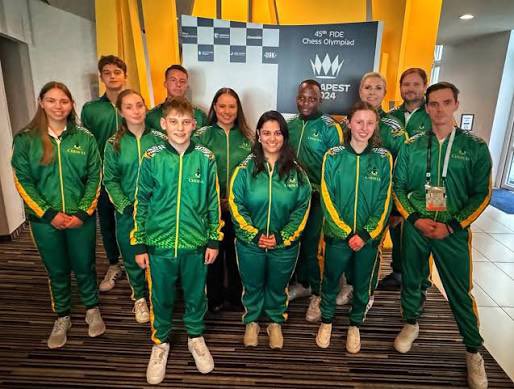
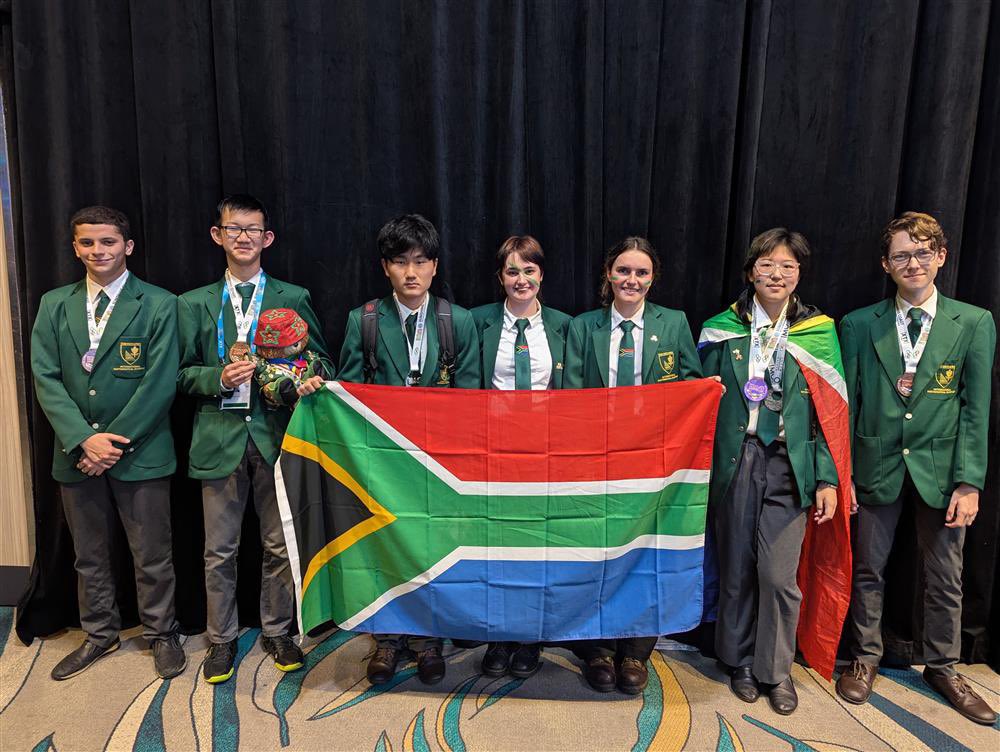


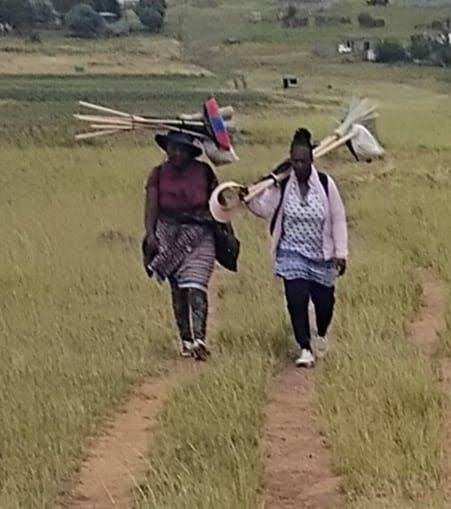
These are the Jobs foreign Nationals are being accused of taking in South Africa.
English
@SiboLekala These SAns K¡||€d Lucky Dube one of their own shame.
English


Indonesia

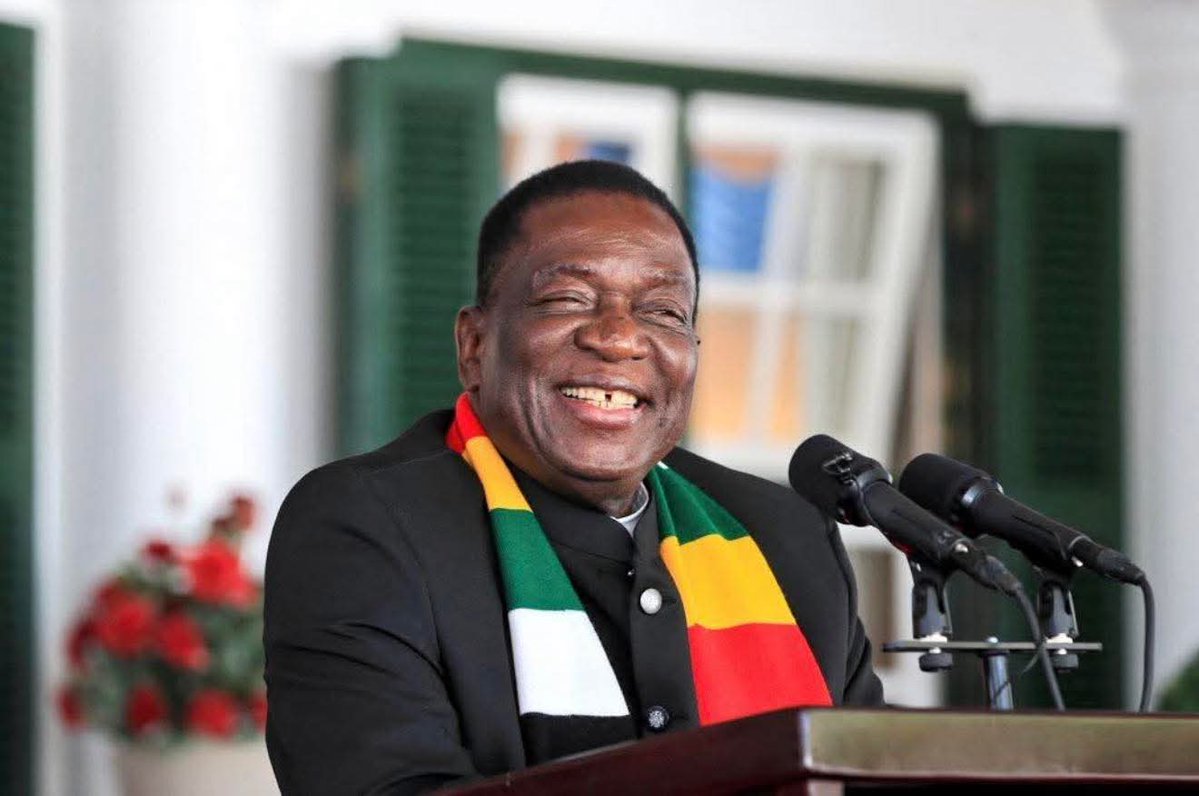
Let me tell people why removing ED from power will remain Chiwenga’s nightmare. Mnangagwa has solid financial and military backing that can't be easily penetrated; no one has capacity to do that. ED has always been the kingmaker of Zimbabwean politics, but many do not know that.

English
@waltermzembi Why would i fail to eat my Sadza when i hear that Mzembi was arrested, but during R.G Regime they were eating with Zanupf vaidya vanyerere kunge vari kudya Mbwire mbwire 😂
English
This proverb will surely be outlawed
“ Nhamo yemumwe hairambirwe sadza”
It’s so archaic and demonic !
English



@ProfJNMoyo Kumhata kwako iwe if u mean what you say come home, you are a paid Activist, that is why Zanu k¡||€d your Dhota wakamama.
English

Closing Argument, Part 1/4, No Referendum Is Required – The Constitution, Not Politics, Decides: In this defining moment for Zimbabwe’s developing constitutional democracy, when Parliament begins to engage the Constitution of Zimbabwe (Amendment No. 3) H.B. 1 Bill, 2026 next month, it will be against the backdrop of persistent calls for a referendum which have come from certain church groups, organisations, and individuals that have declared their “opposition” to the Bill. While these voices merit due and careful attention, the political demands propelling them appear motivated by a desire to fill a clear and present vacuum in opposition politics or to revive fading political careers.
Notably, some of the voices have taken an uncompromising and even extreme position, insisting that Parliament “must withdraw the entire Bill or take it to a referendum”—a stance that would usurp Parliament’s constitutional duty enshrined in sections 117 and 119 of the Constitution, thereby weakening the legislature as a key national institution in the country’s constitutional democracy.
It is particularly noteworthy and concerning that among those advancing this view are the Zimbabwe Heads of Christian Denominations [minbane.wordpress.com/2026/02/27/htt…]; Zimbabwe Council of Churches [zccinzim.org/wp-content/upl…] and Zimbabwe Catholic Bishops’ Conference [facebook.com/JesuitCommunic…].
Yet these political demands, however loudly voiced, cannot override the fundamental and supreme law of the land: The Constitution of Zimbabwe (2013).
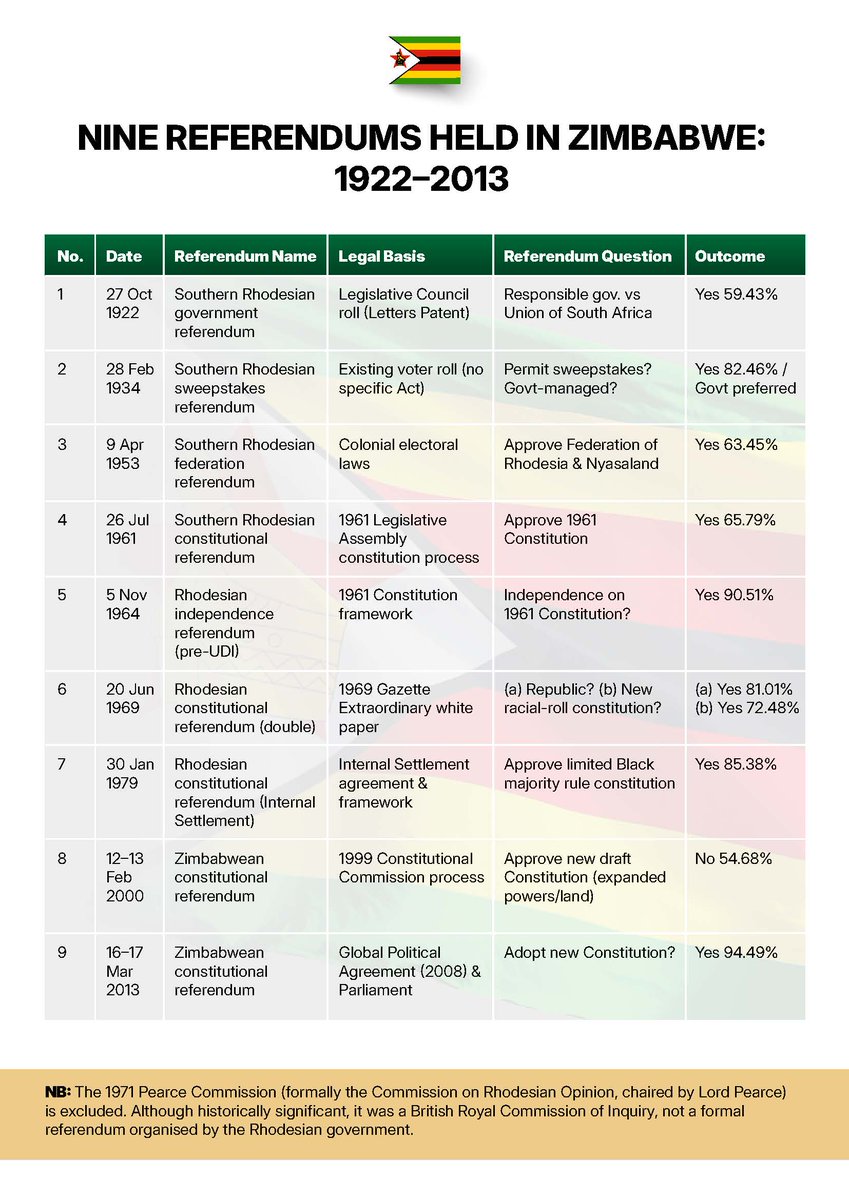
As the attached infographic clearly demonstrates, in the 104 years from 1922 to 2026, Zimbabwe has held exactly nine referendums. A careful analysis of the table reveals an unmistakable and decisive pattern: eight of the nine referendums concerned major transitions from one constitutional or governmental system to another.
These included the push for responsible government versus union with South Africa (1922), the Federation of Rhodesia and Nyasaland (1953), approval of the 1961 Constitution, the 1964 independence referendum on the 1961 framework, the 1969 shift to a republic and new racial-roll constitution, the 1979 Internal Settlement for limited majority rule, and the two post-independence constitution-making exercises in 2000 and 2013. Only one — the 1934 Southern Rhodesian sweepstakes referendum on gambling — had nothing whatsoever to do with constitutional change. Critically, not a single one of these nine referendums was ever held on a mere adjustment or amendment to an existing constitution.
This historical record is irrefutable.
The Lancaster House Constitution was amended 19 times between 1980 and 2009 without any referendum. Only the 20th change — the transition to the 2013 Constitution — went to the people, and that was a purely political decision negotiated under the Global Political Agreement (GPA) by ZANU-PF and the two MDC formations in the Government of National Unity. The 2000 referendum on the draft constitution was likewise a unilateral government initiative, made possible only by the hurried enactment of the Referendum Act (Chapter 2:10) because the Lancaster Constitution itself imposed no such requirement. Even the 1980 transition from Rhodesia to Zimbabwe occurred without a referendum.
Prior to 2013, therefore, the decision whether to hold a referendum when repealing and replacing a constitution was always a matter of political discretion or negotiated settlement. That era ended the moment the people of Zimbabwe adopted the 2013 Constitution. For the first time in the country’s history, the fundamental and supreme law itself resolved the referendum question once and for all. Section 328 sets out a clear, exhaustive, and exclusive framework.
Now, the Constitution requires referendum only for amendments to Chapter 4 (the Declaration of Rights), Chapter 16 (Agricultural Land), or Section 328 itself. That is the constitutional text — plain, deliberate, and binding. The people endorsed it in the March 2013 referendum; Cabinet and Parliament enacted it. Full stop.
Detractors, including the Honourable Mayor of Bulawayo, Senator David Coltart [x.com/i/status/20578…], anchor their demand on a fundamental misreading of Section 328(7). They treat the phrase “the effect of which is to extend the length of time that a person may hold or occupy any public office” as a free-floating, catch-all test that applies to any constitutional amendment whatsoever. This interpretation is demonstrably wrong — both on the face of the constitutional text and by binding precedent of the Constitutional Court set in the Mupungu case.
Section 328(1) defines a “term-limit provision” as “a provision of this Constitution which limits the length of time that a person may hold or occupy a public office.” Section 328(7) then states: “Notwithstanding any other provision of this section, an amendment to a term-limit provision, the effect of which is to extend the length of time that a person may hold or occupy any public office, does not apply in relation to any person who held or occupied that office, or an equivalent office, at any time before the amendment.”
The two-pronged test is unmistakable: the provision being amended must first qualify as a term-limit provision before the “effect” test is even engaged. The phrase does not apply to “any” amendment to the Constitution.
This was definitively and authoritatively settled by the Constitutional Court in the landmark case of Marx Mupungu v Minister of Justice, Legal and Parliamentary Affairs & 6 Ors (CCZ 7/21, 2021). At paragraphs 50–51 the Court explained that term-limit provisions concern the tenure of specific public offices and gave concrete examples, holding that: “As is self-evident, the tenure of all of the aforementioned public offices is undoubtedly subject to a specific “term-limit provision” within the meaning of s 328(1).
Consequently, an amendment to any such provision, the effect of which is to extend the length of time that a person may hold or occupy the public office in question, falls squarely within the ambit of s 328(7).
The ConCourt determined that only amendments to such provisions, where the effect extends personal holding of office, engage the protection in subsection (7). The Court’s interpretation is binding and leaves no room for the expansive “effect-based” reading advanced by detractors.
This reasoning applies to the Bill. Clause 3 amends section 95(2), which governs the length of the term of office of the President. That provision does not impose any limit on the cumulative time any individual person may serve as President.
The two-term personal limit is separately set by section 91(2). Section 95(2) instead establishes the institutional term of the Presidency itself — five years, coterminous with the life of Parliament under section 143 and the electoral timetable under section 158. It is part of Zimbabwe’s democratic electoral cycle, not a personal term-limit cap.
Amending the cycle from five to seven years is therefore a reform of the institutional timing of elections, not an extension of any individual’s “term-limit provision.”
Exactly the same logic applied when Constitution (Amendment No. 2) Act 2021 extended the retirement age of superior court judges from 70 to 75 years — an adjustment whose effect did not trigger a referendum.
A referendum on this Bill is therefore constitutionally impermissible. It cannot be conjured by unilateral government decision as in 2000; by an inter-party political pact as in 2013; or by the demands of any church group, civil-society organisation, or individual today. The 2013 Constitution removed the referendum question from the realm of political convenience or manoeuvre and placed it squarely within the realm of the text of the Constitution.
The rule of law is not optional. The text of section 328 is clear. Its meaning has been authoritatively interpreted by the Constitutional Court in the Mupungu case. The historical record — as the attached infographic irrefutably proves — is unambiguous. Any contrary claim is political rhetoric, not a constitutional argument.
In the circumstances, the duty of Members of Parliament is now plain: they should proceed with the Bill with textual fidelity in procedural accordance with the Constitution. The sovereign will of the people, expressed in 2013 about when to hold a referendum, demands nothing less. Fidelity to the supreme law of the land is not a matter of choice — it is the foundation of Zimbabwe’s constitutional democracy. Amendment No. 3 Bill can, and should, advance without a referendum!
English
@TateMavetera Kwanzi na Regmond Mathambo maive Change Money muchibatsira kuuraya Nyika ende makaoma.
Filipino

@komodo365 Dominate what?, it's just using human artists as a reference point.
English
People always argue about Zimhiphop and Zimdancehall but the real enemy is AI Music.
English
@ChambatiLevison @dereckgoto @CrimeWatchZW @DumisoJnr22247 @SokoCindy @PSpokepers42470 @SibiyaAustin @Tinoten53374277 @TraikoshM3722 @SajeniMapuranga @Snicki_Katope Musatanyoko waMai vako wakashisha.
हिन्दी

The Poverty Mindset Behind Hating Successful People Like Cde Kuda Tagwirei.
Witchcraft begins when people become more concerned about the wedding gifts and wealth of hardworking individuals than focusing on improving their own lives. Too many people spend their time mourning and complaining about why someone else is rich instead of learning from the discipline, sacrifice, and business mindset that created that success.
Zimbabweans must ask themselves: why are we so jealous of our own successful people? Why do we struggle to celebrate those who have worked hard and made it in life? Why is wealth often treated like a crime instead of an inspiration? The truth is, jealousy has never made anyone rich.
Cde Kudakwashe Tagwirei is by far not even among the richest people in Africa, yet some people react as if he is the only wealthy man on the continent. In Nigeria, people proudly celebrate Aliko Dangote because he represents African excellence and success. In South Africa, successful figures like Patrice Motsepe and many other wealthy entrepreneurs are acknowledged with pride because they inspire generations. The list is endless.
So what do we gain by constantly attacking, hating, and envying our own people? A society that tears down its successful citizens discourages ambition and progress. If you find yourself trapped in bitterness and hatred towards rich people simply because they are successful, that is a dangerous poverty mindset that can keep you poor forever.
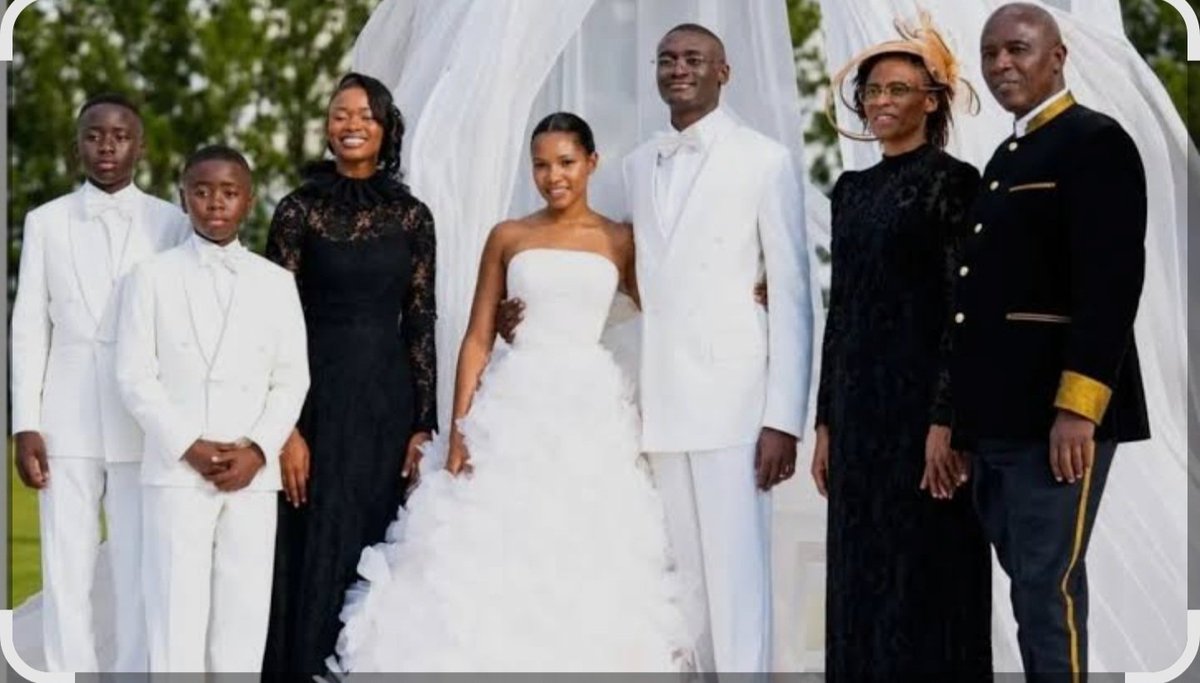
US$2.5 million spent by a father of Cde Tagwirei’s calibre while celebrating his son’s wedding should not be treated as shocking news. Successful people celebrate differently because they live differently. Instead of being consumed by jealousy, Zimbabweans should learn to celebrate, appreciate, and draw inspiration from those who have achieved success through hard work and determination.
@ZANUPF_Official
@NehandaRadio
@matinyarare
@m_matigary
@DinhamercyHon
@ChangeRadioZW
@masibanda_
@SibandaGra80441
@MadzivaNehemiah
@Patsime_Zw
@hazelwekwagondo
English
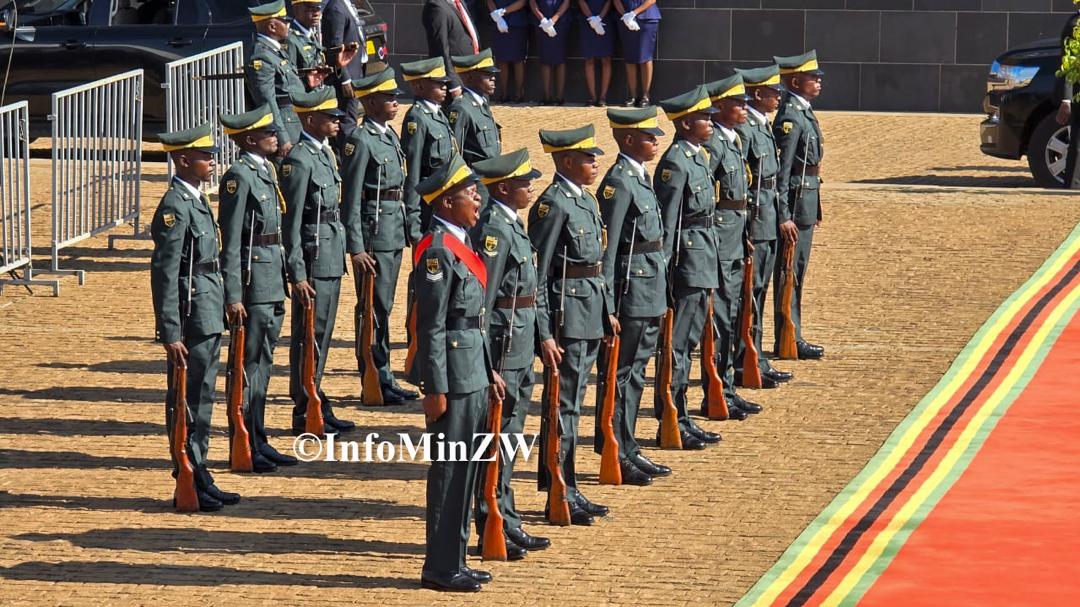
Brigadier General (Rtd) Donald Silundi Tshuma died on the 15th of May 2026 at his residence in Nkulumane, Bulawayo, after suffering a stroke. He was 70.
#HeroesAcre



English
@jnrkuwacha Me and My Baby sis we made a resolution of making money our Arch Relatives should anything happen we are ready to dead lift any burden on our own. Hama are the worst pple to confide with.
English

The death of my sister opened my eyes. People I called family weren’t. All the bills fell on me and my mum. To this day, I’ve lost all respect for them. It hurts, I even had to fly 21 hours total just to get home 💔
English
@TheLifeZoomer Yes he Knew when his Father was going to Bone his Mom, thats some creepy stuff 😳
English