

나랏일이 항상 걱정인 시골_한량
6.8K posts

나랏일이 항상 걱정인 시골_한량
@kopi73
한번 태어나 사는 인생 스스로에게 부끄러워지지 말자
향촌 Katılım Ağustos 2010
1.4K Takip Edilen858 Takipçiler
@MattWallace888 He can afford it. He has every right to travel as he wants. We taxpayer are not paying for it. It’s Trump who is packing Billions as he grifts his supporters and the taxpayers. While you shill for Pres PED0 Protector.
English
Bernie Sanders caught on camera getting off a luxury private jet 👀
Environmental cutbacks and income equality for you… extreme luxury for him!
English

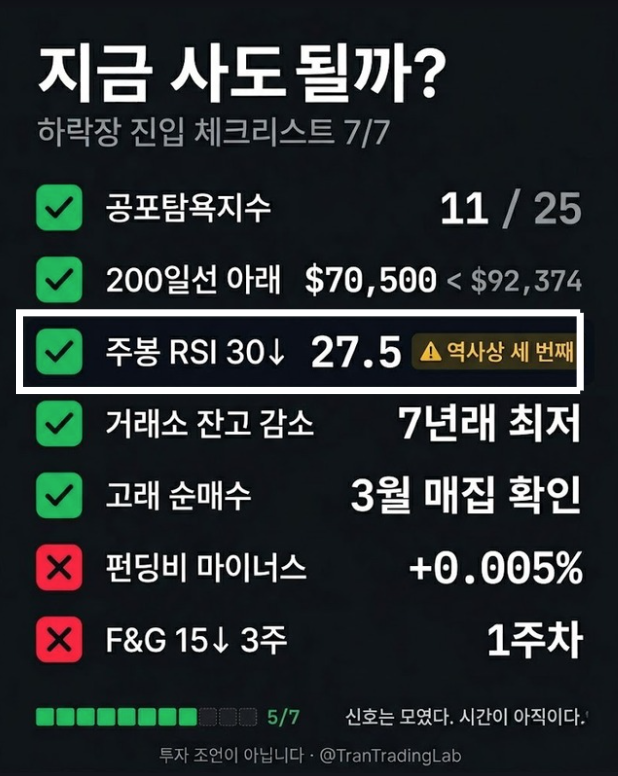
"지금 사도 될까?"
이 질문을 하고 있다면 아직이다.
하락장에서 진입 타이밍을 판단하는 체크리스트 7가지.
5개 이상 통과할 때까지 기다려라.
① 공포탐욕지수 25 이하 — 현재 11. ✅
② 200일선 아래 거래 — $70,500 < $92,374. ✅
③ 주봉 RSI 30 이하 — 27.5. 역사상 세 번째. ✅
④ 거래소 잔고 감소 추세 — 7년래 최저 수준. ✅
⑤ 고래 순매수 전환 — 3월 대형지갑 매집 확인. ✅
⑥ 펀딩비 마이너스 지속 — +0.005%. 아직 롱 우세. ❌
⑦ 공포탐욕 15 이하 3주 체류 — 1주차. 아직 부족. ❌
현재 5/7 통과.
기준선은 넘었다.
근데 왜 아직이냐고?
⑥⑦이 말하는 건 같은 거다.
시장이 충분히 오래 아파하지 않았다.
공포의 강도는 왔다. 지속시간이 없다.
2022년 이 7개가 전부 ✅ 된 날.
11월 21일. FTX 파산 2주 후. BTC $15,500.
1년 뒤 $44,000. +184%.
신호는 모였다. 시간이 아직이다.
저장해두고 매일 대조하라.
이 콘텐츠는 투자 조언이 아닙니다.
한국어


The Israeli army launched thermobaric and pressure bombs, supplied by the United States, on Gaza. These bombs, which burn at a temperature of 3,500 degrees Celsius, are capable of killing thousands in seconds, leaving no trace.
English
🔴 Donald Trump was a judge at a teen modeling contest in 1991. The contest featured girls as young as 14. Recently, The Guardian newspaper discovered that the contest was a front for millionaires to have sex with the girls.
English
나랏일이 항상 걱정인 시골_한량 retweetledi


이건 그동안의 추측을 뒤집는 주장이 담긴 글입니다. 대부분 시진핑이 대만 공격을 찬성하고 장유샤가 반대한다고 생각하셨을 텐데. 아래 글에는 장유샤의 부하가 차이센쿤에게 보내온 편지가 담겨 있습니다. 이또한 기만일 수도 있겠지만 일단 읽어보시죠.
장유샤는 대만에 병력을 보내자고 주장했고, 시진핑은 겁에 질려 내부로 칼을 휘둘렀다
— 공포에서 태어난 숙청
시진핑은 행동에 나서느니 차라리 판을 엎는 쪽을 택했다.
2026년 1월 24일, 장유샤와 류전리의 체포 소식이 공개되었다. 이 체제가 어떻게 작동하는지 이해하는 많은 이들의 눈에, 이는 반부패와는 무관한, 극도로 고위험한 숙청의 전형적인 사례였다. 이는 두려움에서 비롯된 것이었고, 개인적 감정과 정치적 본능에 의해 촉발된 선제적 정치적 정리 작업이었다.
최근 극히 소규모의 비공개 회의에서, 장유샤는 이례적으로 시진핑에게 다음과 같이 제안했다고 한다.
“러시아–우크라이나 전쟁과 이란 정세의 불확실성을 이용해 선제적으로 행동하는 건 어떻겠습니까? 최소한 대만 주변의 몇몇 작은 섬이라도 점령하는 겁니다.”
그의 논리는 단순했다.
“가만히 앉아서 죽음을 기다리느니, 제한전이라도 벌여 미국, 대만, 국제사회를 억제하는 편이 낫습니다. 최소한 내부 정비를 위한 숨 쉴 시간과 여유를 벌 수 있습니다.”
이것은 전쟁 광기나 ‘국가 통일’에 대한 이념적 열망이 아니었다. 이는 국내 경제의 심각한 불균형, 지방 재정의 파탄 직전 상태, 균열이 가득한 안정유지 체제를 명확히 인식한 한 노련한 군 지휘관이 제시한 “전략적 지연 계획”이었다. 즉, 외부로 전술적 압박을 전가해 시간 창을 벌고 전면적 붕괴를 피하자는 계산이었다.
그러나 시진핑의 반응은 모두를 놀라게 했다. 그는 그 자리에서 즉각 반대하지도, 지지 의사를 밝히지도 않았다. 대신 공개적으로는 “전략적 안정”과 “투쟁에서의 인내”를 장황하게 말하면서, 물밑에서는 장유샤의 체포를 준비하기 시작했다.
이를 두고 일부는 시진핑의 “냉철한 판단”이라고 말한다. 그러나 이 권력 투쟁을 진정으로 이해하는 이들은 진실을 알고 있다.
시진핑의 행동은 전략이 아니라 공포에서 비롯된 것이었다.
그는 전쟁에서 질 것을 두려워했고, 전투가 시작되면 미군이 개입하거나 심지어 자신 개인을 겨냥한 참수 작전을 감행할 가능성을 두려워했다. 그는 대만 공격이 통제 불가능한 전면전으로 확대될 가능성을 두려워했다. 그리고 무엇보다, 장유샤가 군 내부의 다른 세력을 결집시켜 이미 흔들리고 있는 충성의 사슬을 끊어버릴 가능성을 두려워했다.
그래서 그는 외부가 아니라 내부를 향해 판을 엎는 선택을 했다.
움직이려는 손부터 잘라낸 것이다.
그는 당 내부의 공포, 군 내부의 냉각과 환멸, 기층 시스템 전반에 퍼지는 깊은 불신을 감수하더라도, 자신의 직접적인 명령만을 따르지 않는 인물이 결정적 순간에 독자적인 노선을 제안하는 것을 용납하지 않았다.
이것이야말로 이 체제에 남아 있던 마지막 환상을 드러낸다.
시진핑은 전략적 지도자가 아니라, 공포로 권력을 붙잡고 있는 고독한 겁쟁이라는 사실이다.
장유샤가 영웅은 아닐지라도, 최소한 그는 생각을 하고 있었다.
시진핑은 여전히 권력을 쥐고 있을지 모르지만, 신뢰는 이미 잃었다.
이것이 2026년 초 중국 공산 체제의 진짜 모습이다.
전략은 없고 본능만 있으며, 공동의 목표는 없고 반사적인 자기보존만 존재한다.
이제 “감히 생각하는” 다음 인물, 그리고 잠재적 위협이 되는 다음 인물이 이미 숙청 명단에 올라 있는 것은 아닐까.
— 장군 장유샤의 충성스러운 부하
Inconvenient Truths — Jennifer Zeng Reports@jenniferzeng97
🫤A person claiming to be a “loyal subordinate of General Zhang” sent a letter to Cai Shenkun @cskun1989, who had previously accurately revealed the news of Zhang Youxia’s arrest, saying that Zhang was detained because he advocated taking Taiwan, while Xi Jinping, out of cowardice, would rather flip the table than take action. Below is the full text of the letter. Cai Shenkun personally believes the letter shows heavy signs of AI generation and does not appear genuine, but he nonetheless published the entire text. An English translation follows: “Zhang Youxia Advocated Sending Troops to Taiwan; Xi Jinping, Cowardly, Turned Inward” — A purge born of fear Xi would rather flip the table than make a move. On January 24, 2026, news of the arrests of Zhang Youxia and Liu Zhenli was made public. In the eyes of many who understand how the system works, this was a textbook example of an extremely high-risk purge—one driven not by anti-corruption, but by fear: a preemptive political cleanup fueled by personal emotion and political instinct. Few people know that recently, at a very small, closed-door meeting, Zhang Youxia unusually proposed to Xi: “Why not take advantage of the uncertainty in the Russia–Ukraine war and the situation in Iran to act proactively—at least seize a few small islands around Taiwan?” His reasoning was simple: “Rather than sitting around waiting to die, it’s better to fight a limited war that can deter the United States, Taiwan, and the international community—at the very least to buy breathing room and time for internal consolidation.” This was neither war mania nor ideological zeal for ‘national reunification.’ It was a “strategic delay plan” put forward by a veteran military commander who clearly understands that the domestic economy is severely imbalanced, local finances are on the brink of exhaustion, and the stability-maintenance system is riddled with cracks—shift pressure outward tactically to buy a time window and avoid total collapse. Xi Jinping’s reaction, however, surprised everyone. He neither rejected the idea on the spot nor expressed support. Instead, while publicly talking at length about “strategic stability” and “patience in struggle,” he privately began arranging Zhang’s arrest. Some say this reflected Xi’s “clear judgment.” But those who truly understand this power struggle know the truth: Xi was acting not out of strategy, but out of fear. He feared losing a war; feared that once fighting began, the U.S. military might intervene or even carry out a decapitation strike against him personally. He feared an uncontrollable expansion of the battlefield if Taiwan were attacked. And he feared even more that Zhang might mobilize other forces within the military, shattering an already wavering chain of loyalty. So he chose to flip the table inward—to chop off the hands that wanted to move. He would rather endure panic within the Party, chilling disillusionment in the military, and deep suspicion throughout the grassroots system than tolerate anyone who did not act solely on his direct orders proposing an independent course at a critical moment. And this precisely exposes the final illusion within the system: Xi is not a strategic leader; he is a coward and a lonely ruler clinging to power through fear. Zhang may not be a hero, but at least he still had ideas. Xi may still control power, but he has lost all trust. This is the true picture of the Chinese Communist regime in early 2026: no strategy, only instinct; no unified goal, only reflexive self-preservation. One wonders whether the next person who “dares to think”—and who poses a potential threat—is already on the purge list. — A loyal subordinate of General Zhang
한국어


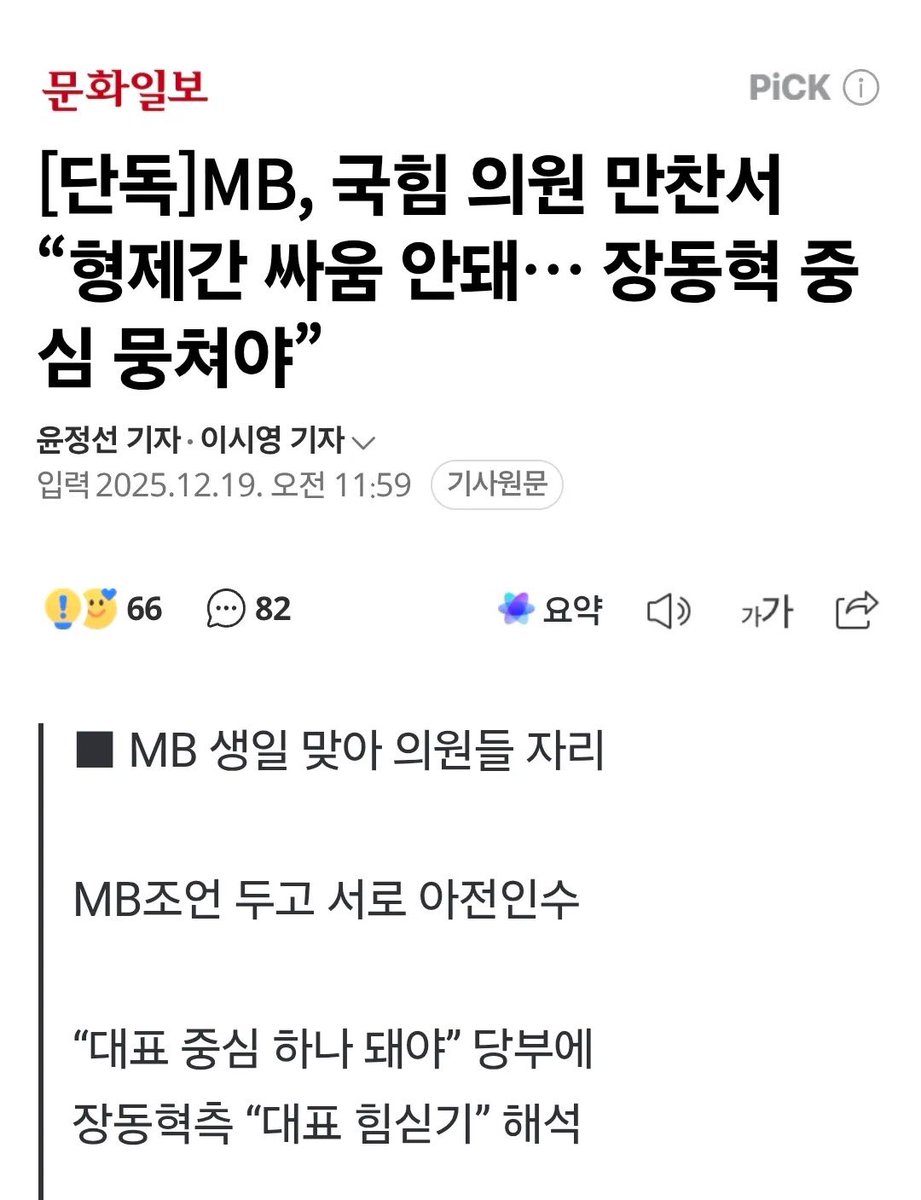
@Muichiro_Korea 일단 장동혁 밑으로 붙어라 그리고 mb계 당권 잡았을때 민주당과 손잡고 내각제 추진하겠죠.. 죽일수 없으면 회유하라 일단 이런 계획일듯 그런데 이제 쉽게 안될겁니다. 당에 젊은사람들 너무 많이 가입했거든요
한국어



나랏일이 항상 걱정인 시골_한량 retweetledi
10000명!!!!!만 있으면 통과입니다. 제발좀 합시다!!!!!!!! 간첩들 몰아내야합니다!!!
제발 합시다. 딸깍만 하면됩니다!!! 우리나라 간첩법 개정안 찬성해야합니다!
간첩법 개정안에 관한 청원
2025-12-17까지 현재 80%
vforkorea.com/wink/174120
한국어

나랏일이 항상 걱정인 시골_한량 retweetledi

미쳤네 시바..진짜 이게 나라냐...
이런 대우를 받는데도 다들 가만히 가만히 조용히 조용히..
나만 피해를 안 보면 된다고 여기는건가...
진짜 다들 정신 차려라~
gazago@mw9fsbv
일대일로시작인가?
한국어
나랏일이 항상 걱정인 시골_한량 retweetledi

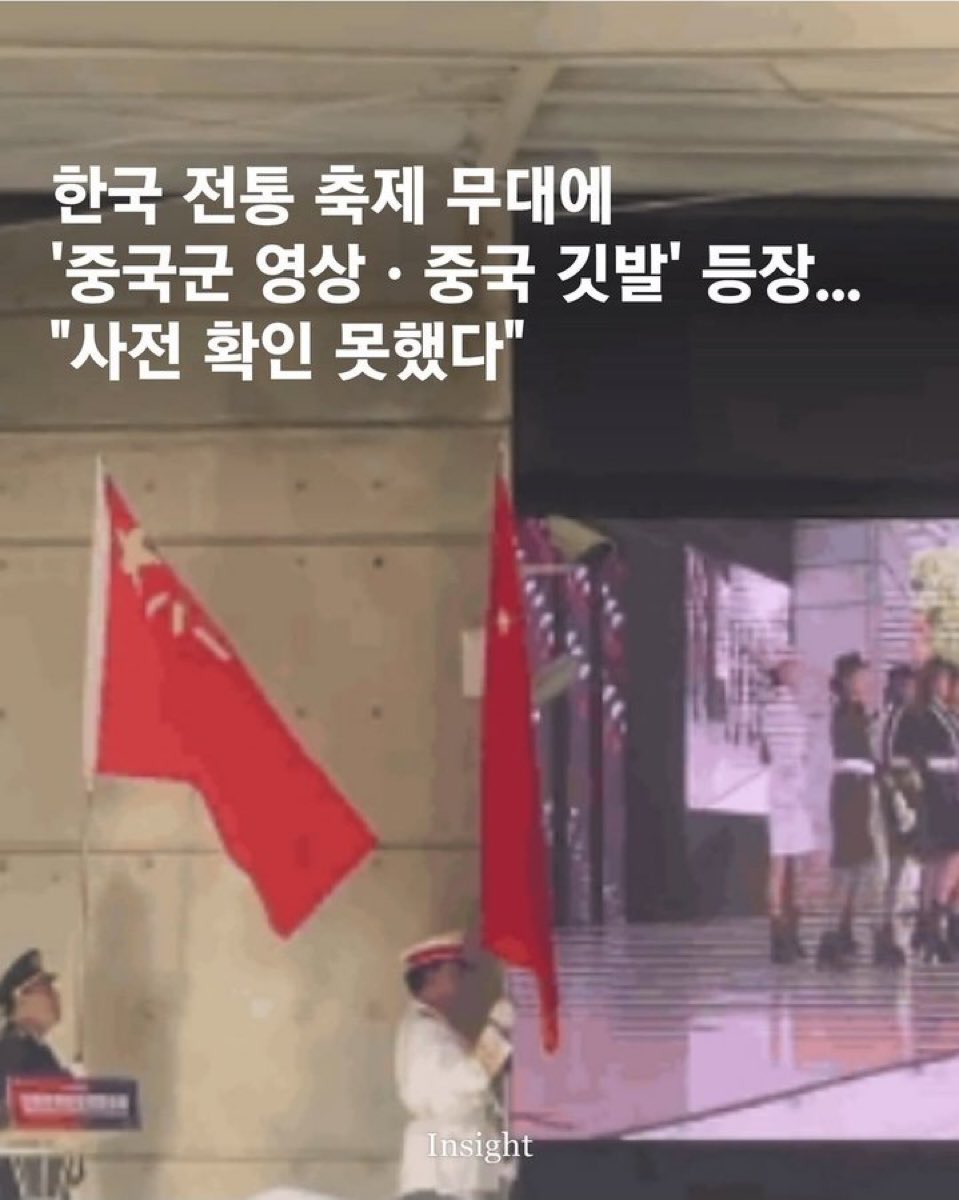
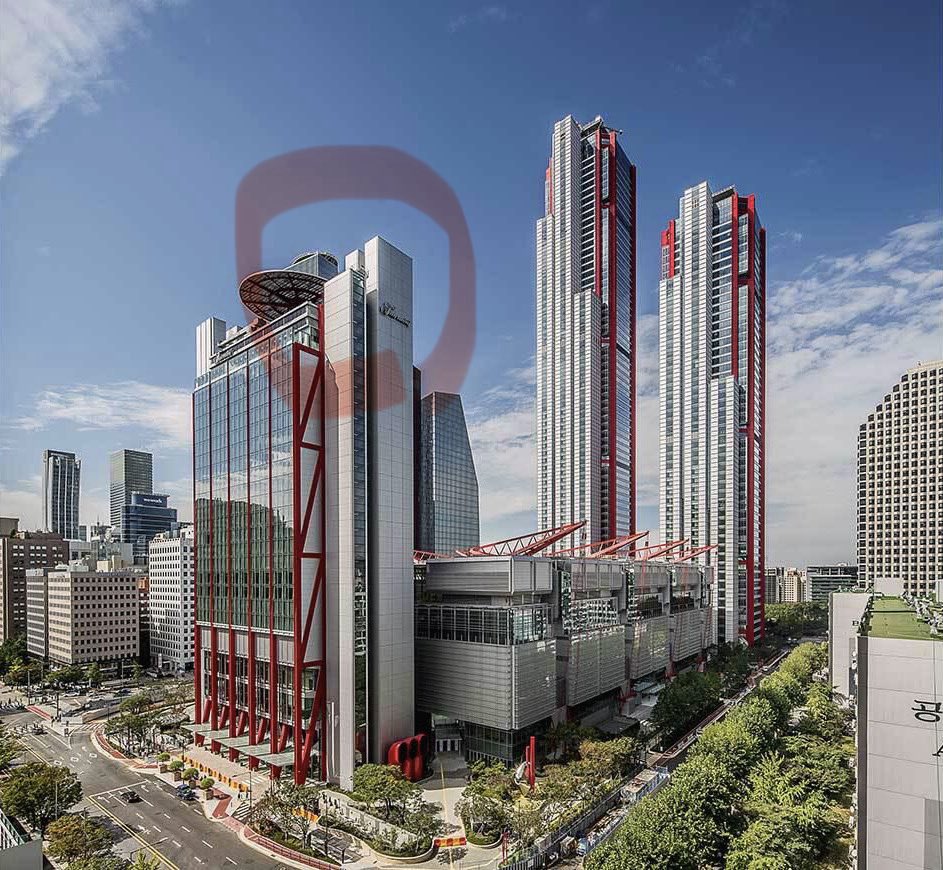
@forthefreedom25 한강공원 계단
더현대서울 보임
이미 중공군이 점령함
구한말 조선과 같음
극도로 부패한 중국의 속국이 됨
그래서 노예로 착취되던 불쌍한 조선 백성들을 해방시키려고 개화파 지식인 세력과 일본이 함께 도와 줬더니 5.18 공산폭동 급의 날조 역사로 일제축복기를 일제강점기라고 수십 년째 선동중

한국어
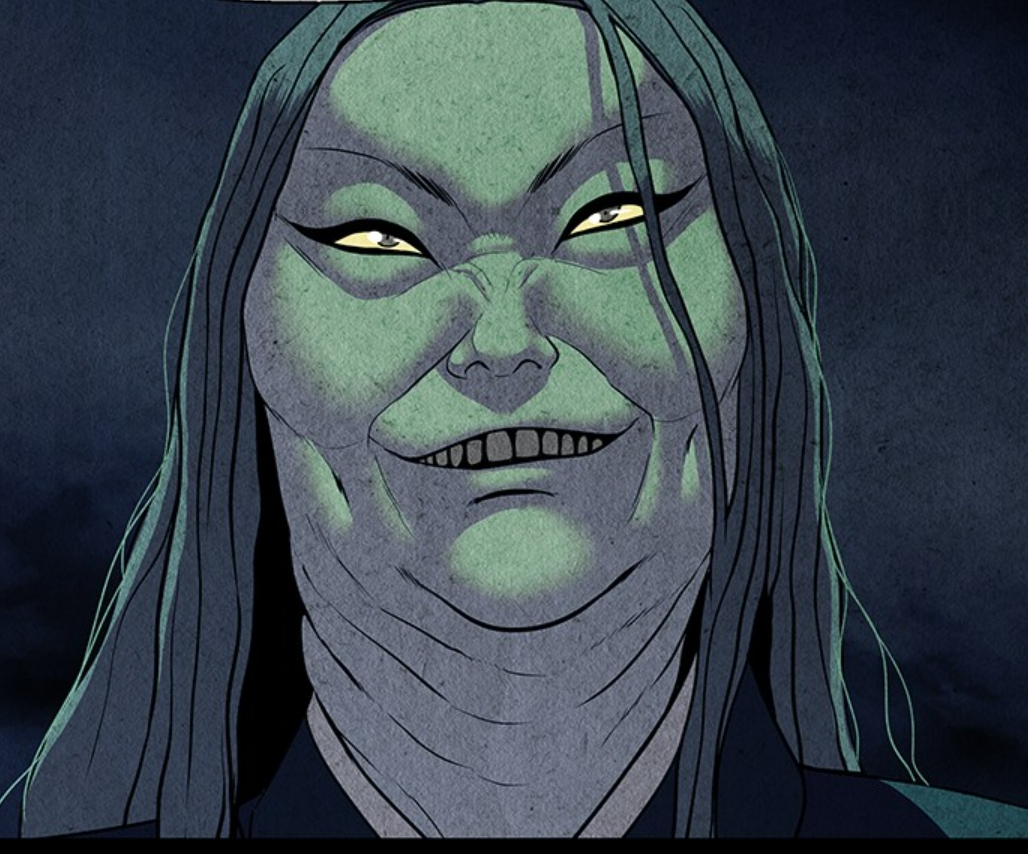

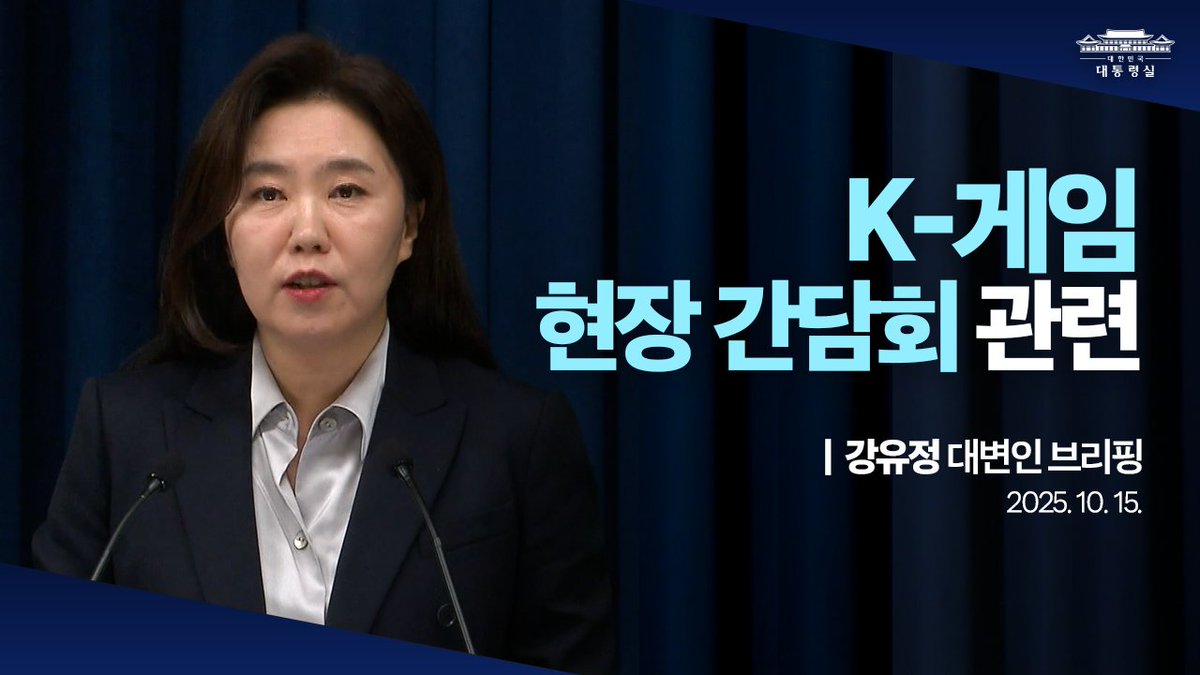
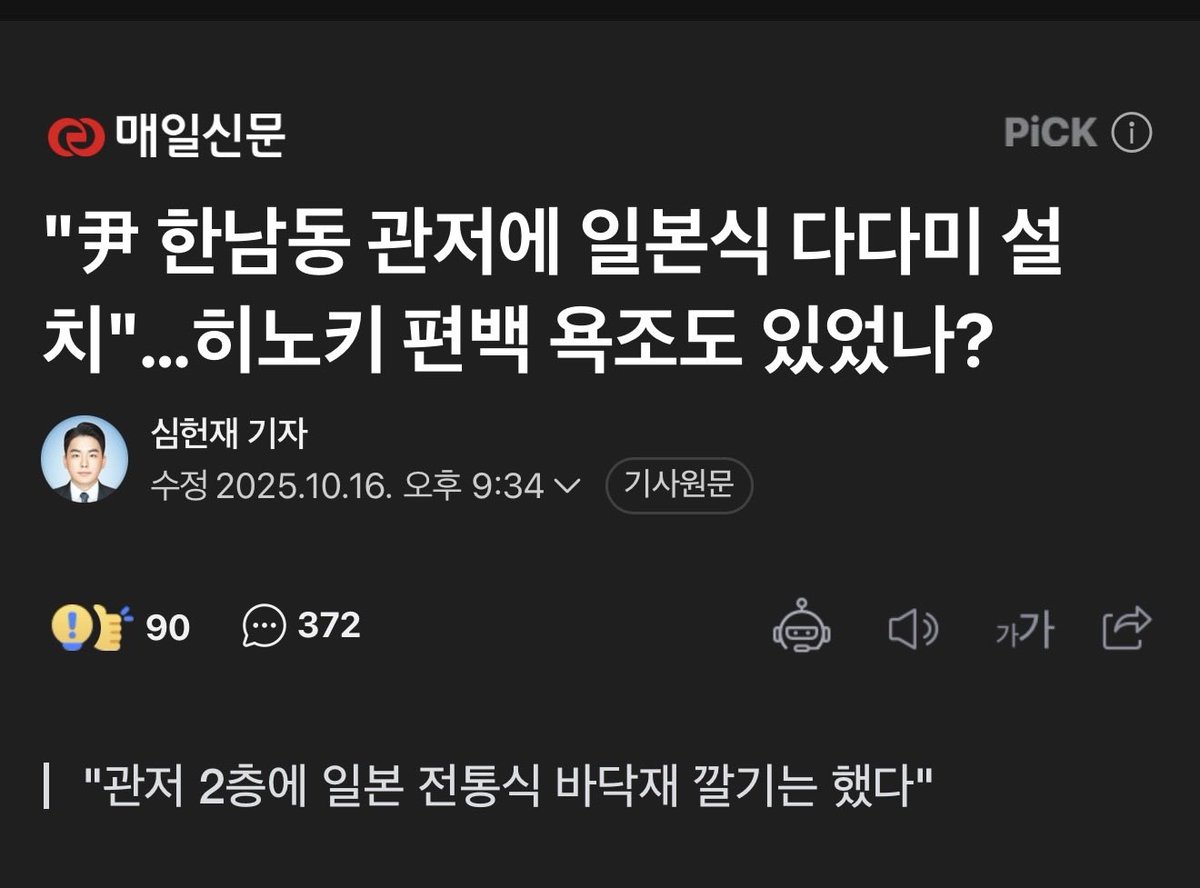
@yuyuyu_mimimi_ 강남 의대생 여자친구 살인사건을 '게임 중독'과 연관 지어 보도한 기사 보도한 멍청한 기자임
한국어

@starbucks1419 전경출신이지만 재네들 경찰아님. 전의경을 없앴는데 소규모 집회는 경찰서에 저정도 순경, 경장급 인력을 배치할수가 없음. 백퍼 쨍개임
한국어
