Pradeep Kodimana Ramakrishnan

609 posts

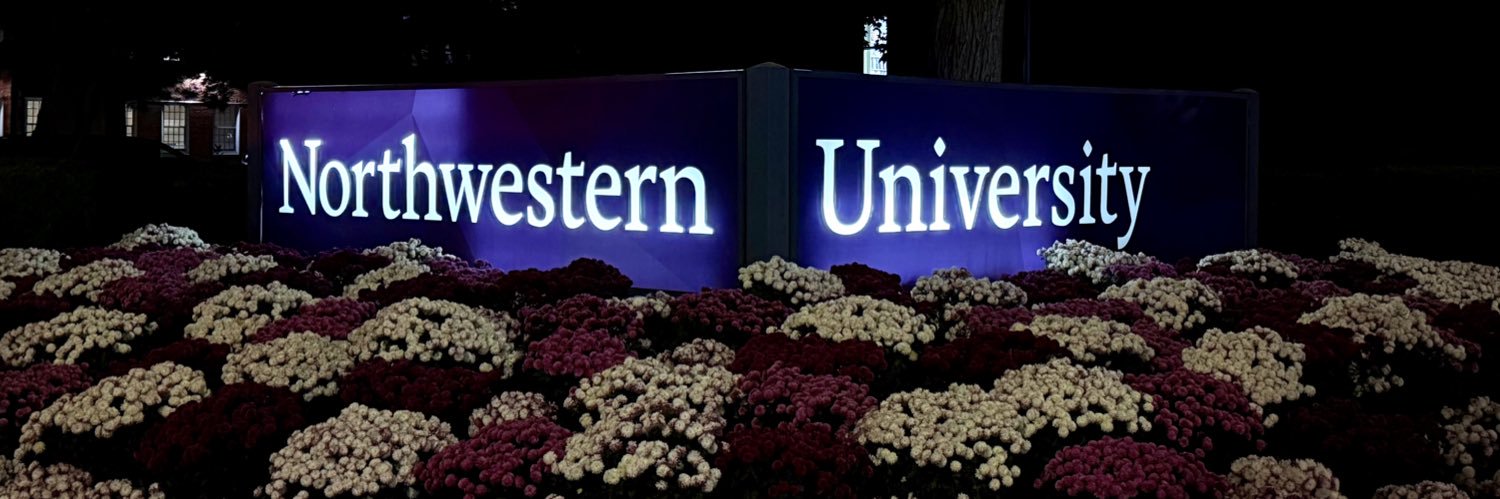
Pradeep Kodimana Ramakrishnan banner
Pradeep Kodimana Ramakrishnan

Pradeep Kodimana Ramakrishnan

@krpkrp4

Fulbright Postdoc_Northwestern University 🇺🇸 Walter Benjamin fellow_UDE 🇩🇪 PhD_JNCASR, Bangalore 🇮🇳 Sony World Photography Awards 2023 Winner 🇮🇳📸

Chicago, IL Katılım Kasım 2011
414 Takip Edilen318 Takipçiler
Sabitlenmiş Tweet
Pradeep Kodimana Ramakrishnan
Thank you @WorldPhotoOrg for the award 📸🤩 Couldn't be more grateful 📸 @SonyAlpha Let there be light.
World Photography Organisation@WorldPhotoOrg

Minimal lines, vibrant colours and inspiring locations - take a walk around the world through the awarded photographs... | bit.ly/national-award… © Pradeep Kodimana Ramakrishnan, India, Winner, National Awards, Sony World Photography Awards 2023 #swpa2023 #photography

Duisburg, Germany 🇩🇪 English
1
2
20
2.4K
Xiaotong Li
Xiaotong Li@Xiaotong__Li·
Excited to share that my group’s first independent paper is now online! A big congratulations to my first graduate student,@ThuMinhChu , and sincere thanks to all our collaborators for their support! pubs.acs.org/doi/full/10.10….
English
3
6
86
4.4K
Pradeep Kodimana Ramakrishnan retweetledi
Northwestern Chemistry
Northwestern Chemistry@NUChemistry·
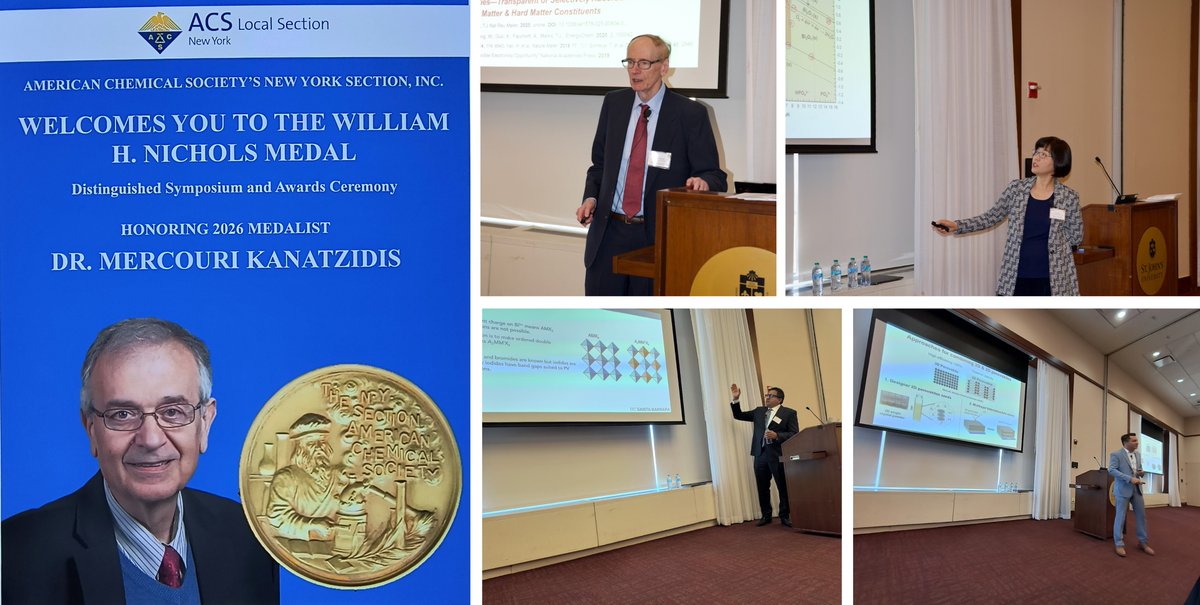
Congrats to @MercouriK on receiving the 2026 ACS William H. Nichols Medal in NY last week for pioneering contributions to #perovskite solar cells. The event also featured an excellent symposium with Kyung-Sin Choi, Ram Seshadri, Aditya Mohite, and Tobin Marks. #FacultyExcellence
Northwestern Chemistry tweet media
English
1
2
22
943
Pradeep Kodimana Ramakrishnan retweetledi
Mercouri Kanatzidis
Mercouri Kanatzidis@MercouriK·
In 2012, we reported the first solid-state halide perovskite solar cell, introducing a concept that was far from obvious at the time. This Perspective revisits how that idea emerged, the experimental path that led to it, and how the field evolved from those early results. It also helps clarify aspects of the early history that have become blurred over time. pubs.acs.org/doi/10.1021/ac…⁠�
English
2
11
56
2.7K
Pradeep Kodimana Ramakrishnan retweetledi
Fulbright Commission in India
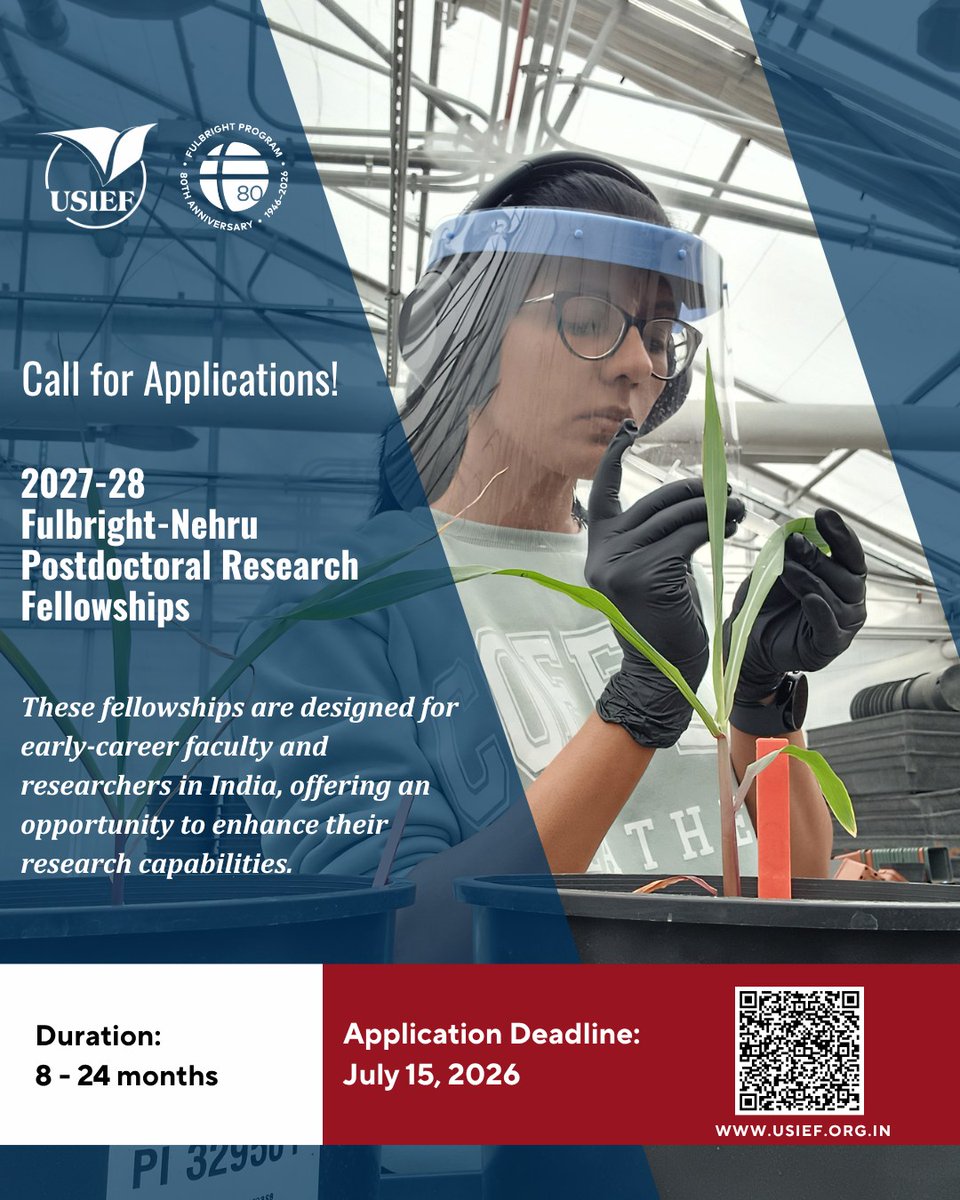
USIEF announces the opening of the 2027-28 Fulbright-Nehru Fellowships for Indian citizens. Grants available in: Doctoral Research, Postdoctoral Research, and Academic & Professional Excellence. Applications open July 1, 2026 bit.ly/4kH2H7D #StudyInUSA #ResearchAbroad
Fulbright Commission in India tweet media
English
2
54
181
14.9K
Pradeep Kodimana Ramakrishnan
Excited to share our @J_A_C_S work on MA₃Bi₂I₆Cl₃. Increasing dimensionality alone doesn’t suppress self-trapping in lead-free perovskites. Instead, the local vibrational landscape and exciton–phonon coupling are the real control knobs! @NUChemistry @USIEF @FulbrightPrgrm
Mercouri Kanatzidis@MercouriK

The so-called 329 perovskites, with their A3B2X9 stoichiometry, are attracting broad interest for their lead-free nature, environmental stability, and potential in optoelectronic devices such as solar cells and light emitters....our latest publication in @J_A_C_S: "Ultrafast Carrier Self-Trapping Driven by Strong Exciton–Phonon Coupling in 2D MA3Bi2I6Cl3 Perovskite." In this work, we explore lead-free 2D hybrid bismuth halide perovskites for optoelectronic applications. Using temperature-dependent photoluminescence and femtosecond transient absorption spectroscopy, we uncover strong exciton-phonon interactions, characterized by giant Huang-Rhys factors, coherent phonon oscillations, and ultrafast carrier self-trapping into small-polaron and self-trapped exciton (STE) states. Photoexcited carriers rapidly localize, with PL emission primarily from STEs, while free exciton emission is minimal and transient. Comparisons with 0D MA3Bi2I9 and 2D MA3Bi2Br9 highlight how halide composition and dimensionality modulate free excitons versus localization. Read more: pubs.acs.org/doi/abs/10.102… #Perovskites #LeadFreeMaterials #Optoelectronics #MaterialsScience #Nanotech

Evanston, IL 🇺🇸 English
0
3
11
4.5K
Pradeep Kodimana Ramakrishnan retweetledi
Mercouri Kanatzidis
Mercouri Kanatzidis@MercouriK·
The so-called 329 perovskites, with their A3B2X9 stoichiometry, are attracting broad interest for their lead-free nature, environmental stability, and potential in optoelectronic devices such as solar cells and light emitters....our latest publication in @J_A_C_S: "Ultrafast Carrier Self-Trapping Driven by Strong Exciton–Phonon Coupling in 2D MA3Bi2I6Cl3 Perovskite." In this work, we explore lead-free 2D hybrid bismuth halide perovskites for optoelectronic applications. Using temperature-dependent photoluminescence and femtosecond transient absorption spectroscopy, we uncover strong exciton-phonon interactions, characterized by giant Huang-Rhys factors, coherent phonon oscillations, and ultrafast carrier self-trapping into small-polaron and self-trapped exciton (STE) states. Photoexcited carriers rapidly localize, with PL emission primarily from STEs, while free exciton emission is minimal and transient. Comparisons with 0D MA3Bi2I9 and 2D MA3Bi2Br9 highlight how halide composition and dimensionality modulate free excitons versus localization. Read more: pubs.acs.org/doi/abs/10.102… #Perovskites #LeadFreeMaterials #Optoelectronics #MaterialsScience #Nanotech
English
1
14
63
9.9K
Pradeep Kodimana Ramakrishnan retweetledi
Mercouri Kanatzidis
Mercouri Kanatzidis@MercouriK·
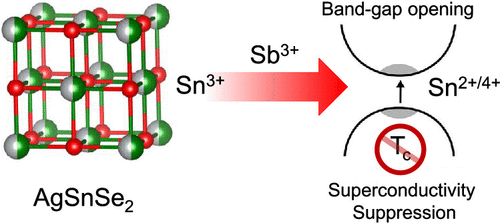
In JACS: Deterministic control of the long debated Sn3+ state in AgSnSe2, one of chemistry’s “impossible” oxidation states. Using XPS, Mössbauer, and XAS (backed by DFT), we directly confirm uniform Sn3+ in pristine AgSnSe2. Sb substitution provides a clean chemical knob that drives Sn from +3 to mixed +2/+4 (valence skipping), progressively suppressing superconductivity (Tc ~5 K) and inducing a metal-to-semiconductor transition. A rare system to interrogate how valence reshapes the electronic ground state. DOI: 10.1021/jacs.5c21696
Mercouri Kanatzidis tweet media
English
1
7
56
1.8K
Bivas Saha
Bivas Saha@BivasSaha_PhD·
🚀 𝐓𝐡𝐫𝐢𝐥𝐥𝐞𝐝 𝐭𝐨 𝐬𝐡𝐚𝐫𝐞 𝐨𝐮𝐫 𝐥𝐚𝐭𝐞𝐬𝐭 𝐫𝐞𝐬𝐞𝐚𝐫𝐜𝐡 𝐩𝐮𝐛𝐥𝐢𝐬𝐡𝐞𝐝 𝐭𝐨𝐝𝐚𝐲 𝐢𝐧 𝐒𝐜𝐢𝐞𝐧𝐜𝐞 𝐀𝐝𝐯𝐚𝐧𝐜𝐞𝐬 🚀 science.org/doi/10.1126/sc… 👏 𝐇𝐞𝐚𝐫𝐭𝐟𝐞𝐥𝐭 𝐜𝐨𝐧𝐠𝐫𝐚𝐭𝐮𝐥𝐚𝐭𝐢𝐨𝐧𝐬 𝐭𝐨 𝐚𝐥𝐥 𝐜𝐨-𝐚𝐮𝐭𝐡𝐨𝐫𝐬! @jncasr @IndiaDST
Bivas Saha tweet media
English
1
0
10
232
Bivas Saha
Bivas Saha@BivasSaha_PhD·
𝐃𝐞𝐥𝐢𝐠𝐡𝐭𝐞𝐝 𝐭𝐨 𝐬𝐡𝐚𝐫𝐞 that our student 𝗦𝗼𝘂𝗿𝗮𝘃 𝗥𝘂𝗱𝗿𝗮 has been awarded the 𝗠𝗮𝘁𝗲𝗿𝗶𝗮𝗹𝘀 𝗥𝗲𝘀𝗲𝗮𝗿𝗰𝗵 𝗦𝗼𝗰𝗶𝗲𝘁𝘆 (𝗠𝗥𝗦) 𝗨𝗦𝗔 𝗚𝗿𝗮𝗱𝘂𝗮𝘁𝗲 𝗦𝘁𝘂𝗱𝗲𝗻𝘁 𝗦𝗶𝗹𝘃𝗲𝗿 𝗠𝗲𝗱𝗮𝗹 𝗔𝘄𝗮𝗿𝗱. 𝗠𝗮𝗻𝘆 𝗰𝗼𝗻𝗴𝗿𝗮𝘁𝘂𝗹𝗮𝘁𝗶𝗼𝗻𝘀!
Bivas Saha tweet mediaBivas Saha tweet mediaBivas Saha tweet mediaBivas Saha tweet media
English
1
0
26
770
Pradeep Kodimana Ramakrishnan retweetledi
Mercouri Kanatzidis
Mercouri Kanatzidis@MercouriK·
For more than twenty years we have argued that phase homologies in solid state chemistry are not just classification schemes but true compound-generating machines that algorithmically produce new materials we can synthesize, bottle, and study (Accounts of Chemical Research 2005,38, 359). The ability to use homologous series to accurately predict the compositions, molecular architectures, and crystal symmetries of extensive sequences of solid state compounds carries significant implications. Such control benefits synthesis science, computational and artificial intelligence driven materials discovery, and the rational construction of compound families with systematically related yet distinct chemical, physical, and quantum properties. A phase homology becomes a materials platform within which specific phenomena, such as superconductivity, can be explored in a controlled chemical space, rather than through disconnected and empirical searches. The remarkable feature of this homologous chemical series, which is defined precisely by a mathematical relation, is that the structure of each member is distinct and can be predicted directly from the structure of the preceding one. Despite the continuous structural evolution along the series, the overall stoichiometry remains unchanged, rendering the entire sequence iso stoichiometric. You can think of a phase homology as a kind of algorithm for matter. Once you know the rule, it generates real, tangible compounds that we can actually synthesize, put in a vial, and measure. So it is not just a mathematical curiosity. It is a recipe for building a whole structured family of materials that we can probe in the lab, member by member, to understand and eventually exploit their properties. To someone outside chemistry this may sound like a subtle technical curiosity, but for chemists it is a rare and novel situation, and precisely this kind of structurally rich yet compositionally constrained family is the sort of thing that captures our imagination. Because every member has exactly the same overall composition but a different, predictably related structure, you really do have something that behaves like a sequence of framework isomers at fixed stoichiometry. In molecular language, you might be tempted to call them “pseudo-isomers,” but in the solid state, it is closer to an infinite set of essentially isostoichiometric structural isomers generated by a single rule. In a sense, each member of the series behaves like a kind of pseudo-isomer only because S and Te are different elements. But if you lump them as Q=S,Te, one can see why they are like "isomers". The overall formula never changes (BaSbQ3), but the three-dimensional framework keeps rearranging in a systematic and predictable way, so you get an infinite family of distinct structures all sitting at exactly the same composition. If you zoom out, what this gives you is a new way of organizing solid state chemistry. When you can write down a mathematical rule that generates a whole family of compounds, all at the same composition but with systematically evolving structures, you turn a messy search problem into something much closer to a controlled experiment in structure and properties. There are a few levels where this matters. Conceptually, it gives chemists and students a very clean playground. You can change only the structure while keeping the formula fixed, then watch how electronic structure, transport, magnetism, or optical response respond to those controlled structural moves. That is gold for anyone who is trying to build real intuition about structure property relationships. Second, it is a powerful platform for materials discovery and for artificial intelligence. Most AI models suffer because the training data are noisy and heterogeneous. Here, you have a mathematically defined ladder of related structures, all sitting at one composition, so you can benchmark theory, train models, and test predictions in a very disciplined way. It is like having a built in calibration set for quantum calculations and machine learning. And third, on the application side, a phase homology like this lets you search for functionality inside a coherent family rather than by trial and error across unrelated compounds. If you care about something like superconductivity, ion conduction, nonlinear optics, or exotic quantum phases, you can look for it within this structured series and then tune the framework in a rational way, rather than wandering through chemical space blindly. So it is not that this one series immediately gives you a specific device. It is that it gives you a new type of map for getting from chemical building blocks to targeted technologies. Our Science paper, published this week, reports an isostoichiometric phase homology whose members are still beyond the reach of current AI materials models they cannot yet be predicted a priori, but once revealed, they provide exactly the kind of structured training set future AI algorithms will need to learn how to discover such phases on purpose. science.org/doi/full/10.11…
English
3
7
39
2.4K
Jacob X. Li
Jacob X. Li@jacobli99·
three months into my PhD and I'm genuinely having the time of my life??? like I get to spend my days just diving deep into things that actually fascinate me. research is so fun right now
English
46
95
2.5K
122.2K
Pradeep Kodimana Ramakrishnan
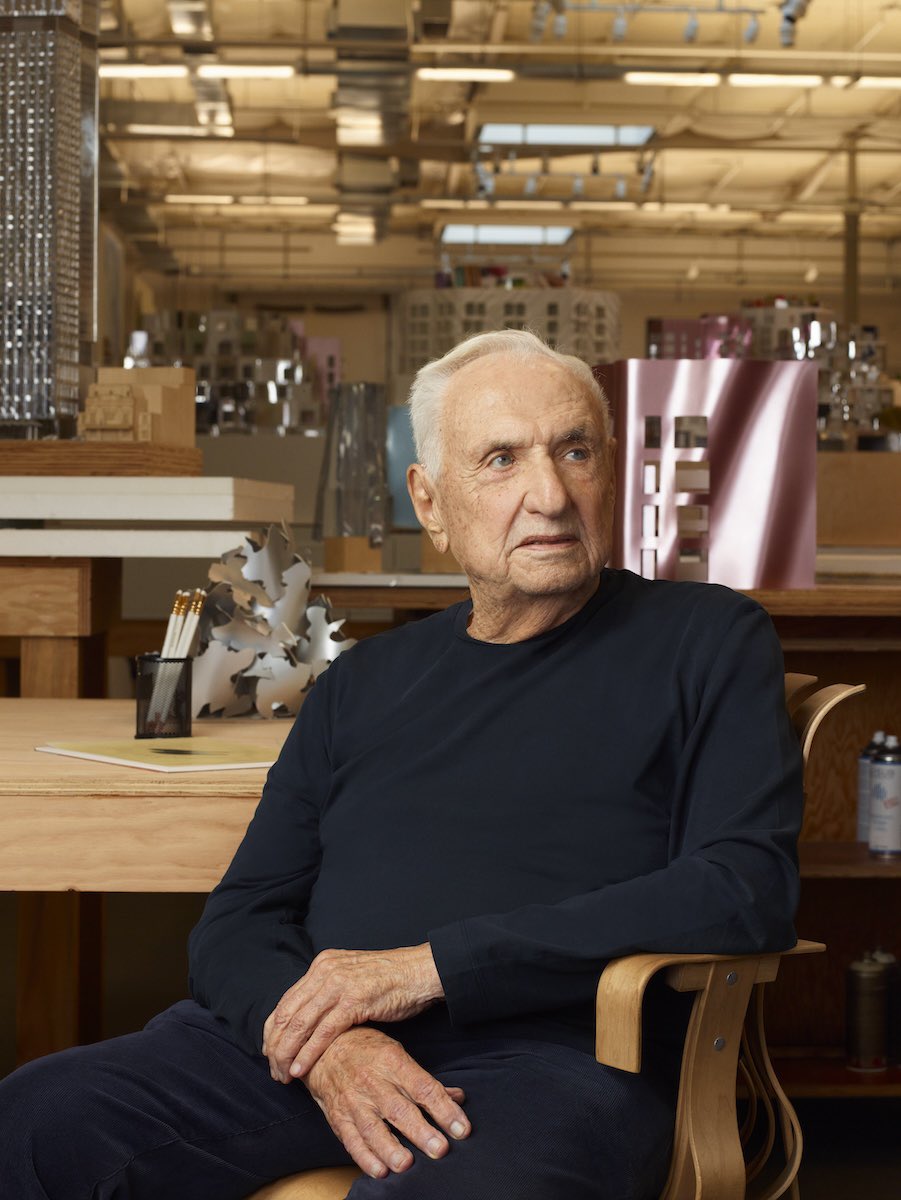
From MIT to Prague, from concert halls to corporate centers, Frank Gehry’s work was a constant, thrilling rebellion. He showed us that buildings could be emotional, playful, and profound. The world’s skyline has lost its boldest poet. Rest in power. #FrankGehry #Architecture #MIT
Pradeep Kodimana Ramakrishnan tweet media
English
0
0
0
64
Pradeep Kodimana Ramakrishnan
CHICAGO: The Pritzker Pavilion in Millennium Park. Now in my new home, I walk past this brilliant silver bouquet. It’s an outdoor theater that feels both monumental and intimate, a gift of free art to the public.
Pradeep Kodimana Ramakrishnan tweet media
English
1
0
0
66
Pradeep Kodimana Ramakrishnan
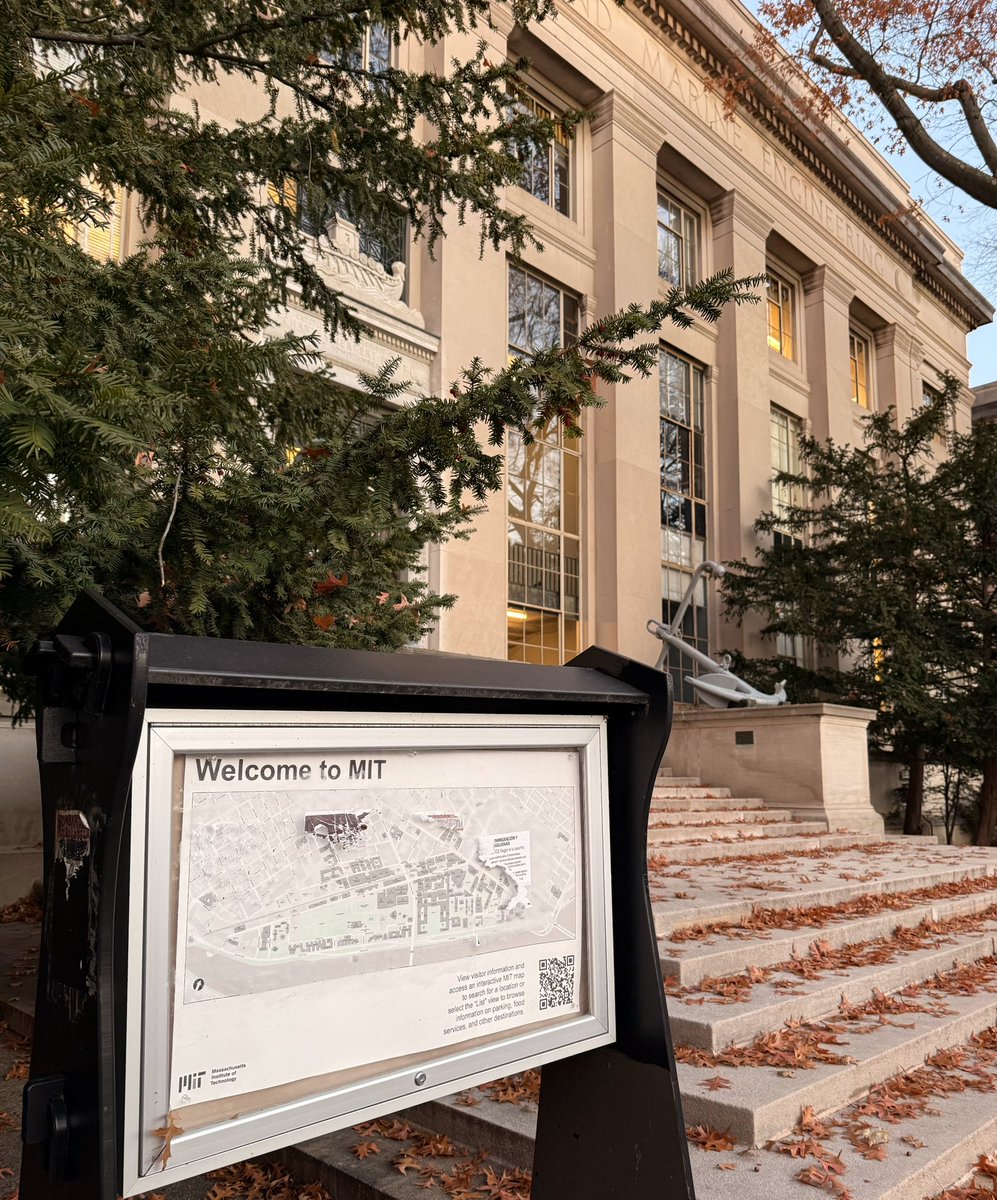
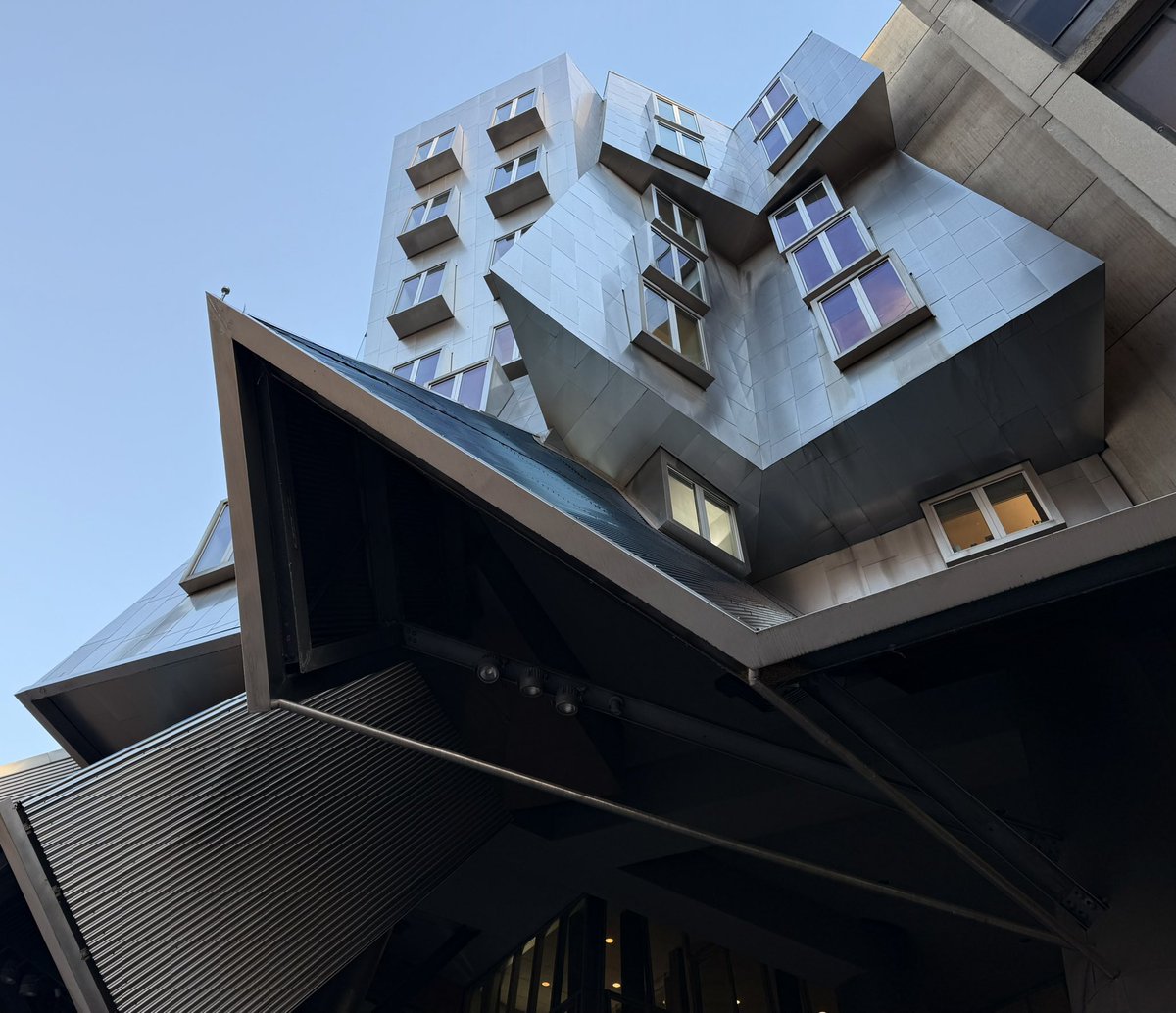
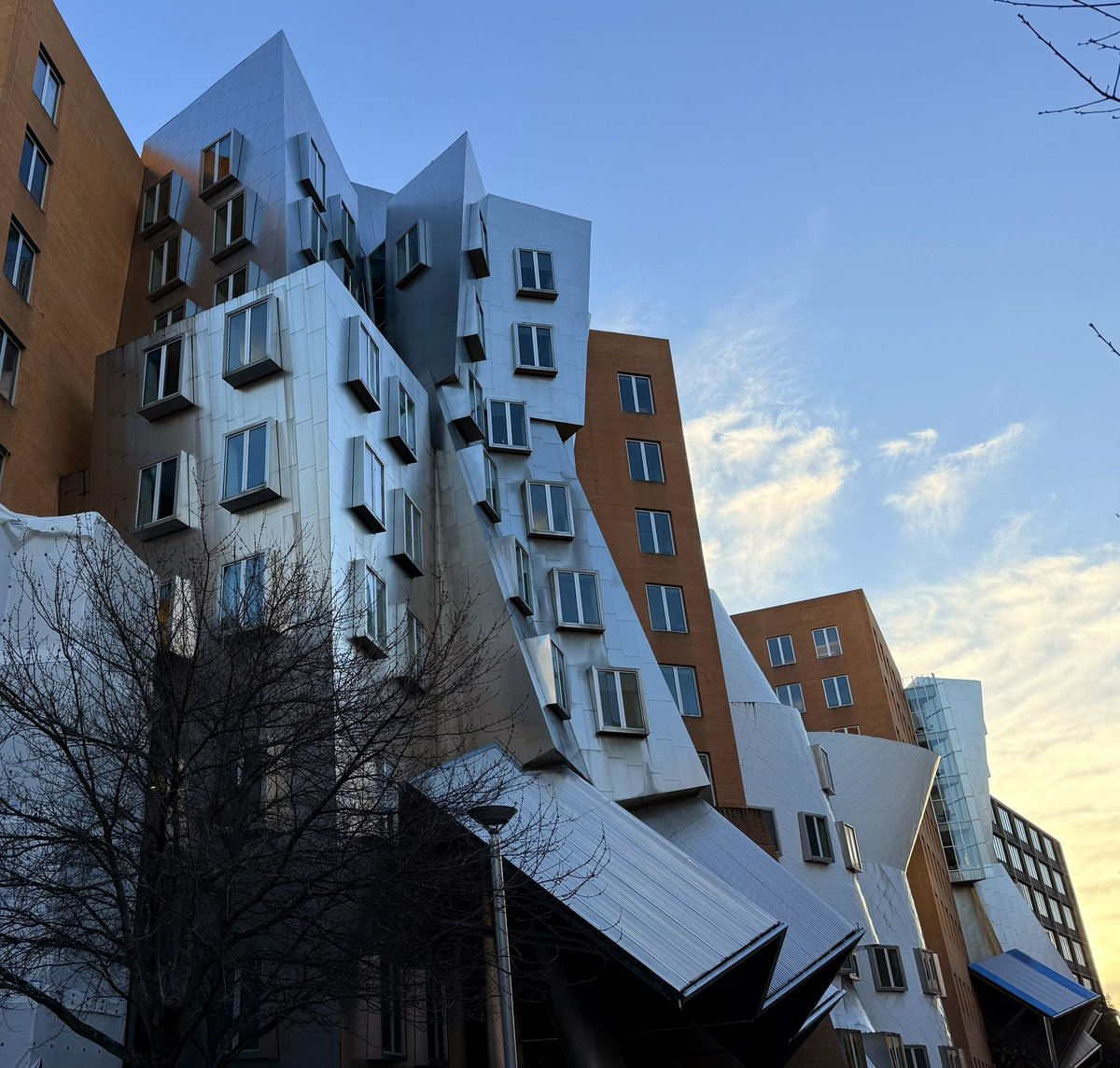
A bittersweet pilgrimage. I visited MIT’s iconic Stata Center today, a Frank Gehry masterpiece of chaotic beauty. I learned just after that Gehry passed away today (1929-Dec 5, 2025). It felt like the universe aligned for a tribute. His work taught cities how to dream. 🧵#mit
Pradeep Kodimana Ramakrishnan tweet mediaPradeep Kodimana Ramakrishnan tweet mediaPradeep Kodimana Ramakrishnan tweet media
English
1
0
2
89