
Sabitlenmiş Tweet
kumausa(創造主直属宇宙軍の副総督、銀河連合軍と合同中)
165.8K posts

kumausa(創造主直属宇宙軍の副総督、銀河連合軍と合同中)
@kumausa
フォローは自己判断で 宇宙側の軍隊が一体何か、難しいので「光側」でOK 宇宙軍所属者と情報共有のためにXを利用 フォローバックはしません YouTubeでも動画配信中 ぜひ概要欄を読んでね! サブ垢( @Mishukuji )あり エックスできないときはGETTRにて
シリウスに宇宙軍の本拠地あり Katılım Mayıs 2009
16 Takip Edilen3.9K Takipçiler
kumausa(創造主直属宇宙軍の副総督、銀河連合軍と合同中) retweetledi

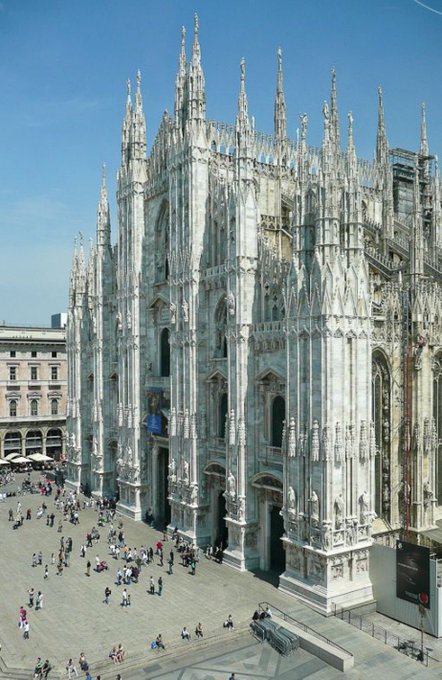
There are few buildings more impressive than the Milan Cathedral:
- It's the largest church in Italy
- It took 579 years to construct
- Napoleon was crowned king here in 1805
- It houses 3,400 statues, more than any other church in the world.
How can it get better than this?
English
kumausa(創造主直属宇宙軍の副総督、銀河連合軍と合同中) retweetledi

My friend has a cat that caught 27 mice in one night, then arranged them like this all by himself, as if to show off his achievement.
English
kumausa(創造主直属宇宙軍の副総督、銀河連合軍と合同中) retweetledi

kumausa(創造主直属宇宙軍の副総督、銀河連合軍と合同中) retweetledi

kumausa(創造主直属宇宙軍の副総督、銀河連合軍と合同中) retweetledi
city.sapporo.jp/php/question/c…
札幌市長にメールしました‼️
ゴミの分別をしてるけど、焼却炉を見学に行ったら、ビンも缶も燃やしてました。
焼却炉の温度が800度から1200度になるため、ダイオキシンもでないそうです。
何のために分別しているのか環境省にも聞きました。
発がん性があるけど、ガンになった人のデータはありません。
奇形児が生まれる恐れがあるけど、奇形児がダイオキシンによって生まれたケースがない。
結局何の為に分別をしてるのか、私の住む札幌市役所に聞いてみました。
プラごみは、日本製鉄所の燃料になっていました。結局燃やしている。日本製鉄所の燃料になっているなら、札幌市役所は燃料代としてお金をもらっているのかと思いきや、お金を払っている!
委託業者があり日本容器包装リサイクル協会にお金を払っている。その協会にはどんな人がいるのか聞いたら、官僚の天下り先だと言ってました。
このことを番組にして、国民に周知して下さい。
日本語
kumausa(創造主直属宇宙軍の副総督、銀河連合軍と合同中) retweetledi

kumausa(創造主直属宇宙軍の副総督、銀河連合軍と合同中) retweetledi

The single LARGEST vaccine–dementia study ever conducted (n=13.3 MILLION) found that adult vaccines (flu, pneumococcal, shingles, tetanus, diphtheria, pertussis) increase risk of DEMENTIA (+38%) and ALZHEIMER’S (+50%) for a DECADE.
The more doses, the higher the dementia risk.
English
kumausa(創造主直属宇宙軍の副総督、銀河連合軍と合同中) retweetledi

Inside the Terrace Houses of #Ephesus, where some of the city's wealthiest residents once lived. Built from the 1st century BC onward on the slopes opposite the civic center, these multi-level Roman homes preserve remarkable mosaics, wall paintings, and details of elite domestic life that rarely survive so clearly in the ancient world. Today, they remain one of the most revealing parts of Ephesus, a UNESCO World Heritage
English
kumausa(創造主直属宇宙軍の副総督、銀河連合軍と合同中) retweetledi

Remnants of a bust with the original paint still visible, dating back to 4th century BC.
Museum Archeologico in Siracusa, Sicily.

English
空に浮かぶ緑の船、大型飛行船ブームは離陸するか? technologyreview.jp/s/311234/welco…
CO2問題をかたるなら、飛行機止めりゃいいのに
#テレビじゃ流れない話
なんで牛のゲップで6%のCO2の対応しなきゃいけないんだよ
日本語
壁にもなんか書いてあると思うのだけど、そこは公表してないと思われる
なんでモザイクだけなのか
ここまでするなら、壁にも何かあったんだろうという考えで掘り起こしていない
#テレビじゃ流れない話
ArchaeoHistories@histories_arch
In 2014, archeologists unearth 2200 year-old mosaics in an ancient Greek city named Zeugma in Gaziantep Province, Türkiye 🇹🇷 Zeugma founded in 300 BC by Seleucus I Nicator; one of generals of Alexander the Great, who named city after himself. City was sacked by Romans in 64 BC who changed name to Zeugma. City constantly between controlling nations and thus architecture is influenced by many cultures. The three new mosaics have been discovered, dated 2nd Century BC, but incredibly well-preserved and look as beautiful and stunning as the first day. These mosaics depict scenes from Greek and Greco-Roman mythologies. All mosaics are constructed of colored glass and served as floors of a building that archaeologists have dubbed House of Muses. First depicts Nine Muses – goddesses of the inspiration of literature, science and arts. Muse Calliope is in center of the mosaic. Second mosaic depicts Ocean – divine personification of sea and his sister Tethys. Third, smaller in size mosaic, depicts a young man. Much of the site had been buried under layers of soil and debris over centuries, which helped protect the colors and stonework remarkably well despite their age. Zeugma sat at a strategic crossing on the Euphrates River, making it a cultural crossroads between Greek, Roman, and Eastern influences, and its mosaics reflect that blend of artistic traditions. The urgency of the excavations came from the construction of a major dam project around the year 2000, which threatened to submerge large parts of the ancient city. Archaeologists managed to rescue and relocate many of the finest mosaics just before the rising waters flooded the area, a moment that left researchers both relieved and heartbroken as described by commenters recalling documentaries about the effort. Today, the recovered pieces are preserved in the Zeugma Mosaic Museum, where they stand as some of the best‑preserved examples of ancient mosaic art in the world. Zeugma was buried under 7–9 feet of earth over the centuries, not from a single disaster, but from slow, steady accumulation of soil, floods, and seismic activity in the region. This natural buildup is one of the reasons the mosaics remained so vividly preserved for over two millennia. 📷 : Mosaics depict nine Muses – gods and goddesses of inspiration of literature, science and arts. Constructed of colored glass, served as floors of building ‘House of Muses’. Zeugma House of Museums #archaeohistories
日本語