

(function(){}).apply
2.3K posts

(function(){}).apply
@lambdaq
console.log(/greetings/)
Katılım Mart 2011
234 Takip Edilen117 Takipçiler

今日吃到的教训:feature永远保留详细历史,master 一直 squash merge,每次pull request不会越来越长,这三者在git里没法同时实现。。。!!!???
中文


#CISA 虽以防御美国关键基础设施为名,但正逐步接管曾由国务院、USAGM 资助的“互联网自由计划”,将其从隐秘的民间输送转为明面的国家级下场。
这场博弈始于 1999 年 CIA 注资的鼻祖工具 Triangle Boy。目前,CISA 极可能将分散的规避技术整合,甚至探讨直接运营具备全球路由能力的“官方 VPN”,将美方服务器化为超级网桥。这种转变迫使我们的防御体系从阻断散兵游勇,升级为对抗由 CISA 集中分发、身份背书的“系统性威胁”。 #数字对抗笔记
中文
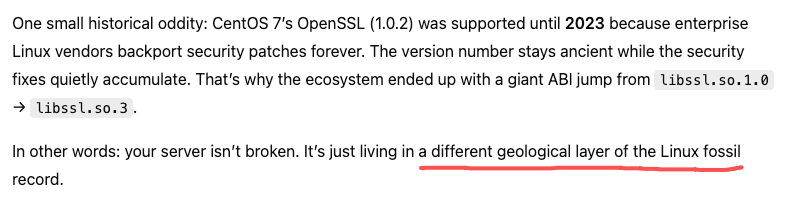
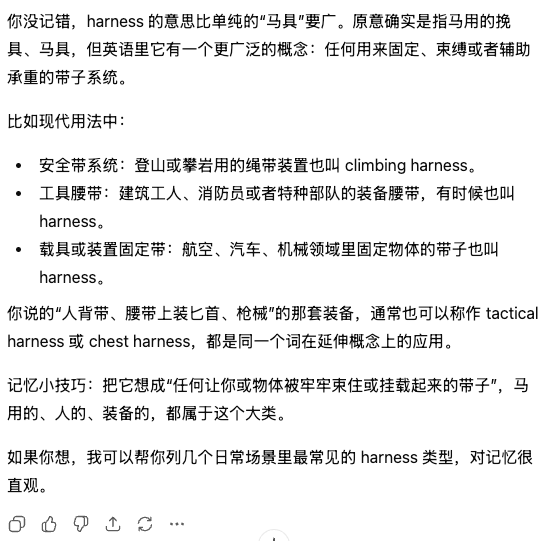
现在玩agent都在说 harness ,很多人翻译成「马具」,不是很准。这个词我打游戏的时候认识的。拾得一套 harness 发现枪械持有数量 x2。所以这个词汇恰当的翻译是。。。。。「捆绑和束缚」
中文
一张图解释 #qwen 的困境 x.com/Xinyu2ML/statu…

Xinyu Yang@Xinyu2ML
中文发一下今天通义大会的内容吧,感觉是没有转机了 1. 首席hr自称这波调整是扩充更多人才,提供更多资源 2. 阿里是模型公司,qwen是集团的事情,而不只是基模的事情,集团来做大闭环,要快速发展,组织形式没沟通好 3. qwen是集团最重要的事情,希望人才来扩大,必然涉及到阵型变化,无论怎么变化希望大家做好。什么东西都不是没有代价的。用junyang一个人的脑子来处理肯定高效,但站着jingren的角度,需要考虑把zhouhao放在什么位置上比较高效,全过程没有考虑过政治因素(btw昨天高层的说法是,zhouhao比较担心一开始融不进qwen团队,所以主动要求把自己先放在jingren下面,高层就答应了) 4. 我们做的事情很宏大,100多个人肯定不够,需要扩张,很难照顾到每个人的想法 5. 吴妈说中国国情特殊,资源很难大家都满意,道歉没有更早知道资源的问题。说是中国最激进寻求算力的ceo,Qwen是第一优先级&尽了中国CEO最大的努力了。 6. 关于资源被集团卡脖子,吴妈说不知道被卡,心里一直优先级是最高的,问题是信息传递流程的问题 7. jingren说一直资源紧张,在做整体规划,然后说自己也是被架空的。然后说内部阿里云不好用是历史原因 8. 然后下面问junyang能不能回来,首席hr说:不能推上神坛&公司不能接受非理性的要求不计代价来挽留,并问台下那大家觉得自己是什么代价呢
中文
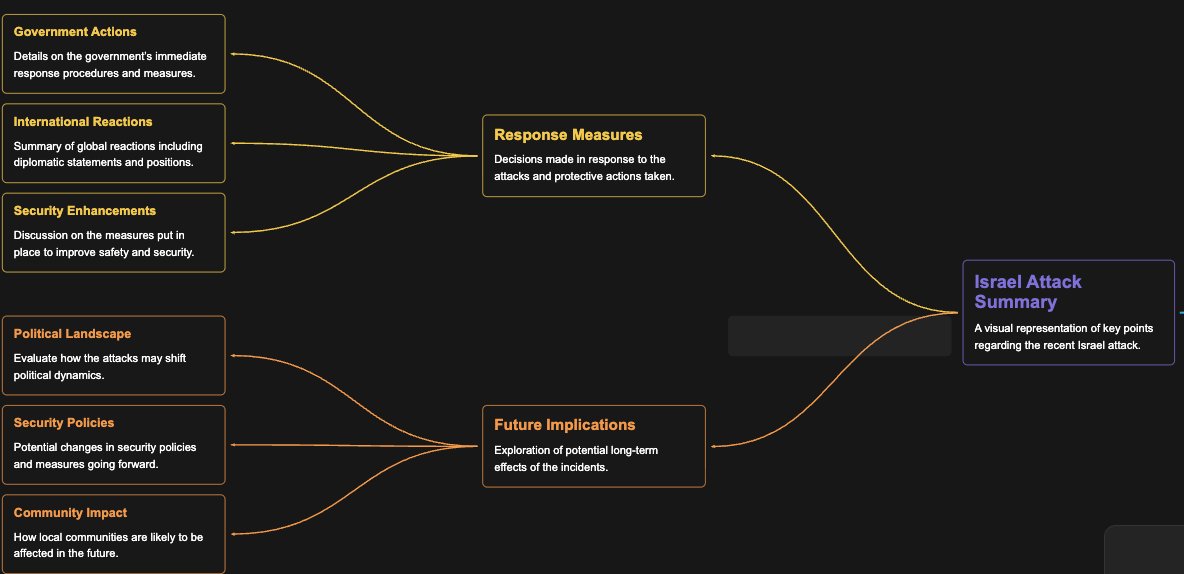
绝地天通
Arnaud Bertrand@RnaudBertrand
This is probably the single feature that makes China most unique as a civilization in human history: it is pretty much the only one where religion never had a say in political affairs. We often wrongly believe that China's secularism came with Communism but this couldn't be more wrong. The roots are far, far more ancient than this. Think about any other civilization - India, Persia, ancient Egypt, European civilization, the Incas: they all had a priestly class that held considerable political power. China? Never. Never, ever? Actually China, in its very early history, had a brush with theocracy during the Shang dynasty in the 2nd millennium BC. And it is precisely this episode - or rather what came afterwards - that decisively de-linked religion from government affairs. How so? Because around 1046 BC, the Zhou overthrew the Shang and immediately faced a big problem of legitimacy. The Shang had claimed to rule because Heaven had chosen them. If that were true, then the Zhou had just committed the ultimate act of sacrilege. How do you justify going against God’s will? The answer the Duke of Zhou (who can thus be credited as the - perhaps unwitting - inventor of secularism) came up with was essentially to say that Heaven's mandate is not a birthright but a contract - conditional on the virtue of the ruler and good governance. It might not sound like much but this idea completely changed the whole equation: suddenly the legitimacy of power didn’t rest on God’s will but on man’s moral judgement, on whether the ruler had virtue (德, Dé) and governed well. Which meant that, ultimately, the people - as opposed to a God - became the arbiter of whether a ruler is legitimate. If there is one single decision that most shaped China's destiny as a civilization, it's probably this one. And, as I explain in my latest article, it ultimately shaped all of us in profound ways: through a chain of events involving Jesuit missionaries, Voltaire, and what French Enlightenment thinkers called "l'argument chinois" ("the Chinese argument"), it is this very idea that ended up secularizing Europe too and drove the Enlightenment movement. That's the topic of my latest article: the origins of China's secularism, how it shaped three thousand years of Chinese civilization, and why - far from being a belief in nothing or an absence of belief as it's all too often depicted - it's on the contrary a faith in humanity itself. Read it all here: open.substack.com/pub/arnaudbert…
日本語

学到一个冷知识 成都地铁 13 17 18 19 接触网是 AC25kV 供电,其余都是DC1500V。所以即便将来要开跨线车这两者也不能一块玩儿。
中文
