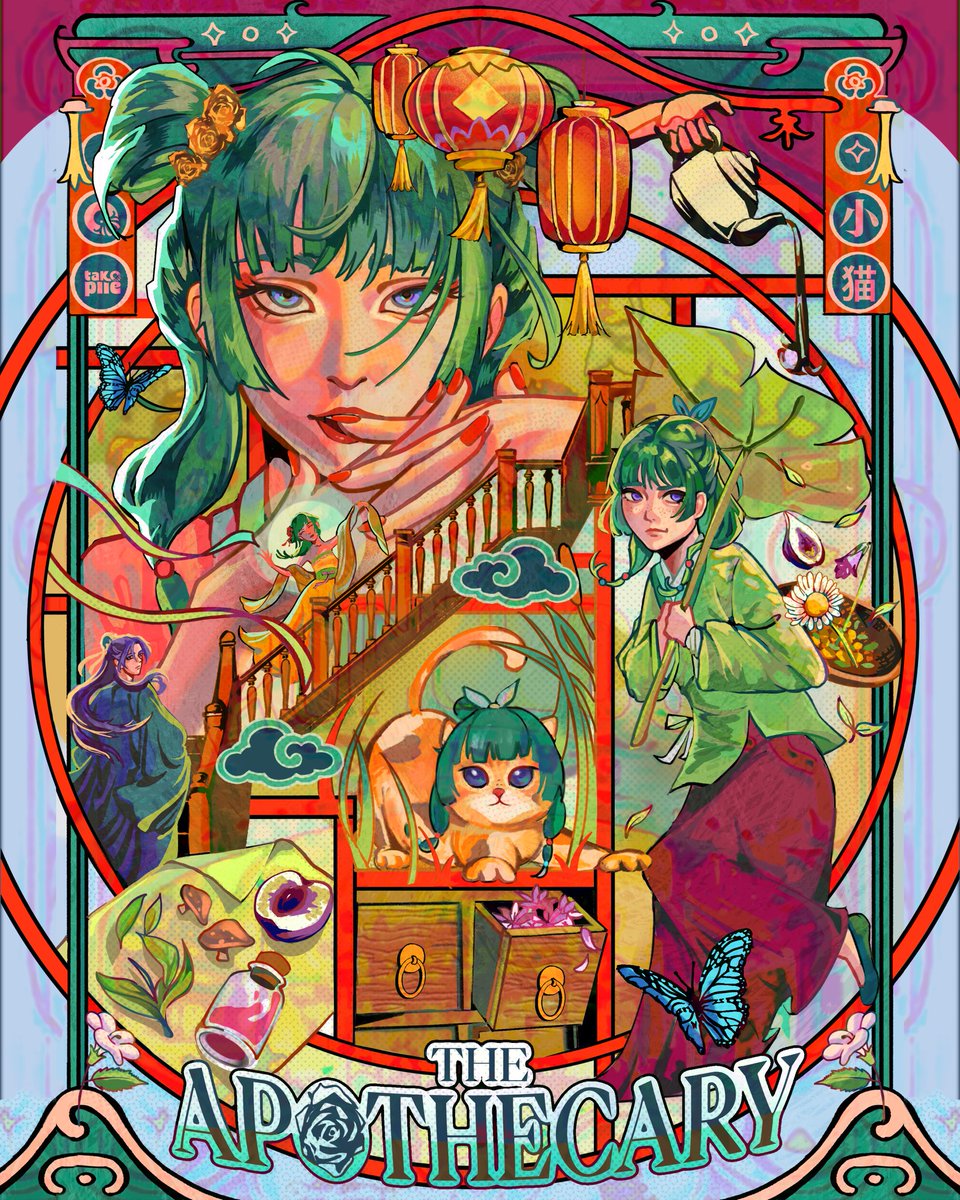
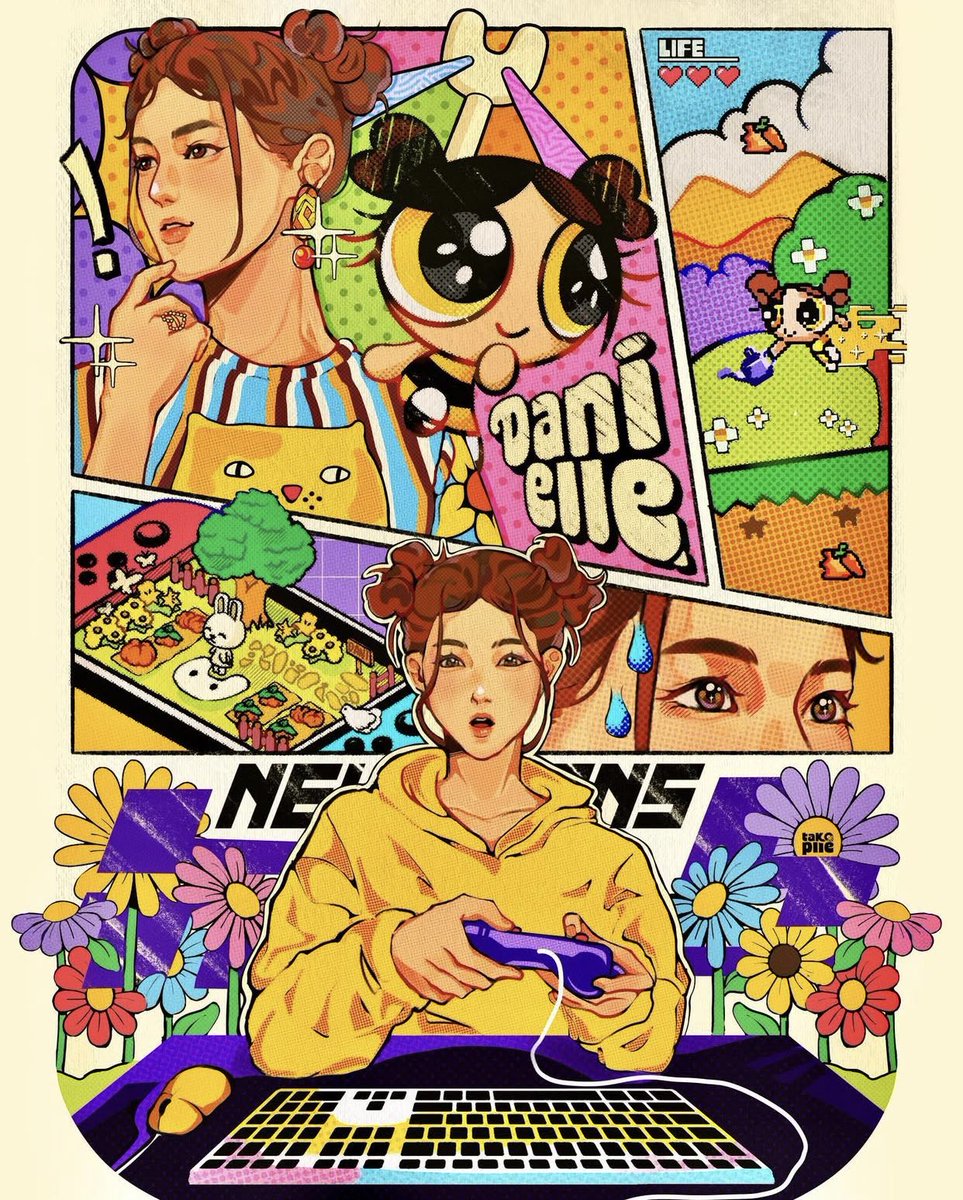
Day 2 here at Komiket for my LAST CON! If you’ve been a follower of mine, come by and tell me which of my art you first saw! Will be giving you a free print 💕💕
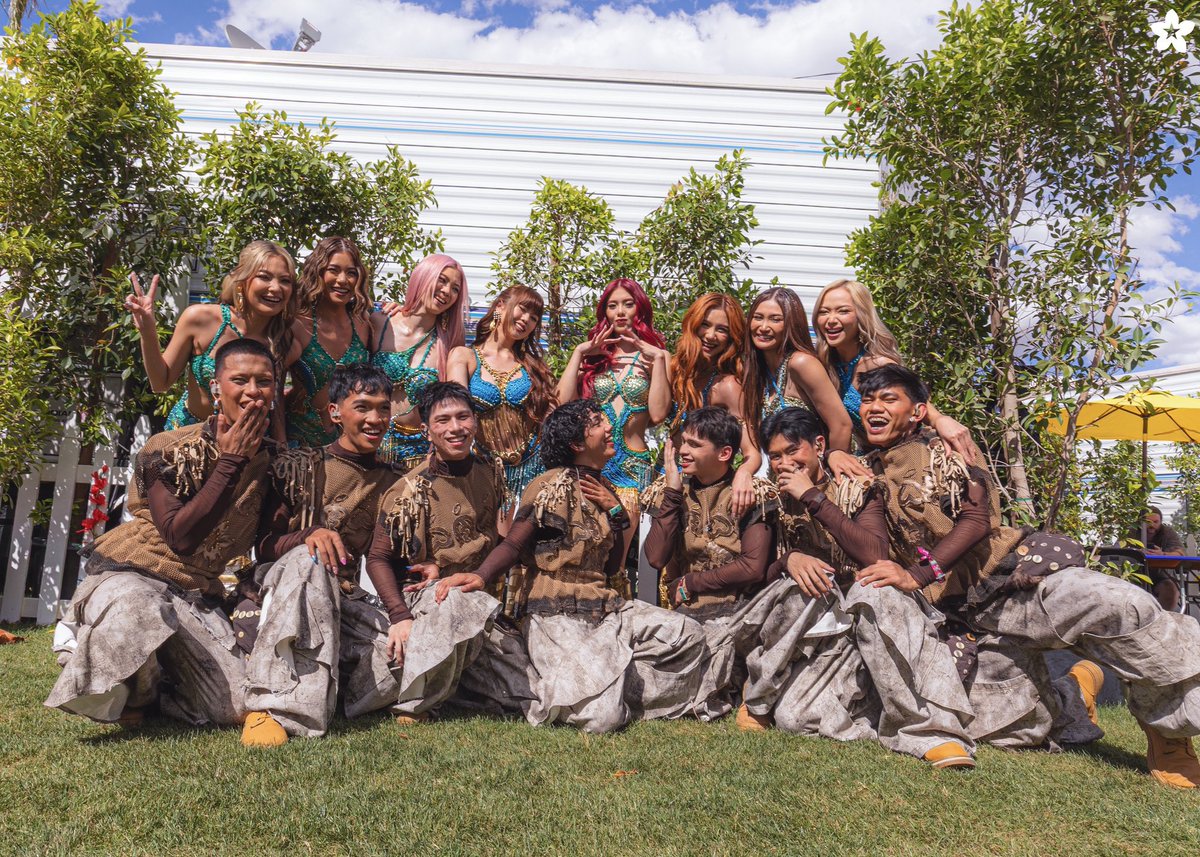
I can't really put into words there something so beautiful that Filipino arts and culture thriving in the midst of corruption. Its a form of resistance that dates back to our history of fighting back against colonization using art and culture.
How 'Ditto' was born [1/3]
"When I hear praise about NewJeans' music, I often hear about its genre, but I'm not confined to any particular genre."
#NewJeans #뉴진스
@yuriiillit first of all, hybe offered her a producer role with INSANE “slave-like” clauses for a 2-month procer role. This includes being “ousted” by ADOR’s New CEO ANYTIME even without proper investigation/involvement. Who would accept that? Please read credible sources.
Plagiarism vs. Inspiration
Inspiration is basically when you take a general idea, mood, or reference and turn it into something that clearly feels like your own. You’re not copying someone’s blueprint, you’re just influenced by the same cultural air. The final result has its own identity, comes from independent creative decisions, and doesn’t confuse people about where it came from. Inspiration lives at the idea level, not in copying how something was actually built.
Plagiarism is different. It’s not about one similar outfit, move, or concept. It’s about copying protected expression, especially when there’s proven access to the original work. In branding, plagiarism shows up through a pattern of similarities that stack on top of each other. When those similarities shape the overall look, feel, and strategy of a brand, and start blurring the lines for the audience, that’s when it becomes a real IP problem.
When you apply this to NewJeans and Belift Lab, the first big issue is access. Belift Lab is under HYBE, and it’s been publicly acknowledged that NewJeans-related planning materials existed inside the same corporate system and were accessed. That matters a lot. In IP analysis, once access is established, extensive similarities are no longer easy to brush off as coincidence.
The similarities also go way beyond choreography. We’re talking about visual identity, styling, the “youthful authenticity” aesthetic, how the group is framed narratively, the marketing tone, and even the debut rollout structure. This is about the overall commercial impression. One similarity can be accidental. Multiple, specific overlaps across different brand elements start to look intentional.
What really raises eyebrows is the system-level copying. NewJeans wasn’t just an aesthetic trend, it was a full brand system. There was a clear creative framework behind the visuals, storytelling, marketing, and debut strategy. Those systems are the product of real creative labor. When another group uses a very similar framework with only surface-level tweaks, that’s no longer inspiration. That’s derivative execution.
Then there’s market confusion, which is a huge red flag in IP law. The fact that comparisons were immediate and widespread, and that people kept framing the newer group as “NewJeans-like,” shows that the brand lines weren’t clearly separated. That kind of confusion is exactly what branding and IP protections are meant to prevent.
So no, this isn’t just “following a K-pop trend.” Sure, things like Y2K or minimal styling aren’t owned by anyone. But the way NewJeans combined those elements, the timing, the narrative, and the execution created a very specific brand identity. Replicating that identity while having internal access crosses the line from inspiration into plagiarism by replication… even if you try to defend each individual element on its own.