

rosemary neeb
4.5K posts

We’re gonna need two more Jills!
Volunteers?

𝔻𝕖𝕓𝕠𝕣𝕒𝕙 🥃🖊️@DADiClementi
@noirgal17 That's us! We ride at dawn, Lala!
English
rosemary neeb retweetledi

Now this is a cool story!
If you want to know how Vikki Lawrence met Carol Burnett, you can hear Vikki tell the story herself!
Talk about all the stars being aligned in the right place at the right time!
English
rosemary neeb retweetledi
State Route 192. Anyone who has ever driven across Pennsylvania and has seen the hundreds of billboards and signs for “Penns Caves“ knows this is where they are located. #Appalachia

English
@IndependentRed4 Gotcha down for 8/22 PC day. Will mail pass when I get it. We will have fun!
English


@GrandOldMovies @tcm Carol Burnett spoofed this movie with her sketch " Raised to Be Rotten."
English
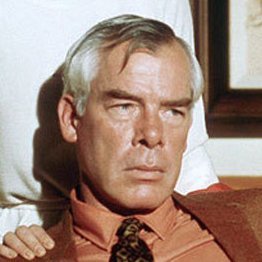
DVR Alert: JOAN FONTAINE sets out in high style to prove the title of her 1950 film...that she is BORN TO BE BAD (and how!); tomorrow (Wed 5/20) on @tcm 9:45am; campy fun, with hunky guys ZACHARY SCOTT, ROBERT RYAN, MEL FERRER; here's my archive post: grandoldmovies.wordpress.com/2020/01/26/inf…

English
rosemary neeb retweetledi

"Rabbit's Feat" Classic Looney Tunes Funny Cartoon 😹
English
rosemary neeb retweetledi

A 1977 reunion of Gregory Peck ,Mary Badham, and Phillip Alford.
Do you remember the film?

English
rosemary neeb retweetledi

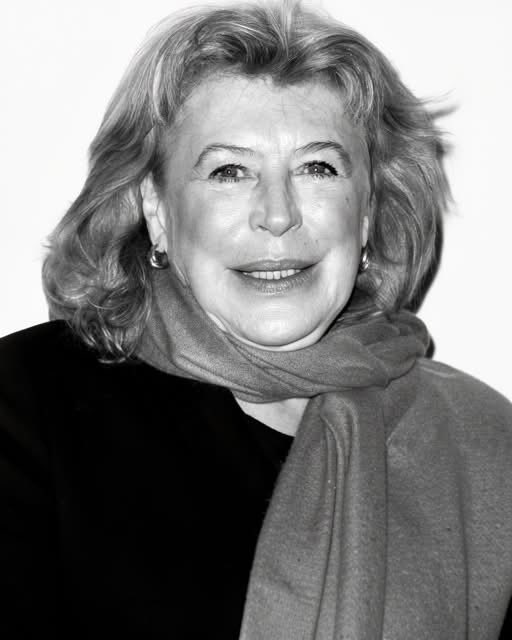
In the 1970s, people walked past a homeless woman sleeping on a wall in London’s Soho district without recognizing her.
She was dirty.
Addicted to heroin.
Barely surviving.
A decade earlier, she had been one of the most famous women in England.
Her name was Marianne Faithfull.
In the 1960s, Marianne was the face of Swinging London.
Discovered at 16 during the height of Beatlemania and the Rolling Stones era, she became an overnight star almost immediately.
Beautiful.
Aristocratic.
Talented.
By 18, she had a husband, a baby son named Nicholas, and a booming music career.
Then came fame, drugs, and chaos.
She left her husband and began a highly publicized relationship with Mick Jagger.
To the outside world, it looked glamorous:
parties,
fashion,
rock stars,
magazine covers.
But behind the scenes, the lifestyle was destroying her.
By 1970, everything had collapsed.
The relationship ended.
Her heroin addiction spiraled.
And she lost custody of her son.
That broke her.
She later admitted the shame was unbearable.
So she disappeared.
For nearly two years, Marianne Faithfull lived homeless on the streets of Soho.
People passed her every day without realizing the woman sleeping outside had once been on album covers and television screens across the world.
And strangely, she later said those years taught her more humanity than fame ever did.
“The people on the streets looked after me,” she said years later.
Eventually, friends helped get her into treatment.
It wasn’t instant.
She relapsed.
Failed.
Started over.
And during all of it, her voice changed permanently damaged by addiction, smoking, illness, and years of abuse.
The soft, angelic voice that made her famous was gone.
But then something incredible happened.
Instead of ending her career…
the damage transformed it.
In 1979, Marianne released Broken English.
The album was raw, angry, scarred, and brutally honest.
Her cracked voice suddenly carried something deeper than perfection ever could.
Pain.
Experience.
Survival.
The album revived her career and reintroduced her to the world not as a 1960s icon…
but as a serious artist.
Over the next four decades, she kept working.
Music.
Books.
Films.
Interviews where she spoke honestly about addiction, shame, and survival.
And slowly, she rebuilt the relationship that mattered most:
her relationship with Nicholas.
He had every reason to walk away from her forever.
Instead, as an adult, he reached back.
And Marianne did the hard part:
she stayed.
She got sober.
Showed up consistently.
Did the slow work of rebuilding trust.
That’s what makes this story powerful to me.
Not fame.
Not the comeback album.
The fact that redemption wasn’t handed to her.
She earned it quietly over years.
When Marianne Faithfull died in 2025 at age 78, she wasn’t alone.
Her family including the son she once lost was by her side.
That feels important.
Because the woman the world once dismissed as a hopeless addict…
did not die abandoned on a Soho sidewalk.
She died loved.
And sometimes, after enough damage and enough years, that’s what redemption actually looks like.
English
rosemary neeb retweetledi


@BrigadierBurma A friend's Boxer would take her, a young girl going to school, to the bus stop each morning then jump her home fence to go back to the bus stop , to walk her safely home every afternoon. Devotion.
English

rosemary neeb retweetledi
For two years, Gilda Radner told doctors something was wrong.
For two years, they told her it was stress.
By the time someone finally looked properly, the ovarian cancer had spread throughout her abdomen.
Stage IV.
She was 42 years old when she died.
And even then, Gilda was thinking about other women.
Most people remember her as the original star of Saturday Night Live.
In 1975, women in comedy were usually expected to play the girlfriend, the secretary, the “straight” character beside funny men.
Gilda ignored all of that.
She was loud, physical, weird, fearless, completely unafraid to look ridiculous if it made people laugh.
Emily Litella.
Roseanne Roseannadanna.
Lisa Loopner.
She became the emotional center of early SNL because she made comedy feel human.
Then, in the mid-1980s, she started getting sick.
Fatigue.
Stomach pain.
Cramping.
Nothing dramatic at first. Just a constant feeling that something was wrong.
She went to doctors.
They told her it was anxiety.
Stress.
IBS.
“Relax.”
She kept getting worse.
More doctors.
More dismissals.
For two full years, Gilda Radner described her symptoms and was repeatedly told it was all in her head.
Think about that for a second.
She was famous.
Rich.
Articulate.
Connected.
And they still didn’t believe her.
Finally, in 1986, exploratory surgery revealed ovarian cancer.
Stage IV.
If someone had listened earlier, she might have had a chance.
Instead, she spent the next three years fighting for her life through surgeries, chemotherapy, radiation, and experimental treatments.
And she refused to hide it.
At a time when most celebrities kept cancer private, Gilda talked openly about what happened to her — especially the years of being dismissed.
She wanted women to hear one message clearly:
Trust yourself.
If something feels wrong, demand answers.
In 1989, while dying, she published her memoir:
“It’s Always Something.”
Still making people laugh.
Still trying to help strangers she would never meet.
She died on May 20, 1989.
Gene Wilder was holding her hand.
After her death, Gene helped create Gilda’s Club — a place where cancer patients and families could go for support, community, laughter, and dignity.
The symbol was a red door.
Walk through it, and you were no longer alone.
That’s the part that stays with me most.
Gilda Radner spent years making millions of people laugh.
Then she spent the end of her life trying to make sure other women would be believed when they said they were in pain.
She died at 42.
She is still helping people today.

English
@franchotarchive The NY Times said, " Her performance was almost unendureably lovely."
English

Happy birthday to Margaret Sullavan! Franchot and Maggie costarred in Three Comrades (1938) and were highlighted by critics as the two standouts of the film. Fun fact: they both found Fitzgerald’s script too wordy and (along with MGM writers) took part in rewriting most of it 😈
English
@IndependentRed4 He has been overlooked...I will be watching him..UT article yesterday never mentioned him. Odds should be good too!
English
Representing one of my favorite Preakness winners today! I’m going with Great White #GeldingPower. Who you got?
English
rosemary neeb retweetledi

On May 18, 1980, Mount St. Helens erupted with the force of 24 megatons of TNT, making it one of the most powerful volcanic eruptions in U.S. history.
The blast was so violent it literally blew the top off the mountain, triggered massive landslides, flattened millions of trees, and sent ash across multiple states.
To this day, the footage still doesn’t look real.
English
rosemary neeb retweetledi

rosemary neeb retweetledi
rosemary neeb retweetledi

Remembering DAPHNE DU MAURIER — born 119yrs ago today.
Here she is in 1971 at her home in Cornwall giving her first ever TV interview.
English
rosemary neeb retweetledi

Nothing fake or plastic about Laura. She had sensational voice and such a beautiful woman. We lost her way too soon. One of the greatest voices of the 1980s. What a fun decade filled with beautiful music.
English
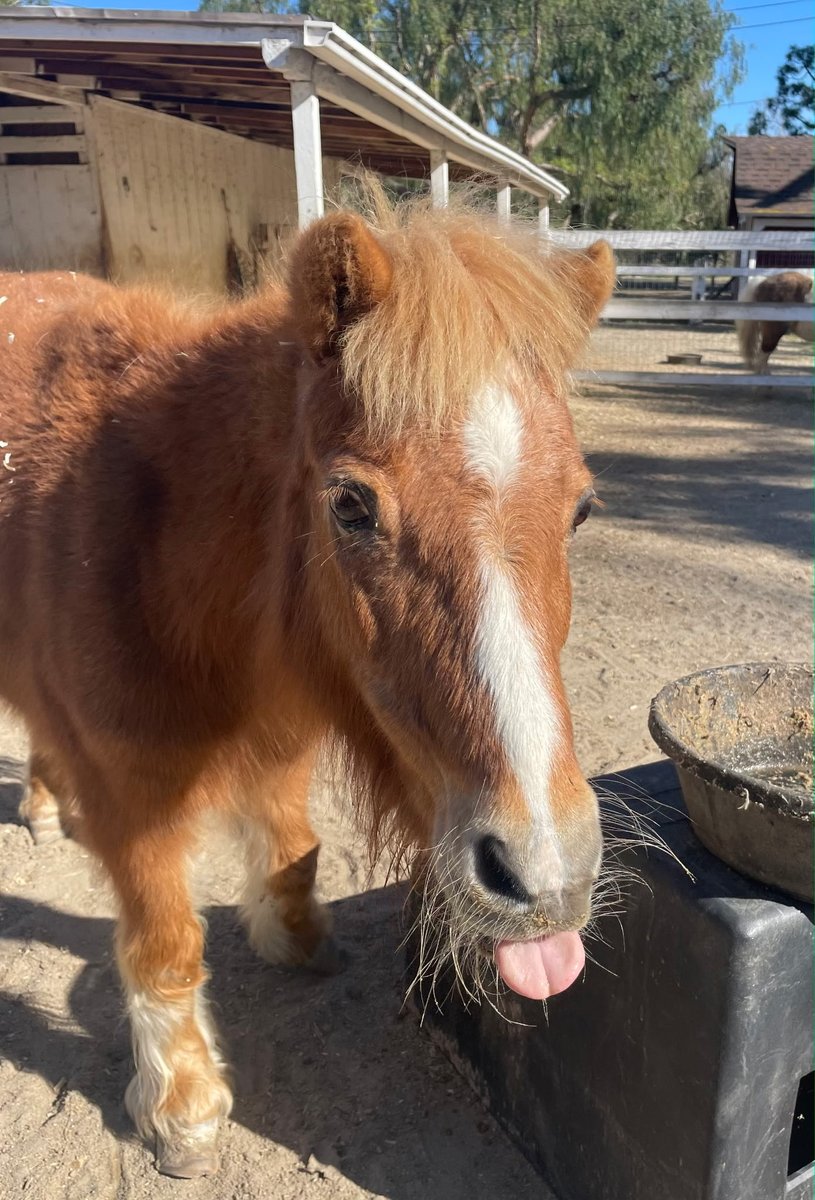
Guilty As Charged. GingeSnap was apprehended and arrested last night for kicking her person in the face. #TongueOutTuesday
English