
Sabitlenmiş Tweet
Salim
4.6K posts

Salim
@leemlizzy
OCTATRACK ..mpc2500_microkorg_Sp303_Sp404_Sp202 | Controllerise
Atlanta, GA .. Philly...Mars Katılım Temmuz 2011
1.9K Takip Edilen1.8K Takipçiler
What producer doesn't get enough credit?
DJ Battlecat
King Dominu$👑@KlNGDOMlNUS
What producer doesn’t get enough credit?
English
Salim retweetledi

Salim retweetledi

🎵: My Lyfe
🎹: @leemlizzy
🎥: @chuyveee CONGRATS YOU HAVE AMAZING TAST
Link in bio to get this track
English

Oh your soooooo HIPHOP you know everything!! Shut the fuck up!!
English

Salim retweetledi
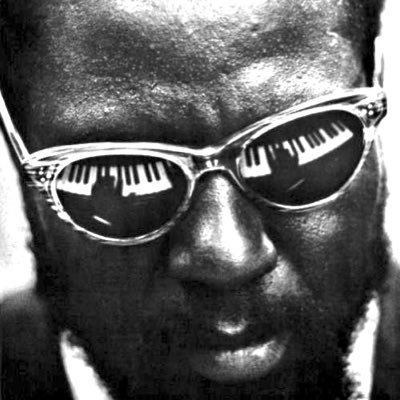
Remembering the great Roy Ayers, who passed away 1 year ago today.
English



Salim retweetledi


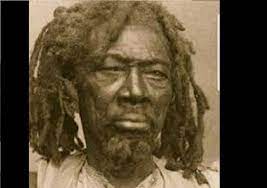
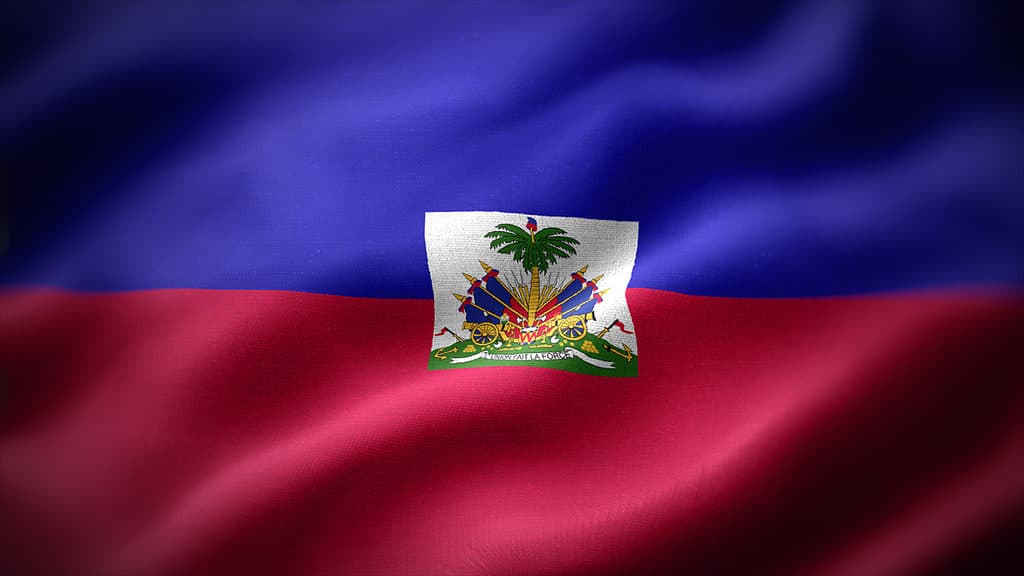
📷 Discovering Dutty Boukman: A Key Figure in Haitian History 📷
Meet Dutty Boukman, a trailblazing leader of the Haitian Revolution. Born in Senegambia (now #Senegal and #Gambia), he found himself enslaved in #Jamaica before making his way to #Haiti. There, he emerged as a #Maroon leader and a vodou houngan (priest), deeply connected to his roots.
In August 1791, a historic moment unfolded. Boukman and Vodou priestess Cécile Fatiman led a powerful ceremony at Bois Caïman, marking a turning point in history. This event ignited the spark that set off the 1791 slave revolt, a pivotal moment often hailed as the start of the Haitian Revolution.
Boukman played a central role in the uprising, particularly in the Le Cap-Français region of the colony. Tragically, he fell victim to the French planters and colonial troops on November 7, 1791. His indomitable spirit had captured the imagination of many, prompting the French to display his head in an attempt to shatter the aura of his influence. This act underlines Boukman's significance in the hearts of the Haitian people.
But let's rewind to the beginning. Around 1767, Boukman was born in Senegambia, where he practiced as an Ulama. His journey took him from captivity in Senegambia to the Caribbean, from Jamaica to Saint-Domingue (modern-day Haiti). There, he embraced his ancestral beliefs, becoming a prominent Haitian Vodou houngan priest. He even took on the name "Book Man," hinting at his Islamic origins, as scholars suggest.
The iconic Bois Caïman ceremony took place around August 14, 1791. Boukman and Cécile Fatiman orchestrated this gathering, uniting co-conspirators like Jean François and Biassou. An oath was taken, a sacrifice made, and Boukman's words echoed powerfully:
"...Our God, who created the sun and brings light, who controls the sea and the storms. He's here, watching, witnessing the whites' deeds. The white men's God guides them to commit crimes, while our God calls us to goodness and vengeance. Our hands will be guided, and we'll receive assistance. Let go of the white men's God, thirsty for our tears. Listen to the voice of liberty within us."
— Dutty Boukman
This pivotal event shapes Haiti's national identity, as it symbolizes the genesis of the nation. The Encyclopedia of African Religion notes that the ceremony's attendees drank the animal's blood to solidify their loyalty to the liberation cause.
Within a week, 1800 plantations were in ruins, and 1000 slaveholders had fallen. Boukman wasn't the first to challenge the system—others like Padrejean and François Mackandal came before him. However, Boukman's imposing presence, warrior spirit, and fiery resolve catalyzed the Haitian Revolution.
Let's honor Dutty Boukman and his role in shaping Haiti's destiny! 📷📷 #HaitianRevolution #HistoryMakers
English
