fireworks and confetti@fworksconfetti
̶D̶e̶a̶r̶ psychiatry,
“We do things differently nowadays” is no defence for the harms done to patients and lives they lost due to what you said and did—or did not do—in the past.
Yours,
Patients who are still paying the price for what you said* and did** or did not do*** in the past
--
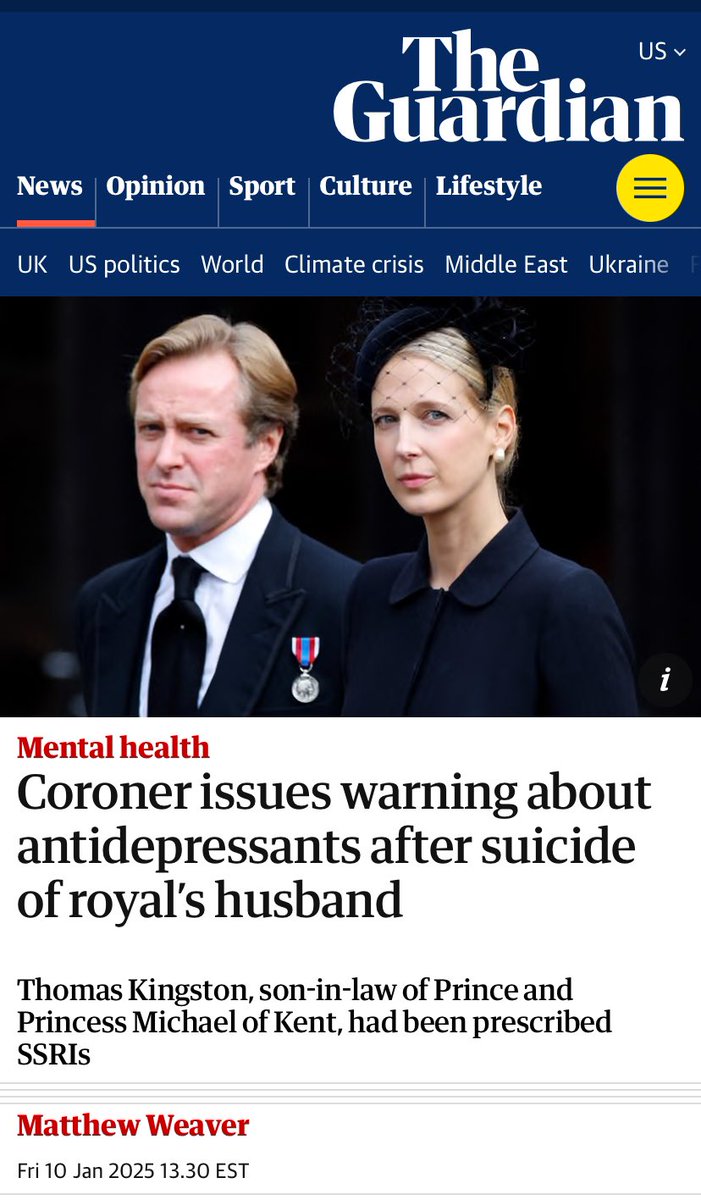
*Said for decades that depression is caused by low serotonin, using this to justify the mass prescribing of SSRIs—effectively coercing huge numbers of people into taking them.
*Said for decades, and still say, that antidepressants are “safe and effective”. At this point, this is nothing but propaganda that’s deeply paternalistic towards patients. We don’t need facts sugar-coated like this—in the long run, ugly truths are always better than pretty lies.
*Said for decades that antidepressant withdrawal is “mild and short-lived” and largely lasts for two weeks, based on no science whatsoever.
*Said for decades that antidepressant withdrawal is “mild and short-lived”, echoing pharma companies’ reluctant admission about withdrawal, amounting to putting those companies’ profits ahead of patients’ fundamental right to informed consent.
*Said (tied to “mild and short-lived”) that patients could taper antidepressants by taking half a dose for two weeks before stopping, based on no science whatsoever—which is little better than telling them to go cold turkey. (And yet, psychiatry routinely accuses patients like me of encouraging others to cold turkey their antidepressants, which couldn’t be further from the truth.)
*Said (repeatedly and extensively) that antidepressants aren’t addictive, which, while technically correct, deliberately exploits the lay understanding of addiction versus dependence, dishonestly conveying to patients that it’s easy to stop antidepressants.
**Did repeatedly, and still do, try to downplay antidepressant withdrawal and deny that it can be severe and disabling.
**Did try to suppress the term “withdrawal” in relation to antidepressants, working with the pharma industry to euphemistically rebrand it as “antidepressant discontinuation syndrome”. (Thankfully, the public has intuitively seen through this dishonest and clunky jargon.)
**Did, and still do, attempt to undermine and intimidate patients who talk about their experiences of antidepressant withdrawal on social media into silence, by:
-Using name-calling and shaming (e.g., labelling them “antipsychs”) to vilify them as hate figures.
-Defaming them with implied accusations of being Scientologists.
-Tone-policing their justified anger about harms that absolutely warrant outrage.
-Casting doubt on their credibility by insinuating that the harms caused by antidepressant withdrawal are merely manifestations of their underlying psychiatric condition, cynically exploiting the stigma of psychiatry’s own diagnoses—stigma it claims to oppose—for its own gain.
***Did not and still does not help hundreds of thousands of patients experiencing antidepressant withdrawal, often making it worse through ignorance, arrogance, and self-serving defensiveness by misdiagnosing it as relapse and/or prescribing additional psychiatric drugs.
***Did not correct decades of lies about the low serotonin hypothesis. Still haven’t, and still pretend psychiatry never said this, while saying things along the lines of, “It’s old news… Get over it.” And so, patients still attribute their suffering to an innate and chronic deficiency in their brain that can only be fixed with pills. (It makes no sense to me to encourage such a hopeless outlook in someone already experiencing hopelessness and pessimism.)
These are just a few examples off the top of my head, tied to my own experiences as a patient. So many more could be added and expanded to other psychiatric drug classes. What have I missed?