Olanrewaju Smart

5.3K posts

Olanrewaju Smart banner
Olanrewaju Smart

Olanrewaju Smart

@ler_smart

Abuja Katılım Şubat 2012
1.1K Takip Edilen3.3K Takipçiler
Olanrewaju Smart
Olanrewaju Smart@ler_smart·
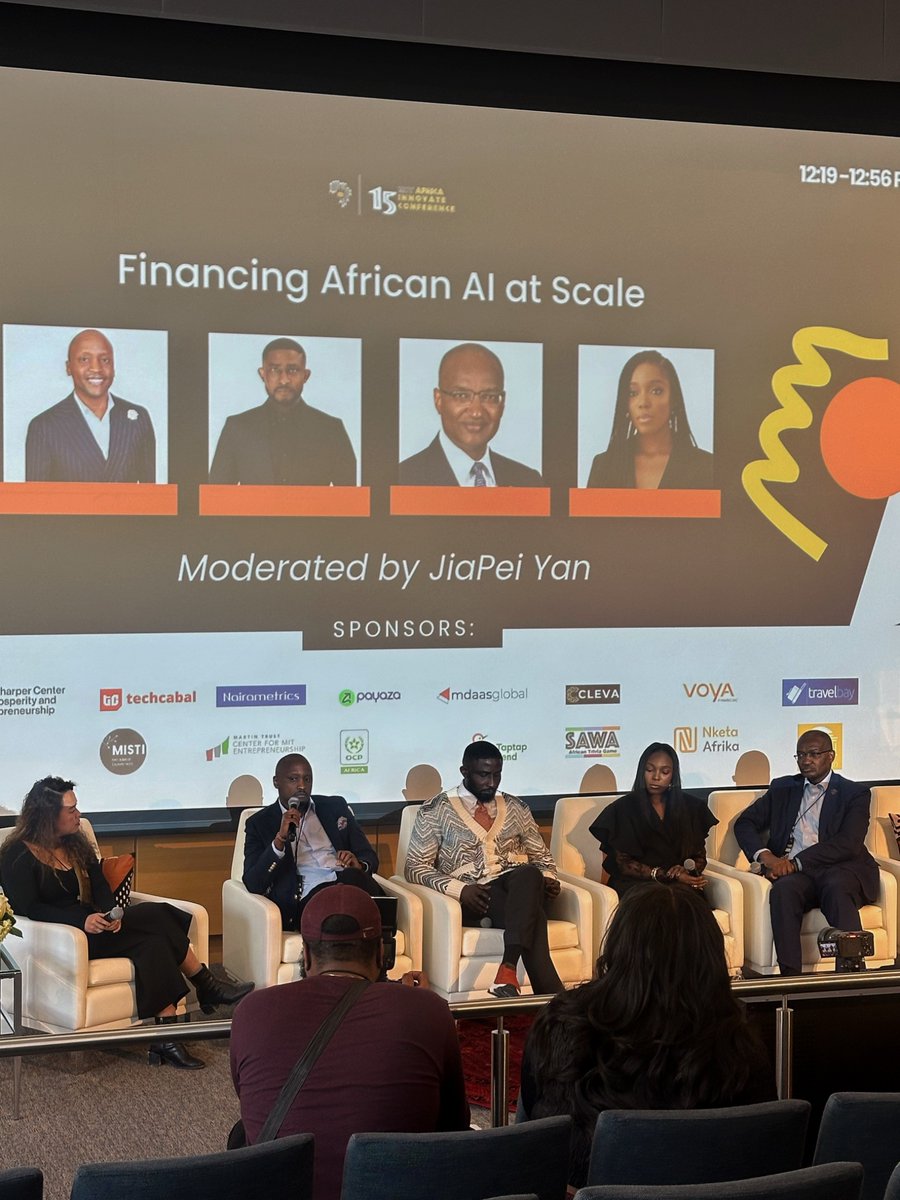
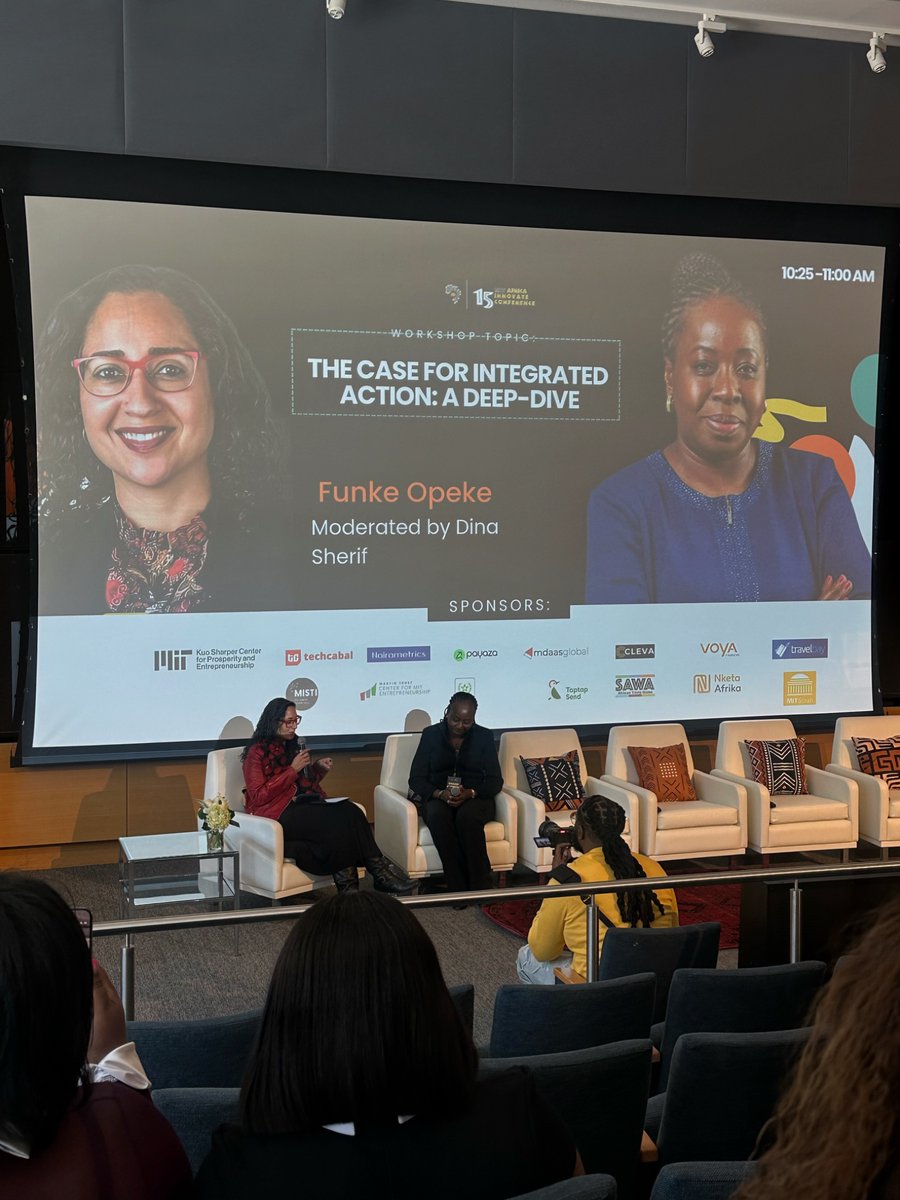
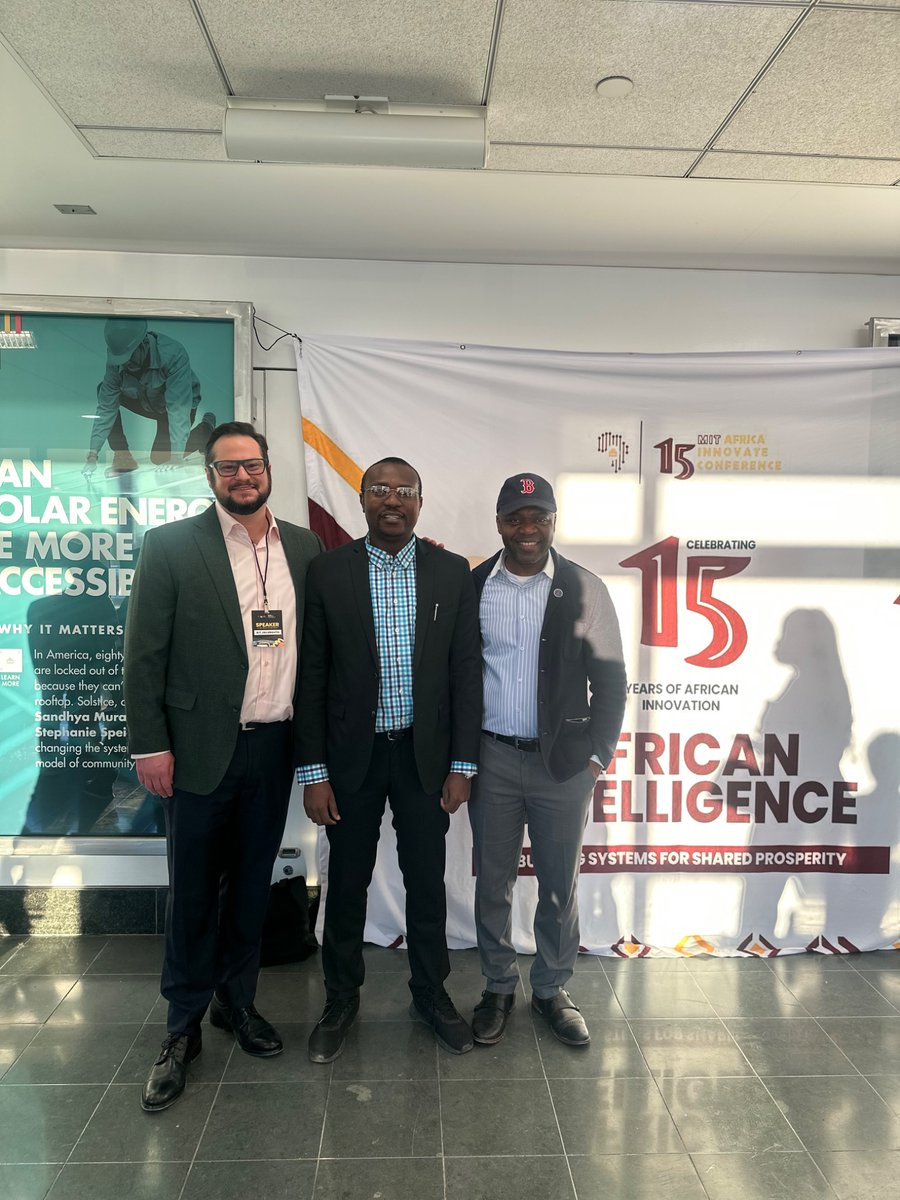
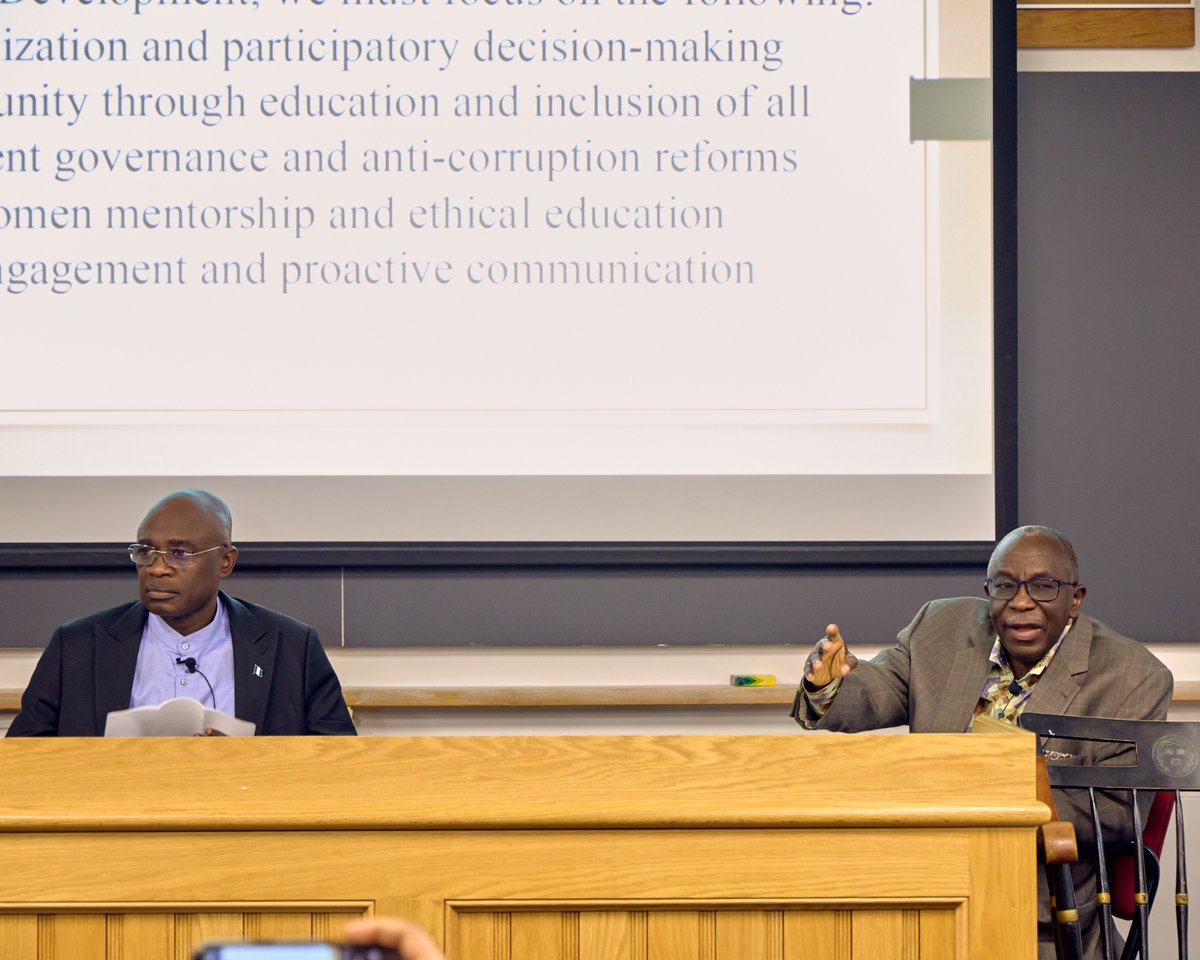
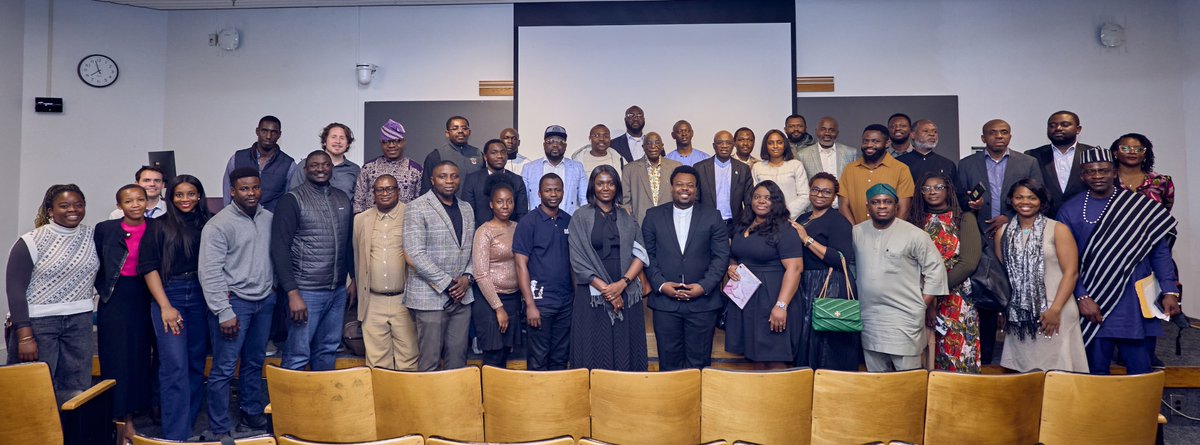
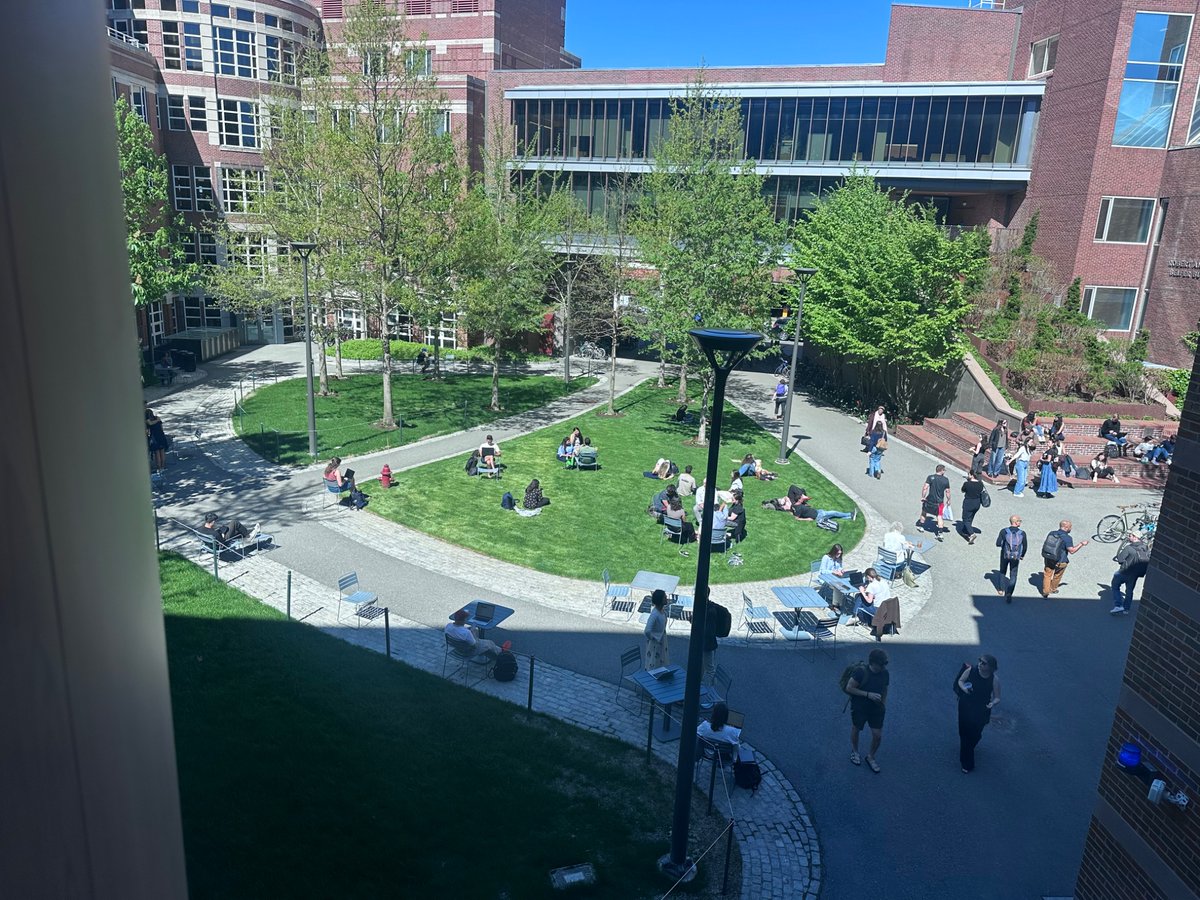
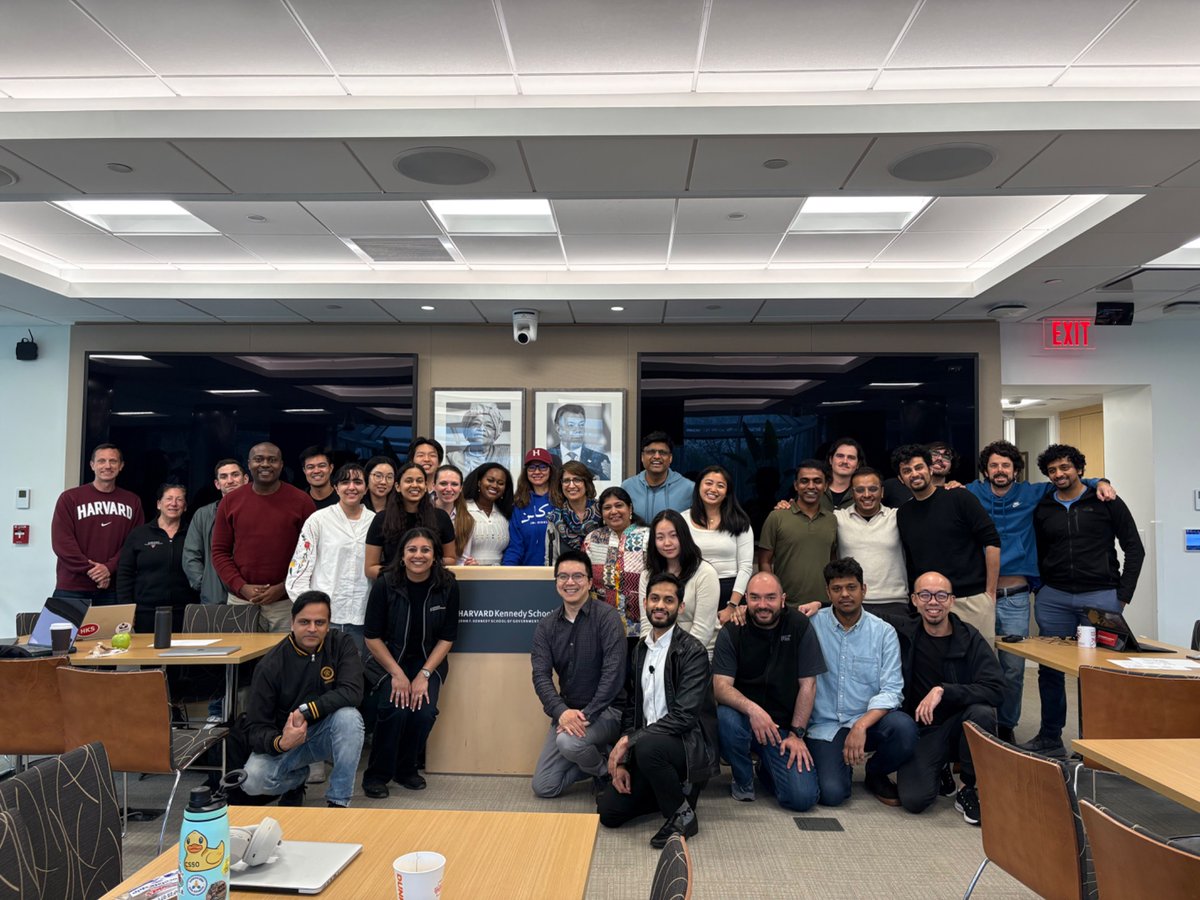
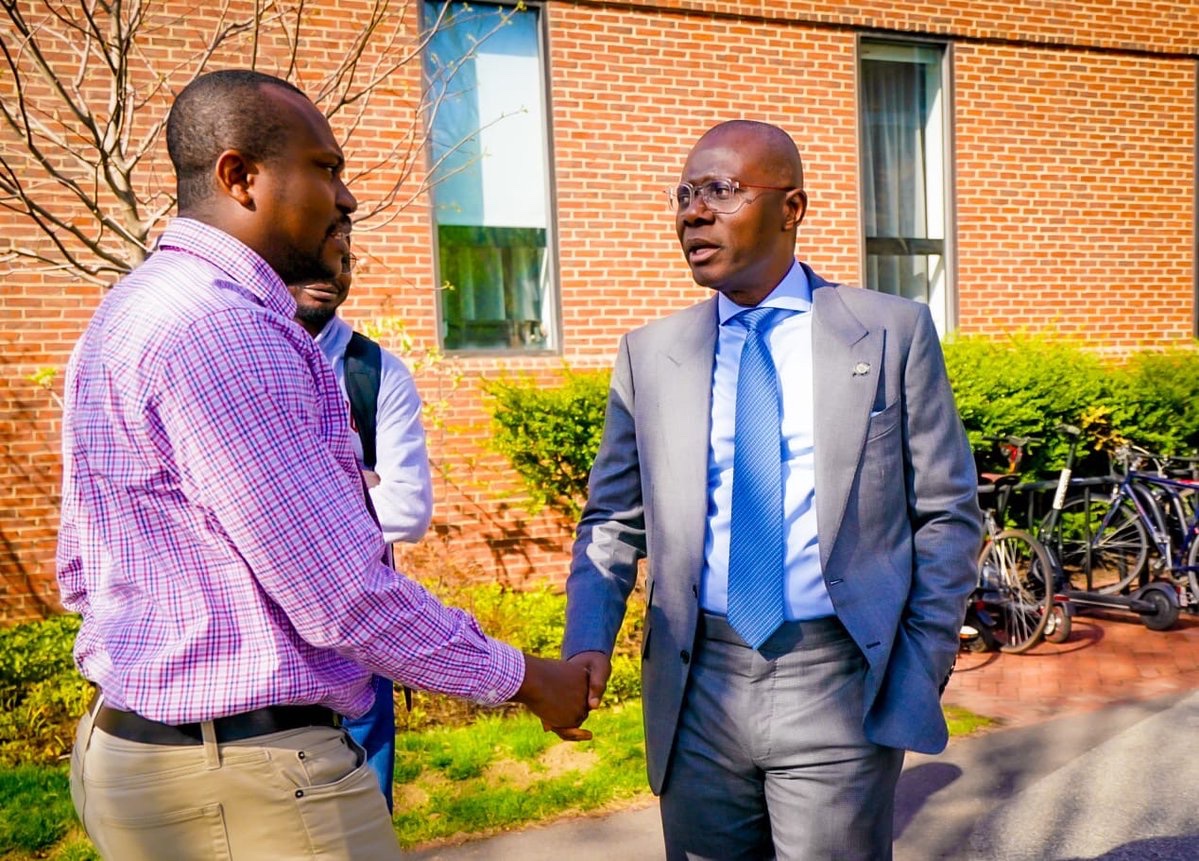
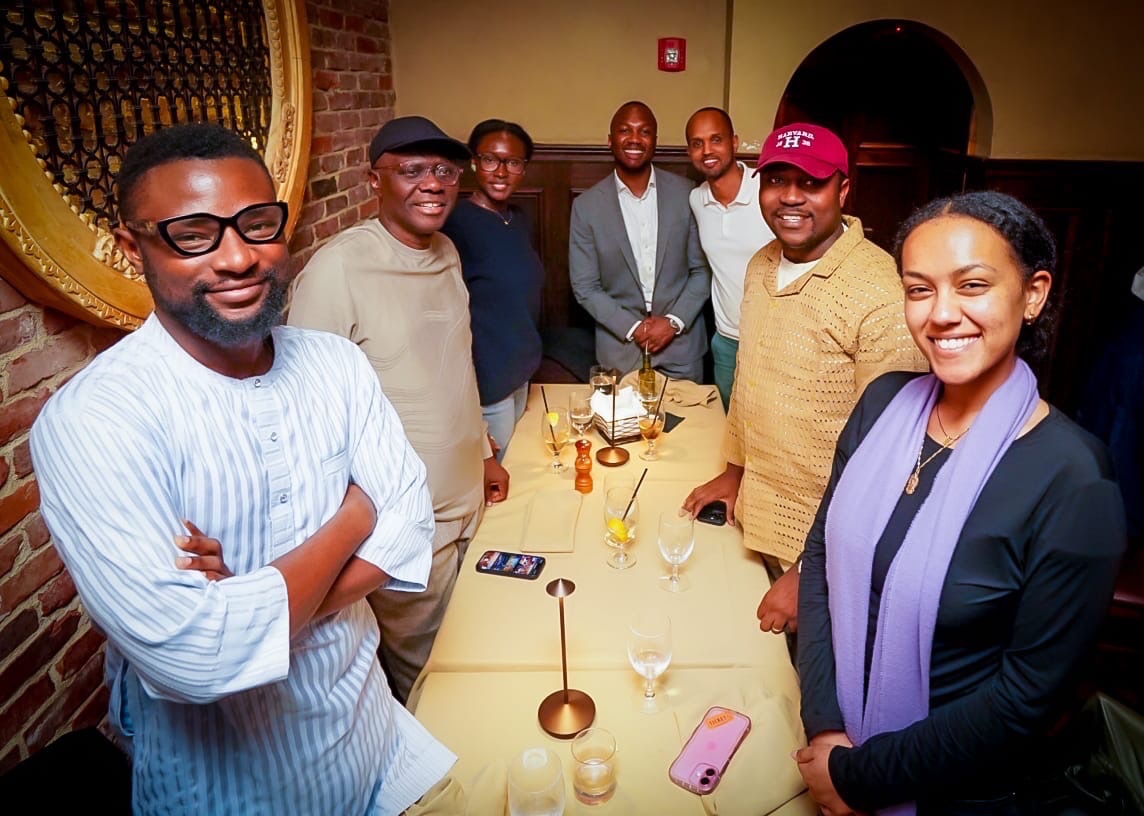
Yesterday I attended the 15th @MIT 's Sloan African Innovate Conference 2026 held at Wong Auditorium of MIT Sloan School, Cambridge, Massachusetts. The energy in the room was electric. From Funke Opeke’s inspiring reflections on building Africa’s internet backbone to insights from the former Central Bank Governor of Kenya, Patrick Njoroge on fintech regulation in an era of AI across the continent. It was equally great to hear Seyi Ebenezer, CEO & Founder of Payaza share perspectives on Financing African AI at Scale exploring how smart capital, policy innovation, and collaboration can unlock the continent’s next big leap. Grateful to the Chair of the MIT Africa Business Conference, Bernard O'bien and the entire organising team for putting together a great intellectual gathering.
Olanrewaju Smart tweet mediaOlanrewaju Smart tweet mediaOlanrewaju Smart tweet mediaOlanrewaju Smart tweet media
English
0
1
3
86
Olanrewaju Smart
Olanrewaju Smart@ler_smart·
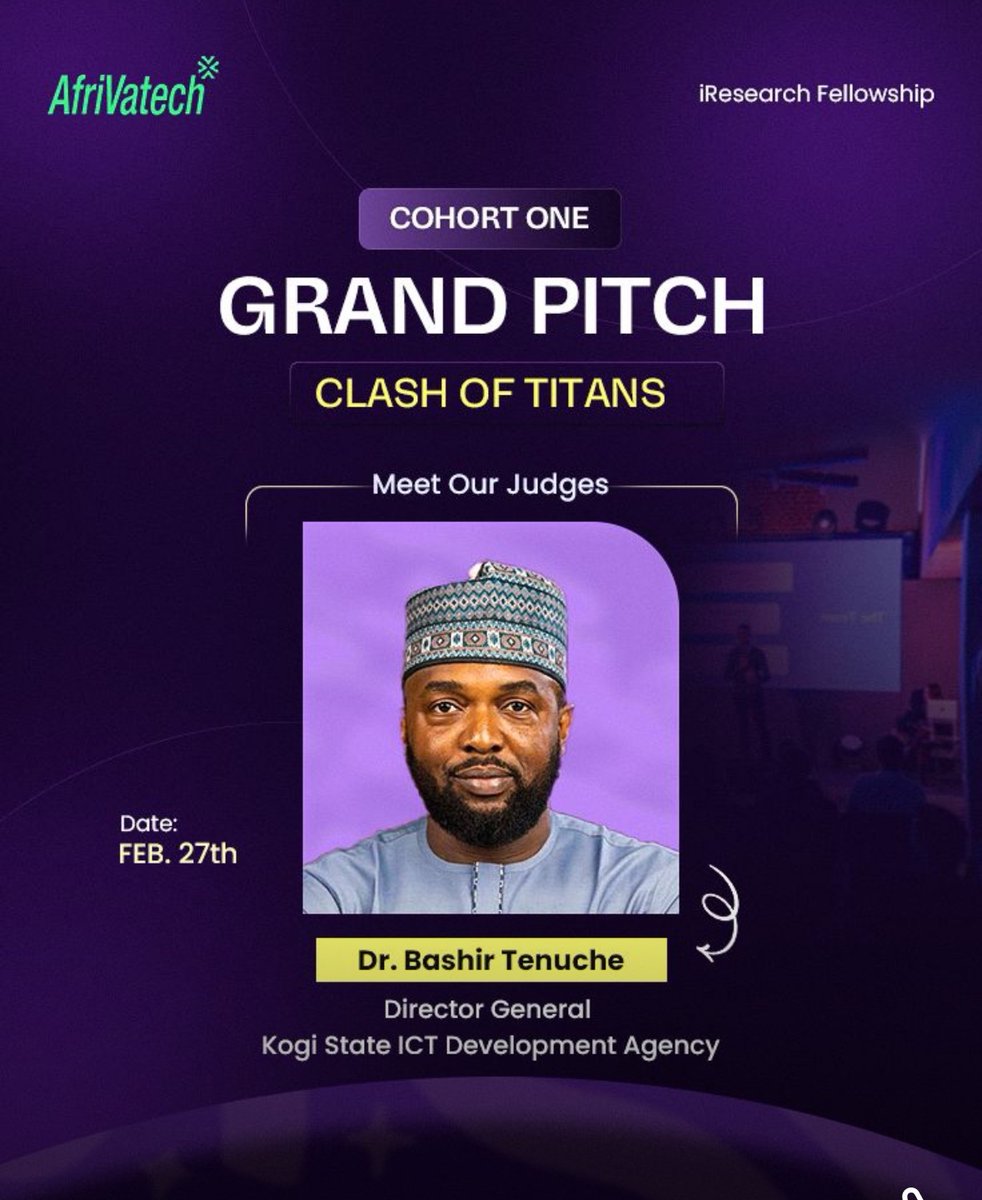
Today, I will join a distinguished panel of judges at Afrivatech's 2026 iResearch Fellowship Program to evaluate eight outstanding finalists. The projects focus on Digital Health, AI, Decentralized Infrastructure, Data Governance, Education and Community Outreach.
Olanrewaju Smart tweet mediaOlanrewaju Smart tweet mediaOlanrewaju Smart tweet mediaOlanrewaju Smart tweet media
English
0
2
3
41
Olanrewaju Smart
Olanrewaju Smart@ler_smart·
Harvard Kennedy School PPLC Conference 2025 in USA 🇺🇸 (Fully Funded) 👉 Apply now: hks.harvard.edu/educational-pr… Conference Summary --------------------------- ◘ Host Country: USA ◘ Location: Harvard Kennedy School @Kennedy_School ◘ Duration: 4 Days ◘ Program Dates: 30th October to 2nd November 2025 ◘ Benefits: Fully Funded ◘ Deadline: 7 July 2025
English
0
2
16
1.9K
Olanrewaju Smart
Olanrewaju Smart@ler_smart·
Congratulations to an outstanding and insightful Leader, @femigbaja @ 63 This is another opportunity to recognize your significant achievements and the positive difference you continue to make. Your dedication to nation-building is evident, and you have truly earned your reputation. As you persist in your efforts to drive the bold vision of President Bola Tinubu’s administration, I pray that God grants you more wisdom and guidance to deliver a greater Nigeria. Happy Birthday to you Sir! Cheers 🎉🎂❤️🏅🎉🎈
Olanrewaju Smart tweet media
English
20
64
398
12.2K
Olanrewaju Smart
Olanrewaju Smart@ler_smart·
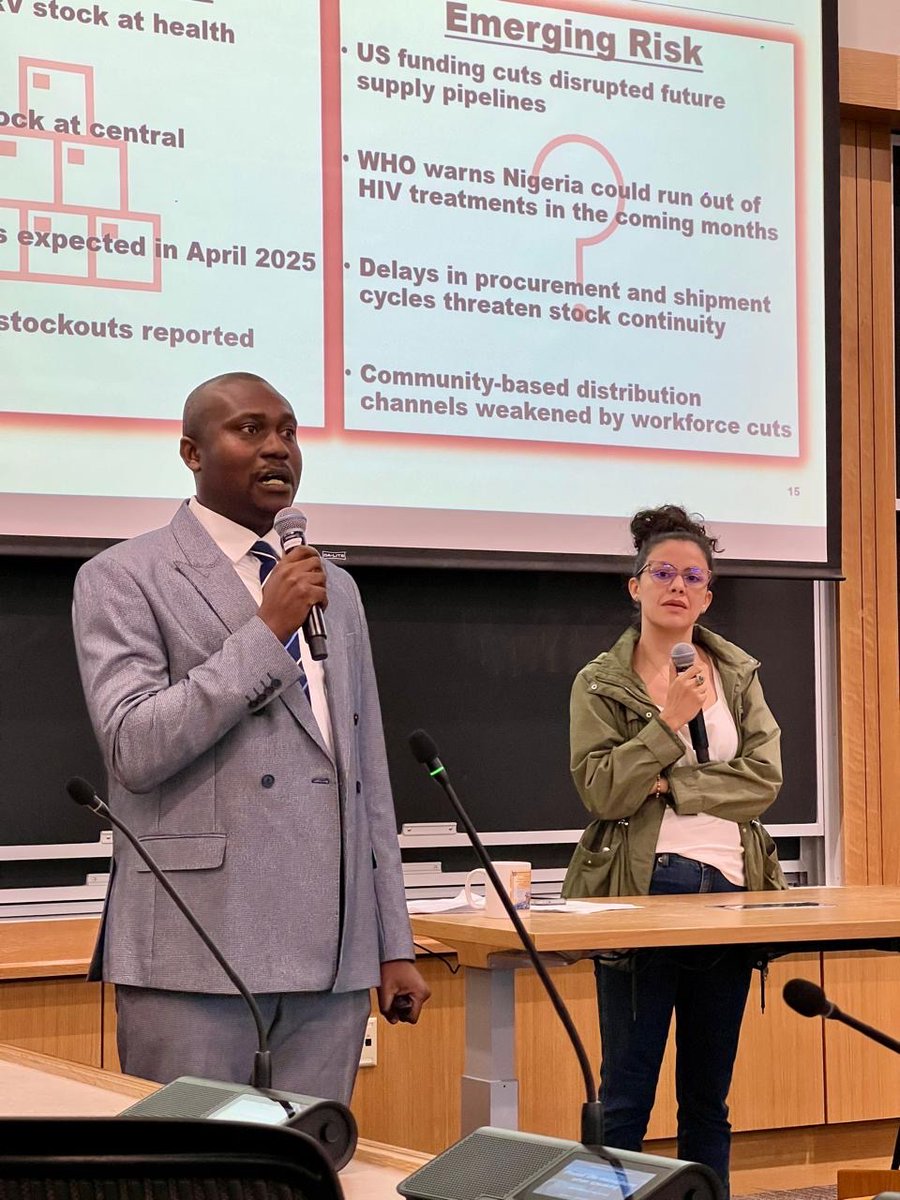
HKS Memoir (59): Systems Thinking & HIV Drugs Supply Chain Disruptions in Nigeria In one of the most fulfilling experiences of my Harvard journey, I had the privilege of co-leading a student-taught class under Professor Mark Fagan’s course, MLD 605: Systems Thinking and Supply Chain Management. Our group, comprising of Emma Beal, Emanuel Gil, Lorena Mejia-Rodriguez , Paulo Cardoso , and I chose to explore the ripple effects of U.S. aid cuts on Nigeria’s HIV/AIDS drug supply chain. Without prompting or persuasion, my teammates supported the choice of a Nigerian case study, a gesture I will always hold dear. We faced our student-led teaching with a common purpose. We spent weeks researching how the supply chain for anti-retroviral (ARV) drugs in Nigeria, which supports millions of people living with HIV, is heavily dependent on international funding, especially from PEPFAR and the Global Fund. When that funding was cut, the fragility of the system quickly showed — clinics shut down, shipments stalled, health workers laid off, and 1.5million lives placed at risk. We analyzed this using the systems thinking lens taught in class, building a causal loop diagram, Vensim model, and mapping out potential structural solutions like local manufacturing and inventory buffering. Alternative means of sourcing the drugs from other existing sources became imperative. What made this even more impactful was the chance to sit down with Nigeria’s Coordinating Minister of Health and Professor of public health leadership at Harvard Chan School of Public Health, Professor Muhammad Ali Pate, who was at Harvard at the time. Lorena Mejia-Rodriguez and I interviewed him to understand how the Nigerian government was responding to the crisis. He spoke of a $200 million emergency allocation and a bold effort to empower local pharmaceutical producers, a move toward long-term resilience and self-sufficiency. That conversation became part of our teaching and elevated the credibility of our class session. Our final presentation was not just a lecture that formed part of our final grade in the course, it was a simulation of a broken supply chain, a wake-up call about the consequences of aid dependency, and a call for more resilient global health systems. Standing in front of my peers, teaching them about a challenge that affects my country so deeply, reminded me why I came to @Harvard University to learn, connect, and lead conversations that matter. Grateful to our team, our classmates, Prof. Muhammed Ali Pate, MLD 605 TAs - Damien Bérubé and Joy Ikekhua and most importantly Prof. Mark Fagan for making this possible.
Olanrewaju Smart tweet mediaOlanrewaju Smart tweet mediaOlanrewaju Smart tweet mediaOlanrewaju Smart tweet media
English
1
9
31
2.6K
Olanrewaju Smart
Olanrewaju Smart@ler_smart·
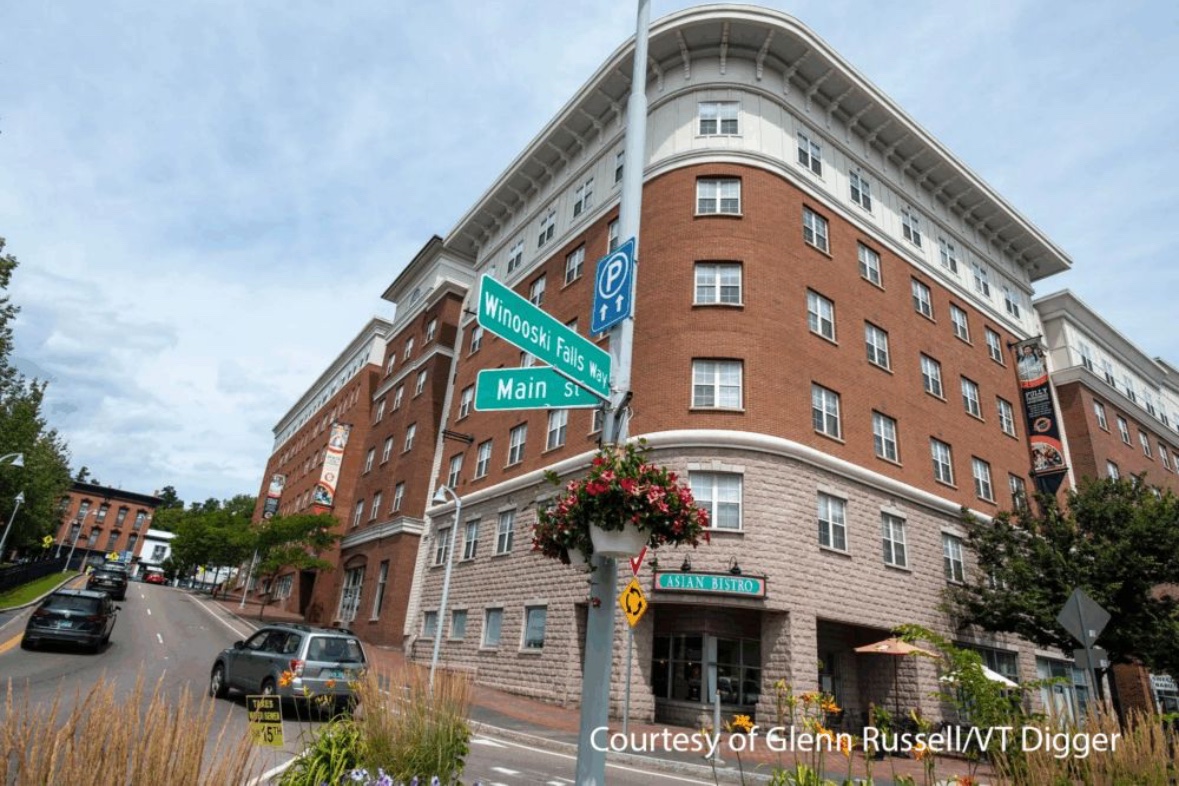
HKS Memoir (58): Small Cities, Rural Communities and Community Leadership in America Two-thirds of America lives in small cities most people would barely notice on a map. We're talking about municipalities where 50,000 residents would be a crowd, and mayors aren't just politicians – they navigate the complexities of governing small cities and rural communities, where leadership often extends far beyond city hall or local government council secretariat, as we call it in Nigeria. From navigating economic shifts and aging infrastructure to building civic trust in tight-knit communities, mayors of smaller cities in America often juggle full-time jobs in addition to their roles and wear many hats: coalition-builders, emergency responders, grant writers, and community conveners. On May 15, 2025, I was at the @BHcityleaders Bloomberg Center for Cities at Harvard University in the Taubman building of HKS, to learn from Mayors on the weight of this reality in America’s local governance. Matthew Smith, Loeb Fellow at the Harvard Graduate School of Design, moderated the panel that cut straight to the heart of rural leadership, with Diane Davis, Charles Dyer Norton Professor of Regional Planning and Urbanism, setting the intellectual foundation for the subject matter. The panel was a masterclass in community resilience, featuring mayors also known as local government chairman or chairperson; Lisa Hicks-Gilbert, Mayor of Elaine, Arkansas, the first Black female mayor of her town, embodied this spirit - cleaning city buildings, stepping up when no one else would. Kristine Lott, Mayor of Winooski, Vermont, saw opportunity where others saw limitations, filling council vacancies through pure community commitment. Ren Hatt, Mayor of Green River, Utah, spoke candidly about the perpetual uncertainty of federal funding for some community programs, a sword of Damocles hanging over small-town budgets that forces constant adaptation. They made clear that public service isn't about grand gestures but raw courage. It's about having confidence, integrity, and the willingness to take that uncomfortable step into community leadership. These mayors weren't waiting for solutions; they were creating them with whatever resources they could cobble together - volunteering on housing committees, soliciting funding, preparing for unprecedented fiscal challenges that could decimate their local infrastructure. The 63% rural county statistics in the U.S are often forgotten in national conversations (newamerica.org/better-life-la…). In a nation that often celebrates metropolitan success, these leaders reminded us that true innovation and public service doesn't always happen in only skyscrapers. It happens in town halls, community centers, and on streets where everyone knows your name and social history. Their message was clear, small towns aren't just surviving; they're reimagining what's possible when community becomes more than just a word - when it becomes a lifeline.
Olanrewaju Smart tweet mediaOlanrewaju Smart tweet mediaOlanrewaju Smart tweet mediaOlanrewaju Smart tweet media
English
0
6
22
2K
Olanrewaju Smart
Olanrewaju Smart@ler_smart·
HKS Memoir (57): Faith, Power, and the Burden of Leadership — Lessons from Governor Alia at Harvard The presentation titled “Religion and Democracy: Navigating Faith and Freedom in Nigeria and Beyond” was delivered by Rev. Father Hyacinth Iormem Alia, the Governor of Benue State, Nigeria, at Emerson Hall in Harvard Yard on May 6, 2025. Organized by the Weatherhead Center for International Affairs at Harvard University, the event formed part of the Nigeria in the World series and was moderated by Professor Jacob olupona, Chair of the Department of African and African American Studies at Harvard. The atmosphere was rich with inquiry and insight as Governor Alia explored how spiritual conviction, democratic ideals, and leadership responsibility intersect in the public sphere. Drawing from Nigeria’s complex political and religious history, Governor Alia argued that religion, far from being a barrier to democracy, can reinforce it when anchored in shared values such as justice, dignity, and inclusion. He cited examples like the Abiola/Kingibe and Tinubu/Shettima Muslim-Muslim tickets, the leadership of Fr. Moses Adasu in Benue, and his own 'Yes Father Movement' as proof that Nigerians have often risen above religious and ethnic divides in pursuit of common purpose. Yet he also cautioned against the manipulation of religion for political ends, noting that when governance fails, citizens often retreat to faith as their last moral refuge. During the Q&A session, I asked the Governor if there were things he once criticized as a priest that he now views differently in his role as head of government. His response was striking. He acknowledged the weight of reconciling spiritual beliefs with constitutional obligations. For instance, he shared that while he does not believe in capital punishment as a priest, firmly holding that every sinner can repent, he is legally required as Governor to approve the execution of convicted murderers. This, he said, exemplifies the moral tension of leadership under a social contract between God, the constitution, and the people where personal convictions must sometimes yield to civic duty. Adding a personal note to the event, my classmate from Lead City University, Fidelis Unongo now the Governor’s Special Adviser on Intergovernmental Affairs accompanied the Governor to Harvard. Governor Alia publicly confirmed his preference for young people in government. Fidelis at the event coordinated members of the Nigerian diaspora who expressed interest in supporting development initiatives in Benue State. The scholarly seminar also became an act of participatory governance as some participants offered support Benue in the field of stem. As I walked out of the Harvard yard that evening with my pack of jollof rice and dodo, I was reminded that you don't need a course in moral and spiritual leadership to do good wherever you can, however you can and to whoever you can.
Olanrewaju Smart tweet mediaOlanrewaju Smart tweet mediaOlanrewaju Smart tweet mediaOlanrewaju Smart tweet media
English
0
0
2
161
Olanrewaju Smart
Olanrewaju Smart@ler_smart·
🩵🌸 H K S April 30, 2025
Olanrewaju Smart tweet media
Cambridge, MA 🇺🇸 Latviešu
0
1
4
166
Olanrewaju Smart
Olanrewaju Smart@ler_smart·
HKS Memoir (56): Kennedy Hackathon - AI for Good Participating in the "AI for Good Hackathon" was an opportunity to join like minds from Harvard and MIT to build innovative solutions for public impact using AI tools on Saturday, May 26, 2025. We joined a group with AI project of interest. I joined forces with an incredible team comprising of Kelvin Tan, Elizabeth Napier, Daniel Fuentes, and Prof. Hong Qu to create Harvard's Impact, an AI project that explores how Harvard alumni are shaping America’s future and making a real difference in communities across the United States. Although our project was not assessed by the judges due to Prof. Hong Qu’s participation on the panel, I was proud of what we built together under intense time pressure. More than the competition itself, it was the spirit of collaboration, creativity, and purpose that made the experience unforgettable for me. Working on Harvard's Impact felt like stitching together stories of influence and service into a living, breathing platform. You can explore our project at harvard-impact-unveiled.lovable.app. I appreciated how we embedded values like accessibility, dynamic storytelling, and user engagement into the design, drawing inspiration from the existing HKS Graduate Redesign. Learning new AI tools like v0Dev and Replit within just a few hours pushed me out of my comfort zone, but it also made me realize how quickly we can adapt when driven by a common mission. I left the Hackathon with a deeper belief that meaningful innovation can happen even under the most constrained timelines. What moved me most was seeing the range of projects my peers brought to life. The winning project, Megha, was particularly inspiring, an AI-powered voice agent designed to improve access to government schemes in India. Watching the AI seamlessly answer voice questions about rural farmer policies made me realize how much human-centered design can amplify public services. Other projects tackled challenges like supporting retirees, strengthening emergency call lines, and even using AI to grade handwritten tests written in local languages. It was humbling to witness the passion and technical creativity everyone poured into building solutions that truly matter. I am deeply grateful to Prof. Hong Qu, Taha Khursheed, and the entire organizing team for creating such a powerful platform for learning and impact. Seeing Prof. Fatima Sumar and Prof. Hong Qu judge the projects with such thoughtful criteria reminded me why I chose to study at Harvard Kennedy School: to be part of a community that challenges you to think bigger, act bolder, and serve better. This Hackathon experience rekindled my sense of possibility that AI, when crossed with human validation can be one of the greatest tools we have to make the world a fairer, kinder, and more just place.
Olanrewaju Smart tweet mediaOlanrewaju Smart tweet mediaOlanrewaju Smart tweet mediaOlanrewaju Smart tweet media
English
0
1
2
147
Olanrewaju Smart
Olanrewaju Smart@ler_smart·
HKS Memoir (55): Classroom and Dinner Conversions with Governor Babajide Sanwo-olu As a cross-registered Harvard Kennedy School student in Professor Hakeem Belo-Osagie's Harvard Business School course "Understanding Africa: Business, Entrepreneurship, Political Economy and the Complexities of a Continent," I experienced a unique convergence of academic learning and personal pride when my Governor, Mr. Babajide Sanwo-Olu of Lagos State, visited Harvard yesterday. The Spring semester course exposed us to Africa's business dynamics and expertise analysis from distinguished speakers including Chimamanda Ngozi Adichie, Bayo Ogunlesi, and experts from Ghana, Rwanda and Kenya. As our last in-class guest speaker, Governor Sanwo-Olu presented "Building the Future: Lagos State's Infrastructure-Led Transformation," sharing Lagos's impressive statistics: population over 25 million, 2025 budget of $2.0 billion, GDP of $259.8 billion (2023, PPP), and total revenue of $1.7 billion. He emphasized Lagos's position as Nigeria's economic powerhouse, accounting for 34% of the country's IGR as at 2022. Governor Sanwo-Olu unveiled the Lagos State Development Plan (LSDP) 2052, a 30-year vision for five year intervals phased implementation built on four pillars: Thriving Economy, Human-centric City, Modern Infrastructure, and Effective Governance. The plan aims to reduce commute time from over 1 hour to 15 minutes, increase basic infrastructure access from 60-70% to higher levels, improve air quality from 63µg/m³ to 10µg/m³, and cut greenhouse gas emissions from -65 million to -33 million metric tons. During the discussion, the Governor addressed a critical challenge: securing public-private partnerships for projects beyond state funding capacity. He revealed that while investors often request sovereign guarantees—which are beyond state government control—Lagos relies on its strong reputation and impressive portfolio as sufficient collateral for partnerships. He positioned Lagos alongside global cities like New York, Tokyo, and London, highlighting current gaps and aspirational targets such as Lagos's rail network expanding from 31.6 km to 450 km and many more. The Governor shared five flagship projects: Urban Infrastructure Development (49 bridges, 1,000+ roads, 71km Lagos Lagoon Highway), Affordable Smart Housing (3,000+ units), Mass Transit (Blue & Red Line Rail with 500,000 daily capacity), Population Management (LASSRA card), and Climate Innovation (102 compactor trucks). After class, I joined the Governor for dinner at Harvard Square with fellow African students: Georges Batousi (HBS), Abdirahman Guleed (HGSE), Fatou Jallow (HSPH), Enku Negussie (HGSE), and Adebisi Sanusi (HKS). Our behind-the-scenes discussion revealed his journey from private sector to public service and perspectives on leading Africa's second-largest city economy after Cairo,Egypt. On the sidelines of this visit, the Governor also met with my family. This experience reinforced that Professor Belo-Osagie's course extends beyond academia, it's a window into Africa's future and I'm proud to be part of the generation contributing to this transformation.
Olanrewaju Smart tweet mediaOlanrewaju Smart tweet mediaOlanrewaju Smart tweet mediaOlanrewaju Smart tweet media
English
0
1
3
152
Olanrewaju Smart
Olanrewaju Smart@ler_smart·
Prof. Belo-Osagie and the Africa Business Club are hosting an exciting event with Adebayo Ogunlesi, Chairman and CEO of Global Infrastructure Partners on April 15th, 5.30-7.00pm. at the Harvard Business School
Olanrewaju Smart tweet media
English
0
0
3
167
Olanrewaju Smart
Olanrewaju Smart@ler_smart·
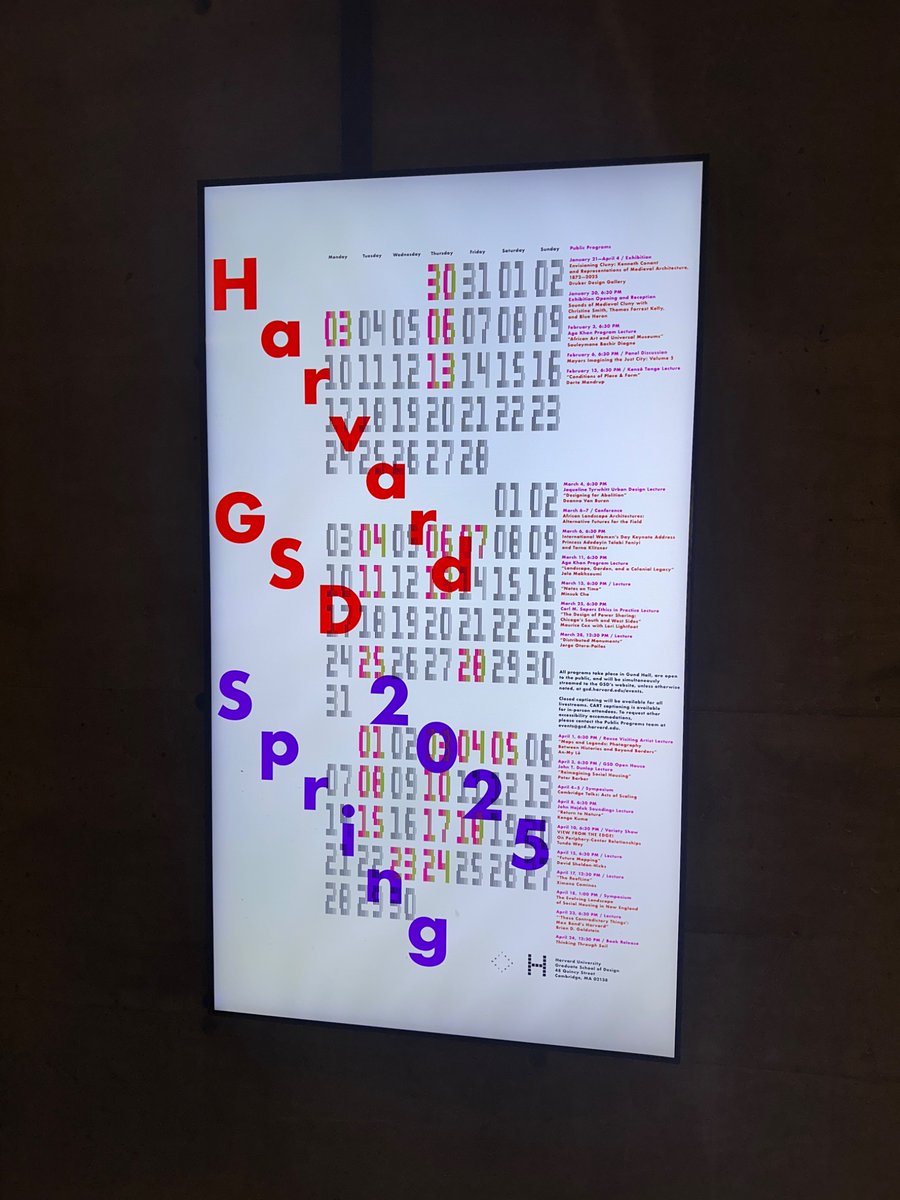
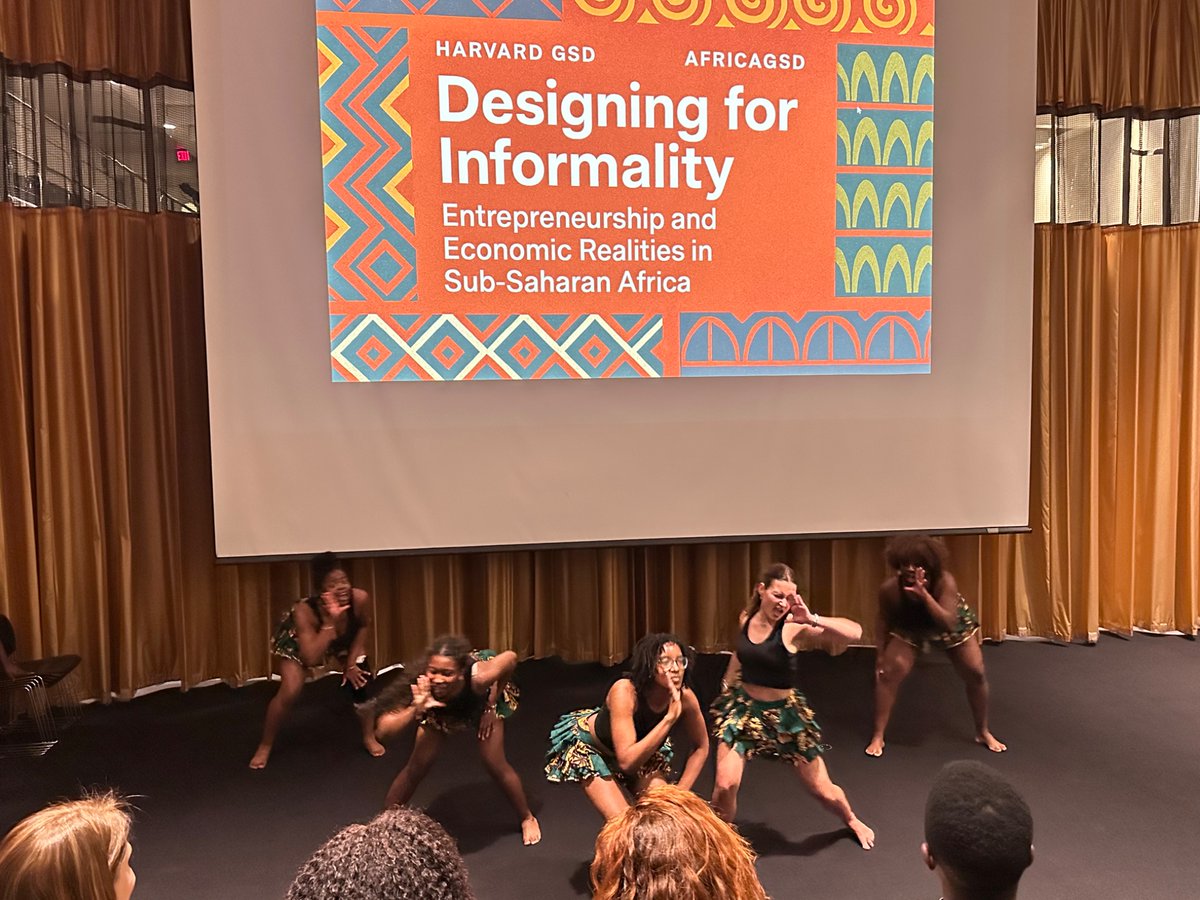
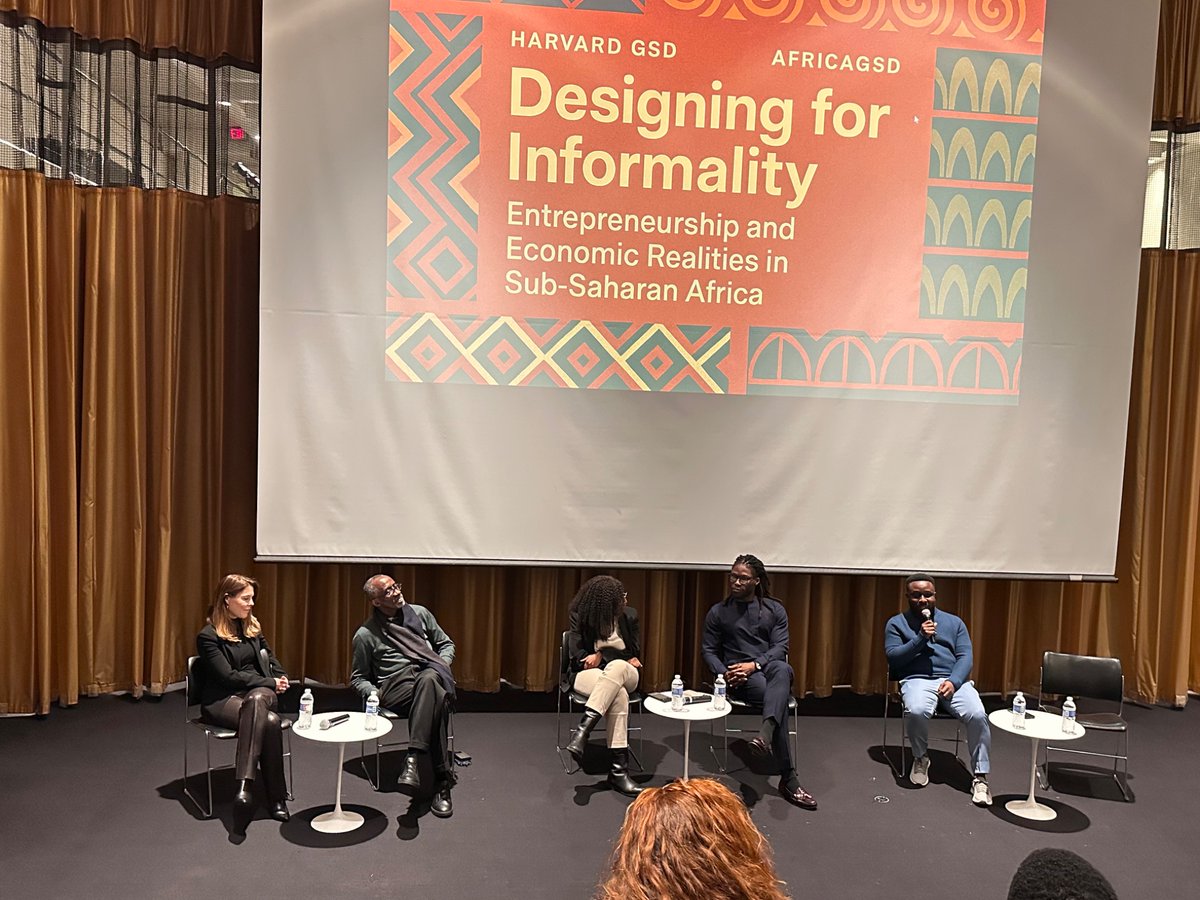
HKS Memoir (53): Designing for Informality (Entrepreneurship and Economic Realities in Sub-Saharan Africa) On Monday, April 7, 2025, a group of us from the HKS walked through Harvard Yard to the Harvard University Graduate School of Design’s Piper Auditorium for the ‘Designing for Informality’ event hosted by the African Caucus at GSD. Upon arrival, we were welcomed with a captivating dance presentation by OmoxWahala group. The event featured distinguished panellists including Prof. Hakeem Belo-Osagie and Marlou van Waijenburg from Harvard Business School, Philips Akinyele of Payaza Africa and MIT, Daniel Agbiboa, assistant professor from Harvard FAS, and Ebehi I. from HBS. In her keynote address, Prof. Ruth Okediji, a professor of law at Harvard Law School, highlighted how Africa's informal economies demonstrate robustness, agility, and unpredictability, qualities that have helped entrepreneurs weather unexpected global economic challenges. Prof. Belo-Osagie emphasized the untapped potential of data analytics and artificial intelligence in transforming informal economies. He illustrated how mobile phone data could be leveraged to establish credit patterns for micro-entrepreneurs, enabling access to reasonable interest rate loans. Drawing from his experience, he stressed the importance of immersive customer discovery: "You have to be close to your customer and live their life with them day by day until you understand their pain points... you have to structure products or loans around the rhythm of their own lives." Marlou approached informality through a nuanced lens, challenging attendees to reconsider how we define informal economies. She framed the relationship between formality and informality as a series of trade-offs, suggesting that lower levels of regulation and visibility can provide flexibility in certain circumstances. As companies grow and markets develop, she noted, there emerges a need for regulation to protect and ensure proper market functioning. Rather than seeing formality and informality as binary opposites, Marlou proposed viewing them as context-dependent equilibriums. Daniel Agbiboa introduced the concept of "hybridity" when examining formal and informal systems. Using Lagos, Nigeria as an example, he described how the National Union of Road Transport Workers, though operating in the informal sector, maintains essential relationships with the formal state government, an interdependence that defies simple categorization. Agbiboa challenged the audience to appreciate the creativity inherent in informal sectors, advocating for working with existing systems rather than designing entirely new frameworks. His conclusion resonated "We should begin to see Africa as a place to learn from rather than a place to give to." The Speakers collectively highlighted that informal economies in Africa shouldn't be dismissed as primitive or underdeveloped but rather recognized as dynamic systems with unique strengths and valuable lessons.
Olanrewaju Smart tweet mediaOlanrewaju Smart tweet mediaOlanrewaju Smart tweet mediaOlanrewaju Smart tweet media
English
2
3
28
2.4K
Olanrewaju Smart
Olanrewaju Smart@ler_smart·
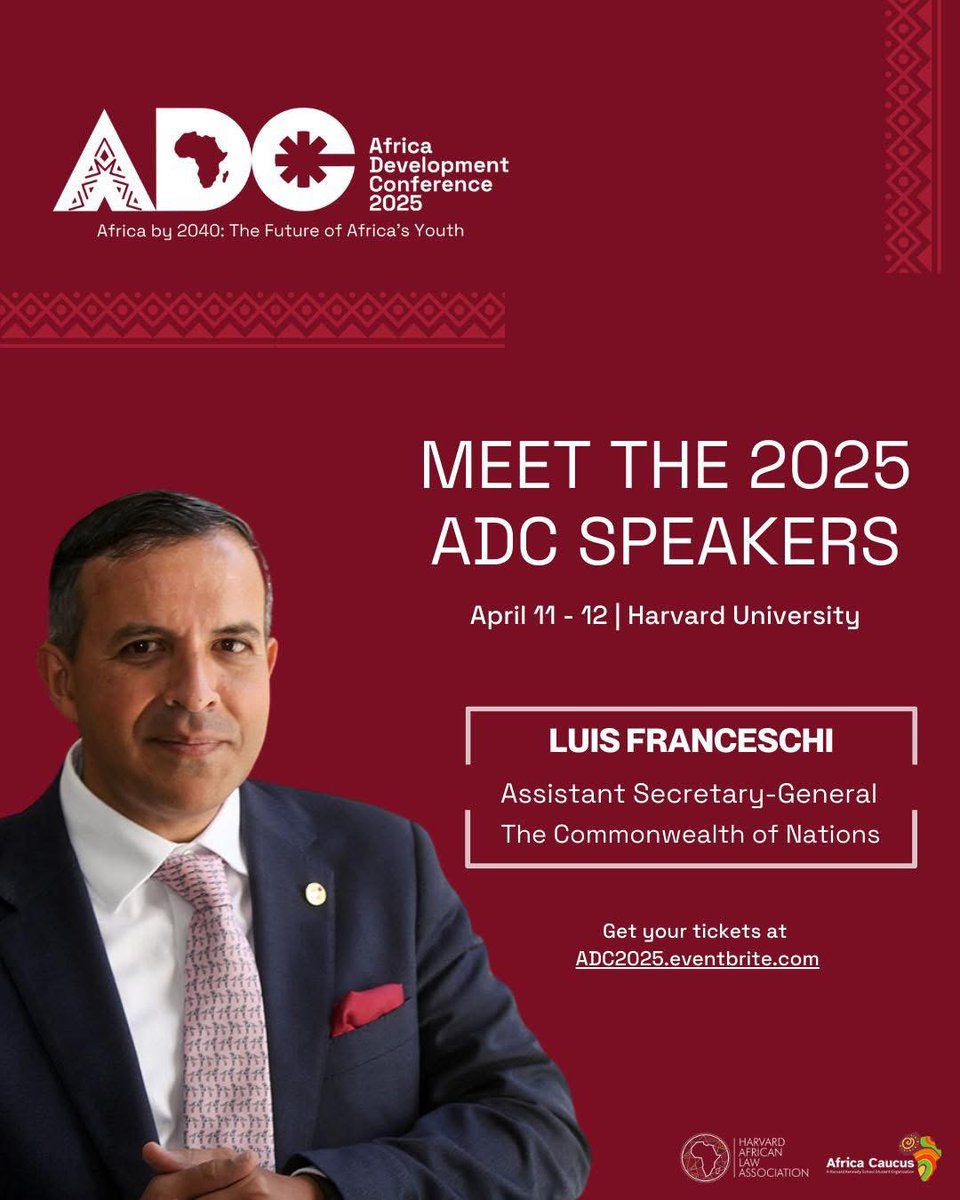
We are honored to welcome Dr. Luis Franceschi to ADC 2025! A respected legal scholar and advocate for good governance, Dr. Franceschi is the Assistant Secretary-General of the Commonwealth of Nations. A Kenyan citizen, he has worked across Africa, Europe, and the Caribbean to promote constitutionalism, youth leadership, and the rule of law. At this year's Africa Development Conference, he will share sharp insights on how education, legal frameworks, and international institutions can help shape a more equitable and empowered future for Africa's youth. 🎟️ Tickets are going fast. Get yours now - adc2025.eventbrite.com
Olanrewaju Smart tweet media
English
0
0
0
100
Olanrewaju Smart
Olanrewaju Smart@ler_smart·
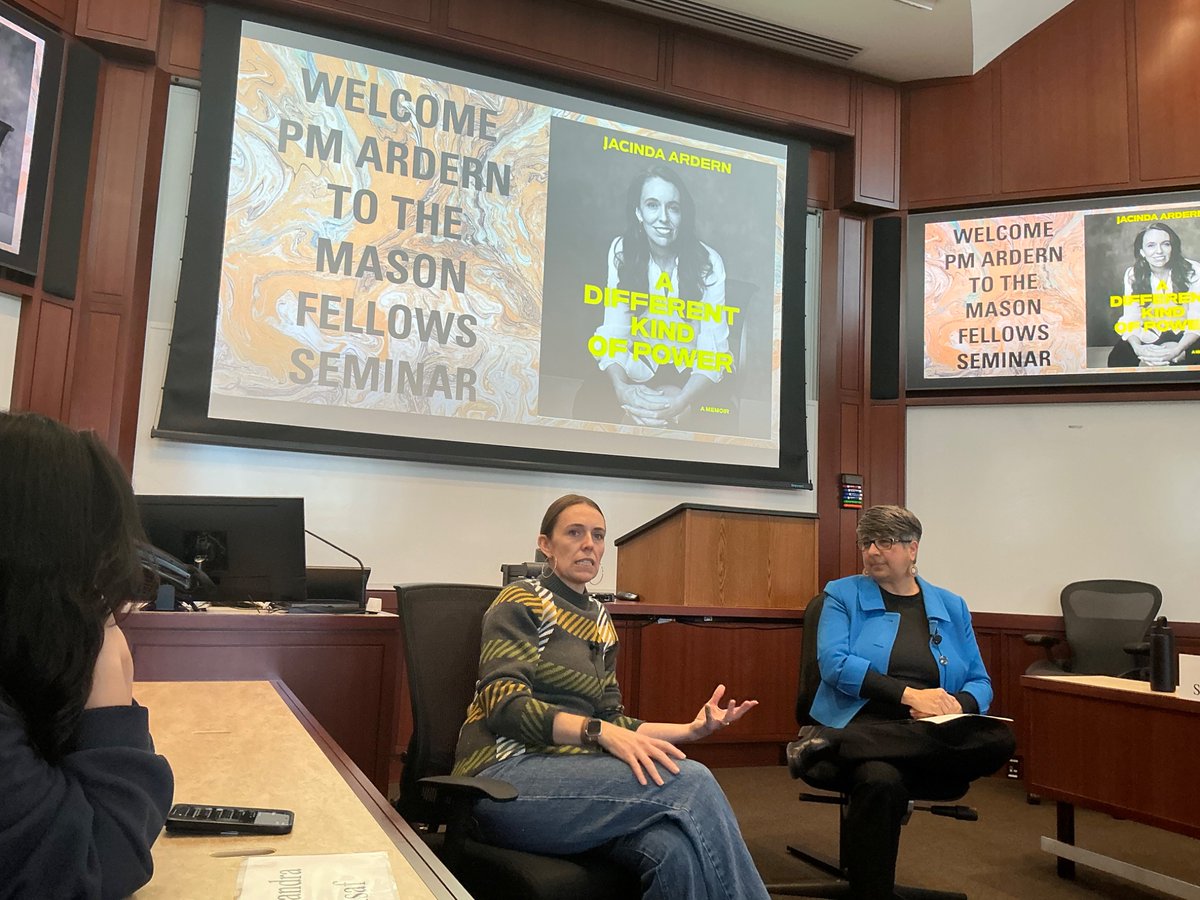
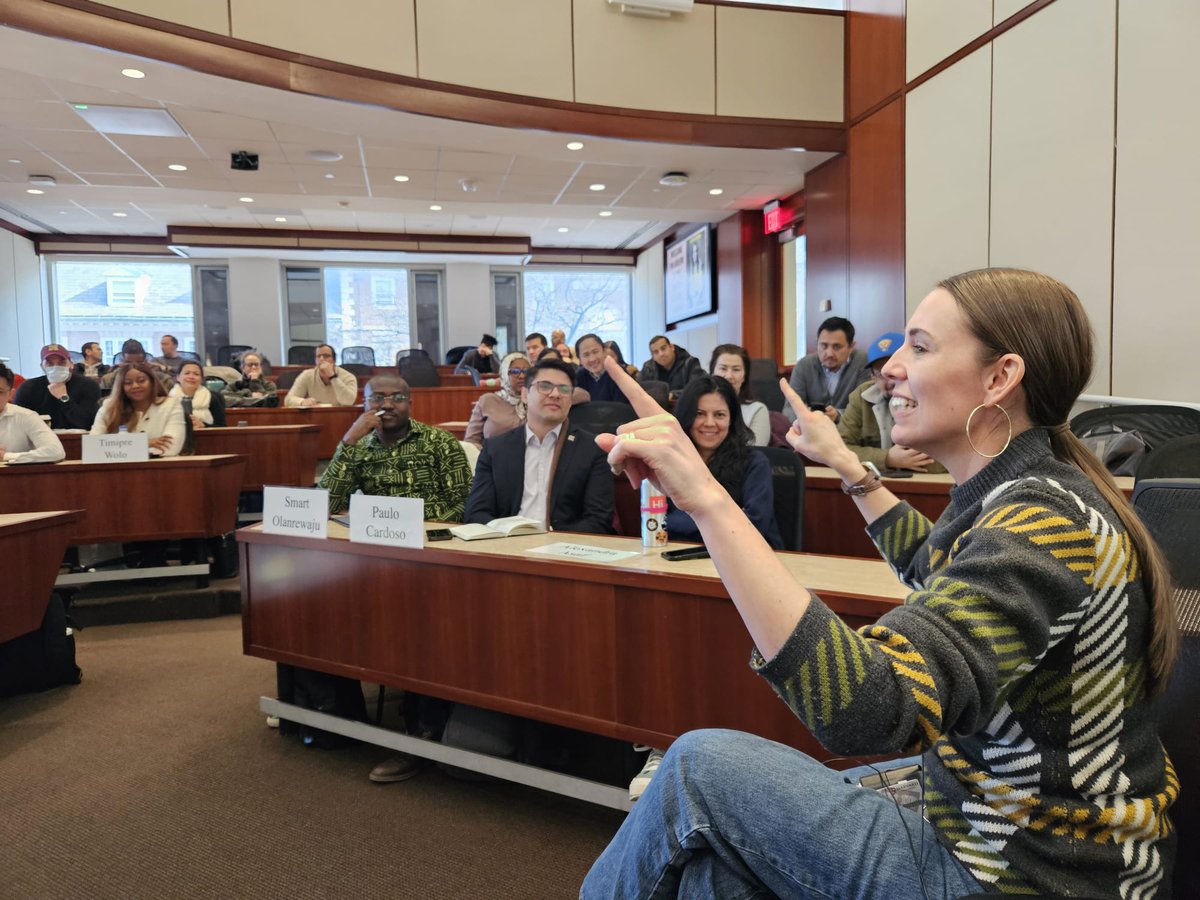
HKS Memoir (52): Jacinda Ardern - a Different Kind of Power A few weeks ago, I had the chance to hear from Jacinda Ardern, the former Prime Minister of New Zealand. Being an Edward S. Mason Fellow in public policy concurrently with my graduate degree program at @Kennedy_School is a great honor. We have the privilege of learning from some of the most impactful leaders globally as part of our fellowship.Their insights are rooted in genuine experiences and personal narratives. I look forward to Jacinda’s upcoming book, “A Different Kind of Power,” which is set to be released in June 2025. She was a visiting fellow at Harvard Kennedy School and is now joining Oxford University's Blavatnik School of Government as a Distinguished Fellow and member of the World Leaders Circle. As the former Prime Minister of New Zealand, Ardern made history as the youngest female head of government in the world when she was elected in 2017. The World Leaders Circle is an international network of former heads of government whose extensive experience and insights will influence the Blavatnik School's efforts to enhance governance worldwide. I also extend my heartfelt gratitude to Suzanne Shende, Director of the Edward S. Mason Program, for continually enhancing this fellowship experience.
Olanrewaju Smart tweet mediaOlanrewaju Smart tweet mediaOlanrewaju Smart tweet mediaOlanrewaju Smart tweet media
English
0
1
2
87
Olanrewaju Smart
Olanrewaju Smart@ler_smart·
Mr. President Sir, On this special day, I would like to extend my warmest wishes to you. Your leadership and dedication to Nigeria inspire us all. I wish you continued strength, wisdom, and the fulfillment of your vision for Nigeria. Happy Birthday, Your Excellency🎉🎉🎉🎈🎂
Olanrewaju Smart tweet media
English
2
19
115
4.1K
Olanrewaju Smart
Olanrewaju Smart@ler_smart·
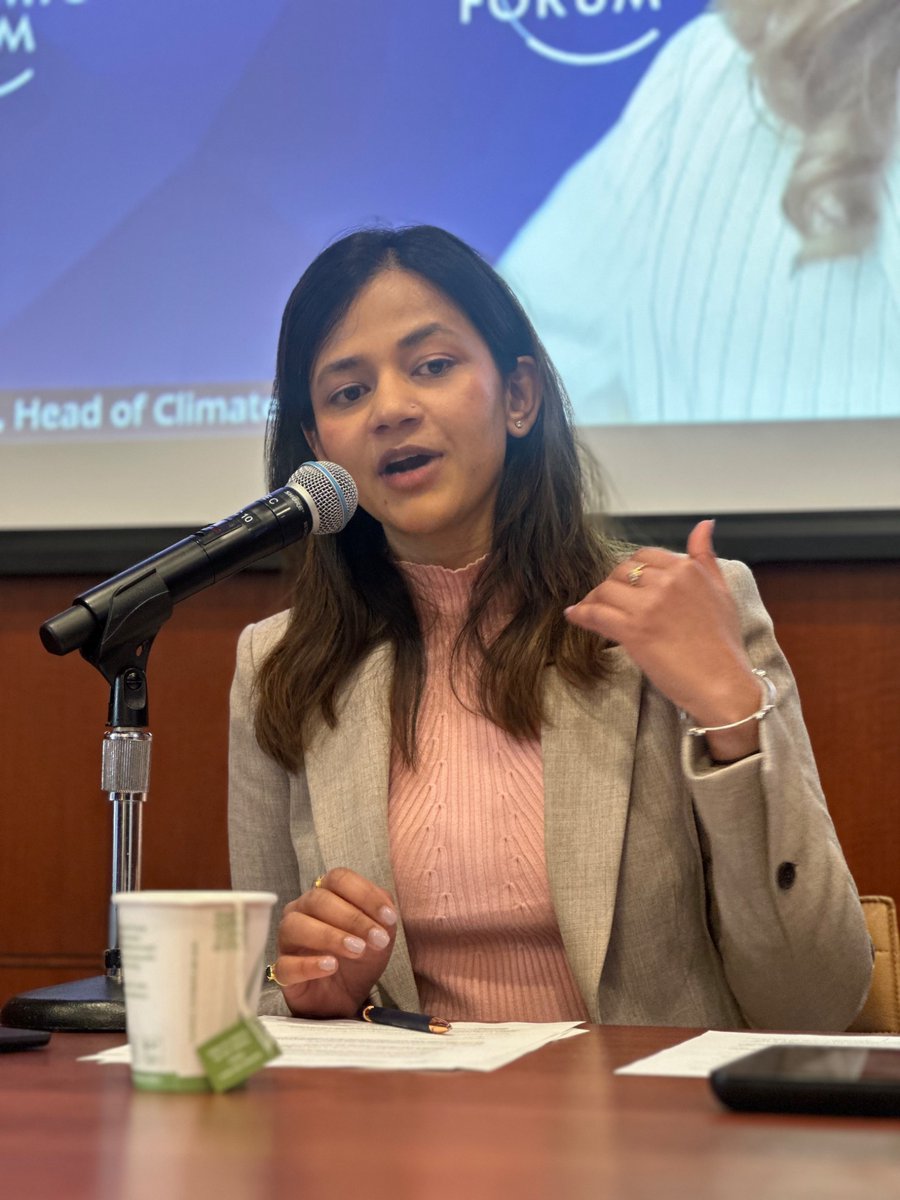
HKS Memoir (51): Catalyzing Climate Action - A Dialogue on Public-Private Cooperation Earlier today, I attended a pivotal policy discussion on "Catalyzing Climate Action: The Power of Public-Private Cooperation" at the Harvard Kennedy School. The event featured Pim Valdre, Head of Climate Ambition Initiatives at the World Economic Forum, and was moderated by our own Ritwija Darbari, Chair of the Climate and Sustainability Sector at the Harvard Kennedy School’s Business and Government Professional Interest Council. As the Social Justice Sector Chair of the same council, I found the insights shared during this session particularly relevant to our ongoing conversations about equitable climate solutions. The session focused on the urgent need for collaboration between the public and private sectors to address escalating climate risks, particularly in vulnerable regions such as Southeast Asia. Valdre highlighted the severe physical impacts of climate change, including extreme weather events and rising sea levels, which are not only affecting livelihoods but also leading to significant financial losses for businesses. She emphasized that climate adaptation has become a pressing concern, moving from the periphery to the forefront of corporate discussions. Ritwija, in her role as moderator, facilitated an insightful exchange on the segmentation of climate risks and the responsibilities of large corporations towards smaller enterprises in building resilience. Valdre noted the interconnectedness of supply chains and the critical role of businesses in mitigating climate risks, particularly for small and medium enterprises that are often the most vulnerable to environmental disruptions. The conversation also addressed the structural barriers hindering climate action, with Valdre pointing out the need for innovative solutions such as hydrogen technologies and greater investment in regenerative practices. The session concluded with a focus on the skillsets necessary to meet climate challenges, emphasizing the importance of data utilization, technological innovation, effective communication and commensurate efforts from industrial countries in renewable energy initiatives. Students in attendance engaged actively with the dialogue, reflecting the growing awareness and urgency surrounding climate action within the academic community at HKS. I sort views of the guest Speaker on viability of the cap-and-trade emission reduction programme in the U.S and Europe. The session underscored the critical role of public-private cooperation in tackling the multifaceted challenges posed by climate change. I commend Ritwija Darbari and Pim Valdre for enriching our thoughts. Takeaway: The public should recognize the importance of collaborative efforts between businesses and governments in addressing climate risks, as proactive engagement and innovation are essential for building resilience and ensuring a sustainable future
Olanrewaju Smart tweet mediaOlanrewaju Smart tweet mediaOlanrewaju Smart tweet media
English
0
1
0
177