An infestation of caterpillars can make an oak tree postpone when it opens its leaves next year by three days, wrong-footing the insects when they attack again #Echobox=1777834378" target="_blank" rel="nofollow noopener">newscientist.com/article/252496…
A single 400-year-old ancient oak produces 234,000 litres of oxygen a year while soaking up carbon dioxide, and can support more than 2,000 species of bird, insect, fungus, and lichen.
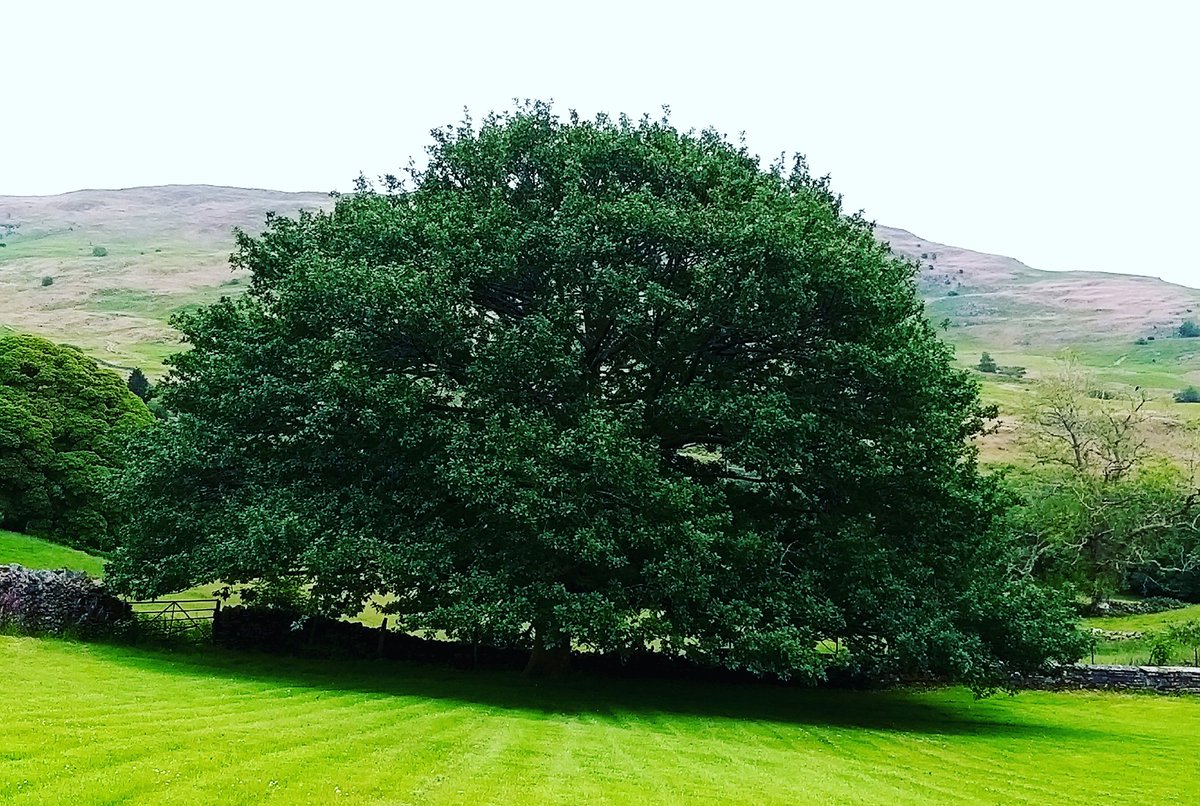
📍my favourite oak #lakedistrict
Red squirrels 'close to extinction' in England @BBCNews
Hard to believe that our beloved red squirrel is close to extinction and could disappear in 25yrs!
It isn't enough that they "cling on" to life across Cumbria, Northumberland and North Pennines
We have a duty to our children to save and nurture fellow species
#WakeUpWorldbbc.co.uk/news/articles/…
Of the hundreds of types of amino acids found on Earth, it’s a mystery why life settled on 20 as the building blocks for all its proteins. Although certain species can use more—some microbes employ up to 22—no one’s ever found one using fewer.
But now scientists are closer to creating such an organism, after partially eliminating one of the 20 amino acids from the bacterium Escherichia coli.
The research used #AI to propose alternatives to the amino acid isoleucine in dozens of proteins making up bacterial ribosomes—the protein factories of the cell.
The findings offer a glimpse into how earlier, simpler life forms might have lived and suggest new ways to synthesize proteins with bespoke functions in medicine and biotechnology.
Learn more: scim.ag/49f1U9h
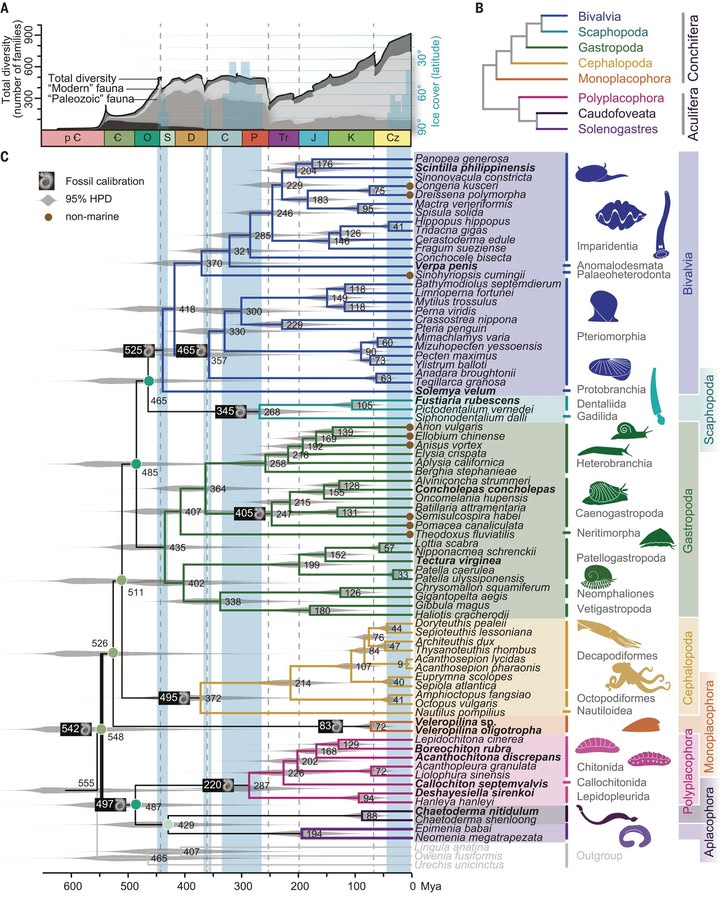
From octopuses to snails, the complicated molluscan family tree has been mapped in unprecedented detail, researchers reported last year in Science.
Learn more: scim.ag/3LfmvBF#ScienceMagArchives
Keystone species
Sustainability
Conservation
World’s largest krill harvester at centre of row over ‘blue tick’ sustainability label | Marine life | The Guardian share.google/kN6SXhT5ZQmUvS…
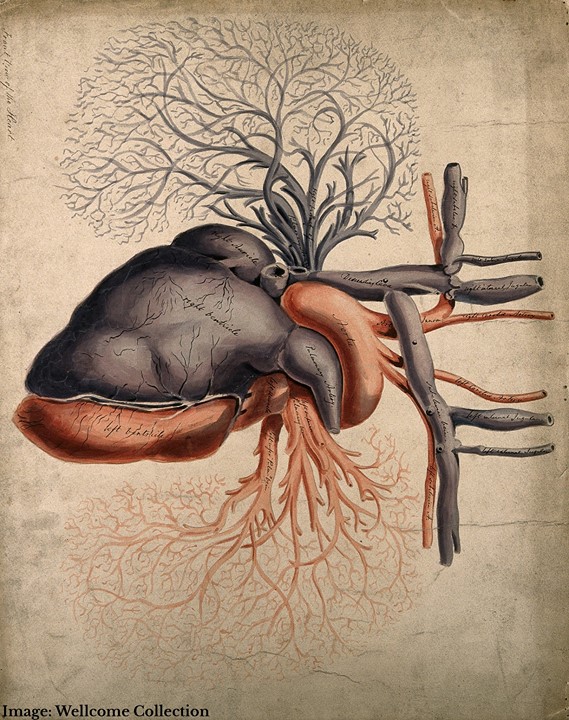
The #NobelPrize-winning invention ECG – a milestone in heart diagnosis – is a technique that records the small electric waves being generated during heart activity. Image: From the 19th century, front view of the heart.
#ValentinesDay
Lab leaks are extremely common, but usually benign.
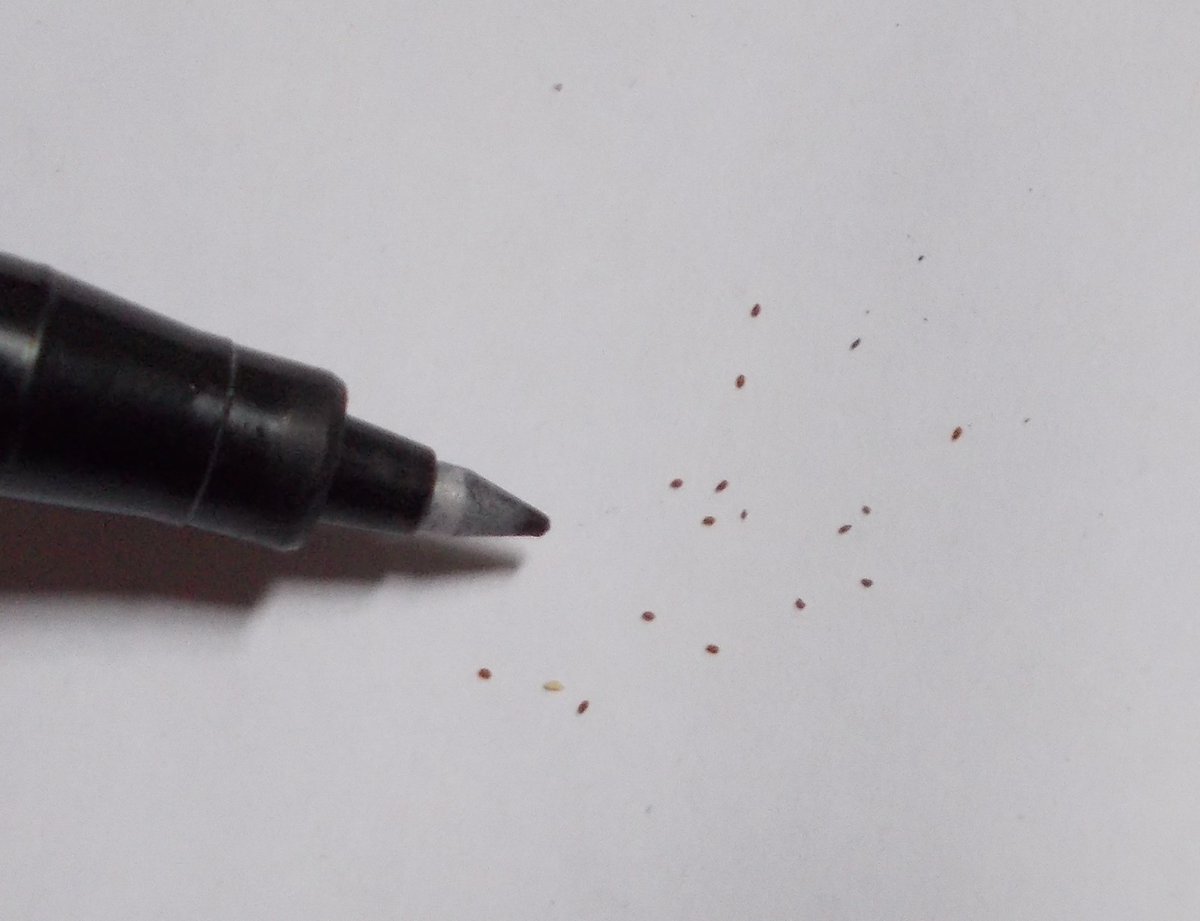
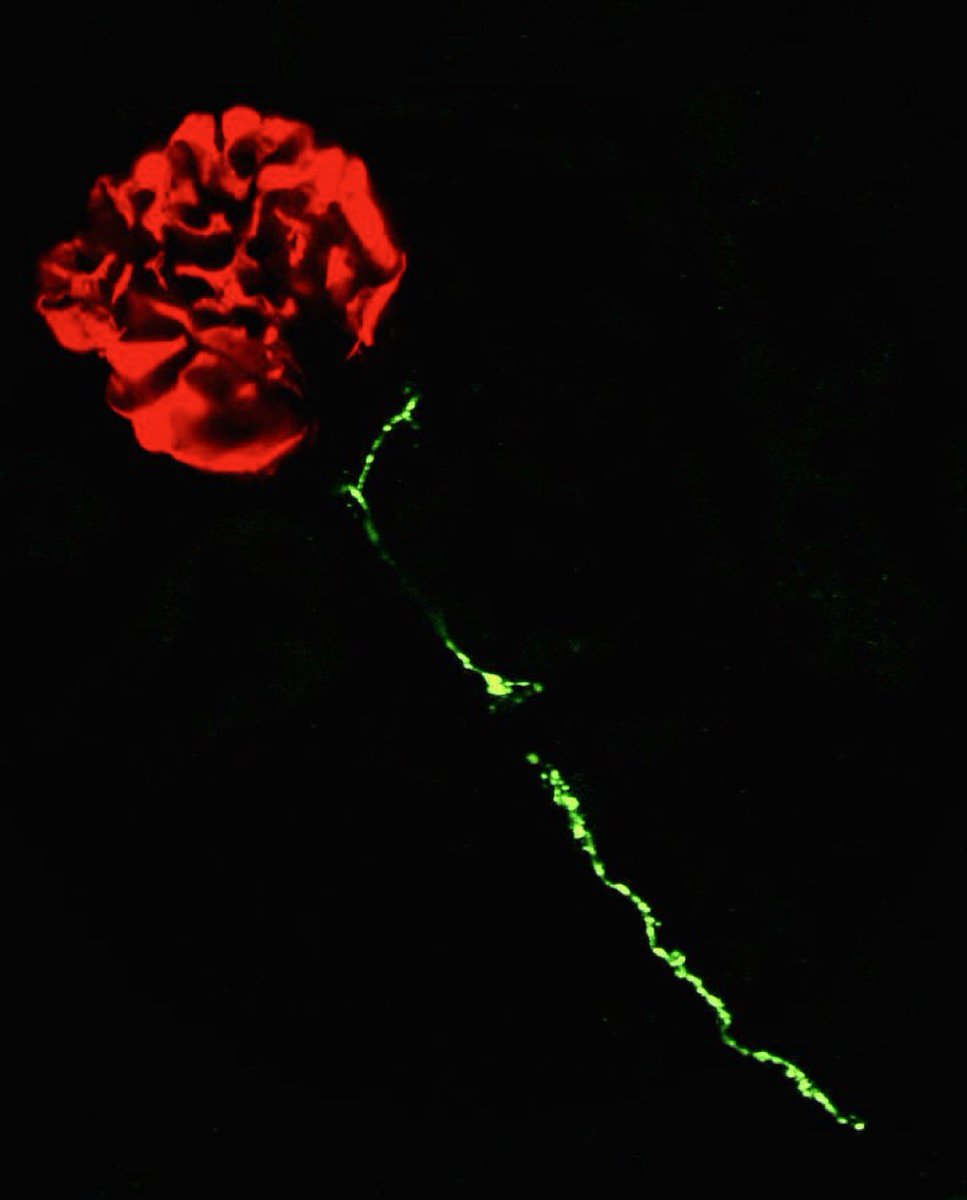
Last month, I went to a conference in the UK. I was talking to some plant biologists who work with Arabidopsis thaliana, a weed in the mustard family. Arabidopsis seeds are tiny, like grains of pollen, and they stick to clothing. These seeds are often engineered with GFP, for example, such that they fluoresce green. And, being so small, they inevitably get carried (accidentally) outside the lab.
One plant biologist told me that that their lab group goes outside and picks all the Arabidopsis plants they can find in the areas around campus each year. They then bring these plants back into the laboratory and sequence them.
Last year, half of these "wild" plants had GFP.
Some of the "aesthetic" nest boxes you can buy actually put birds at risk.
for national nest box week I’m showing you some boxes to avoid and the red flags to look out for.
Let’s keep our feathered neighbours safe this nesting season! ✨
Softwood nest box
#NationalNestBoxWeek
Some of the "aesthetic" nest boxes you can buy actually put birds at risk.
for national nest box week I’m showing you some boxes to avoid and the red flags to look out for.
Let’s keep our feathered neighbors safe this nesting season! ✨
#NationalNestBoxWeek#GardenWildlife
Cold Call is powerful, but we need to stop using it in the wrong way.
Fortunately, cold call is now being used in a lot of different contexts, which is crucial, because it is such a powerful questioning tool.
Unfortunately, on too many occasions, I see it used incorrectly. This includes:
Insufficient wait time
Saying a student’s name before asking the question
Saying a student's name as soon as the question has been posed.
These are natural mistakes to make, but they strip away a huge amount of power from Cold Calling. Rather than having class wide deep thinking, these mistakes can lead to very few, if any, students thinking deeply about the question just posed.
There are many fantastic blogs on how to get Cold Call spot on, so rather than a large spiel here, low me bow to this brilliant article (with a FAQ), by @teacherheadteacherhead.com/2021/02/07/col…
Some of the "aesthetic" nest boxes you can buy actually put birds at risk.
for national nest box week I’m showing you some boxes to avoid and the red flags to look out for.
Let’s keep our feathered neighbours safe this nesting season! ✨
Post box nest box
#NationalNestBoxWeek
If you’ve got the stomach for it, you can watch 10,000 maggots demolish a pizza in 2 hours. Thanks to this research, scientists have a better sense of how these fly larvae gobble food so quickly, a possible boon for sustainable food production.
Some companies are collecting a bit of the 1.3 billion tons of food waste humans produce annually and feeding it to hordes of maggots. Once they’re plump on rotten leftovers, the larvae can be turned into high-protein food for animals such as chickens and fish that humans are more interested in eating.
To study how these maggots stuff themselves on large quantities of food, researchers recorded black soldier fly larvae chowing down on orange slices in a 35-liter aquarium. The team searched for patterns in the squirming mass by tracking the flow of individual maggots with software used to model the movement of fluids. Despite the appearance of chaos, the larvae moved like water being pumped through a fountain, the researchers reported in 2019. Hungry maggots pushed toward the food from the bottom, and satiated larvae were pumped up and over the top of the pile to the back of the line.
Learn more: scim.ag/4a7Mrre
New research finds black soldier fly larvae can eat and partially break down polyurethane, thanks to their gut microbes. It's no silver bullet, but the findings suggest insects or their enzymes could someday help tackle stubborn plastic waste. entomologytoday.org/2026/02/10/bla…