
Sabitlenmiş Tweet
Filly-🇺🇸
15.1K posts
Filly-🇺🇸
@lfilly629
former MAGA. Still strong conservative. Too many things happening that have changed my status 🥲
Gulf Shores, AL Katılım Ağustos 2012
2.2K Takip Edilen2.5K Takipçiler
Filly-🇺🇸 retweetledi

THEY THREATENED TO THROW HER IN A MENTAL HOSPITAL FOR **SIX MONTHS** AND FORCE PSYCHIATRIC “TREATMENT” JUST FOR DOING HER JOB AND ASKING QUESTIONS!!! 👀 😱
Former U.S. Air Force Bio-Environmental Engineer Kristen Meghan caught the military shipping **massive quantities** of aluminum, barium, and strontium to be deliberately mixed into jet fuel on bases.
She tried to report it → they moved to label her insane, discredit her, and lock her away involuntarily for half a year to shut her up.
This is criminal intimidation to cover up what looks like large-scale atmospheric poisoning.
I am beyond outraged. Watch this whistleblower testimony NOW. What the hell are they spraying over our heads—and why destroy lives to keep it secret?! 😡🔥
English
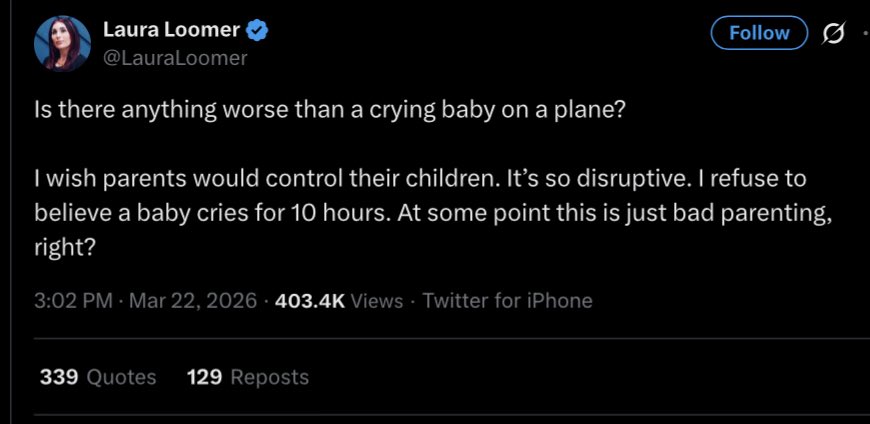
@Nero She is so pathetic it’s unbelievable. I guess I’m a bad parent when I took my 3 mo old son on a plane. little did I know that he was in beginning stages of a bad ear infection and he cried. Boy Did he cry! the stewardess was so sweet, gave me cups to put over his ears
English

@harryfisherEMTP So that being said, number one I know you’re a Christian, keep talking to God. You also have your son that needs you. I don’t know what God’s plan is at this point. Heaven is gonna be filled with wonderful people.
English
@harryfisherEMTP Harry, you have to hang in there! I can’t imagine what you’re going through. It doesn’t matter how much you scream from the rooftops they are going to be the people that are going to deny it. Especially the ones that are vaccinated. I can’t blame them as I would be Freaked out 2
English


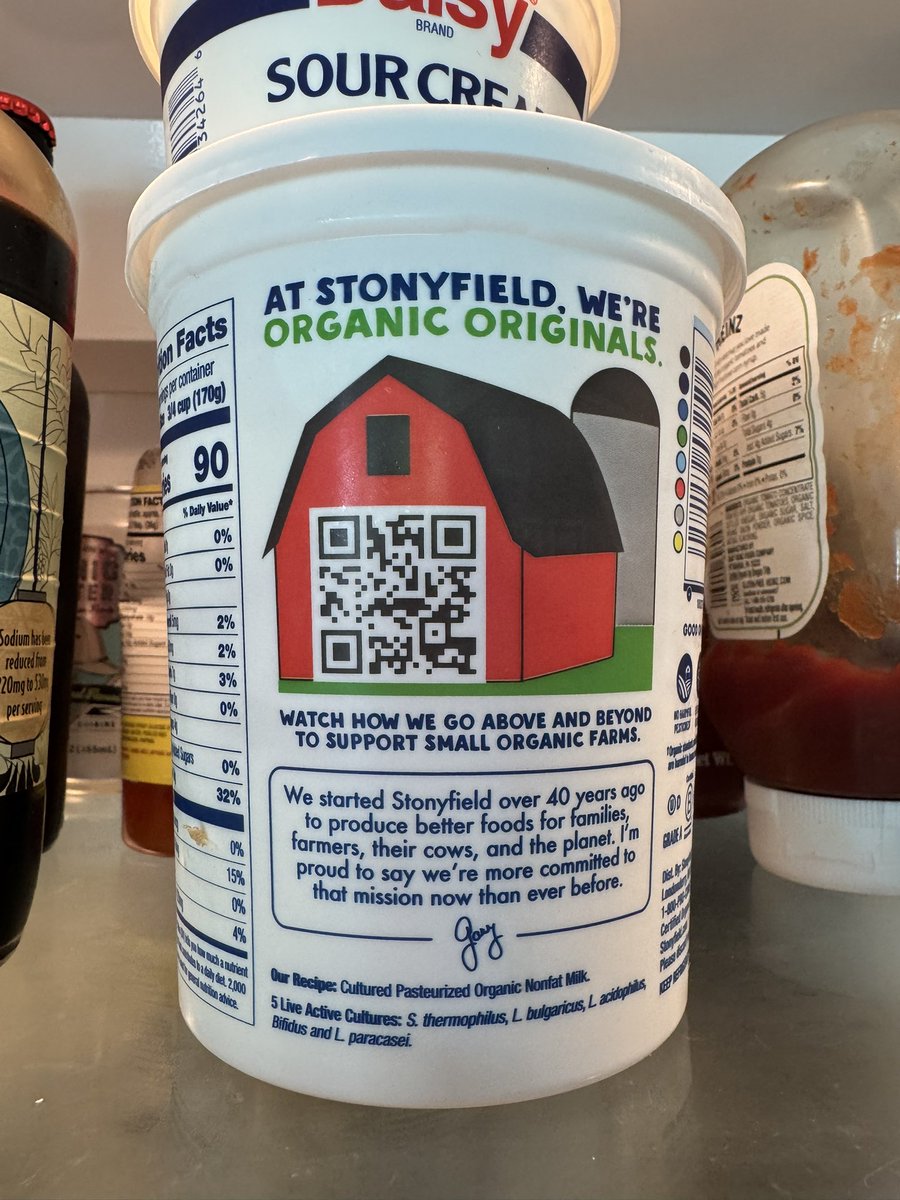
Finding a dairy product without carageenan is harder than securing a parking spot at the mall on Black Friday
This ingredient list is *chef’s kiss* 🤌🏻
Dr Peat on carrageenan:
"In the 1940s, carrageenan, a polysaccharide made from a type of seaweed, was recognized as a dangerous allergen. Since then it has become a standard laboratory material to use to produce in-flammatory tumors (granulomas), immunodeficiency, arthritis, and other in-flammations.
Years ago, I noticed that Oregon was one of the few states that still had real whipping cream and cottage cheese without additives, so I have been trustingly using cream in my coffee every day. Last week, I noticed that my cream listed carrageenan in its ingredients. Over the years, I have avoided carrageenan-containing foods such as apple cider, hot dogs, most ice creams and prepared sauces and jellies, because they caused me to have serious allergic symptoms. Carrageenan has been found to cause colitis and anaphylaxis in humans, but it is often present in baby “formulas” and a wide range of milk products, with the result that many people have come to believe that it was the milk-product that was responsible for their allergic symptoms. Because the regulators claim that it is a safe natural substance, it is very likely that it sometimes appears in foods that don’t list it on the label, for example when it is part of another ingredient.
It has become an increasingly common material in the food industry. Articles are often written to praise its usefulness and to claim that it doesn't produce cancer in healthy animals. Its presence in food, like that of the polyester imitation fat, microcrystalline cellulose, and many other polymers used to stabilize emulsions or to increase smoothness, is often justified by the doctrine that these molecules are too large to be absorbed. There are two points that are deliberately ignored by the food-safety regulators, 1) these materials can interact dangerously with intestinal bacteria, and 2) they can be absorbed, in the process called "persorption."”
From “Food-junk and some mystery ailments: Fatigue, Alzheimer's, Colitis, Immunodeficiency”
English

@anomalie_blue Daisy cottage cheese is clean. I buy organic whipping cream and it is clean. Can’t find anything clean at Aldi.
English

@anomalie_blue OOPS: make sour cream with heavy cream
Use whole milk for homemade ricotta. Sorry :(
English


Unvaccinated people, check in.
We were supposed to be dead…
English
Filly-🇺🇸 retweetledi


Free Cone Day is here! Come celebrate with us at a DQ location on today by getting a FREE small vanilla cone 🍦
English

First, I don't "get played" because I don't just believe anything.
I research and investigate to get the answers to the questions that I have.
No, I don't hate @realDonaldTrump
I'm pissed off at President Trump for making a backdoor deal during his campaign with the Trump hating Network Rockbridge that changed him.
JD Vance is closer in policy to Liz Warren and Bernie Sanders more than he is aligned with President Trump and THAT is the problems that we're seeing that many people don't understand and it's all because Trump took advice from Don Jr, not the smartest Trump.
Leah S Reome@ReomeLeah
@wendyp4545 Wendy, who do you believe? I can’t quite figure if you hate Trump, love Trump, think Israel is right or if Israel is wrong. Please, tell us what you actually believe and who is paying you!
English

Joe Kent has disgraced himself.
Joe is lying to advance a personal grievance agenda.
Joe is a liar. FACT.
English

There's now a clear divide in the Podcast world, which side are you on?
Team: Dan Bongino
Or
Team: Tucker Carlson

English
Filly-🇺🇸 retweetledi
Starting in 2026, the Social Security Administration will raise the full retirement age to 67 for everyone born after 1960.
Americans must work longer because Congress keeps spending our Social Security.
Senator Tommy Tuberville confirms they spend our Social Security, “It’s all a scam — what happens, it comes up here, we spend it”
“This is all a scam. I mean, we got people that's getting ready to retire that's gonna try to live off $2k-$3k, Impossible. It's impossible. Because what happens, it comes up here, we spend it.“
“In this body, we had better start figuring that out because we're gonna have a run from this city here soon, and there's gonna be about a 150 million people coming up here saying, where's our damn money that we paid in?”
English
@ImBreckWorsham I unfollowed both of them a while back. Let’s check out their bank account and see how much money they’re getting every time they post something like this.
English

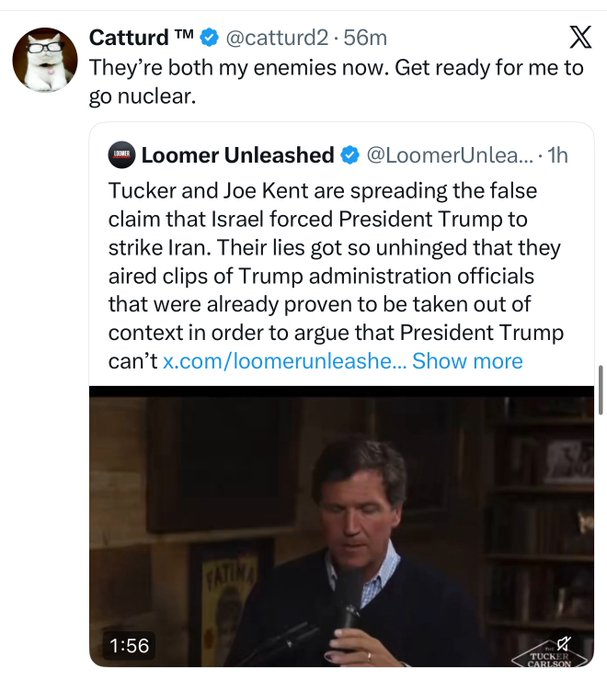
You haven't LIVED until you've been threatened by a man with a cat as his profile pic who calls himself Catturd.
I'm CERTAIN Tucker will sleep with one eye open.
English

She is so GORGEOUS and ladylike! @NICKIMINAJ
Esegbona Luis@esegbona_luis
Breaking News ❤️🙏🥹🥹 Nicki Minaj reveals that she has given her life to Christ and will never wear anything that exposes her body again . According to her , she needs to be a good model to the upcoming generation. She appeared last night at the OSCARS looking really beautiful in this beautiful descent dress . This is proof that you do not need to expose your body to be beautiful. Moral lesson : Always dress how you want to be addressed ❤️🥹🙏
English
@JawnTheBeloved @collectdust Ok I need to follow you. My kind of people!
English
Nursery rhyme trade be like “who up popping their weasel 👀”
English
Filly-🇺🇸 retweetledi

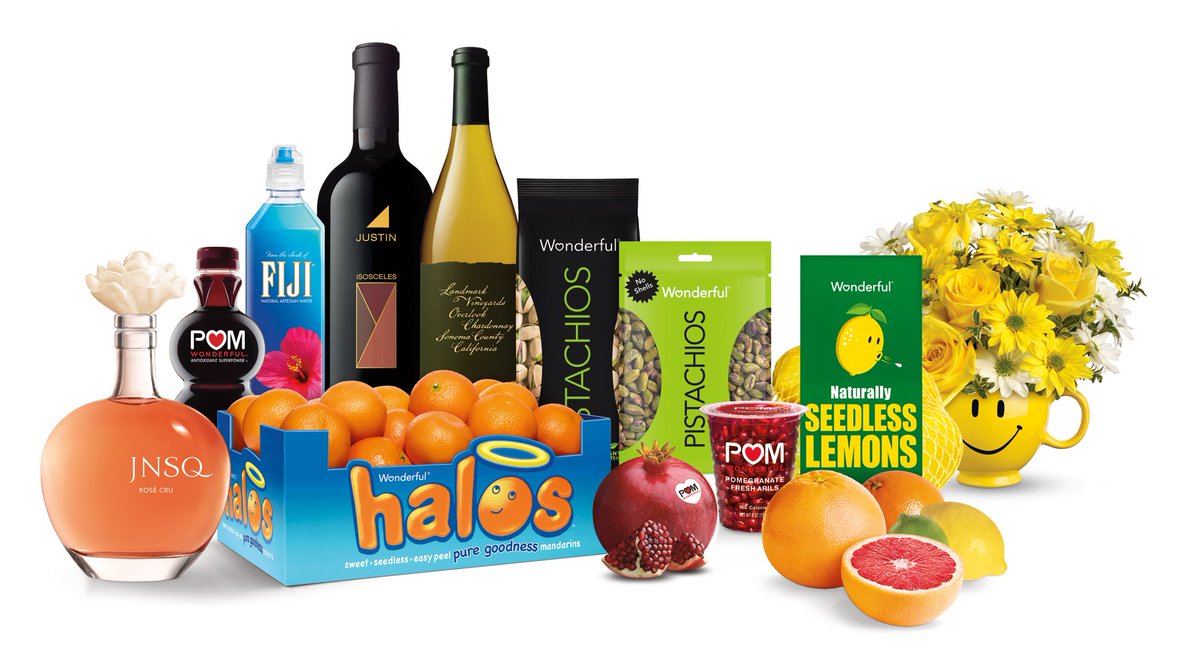
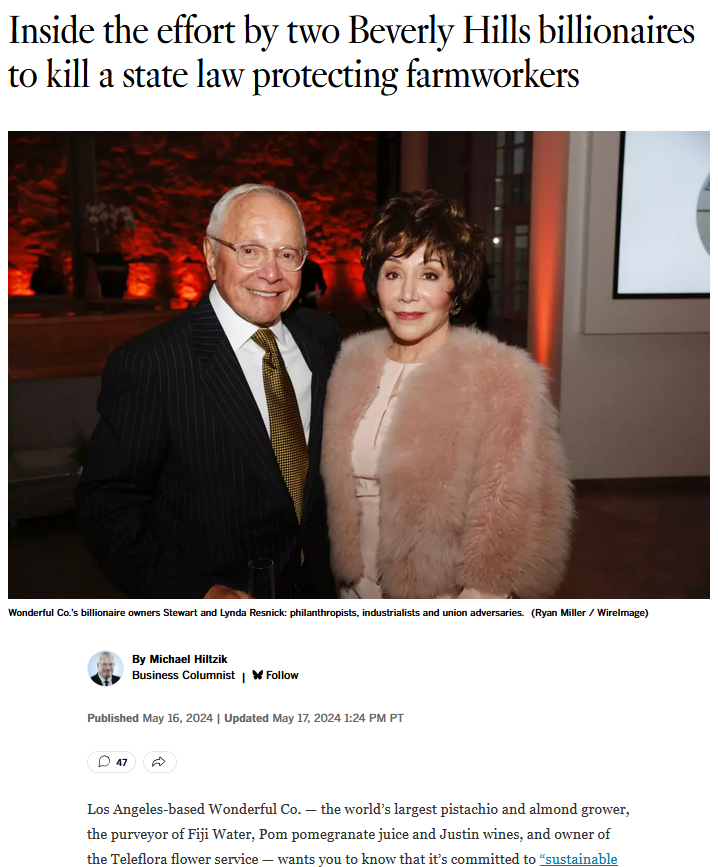
Pom is under The Wonderful Company, owned by Stewart and Lydia Resnick
you should avoid every single thing they make

English