Sabitlenmiş Tweet
Dudario
580 posts

Dudario
@lifeofedu
construyendo mis late 20s/early 30s en 🇩🇪
Deutschland Katılım Ekim 2019
2.4K Takip Edilen188 Takipçiler


“no negocies tu salario en la entrevista, van a escoger al más barato”
“no dejes esta empresa, es la que mejor paga de la ciudad”
“no vayas a Alemania, el coste de vida es alto y sin alemán no vas a conseguir nada”
WisdomX@wisdomXplorer
What's the absolute worst piece of advice you ever received?
Español

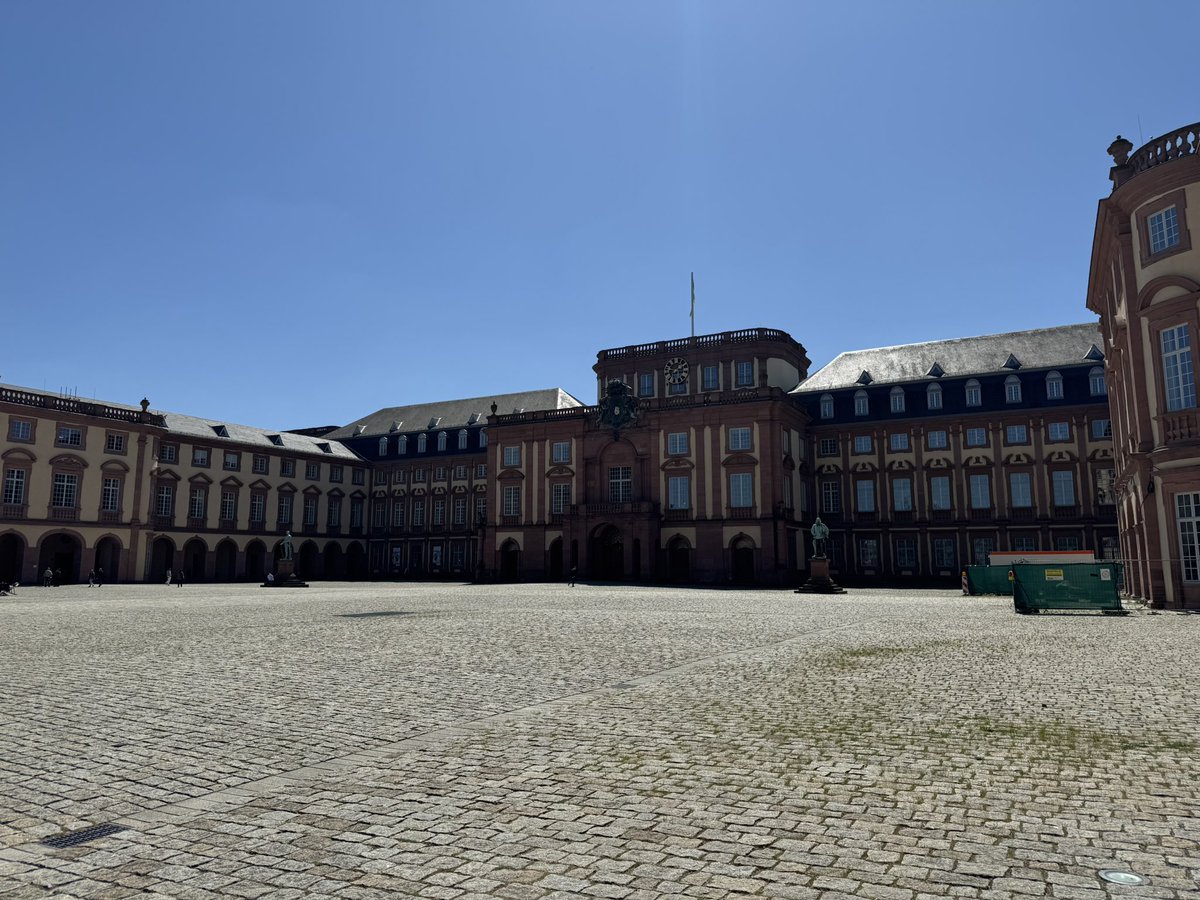
@orador_es la zona del Belgisches Viertel bastante juvenil y bonita 👌🏼
Español
Dudario retweetledi

Your brain is wired to quit at the exact moment you're about to break through.
Most people think they quit because they lack discipline or motivation. They blame their willpower. They assume successful people have some genetic advantage or superior mental toughness.
The real reason runs much deeper.
Neuroscientists at UC San Diego studied brain scans of people learning complex motor skills over several months. They discovered something counterintuitive: during the weeks when learners felt most frustrated and considered quitting, their brains were undergoing the most dramatic structural changes. New neural pathways were forming at accelerated rates. Myelin sheathing around neurons was thickening rapidly. The very period that felt like stagnation was actually when the most profound rewiring was happening.
The participants had no conscious awareness of this transformation. Subjectively, they felt stuck. Objectively, their brains were rebuilding themselves.
Your nervous system interprets sustained incompetence as a survival threat. When you attempt something new and fail repeatedly, ancient circuits fire that once kept your ancestors alive by making them avoid dangerous situations. The same neural pathways that prevented early humans from repeatedly approaching predators now prevent modern humans from repeatedly approaching challenges.
Competence feels safe. Incompetence feels like death.
Every time you miss the shot, fumble the presentation, or write garbage, your amygdala sends distress signals. Your brain floods with cortisol. Your body creates the same physiological experience it would create if you were being chased by something that wanted to kill you. After days or weeks of this neurochemical assault, quitting feels like escape from genuine danger.
But what the UC San Diego researchers revealed changes everything about how we should interpret that discomfort. The biochemical chaos you feel during extended periods of failure is actually evidence that deep learning is occurring. Your brain consumes massive amounts of energy to build new neural architecture. The exhaustion, frustration, and sense of being overwhelmed are byproducts of construction, not signs of inadequacy.
People who master difficult skills have accidentally discovered something profound: they've learned to interpret the discomfort of incompetence as evidence they're in exactly the right place. They've trained themselves to recognize the specific feeling of neural restructuring and chase it instead of avoiding it.
The shift is so subtle most people never notice it happening. But once it clicks, the entire relationship with difficulty inverts.
Watch someone who genuinely enjoys the learning process. They don't celebrate successes the way normal people do. They celebrate failures that teach them something. They get excited by obstacles that reveal gaps in their understanding. They treat confusion as information, not as evidence they should quit.
They've rewired their internal reward system to crave precisely the experiences most people avoid.
What makes this psychological rewiring possible is understanding that competence emerges from chaos, not from clarity. Your first attempts will be embarrassingly bad because your brain is literally constructing the neural infrastructure required for skill. The timeline for moving from "terrible" to "decent" is always longer than you expect because biological change operates on its own schedule.
Most people never reach competence because they interpret the gap between where they are and where they want to be as evidence they're not cut out for it. They quit during the exact window when their brain is doing the rewiring that would eventually make them good.
The secret is learning to love that window. The period that feels like failure is actually the period when your brain is working hardest on your behalf. The discomfort you're avoiding is the discomfort of becoming someone new.

DAN KOE@thedankoe
Most people quit because they forget that you have to be bad at something before you can be good at it. It's so obvious. You suck. Of course you're not going to win in 2 weeks. But if you can learn to enjoy extended periods of failure, you will make it very, very far in life.
English

@LevBuyOut Métele desde ya más de 10k pasos al día
A partir de ahí lo demás ya sabes, el ejercicio extra que le metas, cortarse con la pintas y tal y tal
Se puede llegar vacilón al veranito, no vas tarde 👊🏼
Español

no hay manera macho

Dudario@lifeofedu
Nunca he conseguido hacer funcionar el descuento por Miles en la web de Lufthansa 🤷🏻♂️
Español

@charlssev A día de hoy en España, cuanto más tiempo pasa, más lejos estás de poder pagar la entrada de una casa
Español

alguien tiene alguna teoría de por qué las estaciones de tren de España son tan insulsas?
en general, en el resto de Europa las estaciones de tren son centros neurálgicos, con centros comerciales, espacios para eventos etc...
en España son sitios donde apenas tienes un par de quioscos roñosos que venden mierda a precio de oro
¿Por qué? es curioso
Español

Muy ligado a la alta tasa de paro juvenil, que dobla a la tasa de paro general
Emigrar hace 6 años acelero mis primeros años de carrera, que en mi opinión son los más definitorios
Cadena SER@La_SER
🏠 Casi el 70% de los jóvenes de menos de 34 años vive en casa de sus padres por no poder alquilar o comprar vivienda cadenaser.com/nacional/2026/… Por @pabloanzola_
Español

En mi opinión, el punto clave para la Unión Europea🇪🇺 seria que dieran pasos en la dirección que definieron inicialmente que es la integración de un mercado único.
Las características especificas individuales regulatorias de cada país todavía son demasiado grandes como para poder actuar como un solo ente en campos en los que el europeo medio pueda verse beneficiado por la consolidación.
La realidad hoy es que, a nivel macro, si quisieras operar tu empresa en toda Europa implica pelearte con normativas, fiscalidad y obligaciones nacionales muy distintas.
Y ya, a nivel usuario, mi linea móvil española me bloquea los datos cuando gasto mucho fuera de España, mi seguro del coche alemán no considera mis 7 años de experiencia conduciendo en España y parecido con el historial crediticio.
Español