Steven Z

54 posts

Steven Z

Steven Z

@loneghost1982

Programmer

CA Katılım Nisan 2011
280 Takip Edilen38 Takipçiler
Steven Z retweetledi
Alex Xu
Alex Xu@alexxubyte·
What does API gateway do? The diagram below shows the detail. Step 1 - The client sends an HTTP request to the API gateway. Step 2 - The API gateway parses and validates the attributes in the HTTP request. Step 3 - The API gateway performs allow-list/deny-list checks. Step 4 - The API gateway talks to an identity provider for authentication and authorization. Step 5 - The rate limiting rules are applied to the request. If it is over the limit, the request is rejected. Steps 6 and 7 - Now that the request has passed basic checks, the API gateway finds the relevant service to route to by path matching. Step 8 - The API gateway transforms the request into the appropriate protocol and sends it to backend microservices. Steps 9-12: The API gateway can handle errors properly, and deals with faults if the error takes a longer time to recover (circuit break). It can also leverage ELK (Elastic-Logstash-Kibana) stack for logging and monitoring. We sometimes cache data in the API gateway. Over to you: 1) What’s the difference between a load balancer and an API gateway? 2) Do we need to use different API gateways for PC, mobile and browser separately? – Subscribe to our weekly newsletter to get a Free System Design PDF (158 pages): bit.ly/3KCnWXq
GIF
English
13
278
1K
64.5K
Steven Z retweetledi
Alex Xu
Alex Xu@alexxubyte·
System Design Blueprint: The Ultimate Guide. We've created a template to tackle various system design problems in interviews. Hope this checklist is useful to guide your discussions during the interview process. This briefly touches on the following discussion points: - Load Balancing - API Gateway - Communication Protocols - Content Delivery Network (CDN) - Database - Cache - Message Queue - Unique ID Generation - Scalability - Availability - Performance - Security - Fault Tolerance and Resilience - And more — Subscribe to our weekly newsletter to get a Free System Design PDF (158 pages): bit.ly/3KCnWXq
Alex Xu tweet media
English
7
265
1.1K
62.5K
Steven Z retweetledi
Java Guides
Java Guides@GuidesJava·
Kafka in one image:
GIF
3
163
655
39.8K
Steven Z retweetledi
Aurimas Griciūnas
Aurimas Griciūnas@Aurimas_Gr·
Why is 𝗠𝗼𝗱𝗲𝗹 𝗥𝗲𝗴𝗶𝘀𝘁𝗿𝘆 so important in your MLOps Stack? Let's look again into the Machine Learning Model Training Lifecycle. 𝗟𝗲𝘁’𝘀 𝗿𝗲𝘃𝗶𝗲𝘄 𝘁𝗵𝗲 𝗺𝗼𝗱𝗲𝗹 𝘁𝗿𝗮𝗶𝗻𝗶𝗻𝗴 𝘀𝘁𝗲𝗽𝘀: 1: Version Control: Machine Learning Training Pipeline is defined in code, once merged to the main branch it is built and triggered. 2: Feature Preprocessing: Features are retrieved from the Feature Store, validated and passed to the next stage. Any feature related metadata that is tightly coupled to the Model being trained is saved to the Experiment Tracking System. 3: Model is trained and validated on Preprocessed Data, Model related metadata is saved to the Experiment Tracking System. 4: If Model Validation passes all checks - Model Artifact is passed to a Model Registry. The model is stored and ready to be packaged. 𝗧𝗵𝗶𝘀 𝗶𝘀 𝗶𝘁 - regardless of what deployment type will follow, the model is stored in The Model Registry. Model Registry is what glues Training and Deployment Pipelines together and this is where handover of the Model Artifact happens. 5: The same model can be packaged as a container for different deployment types by implementing a respective interface. E.g. - Flink application for Stream Processing Deployment. - gRPC API for Request-Response. - Plain model pointing to the Batch Serving Feature Store API for Batch. - 𝗧𝗵𝗶𝘀 𝗶𝘀 𝗴𝗼𝗼𝗱 𝗻𝗲𝘄𝘀 - as long as you are training your models using historical data the training pipeline is the same for any type of deployment. - It’s a different story when it comes to online training! You can find a more detailed explanation of different Model Deployment procedures in one of my previous Newsletter releases. Leave any thoughts in the comment section 👇 -------- Follow me to upskill in #MLOps, #MachineLearning, #DataEngineering, #DataScience and overall #Data space. 𝗗𝗼𝗻’𝘁 𝗳𝗼𝗿𝗴𝗲𝘁 𝘁𝗼 𝗹𝗶𝗸𝗲 🩵, 𝘀𝗵𝗮𝗿𝗲 𝗮𝗻𝗱 𝗰𝗼𝗺𝗺𝗲𝗻𝘁!
GIF
English
3
85
363
54K
Steven Z retweetledi
LearnKube
LearnKube@learnk8s·
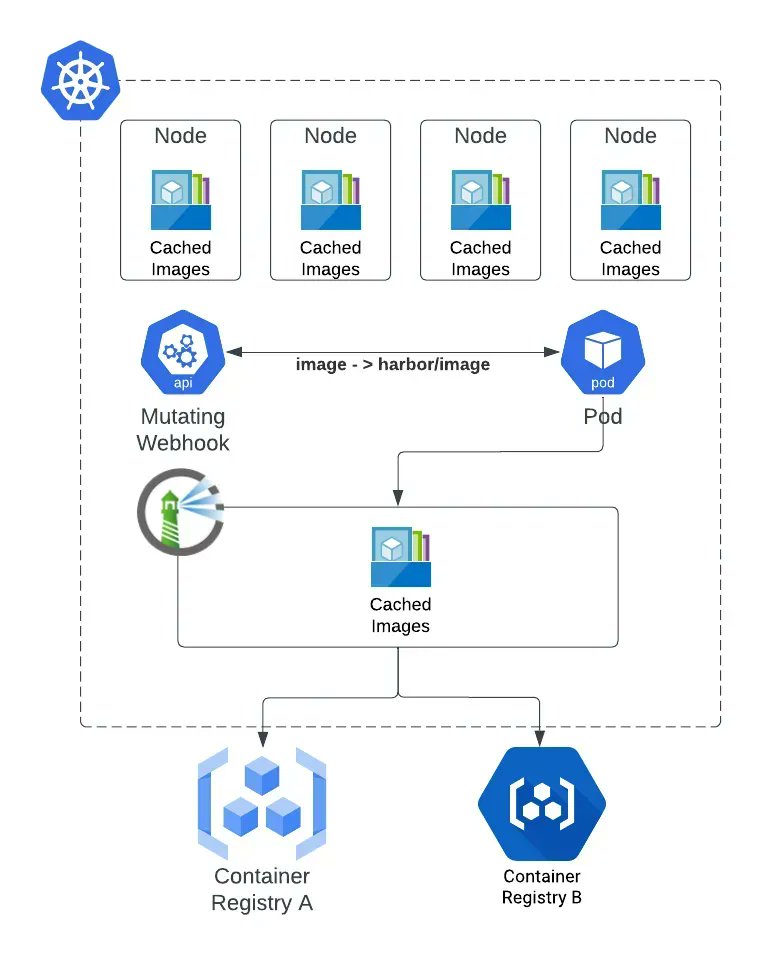
Harbor can act as a pull-through proxy cache that serves local container images directly to the client, reducing network latency and saving bandwidth This article teaches you how to use it to speed up container image distribution and cold starts ➜ @elementtech.dev/kubernetes-image-proxy-cache-from-minutes-to-milliseconds-fd14173e831f" target="_blank" rel="nofollow noopener">medium.com/@elementtech.d…
LearnKube tweet media
English
0
21
98
16.1K
Steven Z retweetledi
Kube Architect
Kube Architect@K8sArchitect·
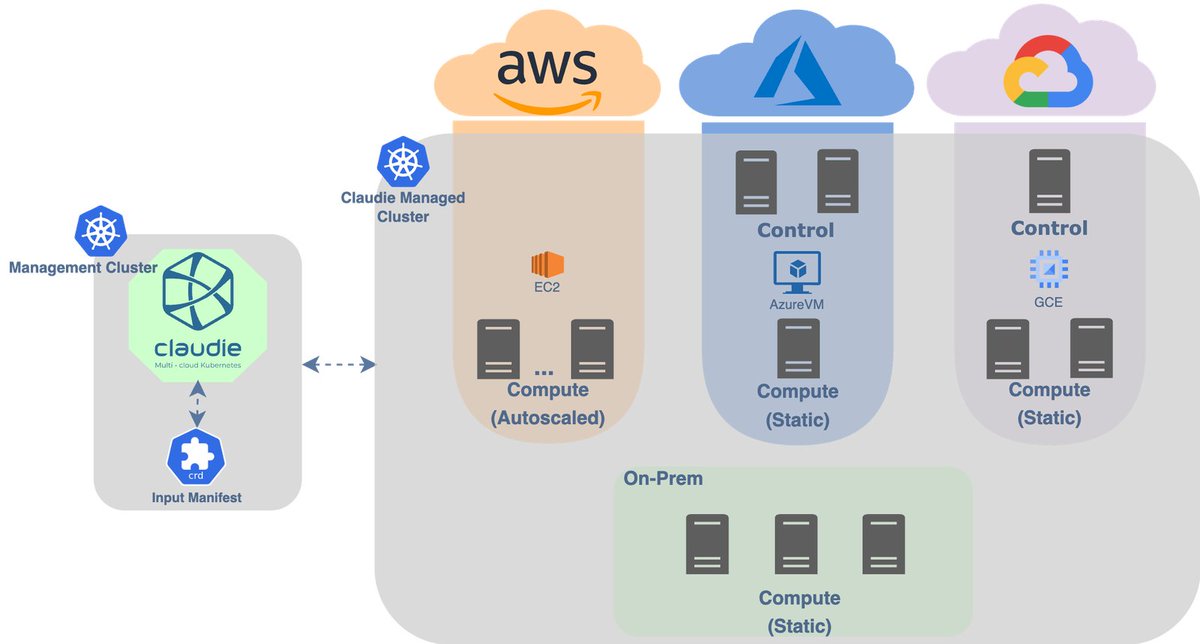
Claudie is a platform for managing multi-cloud Kubernetes clusters with each node pools in a different cloud provider ➜ github.com/berops/claudie
Kube Architect tweet media
English
3
18
78
10.5K
Steven Z retweetledi
SAIM SAFDAR
SAIM SAFDAR@cloudnativeboy·
Check out the new Cloud Native Landscape 2.0! simplifies the roadmap to cloud native success and is a must-have guide for your cloud journey. With the ability to filter and zoom into specific technologies, plus a comprehensive Trail Map. cncf.io/blog/2018/03/0…
English
0
8
37
3.7K
Steven Z retweetledi
Alex Xu
Alex Xu@alexxubyte·
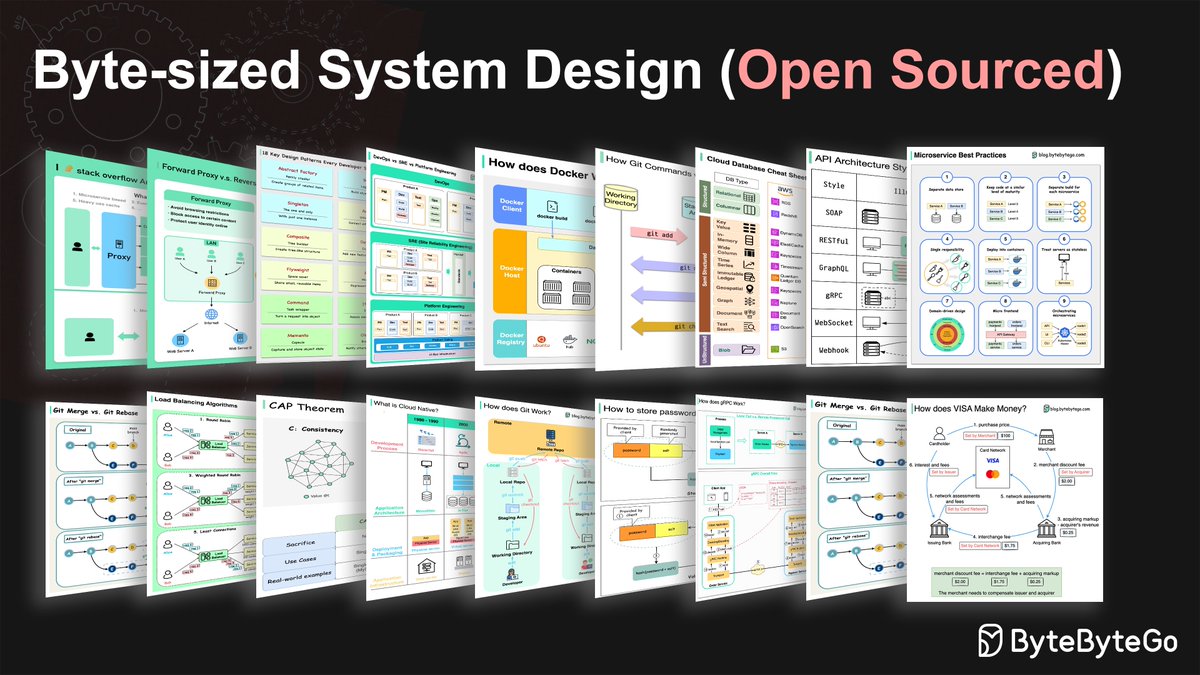
Open-sourcing over 100 byte-sized system design concepts with high-resolution diagrams. Goals: - Become a better engineer by understanding how systems work. - Prepare for system design interviews. What's included in the GitHub repository: - 100 byte-sized system concepts with visuals. - Real-world case studies. - Tips on how to prepare for system design interviews. Topics included (and many many more): - SOAP vs. REST vs. GraphQL vs. RPC - HTTP 1.0 -> HTTP 1.1 -> HTTP 2.0 -> HTTP 3.0 (QUIC) - CI/CD Pipeline Explained in Simple Terms - 8 Data Structures That Power Your Databases - Top caching strategies - What does a typical microservice architecture look like? Start exploring the repository here: bit.ly/bytebytegoGitR… If you find it useful, please RETWEET to spread the word. Thank you.
Alex Xu tweet media
English
16
356
1.4K
239K
Steven Z retweetledi
Kube Architect
Kube Architect@K8sArchitect·
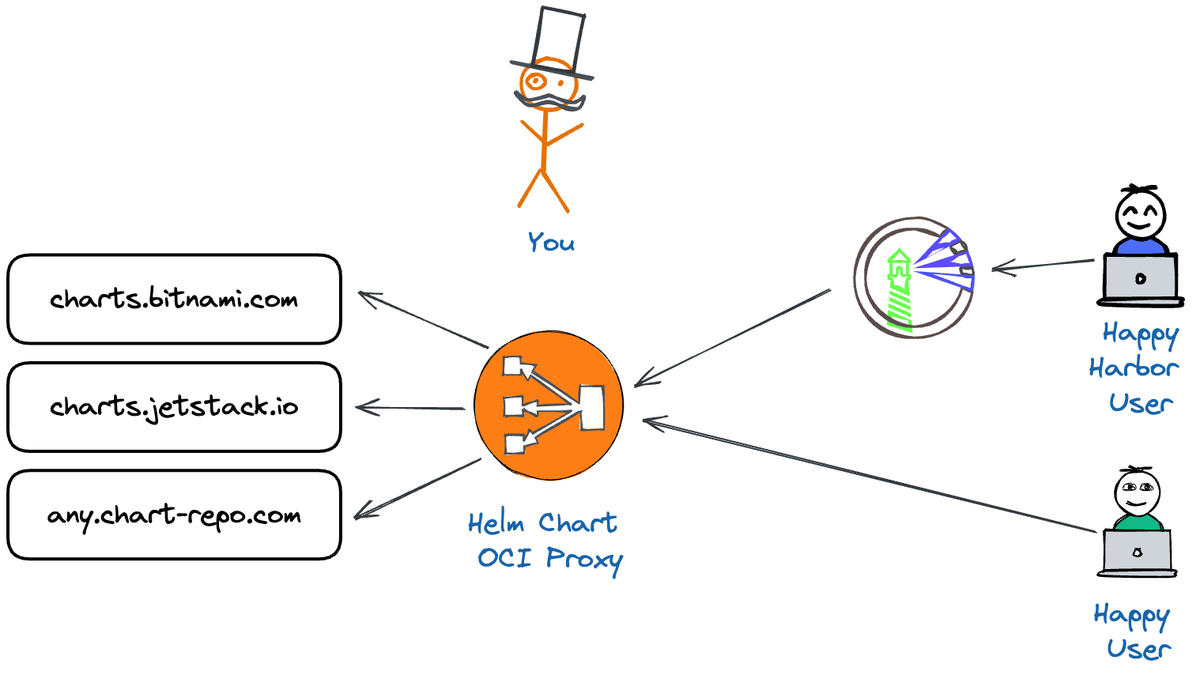
Helm Chart OCI Proxy transparently proxies and transforms Helm Charts as OCI artefacts You can use it to address any public Chart Repository-styled Helm Chart as an OCI-styled artefact ➜ github.com/container-regi…
Kube Architect tweet media
English
0
6
31
4.1K
Steven Z retweetledi
Alex Xu
Alex Xu@alexxubyte·
Top 3 API Gateway Use Cases. API gateway sits between the clients and services, providing API communications between them. 1. API gateway helps build an ecosystem. The users can leverage an API gateway to access a wider set of tools. The partners in the ecosystem collaborate with each other to provide better integrations for the users. 2. API gateway builds API marketplace The API marketplace hosts fundamental functionalities for everyone. The developers and businesses can easily develop or innovate in this ecosystem and sell APIs on the marketplace. 3. API gateway provides compatibility with multiple platforms When dealing with multiple platforms, an API gateway can help work across multiple complex architectures. – Subscribe to our weekly newsletter to get a Free System Design PDF (158 pages): bit.ly/3KCnWXq
English
18
533
2.1K
484.8K
Steven Z retweetledi
Alex Xu
Alex Xu@alexxubyte·
How do we transform a system to be Cloud Native? The diagram below shows the action spectrum and adoption roadmap. You can use it as a blueprint for adopting cloud-native in your organization. For a company to adopt cloud native architecture, there are 6 aspects in the spectrum: 1. Application definition development 2. Orchestration and management 3. Runtime 4. Provisioning 5. Observability 6. Serverless Most companies start from Step 1 containerization and gradually adopt CI/CD, service orchestration. This microservice architecture significantly increases the number of instances to manage, so systematic testing and monitoring are required to increase plant observability. In fact, a lot of companies stop at Step 4 without moving to service mesh and cloud-native networking due to the complexity and the required DevOps talent. Over to you: Where does your system stand in the adoption roadmap? Reference: Cloud & DevOps: Continuous Transformation by MIT Redrawn by ByteByteGo – Subscribe to our weekly newsletter to get a Free System Design PDF (158 pages): bit.ly/3KCnWXq
English
18
190
777
151.4K
Steven Z retweetledi
LearnKube
LearnKube@learnk8s·
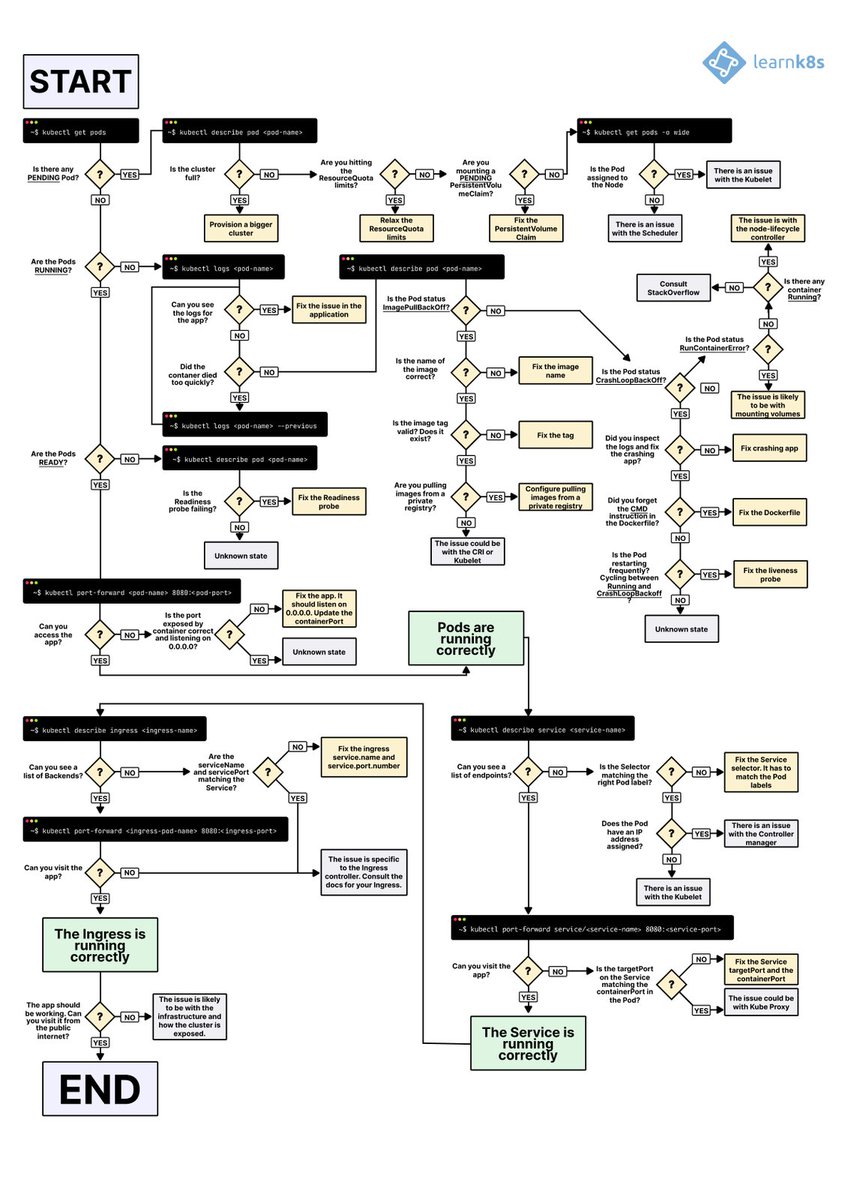
Troubleshooting in Kubernetes can be a daunting task In this article, you will learn how to diagnose issues in Pods, Services and Ingress ➜ learnk8s.io/troubleshootin…
LearnKube tweet media
English
2
60
176
19.8K
Steven Z retweetledi
Project Harbor
Project Harbor@project_harbor·
📣📣📣Harbor Operator 1.2.0 is released📣📣📣 Hello Harbor Community!!! We are SUPER happy to announce that Harbor Operator 1.2.0 was just released!!! github.com/goharbor/harbo… Check the link ^^ for full list of changes and updates! Happy and successful upgrading :)
English
0
11
22
0
Steven Z retweetledi
Project Harbor
Project Harbor@project_harbor·
Harbor Operator 1.1.0 is released! Major updates: - Support deploying Harbor v2.3 - Support Kubernetes version 1.21 - Upgrade ingress version to v1 More details and downloads here: github.com/goharbor/harbo…
English
0
9
16
0
Steven Z retweetledi
VMware
VMware@VMware·
Don't leave your Kubernetes pod in a pending state. 🆘 The Tanzu team has developed Harbor Registry to replicate Docker images using both Proxy-ing and Replication. Learn how: bit.ly/39tu5mD
VMware tweet media
English
0
4
4
0