
▼_ ▼_▼_ retweetledi
▼_ ▼_▼_
15.8K posts




▼_ ▼_▼_ retweetledi


▼_ ▼_▼_ retweetledi



@FaBamba1 Ce qui est important dans cette analyse du prix c’est le coût de l’exploitation du bien immobilier (ex: sur 20 ans),
Les BTC ont une meilleur isolation + faible inertie thermique ce qui diminue 📉 drastiquement:
- les besoins de climatisation ❄️
- la conso⚡️
- les dépenses 💸


Français

2/
La BTC face au bloc béton, le prix à l’unité est trompeur !
✅ Infographie RTI & Made in Africa indique :
👉🏽 BTC = 350 FCFA/unité
👉🏽 béton = 450 FCFA
✅ → 30% d’économie apparente.
❌ Séduisant…
✅ mais le calcul au m² raconte une autre histoire.

Fa Bamba@FaBamba1
1/ La construction en terre crue est en tendance. Toutefois, une question se pose. Blocs de terre crue vs blocs en béton, lequel est la moins chère ? J’ai vu une vidéo, l’auteur essaie d’expliquer, mais c’est difficile à comprendre. Alors, je vais essayer de simplifier
Français
@itsme_ASHROI J’ai pas mis le son.
Il se rase ou c’est un cours de géométrie ? 📐
Français

Les noirs...... n'imitez pas de grâce
Men Optimized Health@Men_Optimized
Beard lines perfection
Français
@FurkanGozukara « Tactical sucess
Strategic failure »
Perfect sum up
English

🚨 WOW! Secretary Blinken confirms a massive Pentagon disaster. He reveals Trump halted the war because Washington literally ran out of munitions!
He exposes how US stockpiles are severely depleted. Trump's aggression resulted in a total strategic failure for the empire.
English
▼_ ▼_▼_ retweetledi


@OMONABULESHOWO Both are fractals,
I prefer the first one, feels more « organic », more Lively than straight Line and forms
English

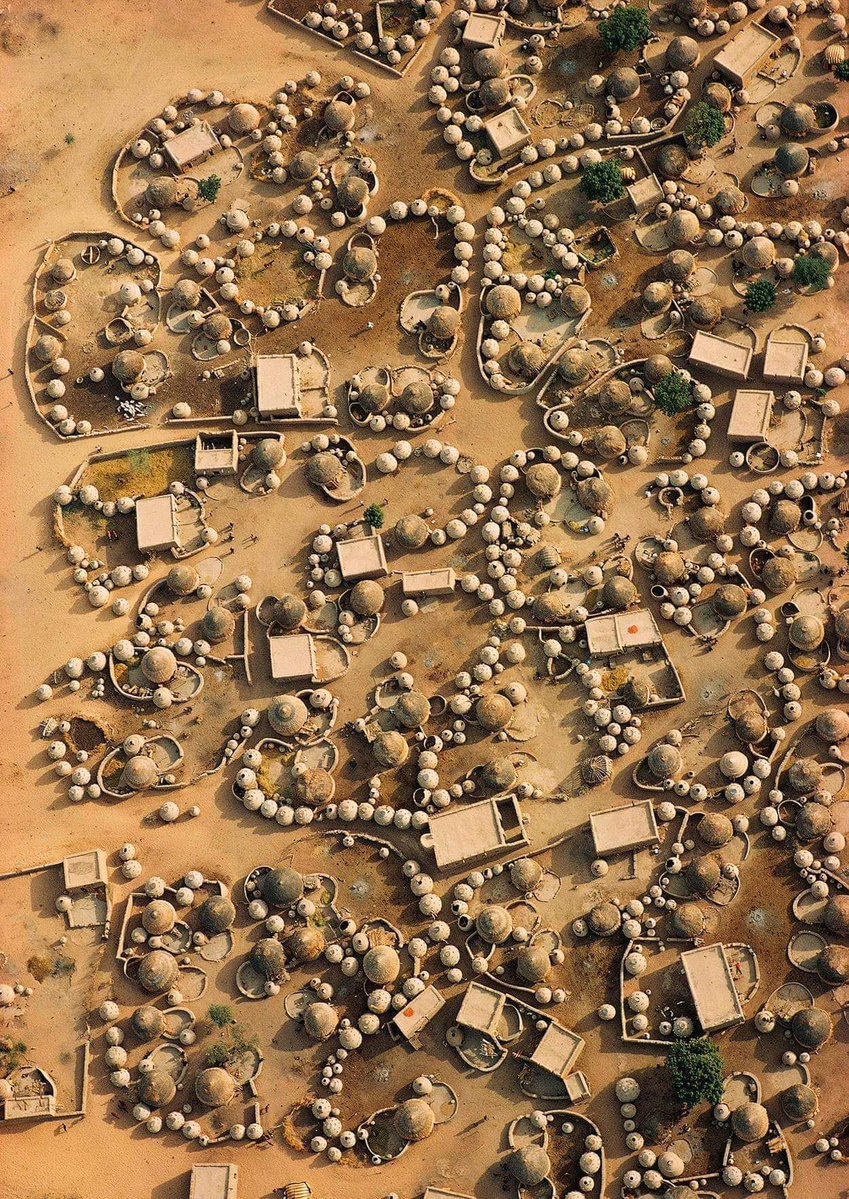
💡 What is aesthetics for Africans in the 21st century?
Between this fractal form of urban landscape design from Africa (image 1) and this modern urban landscape (image 2),
which one is more beautiful?

OMO ABULE SOWO@OMONABULESHOWO
💡 What is aesthetics for Africans in the 21st century? In your opinion, between this lobi chair Name #DAGALO (image1) and this Ikea chair (image2) , Which of the chairs is more beautiful??
English
▼_ ▼_▼_ retweetledi

Traditional Asante architecture was far more sophisticated than many people assume.Kumase—capital of the Asante Empire—contained monumental palaces, shrines, elite residences, broad streets, interconnected courtyards, and highly ornamented façades, Asante builders transformed them into structures of considerable scale and visual complexity.
Elite houses and ceremonial buildings could include elevated rooms facing the street, additional enclosed chambers, and, in some cases, a second storey.
Decoration was one of the most distinctive features of Asante buildings. Walls were ornamented with low-relief curvilinear designs formed in clay plaster. Spirals, interlocking lines, angular forms, and abstracted organic motifs created continuous visual rhythms across walls, platforms, columns, and door surrounds.
The Asantehene’s palace represented the culmination of this architectural system. The 1896 photographs, taken during the British occupation of Kumase, show the palace after years of conflict and deterioration. Yet even in damaged condition, its large courts, towering roof forms, decorated walls, and ceremonial platforms still conveyed its former grandeur.
Source: Gold of the Akan from the Glassell Collection:by Doran H. Ross


English
▼_ ▼_▼_ retweetledi

I’m assuming these are often left of the conversation of cool looking African blades because not enough people know about them? Because these should def be on the list of cool looking African weapons


proxmius Karama.@KaramaSeal
West African swords are criminally underrated in design.
English


▼_ ▼_▼_ retweetledi

Architecture for Change - Series 14 / African Flow
-
Jardin d’enfants, Soa, Cameroun. Construit en pisé et en bois d'azobé, et réalisé grâce à des savoir-faire locaux, ce jardin d'enfants conçu par Urbanitree associe conception bioclimatique, autonomie énergétique et dimension éducative. Plus qu'une école, c'est une architecture qui enseigne à travers sa propre construction.
Français
▼_ ▼_▼_ retweetledi

Adjaye Associates built a 4,000 square metre rammed earth museum in the historic heart of Benin City, constructed from locally sourced laterite, designed with south facing skylights pulling natural light deep into conservation labs, rainwater harvesting, solar panels and green roofs, sitting within the ancient moats of the Benin Kingdom, built to house repatriated Benin Bronzes and train the next generation of African archaeologists, conservators and heritage managers.
The Edo State government then revoked the land it sits on. The building has been closed since November 2025 after protests disrupted the opening ceremony.
A continent that spent decades demanding its stolen artifacts back from European museums built the institution to receive them and then shut it down through internal political dysfunction before a single artifact arrived.
This is the pattern that exhausts people who are trying to build something serious on African soil. The architecture was not the problem. The materials were not the problem. The vision was not the problem. The problem is the same one it always is.
Location: Benin City, Nigeria
Architects: Adjaye Associates
Photography: Marco Cappelletti


English


🎬 A Man Wakes Up With a Golden Growth on His Face. 🎬
Mother of Movies@DaTTeresa
He is a zombie but he fell in love with a human girl. 🎥 🎬
English


