
Dr. M.A. Lorente

3.6K posts

Dr. M.A. Lorente banner
Dr. M.A. Lorente

Dr. M.A. Lorente

@lorentema

Geologist with a flair for fossils, geologic time, and poetry. 📚, #palynologist

Katılım Mart 2011
303 Takip Edilen272 Takipçiler
Sabitlenmiş Tweet
Dr. M.A. Lorente
Dr. M.A. Lorente@lorentema·
Ellington Geological Services will exhibit at 2026 NAMS, April 8-11, 2026 • University of Texas at Austin. Please visit us: discover and explore our world-class #Biostratigraphy services - delivered globally with precision, deep expertise, and commitment to excellence. 📷

Dr. M.A. Lorente tweet media
English
0
0
1
14
Dr. M.A. Lorente retweetledi
The Micropalaeontological Society (TMSoc)
Happy Easter from The Micropalaeontological Society. Wishing you a great day filled with rest, Easter eggs and good company!
The Micropalaeontological Society (TMSoc) tweet media
English
0
4
8
80
Dr. M.A. Lorente retweetledi
Fernando Arreaza Ortega
Fernando Arreaza Ortega@arreazaortega·
He seguido atentamente la Misión Espacial del #ArtemisII y ha sido verdaderamente impresionante. En una época de tecnología tan avanzada, han surgido vídeos y fotos impactantes. El post fijado en la cuenta de @NASA es sencillamente fascinante.
Español
412
4.2K
18.7K
1.2M
Dr. M.A. Lorente retweetledi
El Principito ✨
El Principito ✨@iPrincipito·
Cada detalle que das con amor puede iluminar una vida entera. ✨
Español
74
5.3K
29.1K
378K
Santi Torres
Santi Torres@SantiTorAI·
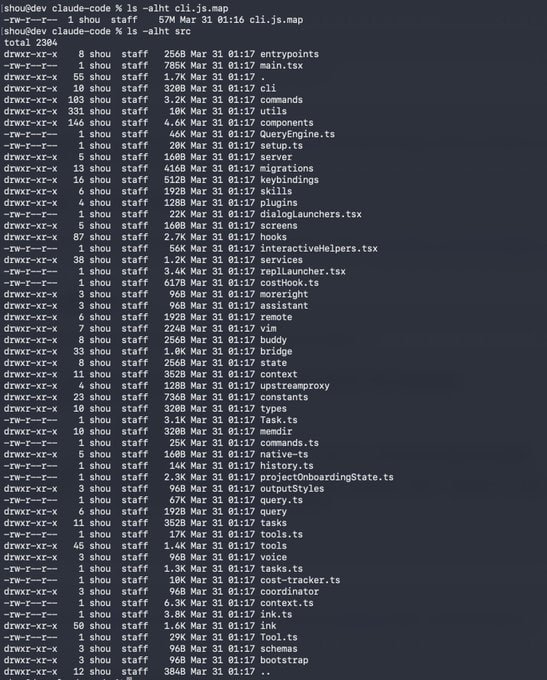
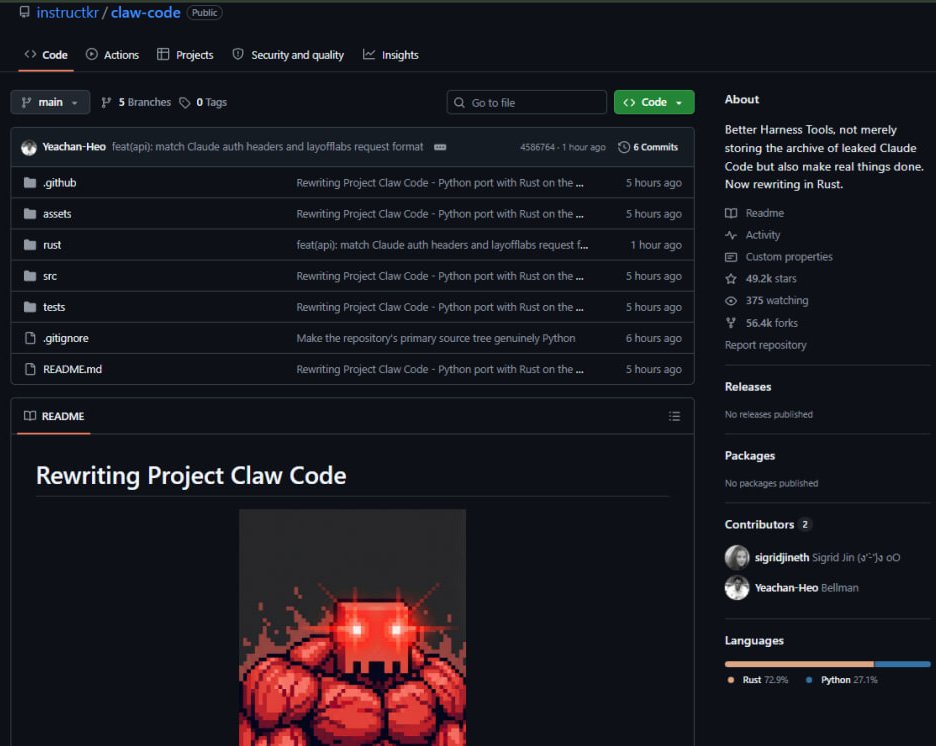
Anthropic filtró accidentalmente todo su código fuente ayer. Lo que pasó después es una de las historias más locas en la historia de la tecnología. > Anthropic lanzó una actualización de software para Claude Code a las 4AM. > Un archivo de depuración se incluyó accidentalmente dentro de ella. > Ese archivo contenía 512.000 líneas de su código fuente propietario. > Un investigador llamado Chaofan Shou lo detectó en cuestión de minutos y publicó el enlace de descarga en X. > 21 millones de personas han visto el hilo. > Toda la base de código fue descargada, copiada y replicada en GitHub antes de que el equipo de Anthropic siquiera se hubiera despertado. > Anthropic retiró el paquete y empezó a enviar notificaciones DMCA a cada repositorio que lo alojaba. > Fue entonces cuando un desarrollador coreano llamado Sigrid Jin se despertó a las 4AM con su teléfono explotando de notificaciones. > Es el usuario más activo de Claude Code en el mundo, y el Wall Street Journal informó que personalmente utilizó 25 mil millones de tokens el año pasado. > Su novia estaba preocupada de que lo demandaran solo por tener el código en su máquina. > Así que hizo lo que haría cualquier ingeniero. > Reescribió todo desde cero en Python antes del amanecer. > Lo llamó claw-code y lo subió a GitHub. > Una reescritura en Python es una nueva obra creativa. El DMCA no puede tocarla. > El repositorio alcanzó 30.000 estrellas más rápido que cualquier repositorio en la historia de GitHub. > No quedó satisfecho. Empezó a reescribirlo otra vez en Rust. > Ahora tiene 49.000 estrellas y 56.000 forks. > Alguien replicó el original en una plataforma descentralizada con un solo mensaje: "nunca será eliminado." > El código ahora es permanente. Anthropic no puede recuperarlo. Anthropic construyó un sistema llamado Undercover Mode específicamente para evitar que Claude filtrara secretos internos. Y luego filtraron su propio código fuente ellos mismos. Esto no se puede inventar.
Santi Torres tweet mediaSanti Torres tweet media
Español
48
695
3.5K
236.9K
Dr. M.A. Lorente
Dr. M.A. Lorente@lorentema·
Not only be water but also be a crow, my friend.
Mr PitBull@MrPitbull07

When a crow finds another crow lying lifeless, it often does not just fly away. It calls out. Other crows gather. They become alert. They watch the area carefully. Scientists have studied this behavior, sometimes called a “crow funeral,” and what they’ve found is striking. The crows do not appear to gather out of sentimentality in the human sense. They gather to learn. They look for danger. They try to understand what happened. And if they identify a threat, they remember it. Crows are highly intelligent. They can recognize faces, remember risks, and warn others. So when they gather around a fallen crow, they may be doing something deeply adaptive: turning loss into awareness, and awareness into protection. There is something important in that. Many humans are taught to look away from what is painful. To avoid it. To numb themselves. But crows do something else. They pay attention. They investigate. They learn together. That is a form of intelligence. Not just mental intelligence, but social intelligence. The kind that understands survival is not only about individual strength, but about shared awareness. About noticing danger. About communicating it. About helping the group become wiser because one life was lost. Maybe that is part of what emotional intelligence really is too. Not collapsing in the face of pain. Not ignoring it. But staying present enough to learn from it, and caring enough to make that knowledge useful to others. A fallen crow does not go unnoticed. The others gather. They pay attention. And they carry the lesson forward.

English
0
0
0
6
Dr. M.A. Lorente
Dr. M.A. Lorente@lorentema·
Oh yes!
The Husky@Mr_Husky1

We are called "the elderly." But that quiet label hides something most people rarely stop to consider. We are the last living witnesses of a world that no longer exists. Look at us and you might see gray hair, slower steps, and the patience that time teaches. But listen to our story — really listen — and you'll realize something extraordinary. We are the only generation in human history to have lived a fully analog childhood and a fully digital adulthood. That's not a small thing. That's one of the most breathtaking journeys a human being has ever been asked to make. We were born in the 1940s, 50s, and early 60s, into a world still rebuilding from the rubble of World War II. Our toys were marbles and hopscotch and card games at kitchen tables. When the streetlights flickered on, that was it — childhood adventures were over, and it was time to go home. No smartphones. No streaming. No endless scroll. We built our memories in the real world. With scraped knees and laughter echoing down streets and friendships formed face to face. In 1969, we sat in living rooms staring at black-and-white televisions as Neil Armstrong took humanity's first steps on the Moon. Hundreds of thousands of us stood in muddy fields at Woodstock believing — really believing — that music and community could reshape the future. We fell in love to vinyl records spinning on turntables. We waited days, sometimes weeks, for handwritten letters to arrive. We learned patience because information didn't come instantly. Mistakes were fixed with erasers — not a delete button. Then the world transformed. Machines that once filled entire rooms shrank to devices lighter than a paperback. We went from rotary phones and party lines to seeing the face of someone we love on the other side of the ocean — instantly, on something that fits in a pocket. We watched the birth of the personal computer. The arrival of the internet. The smartphone. Artificial intelligence. And through every single shift — we adapted. Not because it was easy. Because that's what our generation does. We also carry the weight of history in our bodies. We grew up afraid of polio and tuberculosis. We watched science defeat them. We witnessed the discovery of the structure of DNA, the decoding of the human genome, the transformation of medicine itself. We survived pandemics across decades — and kept going. Few generations have been asked to absorb so much change in a single lifetime. And through all of it, certain things never changed. We still know the joy of a cold glass of lemonade on a hot afternoon. The taste of vegetables picked straight from a garden. The value of a long conversation that unfolds slowly, without a screen interrupting it. We have celebrated births and mourned losses. Carried the stories of friends who are gone. Watched the world become something our younger selves couldn't have imagined — and found ways to belong in it anyway. We are not relics. We are living bridges between two entirely different worlds. Our memory carries something the modern world needs — proof that progress doesn't have to erase wisdom. That speed doesn't have to replace patience, kindness, or reflection. So when someone calls us elderly, we can smile. Because behind that word is something remarkable. We crossed two centuries. Witnessed eight decades of transformation. Walked from handwritten letters to artificial intelligence — and never lost our sense of what actually matters.

English
0
0
1
18
Dr. M.A. Lorente
Dr. M.A. Lorente@lorentema·
Please take note that Vann Smith talk will be on March 25th at the GCSSEPM at 8:45 a.m. - 9:15 a.m.
English
0
0
0
5
Dr. M.A. Lorente
Dr. M.A. Lorente@lorentema·
Please check out our presentation at GeoGulf, March 23-25, 2026. Wilcox Group Palynology: From Onshore to Deepwater. March 28, 8:45 a.m. - 9:15 a.m. Session: GCSSEPM 1 Presented by Vann Smith (Ellington Geological Services)
Dr. M.A. Lorente tweet media
English
1
0
3
91
Dr. M.A. Lorente
Dr. M.A. Lorente@lorentema·
Wow!
NASA Space Alerts@NASASpaceAlerts

#MeteorSighting: Eyewitnesses in Texas observed a bright fireball today, March 21, at 4:40 p.m. CDT. Current data indicates that the meteor became visible at 49 miles above Stagecoach, northwest of Houston. It moved southeast at 35,000 mph, breaking apart 29 miles above Bammel, just west of Cypress Station. The fragmentation of the meteor - which weighed about a ton with a diameter of 3 feet - created a pressure wave that caused booms heard by some in the area. Doppler weather radar also showed meteorites produced between Willowbrook and Northgate Crossing. 🔗 go.nasa.gov/47c9wbR Eyewitness accounts supplied by the American Meteor Society

QST
0
0
1
16
Dr. M.A. Lorente retweetledi
Comunidad Biológica
Comunidad Biológica@Bio_comunidad·
Este camaleón cambia de color siguiendo el color de la pajilla… ¿No es increíble lo preciso que puede ser su camuflaje? 🦎
Español
21
330
2.5K
92.8K
Dr. M.A. Lorente retweetledi
Massimo
Massimo@Rainmaker1973·
This is the lake of Maracaibo where lightning strikes occur upto 200 times per hour
Massimo tweet media
English
83
1.1K
4.7K
80.9K
Dr. M.A. Lorente retweetledi
Animal
Animal@wildanimalpis·
ZXX
172
3.5K
32.6K
564.3K
Dr. M.A. Lorente
Dr. M.A. Lorente@lorentema·
Ellington Geological Services will exhibit at GeoGulf, March 23-25, 2026 • Crowne Plaza Executive Center, Baton Rouge, Louisiana. Please visit Booth #9 and explore our hashtag#Biostratigraphy services and hashtag#NMR-Focused Core Analysis applications.
Dr. M.A. Lorente tweet media
English
0
0
0
13
Dr. M.A. Lorente retweetledi
CBS News
CBS News@CBSNews·
You might not think much of the cork stopper in your wine bottle, but cork is actually a kind of wonder material. Now, some companies are using left over cork to help change the world. CBS News' @RamyInocencio has more.
English
8
20
68
18.5K
Dr. M.A. Lorente retweetledi
JMV
JMV@YedaiJamao·
Me llamo Jesús Martínez del Vas y soy dibujante “manual”. ¿Me ayudas a difundir mi trabajo con un retuit? Cada vez que compartas, curas a un gatito, haces feliz a un unicornio, y ademas apoyas a un artista frente a la IA. ¡Mil gracias!
JMV tweet mediaJMV tweet mediaJMV tweet mediaJMV tweet media
Español
61
3.6K
3.4K
60.7K
Dr. M.A. Lorente retweetledi
Forbes
Forbes@Forbes·
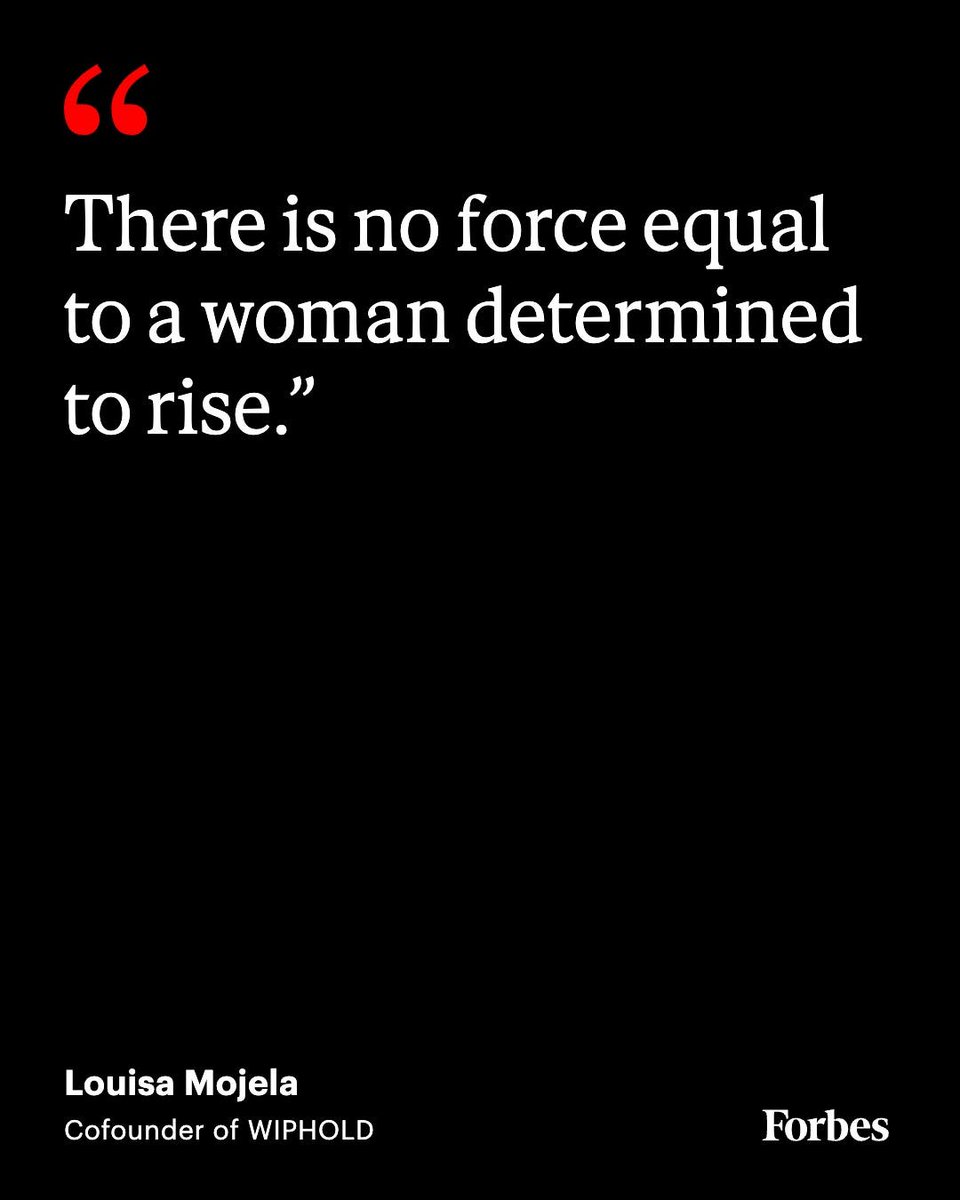
Quote of the day. #qotd
Forbes tweet media
English
70
413
1.3K
50.4K