Luke Tobin

13.5K posts

Luke Tobin banner
Luke Tobin

Luke Tobin

@lukettobin

3x Exited Founder & Author | Empowering entrepreneurs with success psychology | Frameworks to help you scale with confidence. Subscribe to my newsletter:

Join My Free Newsletter Katılım Nisan 2019
2.5K Takip Edilen49.5K Takipçiler
Luke Tobin
Luke Tobin@lukettobin·
Most agency problems aren't delivery problems. They're expectation problems. The sales team overpromises to win the work. The delivery team inherits the fallout. And the client is sitting there wondering why what they bought doesn't match what they got. It's the same story every time: The work was fine. The setup wasn't. Onboarding isn't admin. It's the most important conversation you'll have with a client. Get that right, and most of the drama never happens. ♻️Repost and save to help other founders in your network. 🔔Follow @lukettobin for more founder wisdom.
English
0
0
0
218
Luke Tobin
Luke Tobin@lukettobin·
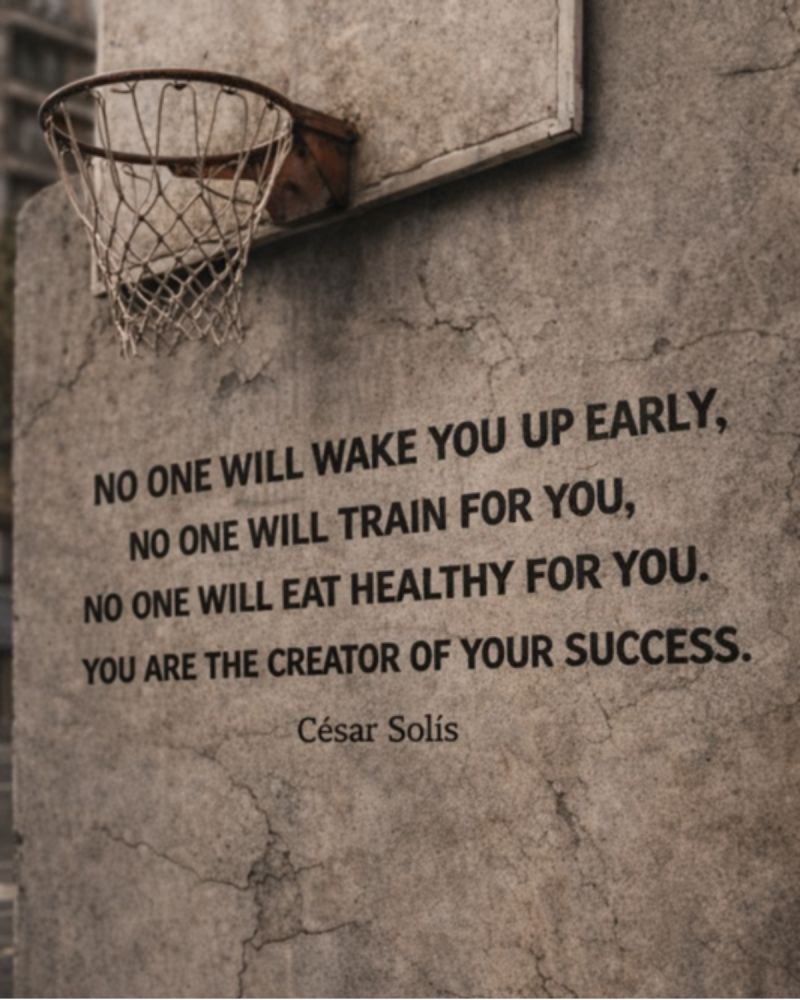
The most uncomfortable truth in leadership.. Nobody is coming to save you. I saw this quote today and it hit home. In the corporate world, we talk a lot about "support systems," "mentorship," and "company culture." Those things are vital. But they are secondary. A mentor can give you the map, but they can’t walk the path for you. A company can provide the gym, but they can’t lift the weights for you. A manager can set the goal, but they can't find the "why" for you. At the end of the day, you are the CEO of your own career. You are the creator of your own luck. The highest achievers I know don't wait for a spark. They create their own friction: 1. They wake up early, not because they aren't tired, but because they have a mission. 2. They train, not because it's fun, but because they refuse to be stagnant. 3. They take ownership because blaming the "hoop" for a missed shot never made anyone a better player. Success isn't found in the resources you have; it’s found in how resourceful you are when the lights are off and nobody is watching. Stop waiting for the "perfect" environment to start. Build it yourself. ♻️Repost and save to inspire others in your network. 🔔Follow @lukettobin for more mindset tips. Image credit: César Solís
Luke Tobin tweet media
English
1
3
6
424
Luke Tobin
Luke Tobin@lukettobin·
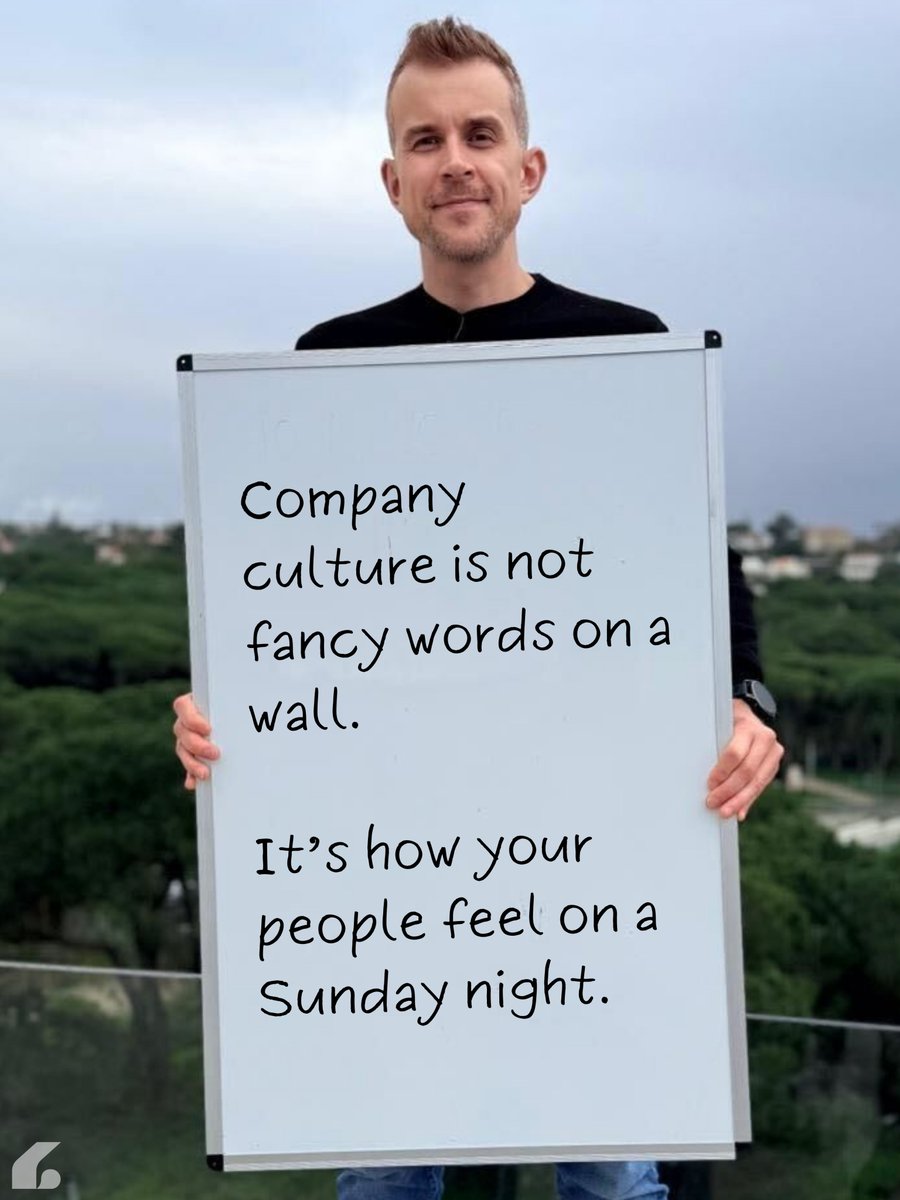
Company culture is not fancy words on a wall. It’s how your people feel on a Sunday night. As leaders, "culture" is synonymous with Psychological Safety. When we fail to prioritise this, the cost is higher than most realise. When your people are not supported: 1. Silence becomes the norm: - People stop flagging risks because they fear being blamed. 2. Burnout accelerates: - The mental energy spent "masking" or worrying about job security drains productivity. 3. Innovation dies: - No one takes a creative leap if they know they’ll be judged for landing flat. When your people are supported: 1. Calculated risks flourish: - Employees push boundaries because they know the "floor" is solid. 2. Retention happens naturally: - People don’t leave jobs where they feel seen, heard, and valued. 3. Problems are solved faster: - High-trust teams skip the politics and go straight to the solution. How can leaders build a truly safe space? 1. Destigmatise "I don't know": - When leaders admit they don't have all the answers, it gives the team permission to be human. 2. Reward Candor: - Don’t just ask for feedback; publicly thank the person who provides the "uncomfortable" truth. 3. Listen to Understand, Not to Respond: - Creating a safe space starts with making people feel heard, not just managed. Culture isn't what we say; it's how we make our people feel when the laptop is closed. Your people are the heartbeat of the organisation. Take care of them and watch how they take care of the company. ♻️Repost and save to help others in your network. 🔔Follow @lukettobin for more leadership wisdom.
Luke Tobin tweet media
English
0
3
6
480
Luke Tobin
Luke Tobin@lukettobin·
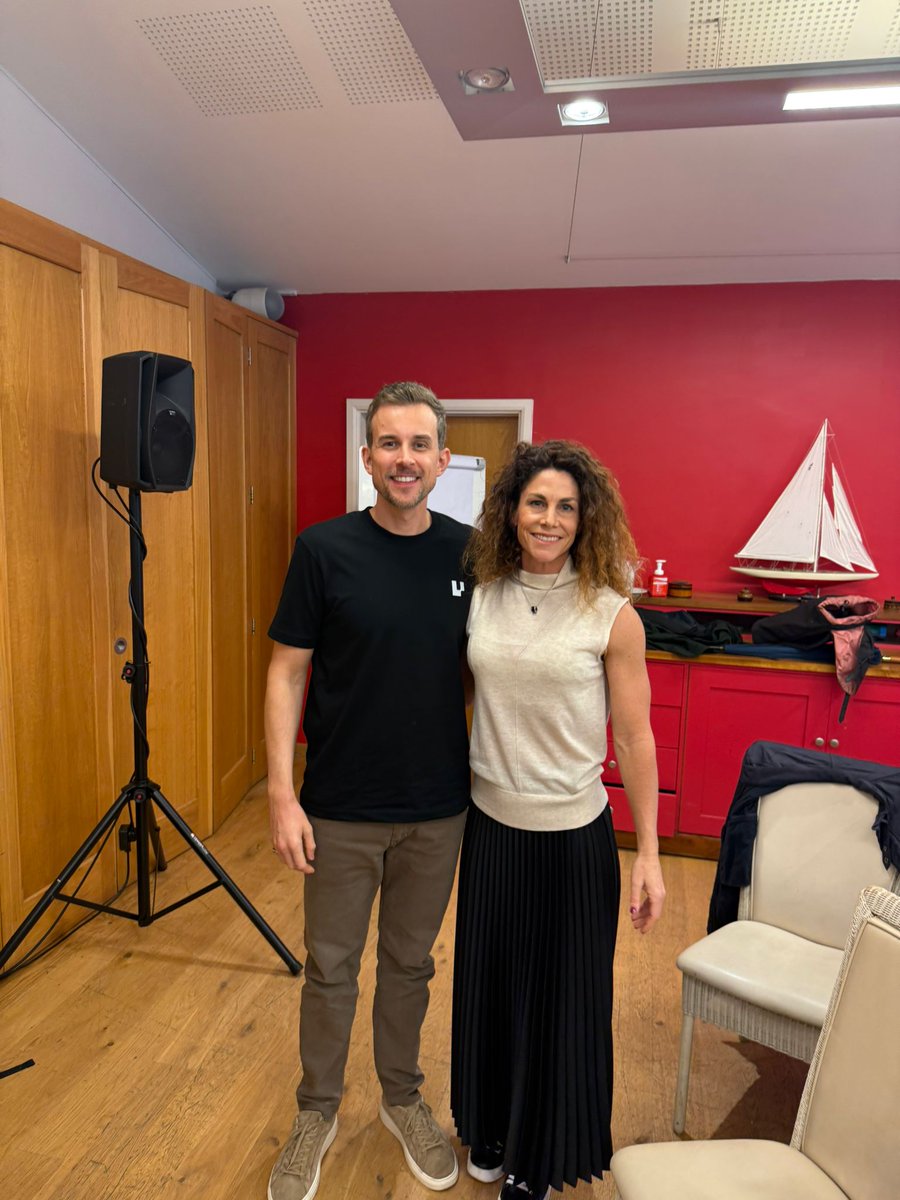
Today is a milestone moment for Unusual Group. We’ve brought together our team and members from all over the world, to host our first ever Uncaged event. Special shoutout to the Wisper Studios team for coming all the way from San Diego! The goal for today? Connect, learn and collaborate. We’re deep-diving into: High-Pressure Leadership: A keynote from Claire Johnson, the only F1 performance coach with a racing license. Sharing how to think and move like a F1 driver. Elite Decision Making: Insights from Christophe Ridley, International Rugby Union Referee, on leading under the spotlight. Team Synergy: A Scavenger Hunt at the Zoo. When we said we were getting "Uncaged," we meant it! I’m incredibly proud of the community we’ve built. - @lukettobin
Luke Tobin tweet mediaLuke Tobin tweet media
English
0
0
2
351
Luke Tobin
Luke Tobin@lukettobin·
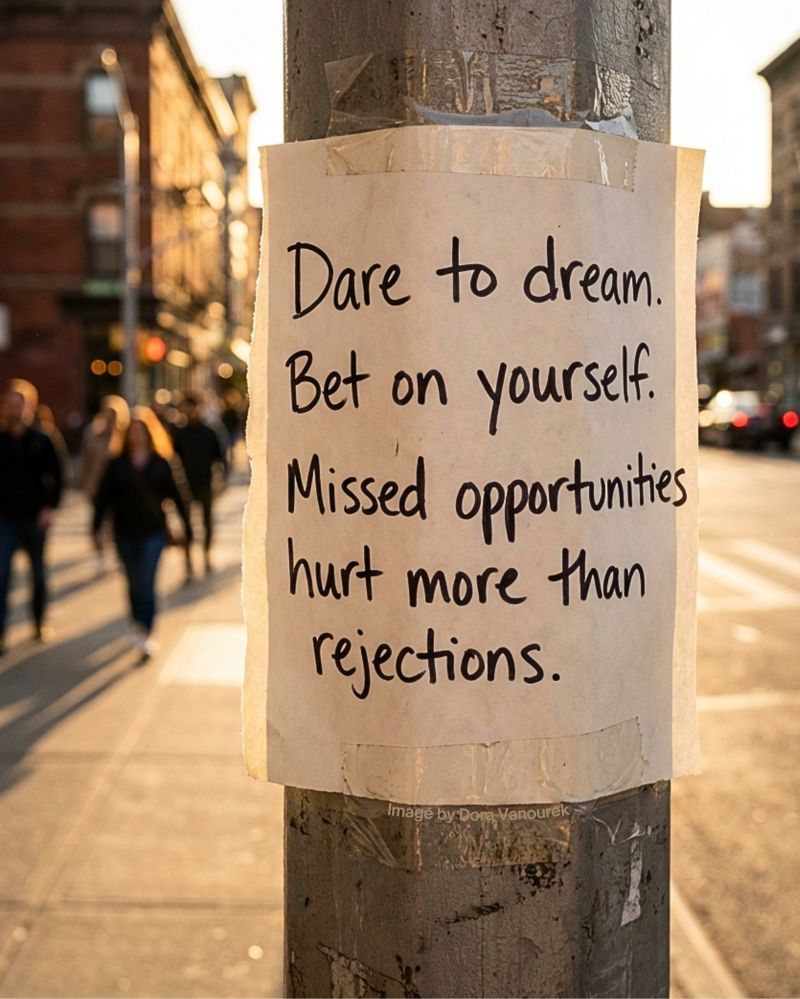
Every time you wait for "the perfect moment," someone with half your talent but twice your audacity is moving ahead of you. The world doesn't always reward the most skilled or the most prepared. It rewards the people who show up, speak up, and take the risk of being told "no." Let's address this.. Missed opportunities hurt more than rejections. A rejection is a data point; a missed opportunity is a "what if" that haunts you. If you’re waiting for permission to dream big or bet on yourself, this is it. How to stop hesitating and start acting: 1. The 5-Second Rule: If you have an impulse to act on a goal, move physically within 5 seconds or your brain will kill the idea. 2. Audit Your "What-Ifs": Ask yourself: “What is the actual cost of a ‘No’?” Usually, it’s just a bruised ego. The cost of a "Never Tried" is a stalled career. 3. Lower the Stakes: Stop trying to make your first move a "grand slam." Just aim to get on base. Send the DM, post the rough draft, or book the meeting. 4. Embrace "Good Enough": Perfectionism is just procrastination in a fancy suit. Done is better than perfect when "perfect" never leaves your hard drive. Stop letting your talent stay a secret. The gap between where you are and where you want to be is usually just a few moments of audacity. What’s one thing you’ve been overthinking lately? Let’s commit to doing it this week. ♻️Repost to inspire others in your network. 🔔Follow @lukettobin for more mindset and growth tips. Image credit: Dora Vanourek on LinkedIn
Luke Tobin tweet media
English
1
0
5
277
Luke Tobin
Luke Tobin@lukettobin·
Self-doubt gets a bad rep. Everyone acts like it's this thing you need to eliminate before you can move forward. As if confident people just don't have it. I remember walking into my first leadership meeting after selling my agency to group that had 1100 staff. I was showing up as Co-CEO and I genuinely had no idea if I belonged in that room. That feeling? That's not a red flag. That's just your brain going "oi, this is new territory." Every time I feel like an imposter, or I catch myself comparing where I am to where someone else is, that's me outside my comfort zone. Which is exactly where growth happens. You don't get rid of the doubt by waiting until you feel ready. You get rid of it by doing the thing anyway. Walking into that room didn't make the doubt disappear forever. But it proved to me I could do it. And you can't un-know that. Use it as fuel. ♻️Share and save this to help turn doubt into fuel 🔔Follow @lukettobin for more on overcoming self-doubt.
English
0
0
3
406
Luke Tobin
Luke Tobin@lukettobin·
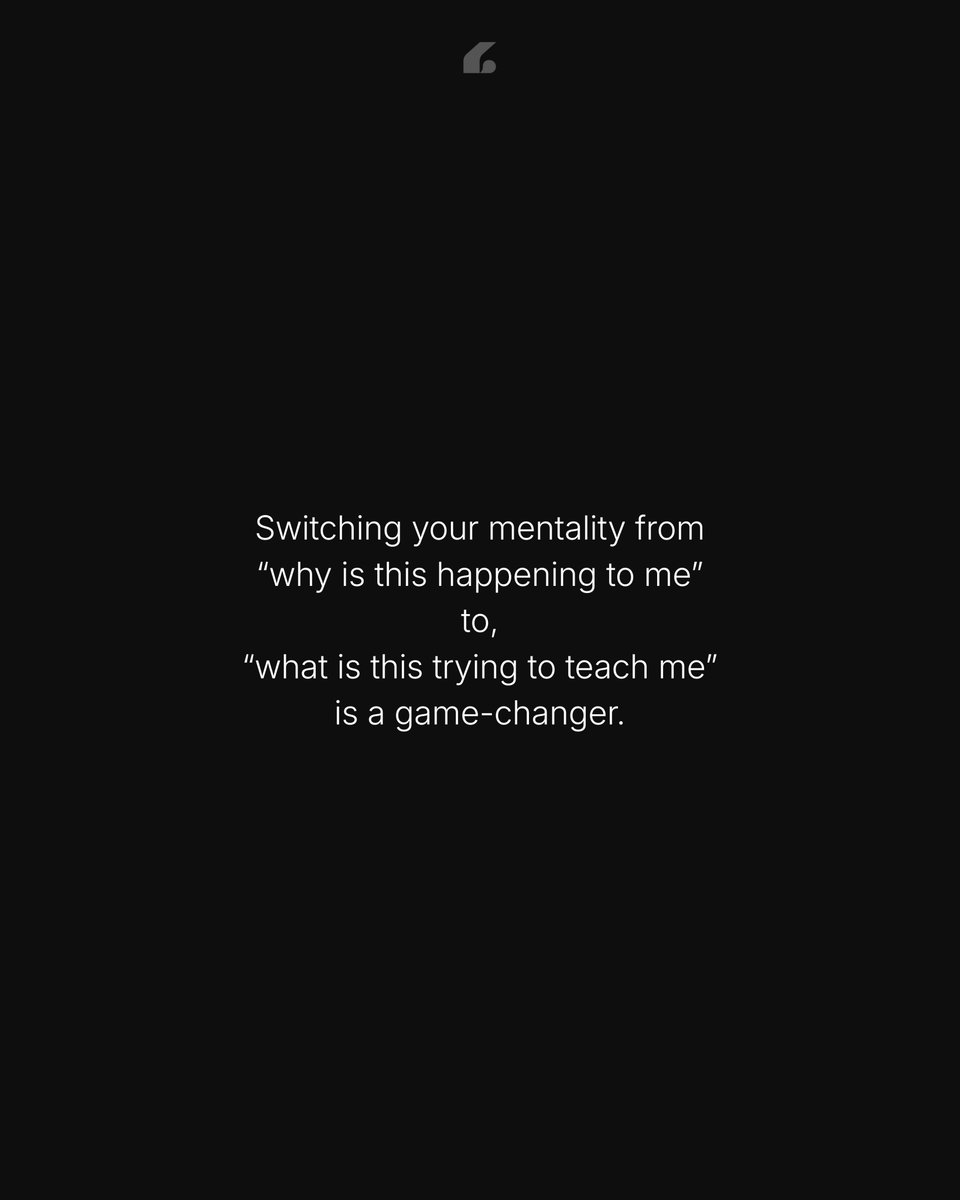
The most expensive lesson you’ll ever learn is the one you refuse to see. Life has a funny way of repeating the same "problems" until we finally learn the lesson they’re carrying. Phase 1: Resistance (Why me?) Phase 2: Awareness (What’s the pattern?) Phase 3: Integration (How do I grow?) Save this for the next time life throws a curveball. Follow @lukettobin for more.
Luke Tobin tweet media
English
1
1
5
430
Luke Tobin
Luke Tobin@lukettobin·
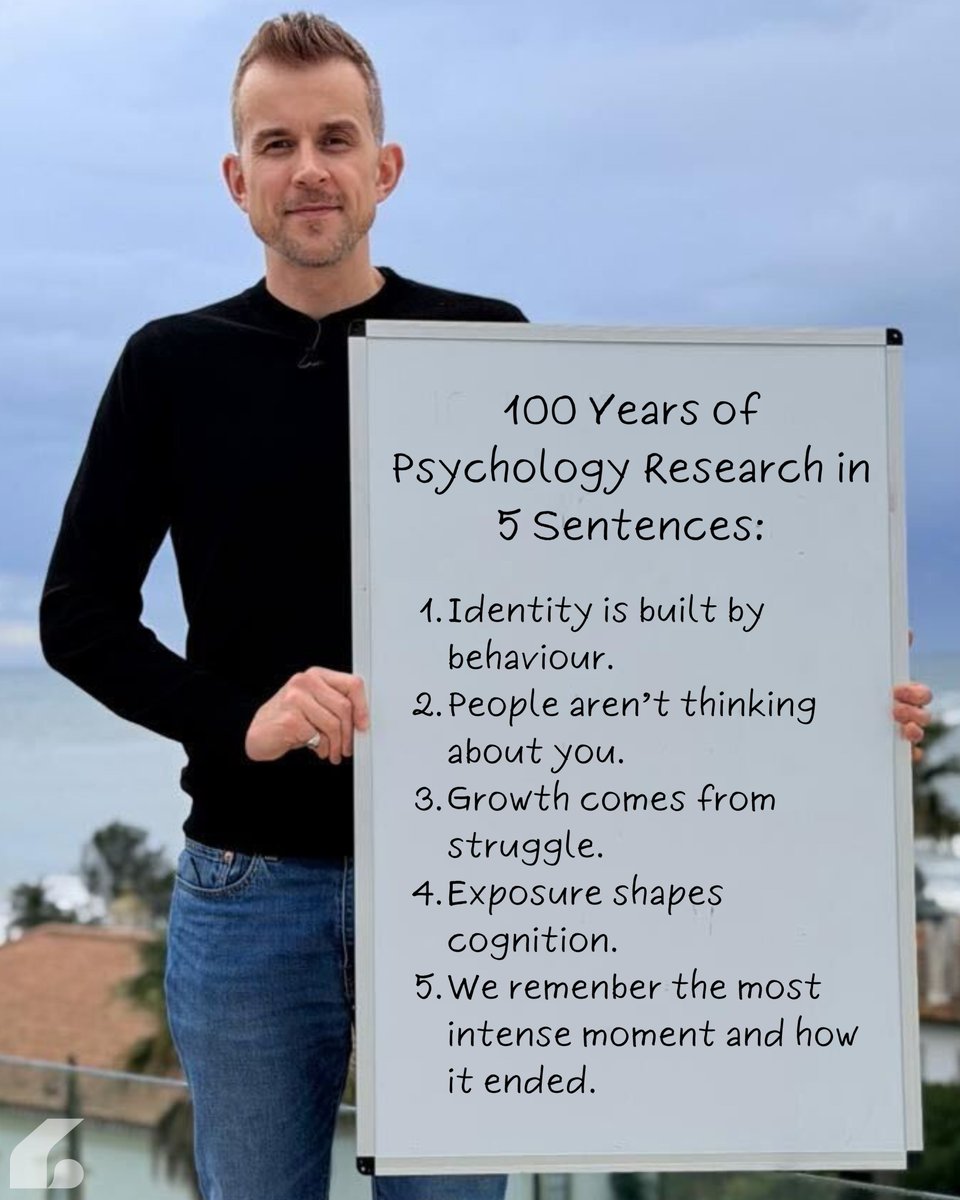
I burnt out building my business. And if it was necessary, I'd do it again. I've always been willing to do what most people aren't. The extra hours, the early mornings, the things that don't scale but that matter anyway. I'm never trying to prove something. It just how I'm wired. What I've learned is identity isn't a feeling. It's not something you wake up with one day. It's the sum of what you actually do. 100 years of psychology research basically says the same thing in five sentences: 1. Identity is built by behaviour. 2. People aren't thinking about you. 3. Growth comes from struggle. 4. Exposure shapes cognition. 5. We remember the most intense moment and how it ended. Read that list a few times. One of them will land differently for you than the others. ♻️Repost and save to help others in your network. 🔔Follow @lukettobin for more mindset tips.
Luke Tobin tweet media
English
2
1
6
544
Luke Tobin
Luke Tobin@lukettobin·
Trust isn’t a "soft skill." It’s a tax on your bottom line. You don’t build it with a single grand gesture. You build it in the tiny, boring, everyday moments when nobody is looking. Without trust, your strategy is just a piece of paper and your leadership is just a title. If you want to move faster, stop managing people and start building trust. Here are 12 ways to build trust that actually work: 1. Be real: - Authenticity creates the safety others need to be themselves. 2. Tell the truth: - Integrity is the foundation that everything else sits upon. 3. Show empathy: - People will forget what you said, but they’ll never forget how you made them feel. 4. Be kind always: - Kindness is a sign of strength, not a lack of it. 5. Admit your mistakes: - Owning your errors builds more credibility than pretending to be perfect. 6. Show up on time: - Punctuality is the first way you show respect for someone else’s time. 7. Keep private information confidential: - A vault that stays closed is a vault people will trust with their secrets. 8. Follow through: - Reliability is simply doing what you said you would do, every single time. 9. Respect boundaries: - Understanding where you end and others begin is the key to healthy culture. 10. Apologise genuinely: - A real apology has no "buts" or excuses attached to it. 11. Ask for feedback: - Inviting critique shows you value growth over your own ego. 12. Stay consistent in your actions: - Trust is built in drops and lost in buckets; stay the course. Consistency is the difference between a moment and a movement. Stop asking for trust. Start earning it. ♻️Repost and save to help others in your network. 🔔Follow @lukettobin for more personal growth insights.
Luke Tobin tweet media
English
0
0
3
601
Luke Tobin
Luke Tobin@lukettobin·
Here's your reminder: Your weekends belong to you. Follow @lukettobin for more
English
0
0
3
474
Luke Tobin
Luke Tobin@lukettobin·
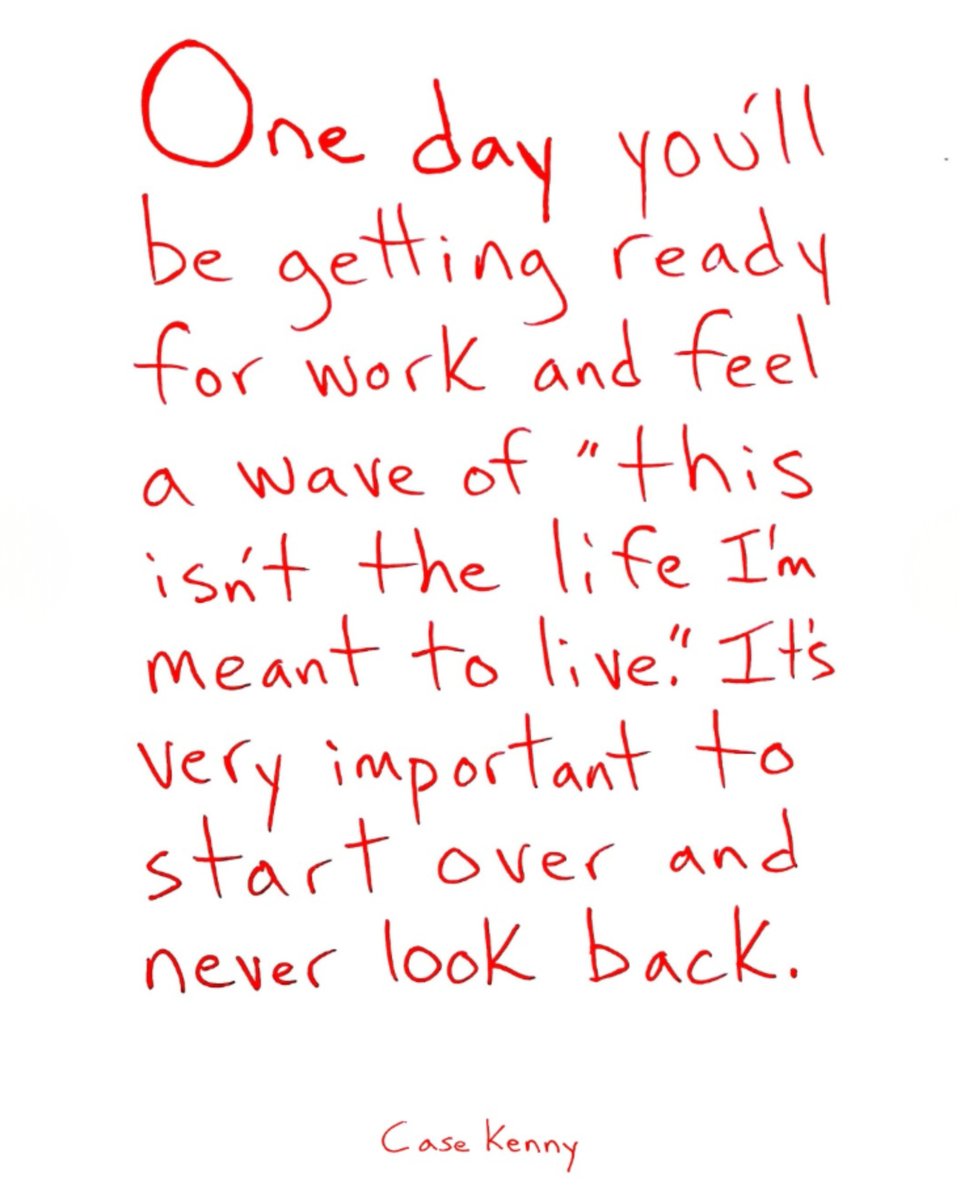
Don’t be afraid to start over. You might like your new story better. Most people are paralysed by the fear of being a beginner again. They’d rather be comfortably unhappy than uncomfortably "new." We often stay in situations long after they’ve stopped serving us because of the Sunk Cost Fallacy. We think: "I’ve already put five years into this." But those five years aren't lost, they are the foundation for what’s next. Follow this 10-step guide to build your new story: 1. Audit your assets: - You aren't starting from scratch; you're starting from experience. - Inventory the soft skills that travel with you. 2. Redefine "beginner": - Being a beginner isn't a demotion; it’s an advantage. - Use your "fresh eyes" to spot things veterans miss. 3. Silence the "committee": - Stop asking for permission from people who are too afraid to leave their own comfort zones. 4. Kill the sunk cost fallacy: - Remind yourself that "time spent" is gone regardless. - You are only responsible for the time you have left. 5. Micro-pivot first: - If a total restart is too daunting, change one major variable. - Often, a 15-degree shift changes the entire destination. 6. Seek mentors, not critics: - Find someone who has successfully pivoted. - They won't judge your "restart", they’ll recognise the courage it takes. 7. Embrace the "messy middle": - The gap between the old you and the new you will feel awkward. - That awkwardness is just the sound of growth. 8. Update your identity: - If you keep calling yourself a "recovering [Old Job Title]," you’ll never fully inhabit the new one. - Own the new title today. 9. Set "learning" goals, not "winning" goals: - In the first 90 days of a restart, your only KPI should be how much you've absorbed. 10. Build a "hype file": - Document your small wins. - When the "I should have stayed" thoughts creep in, read your wins to stay the course. The cost of a new beginning is high, but the price of staying in a story that no longer fits is far higher. Don't spend the next five years justifying the last five. Your future self is waiting for you to turn the page. ♻️Repost and save to help others in your network. 🔔Follow @lukettobin for more success and mindset tips. (Image credit: Case Kenny on Instagram)
Luke Tobin tweet media
English
1
1
7
374
Luke Tobin
Luke Tobin@lukettobin·
A tough pill to swallow: 65% of professionals tie their identity to their job. Your job ≠ your identity. Your paycheck ≠ your purpose. Your career ≠ your entire existence. So, what exactly happens when your job defines you: - Loss of personal identity - Burnout - Neglected relationships - Limited growth - Increased stress You existed before this job, and you’ll exist after it. Here’s how to keep a clear boundary between who you are and what you do: 1. Set work-life boundaries. - Work stays at work. Protect your personal time. 2. Stop over-identifying with your role. - You are more than a job title on LinkedIn. 3. Prioritise your passions. - Make time for hobbies, creativity, and interests outside of work. 4. Build relationships beyond work. - Connect with people for who they are, not just their job titles. 5. Don’t let your self-worth depend on work success. - Bad day at work? That doesn’t mean you are failing. 6. Take real breaks. - Detach from emails. Go offline. Recharge properly. 7. Keep learning outside your industry. - Read, explore, and develop skills unrelated to your job. 8. Have goals beyond your career. - What do you want in life outside of work? Define that. 9. Protect your mental energy. - Don’t let work stress consume your thoughts 24/7. 10. Know when to walk away. - If a job no longer aligns with who you are, be willing to leave. Your job is what you do, not who you are. Remember: You are not your title. You are not your salary. You are not your work wins or failures. ♻️ Repost and save to help others in your network. 🔔 Follow @lukettobin for more insights on personal growth.
Luke Tobin tweet media
English
2
2
6
423
Luke Tobin
Luke Tobin@lukettobin·
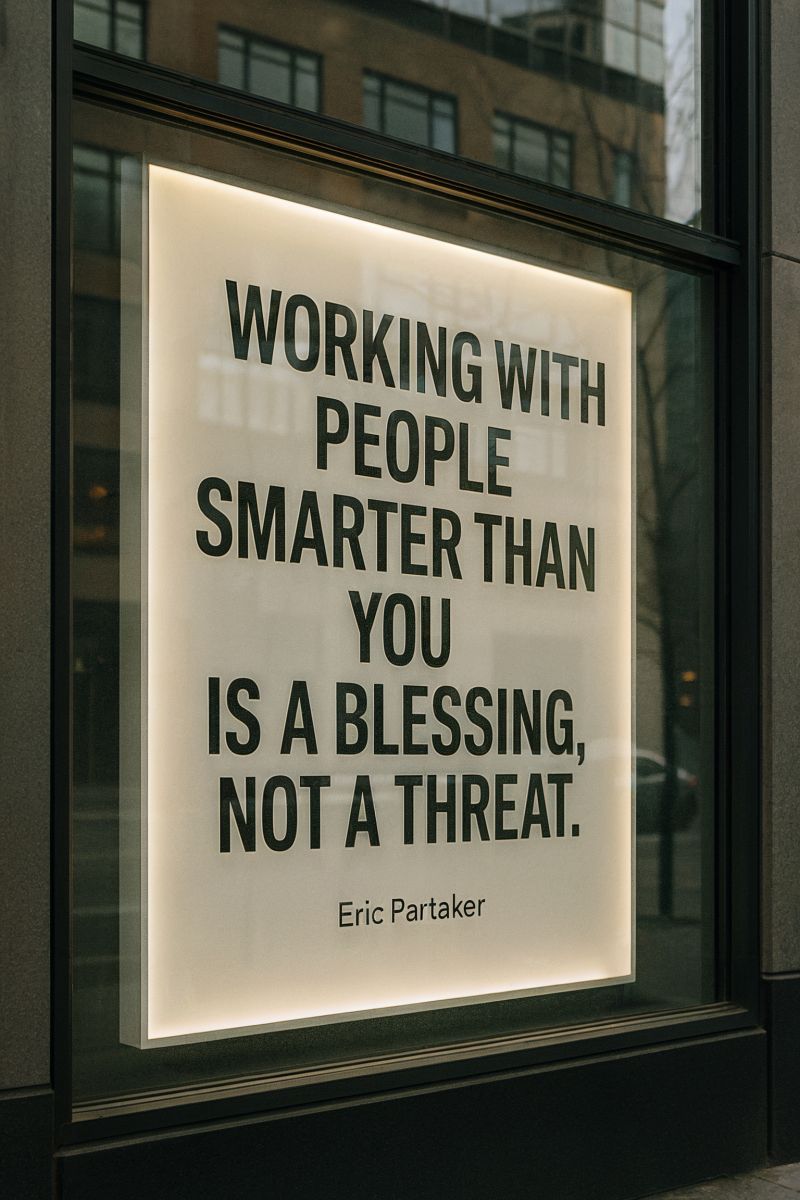
A reality check: You could be 15% better by doing this: ↳ Surrounding yourself with people smarter than you. Working with smart people is not a threat. Most people never make it past this mindset shift, and it silently kills their potential. Not being the smartest in the room: ≠ weakness. ≠ incompetence. ≠ losing control. Here’s how to turn it into your greatest advantage (and position yourself for growth): 1. Seek out A-players who challenge your thinking. 2. Hire for strengths you don’t have. 3. Encourage open debate and feedback. 4. Let go of the need to always be “right”. 5. Celebrate ideas, not egos. 6. Empower others to lead. 7. Be transparent about what you don’t know. 8. Make curiosity your superpower. 9. Learn faster by asking better questions. 10. Make room for brilliance to rise without needing to own it. Smart people aren’t a threat. They’re a much needed wake-up call for your growth. A Harvard-backed study found this: Just sitting near high performers can boost your performance by up to 15%. It’s called the spillover effect. Remember: Insecurity hoards power. Leadership multiplies it. You don’t grow by being the best. You grow by surrounding yourself with the best. ♻️Repost to help motivate others in your network. 🔔Follow @lukettobin for more personal growth insights. cc Eric Partaker (shout out for the image and wise reminder!)
Luke Tobin tweet media
English
0
0
3
344
Luke Tobin
Luke Tobin@lukettobin·
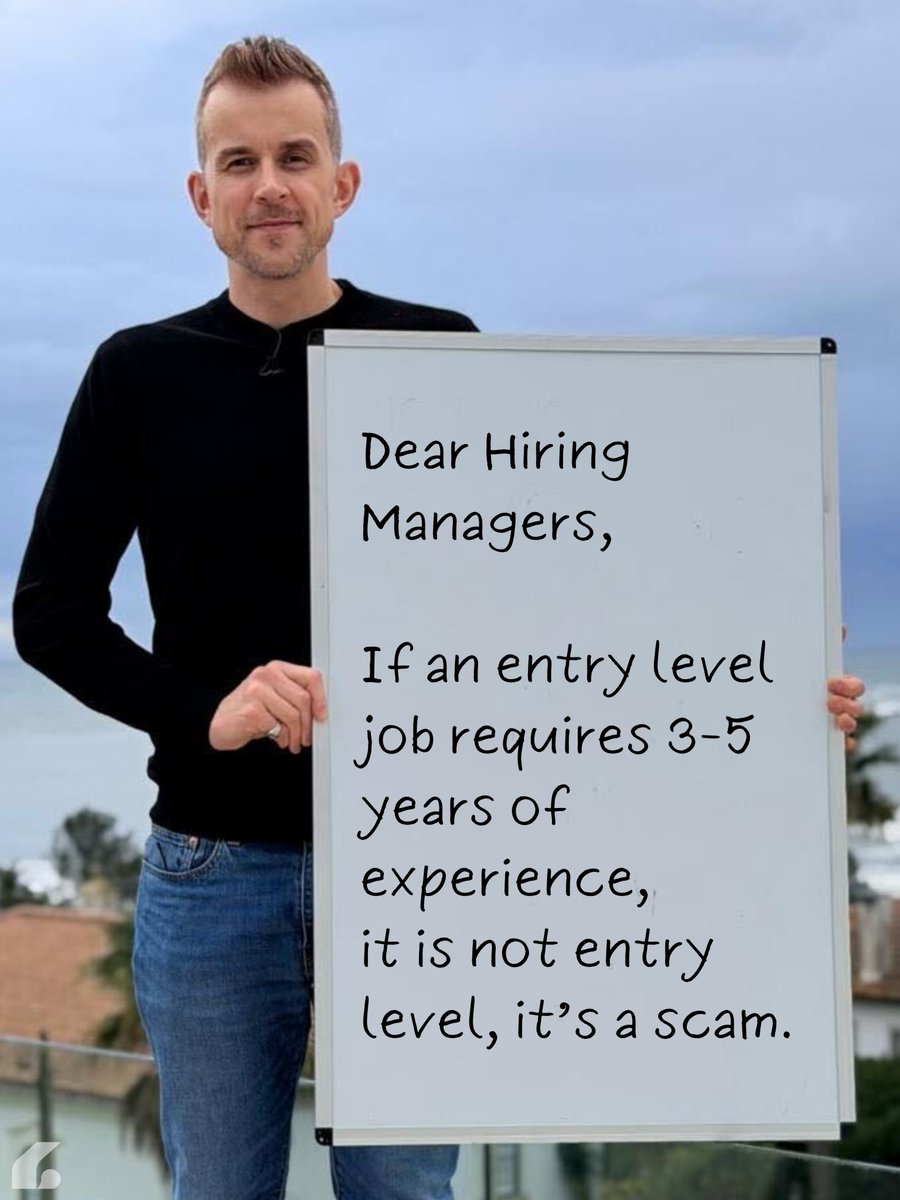
Entry-level should mean entry-level. Not 3-5 years of unpaid experience. Here's the hard truth: If an entry-level job requires years of experience, it’s not entry-level. It’s exploitation. Why unrealistic job requirements are a problem: 1. They block talented candidates – Companies lose out on fresh talent because they focus on years over skills. 2. They favour privilege – Not everyone can afford unpaid internships to gain ‘experience.’ 3. They create a skills gap – How can people gain experience if no one is willing to hire them? 4. They push talented people away – Skilled candidates get frustrated and move on to companies that invest in them. 5. They harm businesses too – Great employees aren’t always the ones with the most years on a CV. If companies want the best talent, they need to rethink their hiring process. Here’s how businesses can fix this broken system: 1. Redefine ‘entry-level’ – If a role needs 3-5 years, be honest about it. 2. Hire based on skills, not just years – A motivated, trainable candidate can outperform someone with experience but no drive. 3. Invest in real training and development – If you expect employees to hit the ground running, build onboarding programs that set them up for success. 4. Offer paid internships and apprenticeships – Give candidates a fair chance to gain experience without forcing them to work for free. 5. Use practical hiring tests – Instead of filtering candidates by years, assess their skills with real-world tasks. 6. Create a mentorship system – Pair new hires with experienced employees to help them grow into their roles. 7. Be realistic with job descriptions – If the role requires niche expertise, don’t label it as ‘entry-level’ just to underpay candidates. 8. Recognise that potential matters more than experience – Some of the best hires are those who don’t ‘check every box’ but are eager to learn and grow. For job seekers: If you’re stuck in the ‘experience paradox,’ here’s what you can do: 1. Highlight transferable skills → Focus on what you can do, not just job titles. 2. Showcase real results → Use your experience on projects worked on as social evidence. 3. Leverage networking → Sometimes, who you know opens doors faster than a CV. 4. Upskill continuously → Take online courses, work on side projects, and keep improving. The best investment is in yourself. Talent isn’t always measured in years. Give people a real chance. Stop the cycle of unrealistic job expectations. ♻️ Repost if you agree entry-level should actually mean entry-level. 🔔 Follow @lukettobin for more insights on business, leadership, and growth. cc Adam Danyal (Shout out for the inspiration behind the messaging of this post)
Luke Tobin tweet media
English
2
1
6
442
Luke Tobin
Luke Tobin@lukettobin·
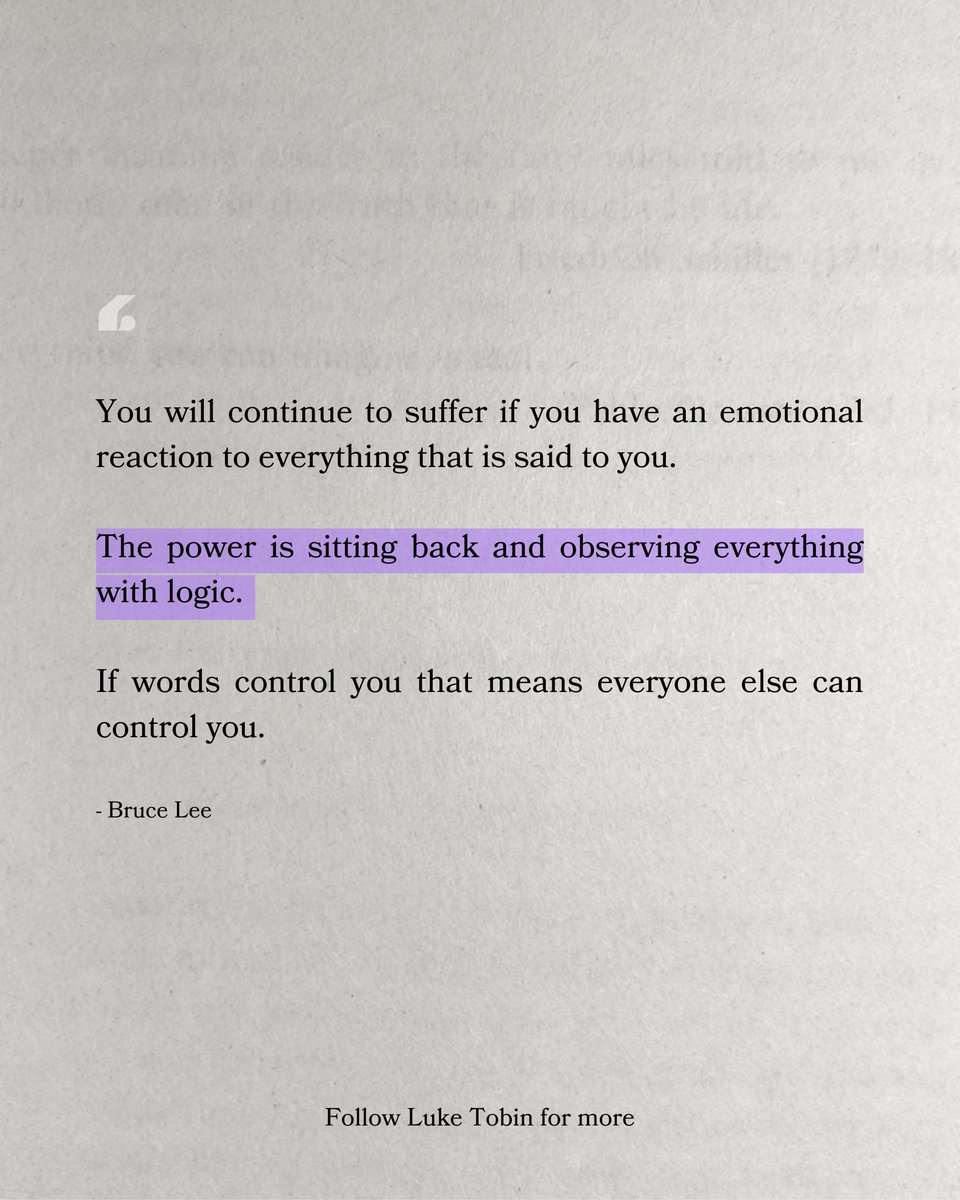
Someone says something that winds you up. You react. Send the message. Make the call. And the moment it's done, you know you shouldn't have. That's not passion, it's someone else pulling your strings. The most dangerous person in any room isn't the loudest. It's the one who can sit back, take it all in, and choose how they respond. That pause is where good leaders are made. Most people never work on it. The ones who do are impossible to rattle. Follow @lukettobin for more.
Luke Tobin tweet media
English
0
0
2
475
Luke Tobin
Luke Tobin@lukettobin·
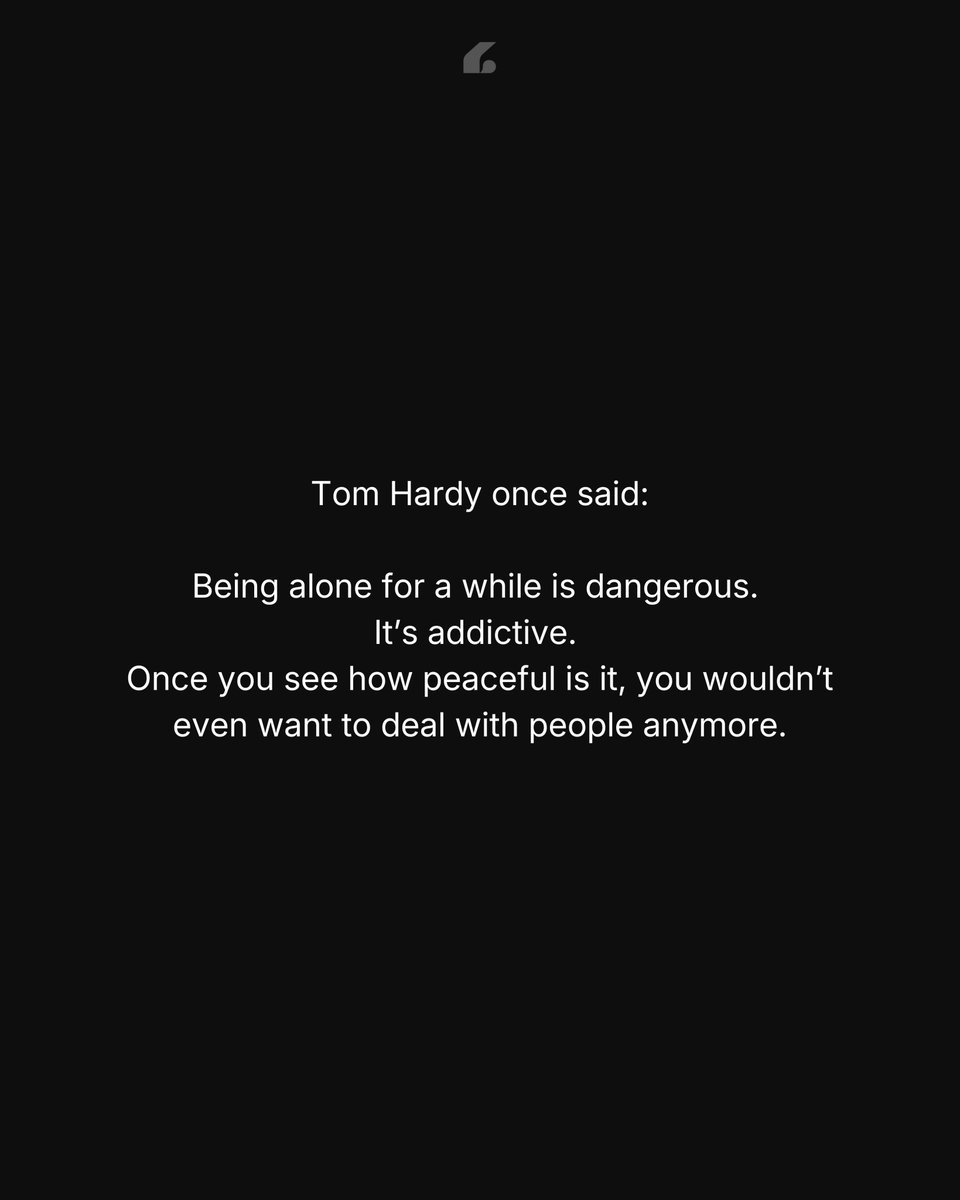
There’s a quiet power in being alone that most people spend their whole lives running away from. At first, the silence feels heavy, almost dangerous, because you’re forced to face the one person you can’t escape: yourself. But then, you cross a threshold. You realise that the noise of the world was just drowning out your own voice. Once you find that rhythm, that absolute, unfiltered peace, you start to protect it fiercely. It’s not about hating people; it’s about finally loving your own company enough to be selective about who breaks that silence. Follow @lukettobin for more.
Luke Tobin tweet media
English
1
0
3
441
Luke Tobin
Luke Tobin@lukettobin·
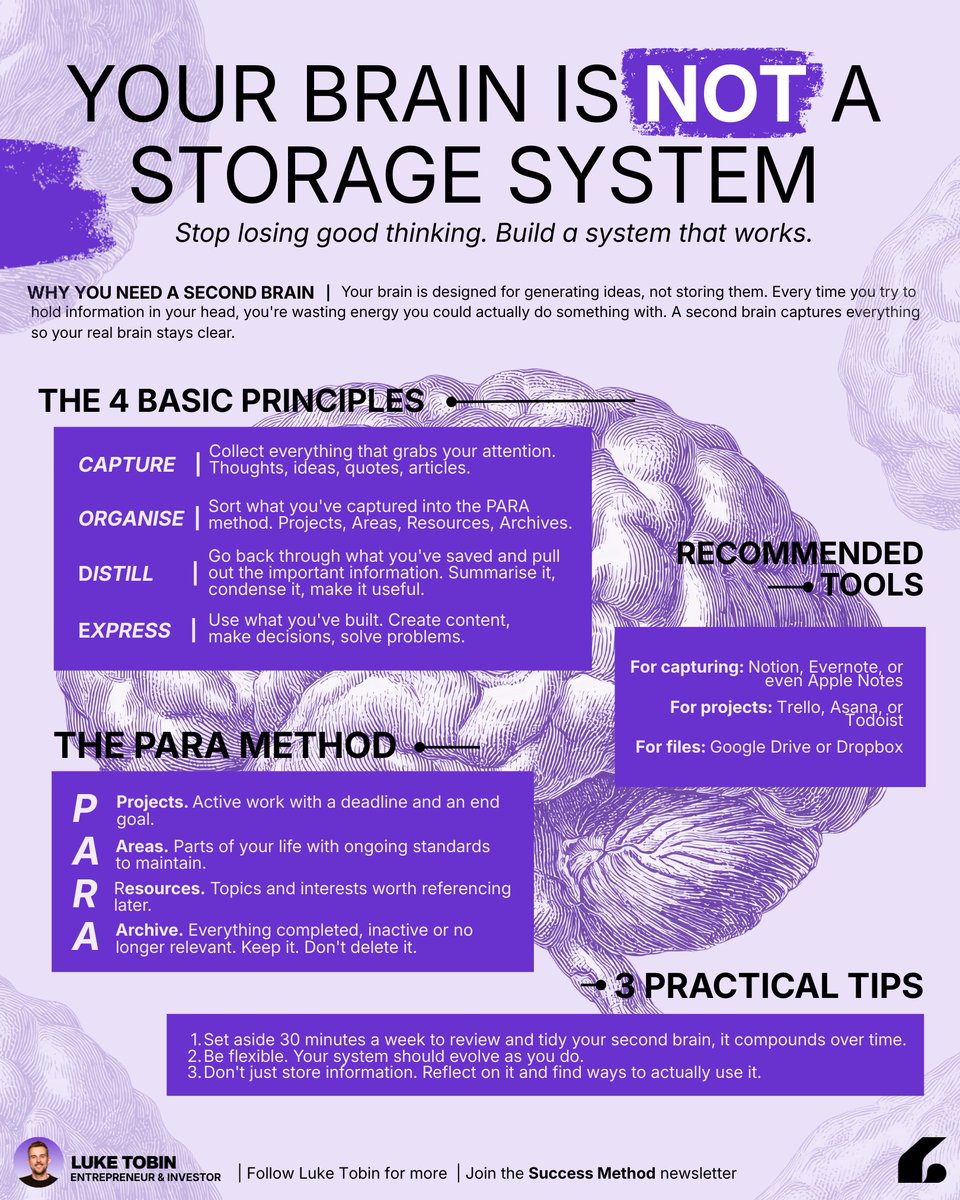
Your brain is designed for having ideas. But not for storing them. Sooner of later trying to keep everything in your head, will turn into a disaster. The PARA method is one of the simplest ways to get organised and actually find things when you need them. Projects, Areas, Resources, Archives. Everything has a place. I started using a system like this and the difference it makes to how I work day to day is significant. Less mental clutter, with faster decisions and more time on the stuff that actually matters. Save this and give it a go. Follow @lukettobin for more.
Luke Tobin tweet media
English
1
0
3
352
Luke Tobin
Luke Tobin@lukettobin·
The "Yes" that is costing you thousands. In the agency world, "scope creep" isn't just a nuisance, it’s a profit leak that most founders ignore until it’s too late. When a client asks for "one more thing," saying yes without a process in place is essentially paying them to work for them. The Reality Check: Most agencies don't track the gap between billable and non-billable time closely enough. When you actually audit job-by-job, you'll likely find that your most demanding clients are the ones eating your margins alive. The Solution? You need to be regimented. You need a process that allows you to go back to the client and say: "We can definitely do that, and here is what the additional investment looks like." Learn how to protect your time and your bottom line in today’s video. Follow @lukettobin for more.
English
2
1
6
497
Luke Tobin
Luke Tobin@lukettobin·
There is a specific kind of peace that only comes when you stop trying to manage everyone’s perception of you. It’s exhausting to live life as a shapeshifter. The truth? Being "liked" is a fickle currency. It can be taken away the moment you stop performing. But being true to yourself? That’s an investment that never loses value. The risk of being disliked is the entry fee for a life that actually feels like yours. Don’t let the fear of a few raised eyebrows keep you from the person you’re meant to become. Follow @lukettobin for more.
Luke Tobin tweet media
English
1
1
4
418
Luke Tobin
Luke Tobin@lukettobin·
Most people know when they're in the wrong place. They just don't know how to leave. And I do get it. You've put all that time in. It pays the bills which is important. It's not that terrible. So you stay, and tell yourself it'll get better or that you'll make a move when there's a better time. But the time never feels right. I've spoken to so many people who've spent years in jobs, businesses, partnerships that they knew weren't right pretty early on. And the ones who eventually made the move all say the same thing, I wish I'd done it sooner. Sunk cost fallacy is real. But so is the cost of staying. Your energy, your ideas, your best work, all of it gets smaller in an environment that doesn't fit you. And this is what people don't really talk about. You don't have to have the next thing figured out to admit the current thing isn't working. Sometimes just being honest with yourself about that's the first move. Have you ever stayed somewhere too long because it was “fine”? What finally made you move? ♻️ Repost if you've had to make a tough call like this. 🔔 Follow @lukettobin for more.
Luke Tobin tweet media
English
2
1
4
536