
Pavel Luksha

1.7K posts

Pavel Luksha banner
Pavel Luksha

Pavel Luksha

@luksha

https://t.co/eHsQusRXmO

Amsterdam, The Netherlands Katılım Mayıs 2009
733 Takip Edilen657 Takipçiler
Pavel Luksha retweetledi
Aadit Sheth
Aadit Sheth@aaditsh·
McKinsey just dropped its 2025 AI report. 1. Everyone’s testing, few are scaling. 88% of companies now use AI somewhere. Only 33% have scaled it beyond pilots. 2. The profit gap is huge. Just 6% see real EBIT impact. Most are still stuck in “experiments,” not execution. 3. The winners think bigger. Top performers aren’t cutting costs. They’re redesigning workflows and creating new products. 4. AI agents are emerging. 23% are testing agents. Only 10% have scaled them (mostly in IT and R&D). 5. The jobs shift is starting. 30% of companies expect workforce reductions next year, mostly in junior or support roles. TL;DR: AI adoption is nearly universal. Impact isn’t. The gap between pilots and profit is where the next unicorns will be built.
Aadit Sheth tweet mediaAadit Sheth tweet media
English
113
676
3.5K
398.4K
Pavel Luksha retweetledi
Global Education Futures
Global Education Futures@globaledfutures·
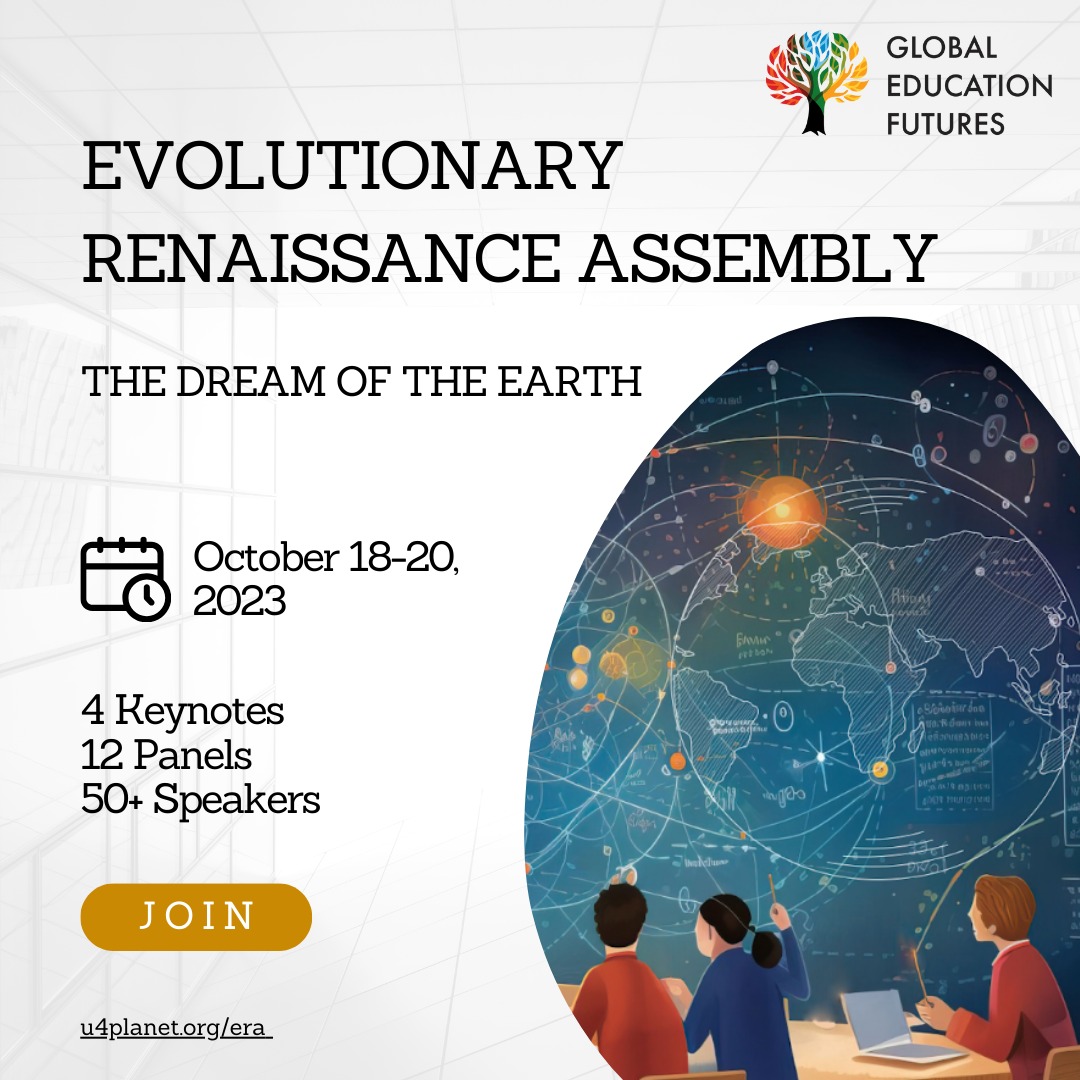
Mark your calendars! The Evolutionary Renaissance Assembly forum is happening on October 18-20, 2023! Register now at u4planet.org/era We will understand what can heal our civilisational wounds, inspire co creation of the future, and lead to universal flourishing?
Global Education Futures tweet media
English
1
1
1
191
Pavel Luksha
Pavel Luksha@luksha·
A new article in Cadmus describes our perspective of Peaceful Futures and suggests that universal peace is a critical dimension of human security in the 21st century cadmusjournal.org/article/volume…
English
0
1
1
95
Pavel Luksha
Pavel Luksha@luksha·
@MillenniumProj #WorldFuturesDay Three key conditions for thrivable & peaceful futures - Future oriented decision making - New leadership literacies - Forgiveness as the key value to release us from traumas of the past
English
0
1
2
64
Pavel Luksha
Pavel Luksha@luksha·
11. Education as we know is a direct product of the industrial society: teaching workers & king's subjects at the age 7-22 to play by the rule. Now we live longer (hopefully until 110s), and we need focus on skills for "good life" not just good skills
English
0
0
0
59
Pavel Luksha
Pavel Luksha@luksha·
10. We are in the weird situation when we can rethink civilization for global flourishing, love and joy for everyone - but instead are forced to believe in the system that reproduces inequality and suffering. To move there we need to rethink "what is success"
English
0
0
0
47
Pavel Luksha
Pavel Luksha@luksha·
9. We need to learn fundamental literacies and technologies, but we also need to learn: - aesthetics/beauty - political structures of our society - science - how scientific knowledge is produced - history - how stories are being told - ethics - principles behind our actions
English
0
0
0
38
Pavel Luksha
Pavel Luksha@luksha·
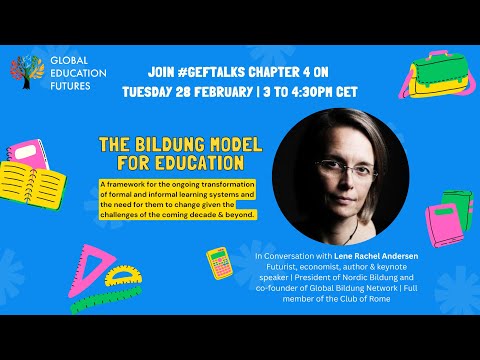
8. We thrive in the zone of learning, and all our planet from fungi to animals is the learning place. How come the existing school model is the opposite of learning for thriving? @andersenske
English
0
0
1
41
Pavel Luksha
Pavel Luksha@luksha·
7. PISA testing played very negative role in recent years in Nordic countries in terms of Nordic Bildung model - focusing on grades instead of collective learning, emotional & relational intelligence etc.
English
0
0
0
30
Pavel Luksha
Pavel Luksha@luksha·
6. Many regions are in similar situation today (large illiterate & poor population, low resources) and they can learn from Nordic Bildung approach - e.g. regions in Africa. The model is easily transferable
English
0
0
0
32
Pavel Luksha
Pavel Luksha@luksha·
5. At least 15% of the rural population including women went into "folk colleges" and it was a gamechanger. Nordic countries became some of the most educated and literate. Back then the region was one of the poorest and low-tech, and the transformation was very impressive
English
0
0
0
31
Pavel Luksha
Pavel Luksha@luksha·
4. Students gained knowledge, learned to be confident, and could act as a backbone of their community. They led the cooperative movement and transformed the country into one of the most prosperous in the world. The model was taken on by Sweden, Norway, Finland...
English
0
0
0
33
Pavel Luksha
Pavel Luksha@luksha·
3. Nordic Bildung in Denmark was "folk college" that focused on young peasant population. Its principles: a. Students needed to be "at home" not to be intimidated. b. Education was conducted by stories that could engage - starting with history, then economics, agriculture etc.
English
0
0
1
33
Pavel Luksha
Pavel Luksha@luksha·
2. The ideal of 19th century German philosophers is to liberate people from "rule of emotions" by learning to be rational, aesthetics-oriented, and team players. This view of LLL responded to the failure of French revolution where people couldn't use their freedom properly
English
0
0
0
29
Pavel Luksha
Pavel Luksha@luksha·
1. Bildung (image building) is the German word for "education", and it essentially means "building the image of" - originally, in the image of God, and later in the image of "ideal man" (in the ideals of Enlightenment Age - "natural person", "rational person" etc.)
English
0
0
0
23