Not sure who this southern gentleman is, but he drops 11 straight minutes of fire.
Risk Taker
30.7K posts

@macawsrock
Aussie girl of Russian and Irish descent. I block ads. Every damn one of them! Disarm the US. Only then will we have world peace. Israel is a US proxy.

Not sure who this southern gentleman is, but he drops 11 straight minutes of fire.


If allegations are true, does this really surprise anyone?


I hate lentils. My boys hate lentils. Lentils are a traditional Lenten meal. They wanted to do a proper Lent. They are eating Lentils tonight!

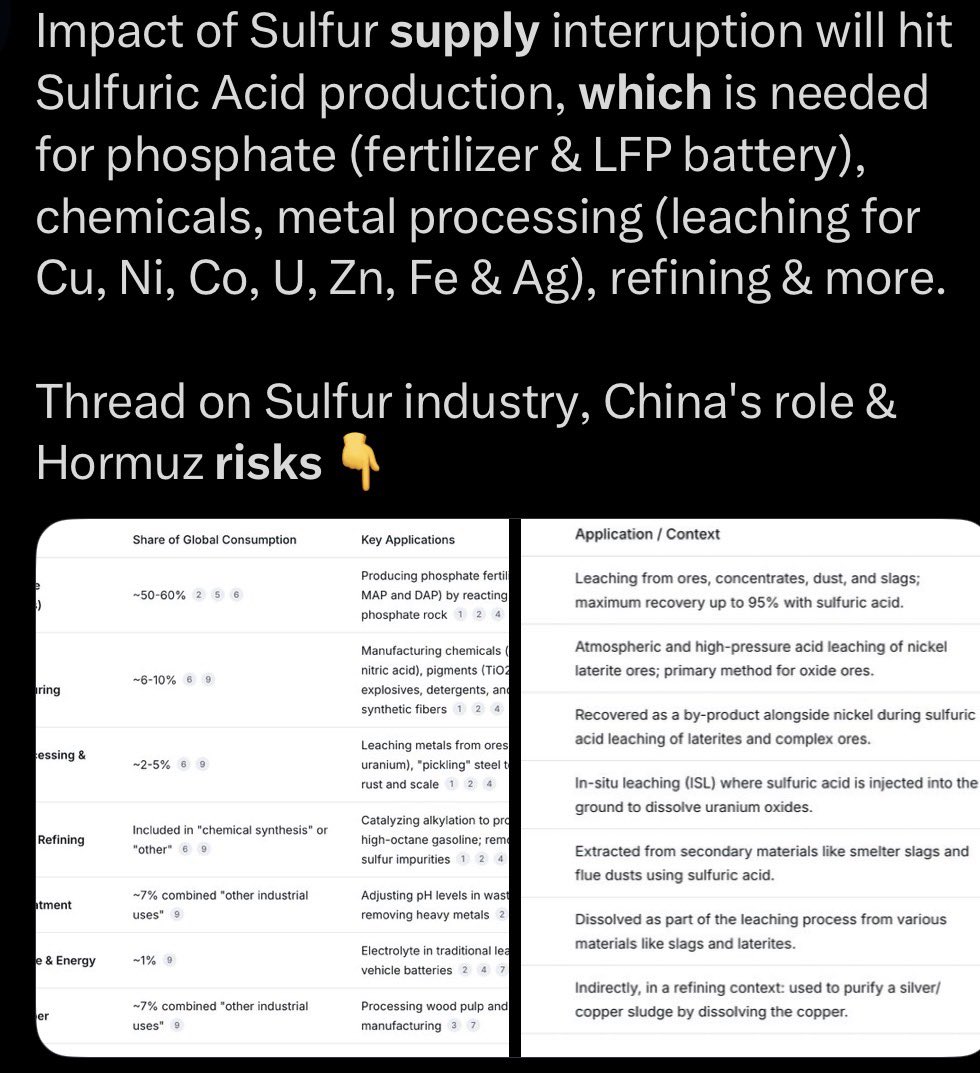
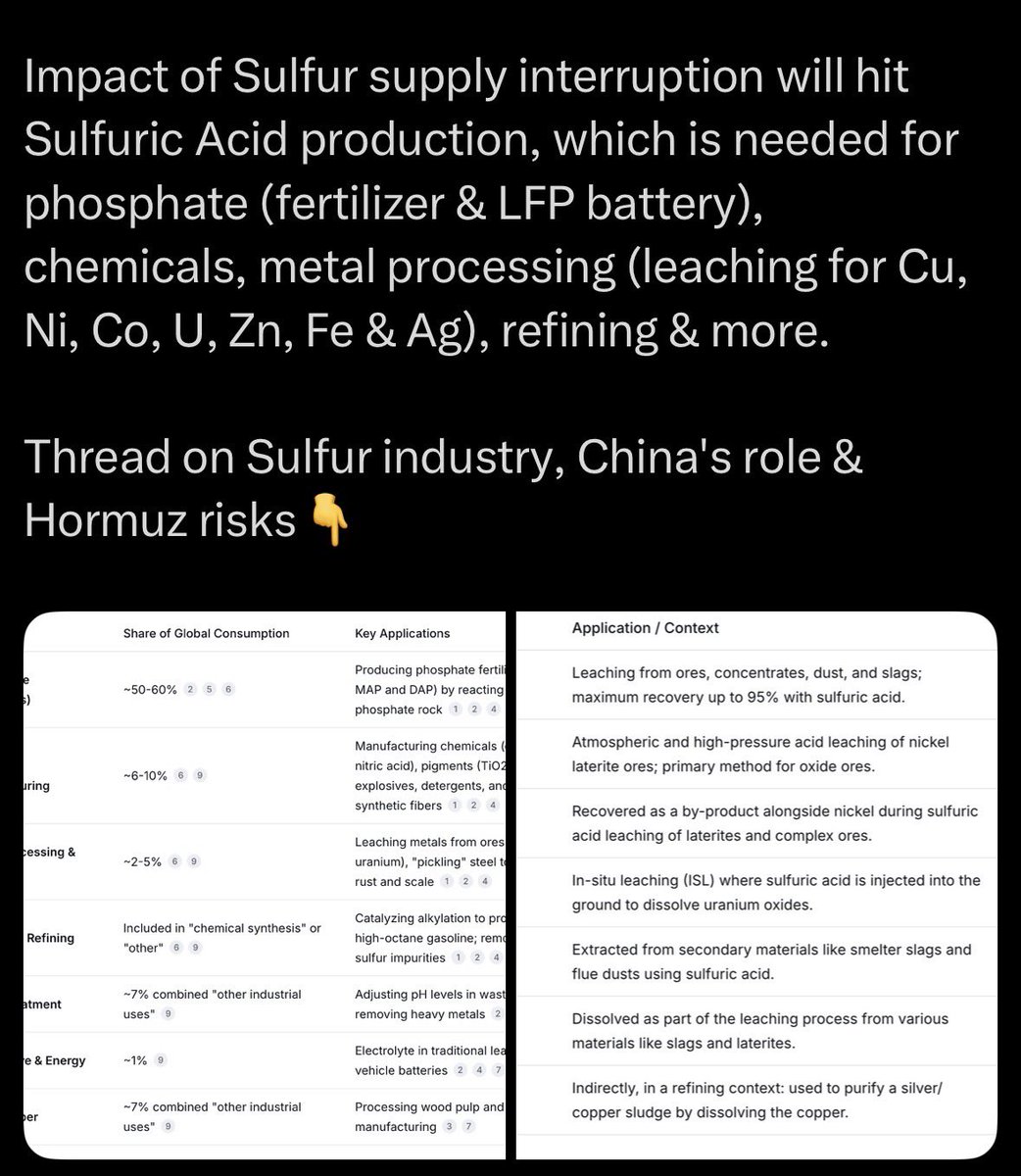
China has restricted fertiliser exports, per Reuters


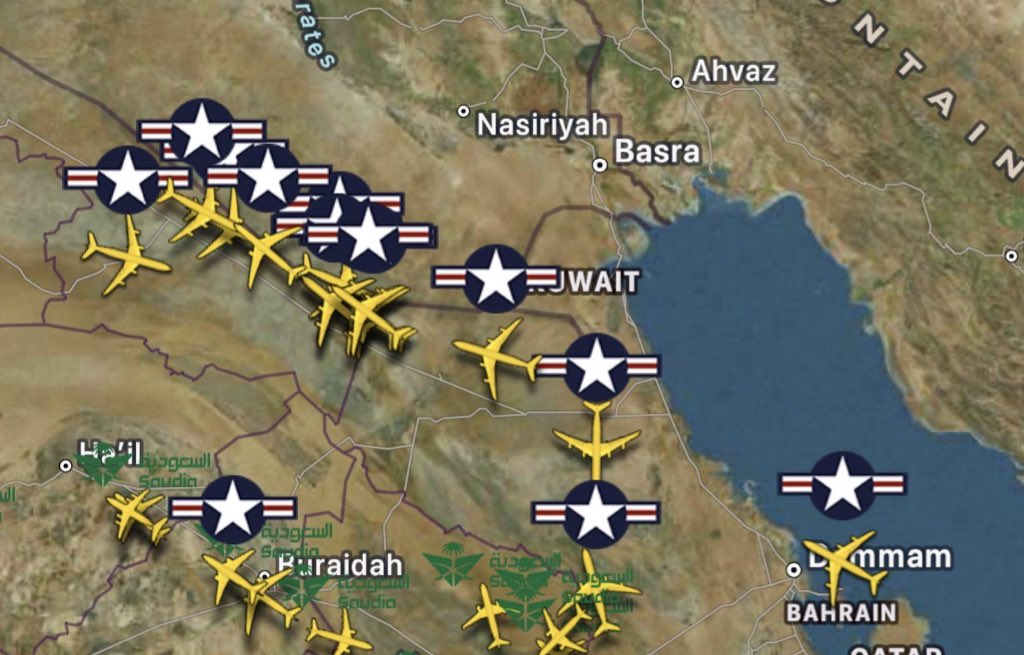
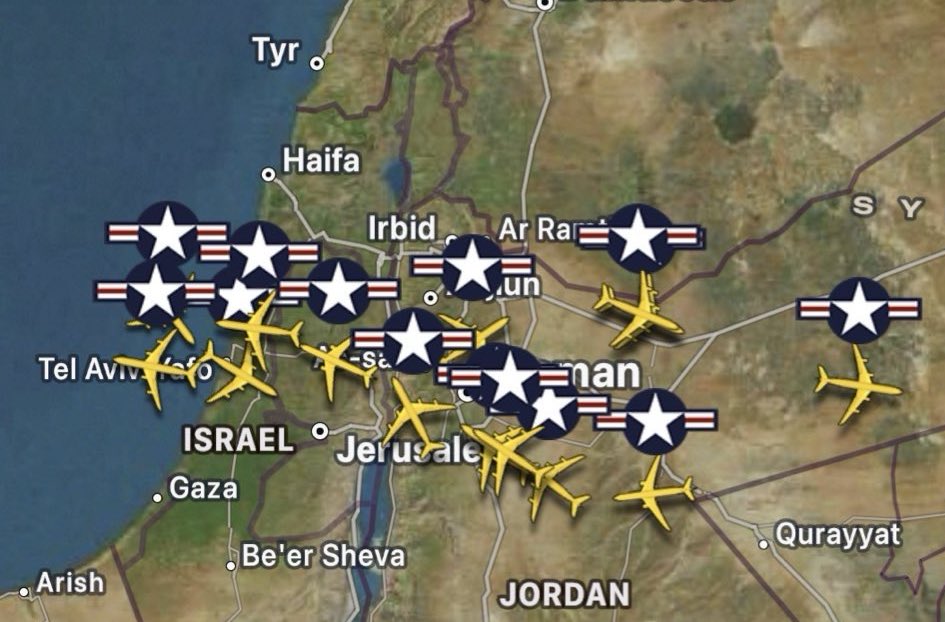
It's weird how Iranian strikes keep aligning neatly with the US-dominant agenda, plans, and interests—every single time they hit something, it ends up benefiting the US in major ways. Look at the pattern right now (March 2026): - US/Israel launch massive strikes on Iran (Feb 28–March 1), allegedly killing Supreme Leader Khamenei and supposedly dismantling top leadership/IRGC command. - Iran retaliates with ballistic missiles, drones, and cruise missiles across the region—including confirmed hits on Gulf energy infrastructure. - Specifically: Iranian drones strike Qatar's Ras Laffan (world's largest LNG export hub) and Mesaieed facilities on March 2 → QatarEnergy halts all LNG production (~20% of global supply offline), declares force majeure. - Same wave hits Saudi's Ras Tanura refinery (shutdown), precautionary halts in Israeli gas fields, Iraqi Kurdistan oil, and more. - Strait of Hormuz traffic collapses (ships avoiding or blocked), choking global oil/LNG flows. European/Asian gas prices explode 30–50%+ overnight, creating a massive supply vacuum. Who fills it? US LNG exporters (Cheniere, Venture Global, Exxon, etc.) reroute flexible cargoes at premium spot prices—no Hormuz transit needed. Billions in windfall margins flow to American firms and shareholders while Europe/Asia scramble and pay inflated costs. It's not random—every "Iranian" escalation sidelines competitors (Qatar as #2 LNG exporter), spikes prices, boosts US energy dominance, strengthens dollar leverage, and justifies more US military presence/escorts in the Gulf. Kind of too perfect: decapitate Iran's leadership → provoke wild retaliation → hit non-US energy hubs → US steps in as "reliable" savior with higher profits.

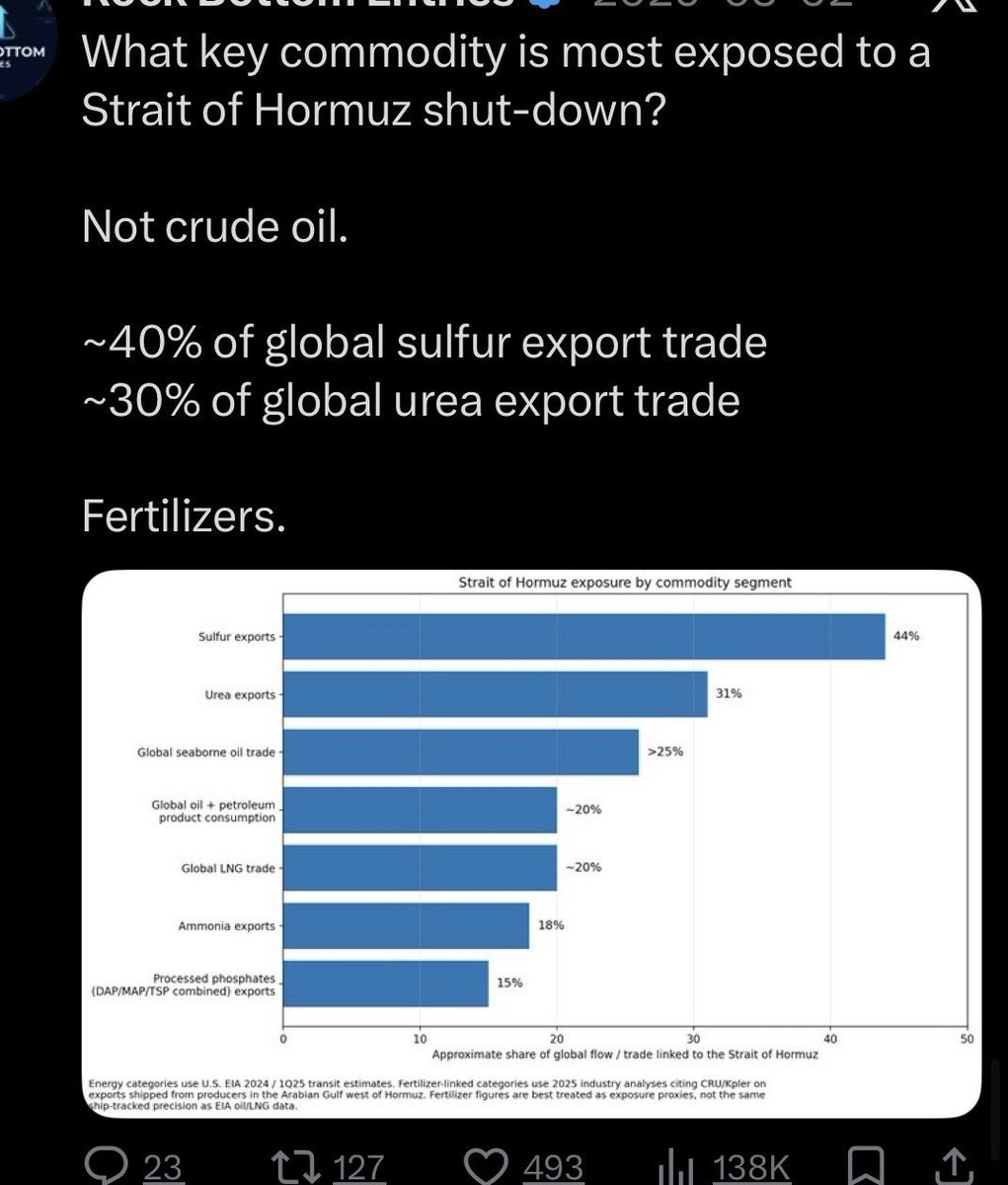
The US didn't just attack Iran. It closed the Strait of Hormuz itself, and nobody's talking about the real reason why. @anasalhajji, one of the most respected energy analysts in the world, just published an extraordinary breakdown of what's actually happening in the Strait of Hormuz. The short version: Iran didn't close it. Insurance companies did. And the US has every incentive to let it happen. Here's what actually occurred. Emails were sent to oil and LNG tankers claiming to be from the IRGC, saying the strait was closed. No official Iranian statement backed this. Nobody knows who actually sent the emails. But within hours, European insurance companies canceled policies or jacked premiums so high that tanker operators couldn't move. Cargo ships and container vessels passed through fine. Nothing happened to them. Only oil and LNG tankers were affected. Why? Notably, the administration has not criticized the insurance companies or pushed back on rising oil prices, a departure from its usual stance of vocally opposing anything that raises energy costs for American consumers. Meanwhile, Venezuelan oil was pre-positioned in US ports before the crisis began, specifically to replace Iraqi crude that would be cut off by a Hormuz closure. That doesn't happen by accident. The 2025 National Security Strategy document lays out the framework: US dominance runs through AI, and AI runs through cheap, abundant energy. The strategy is to make energy cheap domestically and expensive for competitors. To do that, you need control of global chokepoints: Panama Canal, the Red Sea, Greenland's Arctic passage, and now Hormuz. The Hormuz disruption accomplishes several goals at once. It forces Asian companies to abandon long-term LNG contracts with Qatar and the UAE in favor of American suppliers. It cripples competitor access to fertilizer exports (33% of global supply transits Hormuz). It drives chip manufacturers to reshore to the US. And Trump's offer to provide Navy escorts and US-backed insurance for tankers gives America indirect control over the strait indefinitely. The biggest beneficiaries of a closed Hormuz are the US and Russia. The biggest losers are Europe, Asia, and the Gulf states themselves. Iran is the excuse. Energy dominance is the goal.