Mac Bolak

525 posts

Mac Bolak banner
Mac Bolak

Mac Bolak

@macbolak

Founder @Panoptyc & https://t.co/UswG75HZeU Built a pretty big Saas Throw events in LA and Austin for technologists, artists, and creators @Frontier

Los Angeles Katılım Haziran 2016
478 Takip Edilen563 Takipçiler
Mac Bolak
Mac Bolak@macbolak·
@LinkedIn restricted my account with no reasoning and I can't access it. Even though I'm a paying and actively posting member of the community who gets a fair amount of engagement Linkedin support has been no help. Embarrassing for a big company to treat customers like that
English
8
1
1
132
Michael Tan
Michael Tan@TheManMikeTan·
Excited to finally launch @firstharmonic. We are a small team of former operators who invest in early-stage companies and run what we believe is the best go-to-market program in the world for early-stage founders. I’m working alongside @ROWGHANI , @JdotJdotF, @miamabanta, and @simonlu, who were responsible for building generational companies working with founders like Steve Jobs and backing some of the most successful companies coming out of YC, including DoorDash, Stripe, Gusto, GitLab, and Zapier. We run a go-to-market program that's earned a perfect 100 NPS from our first ~50 founders—ranging from Thiel Fellows to former unicorn executives launching new ventures. Our program helps founders build a repeatable sales motion and hone in on a clearly defined ICP: things like how to price, when to hire your first salesperson, what to look for in that person, product-led vs sales-led motions, etc. Cohorts are small—about 10 companies each—and there’s no application. Instead, we work with a select group of founders nominated by people we trust, often alumni of the program. To keep the program free and founder-friendly, we’ve also raised an early-stage fund to pay the costs of running the program. There are no strings attached to participating, and we don’t require an investment relationship. Eight-week program, nomination-only, small cohorts, no strings attached. You can read more about what we believe in the link in comments. Reach out if you're building something interesting or know someone who is.
GIF
English
41
6
165
12.9K
Mac Bolak
Mac Bolak@macbolak·
Just stumbled across another clip of me performing when I was 13 (I was a late bloomer haha). Can someone tell me why I was jumping around so much? 😂
English
0
0
2
188
Mac Bolak
Mac Bolak@macbolak·
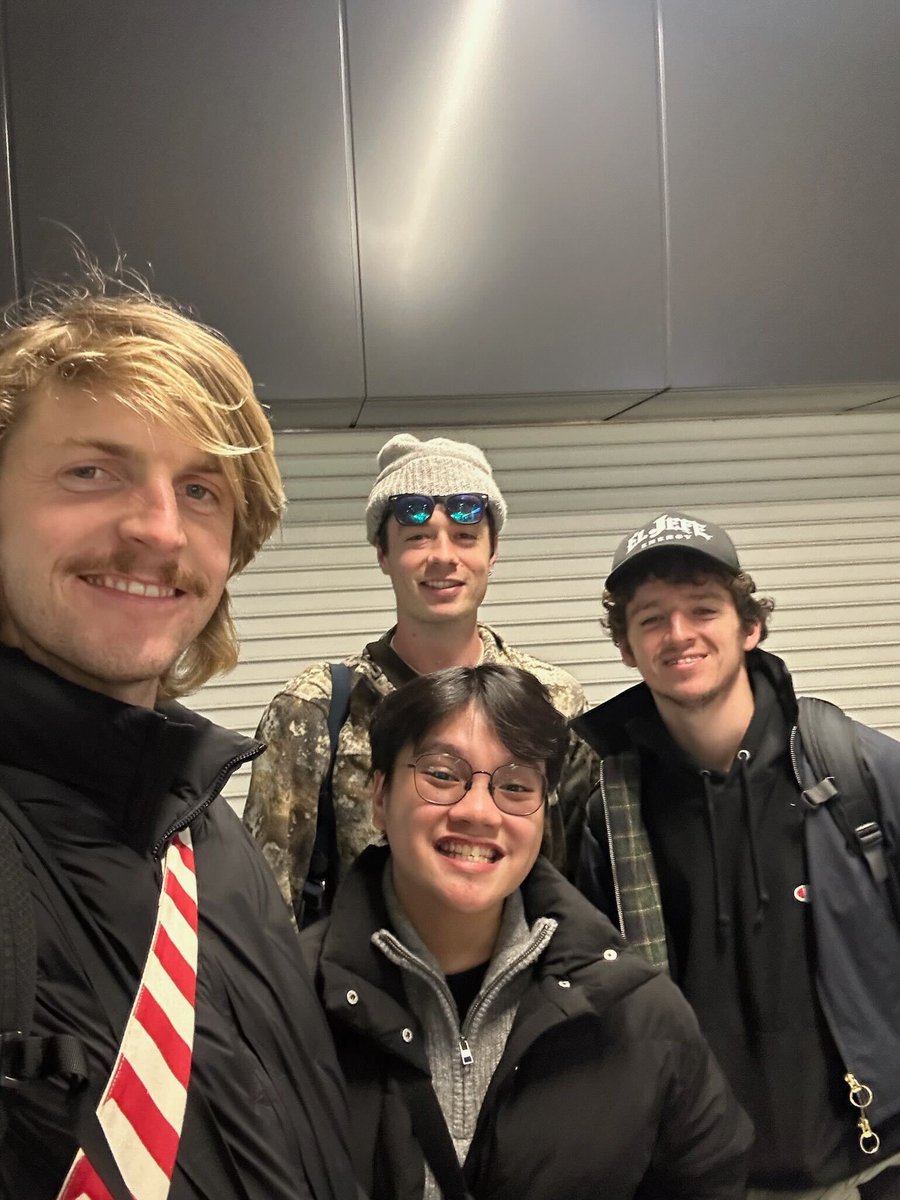
Nobody wants to admit it, but most retail security tech becomes wall art within a few years. It’s a cycle I’ve seen with countless retailers: You spend thousands on cameras. You roll it out to every store. And guess what? Your shrink numbers didn't budge. Why? Because detection without action is completely worthless. A Fortune 500 retailer we work with discovered that only 38% of their operational security processes were actually followed. That's the dirty secret nobody in retail security wants to admit. These systems don't fail because they don't work. They fail because nobody uses the data they generate. Your self-checkout AI flags a potential theft. But does an attendant actually check the basket? Your system sends theft alerts to store managers. But do they even open the email? Your cameras catch an employee stealing on video. But does anyone have the uncomfortable conversation with them? Retail security isn't about buying fancy technology. It's about closing the loop on every single incident. You need to track three things at the transaction level: • Was the theft detected? • Was the proper action taken? • Did the behavior stop? Most retailers only track the first one. That's why they've been burned repeatedly by expensive computer vision systems that promised everything but delivered nothing. The fix isn't more technology — it's actually using what you already bought. Create workflows that turn detections into actions. Measure compliance at every step. Hold people accountable for following the process. Your security system might work fine. It's your SOPs that need the upgrade. Here’s me and my buddies in Tokyo!
Mac Bolak tweet media
English
0
0
0
164
Mac Bolak
Mac Bolak@macbolak·
Your mentors must evolve as you grow. Or they will become your ceiling. One of the painful truths you’ll face as a founder is when you realize the people who helped you start can't help you scale. Every growth stage demands a different type of wisdom. What got you to $1M won't get you to $10M. And what gets you to $10M won't get you to $100M. Every time you level up, your mentors must level up too.
Mac Bolak tweet media
English
1
0
1
183
Mac Bolak
Mac Bolak@macbolak·
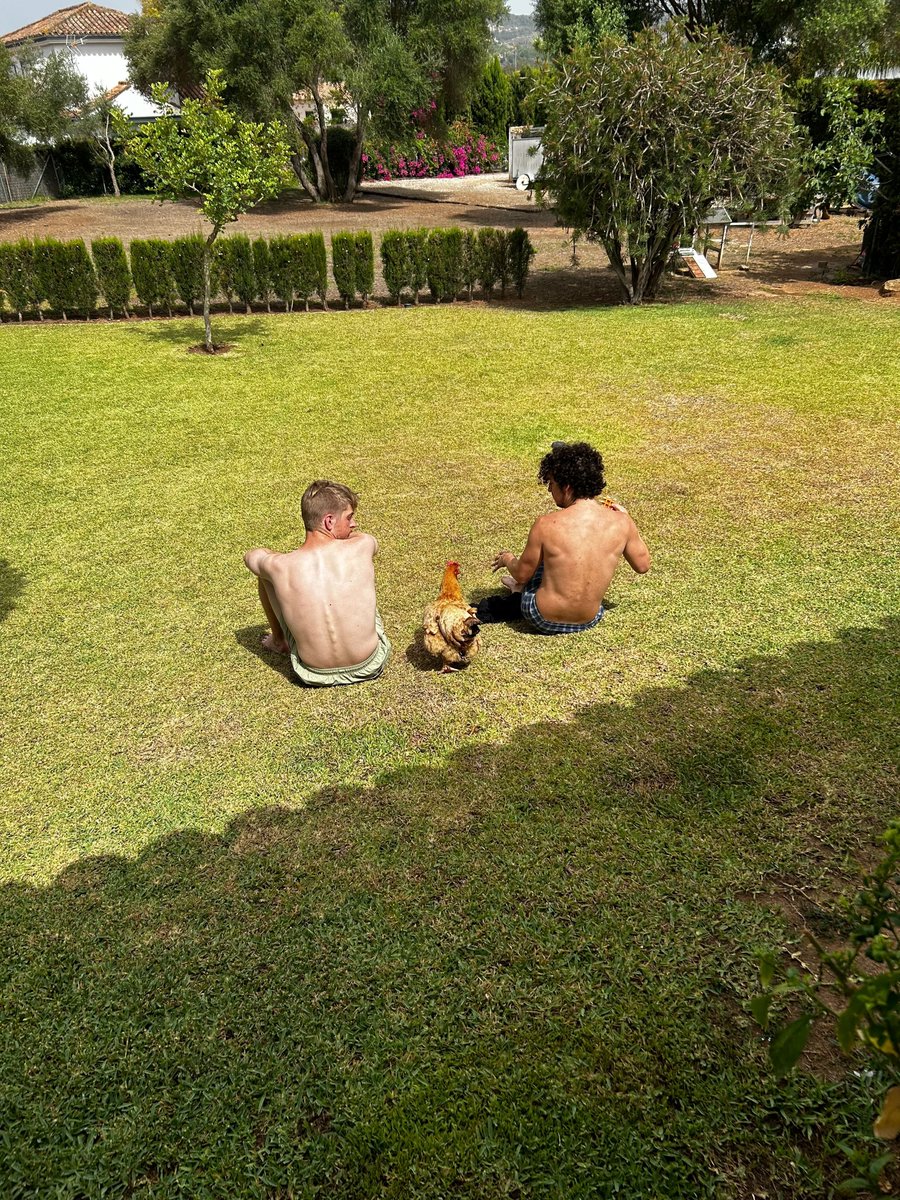
I can’t stand the hustle culture online these days. Want to really know what it takes to build a business? I worked 14 hours a day at my computer. Not for a month, but for most years of the past 7 years (sometimes 12 hours a day and rarely weekends off). I was willing to give up everything because I wanted success so badly. I worked from bed, even slept on the floor sometimes. I didn't care what I looked like. I only cared about building Panoptyc. While others talked about cold plunges and waking up at 6am wake-ups, I was solving problems for our customers While they spent hours on Twitter ‘building their audience’, I was selling. While they networked in suits, I was in my dirty pajamas building minimum viable features. I said "I'm going to do this my way and beat them" — and I did. Being willing to lock in for 14 hours straight everyday gives you an edge most people will never have. I wasn't special or genius-level smart. I was just unwilling to stop — even when my timeline stretched from months to years. That’s just the reality of bootstrapping. Don’t buy into morning routine and all the glamor you see online. Expect to pour your blood, sweat, and tears into your company. Put in the hours when no one's watching. Be willing to give up everything else. Paying that price is the best way to assure success. Ps- check out this chicken trying to steal my breakfast, terrified me
Mac Bolak tweet media
English
0
0
2
230
Mac Bolak
Mac Bolak@macbolak·
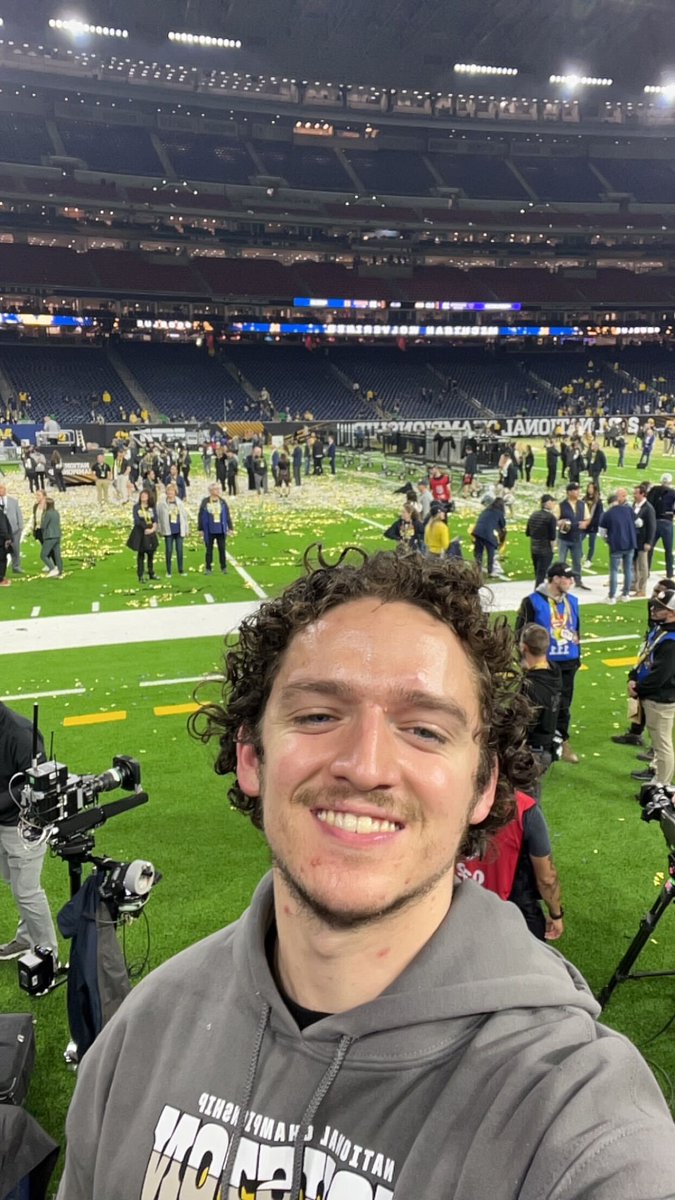
I used to worship at the altar of speed. ‘Move fast, break things’ was my mantra until… It nearly killed Panoptyc. Looking back, I realize I stayed in founder mode for far too long. For one thing, I was too frugal with money. I had the typical penny-pinching mindset of a scrappy founder. That’s just one of the reasons why things started failing at scale. Our systems couldn't handle the growth. We would have gone under if I didn’t admit my startup mindset had become our biggest liability. I needed to evolve or watch everything crumble. That’s when I brought in B2B execs with the opposite of my chaotic energy. People with a McKinsey disposition who were not afraid to open our checkbooks. And so far, it’s worked out. I’ve learned that speed without direction isn’t worth it. It’s like Navy SEALs say: Slow is smooth, smooth is fast. PS- this is me when Michigan won the national championship, go blue!
Mac Bolak tweet media
English
0
0
1
161
Mac Bolak
Mac Bolak@macbolak·
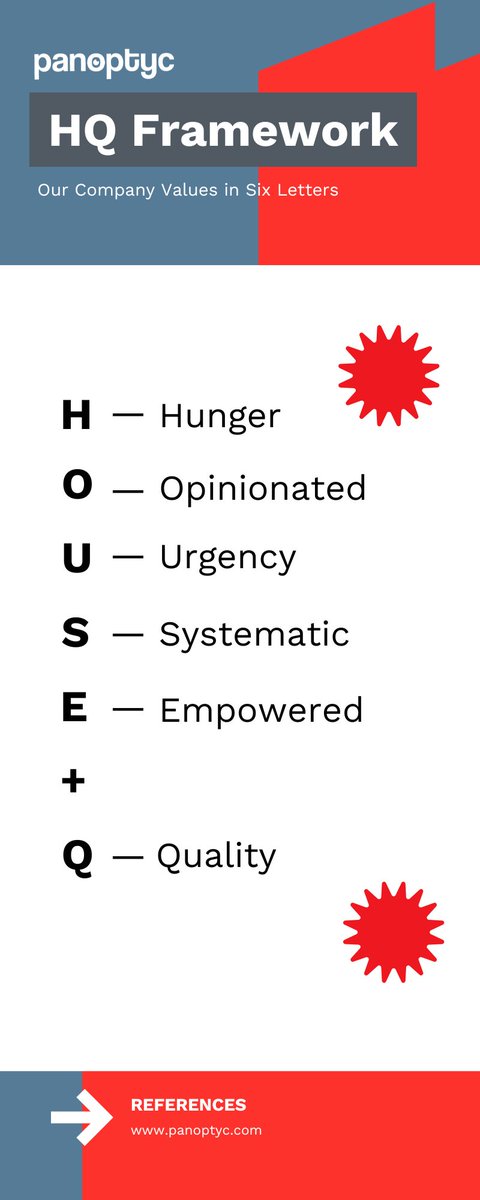
Founders always ask me what I look for in a new hire. It’s always the same six traits: I call it the HOUSE+Q framework: H stands for Hunger We hire people with big career goals. If candidates aren't ambitious in interviews, we don't hire them. We want people who have something to prove. O means Opinionated Everyone must have a view and speak it. We don't hire yes-people. We need team members who challenge ideas. U represents Urgency This was our first and most important value. In our early days, speed was everything. We still hire for this trait in every role. S stands for Systematic We build processes for everything. E is for Empowered Everyone must voice their opinion. No idea/question dies in someone's head. Like I mentioned, all we wanted at first was to hire who got things done fast. But as we grew, we realized our standards were dropping. That’s when we added Q for Quality. Moving fast is pointless if you do sloppy work.
Mac Bolak tweet media
English
0
0
0
109
Mac Bolak
Mac Bolak@macbolak·
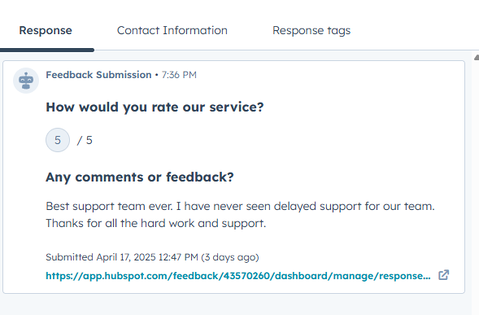
"Your team has been amazing. You actually listened to us." That’s an actual support ticket we got last week. Reading it made it tear me up a bit. Not because it was particularly profound, but because of what we went through to earn it. Most companies collect feedback they never use. We made a different choice, and it almost broke us. For a full year, we’ve worked with a client who has 1000 markets. Their leadership team wasn’t seeing return on investment. At first, things were bumpy. Very bumpy. We had endless emergency meetings to fix issues at odd hours. We faced brutal questions we couldn't answer. We heard complaints about our platform that made us cringe. But instead of getting defensive, we got curious. We listened to every problem they mentioned. We took notes on every feature they wanted. We built our software to match their needs, not what we thought they needed. Their wish list became our development roadmap. When they asked for changes, we made them. When they spotted bugs, we fixed them. When they suggested improvements, we built them. This wasn't easy or fast. It took months of painful back-and-forth. It meant swallowing our pride when our platform fell short. It required rebuilding entire sections of our system. But that support ticket last week made it all worth it. They're now our biggest success story. A 1000-market client who loves our back-of-house solution. All because we did the simple thing most companies won't do: We listened more than we spoke.
Mac Bolak tweet media
English
0
0
0
100
Mac Bolak
Mac Bolak@macbolak·
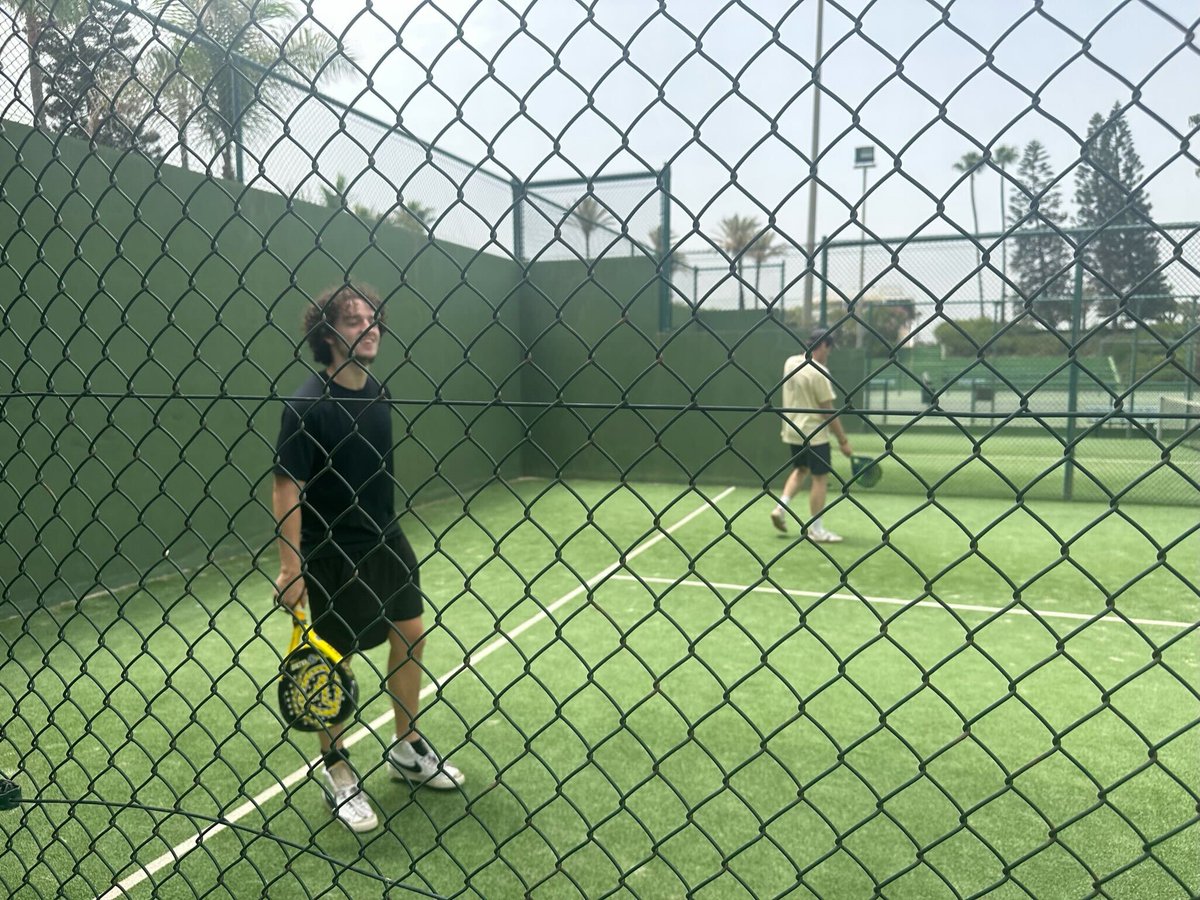
Building a business is about survival first. You need runway for luck to find you. I learned this from Nassim Taleb's "Fooled by Randomness." You must stay alive long enough for good things to happen to you. Randomness is all around us. Your job is to create enough chances for randomness to work in your favor. I do this by meeting lots of people. I joined communities filled with smart founders. I recognized which communities had the right people. Then I doubled down on them. I took massive action every day. I tried more things than most founders. I worked 14-hour days at my computer. I didn't care about looking good. I cared about staying in the game. This isn't about discipline in the traditional sense. It's about persistence through uncertainty. About creating so much action that luck becomes inevitable. If you try enough things, one will eventually click. You just have to last in the ring long enough. On the pickleball/padel court and the court of life
Mac Bolak tweet media
English
0
0
0
91
Mac Bolak
Mac Bolak@macbolak·
I have horrible intuition. I'm not ashamed to admit it. I have no gut feel for things I haven't experienced yet. But once I experience something, I understand it completely. I guess that makes me more rational than intuitive. This used to make me doubt I could build a business. When I was young, I didn't think I was smart enough to be an entrepreneur. I was good at school, but not the best. I thought: "If I'm not the best, how can I build the best business?" Then I learned something that changed everything. You don't need perfect intuition. You need systems and coaches. But most importantly, you need to meet lots of people. Bad intuition made me seek out the right communities. It forced me to hire based on culture and values. It taught me to put myself in situations where serendipity happens. This made my rationality my superpower. Since I can only see patterns clearly once I've experienced them, I created a formula: Create massive action → Learn from results → Double down on what works. So if your intuition isn't great, don't worry. Build systems to compensate. Hire people with skills you lack. Stay rational and test everything. Your weakness might just become your greatest strength.
Mac Bolak tweet media
English
0
0
0
86
Mac Bolak
Mac Bolak@macbolak·
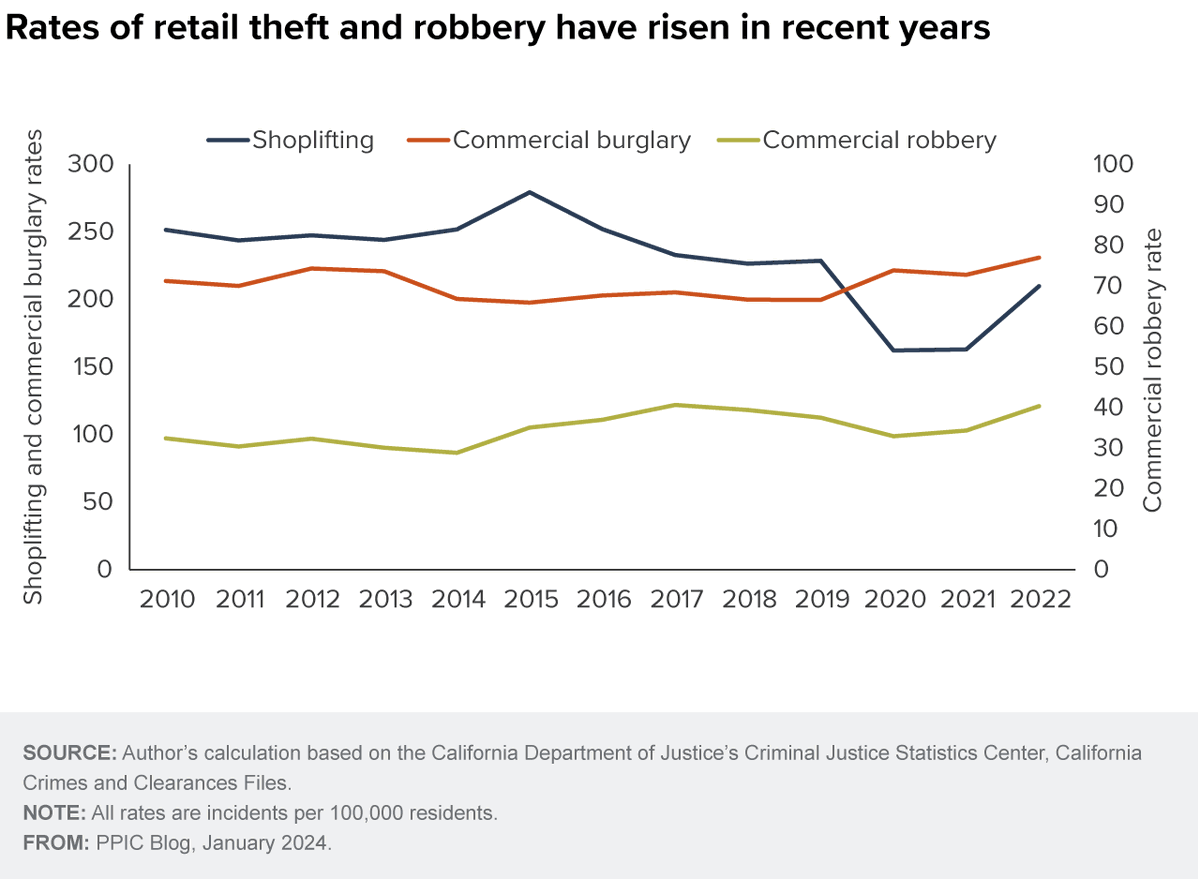
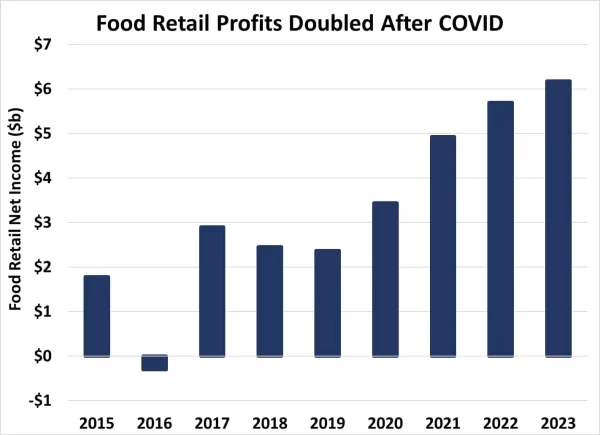
If you think retail theft is bad today, 2020 was worse. It was by far the golden age of shoplifting. Imagine being a retail owner during COVID: • Security protocols collapse nationwide • Staff shortages leave self-checkout areas unattended • Mask requirements make thieves harder to identify It was the perfect storm. Thousands of shoplifters across every state took advantage of it. The average shoplifting incident cost retailers $460 in 2020, an increase of nearly 200 U.S. dollars compared to 2019. Isn’t that wild? Five years later, we're seeing some improvement, especially when Panoptyc gets involved But store owners tell me we're nowhere near pre-pandemic levels. Looks like we’ve still got work to do.
Mac Bolak tweet mediaMac Bolak tweet mediaMac Bolak tweet media
English
0
0
0
98
Mac Bolak
Mac Bolak@macbolak·
I spent Friday with a family-run retail store in California. What I saw broke my heart… The store owners looked exhausted when we met. Not just tired from long hours. But from fighting a battle they're not equipped to win alone. They told me their family had owned the store for generations. Judging from how empty their shelves were, you wouldn’t have guessed it. There was more space than product. I’ve learned that when you own a store with legacy like this, it isn’t just a business —it’s a cornerstone for the community. That was exactly the case here. The neighborhood depended on them staying open. But getting targeted by thieves made that harder every day. Even their employees didn't feel safe coming to work. When we spoke with staff, one said they skip shifts when they’re scheduled alone. That’s how bad things are. Installing cameras hasn’t helped so far. Plus upgrading their security system costs more than they can afford — until now. Most people would write this store off as a lost cause. But visits like this remind me why I started Panoptyc. Mega retail chains can easily spin up 100-person LP departments to combat theft. But small businesses can’t. They need effective security systems built for their reality: • Affordable enough for a family-run budget • Simple enough for a small team to manage Grabbing beers with the owner after our tour only strengthened my resolve to look after the little guy.
Mac Bolak tweet media
English
0
0
0
104
Mac Bolak
Mac Bolak@macbolak·
Met a retailer last week who’s not a believer in computer vision. Guess what they called it? ‘Snake oil.’ The funny part is they’re not the only ones. Most retailers I meet are sick of empty promises - and I don’t blame them. I’d be pissed too if I paid big money for a security system that doesn't work. Sadly that’s exactly what happens. Tech companies promise retail owners the moon. Then they deliver junk. But here’s the thing: The reason why most security systems fail is because they stop at detection. Holistic security isn't just catching theft on camera. It's what happens AFTER the system flags a problem. Ask yourself: When your AI detects theft at self-checkout, does anything actually happen? Does an attendant show up? Do they actually check what's in the basket? Or do they just wave the customer through to avoid confrontation? A Fortune 500 retailer we worked with told us only 38% of their operational processes get followed at major retailers. That means 62% of the time, your expensive system does nothing. You bought a fancy alarm that nobody responds to. This is what we call the "operational compliance gap." It's why Fortune 500 retailers with 9-figure shrink problems turn to Panoptyc after trying everything else: • We track the full security loop (from detection through response to confirmation) • We measure ROI at the transaction level (not just aggregate reports that hide if you prevented specific thefts) • We build tools that make compliance easy (so your staff actually uses them) Don't buy another system that only looks good in the demo. Choose one that closes the loop.
Mac Bolak tweet media
English
0
0
0
85
Mac Bolak
Mac Bolak@macbolak·
We built Panoptyc with just $100K in outside capital. That wasn't an accident. It was a choice. Most founders chase VC money like it's oxygen. When I worked in venture capital during college, I saw rooms full of Harvard grads all following the same playbook. They wanted to be VCs because it seemed cool. That’s the thing about raising venture capital. It looks good on TechCrunch — but it comes with strings that pull you away from solving real problems. I’ve since learned that capital is replaceable. You can get money from thousands of places. But founders with grit? Those are rare. That’s why I’ve always strived to be a founder who actually builds things. When you raise minimal capital, you own your destiny. You solve real problems for real customers from day one. We built AI for Fortune 500 retailers who were burned by solutions that didn't work. We fixed nine-figure theft problems with our computer vision. If we hadn’t bootstrapped, would our story be the same? Highly unlikely. The VC path would have pushed us to burn cash for "growth" at the expense of everything else. I'm a rationalist. We might spin out a venture and raise funds if it makes sense. But building a company that makes money from customers will always beat building one that makes money from investors. You can build a great business without selling your soul to Silicon Valley. We're proof of that.
Mac Bolak tweet media
English
0
0
3
188
Mac Bolak
Mac Bolak@macbolak·
My new apartment gives me something Airbnb’s never could: Consistency. Yep, I finally put down roots in Santa Monica after years of Airbnb hopping. My new place isn't perfect. A pipe broke in one room last week. The furniture delivery for the other room never showed up. But guess what? It still beats living on the road. Being a road warrior seems like the dream until you've done it too long. You have no gym routine. No consistent sleep. No regular meals. No road trip is worth it if your health takes the biggest hit. But since I now live in a building with its own gym, I can lift weights instead of luggage. I get to walk to the beach instead of sitting in conference rooms. The grocery store is five minutes away on foot, not a 20-minute rideshare. And that’s not even the tip of the iceberg. I get: • A shower with consistent water pressure (Airbnb’s are a lottery) • A mattress my body recognizes • The mental space to build actual routines I’ve only been here a month but I can already tell that I’ve been missing out. I waited too long to build a home base. Can’t wait to catch up.
Mac Bolak tweet media
English
0
0
0
76
Mac Bolak
Mac Bolak@macbolak·
Gas doesn't make you money. Food does. As a convenience store, fresh food is your biggest profit center. I learned this working with a Panoptyc customer this week. Yes, gas brings customers to your lot at 1-2% margins. But those dogs on your grill can easily net you 30%+. So why do most retail owners track every drop of gas while ignoring their food metrics? It should be the reverse. The state of your roller grill paints an accurate picture of your store's profitability. For example, an empty slot costs you $3-4 in profit. Multiply by 8 slots, 16 hours, 365 days. That's $140,000+ in potential lost profit from one grill. Our client wanted to know if our edge AI could watch their grill. They wanted it to count missing dogs, track restocking times, and alert them when it was near-empty. I first thought it was a strange use case. But after hearing the economics, I could see why they cared so much. A fully stocked roller grill during lunch rush can increase daily revenue by $300+. Crazy numbers from meat alone.
Mac Bolak tweet media
English
0
0
2
110
Mac Bolak
Mac Bolak@macbolak·
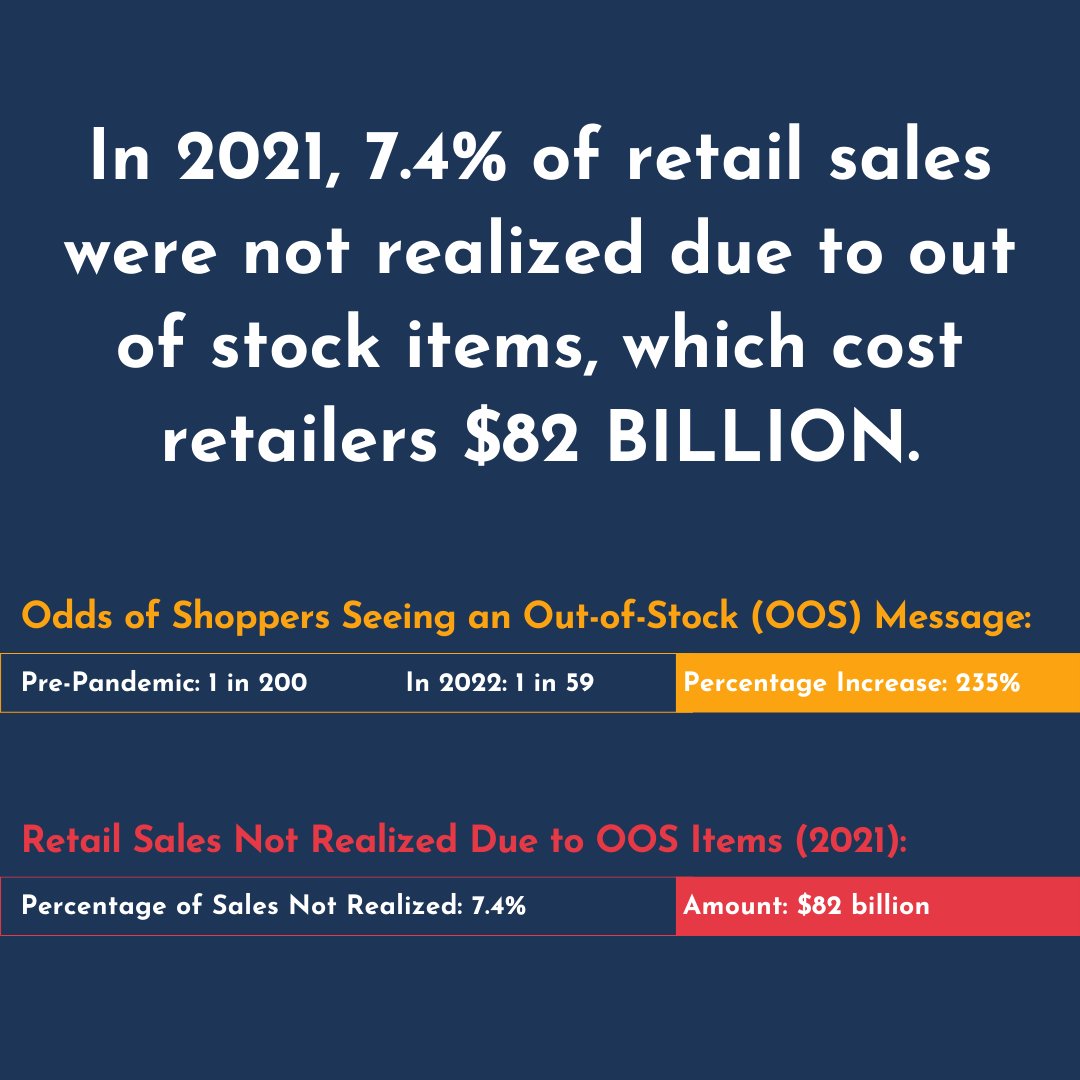
Empty shelves aren't just supply chain issues. They're crime scenes. That space where your liquor should be could be an indicator of employee theft. But most retail owners never notice the shrink happening right under their noses — and it’s understandable. You see a gap and reorder inventory. You blame your supplier. Meanwhile the culprits are the people you have on payroll. The most dangerous part is this creates a vicious cycle: • High shrink leads to empty shelves • Empty shelves mean fewer sales • Fewer sales mask how much is actually being stolen You couldn’t ask for a more perfect crime. That’s why it’s important for retailers to wake up. Look at your shelves differently tomorrow. Start questioning why your numbers never add up. Don’t just accept clean exception reports. Double check that the stock in the back and on the shelf match. An empty shelf can be the only visible sign that you’re being robbed. Don’t take it for granted.
Mac Bolak tweet media
English
0
0
0
90
Mac Bolak
Mac Bolak@macbolak·
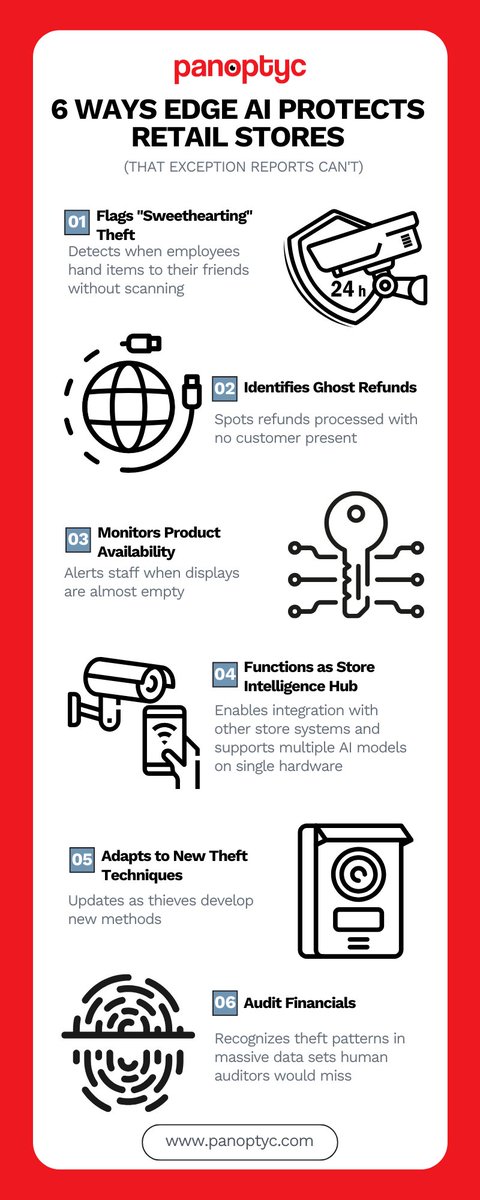
Your store needs a brain, not more cameras. Edge AI boxes are that brain. We're installing these systems in stores across America right now. They catch theft in ways traditional systems miss completely. Think of it like the shift from paper ledgers to computers. Or on-premise servers to cloud computing. That’s how far ahead Edge AI is — it’s Retail 3.0. The average retailer uses exception reports to monitor inventory. But this system is reactive and only alerts you after you've lost money. It can’t track: • Which products customers interact with most • Traffic patterns throughout your store • Refunds processed with no customer present • Products that never reach the register Edge AI solves all these problems. It instantly flags when a cashier rings up 4 items instead of 5 (and steals the 5h) Or when an employee never has customers for their refunds. All those receipts and transaction data it takes you weeks to go through? It analyzes them in minutes and finds hidden patterns of theft. Thieves in 2025 are smart and constantly adapting. They learn what triggers alerts in your system. Then they change tactics when their friends get fired. This leaves modern retailers with only one choice: Keep up or go out of business. Guess which one edge AI lets you do?
Mac Bolak tweet media
English
0
0
0
67