Mac

21.1K posts

Mac

Mac

@maccnoire

Good quality information and respect for others are the keys to a better future.
Bonny Scotland Katılım Nisan 2022
2K Takip Edilen794 Takipçiler
Mac
Mac@maccnoire·
This is my last tweet before I delete this app. However, I shall not delete my handle - I do not wish a scammer to pick it up. @elonmusk The reason should be obvious to all decent people. Please do some soul searching. For all decent people, I can be found at Bluesky. Mac
English
0
0
1
51
Mac retweetledi
Polina Shumakova
Polina Shumakova@SumakovaPolina·
🫂❤️NEW MISSION❤️🫂 Need for personal hygiene products, food products🧼🛒 For 39 people🫂🎯Goal 585 🅿️🅿️ sumakovaalena23@gmail.com 🅿️🅿️ polina.star98@gmail.com(if the first method doesn't work) ☕️ buymeacoffee.com/polinastar ❤️‍🔥I will be grateful for your support and help in this matter. Every repost and comment helps. I hug everyone tightly. Let's do this together!❤️‍🔥
English
40
390
440
22.1K
Mac retweetledi
Mac retweetledi
freeonis
freeonis@freeonis_·
Один Проти Всіх / One Against All (animation)
79
1.5K
4.1K
148.8K
Mac retweetledi
Aleksandr X
Aleksandr X@AleksandrX13·
(4/) Anything collected via paypal will be 'emptied' into the monobank jar by my cousin every evening. And the jar will show the new total amount. So everyone can track how much has been collected even when I'm not around. 👍
English
4
9
45
1.1K
Mac retweetledi
Aleksandr X
Aleksandr X@AleksandrX13·
(3/) As I am going to be 'out of action' for some time, I am officially asking my old friends @DucuGavril and @LXSummer1 to help with this fundraiser while I cannot. Thank you, my good friends, for always being there to help out all through this war.
English
3
19
63
1.2K
Mac retweetledi
Aleksandr X
Aleksandr X@AleksandrX13·
(2/) Also, I ask everyone in #NAFO to please repost this fundraiser from time to time, until it is complete... ...as I have to go into surgery for an old injury tomorrow, and I will not be able to post for some time while I recover. Thank you, all. 🫡
Aleksandr X tweet media
English
8
37
102
1.8K
Mac retweetledi
Aleksandr X
Aleksandr X@AleksandrX13·
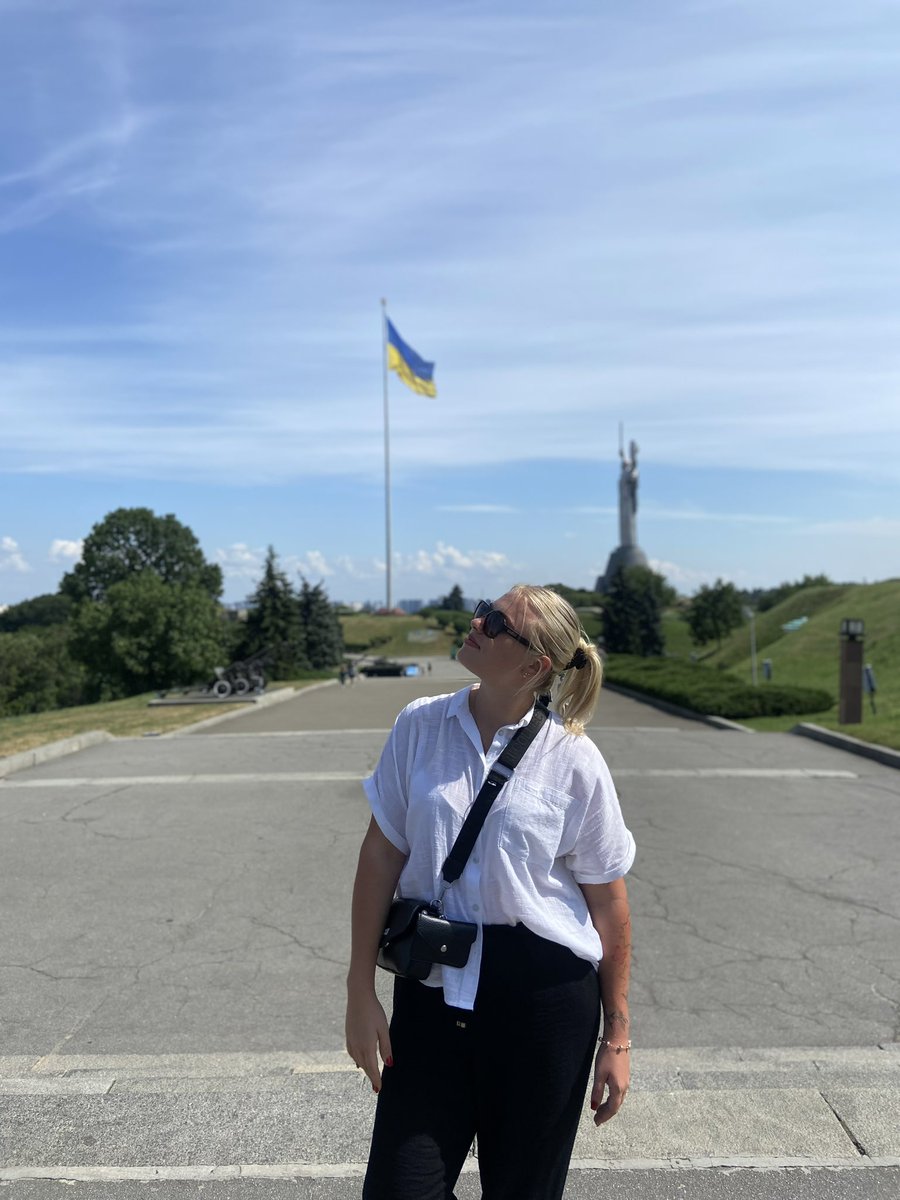
‼️The Presidential Brigade near Pokrovsk need a new mobility vehicle‼️ You see this van in the images. It's been in use with my cousin Vasya's unit of the Presidential brigade. It has been shelled many times - each time the lads managed to patch it up. But now its engine is absolutely destroyed, and the lads need a new van. Please assist. --- Amount needed: $4000 Amount collected: $235 Monobank Link: send.monobank.ua/jar/37ZPY5G592 Paypal: annasofiya999@gmail.com
Aleksandr X tweet mediaAleksandr X tweet media
English
43
261
378
74.1K
Mac retweetledi
Mac retweetledi
Polina Shumakova
Polina Shumakova@SumakovaPolina·
Good morning,friends. In just half a day yesterday we managed to raise +45$. 🎯 Thank you very much for your support. I would be very grateful if you could repost, write a comment and boost. Will we be able to achieve 25% of the goal today? I hope we can. Please support if you can 🫂❤️NEW MISSION❤️🫂 Need for personal hygiene products, food products🧼🛒 For 39 people🫂🎯Goal 1203 🅿️🅿️ sumakovaalena23@gmail.com 🅿️🅿️ polina.star98@gmail.com (if the first method doesn't work) ☕️ buymeacoffee.com/polinastar ❤️‍🔥I will be grateful for your support and help in this matter. Every repost and comment helps. I hug everyone tightly. Let's do this together!❤️‍🔥
Polina Shumakova tweet media
English
14
165
278
4.5K
Mac retweetledi
Polina Shumakova
Polina Shumakova@SumakovaPolina·
🫂❤️NEW MISSION❤️🫂 Need for personal hygiene products, food products🧼🛒 For 39 people🫂🎯Goal 1248 🅿️🅿️ sumakovaalena23@gmail.com 🅿️🅿️ polina.star98@gmail.com(if the first method doesn't work) ☕️ buymeacoffee.com/polinastar ❤️‍🔥I will be grateful for your support and help in this matter. Every repost and comment helps. I hug everyone tightly. Let's do this together!❤️‍🔥
English
65
545
623
31.8K
Mac retweetledi
Kate from Kharkiv
Kate from Kharkiv@BohuslavskaKate·
It's either we will fire into russian air bases or they will continue killing us in our beds, turning our homes into graves. By denying us those strikes, @Bundeskanzler protects russian air bases over civil Ukrainians.
UNITED24 Media@United24media

⚡️ Chancellor Scholz: "I am against the fact that the weapons supplied by us can be fired far into Russian territory and will not change my position regarding the delivery of a cruise missile from Germany."
English
186
595
2.1K
33.6K
Mac retweetledi
olexander scherba🇺🇦
olexander scherba🇺🇦@olex_scherba·
Today is Stepan Chubenko’s birthday. Native of Donbas, in 2014 he was arrested by russian occupiers for his pro-Ukraine position. Tortured for days. Executed mafia-style. Body found half a year later, with his hands bound behind his back. All his teeth were missing. He was a talented goalie, a poet and just a bright boy. Only 16 years old. His life was ahead of him. His dad was Ukrainian, his mom was russian - but the occupiers didn’t give a shit. They were burning out everything Ukrainian. As they still do. #RussianWarCrimes #StandWithUkraine
olexander scherba🇺🇦 tweet media
English
364
3.4K
8.7K
214.8K
Mac
Mac@maccnoire·
Bricktop_NAFO@Bricktop_NAFO

🚨🚨🚨I HAVE JUST DONE SOME DIGGING. HEAR ME OUT. TAG YOUR GOVERNMENT REPRESENTATIVES AND SHARE THIS🚨🚨🚨 How to stop Trump from working with and helping Putin and Russia. We can prevent Trump from aiding and engaging with Russia by designating Russia, Putin, and their associates as a terrorist state and as individual terrorists. Labeling a country as a "terrorist state" or a state sponsor of terrorism is generally done by individual governments or intergovernmental organizations, each with its own set of criteria and legal implications. We have all been calling for The West to provide Russian with this title, and governements have been hesitant to do this. However, no we have no choice, and Trump has forced our hand. Here's a breakdown of who has the authority to make such a designation and what it usually entails in terms of interaction with that country: United States (Department of State Designation) In the U.S, the Secretary of State has the authority to designate a country as a State Sponsor of Terrorism (SST) under the Foreign Assistance Act and related legislation. Countries given this label are deemed to have "repeatedly provided support for acts of international terrorism." This can be done by the current Biden administration ahead of Trump’s presidency. Consequences: Sanctions: The U.S. government imposes strict economic and financial sanctions, which may include banning arms sales, restricting financial transactions, and limiting foreign aid. Export Controls: Restrictions are placed on exports and re-exports of goods, especially those that could have military or dual uses. Financial Restrictions: The country’s financial institutions may face limitations on access to international finance, including the U.S. financial system. Limitations on U.S. Aid and Trade: The SST designation can halt U.S. assistance programs, prevent the country from receiving U.S. trade benefits, and discourage American companies from doing business there. Impact on Interactions: Diplomatic Relations: While the designation doesn't necessarily mean diplomatic relations are cut, it often leads to strained or limited diplomatic engagement. Other Countries/Allies: Many U.S. allies consider the SST designation seriously and may also avoid close economic or diplomatic interactions with the labeled state. If a new U.S. president wants to remove a country from the State Sponsor of Terrorism (SST) list, they do have a defined process to follow, and Congress is involved, though not directly in approving the removal. Here’s how it works: 1. Process of Removal by the new Secretary of State The decision to remove a country from the SST list is initiated by the Secretary of State, who must determine that the country no longer meets the criteria for the designation. This determination typically requires substantial evidence that the country: -Has not supported terrorism for the preceding six months. -Provides assurances that it will not engage in terrorism in the future. 2. Certification and Reporting to Congress Once the Secretary of State makes this determination, they must submit a formal certification to Congress. This certification must include a justification, typically including intelligence assessments and diplomatic analysis, to support the decision. Congress is then notified at least 45 days in advance of the proposed removal. During this period, Congress reviews the certification and can voice concerns or push back, though they don’t have a direct veto power over the decision. 3. Congressional Oversight and Potential Blockage While Congress doesn’t directly vote on the removal, they can still attempt to block it by passing legislation. For example, if enough members oppose the removal, Congress could draft and pass a bill to prevent it. However, the president could veto such a bill, requiring a two-thirds majority in both chambers of Congress to override. That means to veto the decision it would take two thirds of people in agreement from the House of Representatives and the Senate! 4. Finalization of Removal After the 45-day waiting period and if there is no successful congressional action to block it, the removal becomes final, and the country is officially taken off the SST list. Summary In essence, while a president can initiate the process to remove a country from the SST list, Congress has a significant oversight role, and it’s common for Congress to review, debate, or potentially seek ways to influence the decision if there are strong objections. This process ensures that the decision to remove a country from the SST list is weighed carefully and involves both executive and legislative considerations. If Russia, under Putin’s leadership, had been labeled as a State Sponsor of Terrorism (SST) or if its leaders had been designated as terrorists when Trump took office, it would impose several legal and practical barriers that would significantly restrict Trump, or any U.S. president, from assisting or engaging with Russia. Here’s what it would practically stop him from doing: 1. Providing Financial or Military Aid Federal Aid: Direct U.S. government financial assistance to Russia would be legally blocked under SST laws. Military Assistance: The U.S. would be prohibited from providing any form of military assistance, training, equipment, or intelligence support to the Russian government or military forces. 2. Economic Engagement and Trade Prohibition on Exports and Imports: Many exports and imports would be restricted or banned, especially those involving technology, weapons, and goods with potential military applications. Investment and Business Ventures: American companies would face significant legal restrictions on investing in or conducting business in Russia, which would likely include energy, technology, and infrastructure sectors that are critical to Russia’s economy. Financial Transactions: Russia’s access to U.S. banks and the financial system would be restricted, making it difficult for Russian entities to conduct business involving U.S. dollars, limiting their access to international financing. 3. Diplomatic Interactions Limited Diplomatic Contact: Diplomatic relations might be restricted to minimal, low-level communications. Any high-level meetings would require justifying that they do not contradict U.S. anti-terrorism policies, and public backlash would be likely. Allied Cooperation: The SST designation would make it challenging for the president to encourage allies to engage with Russia. Most NATO and EU countries would likely reduce or cut off their own economic and diplomatic ties with Russia to align with U.S. policy. 4. Legal Barriers to Supporting Russian Officials or Businesses Sanctions on Russian Officials and Oligarchs: A terrorist designation would likely include sanctions on top Russian officials and oligarchs, freezing their U.S.-based assets and barring U.S. entities from doing business with them. Prohibition on U.S. Companies Hiring Russian Companies or Government Contractors: U.S. companies would face restrictions on hiring or engaging with Russian firms, especially in sectors linked to critical infrastructure or sensitive technology. 5. Criminal Penalties for Violations Strict Legal Penalties: Assisting Russia or circumventing SST restrictions would be illegal, subjecting U.S. entities, officials, and even the president to legal consequences, including sanctions, fines, and even criminal charges if violations were deemed willful. Scrutiny and Oversight: Congress and regulatory agencies would closely monitor all interactions with Russia to ensure compliance, effectively limiting any president’s room to bypass restrictions. In short, an SST designation on Russia would create major legal and financial obstacles for any U.S. president trying to assist Russia, requiring careful congressional review, oversight, and likely public transparency around any interaction with the Russian government or its leadership. Outside Actors in the U.S. Political System The EU (European Union), the UN (United Nations), along with other countries and regional alliances, could also act on this, causing further issues and red tape for Trump to negotiate. While NATO (the North Atlantic Treaty Organization) does not have the authority to officially designate a country as a "terrorist state" or a "state sponsor of terrorism," NATO is a military alliance focused on the collective defense and security of its member states, and it does not have the same legal or diplomatic authority to impose designations or sanctions as individual nations or international bodies like the United Nations (UN) or the European Union (EU). With other NATO members deepening their stance against Russia, Trump and the new U.S. government would have to navigate extremely carefully to ensure no sanctions landed on them as well. It would be an absolute cluster fuck and an unimaginable amount of work to overturn and resolve for Trump. And again, at the very least, it would give the allies time to improve production numbers of weapons systems and ammunition and, furthermore, help Ukraine get through the end of winter before negative changes happen. Again share this and tag your government representatives. These are actons that are necessary to protect the sovereignty of ukraine and Europe as a whole. Lets get this done. @kiraincongress @Keir_Starmer @EmmanuelMacron @ZelenskyyUa @JoeBiden @POTUS
QME
0
0
1
15
Mac retweetledi
Bricktop_NAFO
Bricktop_NAFO@Bricktop_NAFO·
🚨🚨🚨I HAVE JUST DONE SOME DIGGING. HEAR ME OUT. TAG YOUR GOVERNMENT REPRESENTATIVES AND SHARE THIS🚨🚨🚨 How to stop Trump from working with and helping Putin and Russia. We can prevent Trump from aiding and engaging with Russia by designating Russia, Putin, and their associates as a terrorist state and as individual terrorists. Labeling a country as a "terrorist state" or a state sponsor of terrorism is generally done by individual governments or intergovernmental organizations, each with its own set of criteria and legal implications. We have all been calling for The West to provide Russian with this title, and governements have been hesitant to do this. However, no we have no choice, and Trump has forced our hand. Here's a breakdown of who has the authority to make such a designation and what it usually entails in terms of interaction with that country: United States (Department of State Designation) In the U.S, the Secretary of State has the authority to designate a country as a State Sponsor of Terrorism (SST) under the Foreign Assistance Act and related legislation. Countries given this label are deemed to have "repeatedly provided support for acts of international terrorism." This can be done by the current Biden administration ahead of Trump’s presidency. Consequences: Sanctions: The U.S. government imposes strict economic and financial sanctions, which may include banning arms sales, restricting financial transactions, and limiting foreign aid. Export Controls: Restrictions are placed on exports and re-exports of goods, especially those that could have military or dual uses. Financial Restrictions: The country’s financial institutions may face limitations on access to international finance, including the U.S. financial system. Limitations on U.S. Aid and Trade: The SST designation can halt U.S. assistance programs, prevent the country from receiving U.S. trade benefits, and discourage American companies from doing business there. Impact on Interactions: Diplomatic Relations: While the designation doesn't necessarily mean diplomatic relations are cut, it often leads to strained or limited diplomatic engagement. Other Countries/Allies: Many U.S. allies consider the SST designation seriously and may also avoid close economic or diplomatic interactions with the labeled state. If a new U.S. president wants to remove a country from the State Sponsor of Terrorism (SST) list, they do have a defined process to follow, and Congress is involved, though not directly in approving the removal. Here’s how it works: 1. Process of Removal by the new Secretary of State The decision to remove a country from the SST list is initiated by the Secretary of State, who must determine that the country no longer meets the criteria for the designation. This determination typically requires substantial evidence that the country: -Has not supported terrorism for the preceding six months. -Provides assurances that it will not engage in terrorism in the future. 2. Certification and Reporting to Congress Once the Secretary of State makes this determination, they must submit a formal certification to Congress. This certification must include a justification, typically including intelligence assessments and diplomatic analysis, to support the decision. Congress is then notified at least 45 days in advance of the proposed removal. During this period, Congress reviews the certification and can voice concerns or push back, though they don’t have a direct veto power over the decision. 3. Congressional Oversight and Potential Blockage While Congress doesn’t directly vote on the removal, they can still attempt to block it by passing legislation. For example, if enough members oppose the removal, Congress could draft and pass a bill to prevent it. However, the president could veto such a bill, requiring a two-thirds majority in both chambers of Congress to override. That means to veto the decision it would take two thirds of people in agreement from the House of Representatives and the Senate! 4. Finalization of Removal After the 45-day waiting period and if there is no successful congressional action to block it, the removal becomes final, and the country is officially taken off the SST list. Summary In essence, while a president can initiate the process to remove a country from the SST list, Congress has a significant oversight role, and it’s common for Congress to review, debate, or potentially seek ways to influence the decision if there are strong objections. This process ensures that the decision to remove a country from the SST list is weighed carefully and involves both executive and legislative considerations. If Russia, under Putin’s leadership, had been labeled as a State Sponsor of Terrorism (SST) or if its leaders had been designated as terrorists when Trump took office, it would impose several legal and practical barriers that would significantly restrict Trump, or any U.S. president, from assisting or engaging with Russia. Here’s what it would practically stop him from doing: 1. Providing Financial or Military Aid Federal Aid: Direct U.S. government financial assistance to Russia would be legally blocked under SST laws. Military Assistance: The U.S. would be prohibited from providing any form of military assistance, training, equipment, or intelligence support to the Russian government or military forces. 2. Economic Engagement and Trade Prohibition on Exports and Imports: Many exports and imports would be restricted or banned, especially those involving technology, weapons, and goods with potential military applications. Investment and Business Ventures: American companies would face significant legal restrictions on investing in or conducting business in Russia, which would likely include energy, technology, and infrastructure sectors that are critical to Russia’s economy. Financial Transactions: Russia’s access to U.S. banks and the financial system would be restricted, making it difficult for Russian entities to conduct business involving U.S. dollars, limiting their access to international financing. 3. Diplomatic Interactions Limited Diplomatic Contact: Diplomatic relations might be restricted to minimal, low-level communications. Any high-level meetings would require justifying that they do not contradict U.S. anti-terrorism policies, and public backlash would be likely. Allied Cooperation: The SST designation would make it challenging for the president to encourage allies to engage with Russia. Most NATO and EU countries would likely reduce or cut off their own economic and diplomatic ties with Russia to align with U.S. policy. 4. Legal Barriers to Supporting Russian Officials or Businesses Sanctions on Russian Officials and Oligarchs: A terrorist designation would likely include sanctions on top Russian officials and oligarchs, freezing their U.S.-based assets and barring U.S. entities from doing business with them. Prohibition on U.S. Companies Hiring Russian Companies or Government Contractors: U.S. companies would face restrictions on hiring or engaging with Russian firms, especially in sectors linked to critical infrastructure or sensitive technology. 5. Criminal Penalties for Violations Strict Legal Penalties: Assisting Russia or circumventing SST restrictions would be illegal, subjecting U.S. entities, officials, and even the president to legal consequences, including sanctions, fines, and even criminal charges if violations were deemed willful. Scrutiny and Oversight: Congress and regulatory agencies would closely monitor all interactions with Russia to ensure compliance, effectively limiting any president’s room to bypass restrictions. In short, an SST designation on Russia would create major legal and financial obstacles for any U.S. president trying to assist Russia, requiring careful congressional review, oversight, and likely public transparency around any interaction with the Russian government or its leadership. Outside Actors in the U.S. Political System The EU (European Union), the UN (United Nations), along with other countries and regional alliances, could also act on this, causing further issues and red tape for Trump to negotiate. While NATO (the North Atlantic Treaty Organization) does not have the authority to officially designate a country as a "terrorist state" or a "state sponsor of terrorism," NATO is a military alliance focused on the collective defense and security of its member states, and it does not have the same legal or diplomatic authority to impose designations or sanctions as individual nations or international bodies like the United Nations (UN) or the European Union (EU). With other NATO members deepening their stance against Russia, Trump and the new U.S. government would have to navigate extremely carefully to ensure no sanctions landed on them as well. It would be an absolute cluster fuck and an unimaginable amount of work to overturn and resolve for Trump. And again, at the very least, it would give the allies time to improve production numbers of weapons systems and ammunition and, furthermore, help Ukraine get through the end of winter before negative changes happen. Again share this and tag your government representatives. These are actons that are necessary to protect the sovereignty of ukraine and Europe as a whole. Lets get this done. @kiraincongress @Keir_Starmer @EmmanuelMacron @ZelenskyyUa @JoeBiden @POTUS
English
49
233
428
21.4K
Mac retweetledi
NEXTA
NEXTA@nexta_tv·
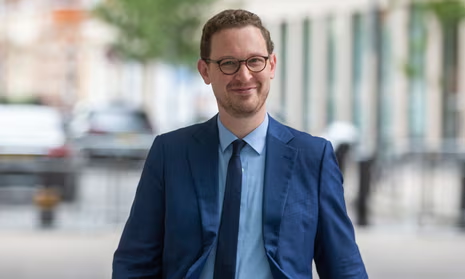
British Finance Minister Darren Jones: Ukraine should be restored to pre-war borders, including Crimea. Jones stated that the UK’s position remains unchanged despite Trump’s return to the White House.
NEXTA tweet media
English
275
1.6K
8.2K
153.6K