

Maciel Alves
38 posts

Maciel Alves
@macielestudo
Jr. software developer, web/mobile development and software analysis Have a project idea? Send me a message.
Sao Paulo, Brazil Katılım Ağustos 2025
29 Takip Edilen13 Takipçiler

@R38TAO Agora é hora de pegar o empréstimo? Hahahahha
Português

Duas notícias urgentes:
Quem esperava promoção: chegou!BTCUSD em menor cotação desde nov/2024 - 5 meses seguidos de queda!
É mentira o post que vendi tudo e comprei de prata, vender acima da faixa de isenção só após saída fiscal!

Português
So now, there is solution that let a human programn a brain. Fascinating.
youtu.be/lZ3_GUilpnk?si…

YouTube
Sao Paulo, Brazil 🇧🇷 English


Hey @X 👋 Looking to #CONNECT with folks into
👨💻JavaScript
⚛️React
🌐Full Stack
🎨Frontend
🧩Backend
☁️AWS
☁️Cloud
🧠DSA 💻LeetCode
🧩Node — Let’s learn, build & grow together! 🚀 #LetsConnect #100DaysOfCode #DevCommunity #MERNStack #CloudComputing
English
Check out my new article on LinkedIn: 🚨 Watch Out for BIGINT in PostgreSQL + JavaScript! linkedin.com/pulse/watch-ou… via @LinkedIn
English
Take a look at my restrospective from Dio: dio.me/retrospectives…
English

The stock market is giving a warning that BTC is about to rally. Pure Vol ( Beta) vs Pure Profitability (Quality) fell hard as BTC fell from 115 to 80. Now Beta vs quality has ripped back to highs in 10 of last 11 days while BTC is trying to gain its footing. Pure Vol vs Qual correlated to PMIs over time. Higher BTC to come.

English
Lessons learned:
Trust braces, not indentation
Linters can save you (enable “curly” or “brace-style” rules)
This ambiguity has been around since ALGOL 60—classic CS never dies!
Have you ever been burned by dangling else in production? Drop your war stories below 👇
#JavaScript
English
Even though indentation suggests otherwise, indentation is just for humans—parsers don’t care.
The fix? Always use braces (or rewrite the logic):
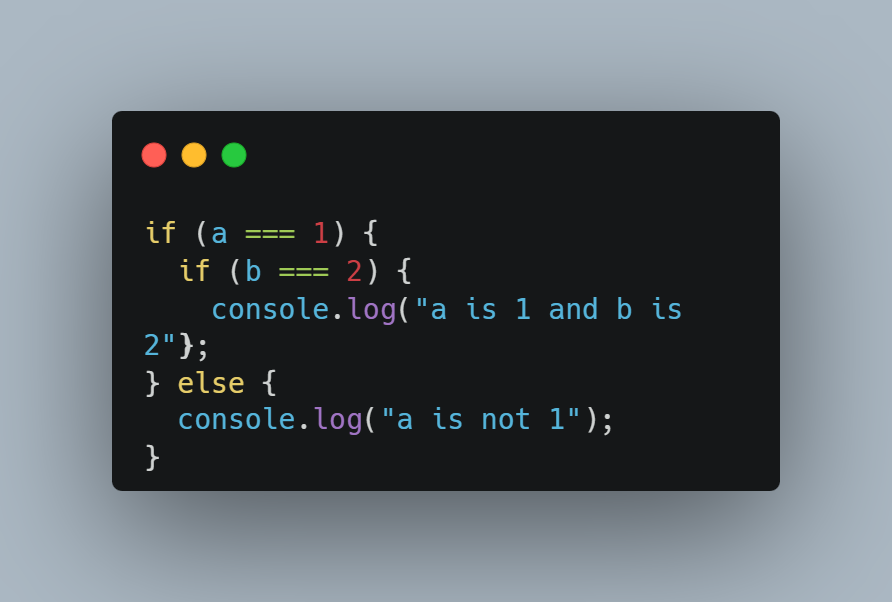
English
🧵 Ever been bitten by the classic “dangling else” problem in JavaScript (or C, C++, Java, etc.)?
Look at this innocent-looking function:
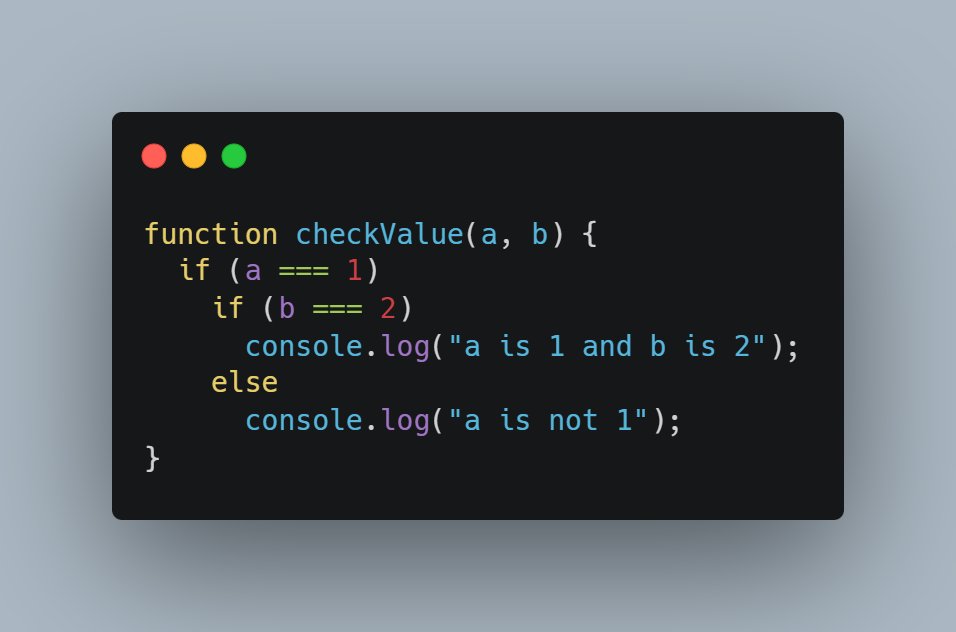
English

Estou vendendo #Guirlanda De Feliz Natal Especial Enfeite De Porta 40cm Feito a mão com 0% de desconto! Somente R$59,99. Encontre na Shopee agora!
#natal #feliznatal #shopee
shopee.com.br/macielalvesdos… #ShopeeBR
Português

Hey @X algorithm, I’m looking to #CONNECT with people interested in:
✅ DSA
🎨 Frontend
💼 Backend
🧠 Gen AI / Data Science
📊 Data Analyst
✨ Full Stack
⛓️ Leetcode
📐 System Design
🐍 Python
☕ Java
🚀 Let’s build, learn, and grow together—one connection at a time#letsconnect
English
Breaking news: man got fit and you can too. Access our ultimate full stack AI course and you will get a six figure job and fit as well.
Rsrsrsrsrsr.
Prasenjit@Star_Knight12
full stack developer in 2025 be like
English

Hey @X
👋Looking to #CONNECT with folks into:
👨💻 JavaScript
⚛️ React
🧠 DSA
🌐 Full Stack
🎨Frontend
🧩 Backend
☕ Java
💻 LeetCode
🌱Springboot
🧩Node
Let’s grow and together!
#LetsConnect #100DaysOfCode
English