
Sabitlenmiş Tweet
Macken
5K posts


Macken
@MackenMurphy
Oxford grad studying mating. "Macken Murphy is able to condense vast chunks of information into engaging and digestible episodes." — The New York Times
Melbourne, Australia Katılım Ağustos 2017
625 Takip Edilen24.4K Takipçiler
Macken retweetledi
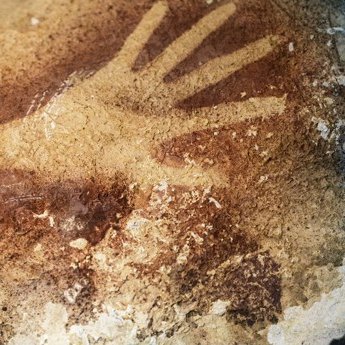
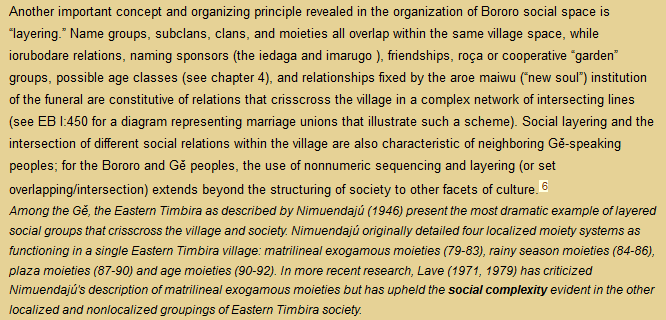
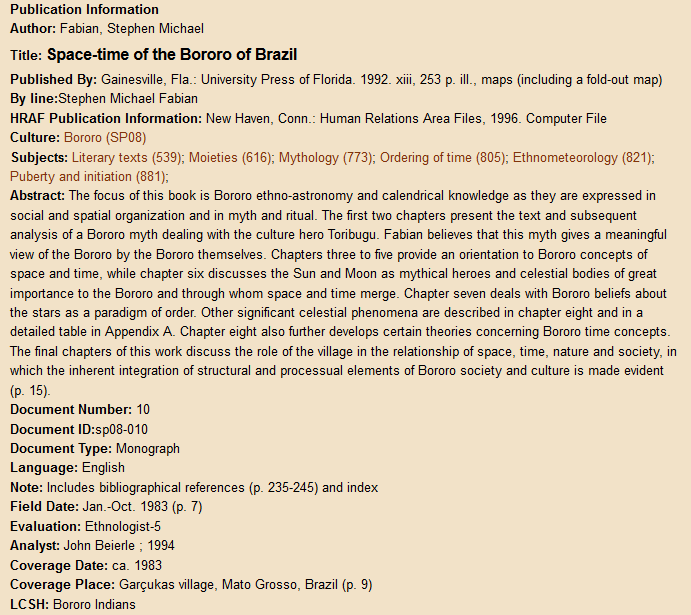
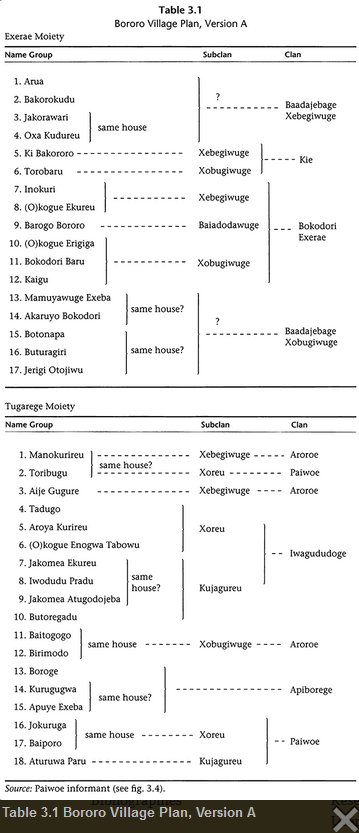
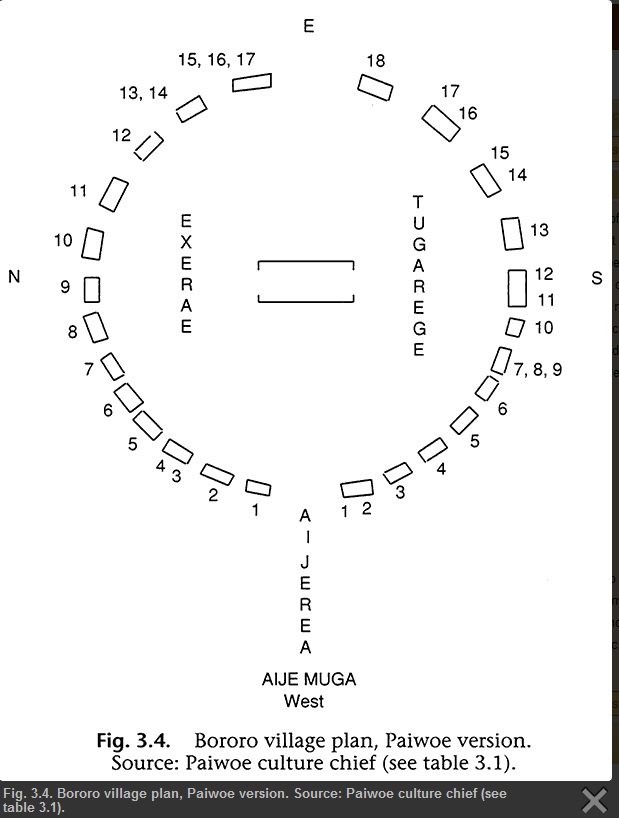
When people talk about 'complex societies' or 'social complexity' it's often in relation to stuff like population size or economic specialization, but many hunter-gatherer & other small-scale societies have very complex social systems regulating kinship, marriage & group identity
English
Macken retweetledi

Public service announcement:
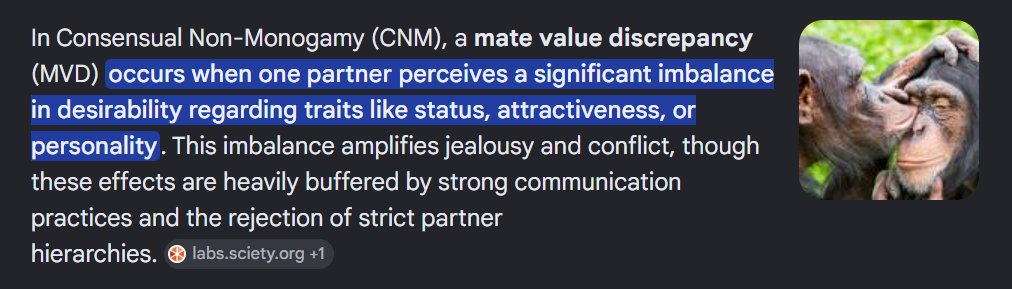
I recently Googled "consensual non-monogamy and mate value discrepancy" because I wanted to see if their AI summary bot had yet captured our pub.
It did, but this is what it wrote. The second sentence implies that we *know* that these effects are heavily buffered by strong communication and the rejection of strict partner hierarchies.
We never wrote this, and it's actually a gross, somewhat dangerous misrepresentation of the data. But you can see that it cited our paper to write this claim.
As always, please read the source article. AI won't do that for you.
English
Macken retweetledi
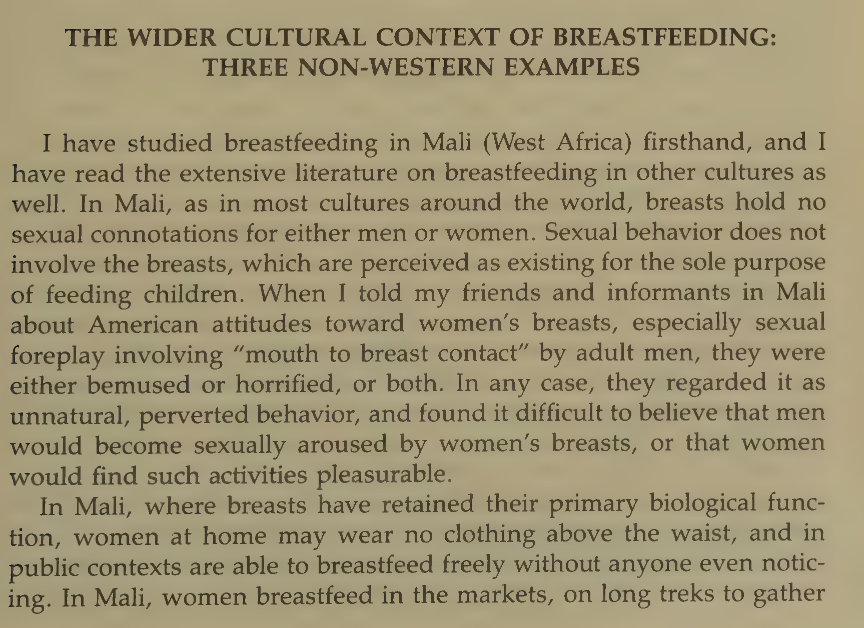
It's a very tricky thing to evaluate. On the one hand it is is clear that lots of societies independently place some sexual emphasis on breasts, men are commonly attracted to them, they can be involved in sexual acts, etc.
But there's also clearly variation in this regard: there are ethnographic examples of ethnographers claiming breasts have very little sexual connotation. Lorna Marshall writes among the !Kung that "Both men and women among the !Kung are exceedingly modest about exposing their genital organs and, though the women's breasts are naked (breasts are associated with nursing, not sex), the women would not expose their buttocks, which are definitely associated with sex, as the position for sexual intercourse is for the man to be at the back of the woman."
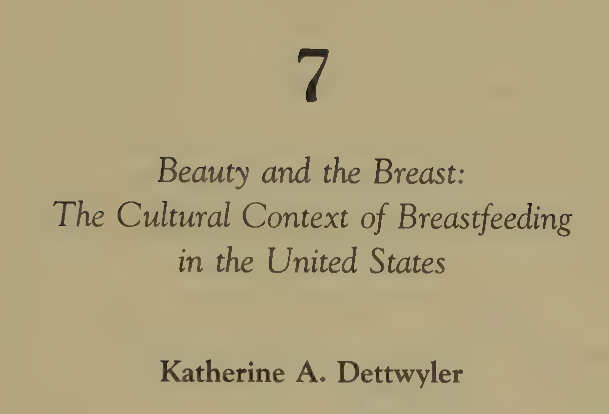
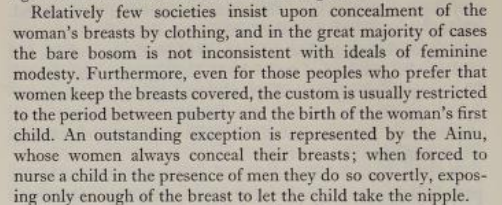
Ford & Beach (1952) in their large survey of sexual behaviour across 190 mostly non-industrial societies write that, "Relatively few societies insist upon concealment of the woman's breasts by clothing, and in the great majority of cases the bare bosom is not inconsistent with ideals of feminine modesty." - Notably this is *not* the case with genitalia, where even in societies where people are habitually nude women still tend to conceal theirs when they sit, for example. I think it's fair to say that genitalia are inherently sexualized in a more explicit way than breasts tend to be.
Overall I'd say that attributing sexualization of breasts simply to Christianity or Western norms isn't correctly, but I also wouldn't say it's trivially universal either, and instead culture can play a strong role. I think there is clearly variation, but the sexualization of breasts is also a common cross-cultural pattern.

Dan Davis@DanDavisWrites
We assume that cultural modesty norms have sexualised breasts, however, in societies where exposed female breasts are the norm, they can still be regarded as sexy. Single study on a single group below. Maybe someone like @Evolving_Moloch knows more about this stuff.
English
Macken retweetledi


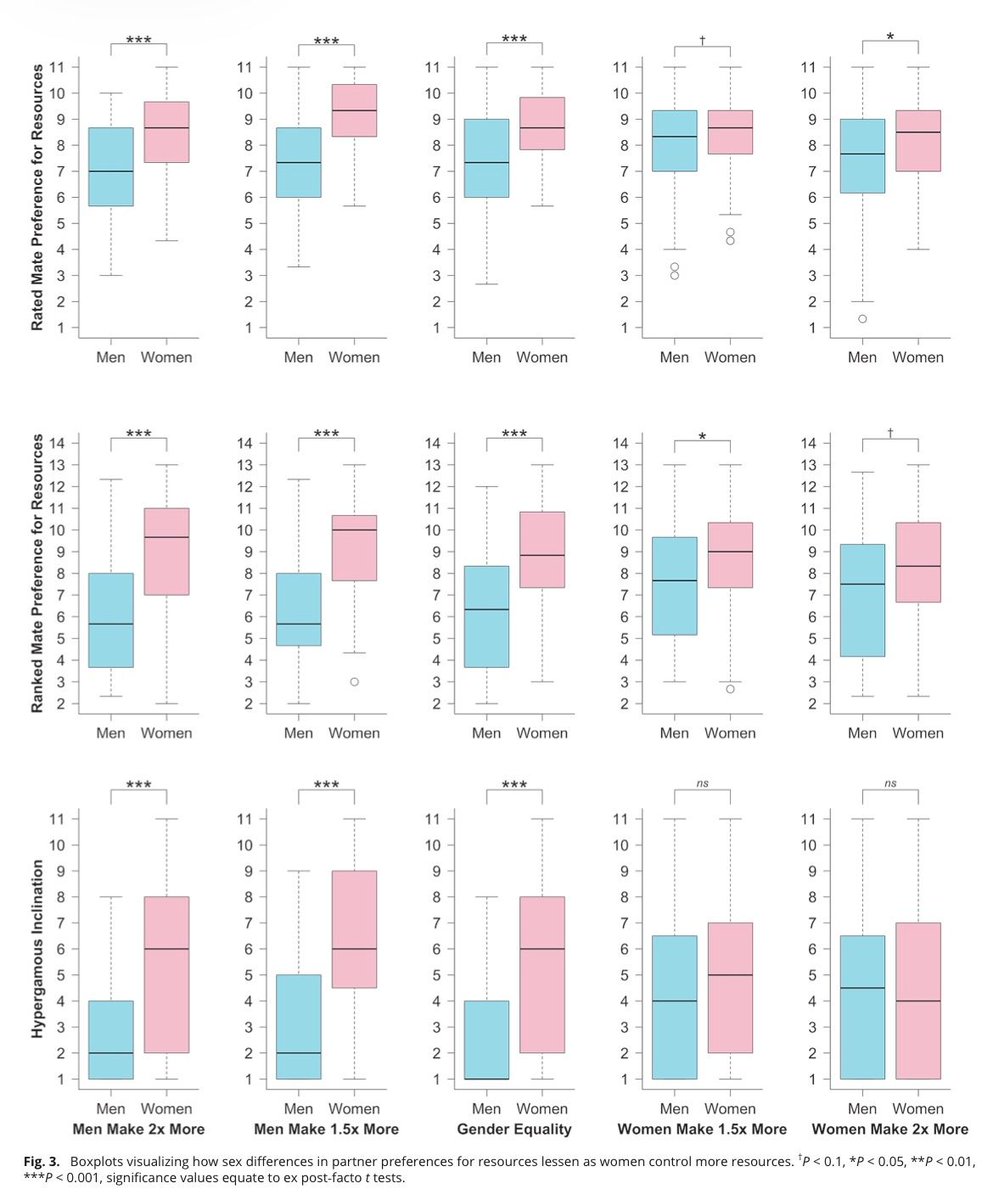
@koenfucius Thank you for sharing our study! I wouldn't say that us finding some degree of environmental contingency implies mate preferences for resources are "not an evolutionary adaptation," just that the adaptation(s) involved are flexible. (E.g., suntanning is a flexible adaptation.)
English

Research by @mackenmurphy et al suggests people have a stronger preference for partners with access to resources when they are poorer or when their sex is poorer.
This implies the preference is environmentally contingent, not an evolutionary adaptation:
buff.ly/hpAMhj7
English
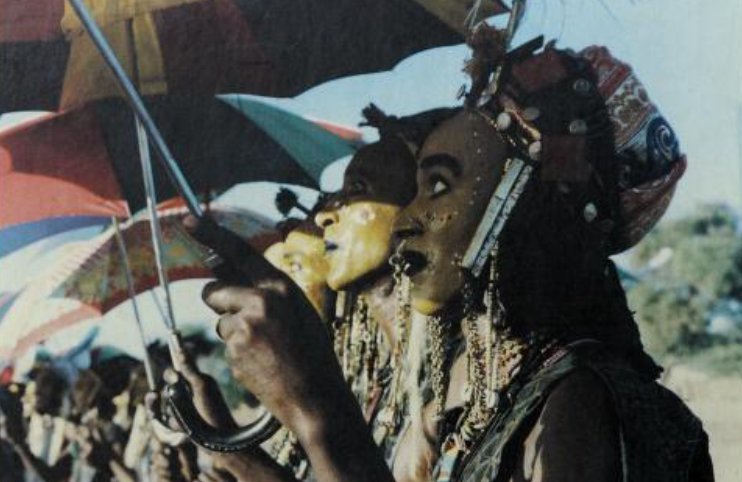
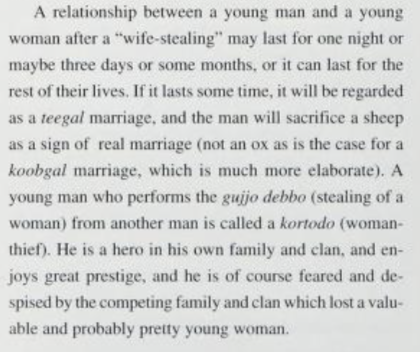
The nomadic Wodaabe of the Sahel region sometimes engage in male beauty contests, where men from different tribes don make-up and try to impress women from the opposing tribe with their good looks.
Men who succeed in "wife-stealing" with their beauty are "feared and despised."

English
Macken retweetledi
Some behind-the-scenes photos from the Modern Wisdom roundtable I took part in while I was in Austin. Out soon!


English
Macken retweetledi
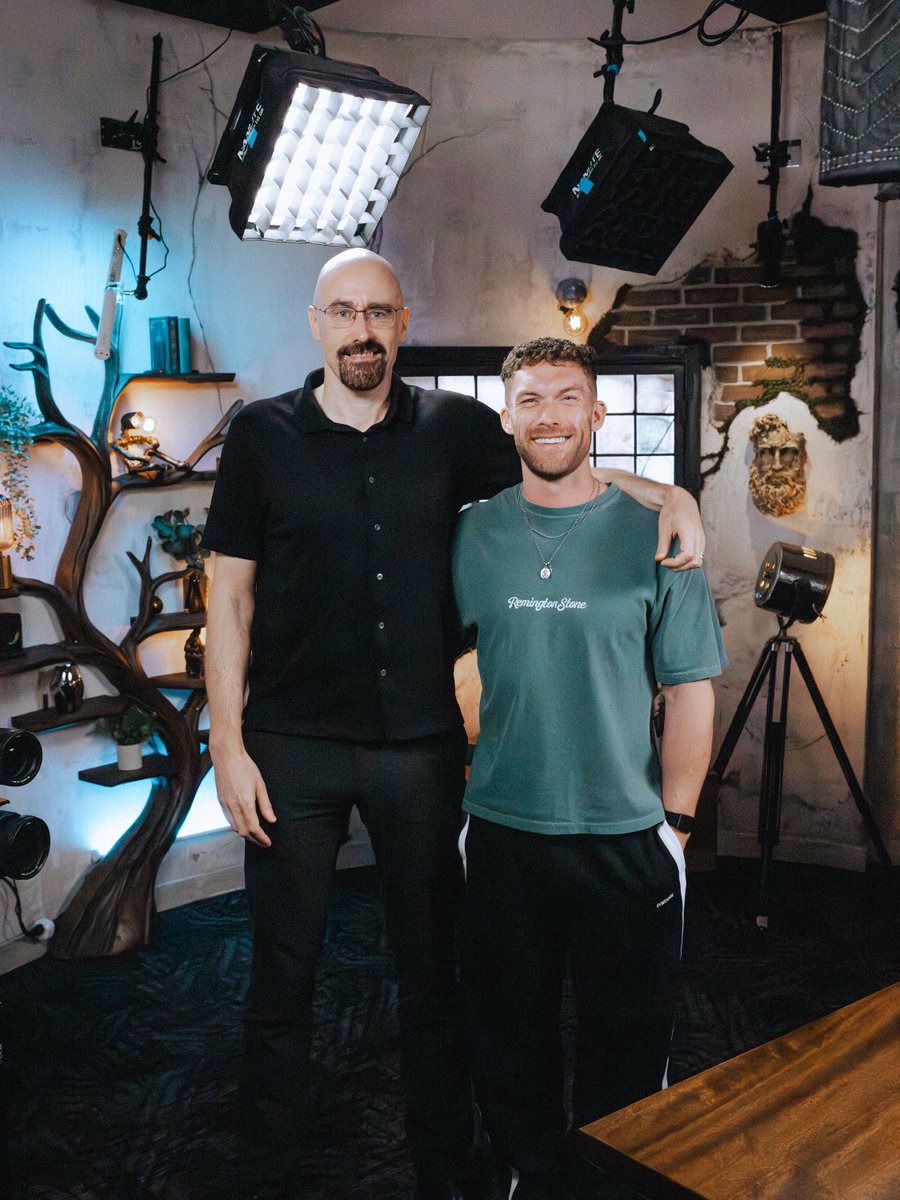
Some photos from my recent appearance on the Modern Wisdom podcast with Chris Williamson (@ChrisWillx).


English
From Mette Bovin's "Nomads Who Cultivate Beauty" (2001). archive.org/details/nomads…
English
@Psikobilim_ Thank you for sharing our study, we worked really hard on it: pnas.org/doi/epdf/10.10…
English
Macken retweetledi

Erkeklerden ortalama 1.5 kat daha fazla kazandıkları bir senaryoda, kadınların hipergami (maddi olarak kendinden üstün eş arama) eğilimleri erkekler ile eşit seviyeye gelebiliyor.


Türkçe
Macken retweetledi
“Humans are quite monogamous - much more so than most other primates. We’re slightly more monogamous than meerkats, but slightly less than beavers. There’s some variation in levels of monogamy across cultures, but it all falls within the fairly monogamous range.”
stevestewartwilliams.com/p/swearing-mak…

English
Macken retweetledi
Context: x.com/MackenMurphy/s…
Macken@MackenMurphy
People who cheat are generally more physically attracted to their affair partners—but see their primary partners as better parents—suggesting infidelity serves a dual-mating strategy. No evidence for the mate-switching hypothesis. New from the Evolution Lab. (1/13)
English
Fascinating excerpt: "... when poly, married primary partner could end up as the housework/childcare partner; secondary partner could become the fun sexy one you make effort for."
Do poly relationships often fall into this pattern? Evidences a dual mating strategy, if so.
English
Macken retweetledi
@drsmithy Great question.
We actually do seem to have some psychological ability to detect paternity fraud; about 1/3 of men who dispute paternity turn out to be "right," which sounds like a terrible guess rate until you realize the base rate of false paternity is more like 1 in 50.
English
Macken retweetledi
A lot of people still thinking this q came from a theory of mind error. (?)
“Men who cared less left less copies of their genes” is not innate knowledge or common sense. Most of our male ancestors also didn’t understand this, even in principle.
They simply cared.
English