
maddeof

740 posts

maddeof banner
maddeof

maddeof

@maddeof

Audio engineer / Music producer / DJ Bookings - [email protected]

Katılım Ocak 2011
977 Takip Edilen413 Takipçiler
Sabitlenmiş Tweet
maddeof
maddeof@maddeof·
Gm Twitter/X🌝 Back after a minute to announce my latest 1/1 mint over on @catalogworks A tightly knit techno groove, “Pulsate” offers a segway into my evolving sound for the upcoming year!! Grab it via- beta.catalog.works/maddeof/pulsate ANIMATION📹- @baba__music
English
0
2
12
480
Fullcourtpass
Fullcourtpass@Fullcourtpass·
Jayson Tatum was down hurt and Joe Mazzulla told the trainer to not go out there and then yelled “get up” 💀 (h/t @StoolGreenie)
English
867
3.6K
70.5K
4.7M
maddeof retweetledi
Russillo
Russillo@ryenarussillo·
If I had kids, I’d make them watch Curry off the ball, even if they didn’t play sports.
English
111
1.1K
15.5K
666.2K
maddeof retweetledi
Jadyn Violet
Jadyn Violet@jadynviolet·
Good morning ! Time to bring some Indian culture on-chain 👀 I hope everyone has a good week. Let me know what you have planned 🖤
English
15
14
79
1.9K
maddeof retweetledi
Nathaniel W.
Nathaniel W.@natemixing·
🎚️ Legendary engineers tips: Manny Marroquin on mental state. "It doesn't matter what gear you have, if your mental state isn't right, then it's going to affect the way you treat the gear and the song itself. You need to get rid of negative or intrusive thoughts, whatever it is that affects your mood, because it will affect the track that you're working on. So you have to be very aware of your mental state at all times". @natemixing
Nathaniel W. tweet media
English
5
7
73
2.6K
maddeof retweetledi
Nathaniel W.
Nathaniel W.@natemixing·
🎚️ Top-down mixing. • What is it? • When to use it? • What are the benefits of it? • What you need to consider? The top-down mixing technique is a method where you start by applying processing on the master bus (the stereo out) before diving into individual tracks. The idea is to set the overall tone, balance, and dynamics of the mix from the very start, influencing how you approach individual elements later on. I use this technique quite often, especially when songs recorded and produced well. It helps to minimize the processing and apply only the things that needed and that lead to a desired result. Here’s a breakdown of how it works and its pros, cons, and best-use scenarios. How Top-Down Mixing Works: 1. Master Bus Processing: You begin by adding EQ, compression, saturation, or other processing on the master bus. This sets the overall character and “glue” for the mix. For example, a gentle EQ boost in the high frequencies can add brightness across the mix. 2. Group Buses: After setting the tone on the master bus, you can add processing to group buses (drums, vocals, guitars, etc.) to shape the sound of each group collectively. 3. Individual Tracks: Once the master bus and groups are sounding close to how you want, you fine-tune individual tracks as needed. Advantages of Top-Down Mixing: 1. Efficiency: This method can speed up the mixing process. Applying broad-stroke changes early on can save time since you might find you need less individual processing afterward. 2. Big-Picture Focus: By starting with the overall mix, you avoid getting bogged down in details too early. This can help you maintain a more holistic view of the mix. 3. Consistency: Processing on the master bus helps "glue" elements together, giving a more cohesive and polished sound from the start. It’s often easier to achieve a consistent tone across the entire mix. 4. Natural Sounding: Since master bus processing affects the entire mix, it often results in more subtle and organic changes, which can be less prone to over-processing individual elements. When to Use Top-Down Mixing: - When You Want Speed: If you need to work quickly, top-down mixing can be a great way to get the mix sounding good early on. - For Broad-Strokes Mixing: If the mix already has a solid arrangement and recording quality, this technique can quickly enhance it without needing detailed processing. - For Experienced Mixers: Those who have a clear vision of the desired sound can use this method effectively to set the mix's character right from the start. Downsides and Considerations: 1. Risk of Over-Processing: Adding too much compression or EQ on the master bus can result in a mix that sounds overly squashed or unnatural. It requires careful listening and subtlety. 2. Less Flexibility: Since master bus processing affects everything, making changes later on can be tricky. If you decide a certain element needs to be louder or brighter, adjusting it might affect the overall balance and require revisiting your master bus settings. 3. Requires a Clear Vision: You need to have a strong idea of the final sound from the beginning. Otherwise, you might end up applying changes that you need to undo later. 4. Not Ideal for Complex Mixes: For mixes with a lot of tracks or intricate arrangements, individual attention to each element might be necessary. In such cases, top-down mixing might oversimplify the process. In Summary: Top-down mixing is a great technique for achieving a cohesive sound and working efficiently. It is especially useful for simple mixes or when you have a clear idea of the overall sonic direction. However, it requires caution, as broad processing can affect the entire mix, making later adjustments more challenging. It’s best used by those with enough experience to understand how master bus processing will influence the mix as a whole. @natemixing
Nathaniel W. tweet media
English
6
5
93
3.6K
maddeof
maddeof@maddeof·
@film011_ Tbf, the ps3 slim era stepped up in a major way from the original, ps5 pro doesn’t really do much in comparison
English
0
0
0
55
FILM
FILM@film011_·
can everyone agree playstation 5 is playstation 3 ptsd, what a weird console generation. If you can sit this one out, you should
English
2
0
1
130
maddeof retweetledi
Nathaniel W.
Nathaniel W.@natemixing·
🎚️ Andrew Scheps on mix revisions. "I think, as with a lot of people who do what we do, I'm very insecure about my mixing. When I finally get a mix to the point where I'm ready to send it to the artist, there's a lot of angst involved. I generally don't like anything I do, and I'm sure nobody else will like it either. The adrenaline rush when I hit send on the email with the link to the mix is not all a good one! Then come the mix notes. By definition any changes anybody wants to a mix means that you didn't do it the way they wanted it, which can easily be classified as a failure. What I've tried to do over the years (and have only lately become even slightly successful at it) is to not take things too personally. It's hard because you've gotten the mix to a point where you think it would ready to go out into the world, but the reality is that it's impossible to hear through other people's ears, and there is no "right" way to mix and there certainly is no such thing as a "perfect" mix." Source: Gearspace interview. @natemixing
Nathaniel W. tweet media
English
10
38
216
14.3K
maddeof
maddeof@maddeof·
@MicaAudio @natemixing Manually level the verses & chorus instead of letting the compressor take the heavy load on this
English
0
0
2
24
Mica
Mica@MicaAudio·
@natemixing I recently started to use a limiter on the master bus. I know you’re supposed to leave a few dbs of ‘headroom’ for the master. Sometimes the chorus is louder than the verses and gets compressed or the opposite, the verses are too quiet. Do you have a solution?
English
2
0
1
74
Nathaniel W.
Nathaniel W.@natemixing·
You, as a mix engineer, have a full right to use a compressor on the mixbus, before mastering. It's absolutely wrong to think that all the master processing should be done by mastering engineer. If you doubt, send a version without compressor too. Otherwise, don't overthink it.
English
3
3
51
1.9K
maddeof
maddeof@maddeof·
@natemixing I’ve noticed a parallel chain to boost 7-9khz pocket on a vocal can help open it up just that little bit more. Over 10k seems to be aliasing plus just unnecessary harshness brought out during the mastering process depending on the recording
English
0
0
1
134
Nathaniel W.
Nathaniel W.@natemixing·
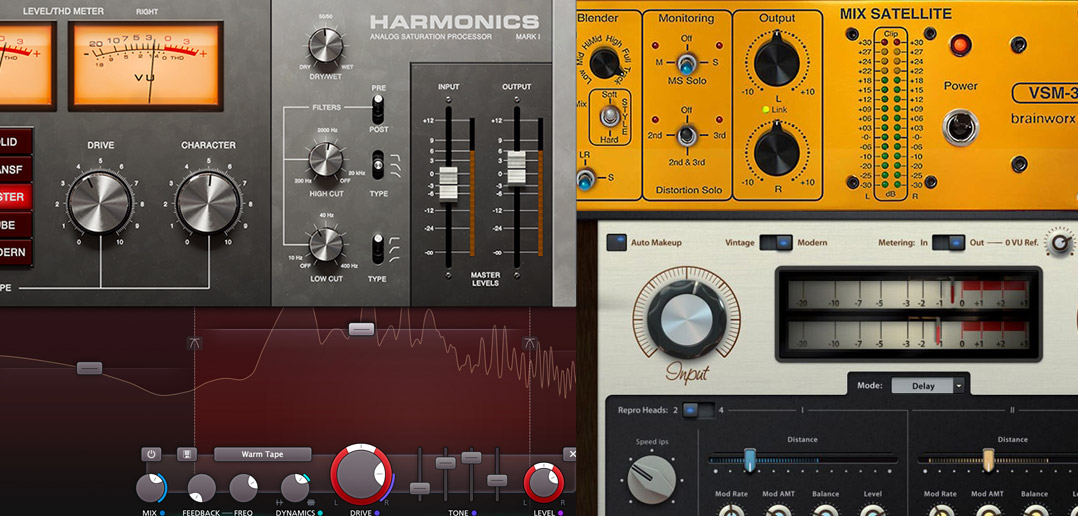
🎚️ Saturating highs doesn't make sense Let's think. 2nd harmonic of 10 khz is 20 khz, no one's gonna hear it already. So saturating 10 khz or above doesn't make sense. The highest frequency that somewhat makes sense to saturate is 8-9 khz. ↓ 1/3
Nathaniel W. tweet media
English
5
5
92
6.2K
maddeof
maddeof@maddeof·
@natemixing Referencing mainstream pop music was a game changer when starting to expand
English
0
0
1
34
Nathaniel W.
Nathaniel W.@natemixing·
If you want to be a professional engineer, you have to be versatile at least to a degree. May be you specify in 1 genre the most, but you have to greatly understand at least a few more, especially popular genres.
English
2
3
33
1.5K
mertiey
mertiey@mertyie·
@camouflybeats how do ppl even get under -5 without killing their mix
English
4
0
1
268
camoufly 🌟
camoufly 🌟@camouflybeats·
-5.5 short term on the busiest part of the song
camoufly 🌟 tweet media
English
18
10
295
11.6K
maddeof
maddeof@maddeof·
@natemixing Brainworx limiter with mid/side limiting😮‍💨
English
0
0
1
52
Nathaniel W.
Nathaniel W.@natemixing·
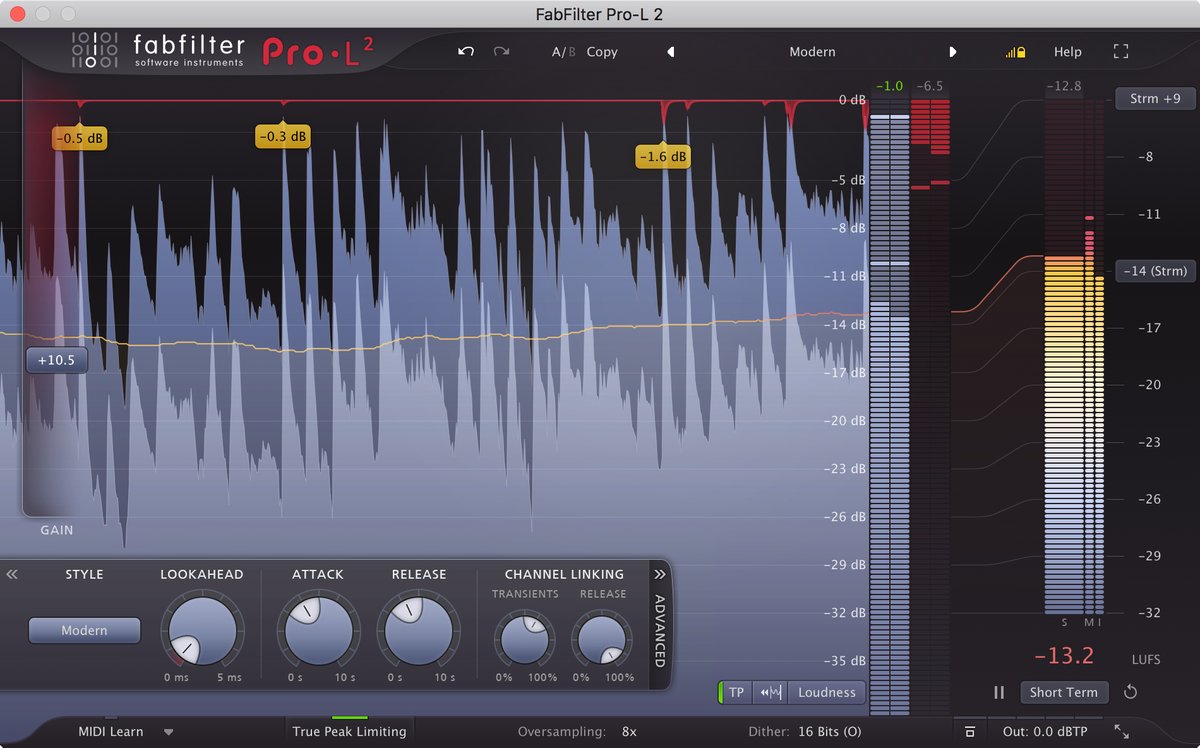
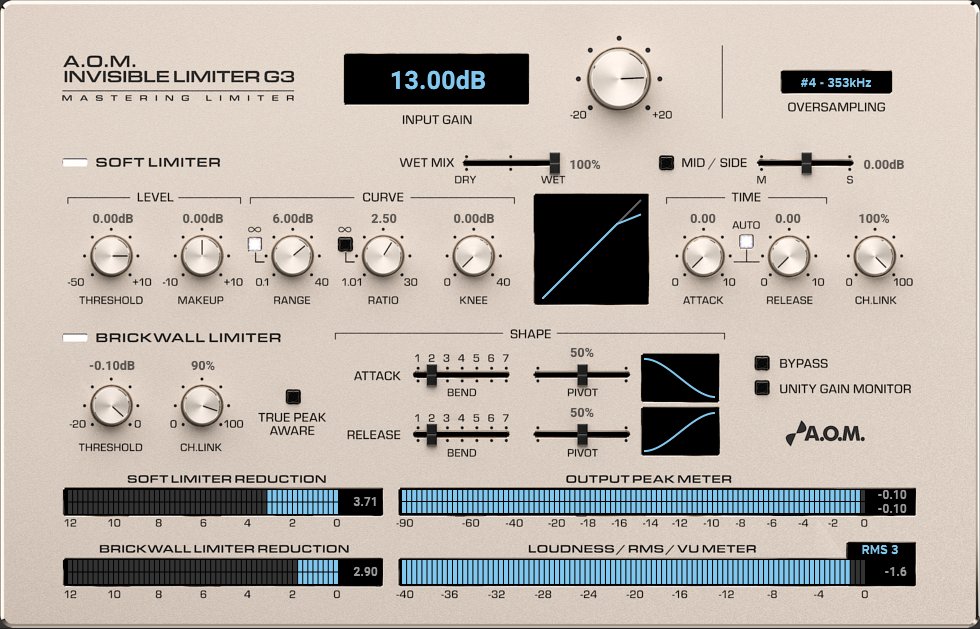
⚙️ 3 Best limiters for mastering • Fabfilter Pro L2 • AOM Invisible Limiter G3 • iZotope Ozone 11 Maximizer Do you agree? @natemixing
Nathaniel W. tweet mediaNathaniel W. tweet mediaNathaniel W. tweet media
English
33
11
141
12K
Twinny
Twinny@DJTwinnyTwin·
Always on the kitchen, these plates keep stacking.
English
3
1
18
564
maddeof retweetledi
Nathaniel W.
Nathaniel W.@natemixing·
⚙️ SSL X-DynEQ Nah this is wild now… • Piano Roll View • 24 band dynamic EQ • Per Band dynamic sidechaining And more. @natemixing
Nathaniel W. tweet media
English
9
6
75
5K
maddeof retweetledi
Nathaniel W.
Nathaniel W.@natemixing·
You can not neglect the human factor when organizing your workflow. You are not the robot. Try to optimize every process as much as possible. Template, shortcuts, your setup, your environment. Nothing should feel hard and tedious. It directly affects the final result.
English
3
12
47
2.7K