MAMUN_Rialo
79 posts

MAMUN_Rialo
@mamun0501
I'm @RialoHQ contributor🤍🤍


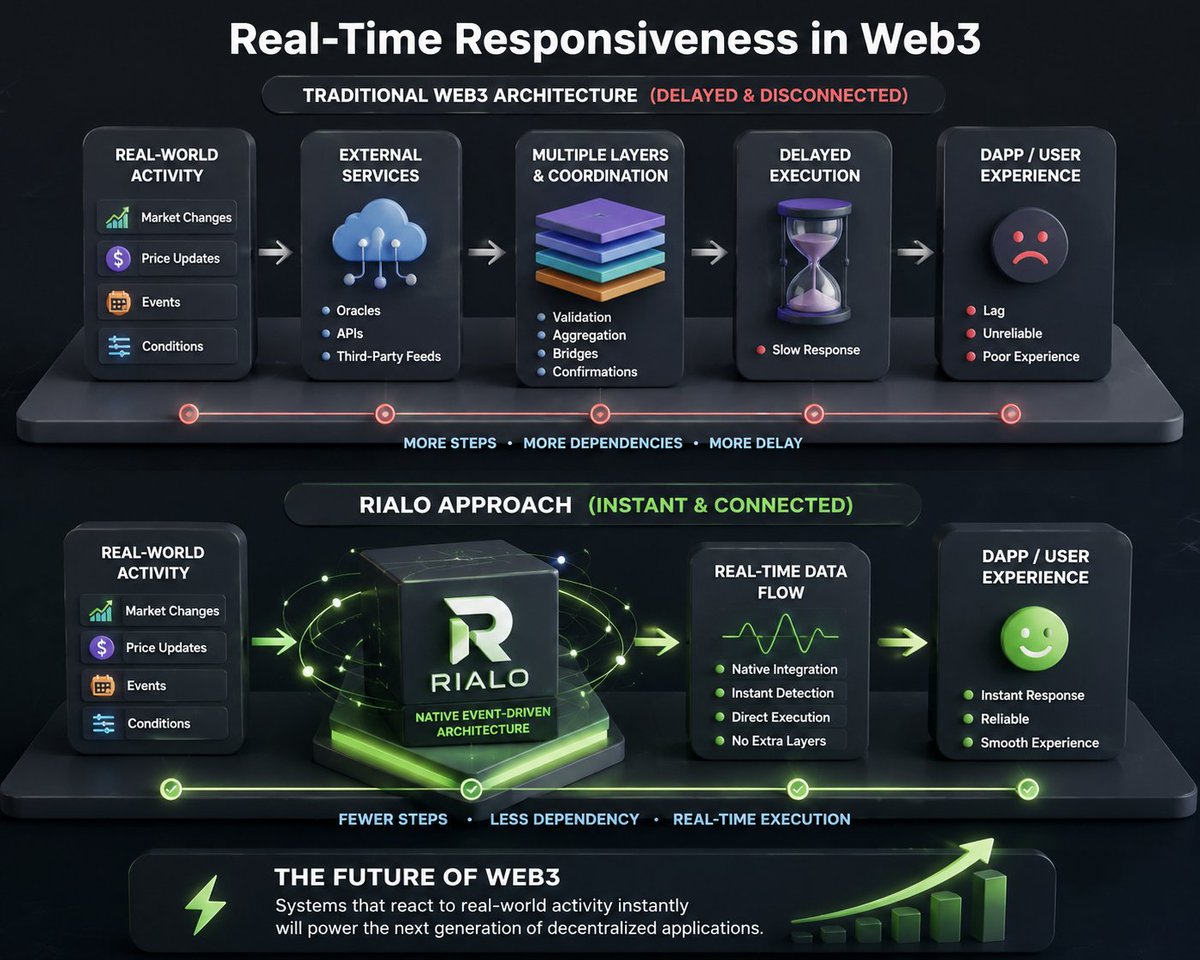
Rialo Just Ended the Modular vs Monolithic Debate. Here Is What Replaces It. For the last decade crypto has been obsessed with one architectural question. Modular or monolithic? Split the blockchain stack into separate layers or integrate everything into one execution environment. It felt like the most important design decision a chain could make. And for a while it was. But something changed. Scaling techniques improved. Execution environments got better. Interoperability infrastructure matured. And suddenly being fast, cheap, or interoperable stopped being a differentiator because almost everyone had figured out how to do it. The modular vs monolithic debate did not go away. It just stopped meaning very much and @RialoHQ identified exactly why. The old framing ignores the actual economics of integration. It says nothing about compositional power. It does not explain why some integrations create genuine value while others just add coordination overhead and operational complexity. When protocol designers treat integration as an ideological choice instead of an economic one they make predictable mistakes. They either overintegrate components that should stay separate or underintegrate components that would produce more value working together. Rialo takes a completely different approach. They treat integration as an economic decision. And they built a systematic framework around it called supermodularity. The idea comes from economics. Some inputs produce more value combined than they ever could separately. The whole becomes genuinely greater than the sum of its parts. That is supermodularity. And it is a far more useful lens for evaluating blockchain architecture than the old binary ever was. The question is no longer modular or monolithic. The question is whether a system is supermodular and to what extent. This reframes everything about how protocol designers should think about what gets integrated into the core and what stays external. Not based on ideology. Not based on what other chains did. Based on whether combining those specific components actually creates more economic value efficiency and utility than keeping them separate. Some integrations earn their place inside the protocol because the combination produces something genuinely more powerful. Others belong outside because integration would just add complexity without adding value. Rialo uses this framework to decide which components belong where. That is not a small philosophical shift. It is a fundamentally different way of designing infrastructure that starts from economic outcomes instead of architectural preferences. The modular vs monolithic debate gave crypto a decade of useful thinking. Supermodularity is what comes next.


This is how the algorithm can completely destroy your reach over night. This is the last: Left: 3 months Right: 2 weeks Super consistent 85-95% drop on all metrics. everything after a viral post going ballistic, I tried everything, cool down, delete low quality posts, block bot accounts. Kept posting after cool down, nothing really breaks through. Short hot takes 🛑 Long form with good signal 🛑 Viral potential post 🛑 Core audience value post 🛑 What bothers me here is that 48h after posting a mega viral post I get suppressed back to the Stone Age. This follow previous situations I’ve had with the grok powered algorithm. Where it feels like tweepCred falls far below a certain level, and you’re locked into a low reach prison with every effort to break out is making it harder and harder to do so. I’m asking for transparency on what we can do as content creators when this happens. I don’t want to spam my way out of this. I’d like to know, if I did something wrong, how I can address it, take the responsibility of algorithmic suppression for what ever the length is. But this limbo is most likely going to make me leave the platform.


An early beta of Grok Build, an agentic CLI for coding, building apps, and automating workflows is now available for SuperGrok Heavy subscribers. Through this early beta, we will improve the model and product based on your feedback. Try it at x.ai/cli


Christopher Nolan directing The Odyssey


Grok 4.3 is better than people think.


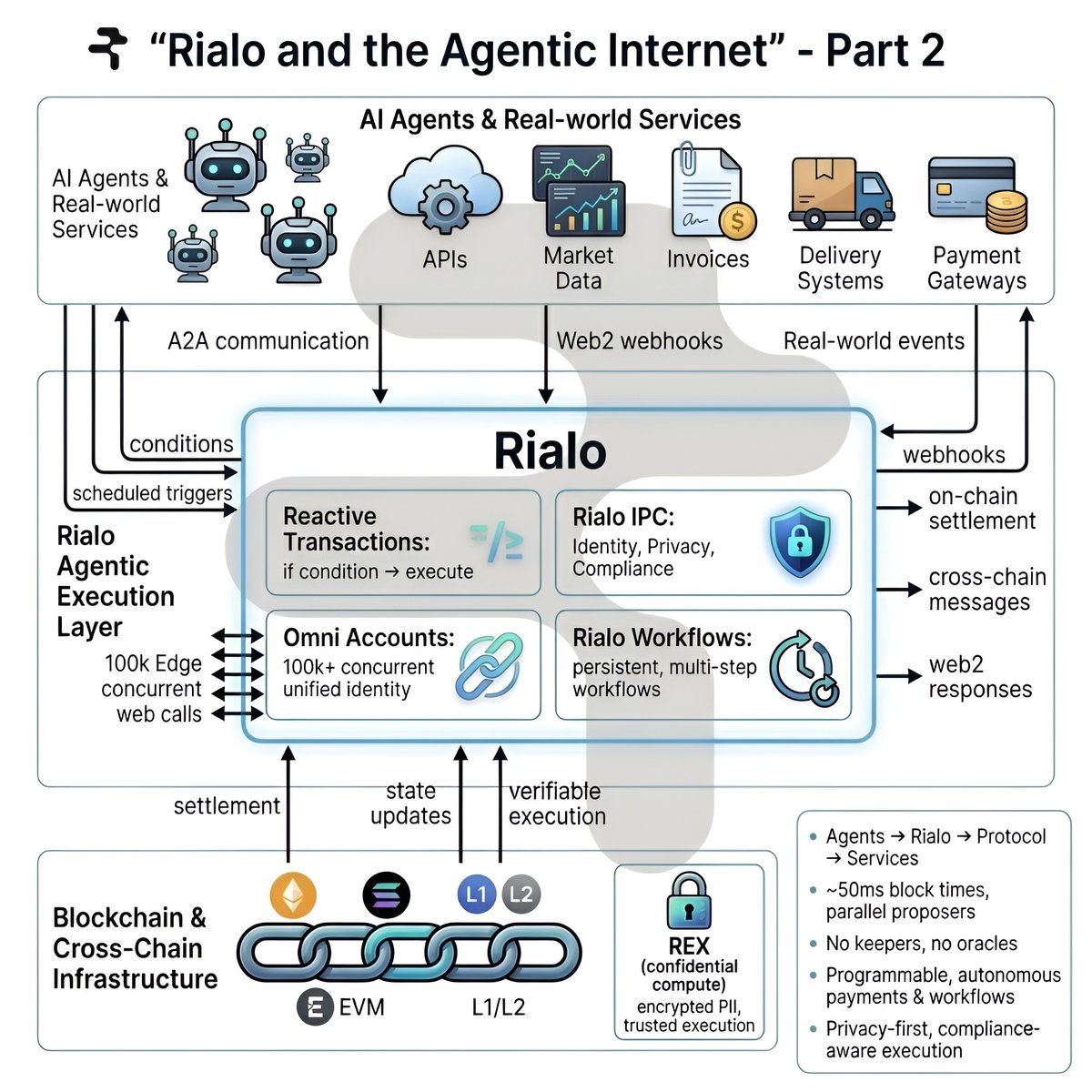
How is Rialo contributing to the development of the agentic internet? The internet was designed for humans. The next version of the internet may be designed for AI agents. Not just chatbots. Not just assistants. But autonomous systems capable of: • coordinating • executing tasks • moving value • reacting to events • interacting with other agents This is the foundation of the agentic internet. Most people underestimate the infrastructure challenge behind AI agents. AI can already generate text and make decisions. But agents still struggle with: • payments • coordination • persistent memory • workflow execution • trusted automation • cross platform interaction The current internet stack was never built for autonomous machine economies. That’s where Rialo becomes interesting. Instead of treating automation as something external Rialo integrates automation directly into blockchain execution itself. Its core idea revolves around Reactive Transactions. Meaning: transactions can execute automatically when predefined conditions are met. No relayers. No keepers. No cron jobs. This changes the role of the blockchain entirely. Traditional chains are passive: they wait for users to manually submit transactions. Rialo attempts to create an event aware execution layer. The blockchain itself becomes reactive to: • state changes • timing conditions • workflow logic • external triggers That’s a major shift for autonomous systems. Why does this matter for AI agents? Because agents operate asynchronously. An AI system may need to: • wait for API responses • monitor market conditions • verify permissions • receive another agent’s output • trigger scheduled execution Current infrastructure forces agents to constantly poll systems externally. That becomes inefficient at scale. Rialo’s model pushes execution logic closer to the protocol layer itself. This reduces dependency on fragmented middleware stacks and that matters because the future agent economy will likely involve millions of autonomous interactions happening continuously. Infrastructure overhead becomes a serious bottleneck. Another important piece is interoperability. The future won’t consist of one giant AI model controlling everything. Different agents will operate: • across different apps • across different models • across different organizations • across different chains They need standardized communication Google’s A2A (Agent2Agent) initiative is already exploring how agents can communicate and coordinate with one another. This is a very important direction for the industry. Rialo appears to be positioning itself around this future by supporting native webcalls and agent compatible execution environments. One of Rialo’s more ambitious ideas is Rialo Edge. The goal is enabling large scale concurrent web interactions directly connected to blockchain workflows. According to Rialo: the system is designed to support over 100k concurrent web calls. That’s extremely relevant for autonomous agents interacting with Web2 systems. Think about what that enables: An AI agent could potentially: • fetch offchain data • communicate with external services • verify real world conditions • coordinate with another agent • trigger onchain settlement inside one workflow environment. This is very different from traditional blockchain design. Another underrated challenge for the agentic internet is workflow persistence. Most blockchains process isolated transactions. But autonomous agents need: • multi step execution • conditional logic • retries • timers • state aware coordination That’s closer to real world operational systems than simple token transfers. This is where Rialo Workflow becomes important. The architecture focuses on long running autonomous workflows rather than isolated execution events. That may sound small today. But long term persistent workflow coordination could become one of the core primitives of AI native infrastructure. The bigger picture here is important: The internet is slowly evolving from: Human → application toward: agent → agent → protocol → service Continuously. Automatically. Globally and infrastructure designed for human interaction alone may not be enough anymore. @RialoHQ thesis seems to be: If AI agents become economic actors then blockchain infrastructure must evolve into dynamic execution environments. Not just settlement layers. That’s a much bigger vision than simply scaling transactions