Maria Elena Duron | Marketing Coach | Strategist

69K posts

Maria Elena Duron | Marketing Coach | Strategist banner
Maria Elena Duron | Marketing Coach | Strategist

Maria Elena Duron | Marketing Coach | Strategist

@mariaduron

AI Strategist + Trainer | Business Growth with Google Coach Making AI+Google simple, searchable &growth-focused Chief AI Officer, AI Works TX Founder #brandchat

United States Katılım Mart 2008
10.2K Takip Edilen15.2K Takipçiler
Maria Elena Duron | Marketing Coach | Strategist
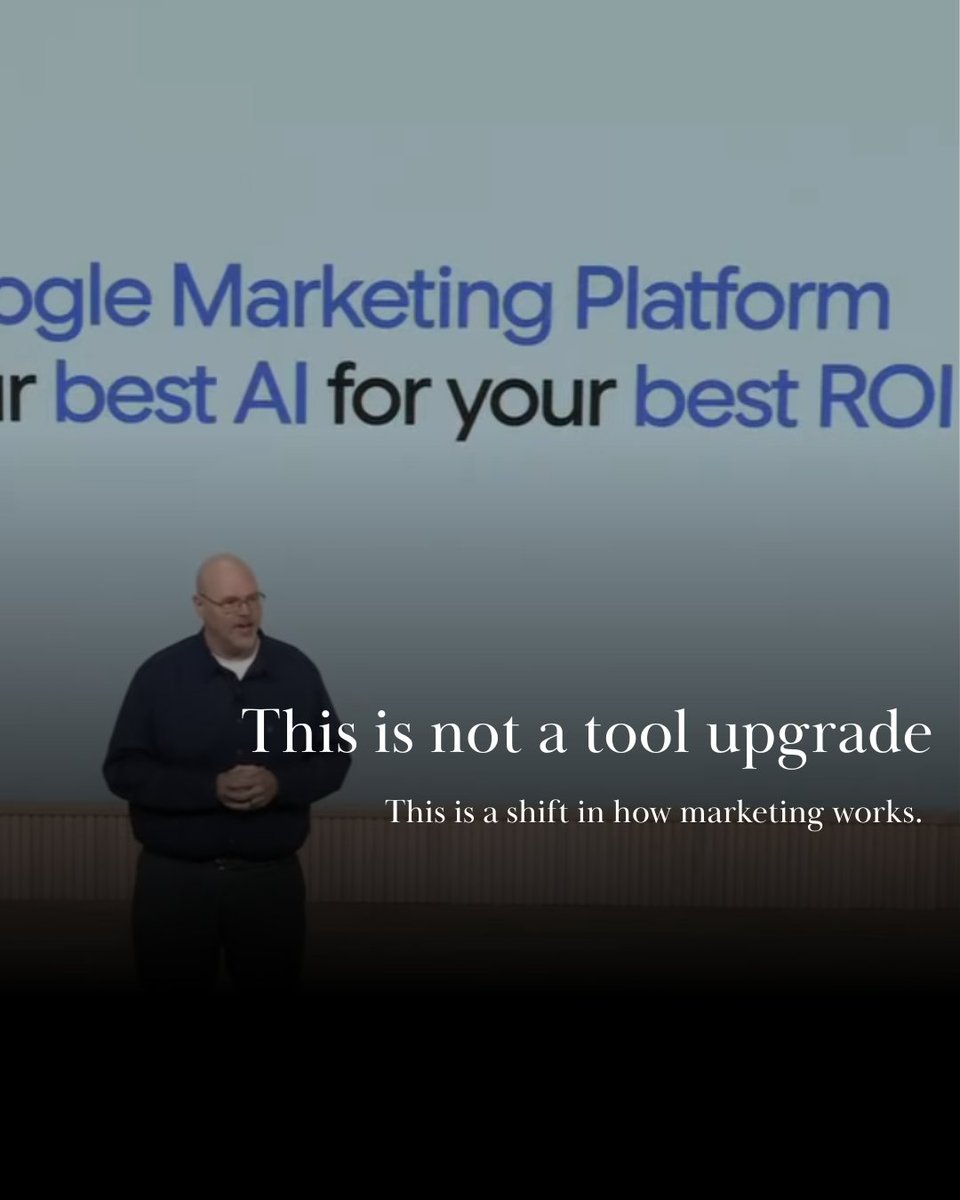
I was listening to Google’s announcement yesterday in real time, and there was a moment where I caught myself thinking, “𝑻𝒉𝒊𝒔 𝒊𝒔 𝒊𝒕. 𝑻𝒉𝒊𝒔 𝒊𝒔 𝒕𝒉𝒆 𝒔𝒉𝒊𝒇𝒕.” Most marketing teams are not underperforming. They are trying to keep up with a level of complexity that no longer matches how they are set up to work, and that gap is what is creating so much of the pressure right now. What stood out to me was not a specific feature. It was what Google kept signaling underneath everything they shared. 𝐓𝐡𝐞𝐫𝐞 𝐚𝐫𝐞 𝐦𝐨𝐫𝐞 𝐜𝐡𝐚𝐧𝐧𝐞𝐥𝐬, 𝐦𝐨𝐫𝐞 𝐝𝐚𝐭𝐚, 𝐚𝐧𝐝 𝐟𝐚𝐫 𝐥𝐞𝐬𝐬 𝐭𝐢𝐦𝐞 𝐛𝐞𝐭𝐰𝐞𝐞𝐧 𝐬𝐨𝐦𝐞𝐨𝐧𝐞 𝐝𝐢𝐬𝐜𝐨𝐯𝐞𝐫𝐢𝐧𝐠 𝐬𝐨𝐦𝐞𝐭𝐡𝐢𝐧𝐠 𝐚𝐧𝐝 𝐦𝐚𝐤𝐢𝐧𝐠 𝐚 𝐝𝐞𝐜𝐢𝐬𝐢𝐨𝐧. That timeline has compressed, but most workflows have not caught up. People are searching, streaming, scrolling, and shopping all at once, and yet most teams are still trying to manage that through disconnected tools and fragmented data. That mismatch is the friction. What Google is doing with Gemini inside Google Marketing Platform is not about adding another tool. It is about reducing the distance between what is happening, what it means, and what you need to do next. When they talk about unifying data and measurement, they are pointing to a system where you can actually see what is going on without stitching it together yourself. When they show campaign setup and optimization happening from a single prompt, they are removing the lag between insight and action that slows most teams down. And when they talk about anticipating behavior, not just reacting to it, they are acknowledging something you already feel. There is no human way to keep up with that level of speed manually. That is the shift. If your current workflow still depends on pulling data from multiple places and deciding what to do after the fact, you are always going to feel behind, no matter how capable you are. This is not a talent problem or an effort problem. It is a system problem. 𝑨𝒏𝒅 𝒘𝒉𝒂𝒕 𝒄𝒉𝒂𝒏𝒈𝒆𝒅 𝒚𝒆𝒔𝒕𝒆𝒓𝒅𝒂𝒚 𝒊𝒔 𝒕𝒉𝒆 𝒆𝒙𝒑𝒆𝒄𝒕𝒂𝒕𝒊𝒐𝒏 𝒐𝒇 𝒉𝒐𝒘 𝒕𝒉𝒂𝒕 𝒔𝒚𝒔𝒕𝒆𝒎 𝒔𝒉𝒐𝒖𝒍𝒅 𝒘𝒐𝒓𝒌.
Maria Elena Duron | Marketing Coach | Strategist tweet media
English
0
0
1
13
Maria Elena Duron | Marketing Coach | Strategist
If it’s been feeling harder to show up lately, like something shifted and you can’t quite explain it, you’re not imagining it. You’ve probably caught yourself thinking, “We used to show up more,” or “I don’t know what changed, but this feels harder than it should be.” And when that happens, the instinct is usually to assume something is broken, or that you need to do more. But most of the time, that’s not really it. What’s happening is that the system doesn’t understand you the way you think it does. Because this isn’t just search anymore. AI is now sitting in the middle of it, deciding what gets shown, and it’s not asking who offers the service. It’s asking which business it understands well enough to recommend. From your side, everything probably looks right. Your website makes sense. Your Google profile is filled out. Your content is there. Your reviews are there. But underneath that, it’s not fully aligned. You’re describing what you do a little differently in each place, and while it all feels close enough, it is not reinforcing the same signal. That is the gap you’re feeling. That’s why it starts to feel inconsistent. That’s why someone else gets chosen, and you can’t quite figure out why. The instinct is to fix it by doing more, but this is not a “more” problem. It’s a calibration problem. It’s making sure everything lines up so the system doesn’t have to guess what you do.  𝑩𝒆𝒄𝒂𝒖𝒔𝒆 𝒓𝒊𝒈𝒉𝒕 𝒏𝒐𝒘, 𝒃𝒆𝒊𝒏𝒈 𝒈𝒐𝒐𝒅 𝒂𝒕 𝒘𝒉𝒂𝒕 𝒚𝒐𝒖 𝒅𝒐 𝒊𝒔 𝒏𝒐𝒕 𝒕𝒉𝒆 𝒊𝒔𝒔𝒖𝒆. 𝑩𝒆𝒊𝒏𝒈 𝒖𝒏𝒅𝒆𝒓𝒔𝒕𝒐𝒐𝒅 𝒊𝒔.
Maria Elena Duron | Marketing Coach | Strategist tweet media
English
1
0
2
20
Maria Elena Duron | Marketing Coach | Strategist
𝐀 𝐥𝐨𝐭 𝐨𝐟 𝐛𝐮𝐬𝐢𝐧𝐞𝐬𝐬𝐞𝐬 𝐚𝐫𝐞 𝐚𝐛𝐨𝐮𝐭 𝐭𝐨 𝐪𝐮𝐢𝐞𝐭𝐥𝐲 𝐝𝐢𝐬𝐚𝐩𝐩𝐞𝐚𝐫 𝐚𝐧𝐝 𝐧𝐨𝐭 𝐮𝐧𝐝𝐞𝐫𝐬𝐭𝐚𝐧𝐝 𝐰𝐡𝐲. I was walking through this update this morning, and at first it sounded like what everyone expects right now. Google is opening up Personal Intelligence inside AI Mode in Search, and if someone chooses to opt in, it can connect signals from places like Gmail and Google Photos to shape what they see. More relevant answers, more context, a search experience that feels like it understands you. That part makes sense. What most people are not thinking about yet is what that changes on the business side. Because the moment results are shaped by the person, not just the query, the system has to get more selective about what it shows. It is no longer just matching words. It is deciding what actually fits this person, right now, based on what it knows. Which means the question shifts. It is not “How do I rank for this keyword?”   It becomes “Is my business clear enough to be selected for this person?” And, that TROUBLE for many businesses. Not because they are not good at what they do, but because their signals are scattered. One message on their website, another on their Google profile, something different on social. To a human, it feels close enough. To a system, it feels unclear. And unclear does not get chosen. 𝐇𝐞𝐫𝐞 𝐢𝐬 𝐰𝐡𝐚𝐭 𝐈 𝐰𝐨𝐮𝐥𝐝 𝐭𝐢𝐠𝐡𝐭𝐞𝐧 𝐢𝐦𝐦𝐞𝐝𝐢𝐚𝐭𝐞𝐥𝐲: ✔️ First, make your business definition consistent everywhere. Your website, your Google Business Profile, your bios, your service pages should all say the same thing in the same way. Not clever, not different, just clear. 𝑻𝒉𝒆 𝒔𝒚𝒔𝒕𝒆𝒎 𝒏𝒆𝒆𝒅𝒔 𝒐𝒏𝒆 𝒔𝒕𝒓𝒐𝒏𝒈 𝒔𝒊𝒈𝒏𝒂𝒍, 𝒏𝒐𝒕 𝒇𝒊𝒗𝒆 𝒗𝒆𝒓𝒔𝒊𝒐𝒏𝒔 𝒐𝒇 𝒊𝒕. ✔️ Second, anchor your content to real problems and outcomes. Do not just talk about topics. Say who it is for, what problem it solves, and what changes after. That is what helps these systems match you to a person, not just a search. ✔️ Third, clean up fragmentation before you add anything new. If your information is spread across disconnected tools and pages, you are weakening your own visibility. Tighten what you already have so everything reinforces the same message. Explore the feature if you want, you'll see it in my first comment. ⬇️ But that is not the real story. The real shift is this... 𝑾𝒉𝒆𝒏 𝒔𝒆𝒂𝒓𝒄𝒉 𝒃𝒆𝒄𝒐𝒎𝒆𝒔 𝒎𝒐𝒓𝒆 𝒑𝒆𝒓𝒔𝒐𝒏𝒂𝒍, 𝒗𝒊𝒔𝒊𝒃𝒊𝒍𝒊𝒕𝒚 𝒃𝒆𝒄𝒐𝒎𝒆𝒔 𝒎𝒐𝒓𝒆 𝒔𝒆𝒍𝒆𝒄𝒕𝒊𝒗𝒆.  And the businesses that are understood clearly will be the ones that get chosen.
Maria Elena Duron | Marketing Coach | Strategist tweet media
English
0
0
0
16
Maria Elena Duron | Marketing Coach | Strategist
If your AI strategy requires 12 subscriptions, you don’t have an AI strategy. You have a cost problem. A CEO said something in a meeting this week that made the whole room laugh.  “𝑶𝒖𝒓 𝑨𝑰 𝒔𝒕𝒓𝒂𝒕𝒆𝒈𝒚 𝒓𝒊𝒈𝒉𝒕 𝒏𝒐𝒘 𝒊𝒔 𝒃𝒂𝒔𝒊𝒄𝒂𝒍𝒍𝒚… 𝒃𝒖𝒚 𝒂𝒏𝒐𝒕𝒉𝒆𝒓 𝒕𝒐𝒐𝒍.” That sentence explains a lot of what I’m seeing right now when companies start experimenting with AI. The company I was working with manufactures specialty products for the pet industry. They are constantly dealing with distributor feedback, retailer questions, and customer insights coming from several different places. When we started looking at how they were approaching AI, something interesting showed up.  𝐀𝐥𝐦𝐨𝐬𝐭 𝐞𝐯𝐞𝐫𝐲 𝐝𝐞𝐩𝐚𝐫𝐭𝐦𝐞𝐧𝐭 𝐡𝐚𝐝 𝐛𝐞𝐞𝐧 𝐭𝐨𝐥𝐝 𝐭𝐡𝐞 𝐬𝐚𝐦𝐞 𝐭𝐡𝐢𝐧𝐠 𝐛𝐲 𝐝𝐢𝐟𝐟𝐞𝐫𝐞𝐧𝐭 𝐚𝐝𝐯𝐢𝐬𝐨𝐫𝐬. “𝑻𝒉𝒆𝒓𝒆’𝒔 𝒂 𝒕𝒐𝒐𝒍 𝒇𝒐𝒓 𝒕𝒉𝒂𝒕.” Marketing had one tool for content and campaigns. Customer support had another tool for ticket responses. Sales had something different for insights. Operations was exploring its own set of tools. None of these tools were bad. But when we stepped back and looked at the bigger picture, something became obvious.  𝐄𝐯𝐞𝐫𝐲 𝐧𝐞𝐰 𝐩𝐫𝐨𝐛𝐥𝐞𝐦 𝐰𝐚𝐬 𝐛𝐞𝐢𝐧𝐠 𝐬𝐨𝐥𝐯𝐞𝐝 𝐛𝐲 𝐚𝐝𝐝𝐢𝐧𝐠 𝐚𝐧𝐨𝐭𝐡𝐞𝐫 𝐭𝐨𝐨𝐥. That approach sounds helpful at first, but it quietly creates a very expensive situation for a business. ✔️ Subscription costs start stacking up. ✔️ Teams have to learn multiple systems instead of getting good at one. ✔️ Information gets scattered across platforms that don’t talk to each other. ✔️ And every additional tool increases the number of systems that have access to company data. So the conversation in that room shifted from “What tool do we need next?” to - “𝑯𝒐𝒘 𝒔𝒉𝒐𝒖𝒍𝒅 𝒕𝒉𝒆 𝒘𝒐𝒓𝒌 𝒂𝒄𝒕𝒖𝒂𝒍𝒍𝒚 𝒇𝒍𝒐𝒘 𝒕𝒉𝒓𝒐𝒖𝒈𝒉 𝒕𝒉𝒊𝒔 𝒃𝒖𝒔𝒊𝒏𝒆𝒔𝒔?” Once we mapped that out, - Many of the things they were considering new tools for were already possible inside the systems they were paying for. The opportunity wasn’t buying more AI. The opportunity was using AI to connect information that already existed across the business. Retail feedback could be summarized faster. Product questions could be grouped into patterns. Customer conversations could reveal insights about what pet owners were actually asking for next.  𝐓𝐡𝐞𝐲 𝐝𝐢𝐝𝐧’𝐭 𝐧𝐞𝐞𝐝 𝐭𝐰𝐞𝐥𝐯𝐞 𝐝𝐢𝐟𝐟𝐞𝐫𝐞𝐧𝐭 𝐭𝐨𝐨𝐥𝐬. 𝐓𝐡𝐞𝐲 𝐧𝐞𝐞𝐝𝐞𝐝 𝐚 𝐬𝐦𝐚𝐫𝐭𝐞𝐫 𝐰𝐚𝐲 𝐭𝐨 𝐭𝐮𝐫𝐧 𝐬𝐜𝐚𝐭𝐭𝐞𝐫𝐞𝐝 𝐢𝐧𝐟𝐨𝐫𝐦𝐚𝐭𝐢𝐨𝐧 𝐢𝐧𝐭𝐨 𝐮𝐬𝐚𝐛𝐥𝐞 𝐤𝐧𝐨𝐰𝐥𝐞𝐝𝐠𝐞. And that is something businesses are being told - that every task needs its own specialized AI tool. But in practice, that approach often increases cost, increases complexity, and increases risk.  The smartest AI strategy isn’t adding another tool... It’s stepping back and asking how the work should flow through the business in the first place.
Maria Elena Duron | Marketing Coach | Strategist tweet media
English
0
0
0
20
Maria Elena Duron | Marketing Coach | Strategist
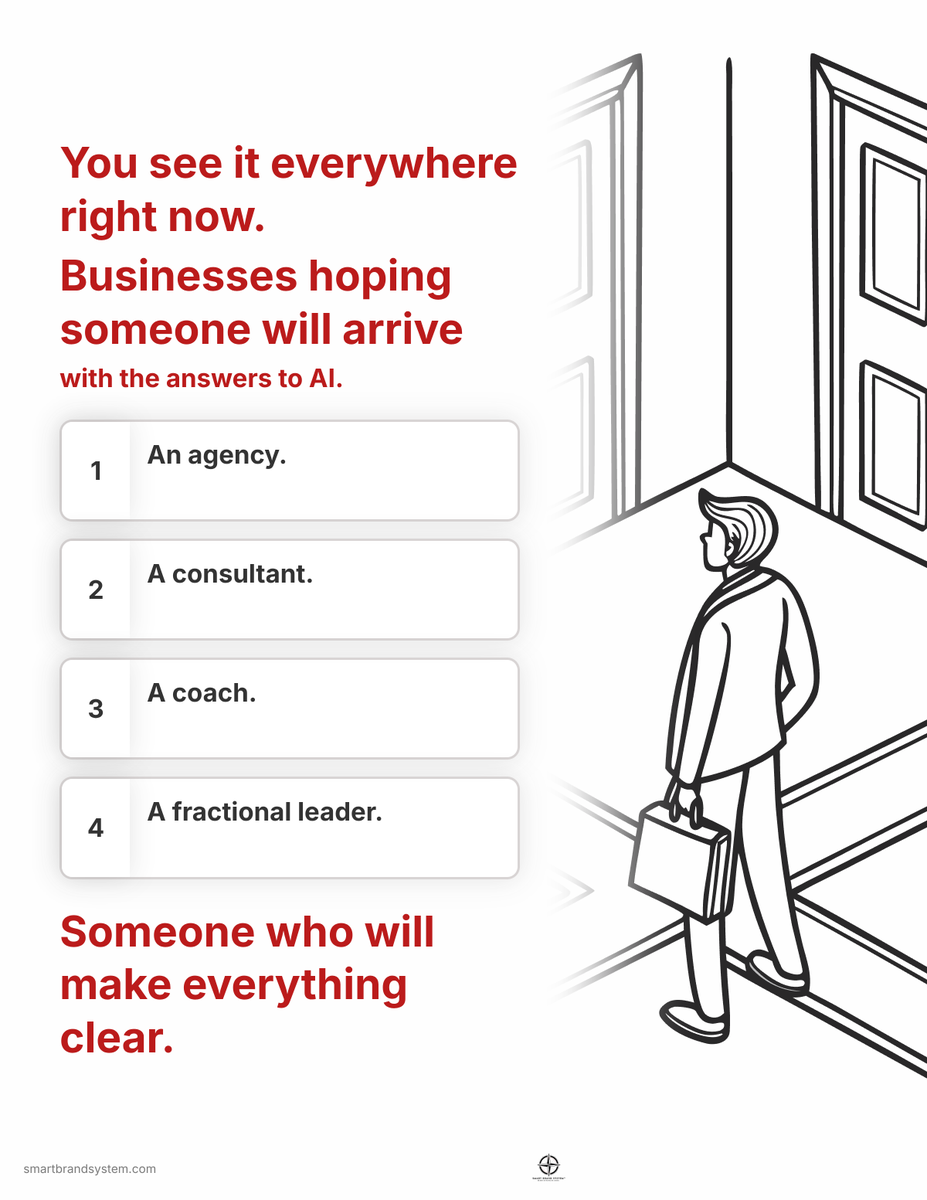
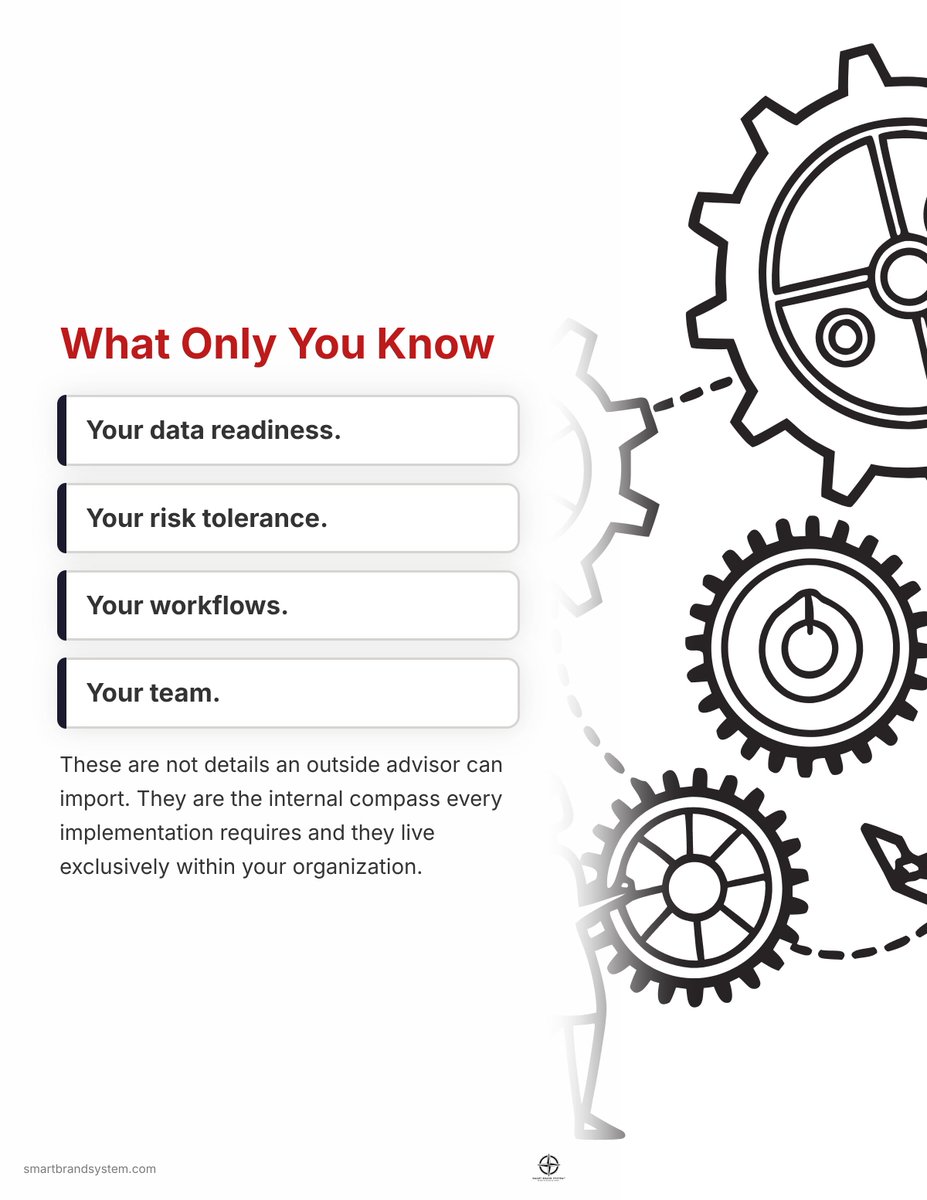
There is a truth I’ve been noticing in many conversations about AI... 𝐁𝐮𝐬𝐢𝐧𝐞𝐬𝐬𝐞𝐬 𝐨𝐟 𝐞𝐯𝐞𝐫𝐲 𝐬𝐢𝐳𝐞 𝐬𝐞𝐞𝐦 𝐭𝐨 𝐛𝐞 𝐡𝐨𝐩𝐢𝐧𝐠 𝐭𝐡𝐚𝐭 𝐬𝐨𝐦𝐞𝐰𝐡𝐞𝐫𝐞 𝐨𝐮𝐭 𝐭𝐡𝐞𝐫𝐞 𝐢𝐬 𝐚 𝐩𝐞𝐫𝐬𝐨𝐧 𝐨𝐫 𝐚 𝐟𝐢𝐫𝐦 𝐭𝐡𝐚𝐭 𝐰𝐢𝐥𝐥 𝐚𝐫𝐫𝐢𝐯𝐞 𝐰𝐢𝐭𝐡 𝐚𝐥𝐥 𝐭𝐡𝐞 𝐚𝐧𝐬𝐰𝐞𝐫𝐬. An AI agency. A consultant. A coach. A fractional leader. Someone who will step in, set up the tools, and make everything clear. It’s an understandable hope. The pace of change is fast, and the amount of information can feel overwhelming. But the reality is a little different. 𝑻𝒉𝒆 𝒃𝒆𝒔𝒕 𝒂𝒅𝒗𝒊𝒔𝒐𝒓𝒔 𝒄𝒂𝒏 𝒈𝒖𝒊𝒅𝒆, 𝒇𝒂𝒄𝒊𝒍𝒊𝒕𝒂𝒕𝒆, 𝒂𝒏𝒅 𝒉𝒆𝒍𝒑 𝒃𝒖𝒊𝒍𝒅 𝒔𝒚𝒔𝒕𝒆𝒎𝒔. 𝑻𝒉𝒆𝒚 𝒄𝒂𝒏 𝒂𝒄𝒄𝒆𝒍𝒆𝒓𝒂𝒕𝒆 𝒕𝒉𝒆 𝒘𝒐𝒓𝒌 𝒂𝒏𝒅 𝒉𝒆𝒍𝒑 𝒐𝒓𝒈𝒂𝒏𝒊𝒛𝒂𝒕𝒊𝒐𝒏𝒔 𝒂𝒗𝒐𝒊𝒅 𝒆𝒙𝒑𝒆𝒏𝒔𝒊𝒗𝒆 𝒎𝒊𝒔𝒕𝒂𝒌𝒆𝒔. 𝑾𝒉𝒂𝒕 𝒕𝒉𝒆𝒚 𝒄𝒂𝒏𝒏𝒐𝒕 𝒅𝒐 𝒊𝒔 𝒓𝒆𝒑𝒍𝒂𝒄𝒆 𝒕𝒉𝒆 𝒐𝒏𝒆 𝒕𝒉𝒊𝒏𝒈 𝒆𝒗𝒆𝒓𝒚 𝒐𝒓𝒈𝒂𝒏𝒊𝒛𝒂𝒕𝒊𝒐𝒏 𝒔𝒕𝒊𝒍𝒍 𝒉𝒂𝒔 𝒕𝒐 𝒃𝒓𝒊𝒏𝒈 𝒕𝒐 𝒕𝒉𝒆 𝒕𝒂𝒃𝒍𝒆. 𝒀𝒐𝒖 𝒉𝒂𝒗𝒆 𝒕𝒐 𝒌𝒏𝒐𝒘 𝒚𝒐𝒖𝒓 𝒐𝒘𝒏 𝒃𝒖𝒔𝒊𝒏𝒆𝒔𝒔. Your decision tolerance. Your data readiness. Your risk tolerance. Your workflows. Your people. Because when AI enters the conversation, it brings real human reactions with it. Some people are excited to learn something new. Others worry about being replaced. Some are simply unsure where they fit in the future that is being described. No tool and no advisor can navigate that part for you. A̳I̳ ̳i̳m̳p̳l̳e̳m̳e̳n̳t̳a̳t̳i̳o̳n̳ ̳i̳s̳ ̳n̳o̳t̳ ̳j̳u̳s̳t̳ ̳a̳ ̳t̳e̳c̳h̳n̳o̳l̳o̳g̳y̳ ̳p̳r̳o̳j̳e̳c̳t̳.̳ ̳I̳t̳ ̳i̳s̳ ̳a̳ ̳l̳e̳a̳d̳e̳r̳s̳h̳i̳p̳ ̳r̳e̳s̳p̳o̳n̳s̳i̳b̳i̳l̳i̳t̳y̳.̳ The organizations that will move forward with confidence will be the ones where leaders stay close to their business, stay close to their teams, and stay involved in how these tools are introduced. Advisors can help build the path.
Maria Elena Duron | Marketing Coach | Strategist tweet mediaMaria Elena Duron | Marketing Coach | Strategist tweet mediaMaria Elena Duron | Marketing Coach | Strategist tweet mediaMaria Elena Duron | Marketing Coach | Strategist tweet media
English
0
0
0
26
Maria Elena Duron | Marketing Coach | Strategist
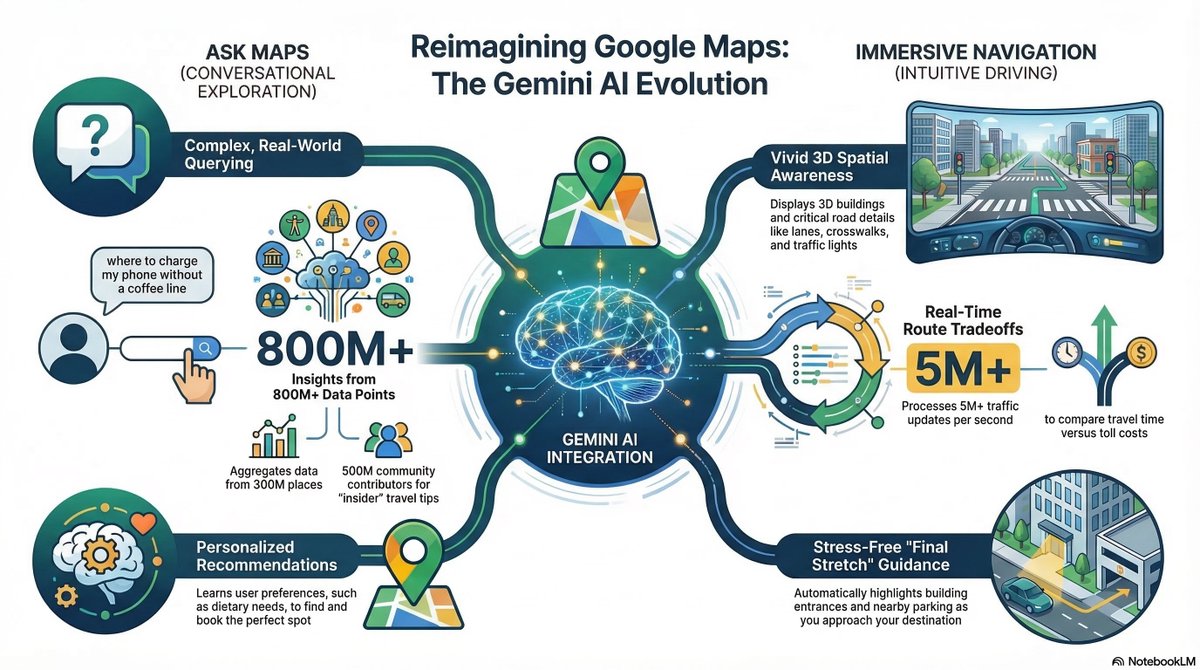
𝐅𝐢𝐞𝐥𝐝 𝐧𝐨𝐭𝐞 𝐟𝐫𝐨𝐦 𝐭𝐡𝐢𝐬 𝐰𝐞𝐞𝐤: I was reading about the latest update inside Google Maps, and something about it caught my attention. For years we’ve all been trained to search using short phrases. “Coffee near me.” “Best tacos.” “Pizza delivery.” But the update shows something different starting to happen.  𝐏𝐞𝐨𝐩𝐥𝐞 𝐚𝐫𝐞 𝐛𝐞𝐠𝐢𝐧𝐧𝐢𝐧𝐠 𝐭𝐨 𝐚𝐬𝐤 𝐌𝐚𝐩𝐬 𝐟𝐮𝐥𝐥 𝐪𝐮𝐞𝐬𝐭𝐢𝐨𝐧𝐬. Not just what is nearby, but things like: ➡️ Where is a good place to meet friends that has outdoor seating? ➡️ What is the easiest place to park near this restaurant? ➡️ Where can I quickly charge my phone? ➡️ When I read that, it made me pause for a moment. Because it reminded me that search behavior keeps evolving. First it was keywords. Then it became more conversational. Now it’s moving even further in that direction as AI tools begin to understand questions more like a person would. 𝐅𝐨𝐫 𝐬𝐦𝐚𝐥𝐥 𝐛𝐮𝐬𝐢𝐧𝐞𝐬𝐬𝐞𝐬, 𝐭𝐡𝐢𝐬 𝐦𝐚𝐭𝐭𝐞𝐫𝐬 𝐦𝐨𝐫𝐞 𝐭𝐡𝐚𝐧 𝐢𝐭 𝐦𝐢𝐠𝐡𝐭 𝐬𝐞𝐞𝐦.   𝐖𝐡𝐞𝐧 𝐩𝐞𝐨𝐩𝐥𝐞 𝐬𝐭𝐚𝐫𝐭 𝐚𝐬𝐤𝐢𝐧𝐠 𝐪𝐮𝐞𝐬𝐭𝐢𝐨𝐧𝐬 𝐢𝐧𝐬𝐭𝐞𝐚𝐝 𝐨𝐟 𝐭𝐲𝐩𝐢𝐧𝐠 𝐤𝐞𝐲𝐰𝐨𝐫𝐝𝐬, 𝐭𝐡𝐞 𝐛𝐮𝐬𝐢𝐧𝐞𝐬𝐬𝐞𝐬 𝐭𝐡𝐚𝐭 𝐬𝐡𝐨𝐰 𝐮𝐩 𝐚𝐫𝐞 𝐨𝐟𝐭𝐞𝐧 𝐭𝐡𝐞 𝐨𝐧𝐞𝐬 𝐭𝐡𝐚𝐭 𝐡𝐚𝐯𝐞 𝐭𝐚𝐤𝐞𝐧 𝐭𝐡𝐞 𝐭𝐢𝐦𝐞 𝐭𝐨 𝐩𝐫𝐨𝐯𝐢𝐝𝐞 𝐮𝐬𝐞𝐟𝐮𝐥 𝐢𝐧𝐟𝐨𝐫𝐦𝐚𝐭𝐢𝐨𝐧. 𝐆𝐨𝐨𝐝 𝐝𝐞𝐬𝐜𝐫𝐢𝐩𝐭𝐢𝐨𝐧𝐬. 𝐇𝐞𝐥𝐩𝐟𝐮𝐥 𝐩𝐡𝐨𝐭𝐨𝐬. 𝐂𝐥𝐞𝐚𝐫 𝐝𝐞𝐭𝐚𝐢𝐥𝐬. 𝐒𝐭𝐫𝐨𝐧𝐠 𝐫𝐞𝐯𝐢𝐞𝐰𝐬. 𝑰𝒏 𝒐𝒕𝒉𝒆𝒓 𝒘𝒐𝒓𝒅𝒔, 𝒕𝒉𝒆 𝒃𝒖𝒔𝒊𝒏𝒆𝒔𝒔𝒆𝒔 𝒕𝒉𝒂𝒕 𝒎𝒂𝒌𝒆 𝒊𝒕 𝒆𝒂𝒔𝒊𝒆𝒓 𝒇𝒐𝒓 𝒔𝒐𝒎𝒆𝒐𝒏𝒆 𝒕𝒐 𝒅𝒆𝒄𝒊𝒅𝒆. Sometimes these shifts in technology look like small product updates. But they often tell us something bigger about where discovery is heading. And right now, discovery is becoming much more conversational.
Maria Elena Duron | Marketing Coach | Strategist tweet media
English
0
0
0
58
Maria Elena Duron | Marketing Coach | Strategist
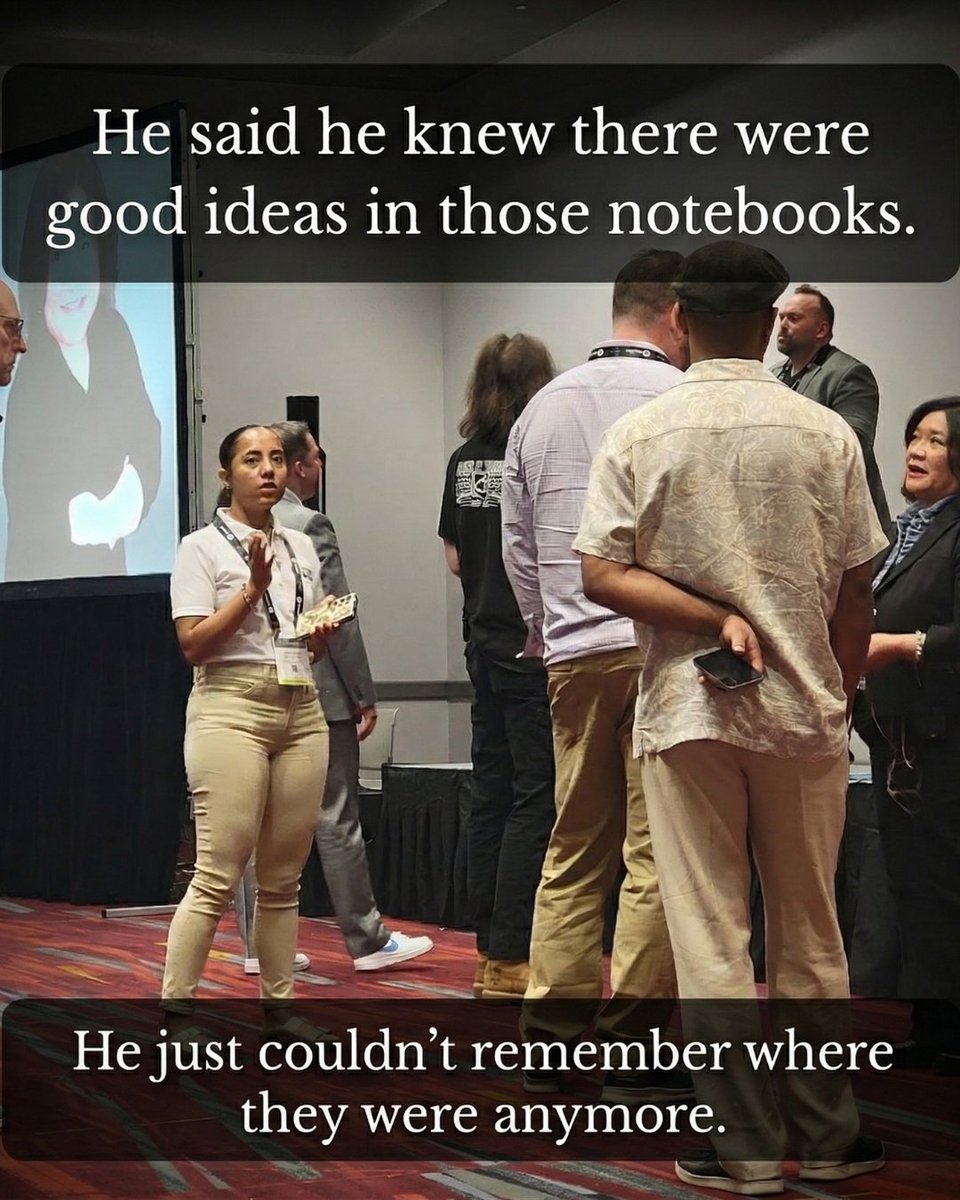
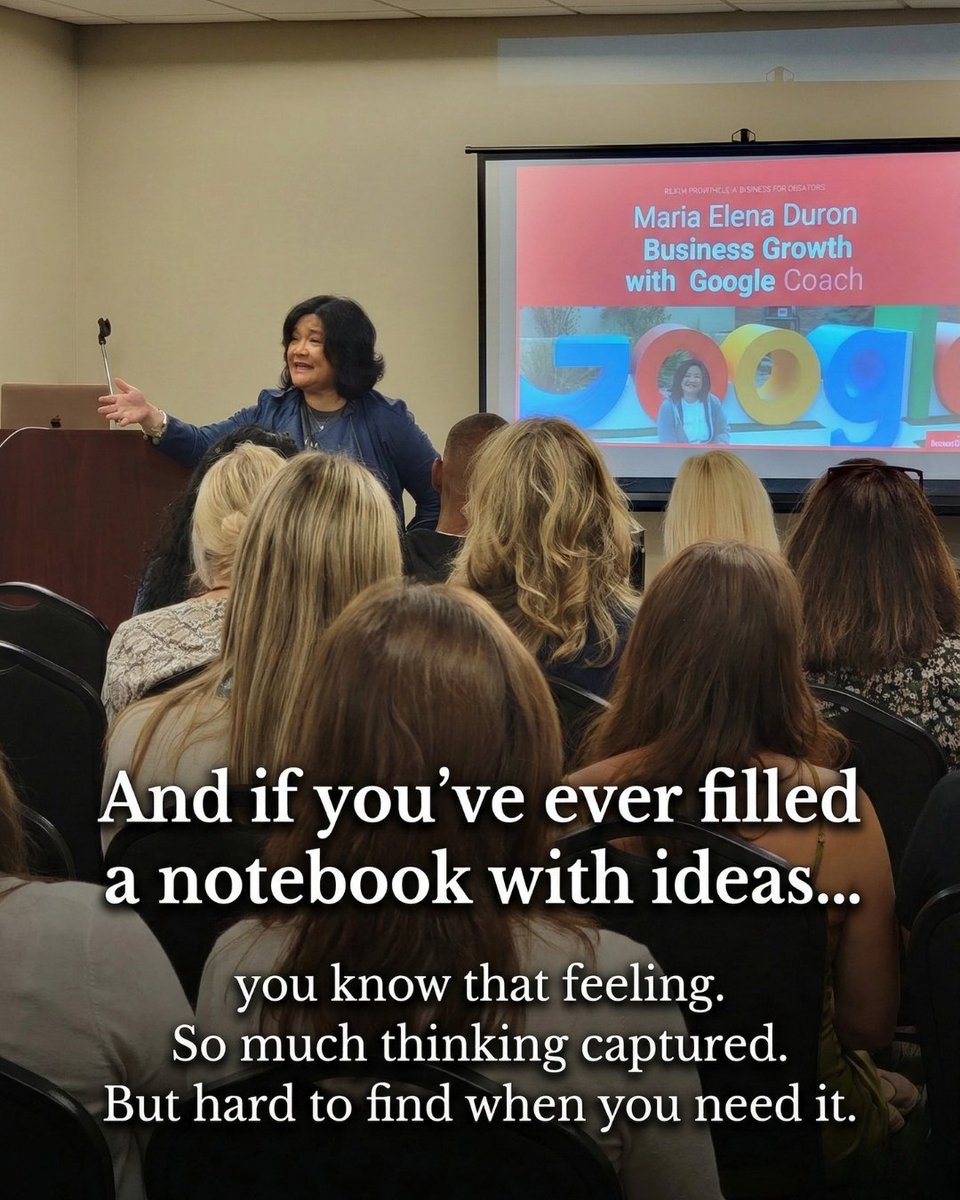
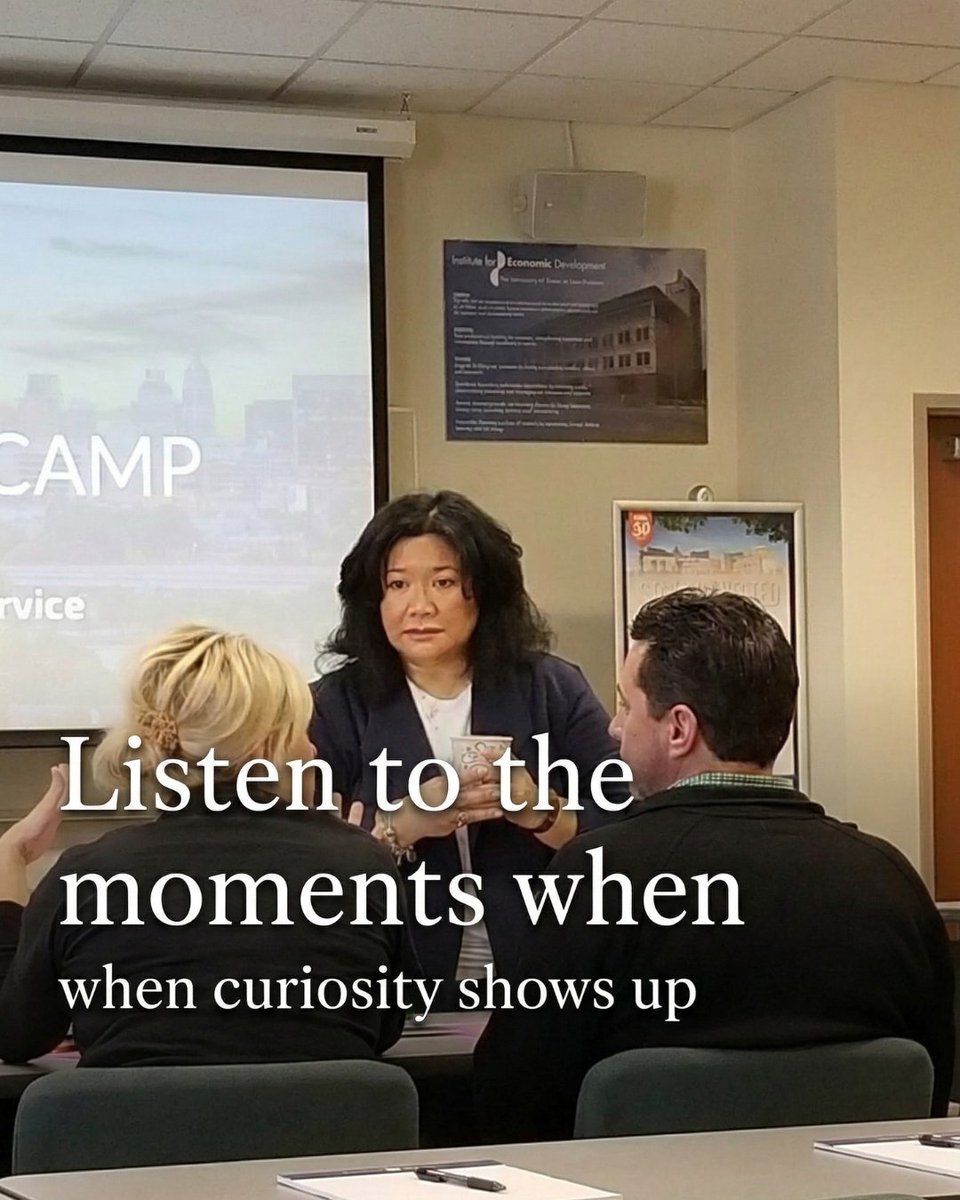
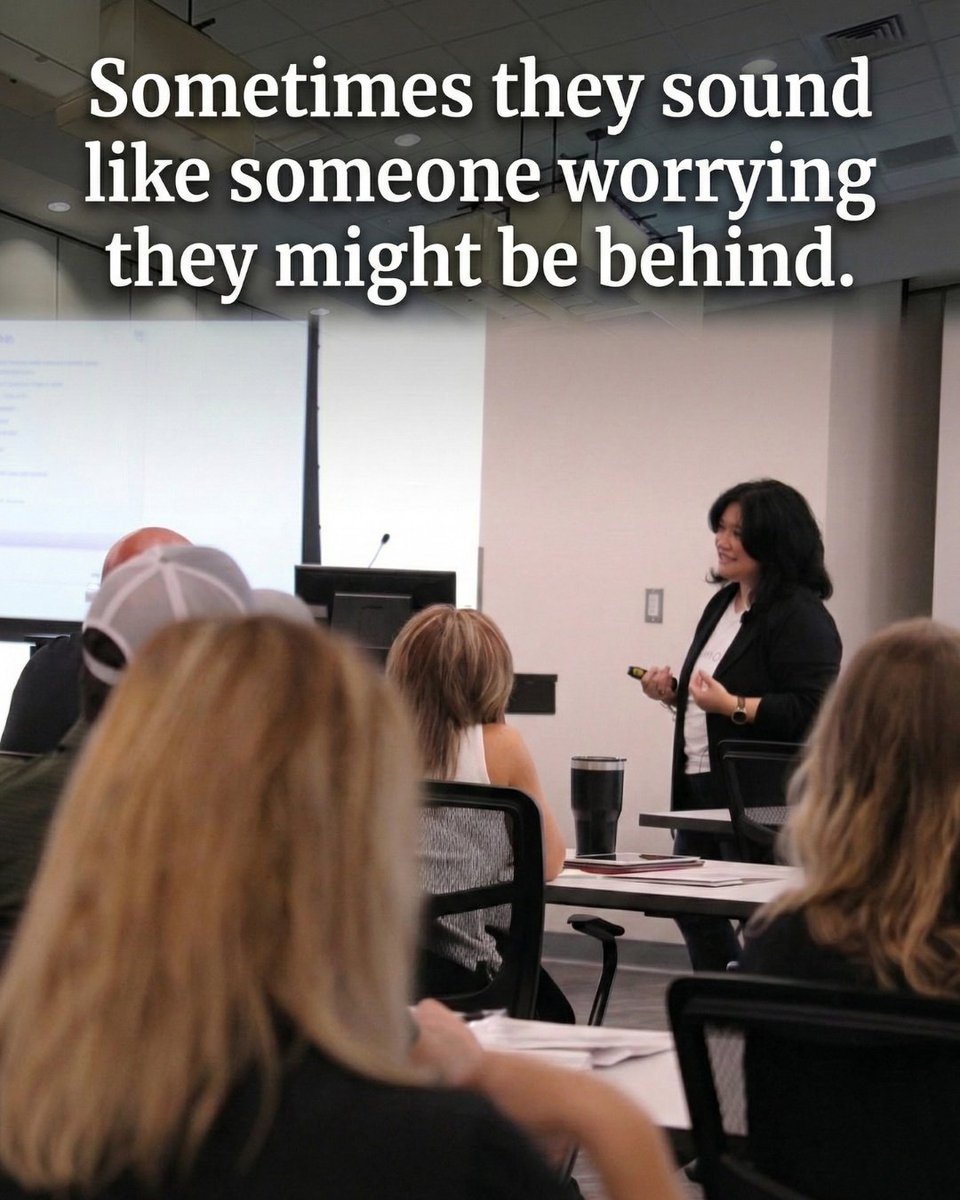
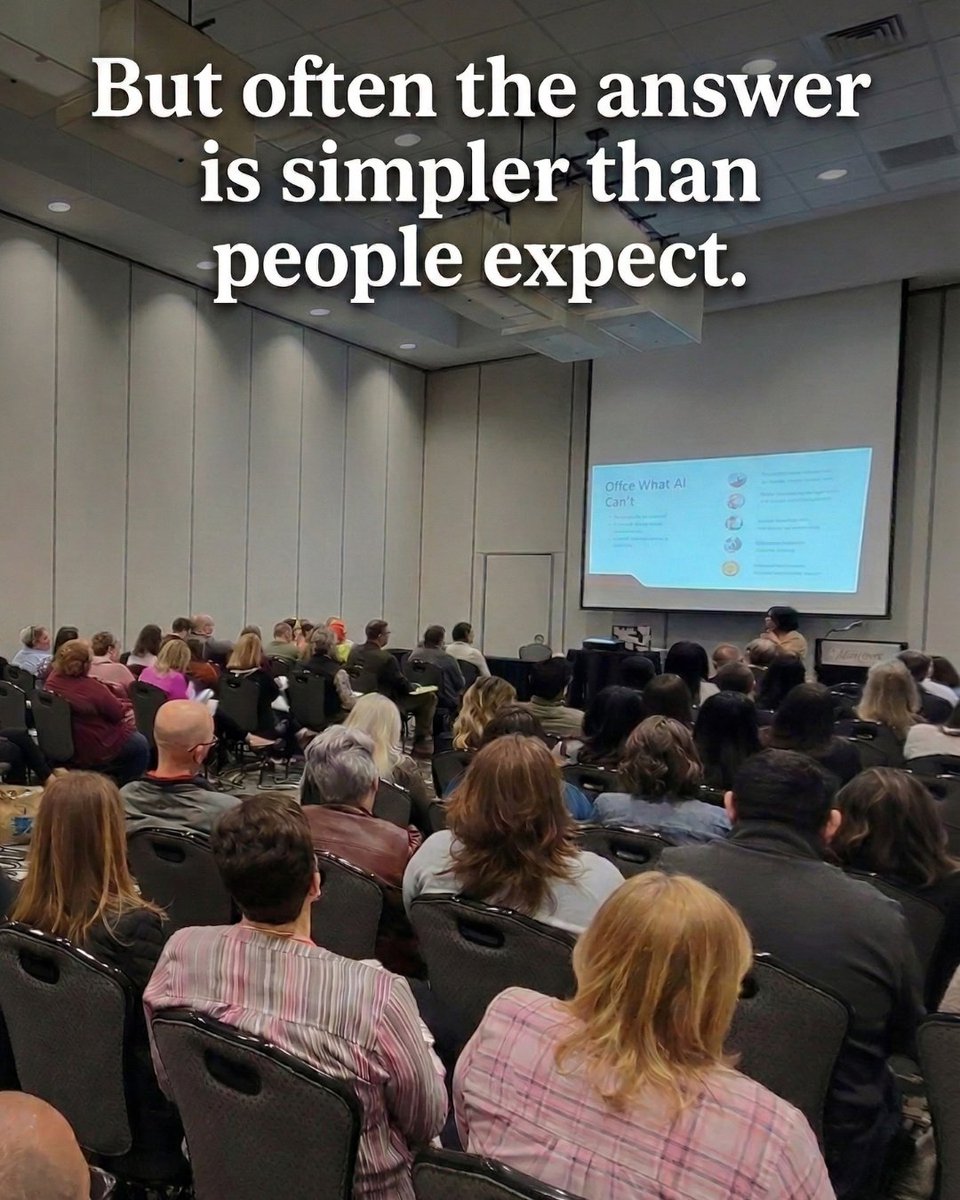
A business owner said something during a recent training session that caught the whole room’s attention. He had notebooks. Not one or two, but stacks of them. Meeting notes, research notes, planning notebooks. Years of ideas written down during conversations and projects. The problem wasn’t that the information wasn’t valuable. The problem was that he could no longer find it when he needed it. He said he knew there was great insight in those notebooks, but there were so many that he couldn’t even remember which one contained what. That moment led to a practical conversation about something many people overlook. You don’t always need a complicated system to bring older knowledge back to life. Sometimes the simplest step is just digitizing what you already have. And AI can help do that for you. Saving time and hours - searching for and wondering "𝒘𝒉𝒆𝒓𝒆 𝒅𝒊𝒅 𝑰 𝒔𝒆𝒆 𝒕𝒉𝒂𝒕? 𝑶𝒓, 𝒉𝒐𝒘 𝒅𝒊𝒅 𝑰 𝒔𝒂𝒗𝒆 𝒕𝒉𝒂𝒕?" One easy approach is to photograph each page with your phone. Gemini can read the handwritten text, and once it’s digitized you can organize the information, pull out action items, and start making the material searchable again. From there, tools like NotebookLM can help you work directly with those documents. Because the system is using your own information as the source, you can ask questions about the content, organize ideas, and revisit insights that might otherwise stay buried in a stack of notebooks. What seemed overwhelming at first suddenly became manageable. If you have notebooks full of ideas, research, or meeting notes: • Take clear photos of each page • Use Gemini to extract the text • Upload the material into NotebookLM • Organize the information and pull out action items 𝑰𝒏𝒔𝒕𝒆𝒂𝒅 𝒐𝒇 𝒍𝒆𝒂𝒗𝒊𝒏𝒈 𝒗𝒂𝒍𝒖𝒂𝒃𝒍𝒆 𝒕𝒉𝒊𝒏𝒌𝒊𝒏𝒈 𝒕𝒓𝒂𝒑𝒑𝒆𝒅 𝒊𝒏 𝒏𝒐𝒕𝒆𝒃𝒐𝒐𝒌𝒔, 𝒚𝒐𝒖 𝒄𝒂𝒏 𝒕𝒖𝒓𝒏 𝒊𝒕 𝒊𝒏𝒕𝒐 𝒔𝒐𝒎𝒆𝒕𝒉𝒊𝒏𝒈 𝒔𝒆𝒂𝒓𝒄𝒉𝒂𝒃𝒍𝒆 𝒂𝒏𝒅 𝒖𝒔𝒂𝒃𝒍𝒆 𝒂𝒈𝒂𝒊𝒏. Sometimes the most valuable ideas we have are already written down. They just need a better way to be rediscovered.
Maria Elena Duron | Marketing Coach | Strategist tweet mediaMaria Elena Duron | Marketing Coach | Strategist tweet mediaMaria Elena Duron | Marketing Coach | Strategist tweet mediaMaria Elena Duron | Marketing Coach | Strategist tweet media
English
0
0
0
19
Maria Elena Duron | Marketing Coach | Strategist
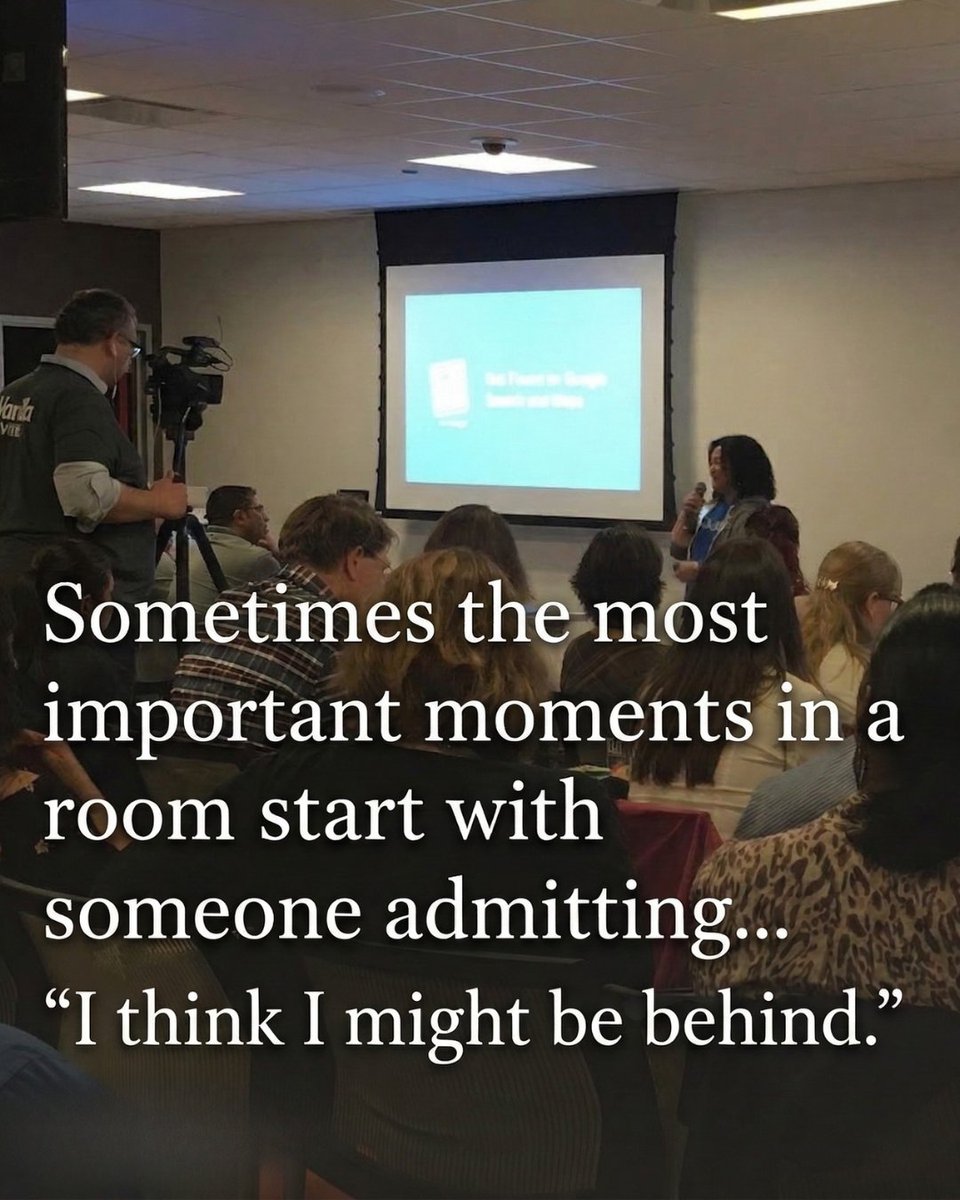
There is something I see often when I work with business owners during trainings. Recently, I was leading a private session with about twenty people in the room, and the conversation turned to AI tools. At one point someone raised their hand and asked a very honest question. They said, “Wow… now I feel like I need to go learn this tool. But I’m still confused, and I’m not even sure where to start.” You could hear the pressure behind the question. It wasn’t resistance to AI at all. It was the feeling many businesses are carrying right now. There are suddenly so many tools, so many opinions, and so many headlines that it becomes hard to tell what actually matters while you’re also trying to run a company. So we paused for a moment and talked about a different way to approach it. 𝑰 𝒆𝒙𝒑𝒍𝒂𝒊𝒏𝒆𝒅 𝒕𝒉𝒂𝒕 𝒎𝒐𝒔𝒕 𝒑𝒆𝒐𝒑𝒍𝒆 𝒅𝒐 𝒏𝒐𝒕 𝒏𝒆𝒆𝒅 𝒕𝒐 𝒕𝒂𝒌𝒆 𝒂 𝒅𝒆𝒆𝒑 𝒅𝒊𝒗𝒆 𝒊𝒏𝒕𝒐 𝒆𝒗𝒆𝒓𝒚 𝒕𝒐𝒐𝒍 𝒕𝒉𝒆𝒚 𝒉𝒆𝒂𝒓 𝒂𝒃𝒐𝒖𝒕. 𝑹𝒆𝒂𝒍 𝒑𝒓𝒐𝒈𝒓𝒆𝒔𝒔 𝒖𝒔𝒖𝒂𝒍𝒍𝒚 𝒄𝒐𝒎𝒆𝒔 𝒇𝒓𝒐𝒎 𝒆𝒙𝒑𝒆𝒓𝒊𝒆𝒏𝒄𝒆 𝒓𝒂𝒕𝒉𝒆𝒓 𝒕𝒉𝒂𝒏 𝒔𝒕𝒖𝒅𝒚. 𝑰𝒏𝒔𝒕𝒆𝒂𝒅 𝒐𝒇 𝒕𝒓𝒚𝒊𝒏𝒈 𝒕𝒐 𝒎𝒂𝒔𝒕𝒆𝒓 𝒕𝒉𝒆 𝒕𝒆𝒄𝒉𝒏𝒐𝒍𝒐𝒈𝒚 𝒇𝒊𝒓𝒔𝒕, 𝒔𝒕𝒂𝒓𝒕 𝒃𝒚 𝒖𝒔𝒊𝒏𝒈 𝒊𝒕 𝒘𝒊𝒕𝒉 𝒘𝒐𝒓𝒌 𝒚𝒐𝒖 𝒂𝒓𝒆 𝒂𝒍𝒓𝒆𝒂𝒅𝒚 𝒅𝒐𝒊𝒏𝒈. We had been talking about NotebookLM, one of Google’s tools, and I suggested something simple. Take a document, notes, or information you already rely on and bring it into the tool. Let the document come to life and start interacting with your own information. 𝐀𝐬𝐤 𝐪𝐮𝐞𝐬𝐭𝐢𝐨𝐧𝐬. 𝐄𝐱𝐩𝐥𝐨𝐫𝐞 𝐢𝐭. 𝐋𝐞𝐚𝐫𝐧 𝐛𝐲 𝐮𝐬𝐢𝐧𝐠 𝐢𝐭. Almost immediately the mood in the room shifted. There was a quiet sigh of relief, followed by a little laughter. One participant said it suddenly made sense to start with things they already had instead of trying to learn everything about the technology first. The person who asked the question smiled and said, “Oh… that actually feels doable.” Moments like that are my favorite part of teaching. Most business owners are not behind. They are simply carrying too many decisions at once. When the noise around technology gets loud, what people often need most is not another tool but a moment of calibration. Once they step back and start experimenting in a steadier way, confidence begins to grow and something that felt overwhelming suddenly becomes possible. I am curious, what part of AI feels most confusing or overwhelming to you right now?
Maria Elena Duron | Marketing Coach | Strategist tweet mediaMaria Elena Duron | Marketing Coach | Strategist tweet mediaMaria Elena Duron | Marketing Coach | Strategist tweet mediaMaria Elena Duron | Marketing Coach | Strategist tweet media
English
0
0
0
29
Maria Elena Duron | Marketing Coach | Strategist
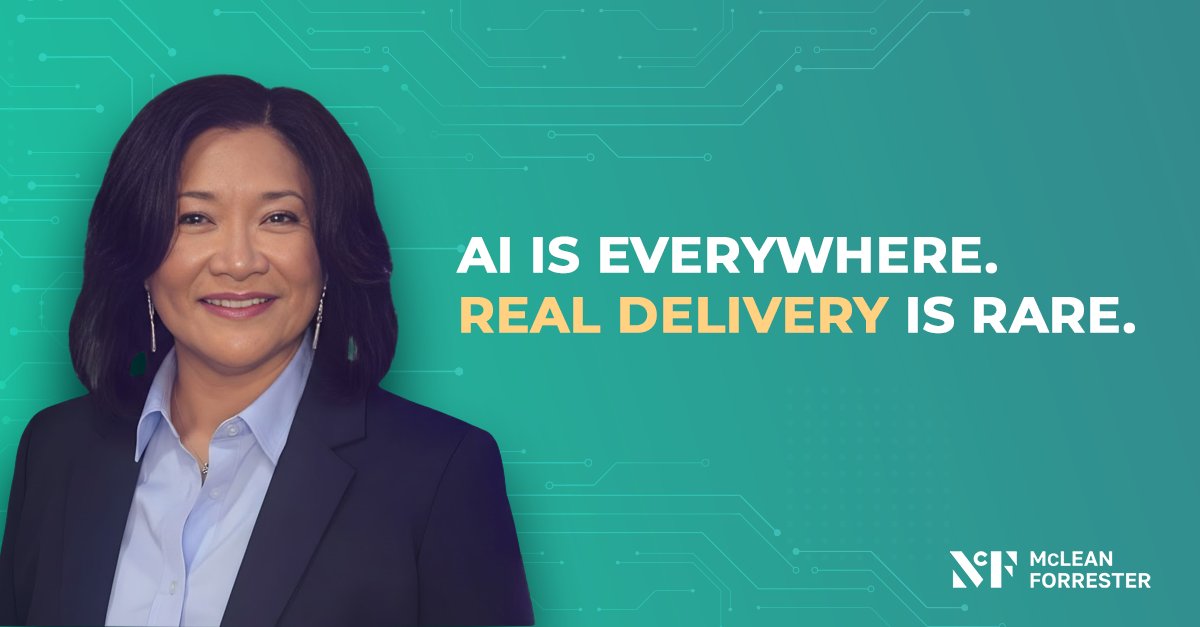
AI is everywhere. But real AI delivery is still surprisingly rare. Over the past year I’ve had dozens of conversations with leaders who genuinely want to move forward with AI. They’re not resistant to it. In fact, most of them are excited about what it could do for their organizations. Where they get stuck is the space between the idea and the implementation. 1️⃣ They’ve read the articles. 2️⃣ They’ve seen the demos. 3️⃣ They’ve experimented with tools. But turning AI into something that actually works inside real workflows, with real teams and real accountability, is harder than most people expected. 𝐓𝐡𝐚𝐭 𝐠𝐚𝐩 𝐛𝐞𝐭𝐰𝐞𝐞𝐧 𝐯𝐢𝐬𝐢𝐨𝐧 𝐚𝐧𝐝 𝐝𝐞𝐥𝐢𝐯𝐞𝐫𝐲 𝐢𝐬 𝐰𝐡𝐞𝐫𝐞 𝐦𝐚𝐧𝐲 𝐨𝐫𝐠𝐚𝐧𝐢𝐳𝐚𝐭𝐢𝐨𝐧𝐬 𝐬𝐭𝐚𝐥𝐥. (time & time again.) And it’s exactly why I’m pleased to share that 𝐈’𝐦 𝐩𝐚𝐫𝐭𝐧𝐞𝐫𝐢𝐧𝐠 𝐰𝐢𝐭𝐡 𝐌𝐜𝐋𝐞𝐚𝐧 𝐅𝐨𝐫𝐫𝐞𝐬𝐭𝐞𝐫. They are a highly specialized technology firm focused on helping organizations move beyond AI exploration and into real implementation. Their work is hands-on and grounded in the realities of how businesses actually operate. My role continues to focus on leadership alignment, strategy, and enablement. What this partnership adds is the ability to carry that work forward into real systems and real execution. 𝑩𝒆𝒄𝒂𝒖𝒔𝒆 𝒊𝒏 𝒕𝒉𝒆 𝒆𝒏𝒅, 𝑨𝑰 𝒊𝒕𝒔𝒆𝒍𝒇 𝒊𝒔 𝒏𝒐𝒕 𝒕𝒉𝒆 𝒂𝒅𝒗𝒂𝒏𝒕𝒂𝒈𝒆.  𝑫𝒆𝒍𝒊𝒗𝒆𝒓𝒚 𝒊𝒔. If your organization is exploring AI initiatives, whether that’s improving customer experience, modernizing operations, strengthening analytics, or building AI-enabled products, I’m always interested in hearing what leaders are trying to solve right now. Where are you finding the biggest gap between AI ideas and AI execution?
Maria Elena Duron | Marketing Coach | Strategist tweet media
English
0
0
0
21
Maria Elena Duron | Marketing Coach | Strategist
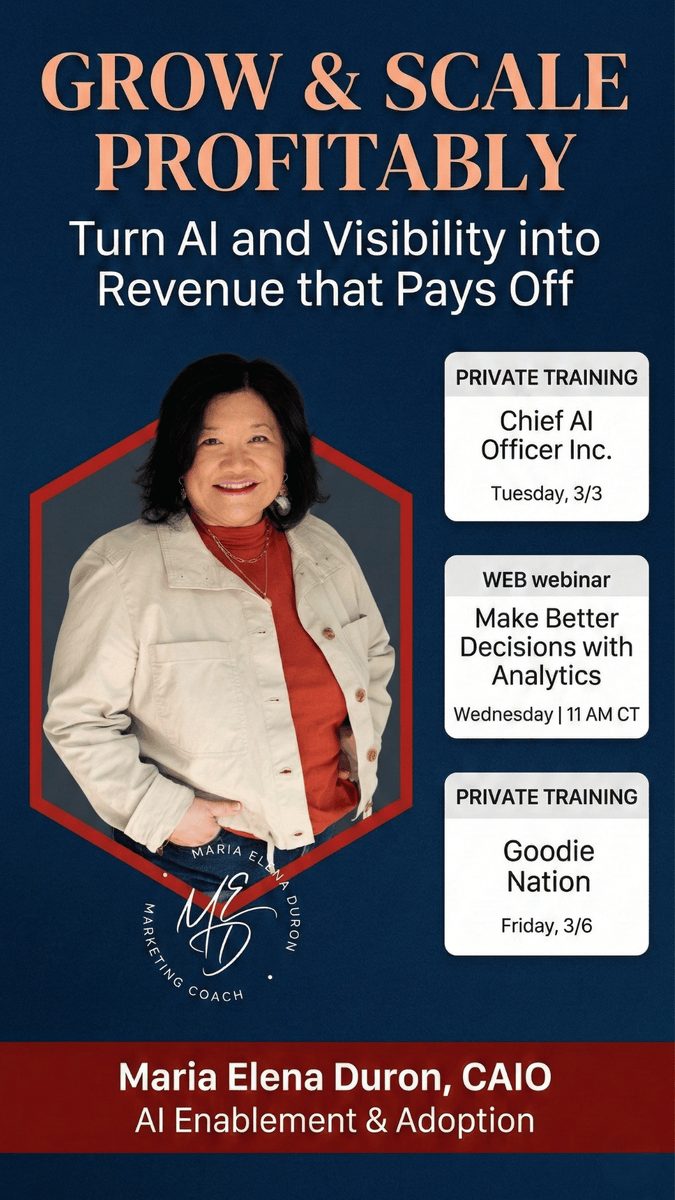
I’ve been thinking a lot about how people talk about AI and analytics lately. Most of the conversation still frames them as tools. Something you adopt. Something you layer on top of your business. But I don’t see them that way anymore. To me, AI and analytics are becoming part of the operating layer of business. They influence how decisions are made, how visibility is interpreted, and ultimately how revenue compounds, or doesn’t. That perspective is shaping my week. Today I’m leading a private training with Chief AI Officer Inc. Later this week I’ll be working with Goodie Nation. And on Wednesday at 11 AM CT, I’m hosting a public session on making better decisions with analytics. Different audiences, yes. But underneath it all, the same conversation keeps surfacing. How do we use AI and data in a way that strengthens judgment instead of overriding it? In a market that moves this quickly, the advantage isn’t having more information. It’s having the steadiness to interpret it correctly. That’s what Wednesday is about. Not dashboards for the sake of dashboards. Not trends for the sake of trends. But learning how to evaluate what actually moves growth right now. I’ll share the registration link in the first comment for anyone who wants to join that conversation.
Maria Elena Duron | Marketing Coach | Strategist tweet media
English
0
0
0
22
Maria Elena Duron | Marketing Coach | Strategist
Have you seen what Google just released? They’ve introduced an AI Professional Certificate designed to help people use AI more effectively at work. Not in a theoretical way, but in the day-to-day realities of writing, planning, organizing information, and making better decisions. For small business owners in the U.S., there’s something important to know. In many cases, this training is available at no cost, and it includes temporary access to Google AI Pro as part of the program. That matters. Because AI is quickly becoming part of the operating layer of business. The real advantage is not in having access to tools. It is in knowing how to use them thoughtfully and responsibly. You can read the news here: blog.google/company-news/o… And apply for your free spot here: grow.google/ai-for-small-b… And I’ll be announcing upcoming workshop dates soon for those who want to work through this in a steady, practical way rather than trying to piece it together alone. #SmallBusiness #AI #GoogleAI
Maria Elena Duron | Marketing Coach | Strategist tweet media
English
0
0
0
29
Maria Elena Duron | Marketing Coach | Strategist
I’ve been hiding this for a long time, but I don’t really like “networking.” Not because I do not like people. I love people. I just do not love the version of networking that feels like polite collecting. Handshakes, vague promises, and a lot of “let’s connect” that never turns into anything real. What I do love is a room where relationships actually hold. That is why I joined the Success Champions Network. It feels less like performance, and more like people who mean what they say. People who make introductions that actually fit. People who follow through without making it transactional. People who want to see each other win, then prove it by showing up. 𝑻𝒐 𝒎𝒆, 𝒕𝒉𝒂𝒕 𝒊𝒔 𝒕𝒉𝒆 𝒘𝒉𝒐𝒍𝒆 𝒑𝒐𝒊𝒏𝒕. 𝑵𝒐𝒕 𝒄𝒐𝒏𝒕𝒂𝒄𝒕𝒔. 𝑻𝒓𝒖𝒔𝒕. So I am genuinely grateful to be here, and I am looking forward to meeting more of you. Quick question, because I am curious what people want most right now. When you join a networking group, what are you really hoping it gives you. Real introductions, referrals, accountability, or community. I'm talking about the welcome post they shared (you'll find it in the comments) ⬇️
English
1
0
1
24
Maria Elena Duron | Marketing Coach | Strategist
You don’t feel the strength of your systems when everything is going well. You feel it when life interrupts. I had an unexpected reminder last week of something I see play out for business owners all the time.  🤒 There was a stretch where I didn’t create new content. Not because of a plan, and not because I decided to step back strategically, but because my attention needed to be elsewhere and that was simply the reality of the moment. What surprised me wasn’t that things slowed in a few places. That part is normal. What stayed with me was noticing what didn’t fall apart. Some channels held steady. Some dipped slightly. But nothing unraveled, and nothing felt fragile in the way it might have a few years ago. That contrast matters more than people realize. Most visibility stress doesn’t come from not posting enough. It comes from knowing that if you stop, even briefly, everything feels like it’s at risk. When momentum depends entirely on constant output, every interruption feels heavier than it should. This is where the conversation around AI often gets misframed. It’s not about producing more content, filling gaps, or keeping the machine running at all costs. In moments like this, AI’s value showed up much more quietly. It helped reduce mental noise, kept focus narrow, and made sure the essentials didn’t get dropped while attention was limited. That’s the difference between using AI as a pressure amplifier versus using it as structural support. Effort isn’t always available in equal supply. Life isn’t predictable. Energy fluctuates. What lasts is whatever has been built to hold when things are not firing on all cylinders. That’s the lens I’m paying closer attention to this year, both for myself and for the businesses I work with. Not how visible something looks on a good week, but how steady it stays on a complicated one.
Maria Elena Duron | Marketing Coach | Strategist tweet media
English
0
0
0
22
Maria Elena Duron | Marketing Coach | Strategist
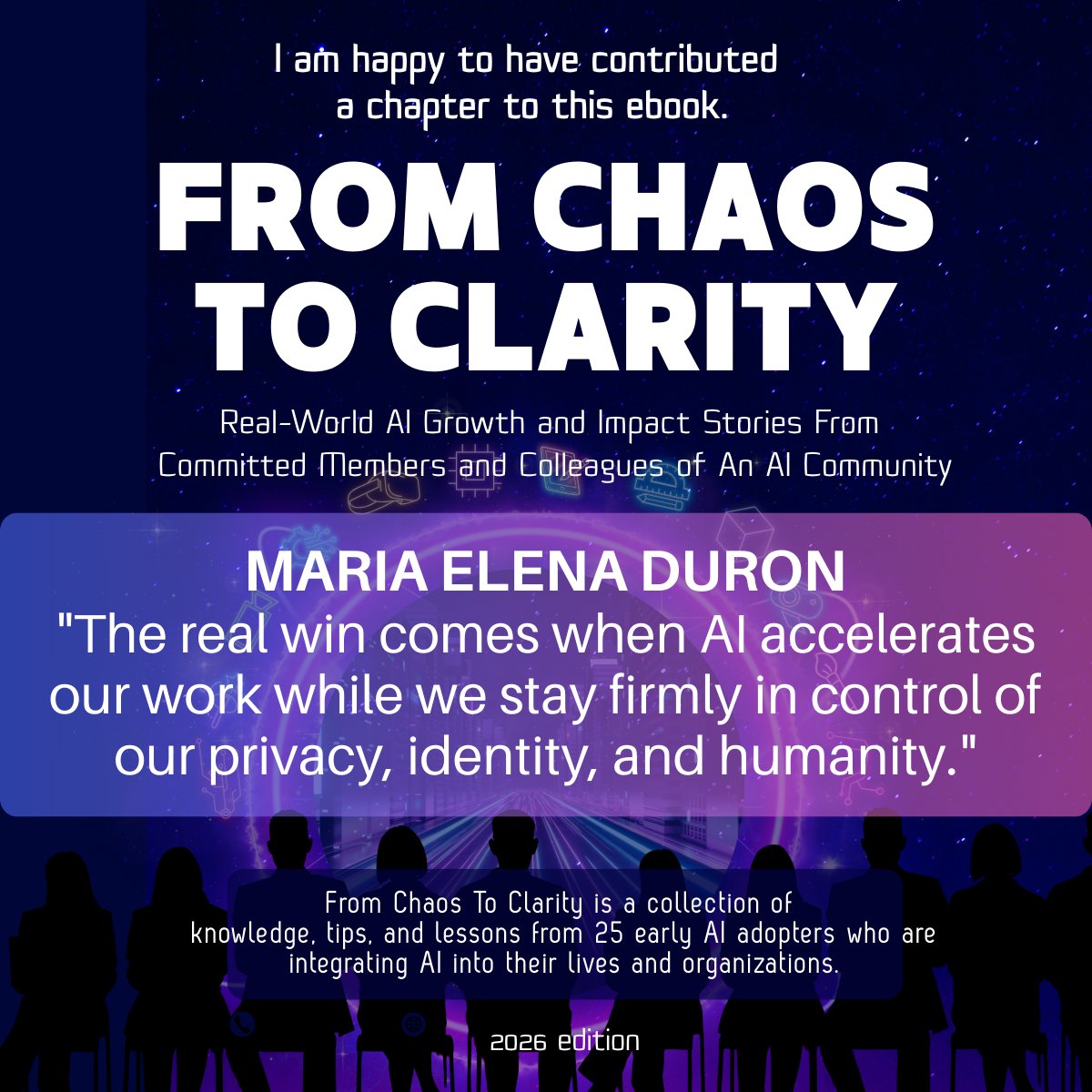
🟪🟩 When every AI conversation starts with tools, it’s usually a sign that clarity is missing. That’s the pattern I kept noticing as more people started talking about AI in 2026. Which is why I’m genuinely proud to share something I helped create. I’m one of 25 contributors to a complimentary ebook -  no opt-in, no catch: From Chaos to Clarity: Real-World AI Growth and Impact Stories from 25 Early AI Adopters Most AI conversations skip straight to predictions, hype, or the next tool you’re “supposed” to be using. This ebook deliberately doesn’t. Instead, it captures first-person experiences from professionals who’ve actually lived through AI adoption: The confusion. The resistance. The early missteps. And the moments where things finally started working — not because of better tools, but because the thinking got clearer. Across industries, the pattern was strikingly consistent. AI didn’t create progress by doing more. It helped when people stopped asking it to carry things it was never meant to hold. Clarity showed up when teams got honest about: What AI was actually for Where it should support work And where human judgment had to stay firmly in place Inside the ebook, contributors reflect on: How AI reshaped daily work and long-term strategy Where early friction turned into fluency Why human judgment became more important, not less How they learned to absorb large amounts of AI insight and apply it in real client work — right now This is not a “get results overnight” story. It’s honest perspective from people who committed, experimented, and learned over time. And this part still matters to me: 25 contributors. One month. One shared commitment to doing this thoughtfully — not performatively. That alone says a lot about the depth of perspective inside. 📘 The ebook is completely free and meant to be shared. ⬇️ Download link below. After you read it, I’d love to hear how you are thinking about AI in 2026, not in terms of tools, but in terms of clarity, responsibility, and real decision-making. And if this resonates, please share it. These are the conversations that deserve more visibility (and I would be grateful!  🙏🤲 )
Maria Elena Duron | Marketing Coach | Strategist tweet media
English
1
0
1
42
Maria Elena Duron | Marketing Coach | Strategist
I don’t think people fully understand how much of this country is held together by rural small businesses. Not by scale. By commitment. I was thinking about that after spending time with Julie. Julie runs her business in a rural community where relationships still matter, word travels fast, and showing up consistently means something. There’s no buffer between the work and the people it serves. When something needs doing, she’s the one who does it. Most days, Julie is the team. What stayed with me wasn’t how hard she worked. It was how much she carried, quietly. Customers who depend on her. Reviews that deserve thoughtful replies. Visibility that can slip if she looks away too long. Social posts and emails she knows matter, even when there’s no extra time. And underneath all of it, a deep desire to do things in a way that still feels human. Not rushed. Not canned. Not like she disappeared behind automation. Julie didn’t need another platform. She didn’t need a long training or a stack of new tools. She needed someone to really see where she was, and help her connect the dots in a way that fit her life as it already exists. So we started small. Short how-to videos. Simple. Familiar. Just Julie explaining what she already knows, the way she explains it every day to customers. Those videos didn’t just live on social. They helped her show up in Maps when people nearby were actively searching for her services. No tricks. Just clarity and consistency. Then we looked at reviews. Not to rush through them, but to make responding less heavy. AI helped her draft faster and more complete replies. Then Julie did the part that mattered most. She layered herself back in. Her voice. Her gratitude. The way she speaks to people she actually knows. That part mattered deeply to her. AI didn’t replace Julie. It supported her. From there, sharing felt lighter. One review could become a social post. A short email update. A moment of connection that didn’t require starting from scratch every time. The tools helped her move faster, but her attention stayed where it belongs, on her customers. She even started building something she didn’t realize she was missing. A living record of her brand. Her reviews. Her language. Her stories. All in one place. A kind of business memory she can return to instead of constantly reinventing herself. Watching that come together reminded me why this work matters so much to me. There are more rural small businesses than almost anything else in this country. And most of them don’t need to be bigger. They need to be supported. AI, when used with care, can help someone like Julie feel less alone. More capable. More steady. Like there’s a team behind her, even when it’s still just her. And the best part. She gets to keep doing what she does best. Serving her customers. Showing up for her community. Running her business with pride. That’s the future I want to build toward. One where technology quietly supports the people who’ve always been holding things together.
Maria Elena Duron | Marketing Coach | Strategist tweet media
English
0
0
0
96
Maria Elena Duron | Marketing Coach | Strategist
A lot of people 𝒔𝒂𝒚 they want to understand AI better. What they usually mean is they’re not sure why their effort isn’t translating anymore. 🎯 Some are worried about search and visibility. 🎯 Some are focused on content. What to create, how often, and whether it even matters anymore. 🎯 Others are trying to fit AI into workflows without making everything noisier. What’s easy to miss is that these aren’t separate problems. They’re layers of the same shift. AI isn’t just changing how content is produced or how work gets done. It’s changing how visibility is evaluated in the first place. And when that evaluation layer changes, it touches search, content, and workflows all at once. That’s what I walked through in a recent video on AI visibility. Not tools. Not hacks. Just how AI systems are actually interpreting signals, and why structure matters more than effort right now. 𝑰𝒅𝒆𝒏𝒕𝒊𝒇𝒚𝒊𝒏𝒈 𝒂𝒏𝒅 𝒃𝒖𝒊𝒍𝒅𝒊𝒏𝒈 𝒕𝒉𝒆 𝒔𝒕𝒓𝒖𝒄𝒕𝒖𝒓𝒆 -  𝒕𝒉𝒂𝒕'𝒔 𝒕𝒉𝒆 𝒓𝒆𝒂𝒍 𝒘𝒐𝒓𝒌.  If you’ve been busy, doing the work but still not confident it’s translating, this is usually where the disconnect lives. Curious where people are feeling it most right now. Search? Content? Or workflows? I’ll share the video in the comments for anyone who wants to go deeper into how visibility fits across all three.
Maria Elena Duron | Marketing Coach | Strategist tweet media
English
0
0
1
21
Maria Elena Duron | Marketing Coach | Strategist
Most businesses won’t realize they’ve fallen out of AI commerce. They’ll just notice they stopped showing up. That thought’s been sitting with me since Google rolled out the Universal Commerce Protocol. The protocol itself isn’t the headline. What it changes about who AI considers “ready” is. 👉 This isn’t a new tool or feature. It’s infrastructure. How AI systems connect to businesses behind the scenes so discovery, offers, checkout, and payments can happen without a website in the middle. Once AI becomes the interface, something important shifts. It’s no longer choosing the “best” brand. It’s filtering for what it can confidently interpret, verify, and transact with. Anything that doesn’t meet that bar doesn’t compete. It just disappears. 💨 That’s why I don’t think the biggest risk right now is that most businesses haven’t implemented something yet. The real risk is that they’re still thinking in terms of campaigns, not structural readiness. Because when AI mediates visibility, structure decides who gets surfaced. Some companies won’t lose customers, right away. They’ll just stop being considered. Moments like this don’t call for fast moves. They call for calibration. This is the kind of shift we slow down and unpack inside the membership. Not to react, but to understand what just changed and what quietly becomes invisible next. Infrastructure changes don’t reward speed. 👉 They reward preparedness.
English
0
0
1
24