

Mark Clark
9.2K posts
Mark Clark
@markjmclark
Passionate about transformational change in people, communities, and organisations. Working at the intersection of leadership, complexity and conflict.
UK Katılım Ağustos 2009
2.1K Takip Edilen1.3K Takipçiler

Mark Clark retweetledi
Since the beginning, it's been obvious that Gaza was in many ways a fight between International Law and the US's "rules-based order".
x.com/shaykhsulaiman…
This whole episode around the UN resolution is a perfect illustration of this. There is no debate amongst international law scholars that resolutions by the UN Security Council that "demand" certain actions are binding (good explanation by a legal scholar here: verfassungsblog.de/why-todays-un-…). In fact resolutions by the council ARE international law, article 25 of the UN Charter clearly states: "The Members of the United Nations agree to accept and carry out the decisions of the Security Council in accordance with the present Charter."
Yet the US now argues that the "rule" is in fact different: "It's a non-binding resolution, so there's no impact at all on Israel".
Where is this rule written, that somehow when the UNSC "demands an immediate ceasefire for the month of Ramadan respected by all parties leading to a lasting sustainable ceasefire", it's non-binding and "there's no impact at all" on the warring party? Nowhere, that's the beauty of the rules-based order: the rules are made-up in the moment to fit the interests of the U.S. and its henchmen, depending on the circumstances.
Had the very same resolution, with the exact same language, been adopted for a conflict that the U.S. actually wanted stopped, there's no doubt they'd have argued the exact opposite: that it was binding and the hostilities had to cease immediately. Which goes to show that sometimes the Rules-Based Order does align with international law, when it's in the US's interests to do so.
In that sense, Israel's genocide in Gaza is a great revealer because everything about it goes against international law: the mass killing of civilians, journalists, and humanitarian workers; the pre-existing occupation of Palestinian land; the wholesale destruction of Gaza: the hospitals, the mosques, the schools; the torture of prisoners; the deliberate starvation of the population, etc. So never before have we been able to see in such an obvious way the immense contrast between the rules-based order and international law.
And there's no going back, the curtain was pulled: if they hadn't noticed before, the world now knows for sure that the US (and Israel of course) is quite literally a rogue state, operating outside international laws and norms, and outside the most fundamental moral principles.
There's no overstating how consequential this is for the integrity of international relations. By doing so, the US effectively destroys the world order it largely created after WW2 because it effectively tells everyone that the set of institutions, rules and norms that underpin it are meaningless. We're effectively now in a world system where everyone realizes the police, the government, the basic set of beliefs, have become completely corrupted. This changes everything.
What comes next? I think there's no coming back for the U.S. And I think they know this, maybe unconsciously, otherwise they would at least pretend to act for the better good of all. The fact they don't shows they've effectively abdicated ambitions to restore their hegemony: they're now nakedly in it to milk the system for themselves, universal pretentions have gone.
Most countries however don't want to live in an "eat or get eaten"/"might makes right" world, without rules or norms. So in time a new system will arise. The biggest unknowns being: can it arise without a major global war, who will lead the construction of its foundations and how can it be set up so that this time around it is fair for all and respected by all?
English
Mark Clark retweetledi

Workplaces are also the spaces where we learn how to communicate, how to make decisions together, and how to navigate differences—skills we then deploy in our political, civic, and faith lives.
How we work together matters!
PantsuitPolitics@PantsuitPolitic
If you want to know how someone reached a political position you don't understand, try asking about their work experiences. Work is a microcosm for the rest of society, and our experiences at work profoundly influence our values when it comes to politics. amzn.to/4cwjHsK
English
Mark Clark retweetledi
Independent human rights expert @FranceskAlbs presents her latest findings.
"My report finds that there are reasonable grounds to believe that the threshold indicating that #Israel is commiting the crime of genocide against Palestinians as a group in #Gaza has been met."
English
Mark Clark retweetledi
The frustrating thing to me about the quote from this article is that the columnist knows, and the Conservatives know, and Labour knows, that Brexit was an awful economic and geopolitical error. This was obvious in my view in 2016 and it’s ten times more obvious now, for the reasons outlined in the article. The issue is that none of the above have yet summoned up the courage to explain to the electorate that we really have no option but to rejoin the single market and customs union as soon as possible. Europe has to strengthen and work together in an increasingly uncertain world, and the U.K. is a vital part of Europe. Everyone in any sort of position of responsibility or power knows it. Basically our political class is bullshitting the electorate. And as I’ve said before, you can convince people to vote to abolish gravity but they will be very annoyed when they hit the ground.
Edwin Hayward@edwinhayward
"Our economic model is bust. Being a services superpower is not enough" Nick Timothy, strong Brexit proponent, concludes in the Telegraph there's a rise of regional protectionism but then doesn't join the dots to the only country outside that protectionism because of Brexit.
English

On International Day for the Elimination of Racial Discrimination, I'm thrilled to be presenting & learning so much at the Black Leadership Group’s “Tracks, Trails and Threads: Courageous Leadership in a Fractured World" conference #AntiRacism swiy.co/blgconf24
English
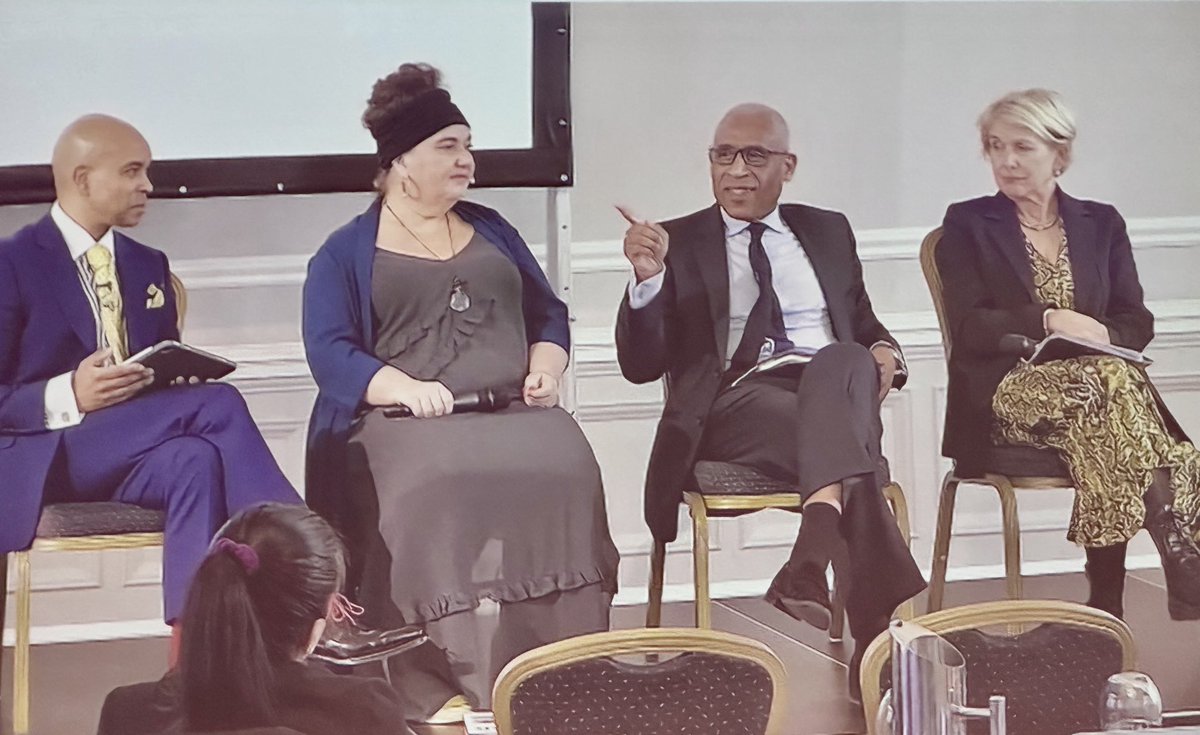
An important message for us all, which resonates strongly with me, from Lord Simon Woolley: “Remember, once you get access, once you’re in the room, that you’re in the room for a reason, not just for a picture.” @FeLeadership #AntiRacism #TruthToPower #LiveWithPurpose
English
Four years after the murder of George Floyd, I’m proud to be at this unique Black Leadership Group @FeLeadership Conference gathering in all 4 nations simultaneously to drive #AntiRacism action across the UK. Really inspiring opening by Lord Simon Woolley.

English
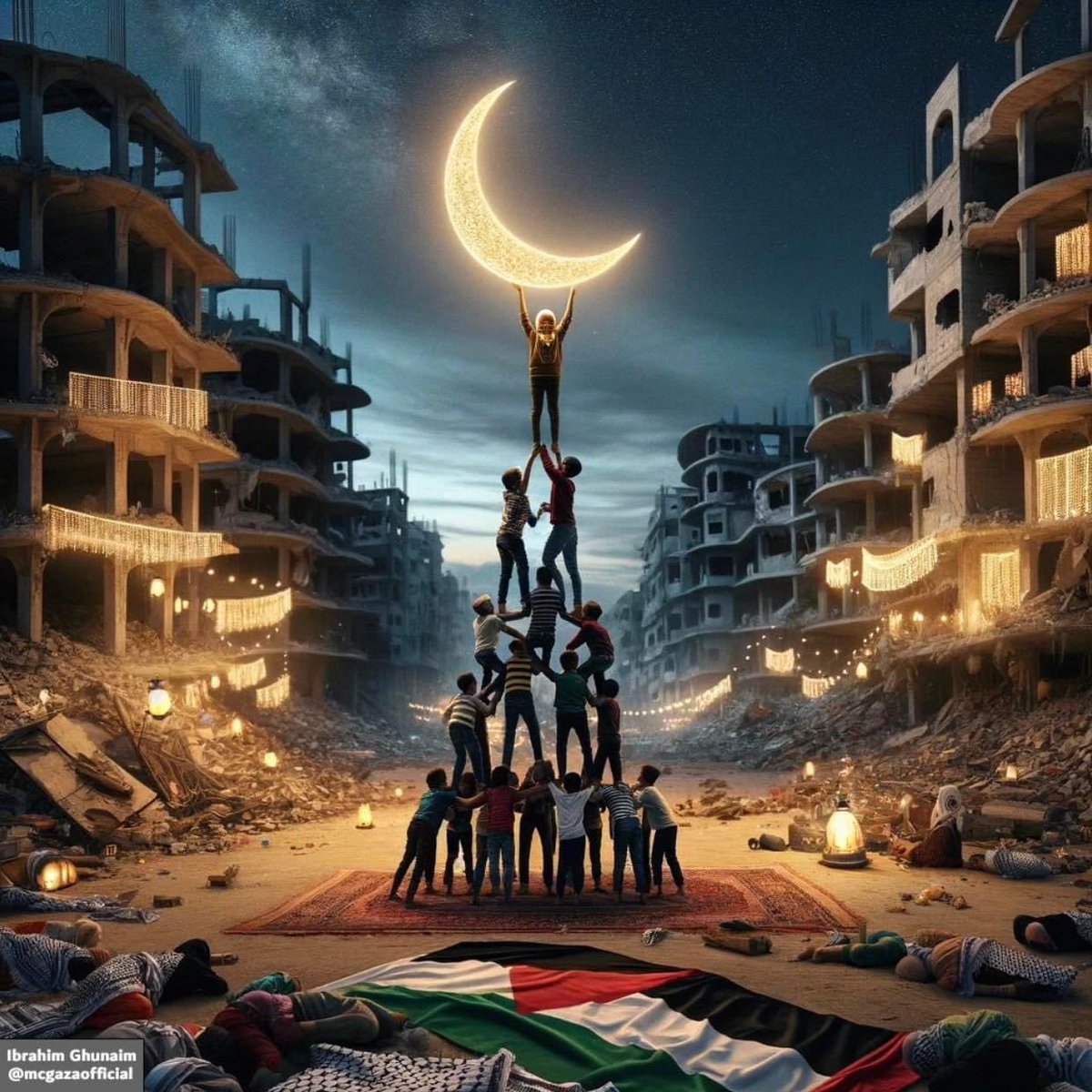
Ramadan Kareem! 🌙
May this holy month bring peace in all lands, all communities, all households, and all hearts.
English
Mark Clark retweetledi

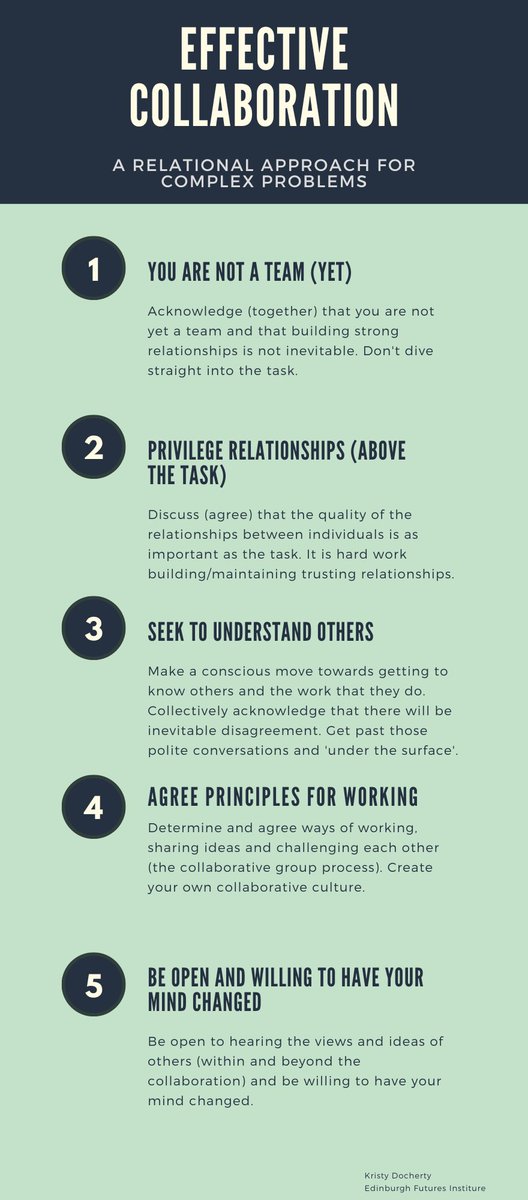
Complex challenges require effective collaboration across disciplines, sectors and organisations, taking a relational approach can help. Here are 5 tips I've learned from my own research and apply in practice. I'll admit, it's not easy... #effectivecollaboration
English
This is really interesting!
And since the most important decision any organization takes is who to invite to join them, this is well worth experimenting with!
English

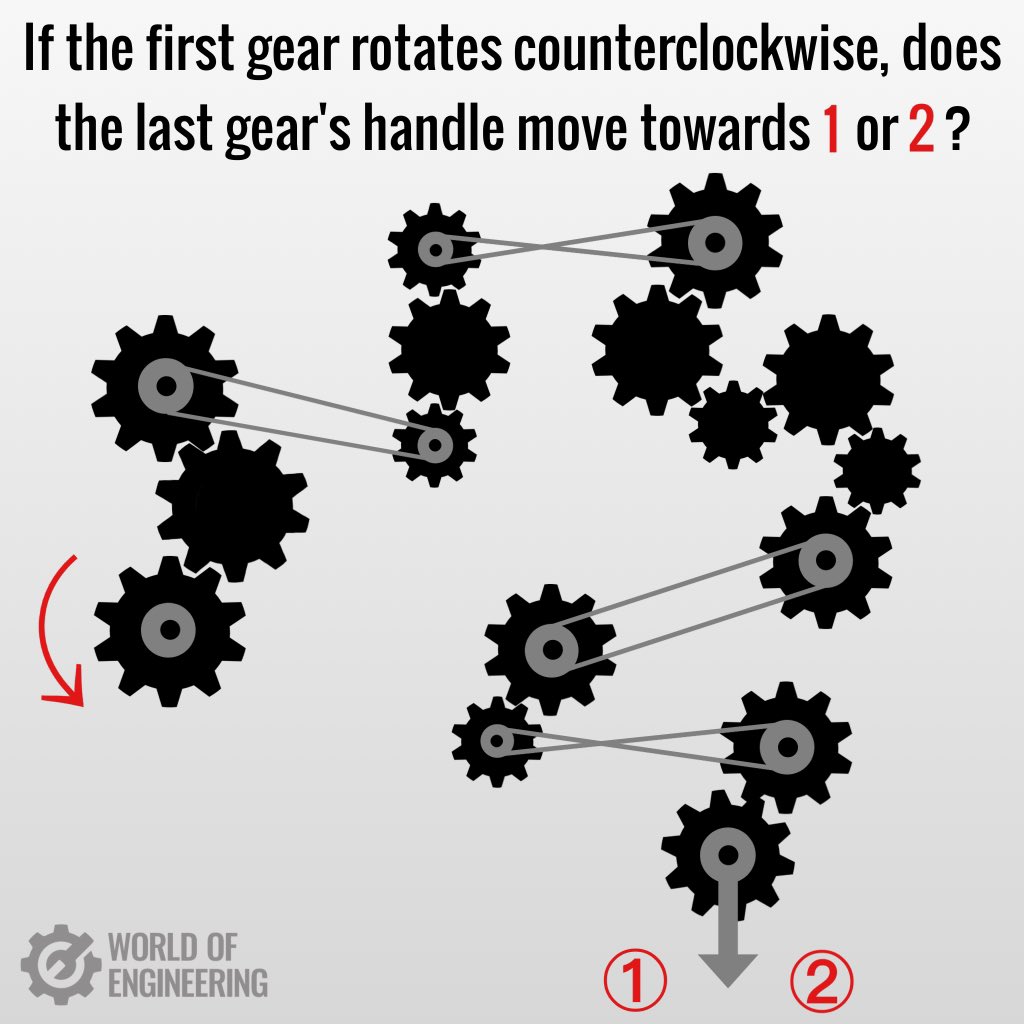
@TansuYegen And now I see the boy is holding ice cream and wearing the shoes so the answer is 5 + ((5+4+10) x 2) = 43
English
@TansuYegen Sorry just saw the multiplication sign. So the answer is 15.
English

Mark Clark retweetledi

“If I am having a conversation with someone, and I cannot tell whether it is a human or an AI—that’s the end of democracy,” warns the philosopher and historian in a guest essay for The Economist. Read more here: econ.st/480ulWb
Image: Dan Williams

English
Mark Clark retweetledi
Humanity faces a deepening ‘land crunch’ in the coming decades.
On current trends the demand for land for farming and other essential uses will exceed availability. chathamhouse.org/2023/11/emergi…
English
🤔 Interested in discussing this and other ideas at the intersection of leadership, complexity & conflict? Please contact me at: mark@transformational.ltd

English
➡ Do you want to walk along? Or walk ahead? Or walk by yourself? ... One must know what one wants and that one wants. Fourth question of conscience.
English
When I was 18, I discovered Nietzsche's "Four Questions of Conscience". I've carried them with me, physically and mentally, ever since. They remain consistently powerful, especially now as I scope opportunities focused at the intersection of leadership, complexity and conflict🧵

English