Films about Sts. Thomas More, Thérèse, John Paul II, Giuseppe Moscati and Maximilian Kolbe showcase the heroic virtue of our friends the saints. Watch, and be inspired.
Full article: ow.ly/ByT550Y1jx3
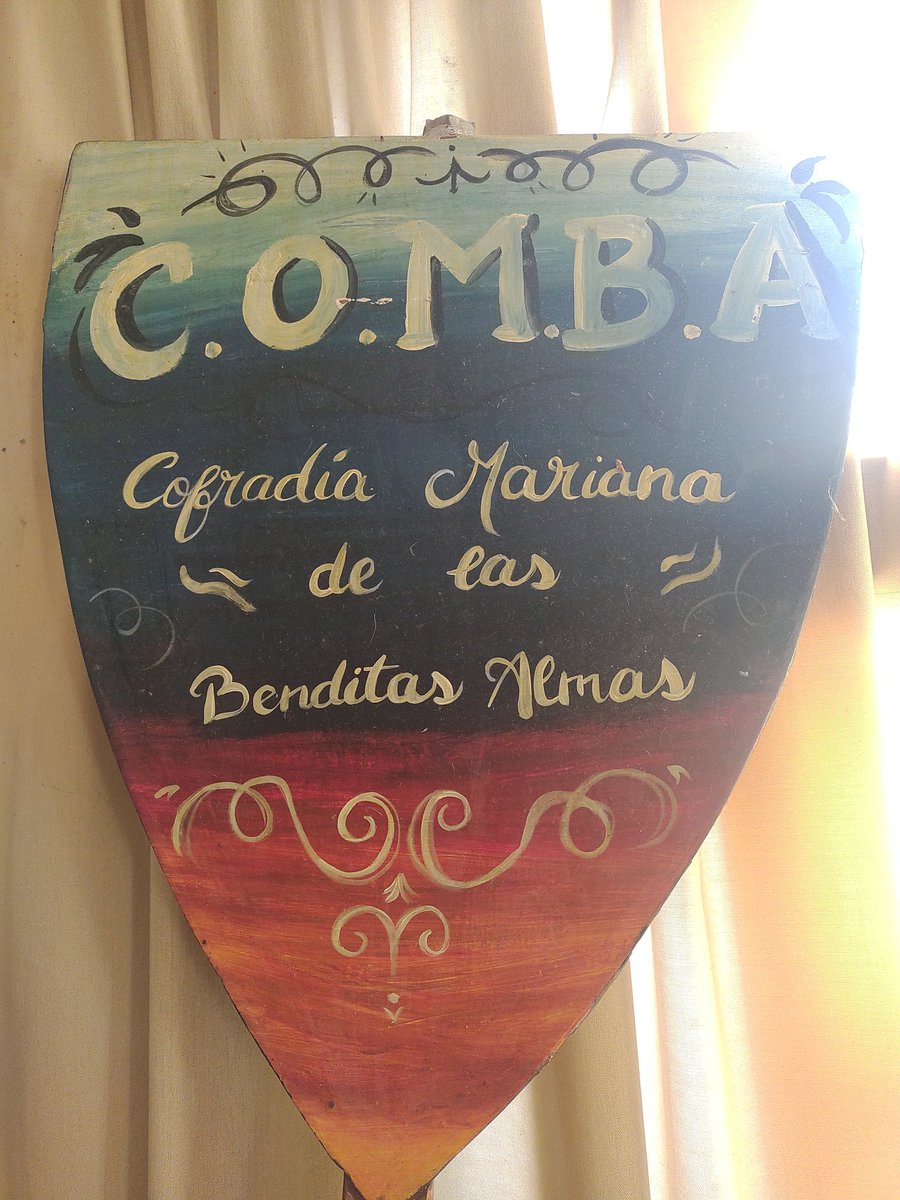
Como cada lunes, mañana rezaremos especialmente como Cofradía Mariana de las Benditas Almas por todos los fieles difuntos.
Si quieres que recemos por tus familiares difuntos, anota sus nombres en los comentarios.
No dejemos pasar ni un lunes sin rezar especialmente por ellos
I love saving money and finding deals with the @capitaloneshop browser extension! Earn $80 if you join me and install on your desktop computer or mobile device for free using my referral link: capitaloneshopping.com/r/45db18f0-655…
Young Catholic men of Ave Maria University in Florida pray the Rosary for an end to abortion in front of a Planned Parenthood clinic.
Image: Ave Maria University
“After the birth of Antichrist heretics will preach their false doctrines undisturbed, resulting in Christians having doubts about their holy Catholic faith.”
-St. Hildegard of Bingen
Many people say that roses mysteriously appear at the end of praying a novena to St. Therese of Lisieux.
Roses are her special sign for those seeking reassurance that she is listening and that God is answering. 🌹
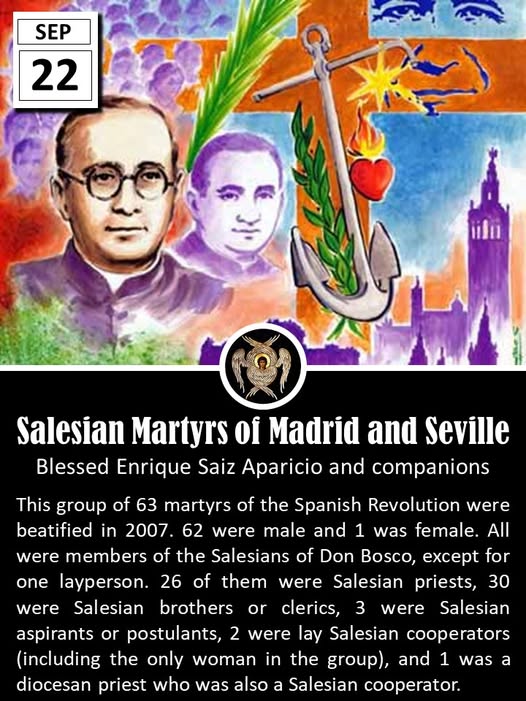
In the turbulent years of the Spanish Civil War (1936–1939), a period of profound ideological conflict and brutal persecution against the Catholic Church, numerous priests, religious, and lay faithful offered their lives as witnesses to their unyielding faith. Among these heroes stands Blessed Enrique Saiz Aparicio, a devoted Salesian priest whose self-sacrifice exemplified the Gospel call to lay down one's life for others. Accompanied by 62 fellow Salesians—priests, brothers, clerics, and lay cooperators—Saiz Aparicio's story is one of quiet dedication, heroic charity, and ultimate martyrdom, beatified together on October 28, 2007, by Pope Benedict XVI.
Born on December 1, 1889, in Ubierna, Spain, Enrique Saiz Aparicio entered the Salesian Congregation in 1909, taking religious vows that same year and being ordained a priest in 1918. His life was marked by a profound commitment to the education and spiritual formation of youth, in the spirit of St. John Bosco, the founder of the Salesians. As rector of the Salesian aspirantate at Carabanchel Alto, on the outskirts of Madrid, Saiz Aparicio guided young men preparing for religious life, fostering in them virtues of piety, discipline, and service. Known for his gentle demeanor, intellectual depth, and unwavering trust in divine providence, he often confided to friends his deep joy in serving God through the young. In the face of rising anti-clerical violence in the lead-up to the war, he remained steadfast, encouraging his charges to embrace prayer and fortitude amid growing threats.
The Spanish Civil War erupted in July 1936, unleashing a wave of hatred against the Church; over 6,800 clergy were martyred, including 95 Salesians. On October 2, 1936, militia forces stormed the Carabanchel Alto institute, intent on violence against the aspirants. In a moment of profound heroism, Fr. Saiz Aparicio stepped forward, offering himself in exchange for the safety of the young men. "If it is blood you are after, then here I am," he declared. "However, do not harm the youngsters." His plea was granted; the youths were released unharmed, but Saiz Aparicio and eight other Salesians were seized and executed shortly thereafter. Before his death, he reportedly told a companion, "What better thing could there be than to die for the glory of God?" This act of vicarious sacrifice echoed Christ's own redemptive offering, protecting the vulnerable flock he had vowed to shepherd.
The 62 companions shared a similar fate, forming two main groups: 42 from Madrid communities, comprising 10 priests (including Saiz Aparicio), 14 brothers, one subdeacon, 13 clerics, three aspirants, and one layperson; and 21 from Seville, including 12 priests, four brothers, one subdeacon, three cooperators, and one cleric. Scattered across Salesian houses ravaged by the conflict, they endured arrests, interrogations, and executions, their deaths a testament to collective fidelity amid chaos.
The beatification process for these martyrs began on February 8, 1995, and concluded swiftly on April 22, 1996, with the Decree of Martyrdom issued on June 26, 2006. Their feast day, celebrated on September 22, honors not only their individual courage but the Salesian charism's resilience. In an era still scarred by division, Blessed Enrique Saiz Aparicio and his companions remind us that true strength lies in selfless love—offering one's life so that others may live in faith and freedom. Their blood, sown in hatred, continues to bear fruit in the Church's enduring witness to hope.