Murat ASLAN

4.9K posts

Murat ASLAN banner
Murat ASLAN

Murat ASLAN

@maslanim

▶️Ekonomist 🌐 ▶️Prof.Dr. ve Bölüm Bşk. @EconAYBU ▶️Doktora @GeorgeMasonU ▶️Makroekonomi, Politik İktisat, Orta Doğu Ekonomisi, Enerji

Ankara, Türkiye Katılım Ocak 2010
1.3K Takip Edilen3.7K Takipçiler
Murat ASLAN
Murat ASLAN@maslanim·
Trump, piyasayı sakinleştirmek için denizde bekleyen İran petrolüne 30 günlük muafiyet açtı. Bu stok yaklaşık 140 milyon varil; Hindistan’ın Reliance şirketi bunun 5 milyon varilini aldı. Jeopolitikte sertlik, enerjide ise mecburi pragmatizm.
Türkçe
0
0
0
162
Murat ASLAN retweetledi
Shanaka Anslem Perera ⚡
The UAE just reported zero gas production at Shah and Habshan. Not reduced. Not curtailed. Zero. Drone strikes and missile debris shut down the ultra-sour gas processing facilities that produce roughly 20 percent of the UAE’s national gas supply. Qatar’s Ras Laffan suffered extensive missile damage with production halted. Saudi Arabia cut output 20 percent across Eastern Province refineries. Kuwait and Bahrain declared partial force majeure. Iraq’s southern fields dropped roughly 70 percent. Five Gulf states. Simultaneous shutdowns. The energy story is obvious. The fertiliser story is the one nobody is telling. Ultra-sour gas contains hydrogen sulfide. Processing it recovers elemental sulfur as a byproduct. Over 80 percent of the world’s 84 million tonnes of annual sulfur production comes from this desulfurisation process. Shah and Habshan are among the most sulfur-rich gas fields on Earth. Ras Laffan processes some of the highest H2S-content gas in the Gulf. The facilities that just went dark are not just gas plants. They are the global sulfur supply chain. Sulfur becomes sulfuric acid. Sulfuric acid reacts with phosphate rock to produce phosphoric acid. Phosphoric acid becomes DAP, MAP, TSP, and SSP, the four phosphate fertilisers that deliver the phosphorus every plant requires alongside nitrogen and potassium. Fifty to sixty percent of all sulfuric acid produced globally goes into fertiliser manufacturing. Without sulfur there is no phosphoric acid. Without phosphoric acid there is no phosphate fertiliser. Without phosphate fertiliser, nitrogen alone cannot grow a crop. The world has been watching the nitrogen crisis. Urea at $610. Corn acres falling. Soybeans rising. The Haber-Bosch chokepoint. But nitrogen is only one of the three macronutrients. Phosphorus is the second. And the phosphorus supply chain just lost its foundational input because the gas fields that produce sulfur as a byproduct are the same fields that Iran hit this morning. Alternative sources exist. Pyrite roasting. Smelter acid from copper and zinc processing. Volcanic deposits. Recycled sulfur from refineries. Together they represent 15 to 25 percent of global supply. Pyrite roasting requires new mining and processing capacity with a lead time of three to five years. Smelter acid is a byproduct tied to metal markets and cannot be scaled on demand. Volcanic sulfur is geographically limited. Recycled sulfur from refining is already maximised. Fifteen to 25 percent cannot replace 80 percent. Not in weeks. Not in months. Not before the planting season that is closing right now across the Northern Hemisphere. The nitrogen trap was the first biological chokepoint. The sulfur trap is the second. Both trace to the same Gulf geography. Both are governed by the same strait. Both operate on the same biological clock that does not negotiate with sealed packets or presidential directives. Nitrogen decides whether the crop grows. Phosphorus decides whether it fruits. Both molecules are now compromised simultaneously. The farmer who switched to soybeans because nitrogen was too expensive may discover that even soybeans need phosphorus, and phosphorus needs sulfuric acid, and sulfuric acid needs sulfur, and sulfur needs the gas fields that are producing zero tonnes today. The war hit uranium first. Then oil. Then nitrogen. Then water. Then plastic. Then medicine. Now sulfur. Seven layers. Each one deeper. Each one closer to the chemistry that keeps human beings alive. open.substack.com/pub/shanakaans…
Shanaka Anslem Perera ⚡ tweet media
Shanaka Anslem Perera ⚡@shanaka86

Abu Dhabi intercepted the missiles. The debris shut down the gas fields anyway. Habshan gas processing facilities and the Bab field were both taken offline today as a precautionary measure after falling debris from successful missile interceptions struck the sites. Abu Dhabi authorities confirmed it. No injuries. Both facilities shut down. The public was told to rely only on official sources. The air defense system worked exactly as designed. The warheads were destroyed before impact. And two of the UAE’s most important gas production facilities went dark because the wreckage from a successful interception is still wreckage. This is the paradox that no interception rate can solve. Gulf air defenses intercept 90 to 96 percent of incoming projectiles. Those rates are extraordinary. They save lives. They prevent direct detonation on target. What they do not prevent is debris. A missile destroyed at altitude does not vanish. It fragments. The fragments fall. They fall on the same geography the missile was aimed at. And when that geography contains gas processing infrastructure with pressurised systems, heat exchangers, and pipeline junctions, falling metal at terminal velocity is sufficient to trigger a precautionary shutdown regardless of whether the warhead detonated. Ras Laffan was hit directly today. Riyadh was hit directly today. Habshan and Bab were hit by the defence that worked. Three countries. Four facilities. Two by Iranian missiles. Two by the wreckage of intercepted Iranian missiles. The result is the same: offline. Iran does not need to penetrate the air defense shield. It needs to overwhelm the geography underneath it. Every missile that is intercepted over an energy facility still deposits debris on that facility. The interception prevents the warhead from functioning. It does not prevent the airframe, the motor casing, the guidance section, and the fuel residue from falling on infrastructure that was designed to process gas, not absorb ballistic fragments. The mathematics of this are devastating for the Gulf’s energy posture. Three hundred fourteen ballistic missiles and 1,672 drones launched at the UAE since February 28. At 90 to 96 percent interception, roughly 280 to 300 of those missiles were destroyed over UAE territory. Each one produced debris. Each debris field covered a footprint measured in hundreds of metres. Across nineteen days, the cumulative debris footprint covers a significant fraction of the UAE’s coastal energy infrastructure corridor. Even perfect interception rates produce imperfect debris patterns over the geography they are defending. Shekarchi threatened to burn Gulf energy facilities to ashes. He may not need to. The interception debris is doing it for him. Not through fire. Through precautionary shutdowns triggered by falling metal from the missiles his forces launched and the defenses that successfully destroyed them. The Fed just raised PCE to 2.7 percent and flagged Middle East developments as uncertain. Trump just directed no more strikes on Iranian energy. The IRGC just published satellite targeting images of five Gulf facilities. And Abu Dhabi just shut down two gas fields because the defense that saved lives could not save production. The interception rate is 96 percent. The shutdown rate from debris is 100 percent when the debris lands on a gas plant. And the urea at $610 does not distinguish between a warhead that detonates and one that falls in pieces. open.substack.com/pub/shanakaans…

English
38
352
803
247.4K
Murat ASLAN retweetledi
Yasmine Khosrowshahi
Yasmine Khosrowshahi@yasminekho·
In 2018, Stanford professor Matt Abrahams gave a masterclass on why most people fail to communicate well. He broke down: - The structure every message needs - Why audiences stop listening - The psychology of attention 15 lessons that'll make your communication unforgettable:
English
56
1.5K
7K
989.2K
Murat ASLAN
Murat ASLAN@maslanim·
@OralToga Allah rahmet eylesin Oral. Yavrunuza Rabbim Rahmetiyle muamele eylesin inşallah sizleri cennetinde kavuştursun. Sana ve eşine sabırlar diliyorum.
Türkçe
0
0
0
780
Oral Toğa
Oral Toğa@OralToga·
İnnâ lillâhi ve innâ ileyhi raciun Oğlum Timur Toğa, bu gece rahmet-i Rahman’a yürüdü. Rabbim bizlere merhamet etsin, sabr-ı cemil ihsan etsin.
Türkçe
1.6K
183
9.9K
696.2K
Murat ASLAN
Murat ASLAN@maslanim·
Yuan kısa vadede doların yerini alacak bir rezerv para değil. Pekin SWIFT’e alternatif olarak CIPS ve mBridge gibi ödeme altyapıları geliştirerek küresel ticarette dolar bağımlılığını azaltmaya çalışıyor. Amaç doları devirmek değil, dolar sistemine alternatif kanallar oluşturmak.
Türkçe
0
0
0
168
Murat ASLAN
Murat ASLAN@maslanim·
Savaşın yarattığı risk petrol fiyatını $100/varil seviyesine taşıdı. Bunun en büyük kazananlarından biri Rusya. Artan fiyatlar sayesinde Moskova günde yaklaşık $150 milyon, ayda yaklaşık $4–5 milyar ek gelir elde ediyor. @FT
Türkçe
0
0
0
107
Murat ASLAN retweetledi
Council on Foreign Relations
Who calls the shots in Iran on economic policy, security, and domestic calls for reform? A look at the government’s organization chart indicates how complicated the answer is. on.cfr.org/4divX2G
English
0
3
12
3.2K
Murat ASLAN retweetledi
Shanaka Anslem Perera ⚡
Shanaka Anslem Perera ⚡@shanaka86·
BREAKING: Hundreds of thousands of Iranians woke up this morning to frozen bank accounts. Reports circulating from Iranian activists and citizens describe overnight SMS notifications locking accounts at Bank Sepah and Bank Melli. Websites blocked. Offline channels disabled. No login possible. The regime’s explanation: “Central Bank technical upgrade to communication switches for network stability.” This requires context. Bank Sepah is the IRGC’s primary financial institution, designated under international sanctions for decades as the Revolutionary Guard’s banking arm. Bank Melli is Iran’s largest state-owned commercial bank, the institution through which ordinary Iranians hold savings, receive salaries, and conduct daily transactions. The regime locked both simultaneously, the military bank and the people’s bank, overnight, during the most intense phase of a war that is burning through munitions, fuel, and foreign reserves at a rate no Iranian budget was designed to sustain. The “technical upgrade” explanation has not been confirmed by any Central Bank of Iran official statement accessible to international media. No timeline for restoration has been published. No independent verification of the technical claim exists. What exists is an overnight lockout of the two banks most critical to war financing and citizen liquidity, imposed twelve days into a conflict where the rial trades at 1.5 million per dollar, inflation runs between 40 and 60%, electricity shortfalls hit 14,000 megawatts, and water rationing is active in multiple provinces. When a regime at war freezes its military bank and its largest civilian bank on the same night and calls it maintenance, the question is not whether you believe the explanation. The question is what the alternative implies. If this is a technical upgrade, it is the worst-timed infrastructure maintenance in the history of banking, executed during an active war while the population faces rationing, currency collapse, and zero public appearances from a Supreme Leader whose own state television described as wounded. If this is not a technical upgrade, it is a liquidity seizure. The regime is accessing citizen deposits and IRGC reserves to fund continued operations under the Mosaic Doctrine’s 31 autonomous commands, each burning through pre-positioned stockpiles of missiles, drones, and fuel at rates that exceed peacetime budgeting by orders of magnitude. Thirty-three waves of ballistic missiles with one-ton warheads are not free. Someone is paying for them. If the treasury is empty, the banks are next. The rial tells the story the regime will not. At 1.5 million per dollar, the currency has already priced regime fragility. Bitcoin and gold demand inside Iran, unmeasurable but visible in peer-to-peer volume spikes on regional exchanges, reflect a population that trusts cryptographic scarcity more than the institution that just locked their savings. This is unverified at the highest evidentiary tier. I flag that explicitly. But the pattern is consistent: regimes under existential military pressure seize domestic liquidity before they seize territory. Iran’s war machine runs on pre-delegated orders from a dead Supreme Leader. Those orders require ammunition. Ammunition requires funding. And the funding just went dark the same night the banks did. The accounts are frozen. The explanation is hollow. And the regime that cannot show its Supreme Leader’s face now cannot show its citizens their own money. Full analysis open.substack.com/pub/shanakaans…
Shanaka Anslem Perera ⚡ tweet media
English
49
397
952
176.1K
Murat ASLAN
Murat ASLAN@maslanim·
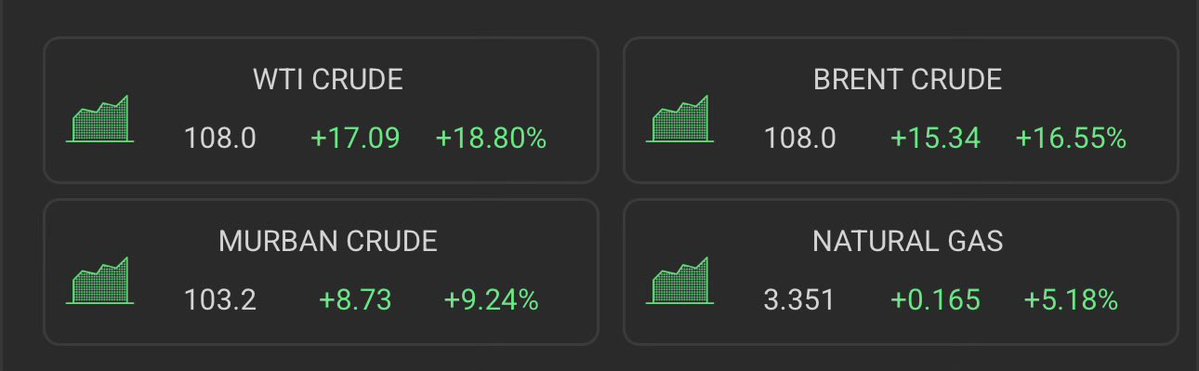
Ham petrol spot market fiyatları 110$/varil seviyesine dayandı. Ham petrol futures (gelecek teslimli petrol için bugün teklif edilen fiyatlar) savaşın yazın ortalarına kadar devam edeceği şeklinde fiyatlanıyor.
Murat ASLAN tweet media
Türkçe
0
0
1
143
Murat ASLAN retweetledi
Prof.Dr.Ulvi Saran
Prof.Dr.Ulvi Saran@ulvisaran·
Son 400 yılda dünyanın en büyük 10 ekonomik gücü sıralamasındaki değişim. Çin, eskiden bu yana büyük bir ekonomik güç. Osmanlı İmparatorluğu 1800’lerin ortalarına kadar ilk 10’da yer alıyor. İngiltere, Almanya ve Fransa sürekli sahnede…
Türkçe
6
43
227
74.6K
Murat ASLAN retweetledi
OSTİM Organize Sanayi Bölgesi
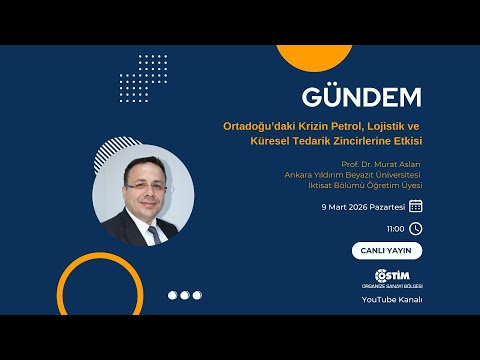
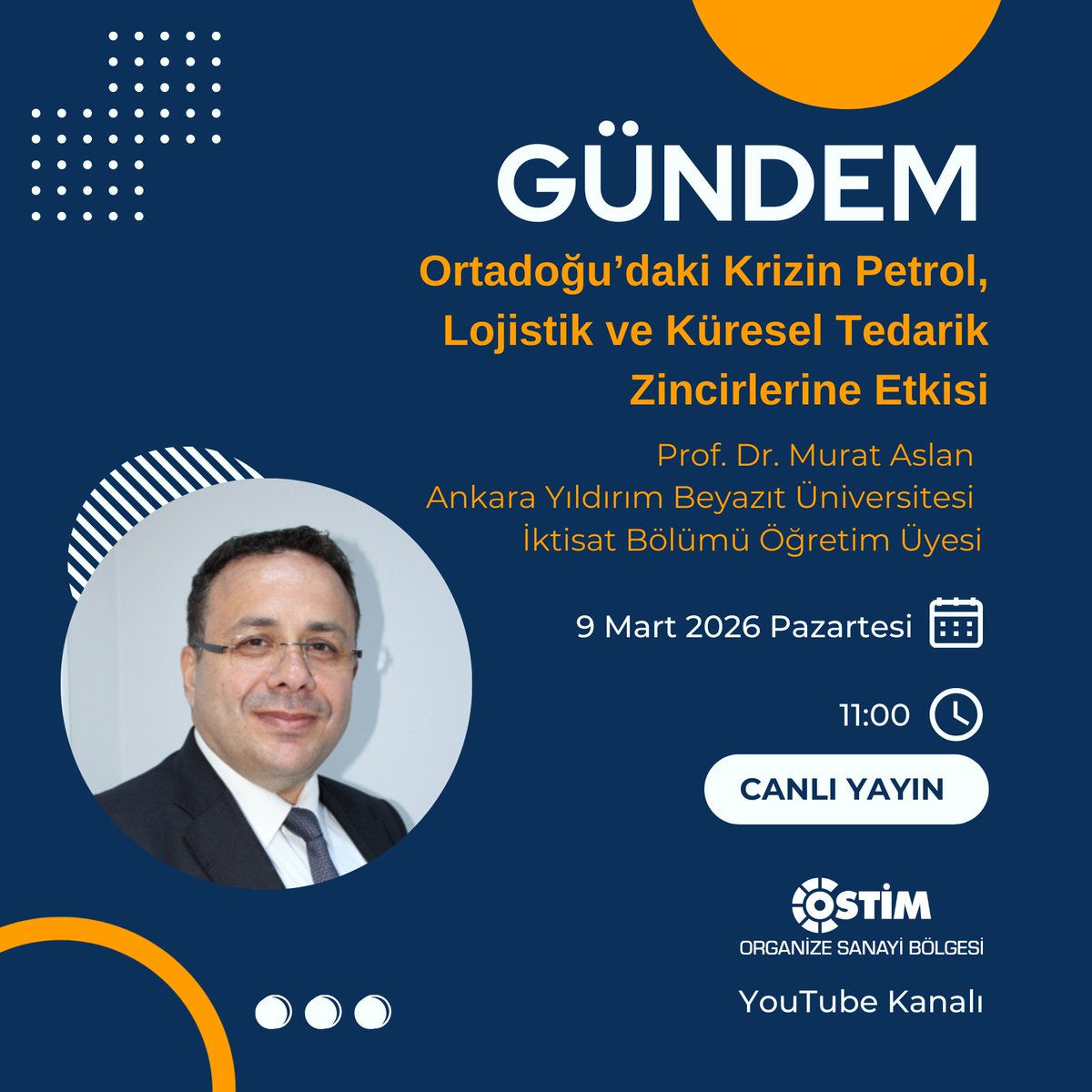
#canlıyayın Ortadoğu'daki Krizin Petrol, Lojistik ve Küresel Tedarik Zincirlerine Etkisi Konuk: Prof. Dr. Murat Aslan @maslanim @ybuankara İktisat Bölümü Öğretim Üyesi 🗓️9 Mart 2026 Pazartesi 🕚11.00 📺@OST%C4%B0MOSB-h1k" target="_blank" rel="nofollow noopener">youtube.com/@OST%C4%B0MOSB… #OSTİM @MKursatSahiner
OSTİM Organize Sanayi Bölgesi tweet media
Türkçe
0
5
4
238
Murat ASLAN retweetledi
Hüseyin Günay
Hüseyin Günay@huseyingunayDC·
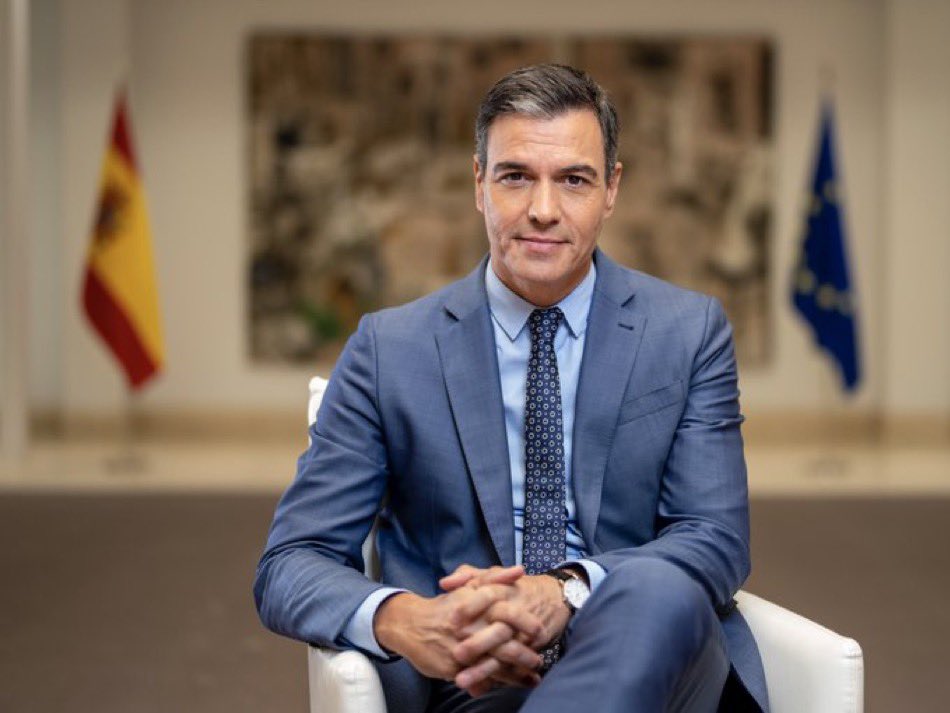
Dostlar, İspanya başbakanı Pedro Sánchez reisten röportaj talep ettim. Şu alttaki tivitin altına bi destek atarsanız belki dikkatini daha kolay çekebilirim.
Hüseyin Günay@huseyingunayDC

@sanchezcastejon Estimado señor Presidente, Los 80 millones de ciudadanos de Turquía se han enamorado de usted. Si pudiera dedicarme un poco de su tiempo, me gustaría realizar una entrevista para Halk TV, uno de los canales de noticias más vistos de Turquía. Si acepta, tomaré el primer vuelo y viajaré inmediatamente a España para la entrevista. Se lo agradecería mucho. Muchas gracias por su atención.

Türkçe
118
474
4.3K
144.9K
Murat ASLAN
Murat ASLAN@maslanim·
@MaloneySuzanne In both Syria and Afghanistan, the United States ultimately left its partners behind. I hope the Kurds draw a lesson from this. In the Middle East, things do not work simply by pushing a button.
English
0
0
1
65