
Medbullets

2.1K posts

Medbullets banner
Medbullets

Medbullets

@medbullets

A professional network for medical students designed to improve medical education and collaboration. 😷#medtwitter

Katılım Haziran 2013
24 Takip Edilen3.5K Takipçiler
Medbullets
Medbullets@medbullets·
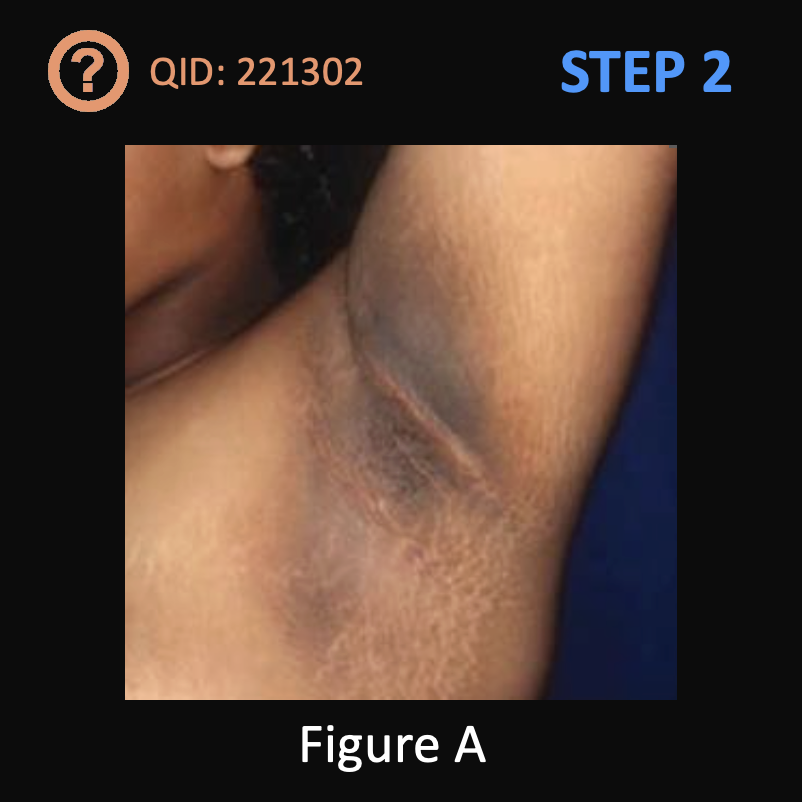
Can you answer our free question of the day? A 33-year-old woman presents to her primary care physician with a 2 month history of discoloration of the skin around her axillae. She first noticed the changes when she returned from a cruise but it has gotten worse over time. She originally thought that she was sunburned but there was no pain. Her medical history is notable for type 2 diabetes mellitus and polycystic ovarian syndrome. Her medications include metformin and a combined estrogen-progestin oral contraceptive. Her temperature is 98°F (36.7°C), blood pressure is 126/78 mmHg, pulse is 82/min, respirations are 12/min, oxygen saturation is 100% on room air, and BMI is 32 kg/m^2. Examination is notable for the finding shown in Figure A in both axillae and the neck. Which of the following other skin findings is associated with the underlying pathology responsible for this condition? 1. Acne vulgaris 2. Acrochordons 3. Dermatitis herpetiformis 4. Erythema nodosum 5. Xanthomas QID: 221302 Comment your answer below, then check to see if you got it correct by clicking the link below to see the answer & explanation. bit.ly/4cPhjQB #medicalstudent #medicine #medical #doctor #medicalschool #medstudent #medschool #doctors #futuredoctor #medlife #hospital #healthcare #health #usmle #premed #medicalstudents #physician #usmlestep2 #usmlestep3
Medbullets tweet media
English
0
0
0
116
Medbullets
Medbullets@medbullets·
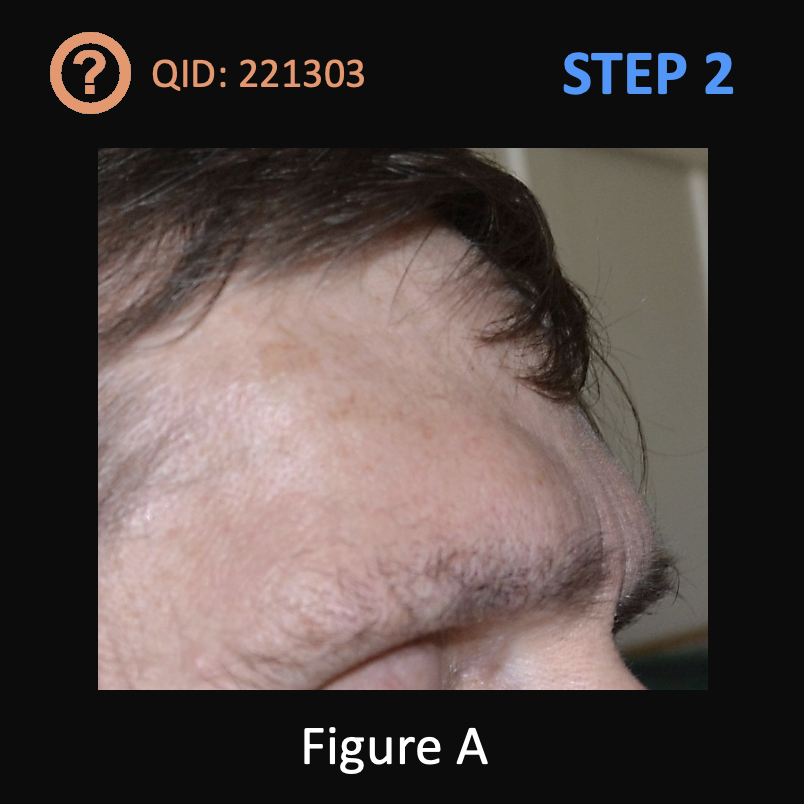
Can you answer our free question of the day? A 38-year-old man presents to the emergency department with a 3 week history of fatigue and progressive shortness of breath. He has diffuse joint pain and joint swelling. He has been having trouble gripping objects as well and has been dropping his keys when trying to open the door. He has a history of poorly controlled hypertension despite compliance with pharmacotherapy with lisinopril, amlodipine, and metoprolol. He denies any alcohol or drug use and has no family history of cardiopulmonary disease. His temperature is 99.5°F (37.5°C), blood pressure is 148/90 mmHg, pulse is 84/min, and respirations are 15/min. Exam reveals the finding shown in Figure A. Multiple skin tags are noted on his back. Which of the following is the most appropriate next step in evaluating this patient? 1. Growth hormone level 2. Insulin-like growth factor-1 levels 3. Magnetic resonance imaging (MRI) of the pituitary gland 4. Oral glucose suppression growth hormone test 5. Thyrotropin-releasing hormone administration QID: 221303 Comment your answer below, then check to see if you got it correct by clicking the link below to see the answer & explanation. bit.ly/4b6Bvfl #medicalstudent #medicine #medical #doctor #medicalschool #medstudent #medschool #doctors #futuredoctor #medlife #hospital #healthcare #health #usmle #premed #medicalstudents #physician #usmlestep2 #usmlestep3
Medbullets tweet media
English
0
0
0
56
Medbullets
Medbullets@medbullets·
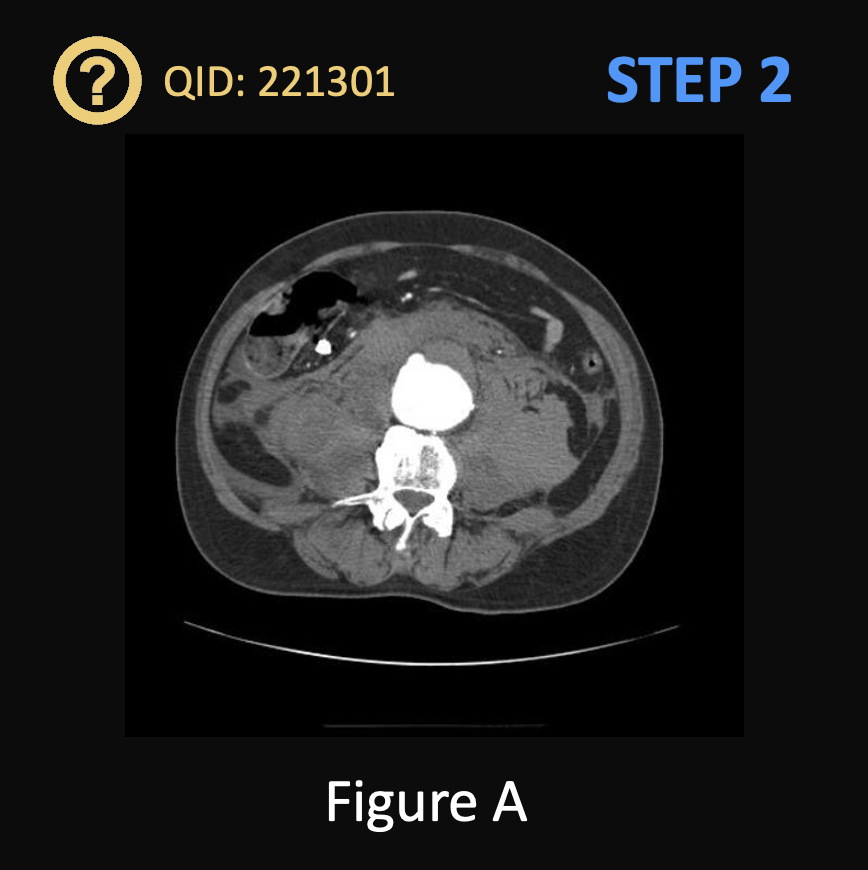
Can you answer our free question of the day? A 73-year-old man presents to his primary care physician for a routine annual physical exam. His main concern today is that he feels like there is a rumbling sensation in his abdomen. He notices it primarily at night but says it is not painful. His medical history includes hypertension, hyperlipidemia, and type 2 diabetes mellitus. His medications include lisinopril, atorvastatin, and metformin. He does not drink alcohol but has smoked half a pack of cigarettes per day for the past 20 years. His temperature is 37.2°C (98.9°F), blood pressure is 137/92 mmHg, pulse is 89/min, respirations are 15/min, and oxygen saturation is 99% on room air. Physical examination reveals a pulsatile abdominal mass. A CT scan of the abdomen and pelvis is performed and the results are shown in Figure A. Which of the following features, if true, would prompt close monitoring of this lesion with serial ultrasounds rather than surgical intervention? 1. Size is 2 cm and the patient is symptomatic 2. Size is 3 cm with expansion of 1 cm over 1 year 3. Size is 5 cm and the patient is asymptomatic 4. Size is 5.5 cm with expansion of 1 cm over 6 months 5. Size is 6 cm and the patient is asymptomatic QID: 221301 Comment your answer below, then check to see if you got it correct by clicking the link below to see the answer & explanation. bit.ly/4sqlQ0b #medicalstudent #medicine #medical #doctor #medicalschool #medstudent #medschool #doctors #futuredoctor #medlife #hospital #healthcare #health #usmle #premed #medicalstudents #physician #usmlestep2 #usmlestep3
Medbullets tweet media
English
0
0
0
98
Medbullets
Medbullets@medbullets·
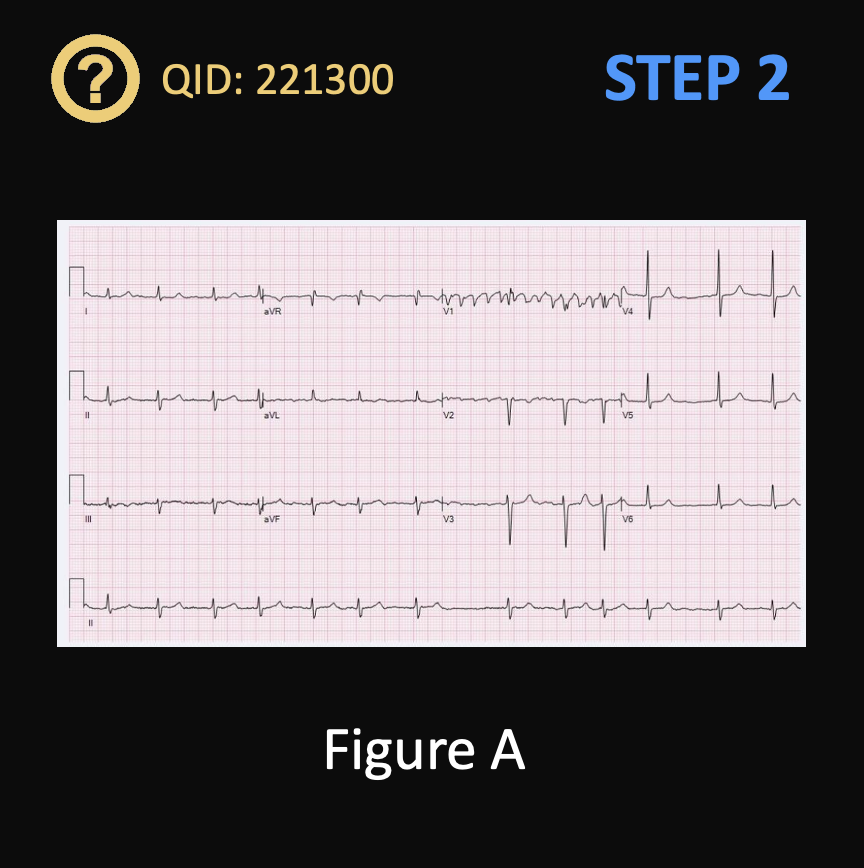
Can you answer our free question of the day? A 59-year-old man presents to the emergency department with a 2-day history of anxiety and intermittent palpitations. He began feeling the palpitations while eating Thanksgiving dinner, but thought he just had too much to drink. He became concerned when these palpitations kept occurring after he slept and woke up the next day. He denies chest pain, shortness of breath, or loss of consciousness. He has a history of hypertension, major depressive disorder, Raynaud disease, and asthma. His medications include lisinopril, fluoxetine, and as-needed albuterol. He drinks 4 beers a day and has smoked 1 pack of cigarettes a day for 40 years. His temperature is 98.9° F (37.2° C), blood pressure is 130/85 mmHg, pulse is 125/min, and respirations are 16/min. An ECG is performed as seen in Figure A. Which of the following is the most appropriate next step in management? 1. Amiodarone 2. Clopidogrel 3. Digoxin 4. Metoprolol 5. Verapamil QID: 221300 Comment your answer below, then check to see if you got it correct by clicking the link below to see the answer & explanation. bit.ly/4d1a7AH #medicalstudent #medicine #medical #doctor #medicalschool #medstudent #medschool #doctors #futuredoctor #medlife #hospital #healthcare #health #usmle #premed #medicalstudents #physician #usmlestep2 #usmlestep3
Medbullets tweet media
English
0
0
0
90
Medbullets
Medbullets@medbullets·
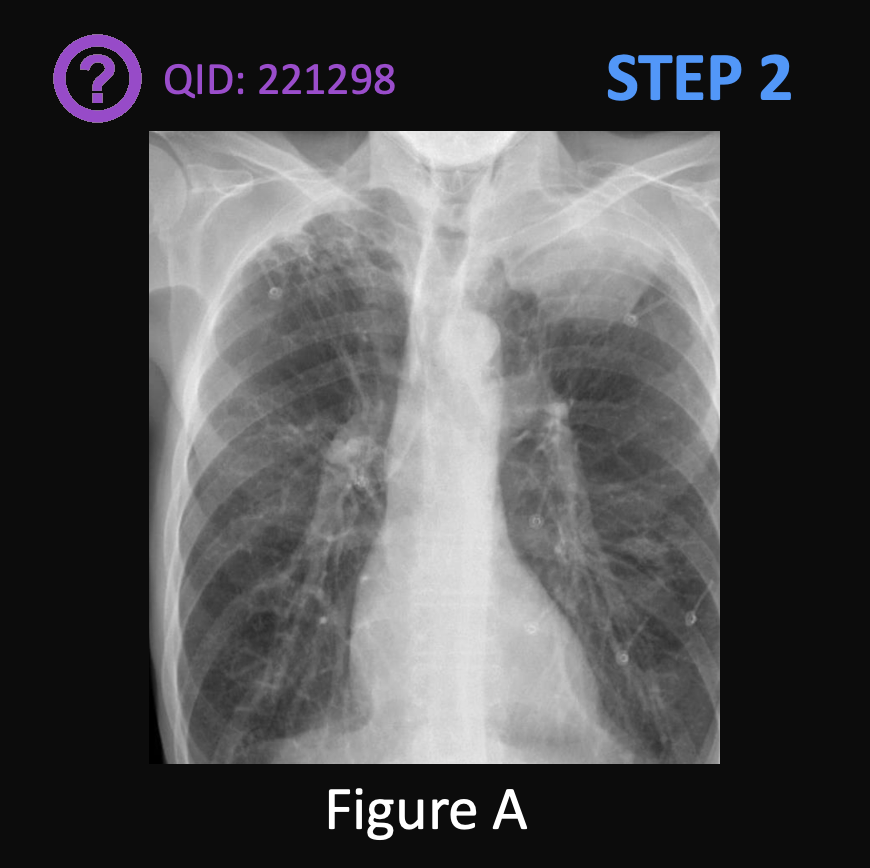
Can you answer our free question of the day? A 73-year-old man presents to his primary care physician with a 2 month history of shortness of breath. He started noticing the symptoms while playing tennis with his friends, but his symptoms have gotten worse over time. He has worsening pain in his right shoulder and episodes of hemoptysis as well. He has a history of coronary artery disease and underwent an uncomplicated coronary angioplasty with stent placement 2 years ago. He worked as a shipyard engineer for his career and has a 30-pack-year smoking history. He drinks 2-3 drinks per week. His temperature is 98.7°F (37°C), blood pressure is 141/79 mmHg, pulse is 97/min, and respirations are 13/min. Physical exam is notable for right pupillary constriction as well as paresthesias in his right fourth and fifth digits. There is no pain with active shoulder rotation. His chest imaging is shown in Figure A. Which of the following is most likely responsible for the patient’s symptoms? 1. Lung adenocarcinoma 2. Mesothelioma 3. Syringomyelia 4. Thoracic outlet syndrome 5. Tuberculosis QID: 221298 Comment your answer below, then check to see if you got it correct by clicking the link below to see the answer & explanation. bit.ly/3N8Kfbz #medicalstudent #medicine #medical #doctor #medicalschool #medstudent #medschool #doctors #futuredoctor #medlife #hospital #healthcare #health #usmle #premed #medicalstudents #physician #usmlestep2 #usmlestep3
Medbullets tweet media
English
0
0
1
101
Medbullets
Medbullets@medbullets·
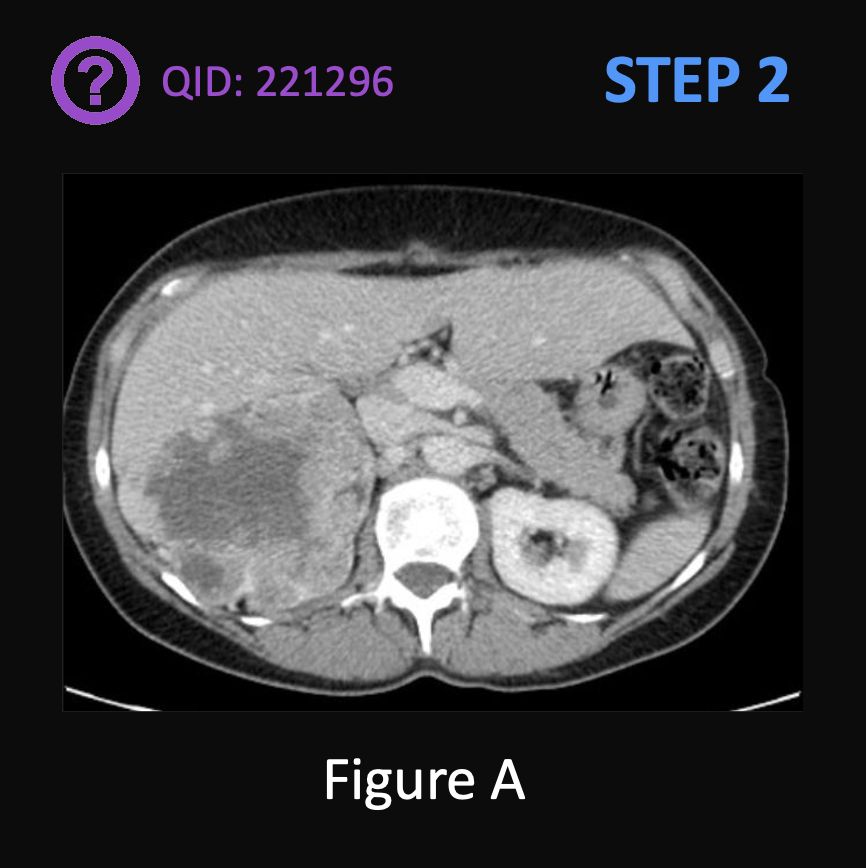
Can you answer our free question of the day? A 66-year-old man presents to his primary care physician with a 2 day history of red colored urine. He first noticed the symptom after returning home from a cruise vacation. He was surprised by the color change because he had not noticed any urgency or pain with urination. He denies fever, chills, or other symptoms. His medical history includes hypertension, hyperlipidemia, chronic obstructive pulmonary disease, and diabetes. His medications include amlodipine, atorvastatin, tiotropium, and metformin. He currently smokes 1 pack of cigarettes per day and has a 30 pack-year smoking history. His temperature is 98.7°F (37°C), blood pressure is 136/88 mmHg, pulse is 80/minute, and respirations are 16/minute. Physical exam reveals no costovertebral angle tenderness or palpable abdominal masses. A CT scan is obtained and the results are shown in Figure A. Which of the following additional findings is most likely to be observed? 1. Eyelid droop 2. Flushing and diarrhea 3. Hypercalcemia 4. Hyponatremia 5. Multiple hepatic cysts QID: 221296 Comment your answer below, then check to see if you got it correct by clicking the link below to see the answer & explanation. bit.ly/4aPJvRS #medicalstudent #medicine #medical #doctor #medicalschool #medstudent #medschool #doctors #futuredoctor #medlife #hospital #healthcare #health #usmle #premed #medicalstudents #physician #usmlestep2 #usmlestep3
Medbullets tweet media
English
0
1
2
158
Medbullets
Medbullets@medbullets·
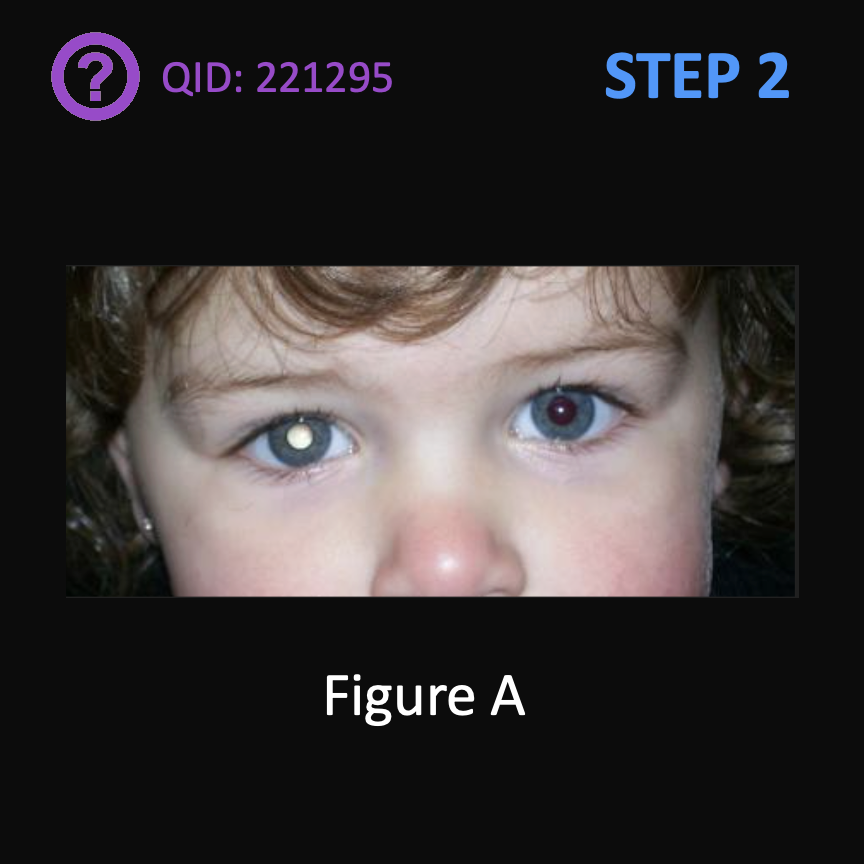
Can you answer our free question of the day? A 2-year-old boy is brought to his pediatrician’s office for a well-child visit. His parents have noticed that he sometimes walks into items or trips over obstacles. He has no remarkable medical history, and his mother had an uncomplicated full-term pregnancy and delivery. He is appropriately meeting the developmental milestones for his age. His temperature is 98.7°F (37°C), blood pressure is 96/52 mmHg, pulse is 102/min, and respirations are 25/min. He is in the 55th percentile for height and 62nd percentile for weight, which is consistent with his documented growth curves. A physical exam reveals the finding shown in Figure A. His pediatrician continues the ocular examination and further notes that the pupils are equal, round, and reactive, extraocular movements are full, and ocular alignment appears normal. Which of the following is the most appropriate next step in management? 1. Biopsy 2. Genetic testing 3. MRI of the brain and orbits 4. Ophthalmology referral 5. Reevaluation at the next well-child visit QID: 221295 Comment your answer below, then check to see if you got it correct by clicking the link below to see the answer & explanation. bit.ly/4rT4XeP #medicalstudent #medicine #medical #doctor #medicalschool #medstudent #medschool #doctors #futuredoctor #medlife #hospital #healthcare #health #usmle #premed #medicalstudents #physician #usmlestep2 #usmlestep3
Medbullets tweet media
English
0
0
0
161
Medbullets
Medbullets@medbullets·
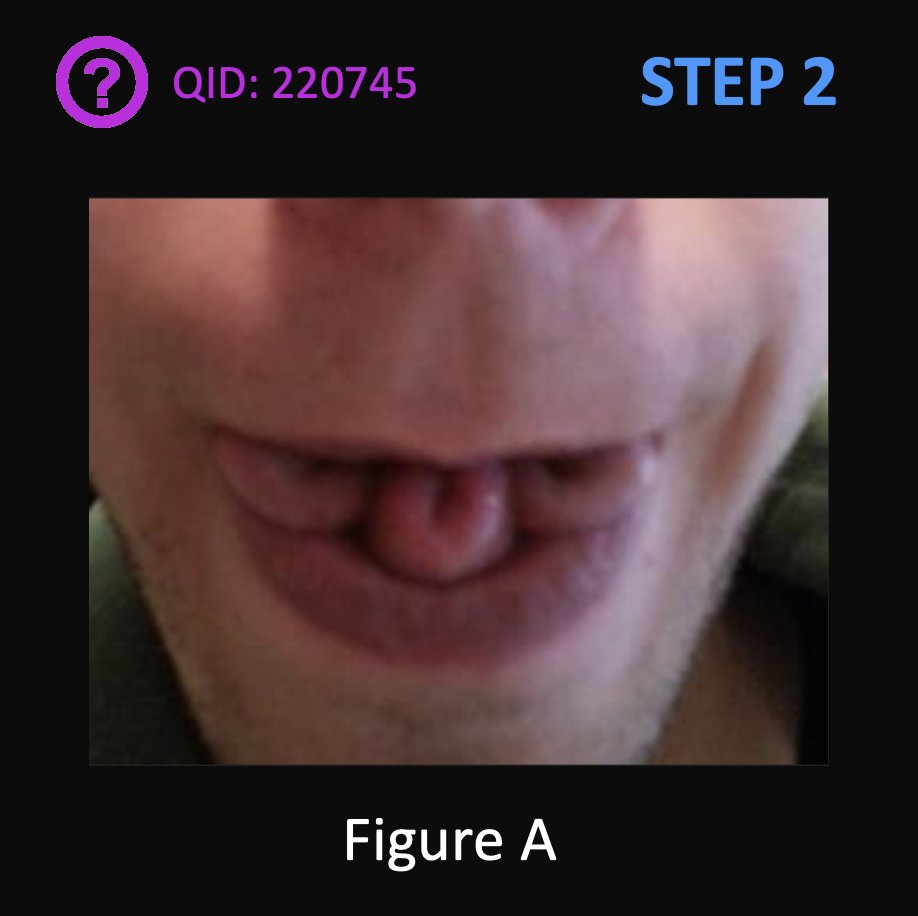
Can you answer our free question of the day? A 28-year-old man presents to the emergency department with a 6 month history of strange movements. His friends have complained that he engages in weird movements in public and they said that they are worried he is getting early dementia. His medical problems include asthma and schizophrenia, for which he takes as-needed albuterol as well as risperidone. He had frequent, severe psychotic episodes requiring hospitalization prior to starting his risperidone regimen and had previously failed multiple other medications. He still has exacerbations of schizophrenia requiring hospitalization roughly every month. His temperature is 98.7°F (37°C), blood pressure is 118/74 mmHg, pulse is 82/min, and respirations are 13/min. Physical examination reveals multiple episodes of rapid, involuntary eye blinking. He frequently purses his lips and has the finding shown in Figure A. Which of the following is the most appropriate next step in management? 1. Add diphenhydramine 2. Add propranolol 3. Discontinue antipsychotics completely 4. Switch to clozapine 5. Switch to olanzapine QID: 220745 Comment your answer below, then check to see if you got it correct by clicking the link below to see the answer & explanation. bit.ly/4axZmV4 #medicalstudent #medicine #medical #doctor #medicalschool #medstudent #medschool #doctors #futuredoctor #medlife #hospital #healthcare #health #usmle #premed #medicalstudents #physician #usmlestep2 #usmlestep3
Medbullets tweet media
English
0
0
0
103
Medbullets
Medbullets@medbullets·
Can you answer our free question of the day? A 5-month-old boy is brought to his pediatrician by his mother with a 3-day history of abnormal movements. His mother first noticed a weird spasm when they returned from a camping trip with the family. Since then, several times per day, he experiences paroxysmal episodes of crying, bending at the waist, and jerking of the arms and legs. These episodes last 1-2 seconds, but occur in clusters every 20-30 seconds for several minutes. His mother's pregnancy was uncomplicated and he was born at term through spontaneous vaginal delivery. He is rolling over less frequently than before, has worse head control, and no longer smiles socially. His temperature is 98.6°F (37°C), blood pressure is 92/46 mmHg, pulse is 115/min, and respirations are 34/min. On examination, no dysmorphic features are noted. A 24-hour electroencephalography (EEG) is performed, during which the patient has one of these spells. During that spell, the findings shown in Figure A are seen. Which of the following is the pathophysiology of this patient's condition? 1. Abnormalities in T-type calcium channels 2. Anti-N-methyl-D-aspartate (NMDA) receptor antibodies 3. Decreased gamma aminobutyric acid (GABA) levels 4. Excess of corticotropin releasing hormone 5. Vitamin B6 deficiency QID: 221322 Comment your answer below, then check to see if you got it correct by clicking the link below to see the answer & explanation. bit.ly/4ccmSbq #medicalstudent #medicine #medical #doctor #medicalschool #medstudent #medschool #doctors #futuredoctor #medlife #hospital #healthcare #health #usmle #premed #medicalstudents #physician #usmlestep2 #usmlestep3
Medbullets tweet media
English
0
0
0
116
Medbullets
Medbullets@medbullets·
Can you answer our free question of the day? A 65-year-old man presents to his primary care physician with a 1 month history of chest discomfort. He first noticed a pressure-like sensation in the substernal region that radiates to his left arm when hiking with his wife. Since then, he has noticed that the symptoms will come when he walks up a flight of stairs or exerts himself. The discomfort lasts for a few minutes and resolves with rest. He does not currently have chest discomfort. His medical conditions are hypertension and diabetes, for which he takes lisinopril and metformin. He is a former smoker and has a 30 pack-year smoking history. He also has asthma. His temperature is 97.8°F (36.6°C), blood pressure is 144/78 mmHg, pulse is 86/min, and respirations are 16/min. Physical exam reveals normal heart and lung sounds with no murmurs. There is no tenderness to palpation of the chest. An ECG is obtained and the results are shown in Figure A. A troponin level is undetectable. Which of the following is the most appropriate next step in the management of this patient? 1. Adenosine stress ECG 2. Administration of sublingual nitroglycerin 3. Cardiac catheterization 4. Dobutamine stress echocardiogram 5. Exercise ECG QID: 221325 Comment your answer below, then check to see if you got it correct by clicking the link below to see the answer & explanation. bit.ly/3OoQ8Su #medicalstudent #medicine #medical #doctor #medicalschool #medstudent #medschool #doctors #futuredoctor #medlife #hospital #healthcare #health #usmle #premed #medicalstudents #physician #usmlestep2 #usmlestep3
Medbullets tweet media
English
0
1
1
138
Medbullets
Medbullets@medbullets·
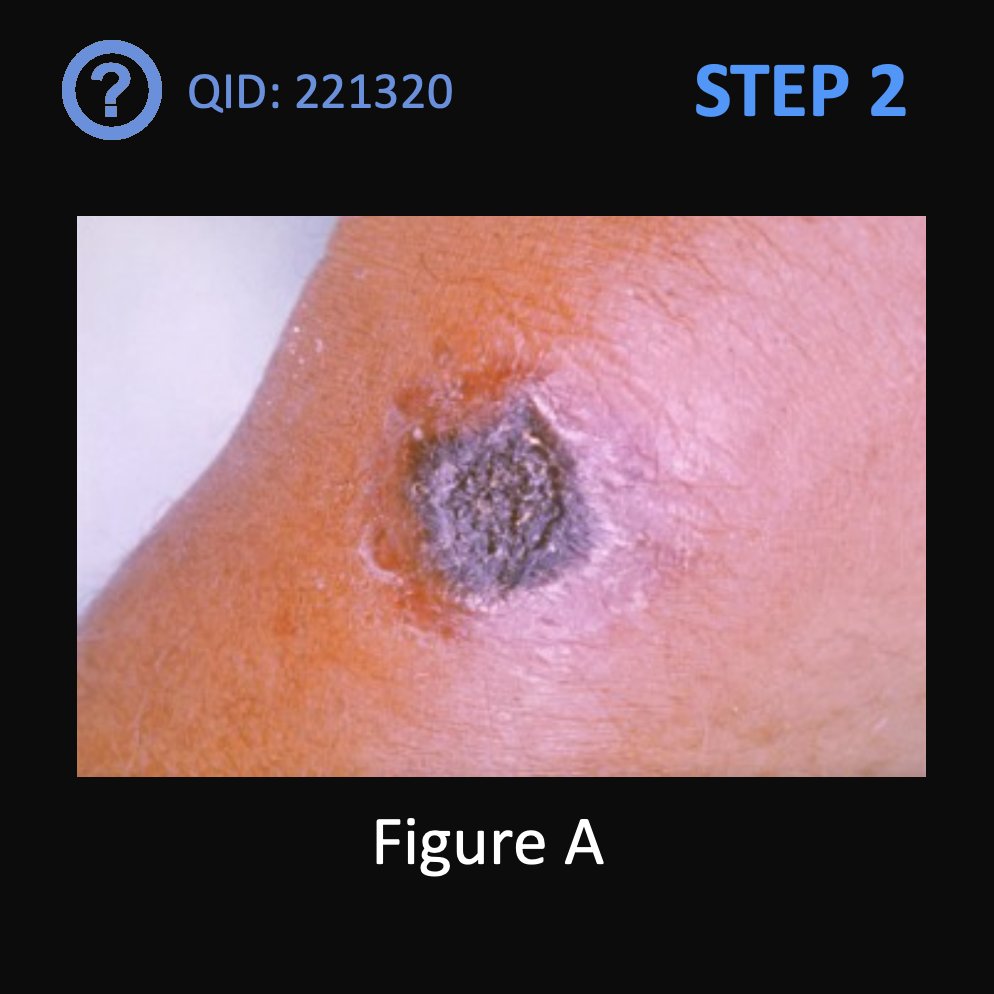
Can you answer our free question of the day? A 42-year-old man presents to the emergency department with a 3-day history of a rash on his arm. He suffered a number of scrapes while clearing thorn bushes about 1 week ago on his farm. A few days later, he began to notice an itchy, raised lesion near the site of the cuts that filled with liquid. About 1 day later, the lesion popped and began to turn black. He has no significant medical history and drinks 10-15 alcoholic beverages per week, and does not smoke. His temperature is 99.0°F (37.2°C), blood pressure is 135/75 mmHg, pulse is 78/min, respirations are 14/min, and O2 saturation is 99%. The lesion is shown in Figure A. He is diagnosed and treated appropriately. Five days later, the patient returns to clinic complaining of a painful rash on his face and forearms bilaterally after going back out to work on the farm. Which of the following is the most likely cause of this patient's new symptoms? 1. Consequence of bacterial death 2. Inadequate treatment 3. Noncompliance with treatment 4. Progression of disease 5. Side effect of medication QID: 221320 Comment your answer below, then check to see if you got it correct by clicking the link below to see the answer & explanation. bit.ly/3OEGISL #medicalstudent #medicine #medical #doctor #medicalschool #medstudent #medschool #doctors #futuredoctor #medlife #hospital #healthcare #health #usmle #premed #medicalstudents #physician #usmlestep2 #usmlestep3
Medbullets tweet media
English
0
0
0
134
Medbullets
Medbullets@medbullets·
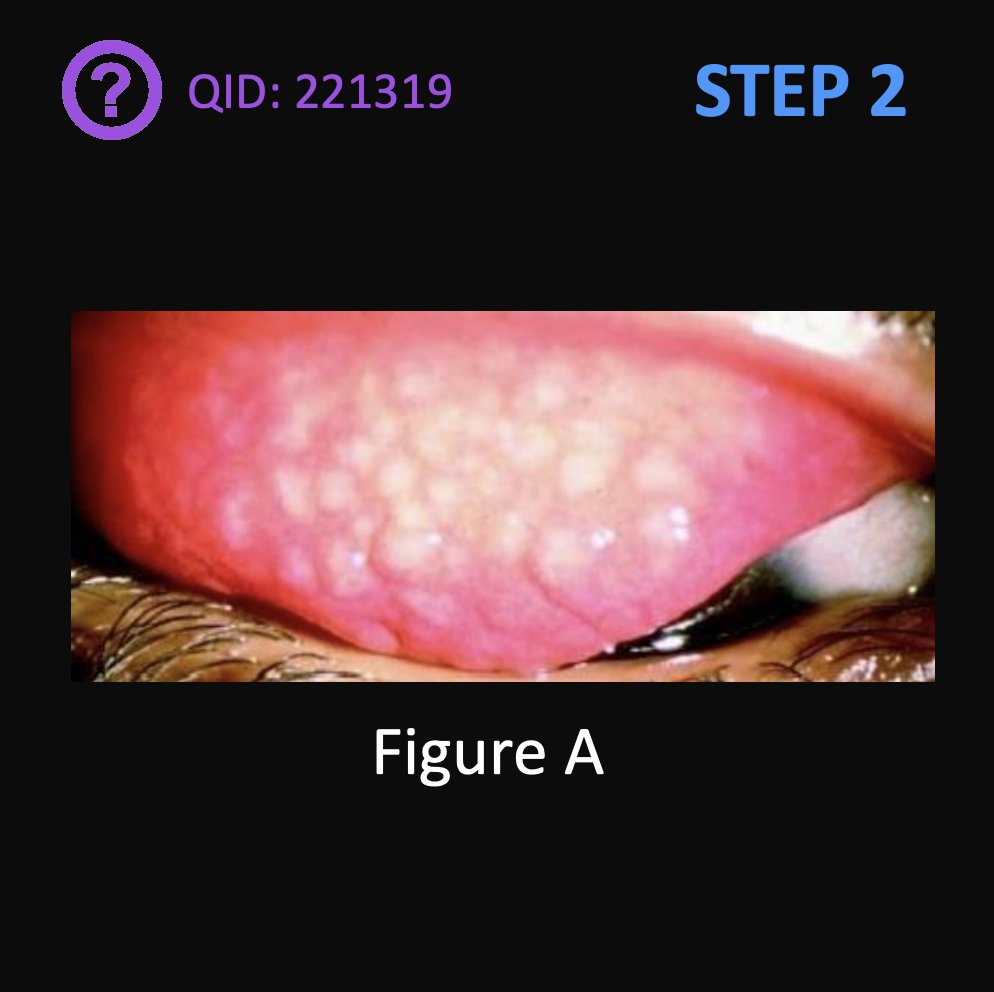
Can you answer our free question of the day? A 12-year-old boy presents to urgent care with a 2 day history of bilateral eye pain and redness. His mother has also noticed some clear nasal discharge. His medical history is significant for intermittent upper respiratory tract infections, but he has otherwise been developmentally normal. He recently immigrated from Uganda to the United States. His temperature is 100.8°F (38.2°C), blood pressure is 110/70 mmHg, pulse is 90/min, and respirations are 16/min. On eversion of the upper eyelid of both eyes, the finding shown in Figure A is seen. Neovascularization is also noted in the superior corneal limbus bilaterally. No corneal dendrites are noted. Which of the following is the most likely diagnosis? 1. Allergic conjunctivitis 2. Gonococcal conjunctivitis 3. Squamous cell carcinoma of the conjunctiva 4. Trachoma 5. Viral conjunctivitis QID: 221319 Comment your answer below, then check to see if you got it correct by clicking the link below to see the answer & explanation. bit.ly/40noJmu #medicalstudent #medicine #medical #doctor #medicalschool #medstudent #medschool #doctors #futuredoctor #medlife #hospital #healthcare #health #usmle #premed #medicalstudents #physician #usmlestep2 #usmlestep3
Medbullets tweet media
English
0
0
0
109
Medbullets
Medbullets@medbullets·
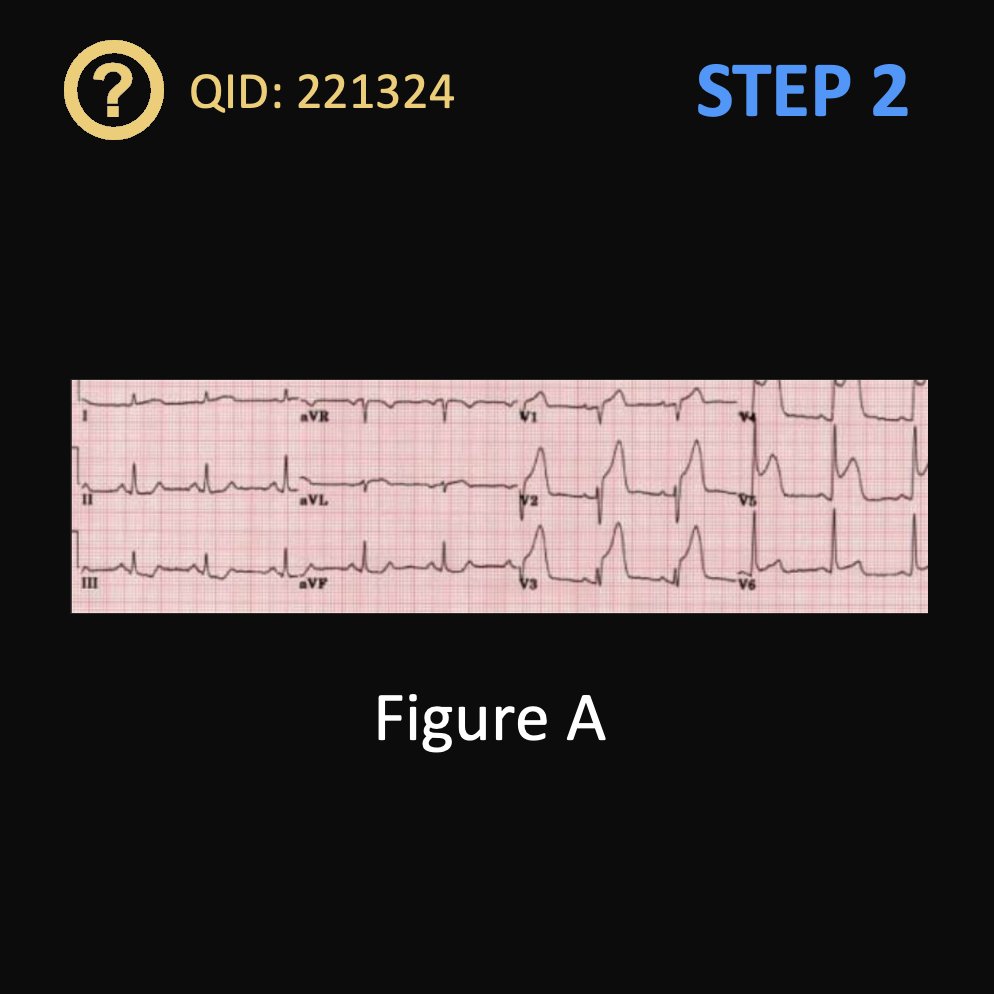
Can you answer our free question of the day? A 71-year-old man presents to the emergency department with a 30 minute history of chest pain. He started feeling some chest discomfort when he woke in the morning, but the pain became more severe when he went on a walk with his wife. He describes the pain as 10/10, crushing, and located in the center of his chest. He has no known medical history but has not seen a physician in many years. He has a 30-pack-year smoking history but quit 10 years ago. His temperature is 98.6°F (37°C), blood pressure is 165/97 mmHg, pulse is 124/min, and respirations are 20/min. An ECG is performed and the results are shown in Figure A. Several therapies are administered, one of which produces a sudden decrease in his chest pain. While this drug improves the patient's pain, it will not affect his mortality risk. Which of the following describes the mechanism of action of this medication? 1. Blockade of beta-adrenergic receptors 2. Blockade of the enzyme 3-hydroxy-3-methyl-glutaryl-coenzyme A (HMG-CoA) reductase 3. Increase in arterial partial pressure of oxygen 4. Irreversible inhibition of cyclooxygenase-1 5. Venodilation and reduced cardiac preload QID: 221324 Comment your answer below, then check to see if you got it correct by clicking the link below to see the answer & explanation. bit.ly/3MrwSTP #medicalstudent #medicine #medical #doctor #medicalschool #medstudent #medschool #doctors #futuredoctor #medlife #hospital #healthcare #health #usmle #premed #medicalstudents #physician #usmlestep2 #usmlestep3
Medbullets tweet media
English
0
0
0
122
Medbullets
Medbullets@medbullets·
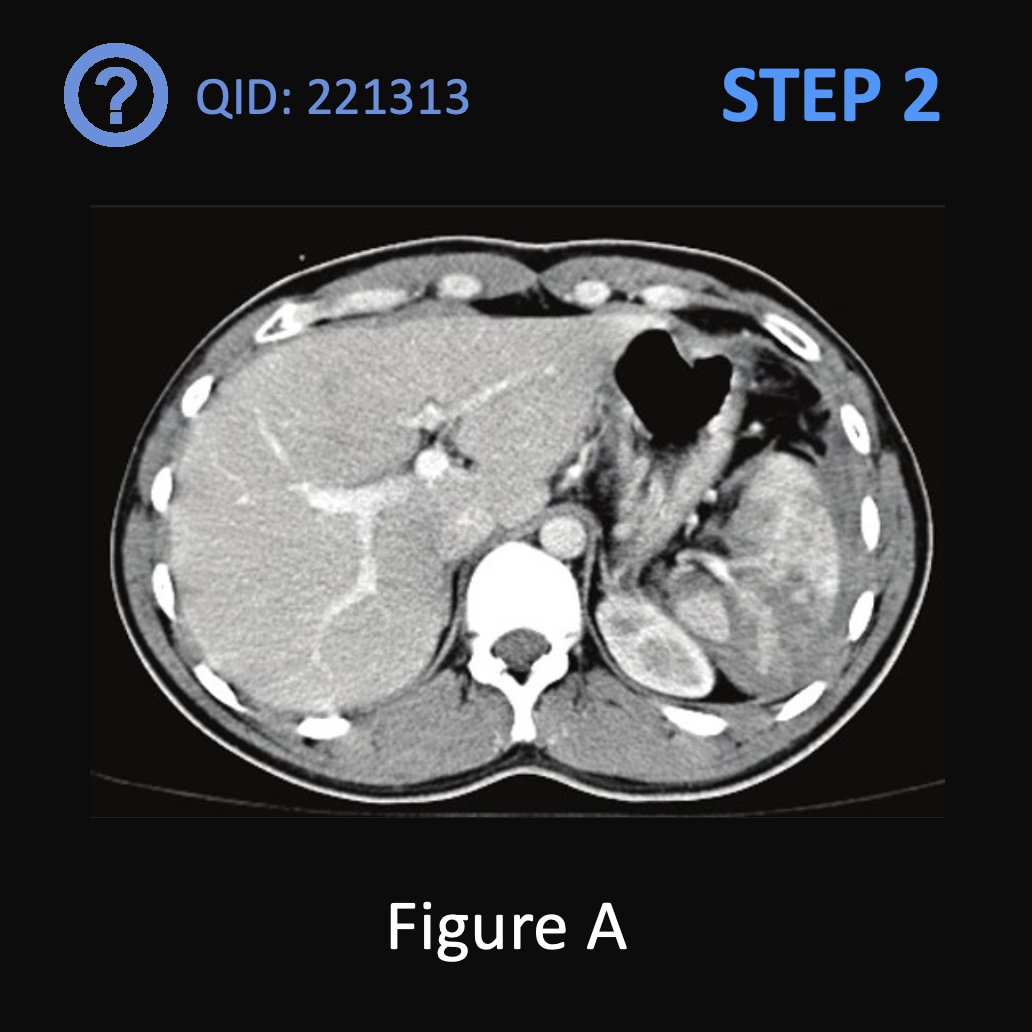
Can you answer our free question of the day? A 31-year-old skier is airlifted to the hospital after being involved in a collision with a tree. On arrival, she has severe pain in her abdomen and right leg. She has no significant medical history, is up to date on all vaccinations, and her last tetanus shot was 3 years ago. Her temperature is 36.7°C (98°F), blood pressure is 82/63 mmHg, pulse is 120/min, respirations are 20/min, and oxygen saturation is 97% on 2L oxygen nasal cannula. On physical exam, there are extensive ecchymoses and abrasions along her left posterior ribs and left flank. A radiograph of the right leg shows a midshaft tibial fracture. A CT scan of the abdomen is shown in Figure A. After the appropriate surgical intervention is performed for these injuries, which of the following would be indicated for post-operative care? 1. Insertion of a nasogastric tube 2. Insertion of a thoracostomy tube 3. Standing cefazolin and gentamicin 4. Tetanus vaccine administration 5. Vaccination against encapsulated organisms QID: 221313 Comment your answer below, then check to see if you got it correct by clicking the link below to see the answer & explanation. bit.ly/4cLa3Vw #medicalstudent #medicine #medical #doctor #medicalschool #medstudent #medschool #doctors #futuredoctor #medlife #hospital #healthcare #health #usmle #premed #medicalstudents #physician #usmlestep2 #usmlestep3
Medbullets tweet media
English
0
0
0
76
Medbullets
Medbullets@medbullets·
Can you answer our free question of the day? A 32-year-old G1P1 woman gives birth at 38 weeks of gestation via spontaneous vaginal delivery. The mother did not receive prenatal care during pregnancy and says that she is not sure about her vaccination status. Her only medical issue during pregnancy was fever and knee pain during the first trimester, which resolved within 1 week without treatment. She does not have any chronic health issues and does not take any medications at baseline. The newborn’s temperature is 98.6°F (37.0°C), blood pressure is 60/35 mmHg, pulse is 140/min, and respirations are 40/min. Her exam is notable for a weight of 5 lbs 2 oz (5th percentile) and a continuous murmur in the left infraclavicular region. Her skin exam is shown in Figure A. Based on these findings, which of the following features might also be observed in this patient? 1. Hydrocephalus 2. Intracranial calcifications 3. Notched teeth 4. Periventricular calcifications 5. Sensorineural hearing loss QID: 221294 Comment your answer below, then check to see if you got it correct by clicking the link below to see the answer & explanation. bit.ly/4rOHCKU #medicalstudent #medicine #medical #doctor #medicalschool #medstudent #medschool #doctors #futuredoctor #medlife #hospital #healthcare #health #usmle #premed #medicalstudents #physician #usmlestep2 #usmlestep3
Medbullets tweet media
English
0
0
0
123
Medbullets
Medbullets@medbullets·
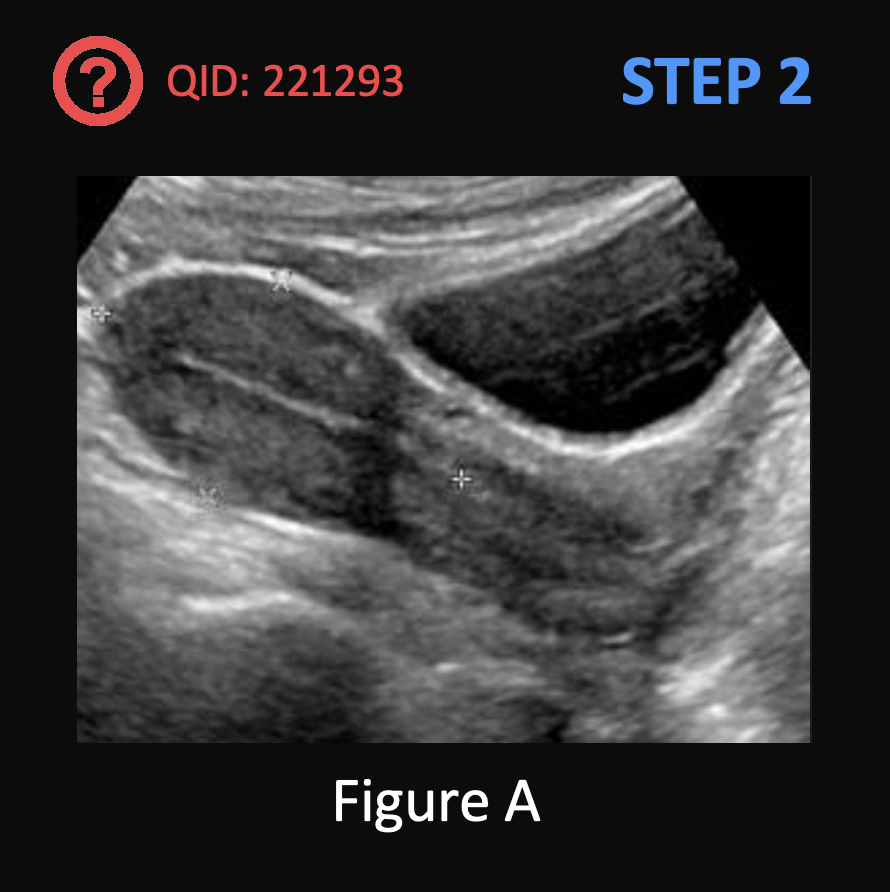
Can you answer our free question of the day? A 17-year-old girl presents to her pediatrician with a 6 month history of amenorrhea. She first started having irregular periods around 1 year ago. She had 1 period every 2 months until 6 months ago, when they ceased completely. Menarche was at age 12 and she is otherwise healthy. She enjoys running track and field and has been training for an upcoming meet. She denies alcohol use, smoking, and recreational drugs. She is not sexually active and does not take oral contraceptives. Her temperature is 36.7°C (98°F), blood pressure is 121/80 mmHg, pulse is 62/min, respirations are 11/min, oxygen saturation is 100% on room air, and BMI is 20 kg/m^2. Her pelvic exam reveals an anteverted uterus, no adnexal masses, a normal-appearing cervix with no cervical motion tenderness, and normal vaginal anatomy. An ultrasound is obtained and the results are shown in Figure A. Which of the following is the most likely cause of this patient's amenorrhea? 1. Anorexia nervosa 2. Functional hypothalamic amenorrhea 3. Hypothyroidism 4. Polycystic ovarian syndrome 5. Pregnancy QID: 221293 Comment your answer below, then check to see if you got it correct by clicking the link below to see the answer & explanation. bit.ly/3M83QbE #medicalstudent #medicine #medical #doctor #medicalschool #medstudent #medschool #doctors #futuredoctor #medlife #hospital #healthcare #health #usmle #premed #medicalstudents #physician #usmlestep2 #usmlestep3
Medbullets tweet media
English
0
0
0
82
Medbullets
Medbullets@medbullets·
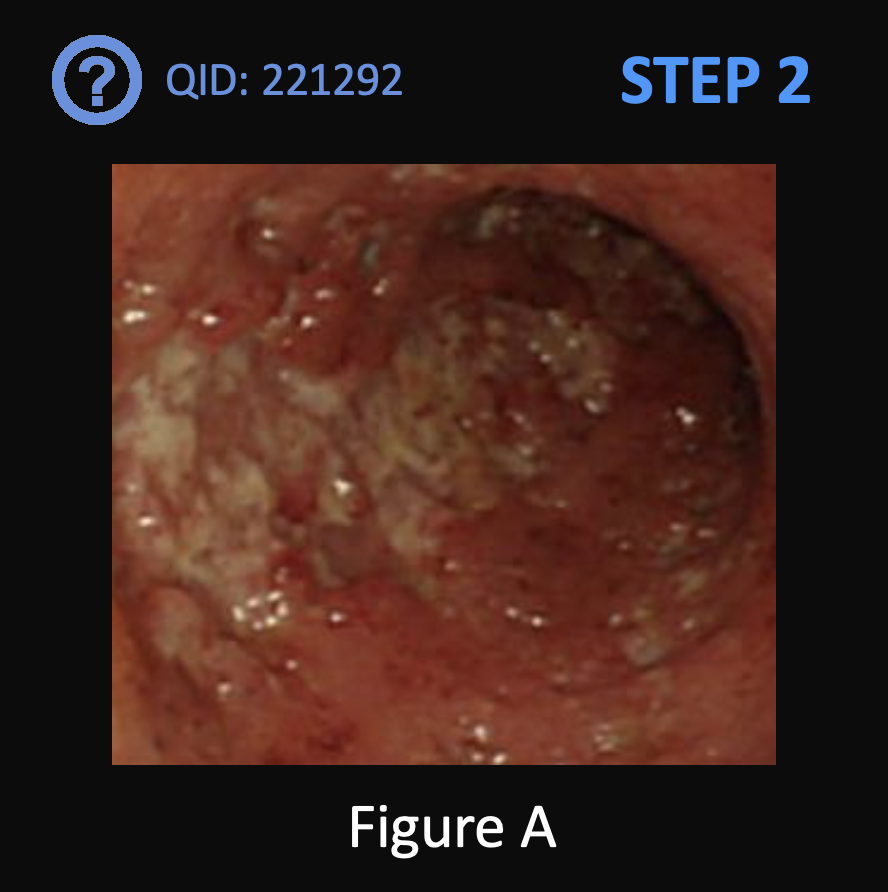
Can you answer our free question of the day? A 61-year-old man presents to his primary care physician with a 1 week of fever and abdominal pain. He first started having symptoms after returning from a cruise. He initially thought he had food poisoning; however, he became concerned when he noticed bloody stools yesterday. His medical history is significant for cirrhosis secondary to hepatitis C from intravenous drug use. He underwent a deceased donor liver transplant 4 months ago and currently takes tacrolimus, prednisone, and mycophenolate. He previously smoked 1 pack of cigarettes per day for 15 years but quit 5 years ago. He does not currently drink alcohol. His temperature is 102.0°F (38.9°C), blood pressure is 140/60 mmHg, pulse is 97/min, and respirations are 13/min. His physical exam is remarkable for diffuse tenderness to palpation of the abdomen. Rectal examination reveals brown stool which is guaiac positive. Laboratory results are as follows: Aspartate aminotransferase (AST): 110 U/L Alanine aminotransferase (ALT): 168 U/L Creatinine: 1.4 mg/dL Human immunodeficiency virus (HIV)-1 antibody: NegativeA subsequent colonoscopy reveals the findings shown in Figure A. Which of the following is the most appropriate treatment for the patient’s symptoms? 1. Azithromycin 2. Ganciclovir 3. Oseltamivir 4. Rifampin, isoniazid, pyrazinamide and ethambutol 5. Trimethoprim-sulfamethoxazole QID: 221292 Comment your answer below, then check to see if you got it correct by clicking the link below to see the answer & explanation. bit.ly/3O7FVK0 #medicalstudent #medicine #medical #doctor #medicalschool #medstudent #medschool #doctors #futuredoctor #medlife #hospital #healthcare #health #usmle #premed #medicalstudents #physician #usmlestep2 #usmlestep3
Medbullets tweet media
English
0
0
0
142
Medbullets
Medbullets@medbullets·
Can you answer our free question of the day? A 9-year-old boy is brought to his pediatrician with a 1 week history of right thigh pain. His mother says that she first noticed some redness on his distal anterior thigh after they returned from a hike. Over the next few days, the pain has gotten worse and was associated with swelling. The boy started limping 3 days ago and is now unable to ambulate. She does not recall seeing any trauma or other inciting events. His medical history is significant for anemia and a blood smear is shown in Figure A. His temperature is 102.9°F (39.4°C), blood pressure is 84/50 mmHg, pulse is 140/min, and respirations are 22/min. The right anterior distal thigh is erythematous, swollen, and warm. Tenderness to palpation is felt in the medial femoral condyle. Which of the following agents is the most likely cause of this patient’s symptoms? 1. Candida albicans 2. Kingella kingae 3. Pasteurella multocida 4. Pseudomonas aeruginosa 5. Salmonella enterica QID: 221291 Comment your answer below, then check to see if you got it correct by clicking the link below to see the answer & explanation. bit.ly/4rF5OiE #medicalstudent #medicine #medical #doctor #medicalschool #medstudent #medschool #doctors #futuredoctor #medlife #hospital #healthcare #health #usmle #premed #medicalstudents #physician #usmlestep2 #usmlestep3
Medbullets tweet media
English
0
0
0
89
Medbullets
Medbullets@medbullets·
Can you answer our free question of the day? A 29-year-old G1P0 woman presents to her obstetrician at 20 weeks of gestation for routine follow-up. She has noticed increased body hair and acne that has worsened since her last visit. Her temperature is 98.6°F (37°C), blood pressure is 128/82 mmHg, pulse is 90/min, and respirations are 14/min. Fetal heart tones on Doppler are normal. Examination of the mother reveals hair growing on her chest and face, moderate acne of the face and back, and an enlarged clitoris. Bimanual examination reveals a uterus of appropriate gestational size with no adnexal masses. Fetal ultrasound reveals a fetus with a size appropriate for gestational age and ambiguous external genitalia. Prior genetic testing revealed that the fetus karyotype is 46 XX. The remainder of the exam is within normal limits. Which of the sets of laboratory results shown in Figure A would be seen in the fetus? 1. A 2. B 3. C 4. D 5. E QID: 221279 Comment your answer below, then check to see if you got it correct by clicking the link below to see the answer & explanation. bit.ly/4kvn33D #medicalstudent #medicine #medical #doctor #medicalschool #medstudent #medschool #doctors #futuredoctor #medlife #hospital #healthcare #health #usmle #premed #medicalstudents #physician #usmlestep2 #usmlestep3
Medbullets tweet media
English
0
0
0
79
Medbullets
Medbullets@medbullets·
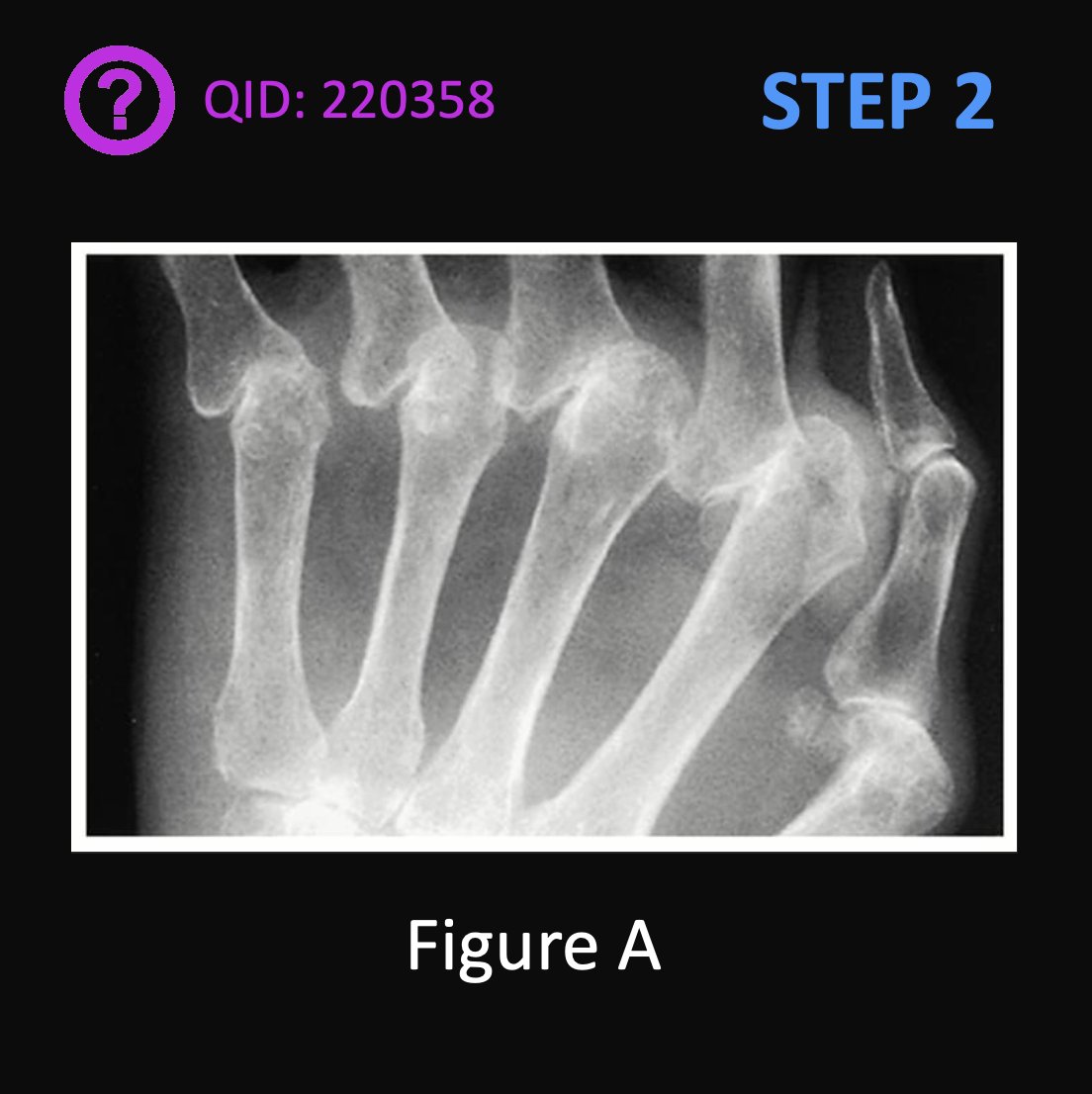
Can you answer our free question of the day? A 51-year-old man presents with a 1 year history of increased hand swelling and fatigue. He has morning joint stiffness that lasts for nearly 3 hours every day. He has no known medical history and takes no medications. His temperature is 98.6°F (37°C), blood pressure is 114/82 mmHg, pulse is 81/min, respirations are 12/min, and oxygen saturation is 98% on room air. Physical examination reveals non-tender subcutaneous nodules on the patient’s forearms and hands, tenderness involving the metacarpophalangeal joints, and splenomegaly. A radiograph is shown in Figure A. Labs are obtained with the results shown below: Hemoglobin: 9.8 g/dL Leukocyte count: 2900/mm^3 Absolute neutrophil count: 850/µL Platelet count: 158,000/mm^3 Which of the following is the most likely diagnosis? 1. Caplan syndrome 2. Epstein-Barr virus 3. Felty syndrome 4. Sarcoidosis 5. Sickle cell disease QID: 220358 Comment your answer below, then check to see if you got it correct by clicking the link below to see the answer & explanation. bit.ly/3DILBp0 #medicalstudent #medicine #medical #doctor #medicalschool #medstudent #medschool #doctors #futuredoctor #medlife #hospital #healthcare #health #usmle #premed #medicalstudents #physician #usmlestep2 #usmlestep3
Medbullets tweet media
English
0
0
0
78