Christopher Coleman (@[email protected])

26.6K posts

Christopher Coleman (@mellowfish@ruby.social) banner
Christopher Coleman (@mellowfish@ruby.social)

Christopher Coleman (@[email protected])

@mellowfish

Conservative Theology, Liberal Politics, Terrible Puns. Senior Engineer with Hope Media Group. My many opinions are my own. #ActuallyAutistic

Nashville, TN, USA, Earth, Sol Katılım Ekim 2008
69 Takip Edilen205 Takipçiler
Christopher Coleman (@[email protected]) retweetledi
Sketchplanations
Sketchplanations@sketchplanator·
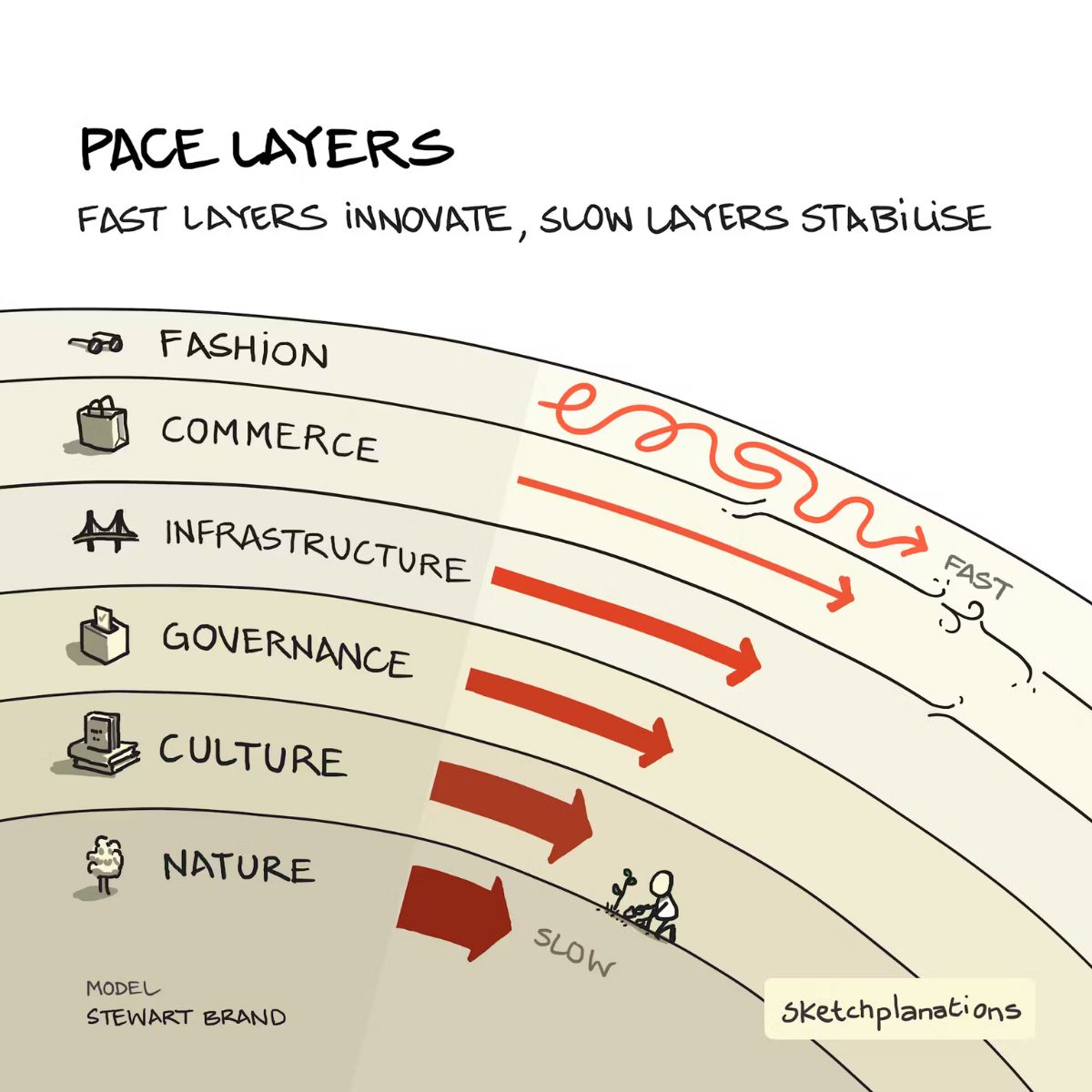
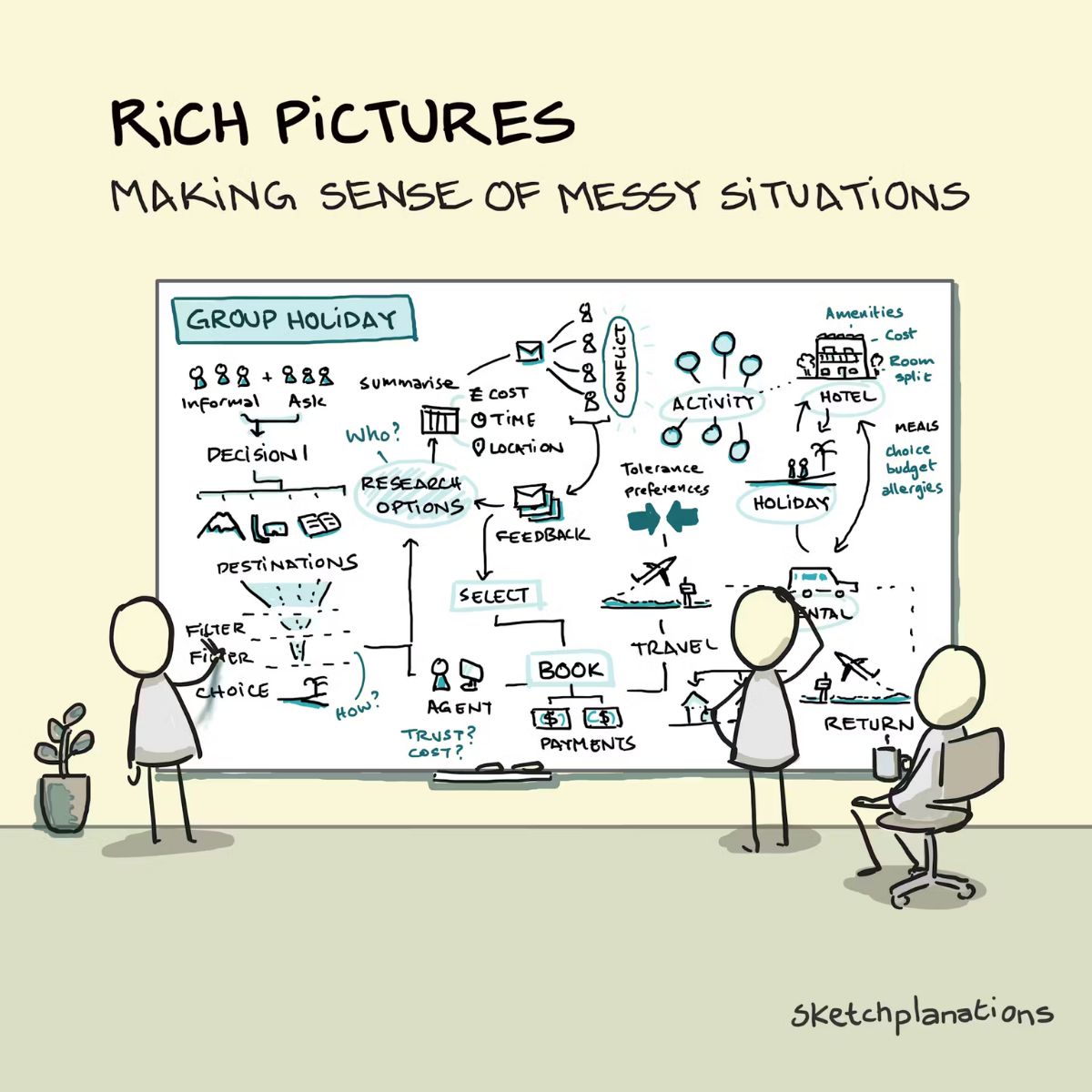
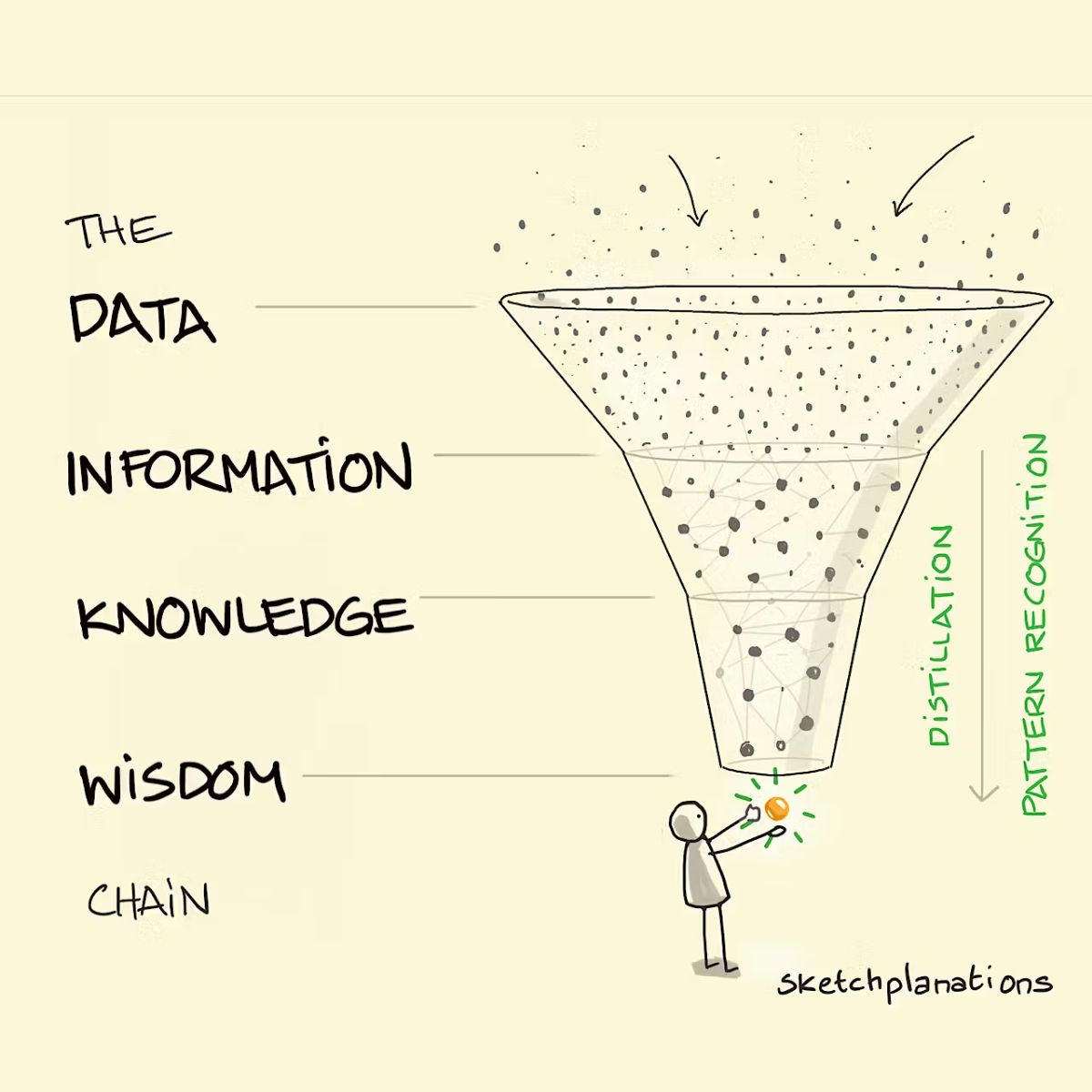
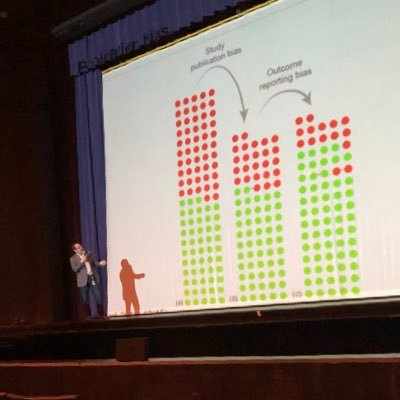
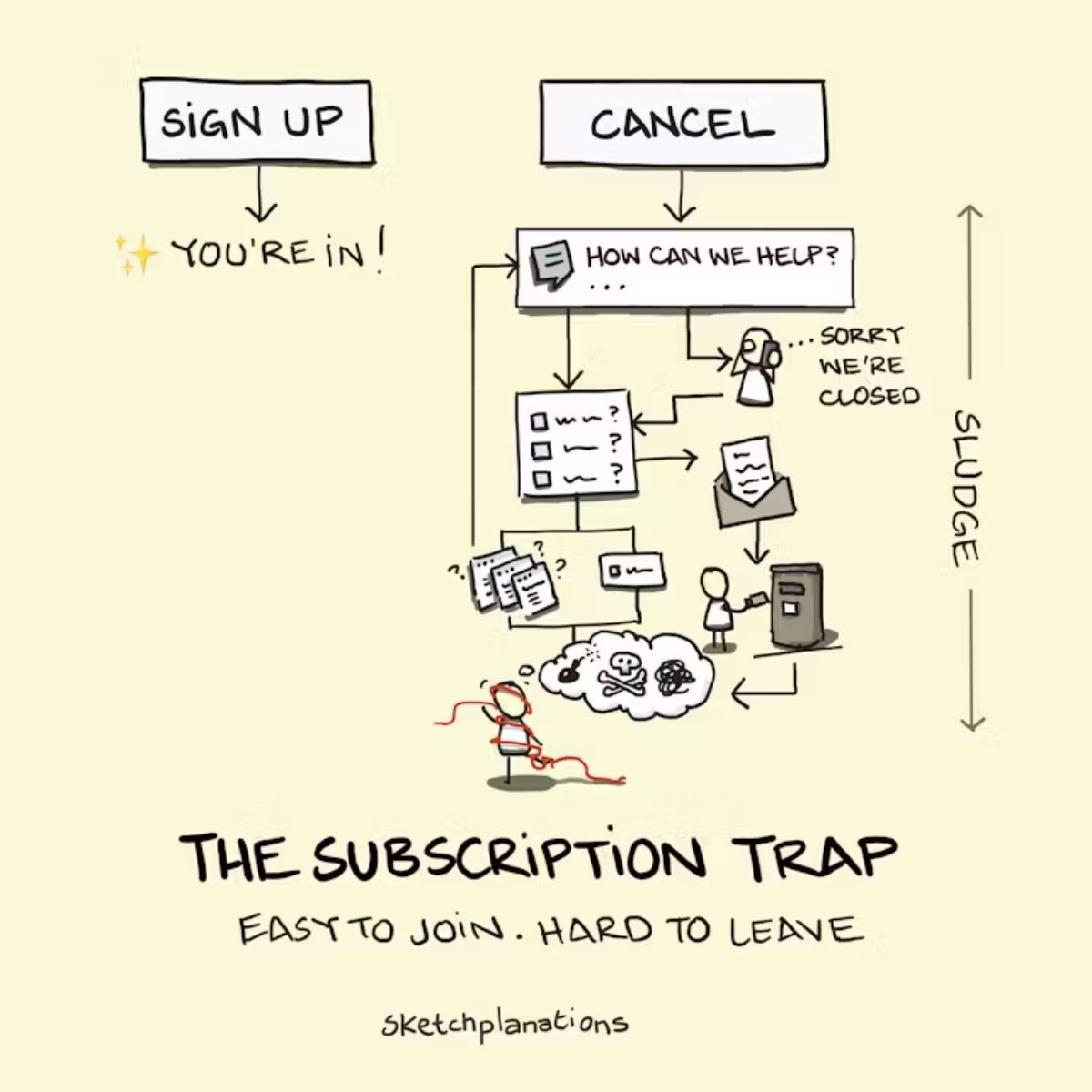
Icebergs have been mobilised in the name of better understanding psychology, culture, and, in this case, systems. I like the model because it prompts us to question what could be “under the surface” and, in terms of observed behaviour, what’s driving what we see?
Sketchplanations tweet mediaSketchplanations tweet mediaSketchplanations tweet mediaSketchplanations tweet media
English
1
12
58
2.4K
Christopher Coleman (@[email protected]) retweetledi
Simon Kuestenmacher
Simon Kuestenmacher@simongerman600·
Nepal faced a major environmental crisis in the 1970s as forests were degraded by grazing and fuelwood harvesting. After a 1993 law handed forest management to local communities, forest cover rebounded dramatically, rising from about 26% in 1992 to 45% in 2016 through community-led protection and natural regeneration. Source: science.nasa.gov/earth/earth-ob…
Simon Kuestenmacher tweet media
English
33
368
2K
90.5K
Christopher Coleman (@[email protected]) retweetledi
Patrick McKenzie
Patrick McKenzie@patio11·
I got briefly pitched a scammy financial service in Japanese with the flavor text including “I work at a UK bank” and while I don’t often feel sympathy for professional criminals I don’t know if I’ve ever seen someone attempt a higher difficulty setting.
English
3
5
363
28.3K
Christopher Coleman (@[email protected]) retweetledi
Patrick McKenzie
Patrick McKenzie@patio11·
Surprisingly useful deliverable: “We’re going to play architecture archeologists and you’re going to constantly update a markdown document with what we learn, such that a future LLM could try to reproduce this state in a Docker container deterministically.”
English
4
1
32
4.1K
Christopher Coleman (@[email protected]) retweetledi
Sketchplanations
Sketchplanations@sketchplanator·
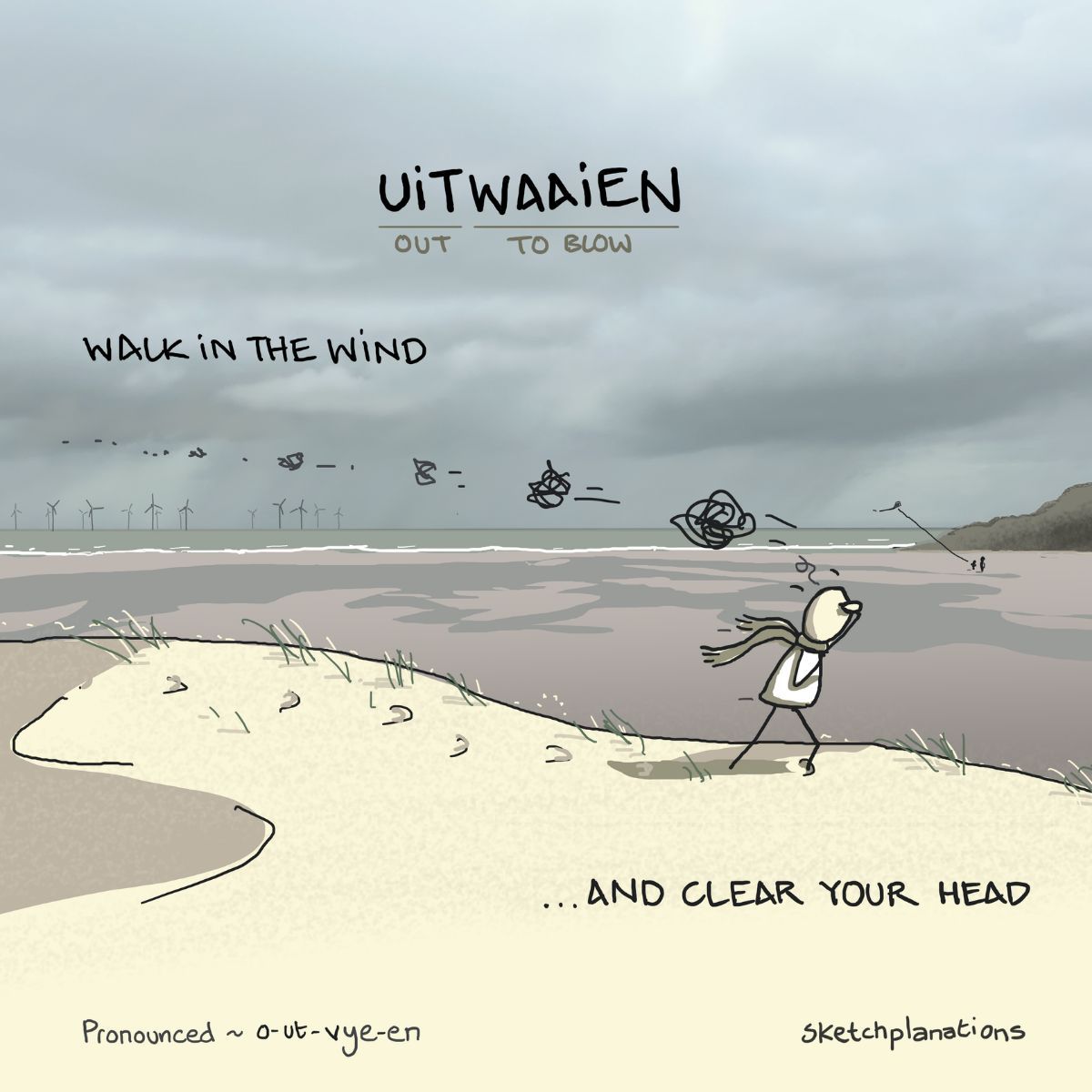
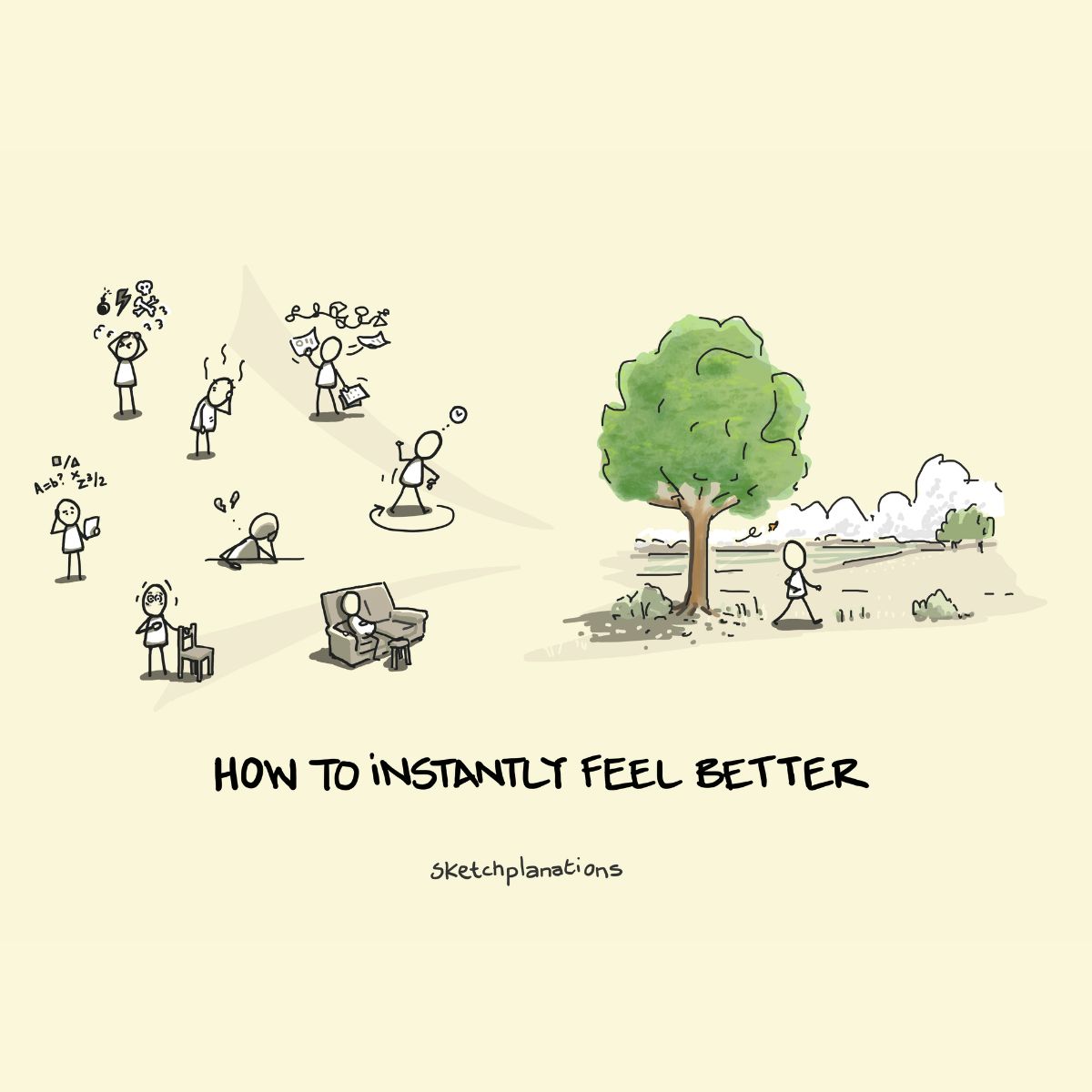
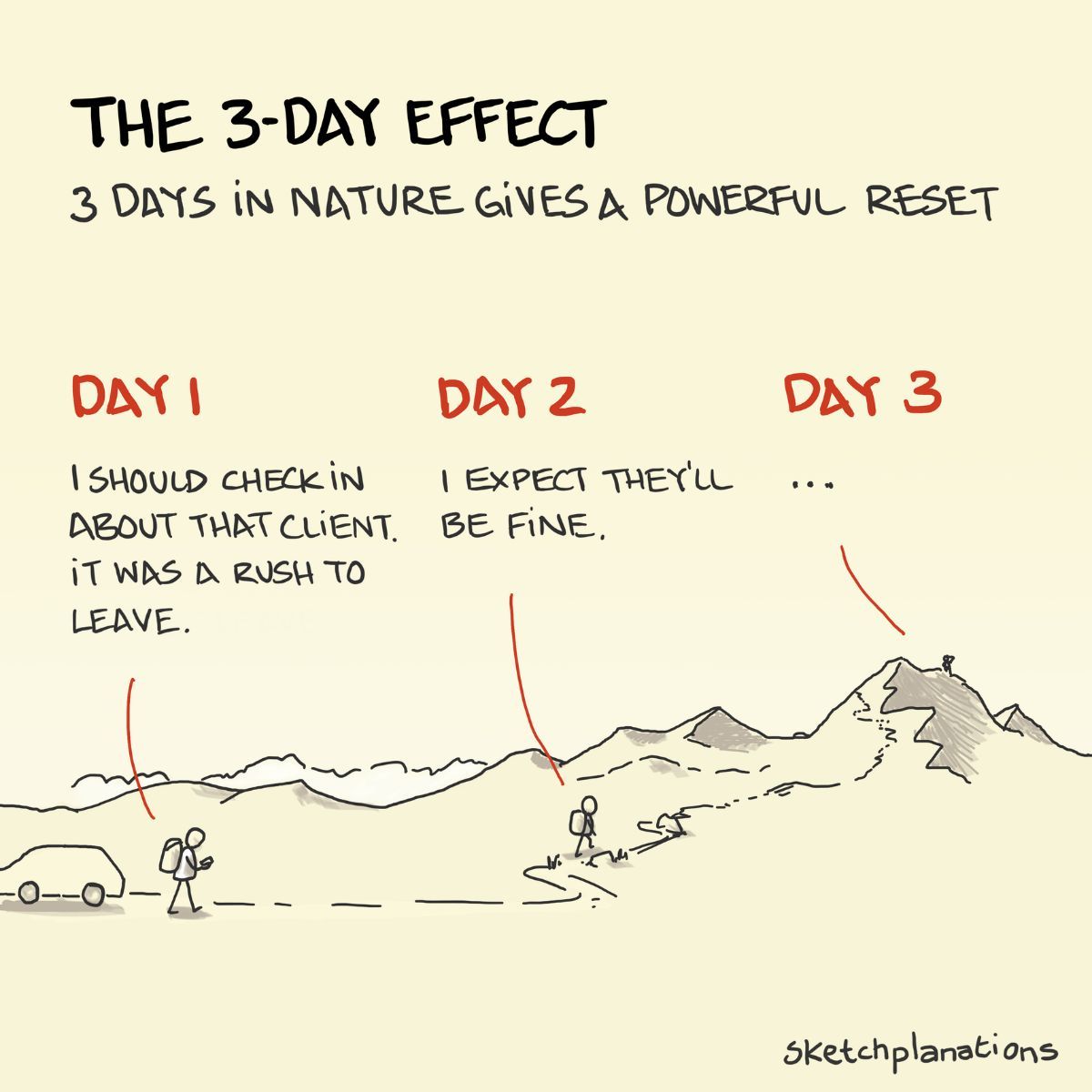
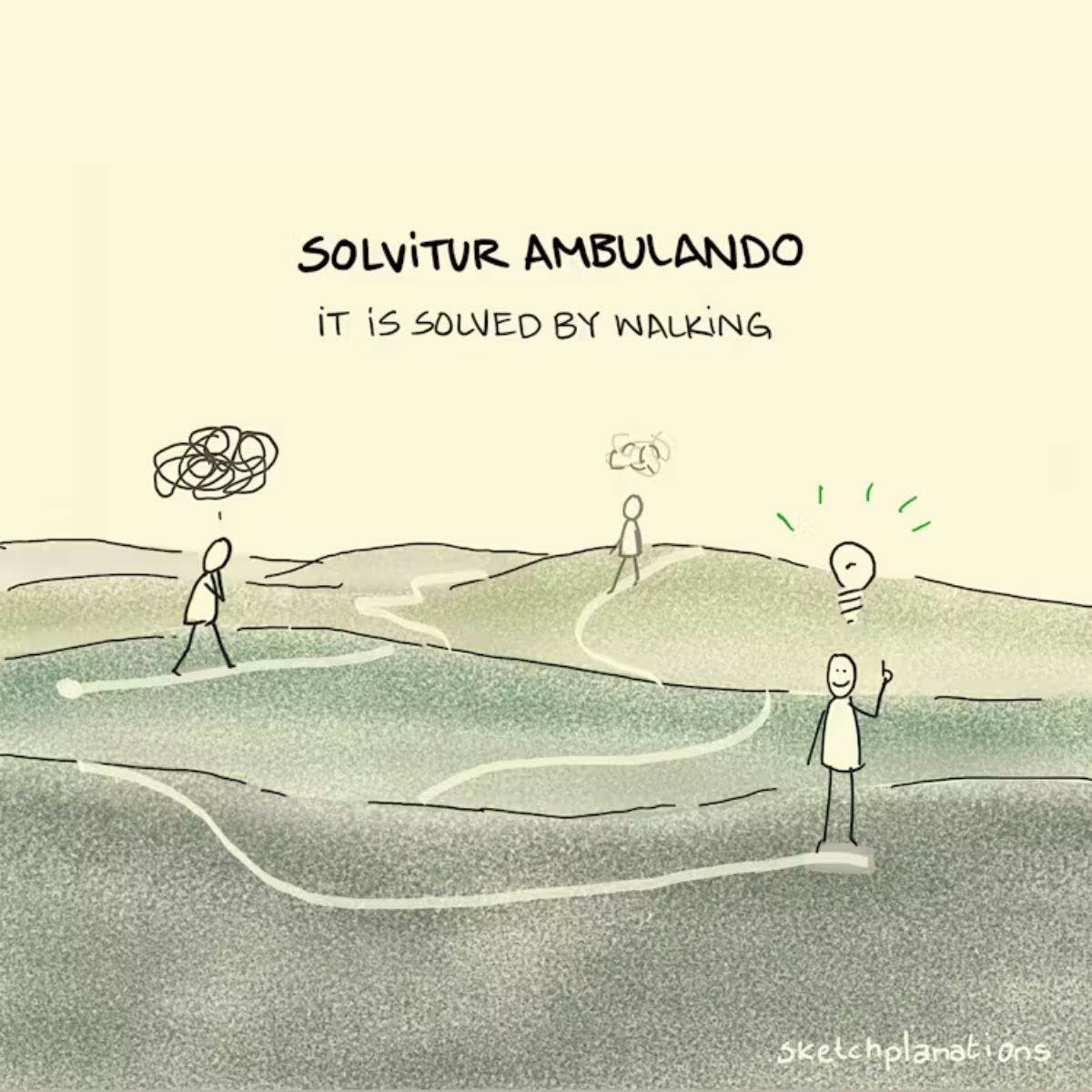
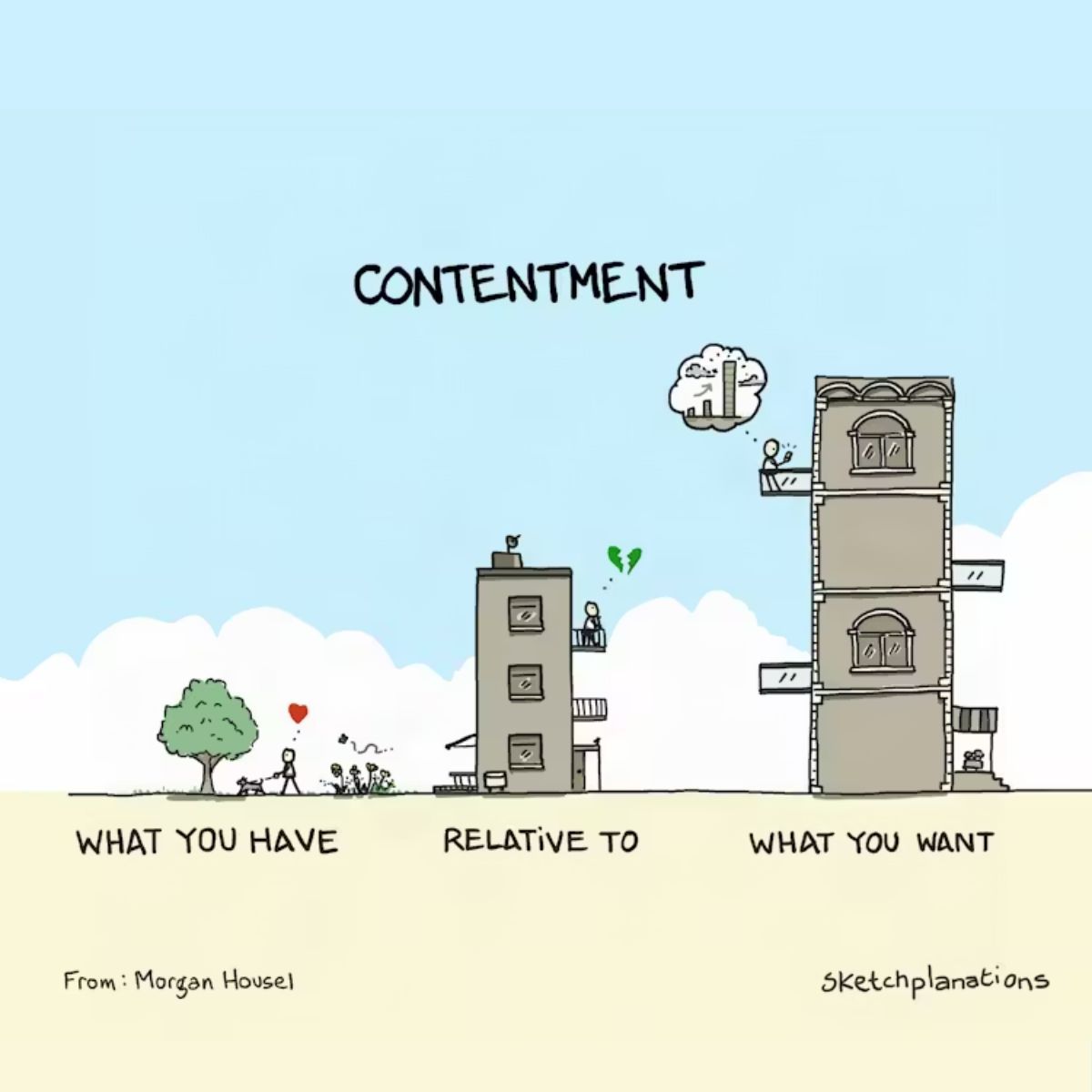
If there’s a lot going on in your head this week, I hope you can find time for a walk in a strong wind to blow your worries away.
Sketchplanations tweet mediaSketchplanations tweet mediaSketchplanations tweet mediaSketchplanations tweet media
English
2
16
51
1.9K
Christopher Coleman (@[email protected]) retweetledi
Dan Williams
Dan Williams@danwilliamsphil·
Some of my high-level beliefs about AI: 1. AI is an extremely abnormal, sui generis technology. We're building thinking machines! There are strong reasons to think that lessons drawn from previous technologies (e.g., about the pace of diffusion) won't apply, and that AI will pose countless novel challenges for which there is simply no precedent. 2. AI is not a new species. Until five minutes ago, all our examples of intelligent systems were living things. So when people think about AI, they typically—and typically without realising it—mistakenly import expectations about intelligent living things (e.g., where drives towards self-preservation and competition reflect their distinctive Darwinian design process) into their understanding of how AI is likely to behave. 3. It's a mistake to treat the "AI as normal technology" view and the "AI as potentially autonomous superintelligent alien species" worldview as the only perspectives. It's more likely that AI is an extremely powerful, extremely abnormal technology that will nevertheless not behave like a new species. 4. The main risks from AI come from misuse, not model misalignment. We should be more cynical about humanity and less cynical about AI. We know with certainty that human beings are often selfish, competitive, power-seeking, deceitful, and hypocritical. Releasing an extremely powerful technology into a world marked by vast inequalities of political and economic power among human beings is where most of the real challenges will arise. Many people aren't thinking clearly about this because their model of "human nature" is shaped by the range of behaviours they encounter in modern liberal democratic capitalist states, where self-interested incentives partly constrain the most sociopathic behaviours people are capable of.
English
33
43
277
77.9K
Christopher Coleman (@[email protected]) retweetledi
Jonathan Haidt
Jonathan Haidt@JonHaidt·
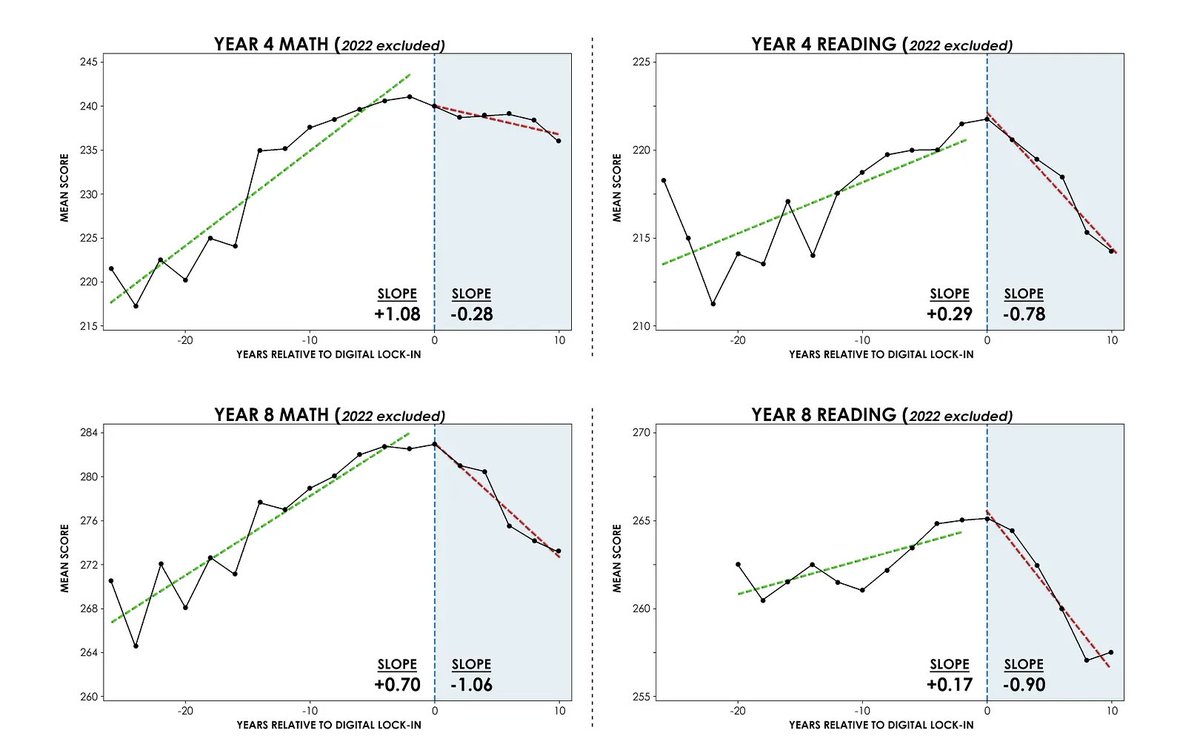
Still more evidence that EdTech harmed American education: Across states, the year that the state imposed mandates requiring computers/tablets, that's the year that test scores stopped rising and in most cases started falling. From Jared Cooney Horvath thedigitaldelusion.substack.com/p/when-correla…
Jonathan Haidt tweet media
English
40
726
2.5K
450.9K
Christopher Coleman (@[email protected]) retweetledi
Yuchen Jin
Yuchen Jin@Yuchenj_UW·
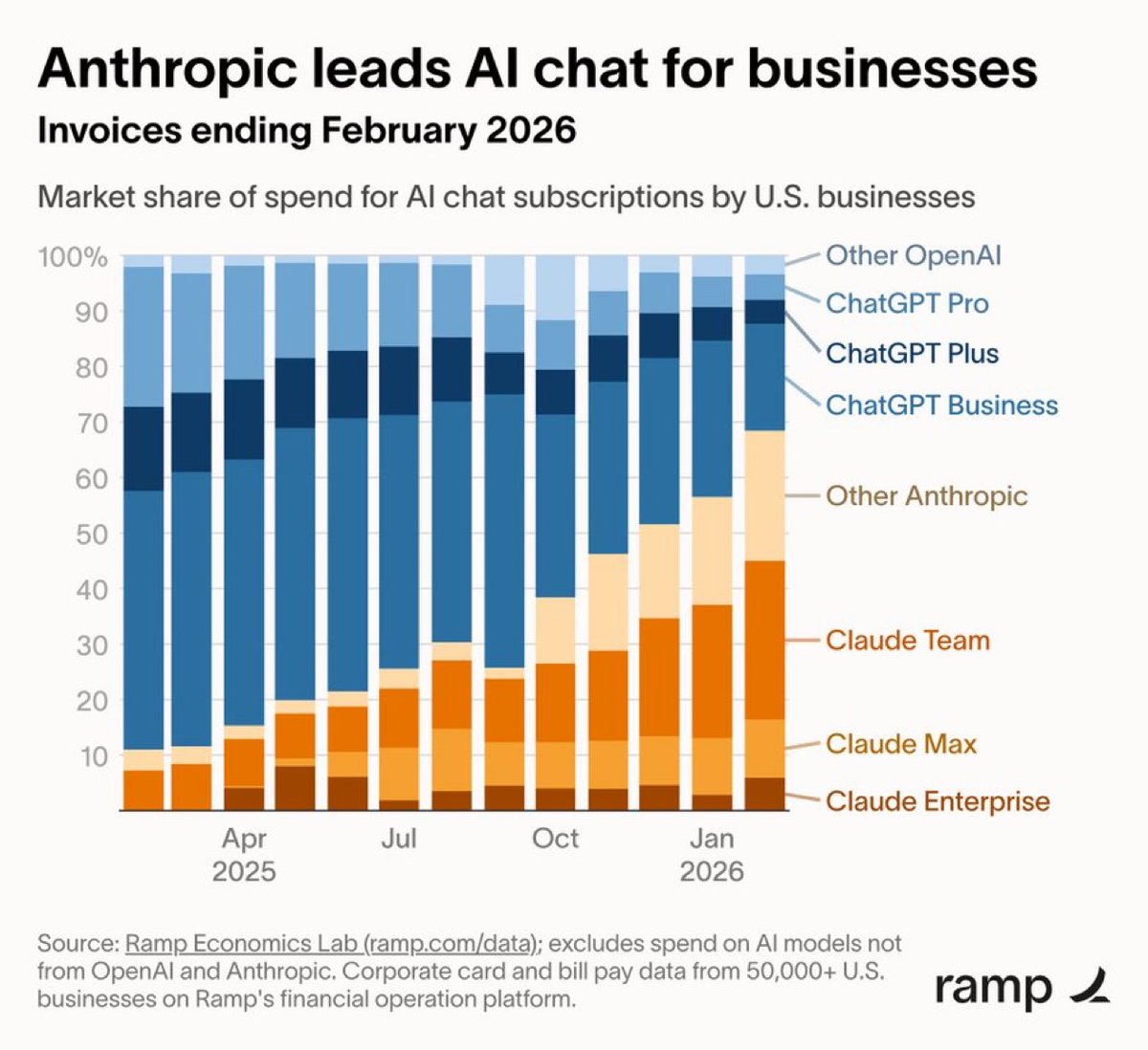
Feb 2025: ChatGPT held 90% of the US business market. Feb 2026: Claude share has surged to ~70%. Absolutely insane growth of Anthropic. Their bet on coding and agents clearly paid off.
Yuchen Jin tweet media
English
126
462
3.5K
285.5K
Christopher Coleman (@[email protected]) retweetledi
Sketchplanations
Sketchplanations@sketchplanator·
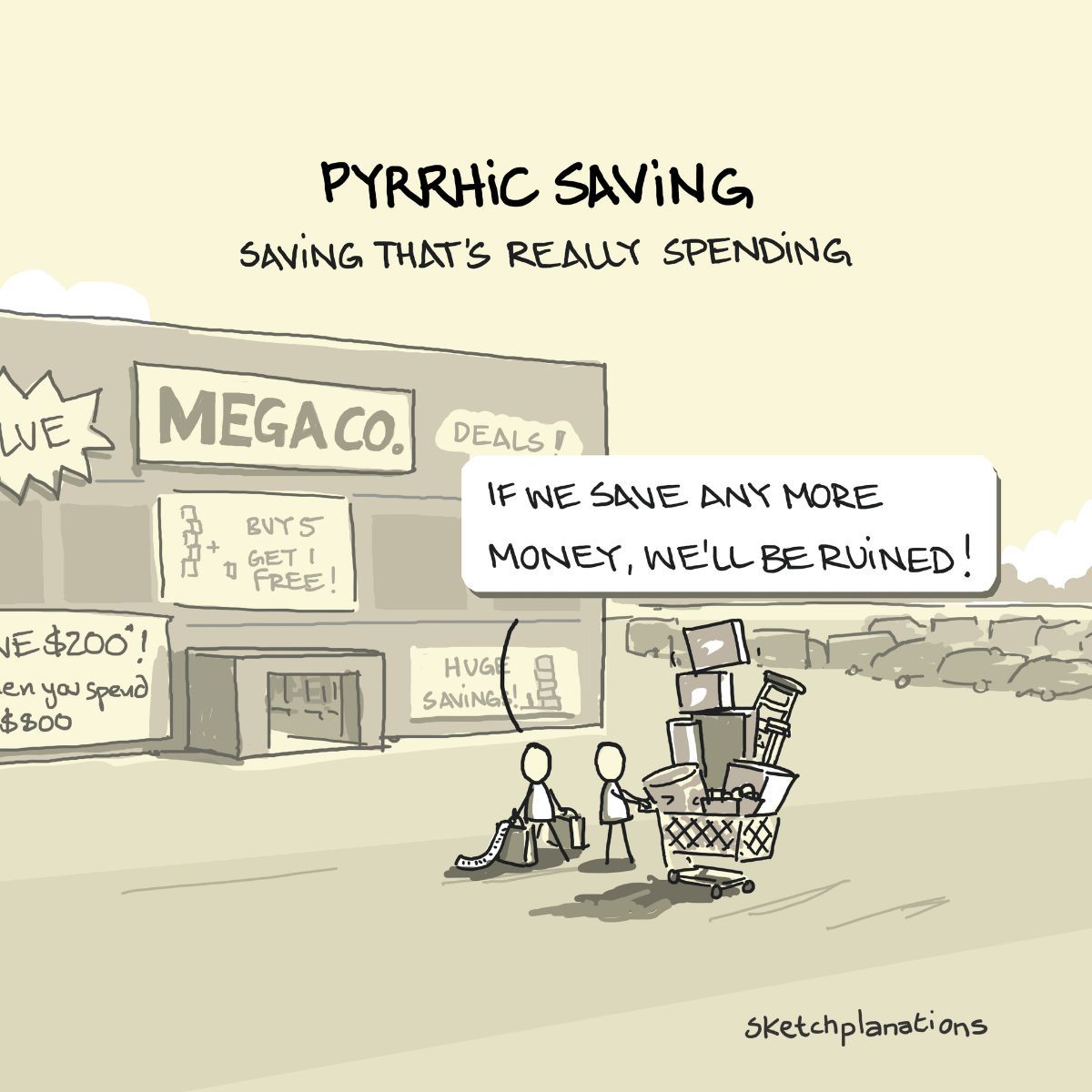
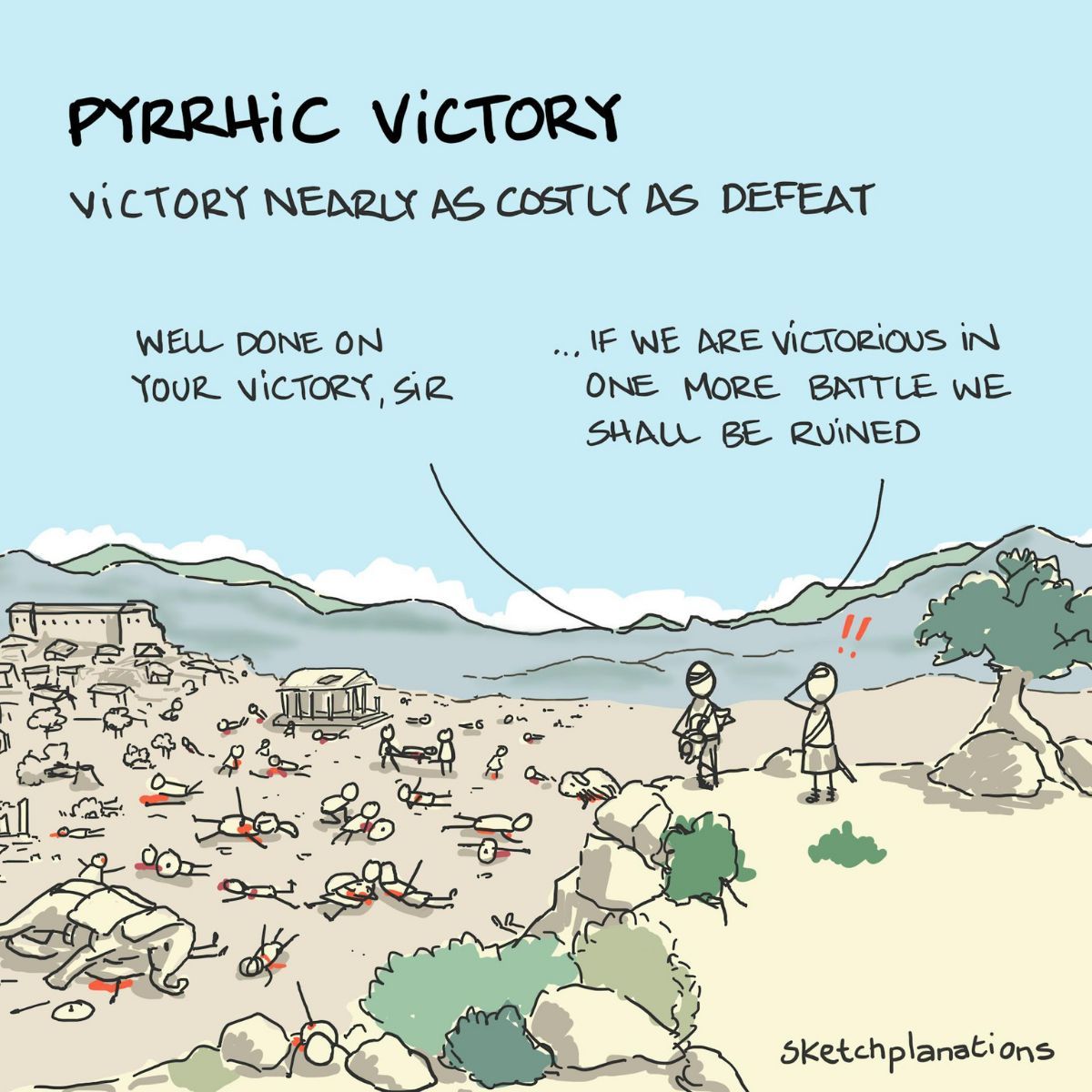
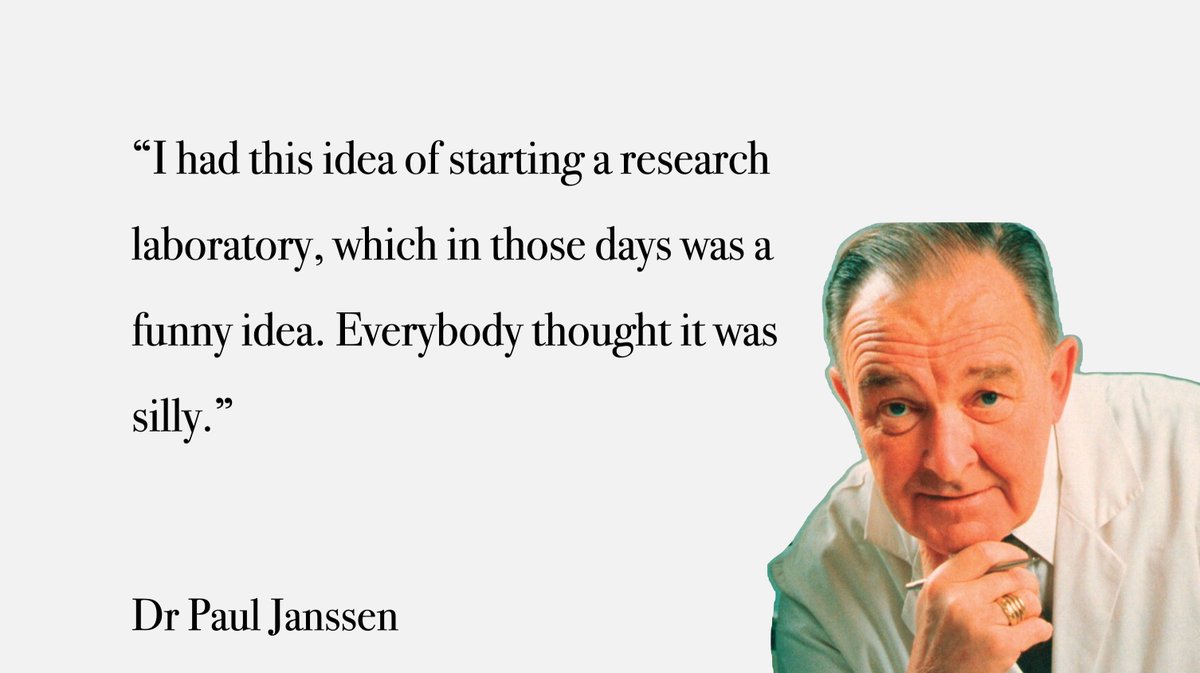
Pyrrhic victory: a victory so costly that it feels almost like a defeat. Pyrrhic saving: spending more to save money you wouldn’t otherwise have spent.
Sketchplanations tweet mediaSketchplanations tweet mediaSketchplanations tweet mediaSketchplanations tweet media
English
0
4
29
1.4K
Christopher Coleman (@[email protected]) retweetledi
Fermat's Library
Fermat's Library@fermatslibrary·
Paul Janssen is the most prolific drug inventor in history. In 1953, he had a "funny idea" that a molecule's chemical structure directly predicted its effect as a medicine. He could visualize, design and rotate molecular structures in his head. He spent the next 50 years proving it - systematically modifying compounds to discover 80+ drugs. 4 of them are still on the WHO's essential medicines list.
Fermat's Library tweet media
English
5
61
618
40.4K