CryptoHero #RIVER
3K posts


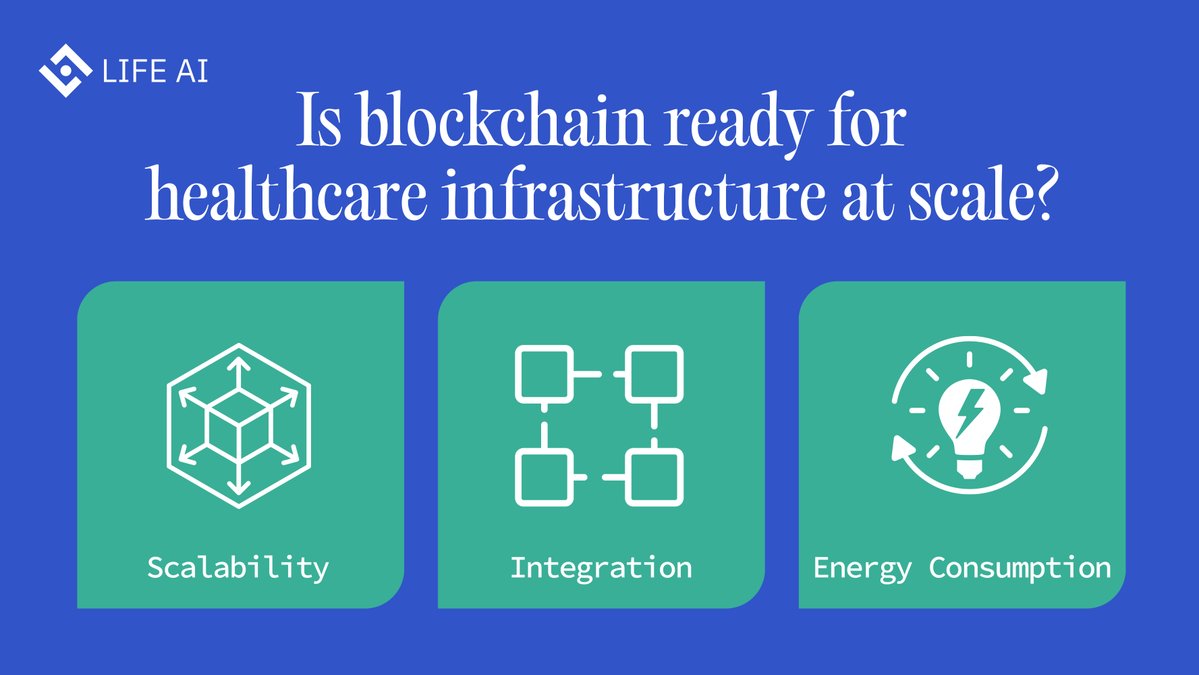
🩺 Community Question Is blockchain ready for healthcare infrastructure at scale? Viewpoint A: Structural barriers remain. Blockchain still struggles with scalability for large health datasets, integration with legacy hospital systems, and regulatory compliance. Operational adoption remains limited, with most initiatives still at the pilot stage. Viewpoint B: The technology is maturing. New blockchain architectures are improving speed, efficiency, and scalability. Hybrid models are advancing interoperability with existing healthcare systems. Early pilots also show progress toward secure, patient controlled data sharing. 👇 Comment A or B and share your perspective.

🎼 And now the end is near ... - Complete Pre-TGE Missions to allocate all boxes in RC. - Unlock your boxes as scheduled. - Do whatever you want at TGE. Piece of cake! 😊 🎵 Yes it was our way. PS. Don't forget 50 real Mini Warlord robots & secret bonuses for top participants (most referrals & completed tasks) are still up for grab. 👉 nexira.ai/airdrops/campa… #NexiraDAEP #TGE #Web3Gaming $NEXI

🎼 And now the end is near ... - Complete Pre-TGE Missions to allocate all boxes in RC. - Unlock your boxes as scheduled. - Do whatever you want at TGE. Piece of cake! 😊 🎵 Yes it was our way. PS. Don't forget 50 real Mini Warlord robots & secret bonuses for top participants (most referrals & completed tasks) are still up for grab. 👉 nexira.ai/airdrops/campa… #NexiraDAEP #TGE #Web3Gaming $NEXI


🩺 Community Question: Elon Musk recently said that, based on current human constraints, AI-powered robotics could become better surgeons than the best human surgeons within three years at scale. Do you agree with him? Viewpoint A: Agree. With few great surgeons, slow and costly human training, and unavoidable human error, AI and robotics could learn faster and scale surgical skill beyond human limits. Viewpoint B: Disagree. Even acknowledging the human constraints Elon Musk points out, surgery is not only about speed, scale, or error reduction. It also depends on judgment, responsibility, and trust in high-stakes situations, which remain difficult to validate and deploy safely at scale. Is this a near-term breakthrough or a vision that overestimates how quickly surgical autonomy can be safely scaled? 👇 Drop A, B, or share your perspective.


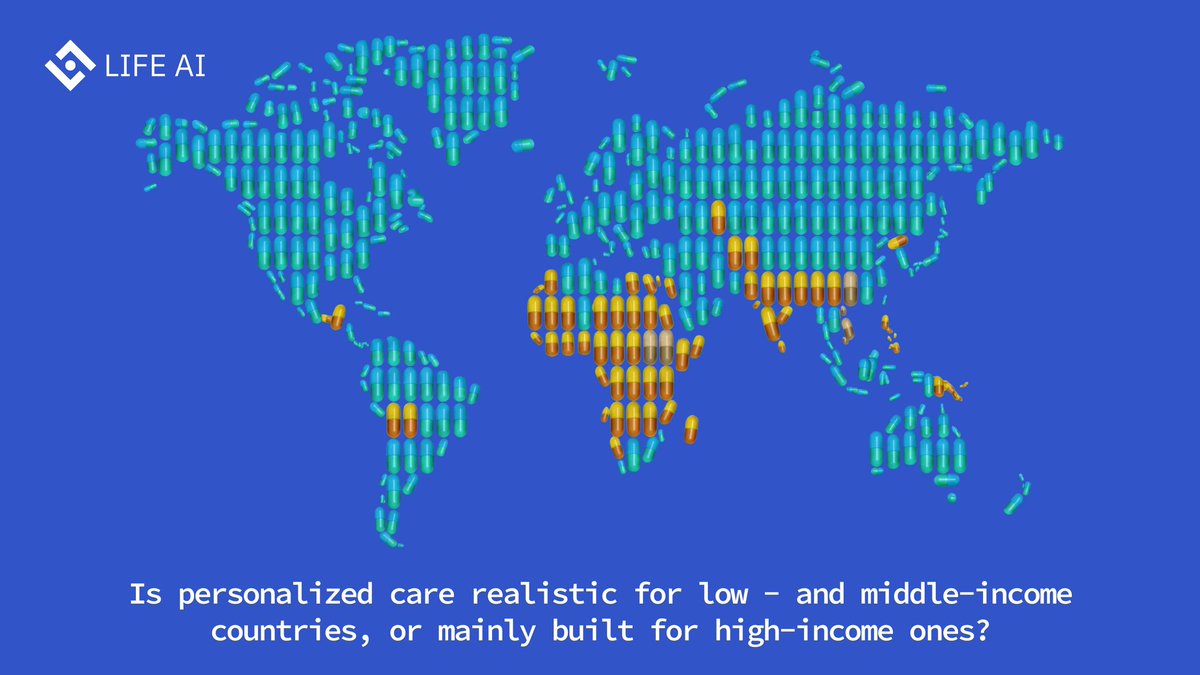
🩺 Community Question Is personalized care realistic for low- and middle-income countries (LMICs), or is it still a model built mainly for high-income countries (HICs)? Viewpoint A: Gradually achievable in LMICs Personalized care can scale over time. Costs of genetic and digital tools are falling, AI-driven insights are becoming more accessible, and hybrid models already work in areas like oncology and chronic care. With the right partnerships and focus, personalization doesn’t have to remain a luxury. Viewpoint B: Not practical for most LMICs For many LMICs, personalized care remains unrealistic. High costs, limited infrastructure, workforce gaps, and unequal access make large-scale adoption difficult. Healthcare systems should prioritize proven, low-cost interventions like vaccination, screening, and basic prevention. Or is the future of healthcare built by combining both approaches? 👇 Drop A, B, or share your perspective. Tag someone who should weigh in on this.