MessiGod
5.3K posts

MessiGod
@messigod5
“We were all humans until race disconnected us, religion separated us, politics divided us and wealth classified us.” /25
India Katılım Mayıs 2018
625 Takip Edilen150 Takipçiler

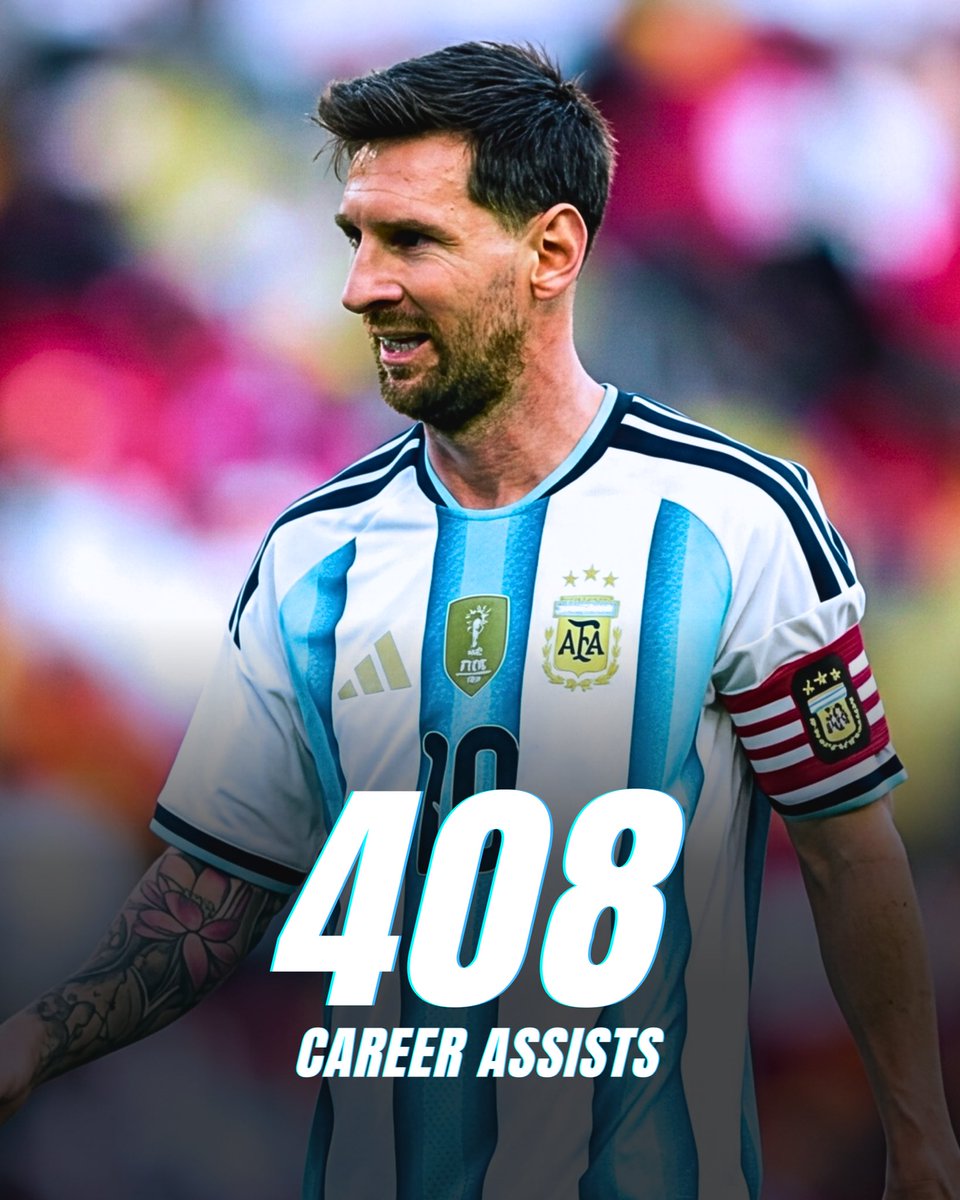
@CrewsMat10 Counting useless friendly contribution because without that pessi don't even have 60 goals for argentina 🫵😂😂🤣🤣🤣🤣🤣🤣
English
MessiGod retweetledi

Narendra "Chaiwala" Modi, you RSS-bred saffron cumstain. Gutter spoon shoved so far up your ass you shit Hindutva privilege. Can't lead without your brain shitting itself—every speech a fresh load of communal diarrhea on 1.4 billion people. "Viksit Bharat"? More like your cult's union of cronies and bigots.
You rig elections like you lose democracy, yet strut like a peacock in heat for bhakts' adoration. India's poverty fix? Your chest-thumping while Adani pockets crores. Go fuck your own statue, you spineless, IQ-negative fucktoy. India pities your narcissistic delusion.
English
@EconomicTimes But his son was driving on wrong side. Mainly his fault
English

🚨⚖️ #Dwarka #SUV #Crash: #Heartbroken mother pleads for justice as #minor, rich #brat’s "reel" kills 23-year-old #SahilDhaneshra 💔🚗 tinyl.co/4L3x
English
MessiGod retweetledi
this is literally a violation of the SC/ST act
jail her ass
Suraj Kumar Bauddh@SurajKrBauddh
"Pani nhi mila, Pani nhi mila." 🤡 "She is a sick and a threat to society."🚨 Ruchi Tiwari is a shameless casteist girl filled with hatred against Dalit. She mocked Dalit communities multiple times. Shame on all Brahminists who are defending her and portraying her as a victim.
English
The government is leaving us no option but to demand a 'Separate State for General Category', where we can make our own policies.
No Descrimination. No Reservation. No Freebies.
100% Merit State.
#WeDemandGCState
English
@MannyG1107 @Benarasiyaa Teri biwi honi chahiye thi car ke aage fir bhi yahi bolta chtye🤡?
हिन्दी

@Benarasiyaa It's a minor accident since no fatalaties happened ....under which law will he be kept in law ?? He was stupid to do all this drama when he cud have admitted the injured to the hospital and taken a self bail after charges were filed ...even if drunk it is a bailable offence
English

Will lose faith in the Indian judiciary if he doesn't get bail by today.
Piyush Rai@Benarasiyaa
Kanpur Lamborghini case: Accused Shivam Mishra arrested
English

Controversial take but One thing that always bothers me is why people worship him ?
Everyone knows he is fake. He can’t talk to Hanuman ji, yet people still believe his acts.
Are we Indians really that dumb? Can't we differentiate between what is real and what is fake?
Subhajit Naskar@subhajit_n
Meanwhile India
English

Fuck everything
Fuck MTN and airtel
English

Haven't burst crackers in the last 5 years but this time I am doing just to piss of gyaanchods like German Shepherd, Armpit Laura & Didi Pulis #PatakheWaliDiwali

Hindutva Knight@HPhobiaWatch
Diwali without crackers is like Goa without beaches, Tamil Nadu without temples, Delhi without street food, Rajasthan without Palaces and Madhya Pradesh without Poha
English

MessiGod retweetledi

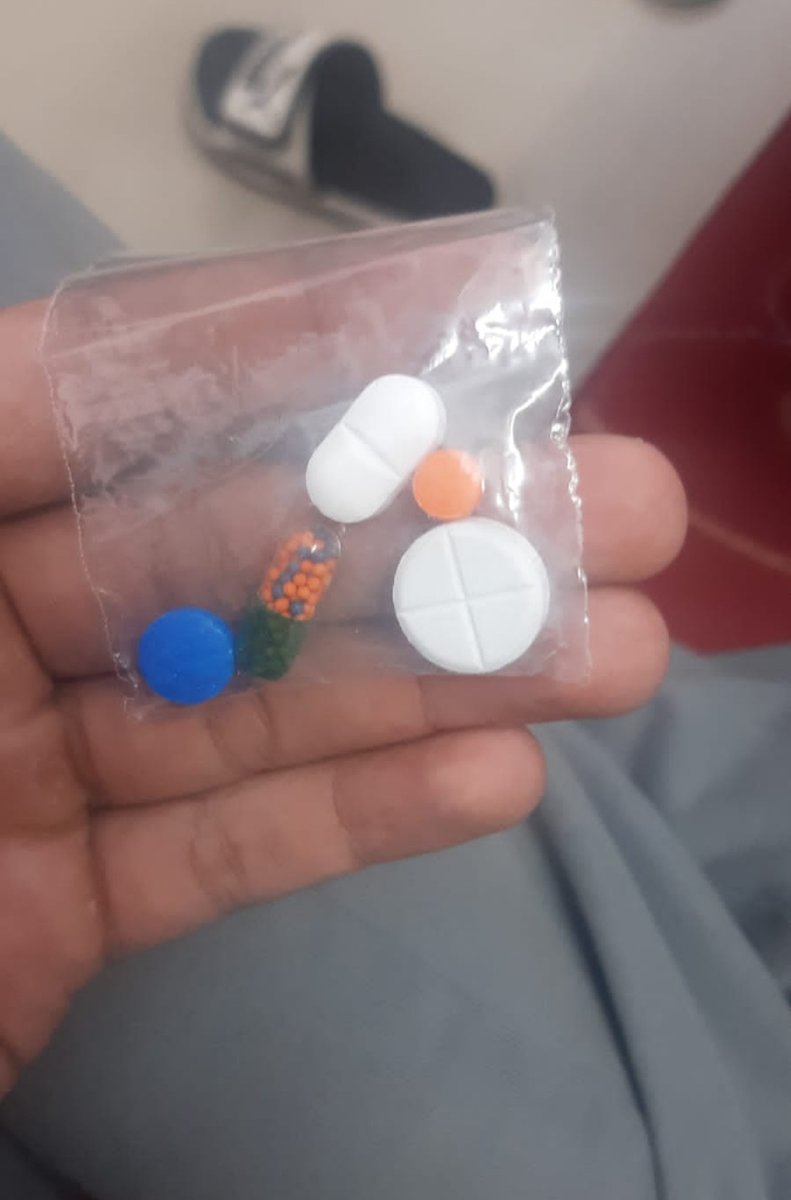
Today my brother was not feeling well so he went to a self proclaimed doctor near by and he gave him these tablets in a plastic wraper and just you think that this would be a far flung area but no its a prime location in New Delhi .

English

How does a man work so committed and so dedicated 24*7 *365 days is out of my understanding that too at this age is commendable and should be a matter of research irrespective of what political ideology you keep
Yesterday indonesia , today G20 and everywhere vibrant energy
Kudos
Narendra Modi@narendramodi
Had a very short but fruitful Indonesia visit, where I met ASEAN and other leaders. I thank President @jokowi, the Indonesian Government and people for their welcome.
English