Michael Bevan

2.2K posts

Michael Bevan banner
Michael Bevan

Michael Bevan

@michaelbevan565

Plant scientist working at the John Innes Centre, interested in genomics and growth control

Norwich, England Katılım Ağustos 2016
1.9K Takip Edilen822 Takipçiler
Michael Bevan retweetledi

Philip Carella
Philip Carella@Phil_Carella·
New opportunity to join our #EvoMPMI group @JohnInnesCentre as a Postdoctoral Researcher working in the mechanistic basis of immunity in diverse plants. Please spread the word, reach out by email, and/or apply if interested! More details here: jic.ac.uk/vacancies/post…
Philip Carella tweet media
English
2
57
85
8K
Richard Payne
Richard Payne@richardpayne94·
What a morning in TA4!
Richard Payne tweet media
English
2
2
25
674
Michael Bevan
Michael Bevan@michaelbevan565·
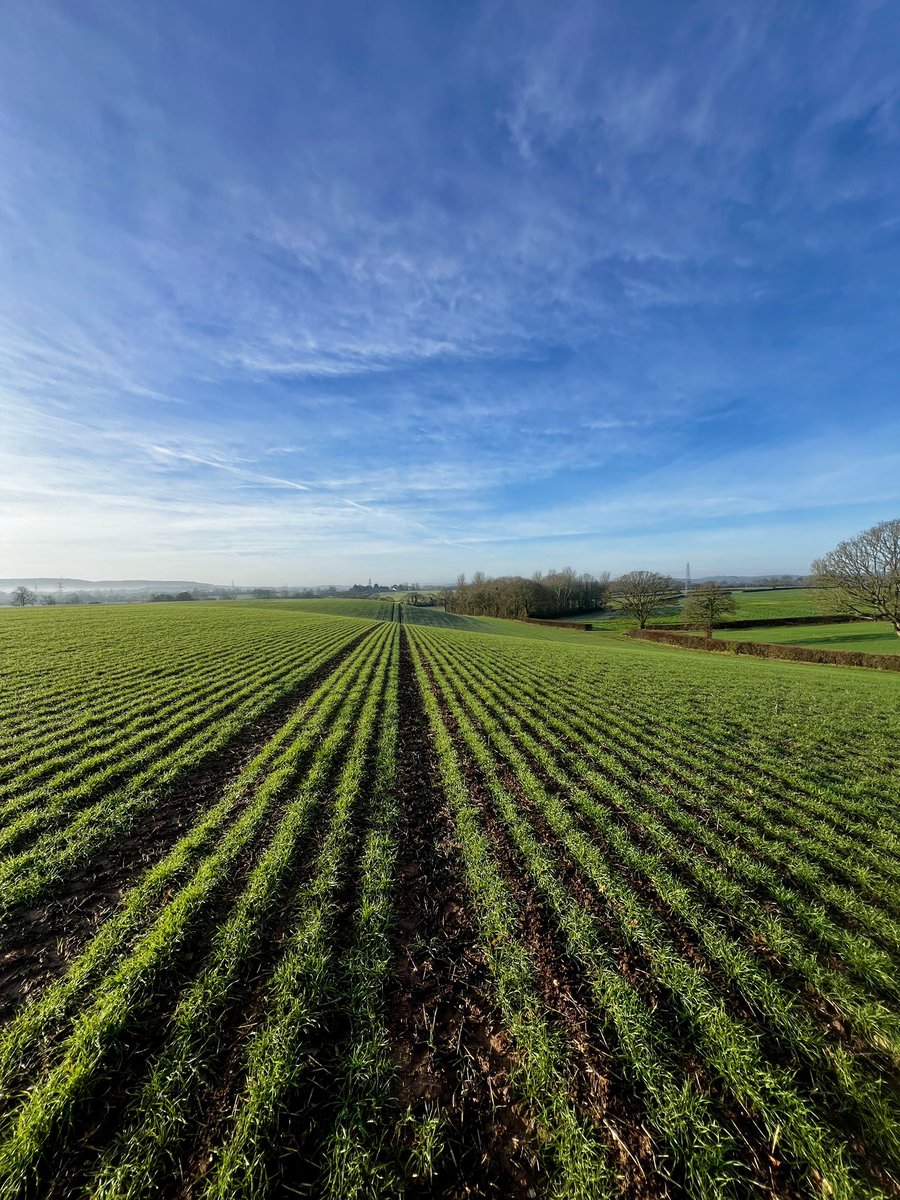
So how is it possible to apply fertilizer to a chalk stream irrigated system, whee presumably the run off returns to the stream?
Michael Bevan tweet media
English
0
0
0
122
Clive Lewis MP
Clive Lewis MP@labourlewis·
Today I voted in favour of the Terminally Ill Adults (End of Life) Bill, which has also been commonly referred to as the Assisted Dying Bill. It wasn’t a decision I took lightly. I know from speaking to many constituents and reading your messages that this is an issue people feel deeply and passionately about - on both sides. Let me be clear: this bill does not allow just anyone to end their life, nor does it open the door to coercion. It is tightly focused on people with a medically confirmed terminal illness and a prognosis of less than 6 months to live. This is not about choosing between life and death - it’s about having some choice in how we die. Death is something we will all face. This bill is about giving people facing the end a chance to meet it with dignity, on their terms. We’ve all heard painful stories of people enduring prolonged, agonising deaths - stories where even the best palliative care couldn’t prevent immense suffering. For many, palliative care is enough. But for some, it isn’t. This bill is for them. One of the most important reasons I supported this legislation is because, at present, only a privileged few have real options. If you have the money to travel to Switzerland, or the right connections to a willing medical professional, or a GP prepared - at personal legal risk - to quietly help ease your suffering, you may be able to exert some control over how you die. But most people don’t have those resources or those relationships. That’s not fair. Dignity at the end of life should not be a luxury. This bill, for the first time, aims to level the playing field - ensuring that everyone, regardless of wealth or circumstance, has the same chance to die with dignity, within a safe, regulated system. Of course, this bill includes important safeguards to prevent abuse. They may evolve over time - as all laws do - but I believe the protections in this legislation are robust and proportionate. I understand the concerns, especially from disabled people who fear a shift in how society values their lives. Those concerns deserve to be heard and respected. But this bill is not about disability, nor about despair or pressure to die. It is about clearly defined medical situations - terminal illness only - with strong oversight and consent procedures. I was particularly concerned about amendment 12 – which was voted down. It would have paved the way for the private sector to take over delivery. That would have undermined the entire principle of fairness by entrenching inequality in access. This cannot be a service for the wealthy alone. If we are to offer choice at the end of life, it must be through the NHS - a publicly accountable system, not a market-based one. Ultimately, I supported this bill because it offers dignity, compassion, and fairness. It gives those at the end of life - not the state, not clinicians, not families - the ability to make an informed choice about how they die. I know that many will disagree with my decision. I hope, at the very least, you understand the values and reasoning that led me to it.
Clive Lewis MP tweet media
English
473
45
487
46.5K
Michael Bevan retweetledi
Historic Vids
Historic Vids@historyinmemes·
Tawaiho, the Maori king of New Zealand, December 1897.
Historic Vids tweet media
English
172
814
10.4K
633.1K
Michael Bevan retweetledi
Royal Institution (now on Bluesky)
Who were the "scientific refugees" the UK couldn't help during the Second World War? Sir David Clary will share the tragic fates, or astounding survival experiences, of these erudite scholars. rigb.org/whats-on/lost-…
English
0
2
3
1.7K
Michael Bevan
Michael Bevan@michaelbevan565·
@Arnault_jlng @pilarcubas @simonmaechling Domestication and transformation ( generally using Agrobacterium ) are two very different processes. But I see what you are meaning and why - that domestication and breeding have had huge changes from progenitor species , and that GM methods can potentially do the same
English
0
0
1
48
JLA
JLA@Arnault_jlng·
@simonmaechling I'll repeat it endlessly , modern wheat is a good example of "natural" GMO
English
2
1
5
197
Simon Maechling
Simon Maechling@simonmaechling·
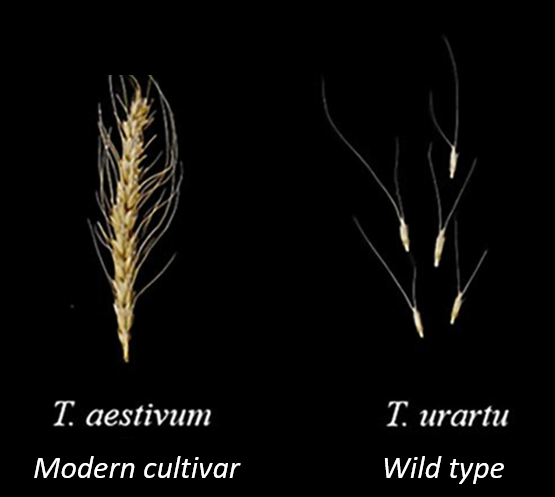
Do you only eat natural foods? Here is your wild type wheat. Wheat is not naturally occurring. It was domesticated ~10,000 years ago, and has since undergone a complex history of spread, adaptation, and selection.
Simon Maechling tweet media
English
9
27
72
3K
Richard Payne
Richard Payne@richardpayne94·
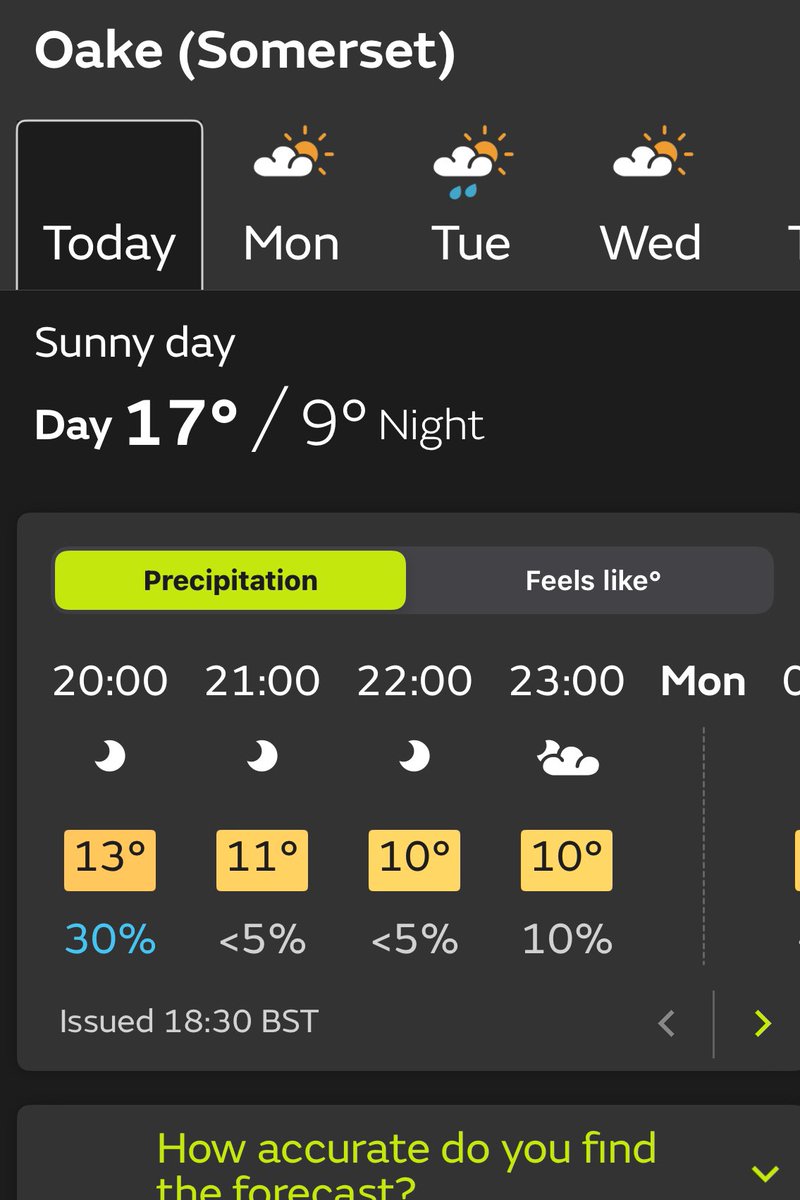
Yup, @metoffice on point again. It is absolutely hosing it down, about 21mm so far……….yet they say 30% ….. 🤦‍♂️😡
Richard Payne tweet media
English
5
1
9
3K
Michael Bevan retweetledi
Bryce Edwards
Bryce Edwards@bryce_edwards·
"Meet the new boss / Same as the old boss" - my Political Roundup about the new vested interests that the Lange and Douglas revolution installed in 1984 that are still on top in 2024: democracyproject.substack.com/p/40-years-ago…
Bryce Edwards tweet media
English
1
1
9
1.7K
Michael Bevan retweetledi
Ed Buckler
Ed Buckler@EdBuckler·
PlantCaduceus - Cross-species modeling of plant genomes Led by Jingjing Zhai and Aaron Gokaslan, with the Kuleshov lab, we’re having our “ChatGPT moment” with DNA Large Models. PlantCaduceus predicts functional DNA sequences with single base resolution across flowering plants.
English
1
21
38
3.6K