Sabitlenmiş Tweet

⛤Clara Suppengrün⛤ ♄⛧⚸☿☩☥
7.3K posts

@mithras776
View the world as a conspiracy run by a very closely-knit group of nearly omnipotent people, and think of those people as yourself and your friends!

Artık hakkımızı teslim almanın zamanı geliyor. Anadolu’nun, Boğazlar’ın ve İstanbul’un güvenliği için, Türkiye’nin egemenliğinin kesin güvende olması için, ADALET için, hukuka aykırı olacak silahlandırılan bu işgal altındaki topraklarımızı artık geri istiyoruz. Hazırlık vakti.

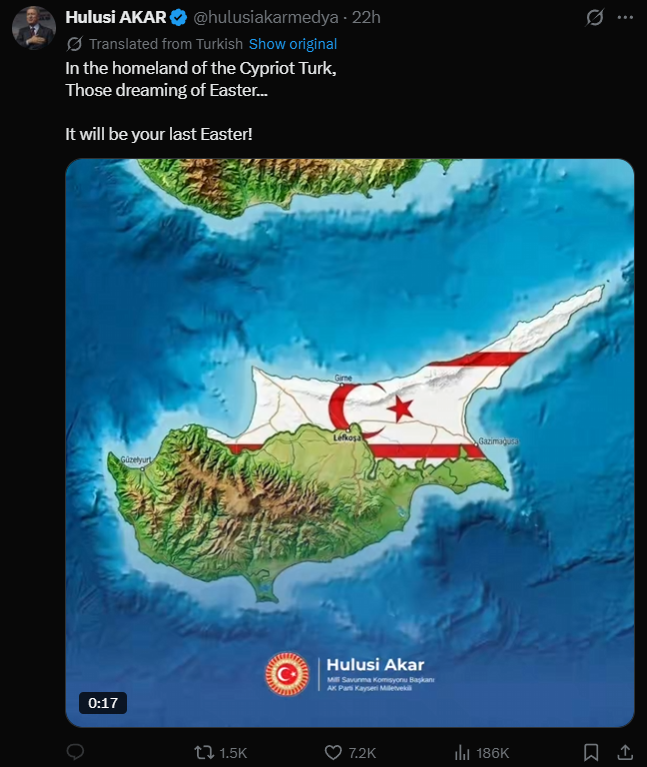
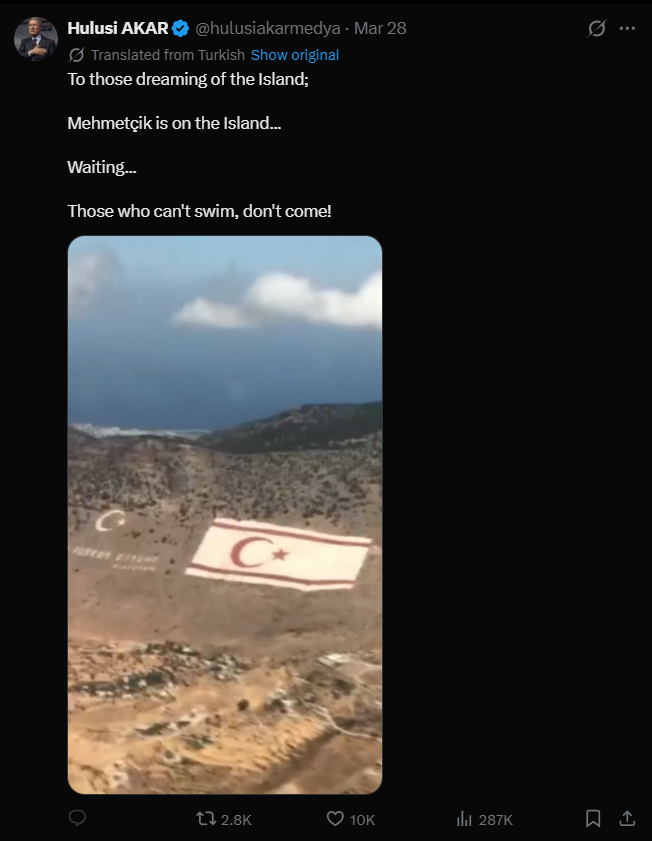
Kıbrıs Türkü’nün vatanında, Paskalya hayali kuranlar… Son paskalyanız olur !

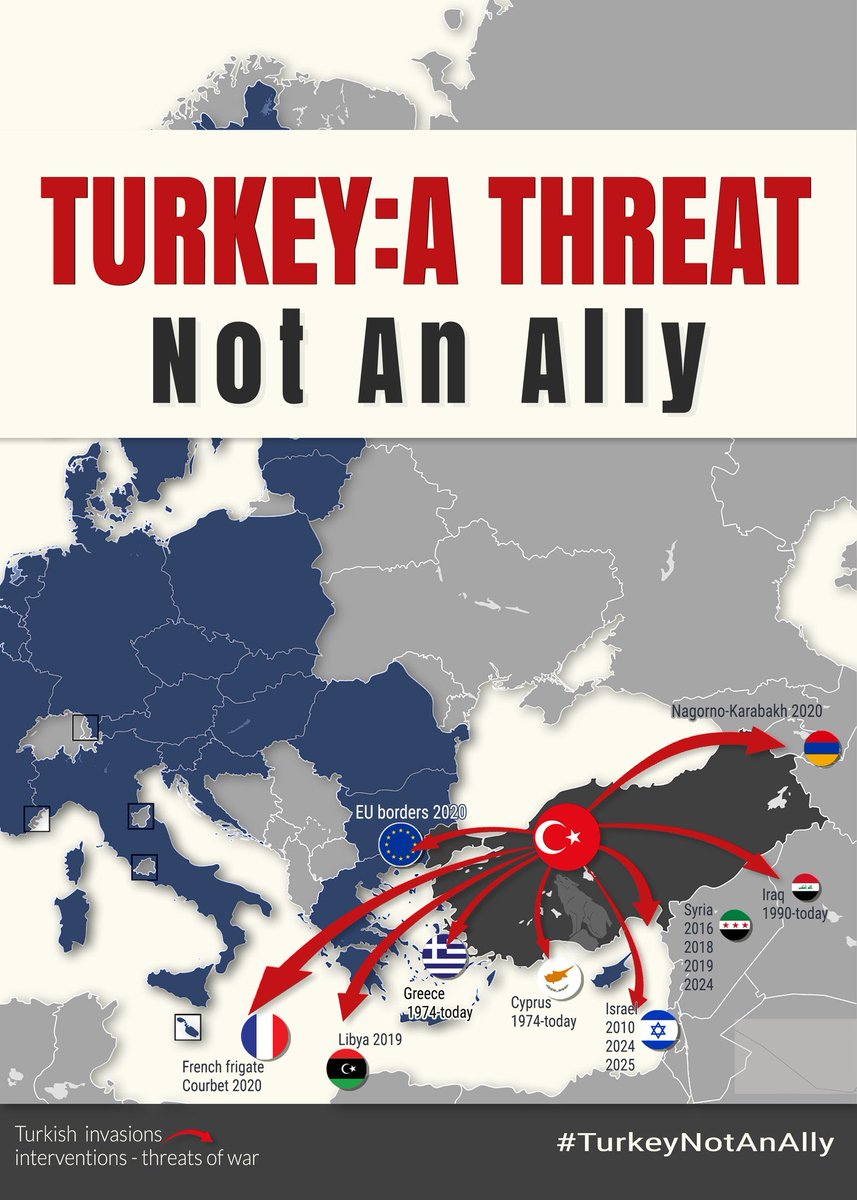
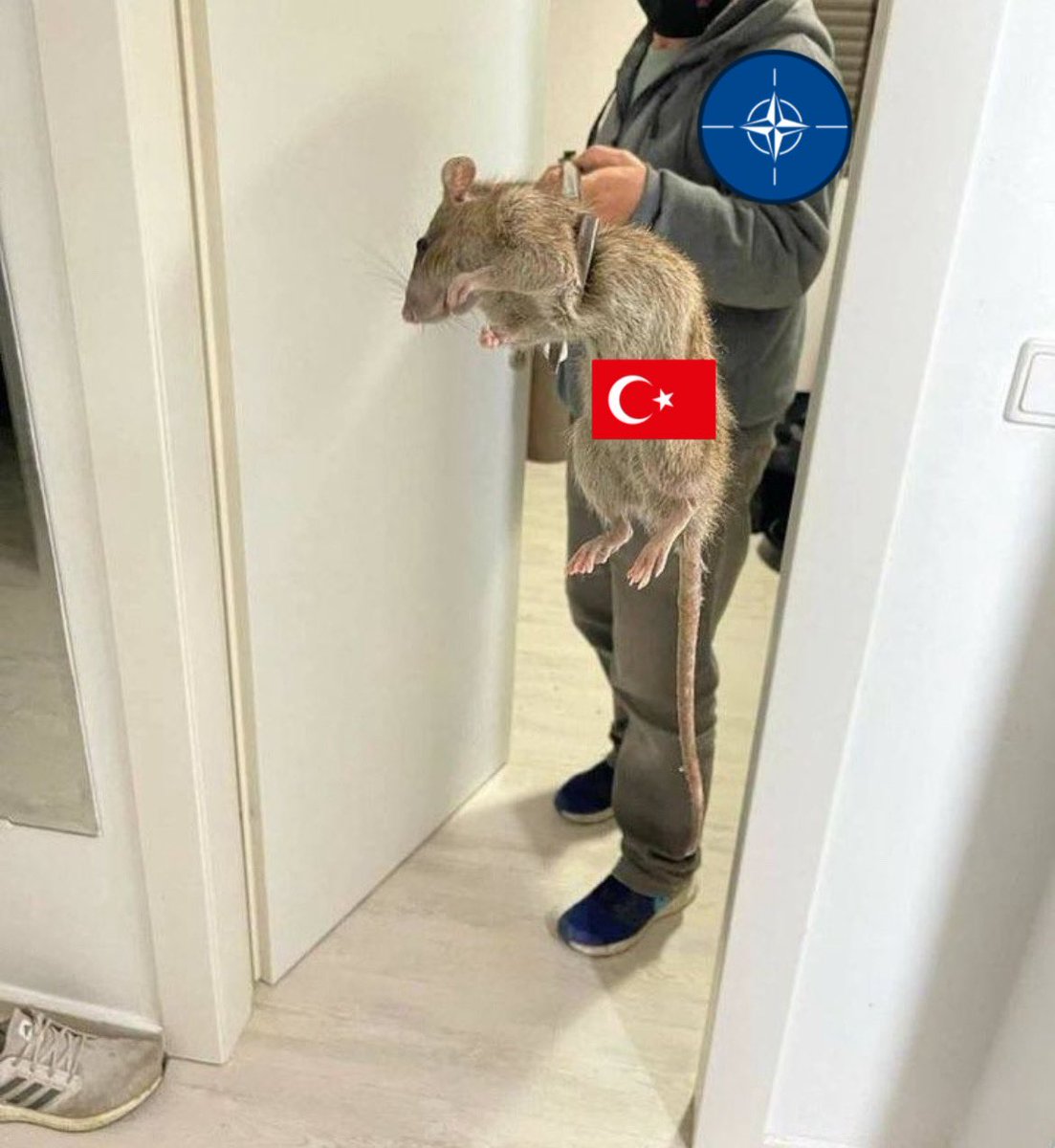
Opinion: Continuing to label Turkey as a reliable NATO ally is dangerous, as Ankara’s ambitions erode the very alliance structures that have long sustained Western security. jpost.com/opinion/articl…

I am ancient Greek Are you, really? Let's find out what your DNA says
I am ancient Greek Are you, really? Let's find out what your DNA says



Whoever let this happen is downright evil
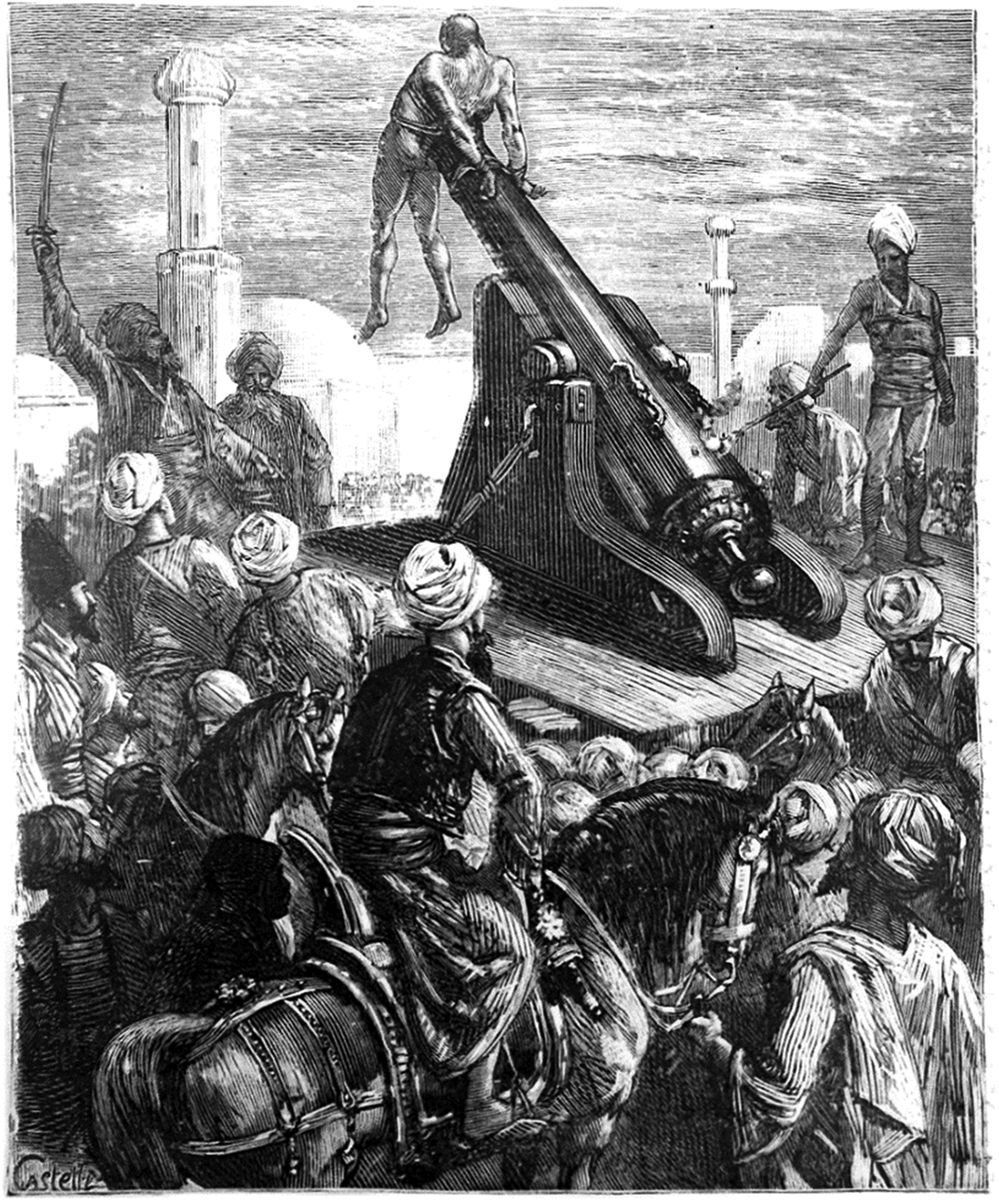
In 1822, Muslim Turks captured two Greek Christian women in Naousa. They smeared them with honey on the head and tied them exposed, so as to receive the stings of wasps and of passersby. The wife of Zafeirakis was then built into the wall up to the neck in the church of Hagia Sophia in Thessaloniki. She was left there for days for the entertainment of the wild mob that went there cursing and hitting her head with sticks as it protruded from the wall. She did not back down for a moment, strengthened until her last breath by prayer, and she never abandoned her Christian faith. Her martyrdom lasted five days. A passing gypsy woman, to hasten her end, threw a large stone at her, and thus the blessed one delivered her heroic soul into the hands of God, Whom she did not deny. The lifeless bodies of all these holy women ended up in the sea. The other woman, Maria, refused to change her faith, and for this Ebub Lubut enclosed her in a sack with deadly snakes, where she was martyred. The historian Eustathios Stougiannakis writes: "The acute venom diffused into the veins of the martyr from the bites, however, killed her in sweet lethargy, praying until the last moment for her executioners and invoking the Most High and the Virgin." And Pouqueville describes in the darkest colors to the civilized world the dramatic scenes he saw with his own eyes there: "Many women naked were put up to the neck in sacks with cats, snakes, and mice…"


During the first months of the 1821 Greek Revolution, dozens of Greek civilians, men and women, were impaled in Constantinople as part of the general massacre carried out in retaliation. The German Johann W.A. Streit, who was working in Constantinople at the time, describes the massacre and the impalements in detail in a book he wrote in 1822: "Meanwhile, other Turks were fixing many iron spits into the ground.. There were about eighty spits. They stripped the Greeks, around 65 of them, young, old, women, and surrounded them with drawn swords, in front of the spits.. Two villains would seize a Greek man or woman, lift them high, and slam them down with force onto the sharp, pointed iron stake, so that the tip passed through the entrails and reached the chest. They impaled forty-four in this way. Thus transfixed, they writhed like beetles that children pierce with a needle for amusement. A howl of mortal agony rose to the heavens. It lasted about an hour, then faded, and their heads lolled to the side." Torture by hanging and impalement was so common during this period that the phrase became proverbial among our people: "He is a man of the rope and the stake!" The Frenchman Jean Antoine Guer, in his 1774 book "Customs and Habits of the Turks", describes impalement in the Ottoman Empire. Impalement was used as a method of exemplary execution of Greek Christian prisoners. In Patras, the Muslim Turks arrested a father and son and, after skewering them, lit a fire and forced the other prisoners to roast them like lambs. Ali Pasha was even more inventive in this regard: he slow-roasted his victims, thinning out the coals beneath them in order to prolong the torment and his own amusement, as well as that of his staff. In many cases, when he impaled Greek Christians, he forced relatives to torture and kill their own family members in order to avoid being impaled and roasted themselves. The impalement of Greeks in Patras in April 1821 is mentioned by François Pouqueville, drawing from the diary of his brother Hugues, who was present at the events: "Headless corpses, severed limbs scattered here and there... Soldiers drag women and children by the hair. In a ditch, impaled Greeks were breathing their last." The impalement of two Greeks in Patras during the same days is also reported by the Turkophile English consul Philip Green. He also states that many Ionian Greeks captured in the Battle of Lala were impaled by the Turks and Albanians, while a sack full of noses and ears was sent to the Sultan as a trophy. The newspaper "Ellinika Chronika", printed in besieged Missolonghi, reports the impalement of certain Greek civilians on 8 December 1825: "On the 8th of the same month [December]. In front of the enemy gun emplacements we saw today a priest, two women, and some men and boys impaled, whom the most savage and merciless barbarians had captured and condemned to such a cruel death, and they set them up in front of their gun emplacements as trophies of their inhumanity... In an enemy raid carried out around that time in the province of Venetiko, the Turks captured some women and children, who were brought to the enemy camp and condemned by the Arch-barbarian to such a loathsome death." The Dutch consul in Chios in 1822 describes the impalement of two Greeks during the Massacre of Chios. One of them, named Giakoumakis or Salonikios, was the vice-consul of Denmark and had openly declared his support for the revolutionaries. The Turks broke into his house, where he had raised the Danish flag, and led him along with other Greeks to the castle of Chios, where the pasha ordered him to be impaled. The impalement took place in the square of Vounaki using a church candelabrum, which emerged from his left shoulder. His agony lasted two days.