

KnoxvegasMike
37K posts

KnoxvegasMike
@mlittle101
UT Volunteer sports fan; Engineer; Lover of dogs, movies and cars.
Knoxville, TN Katılım Mayıs 2010
457 Takip Edilen2.6K Takipçiler

You don’t hate transgirls.. You hate that you weren’t invited🤗

English


One of my first memories. I was three, wondering what the big deal everyone was enthralled about as I navigated through the sea of legs crowding around the TV.
Fusilli Spock@awstar11
I found this photo in my dad's files when he passed.
English


I need a boyfriend so bad… 💔
But nobody wants to date a trans girl seriously 🏳️⚧️

English

@oldtoons_ Mark Thackeray played by Sidney Poitier in TO SIR, WITH LOVE.
English

KnoxvegasMike retweetledi

It’s so simple, only a complete moron, or TDS leftist, could possibly misunderstand it. A simple understanding of language, punctuation, and sentence structure helps too.
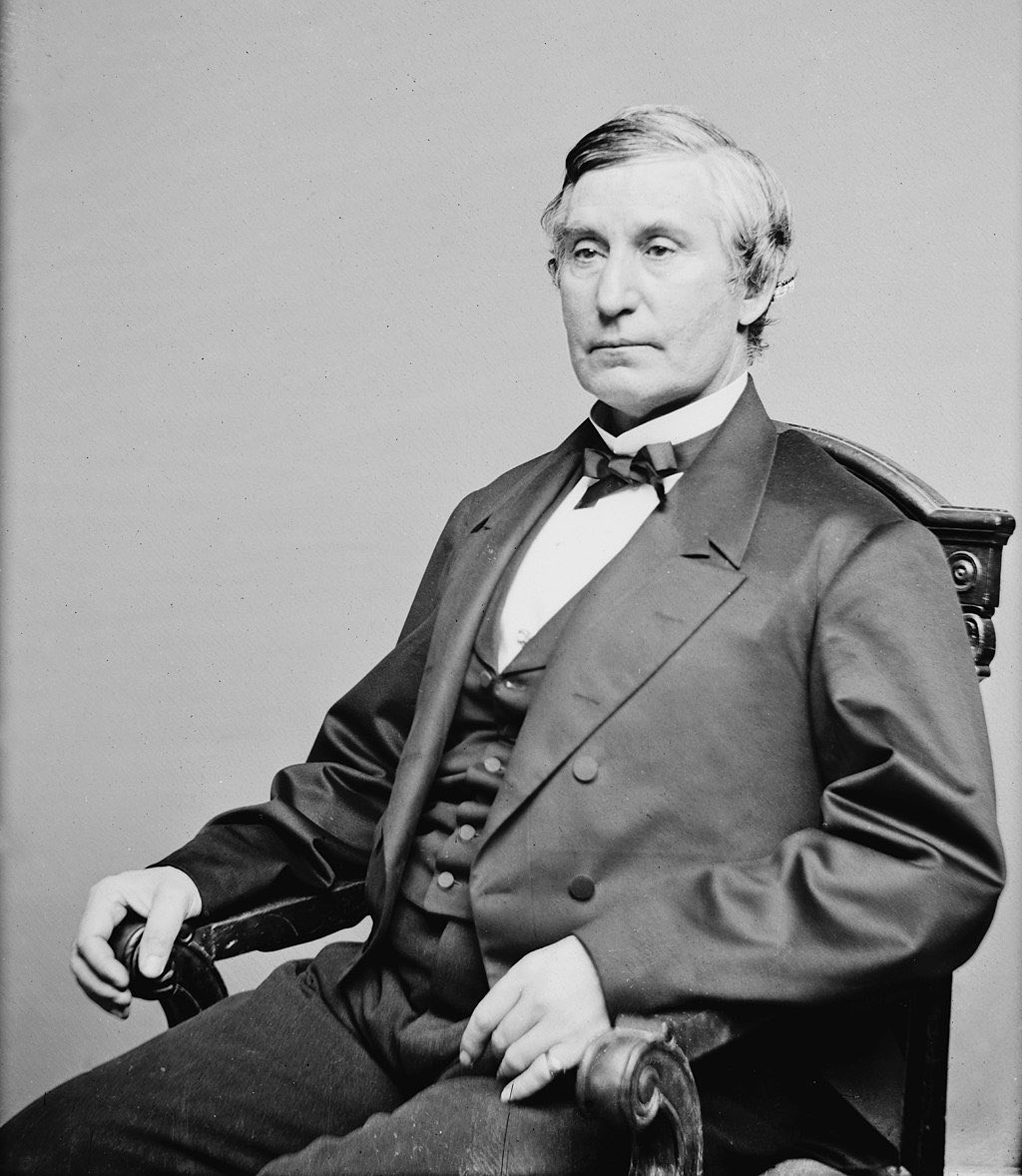
Senator Jacob Howard of Michigan introduced the 14th amendment and said this:
"This amendment which I have offered, is simply declaratory of what I regard as the law of the land already, that every person born within the limits of the United States, and subject to their jurisdiction, is by virtue of natural law and national law a citizen of the United States. This will not, of course, include persons born in the United States who are foreigners, aliens, who belong to the families of ambassadors or foreign ministers accredited to the Government of the United States, but will include every other class of persons."
English




Qui veux que je le régale en message privé... ? ❤️
Ton autorisation 👇

Français


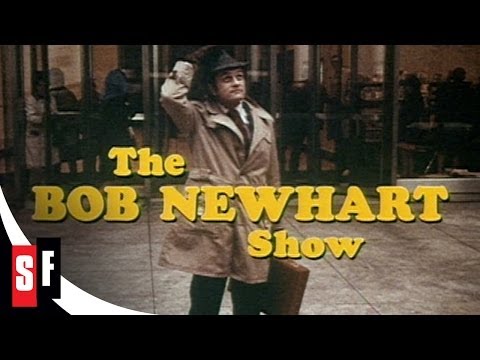

Name a great television theme song. I’ll start:
English
English
GIF
English


In recent months, thousands of immigrants living legally in the U.S. and waiting for rulings on their asylum claims were suddenly ordered deported to countries where most have no ties.
abcnews.link/dyMnOUq
English
KnoxvegasMike retweetledi

A little history on the 14th Amendment and the "birthright citizenship" clause.
I'm reminded that a lot of people do not know the process involved in bringing an amendment from concept to to ratification and law, or why that process matters.
Jacob Howard (Senate) and John Bingham (House) were the two guys that drafted and presented the proposed amendment to Congress.
Once submitted, there is debate. Members of Congress express concerns, propose changes, and so on. These debates are recorded for posterity to look back upon to better understand what the legislation is intended to do.
Then, once Congress passes it and presents it to the States, there is the Ratification Process in which each State can debate and present their concerns.
This leaves us with a tremendous record of why specific words and phrases were chosen and what the intent was. It informs the voters on exactly what the law means, straight from the framers of it, so that there is no confusion.
This is why originalism is preferred to textualism. The law can only mean what it meant when it was adopted. Altering the meaning and intent of the law is altering the law itself and subverts the legislative process. Courts do not have that power. Sadly, that hasn't stopped courts from usurping that power.
In the Ratification process, the very questions being argued before SCOTUS today, were addressed unequivocally.
When asked if the amendment applies to foreigners, the framers themselves had this to say, explicitly:
Howard said:
“This amendment… declares that all persons born in the United States, and subject to the jurisdiction thereof, are citizens…”
Then he immediately defines the limitation:
“This will not, of course, include persons born in the United States who are foreigners, aliens, who belong to the families of ambassadors or foreign ministers…”
That is the understanding of the law as it was ratified. That is what We The People voted to enact.
Furthermore, they went even deeper on what "subject to the jurisdiction" explicitly meant:
Howard described jurisdiction as:
“Full and complete jurisdiction… not owing allegiance to anybody else.”
Allegiance. That was the crux of the debate and understanding.
For those born here from citizens of another Nation:
“They are subject to the jurisdiction of the United States in a certain sense, but not in the full and complete sense.” - Howard
Full and complete.
That's what makes someone subject to the jurisdiction.
“Subject to the jurisdiction thereof” means
“not owing allegiance to anybody else.” - Senator Lyman Trumbull at the ratification debates
They explicitly rejected absolute jus soli (citizenship by soil alone).
In the case of United States v. Wong Kim Ark., the court applied the English Common law standard of jus soli, flagarently against Congress's explicit rejection of it during ratification. The court rejected originalism in favor of textualism. As a result, this Nation ended up with a very different legal structure than the Constitution created.
The bottom line is that the 14th Amendment did not establish birthright citizenship. It ensured that due process and the rights and privileges in the States are preserved.
If you listen to the oral arguments before the court today, I expect that you'll see this argument put forth.
Allegiance, not presence, determines citizenship.
English
@SarahWorkx You are beautiful and apparently as emotional as my stereotypical perception of Russians.
English

