SwornToAvenge
3.7K posts
SwornToAvenge
@mnma24
Here to see things through a different lens.
Annapolis, MD Katılım Aralık 2015
1.1K Takip Edilen187 Takipçiler



There are between 1 and 1,000 tickets in here. Drop your best guess.
English

Announced at GeForce On: Here’s your chance to WIN this FREE PC featuring a GeForce RTX 5080 Founders Edition, inspired by Season 2 of Marvel Television's Daredevil: Born Again, now streaming on Disney+.
Want it? Tell us your favorite Daredevil: Born Again moment to enter!
English
@BrockRiddickIFB @TradeIdeas How do you know so much about space?
Flares burn underwater.
English


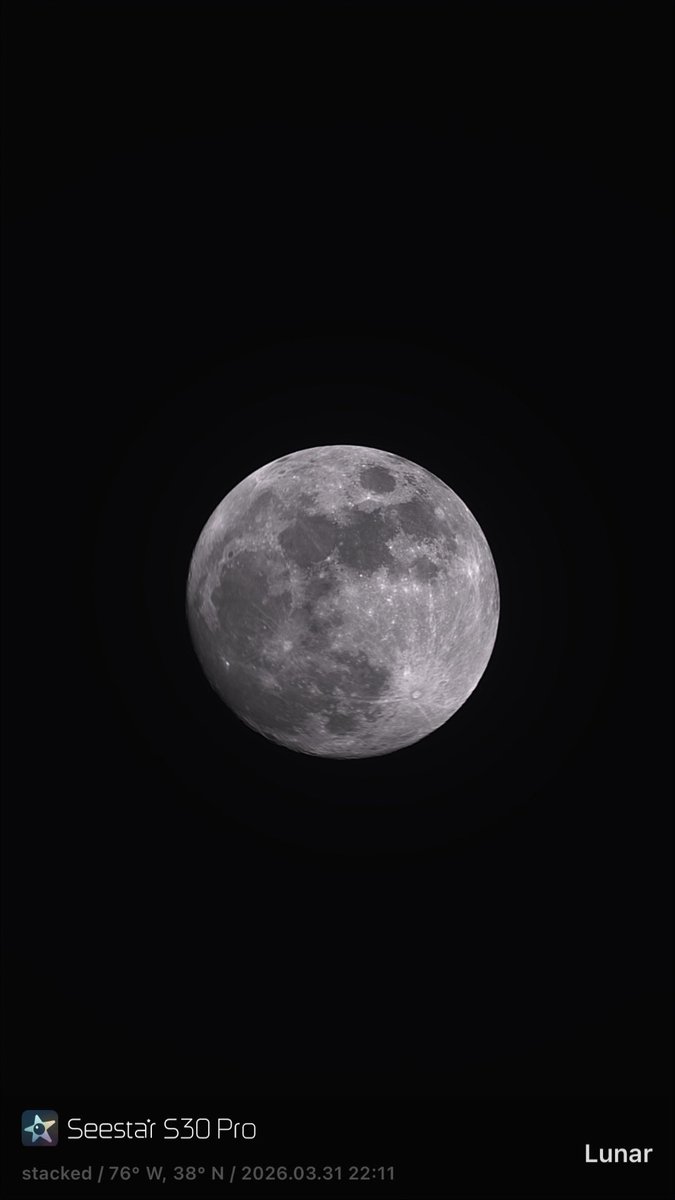


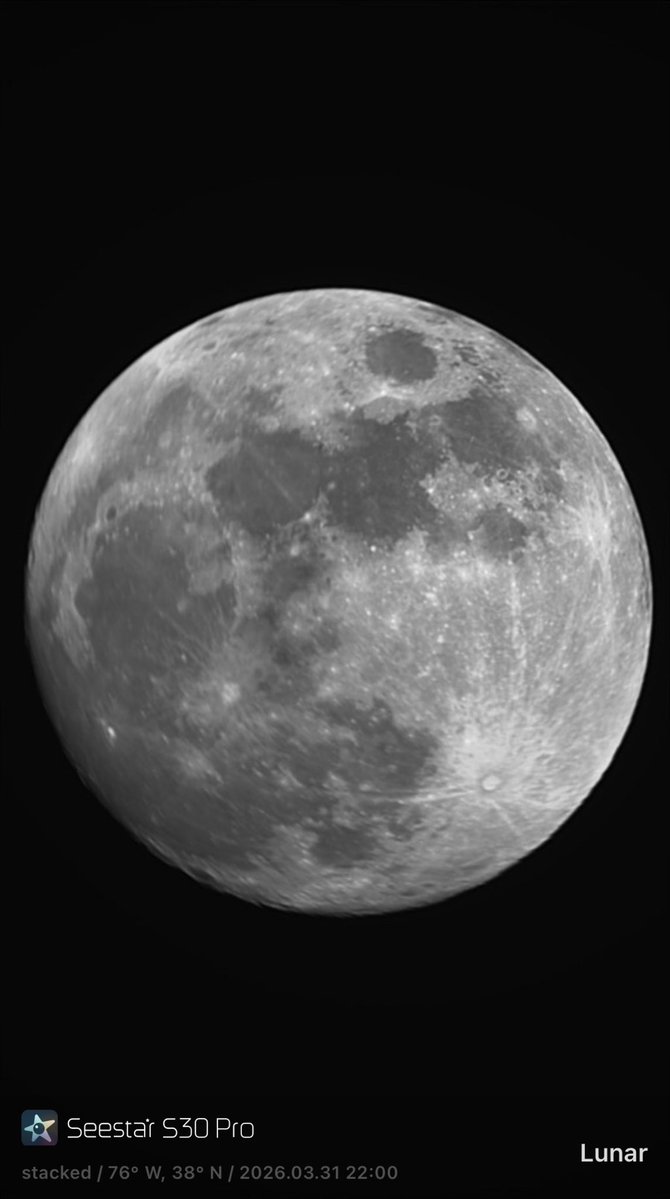


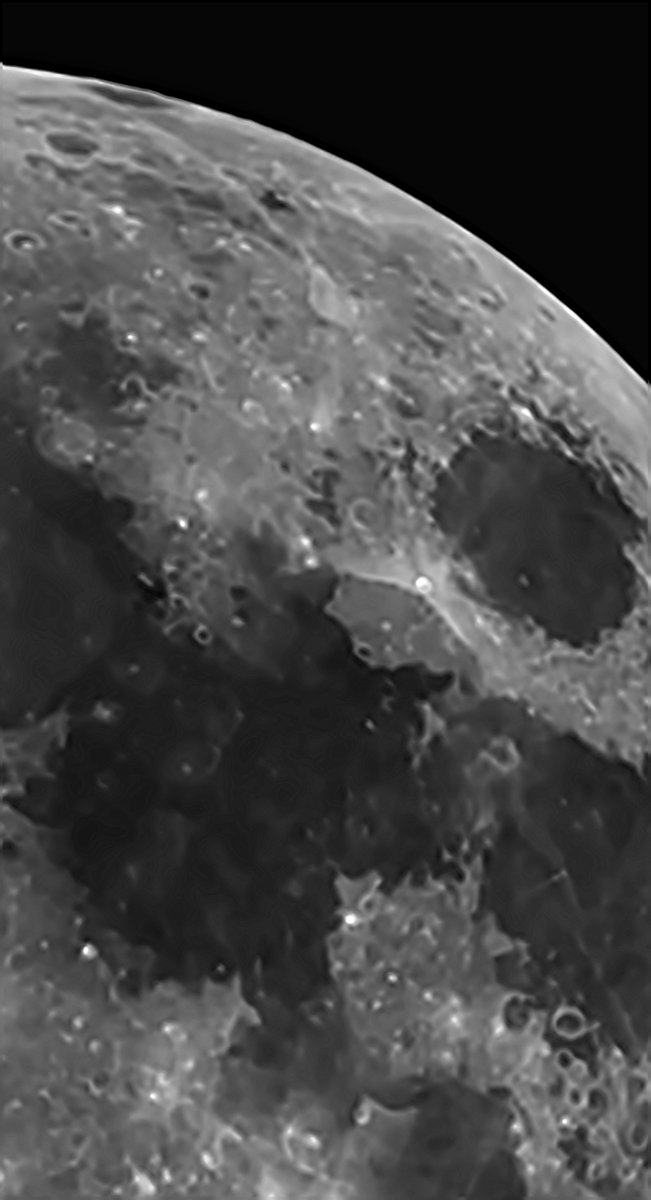
Ich konnte jetzt doch noch ein schärferes Bild aus einem Video mit Seestar S50 hinbekommen. Ich freu mich auf Euch und klaren Himmel mit der P1000!😄
Deutsch

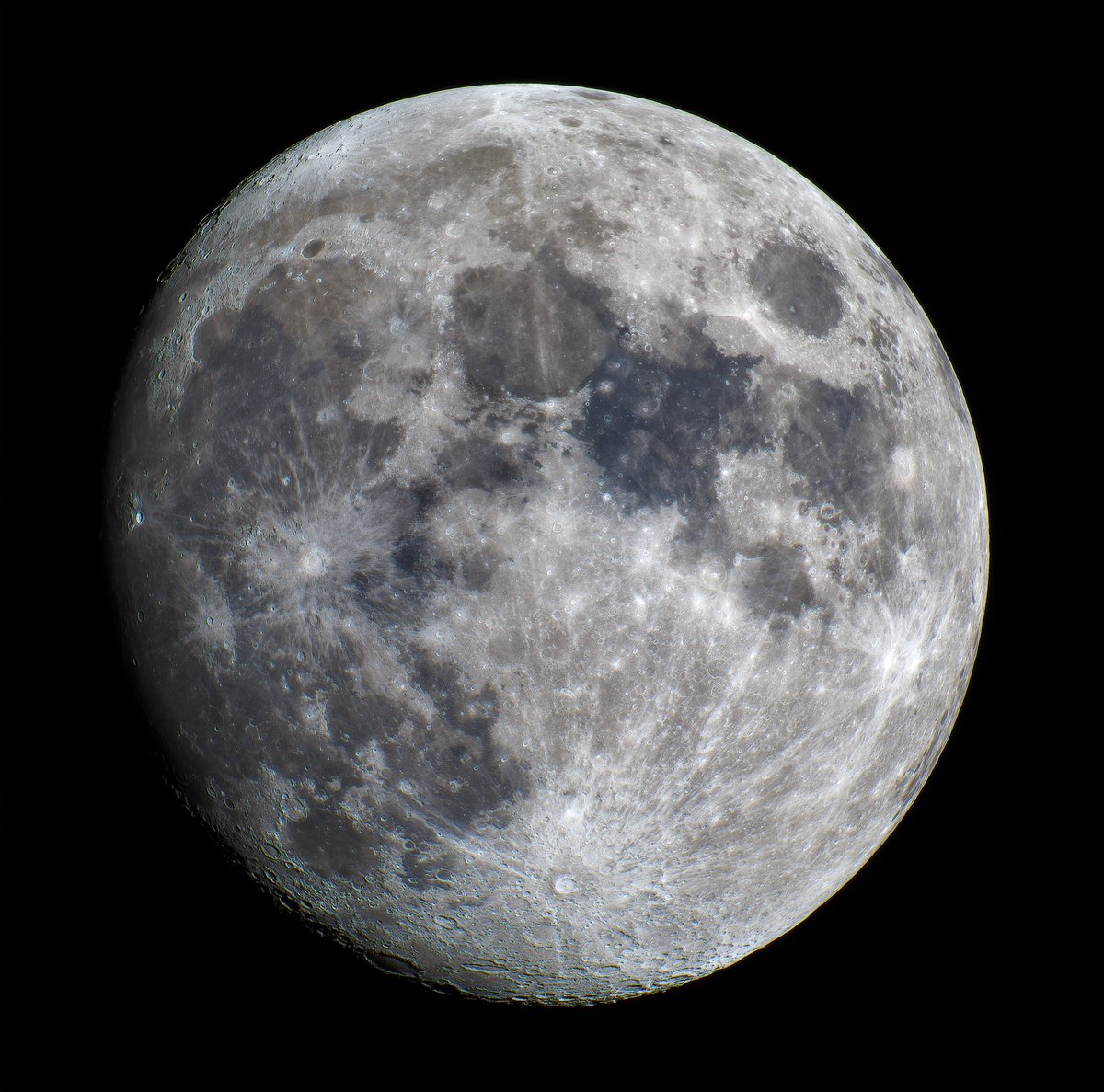
Monday night's Moon at 95%. William Optics GT71, X2.5 Televue PowerMate, Player One Saturn C, iOptron SkyGuider Pro tracker. @MoonHourSocial #astronomy #astrophotography
English
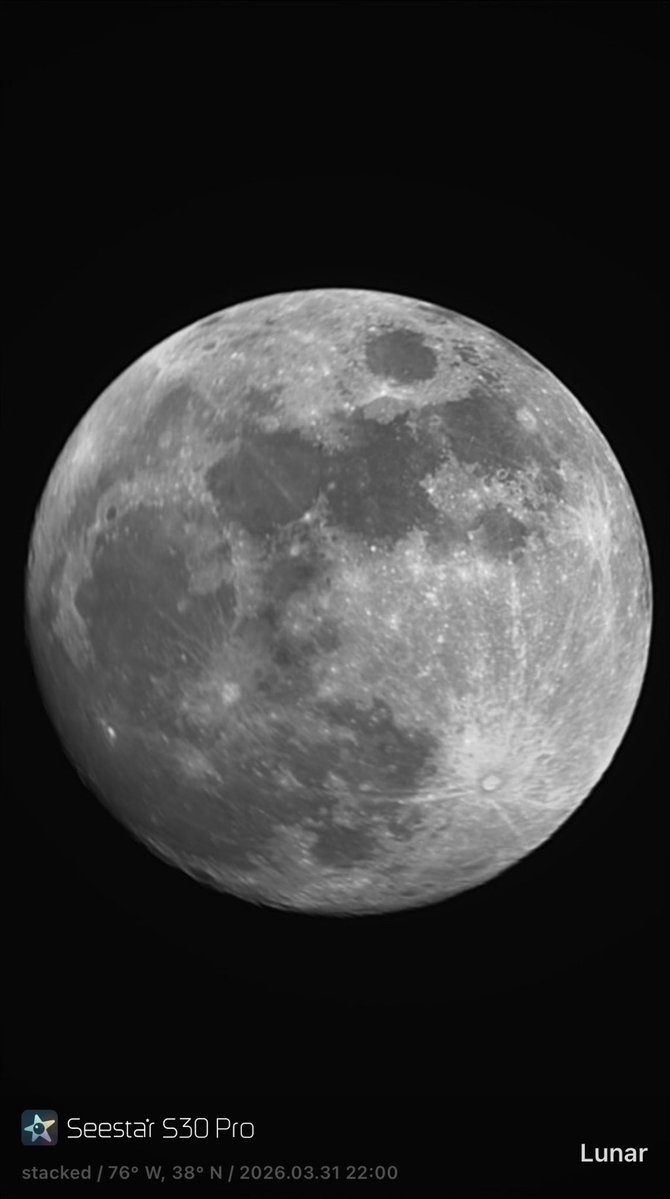
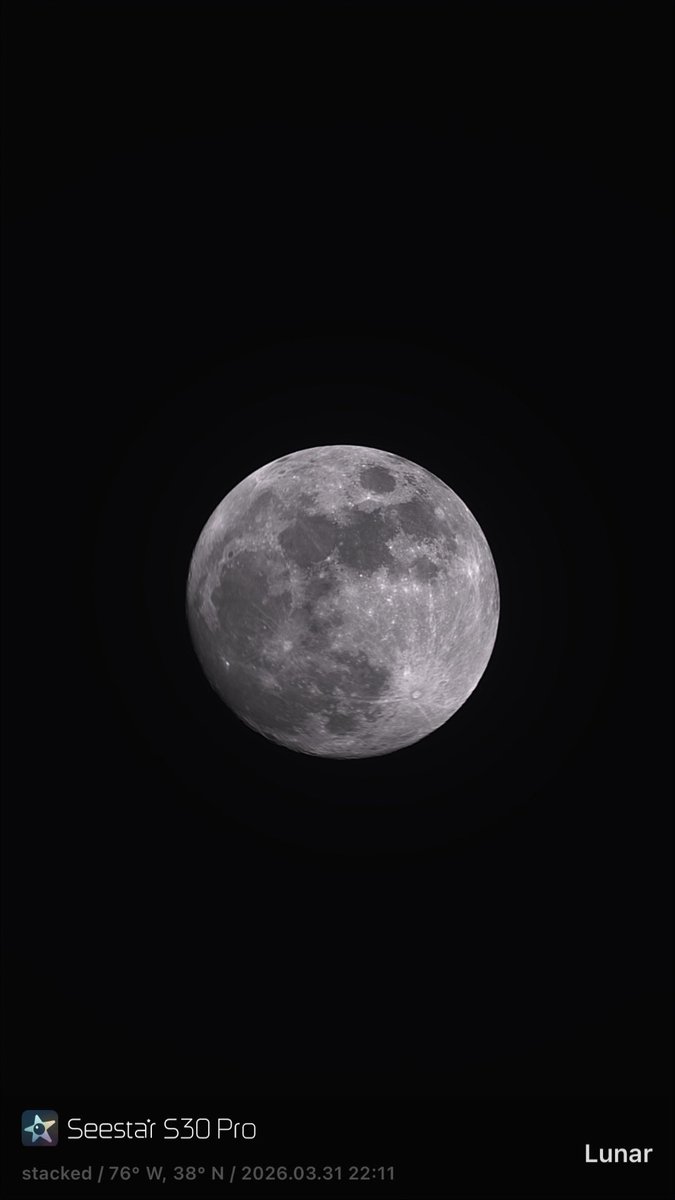

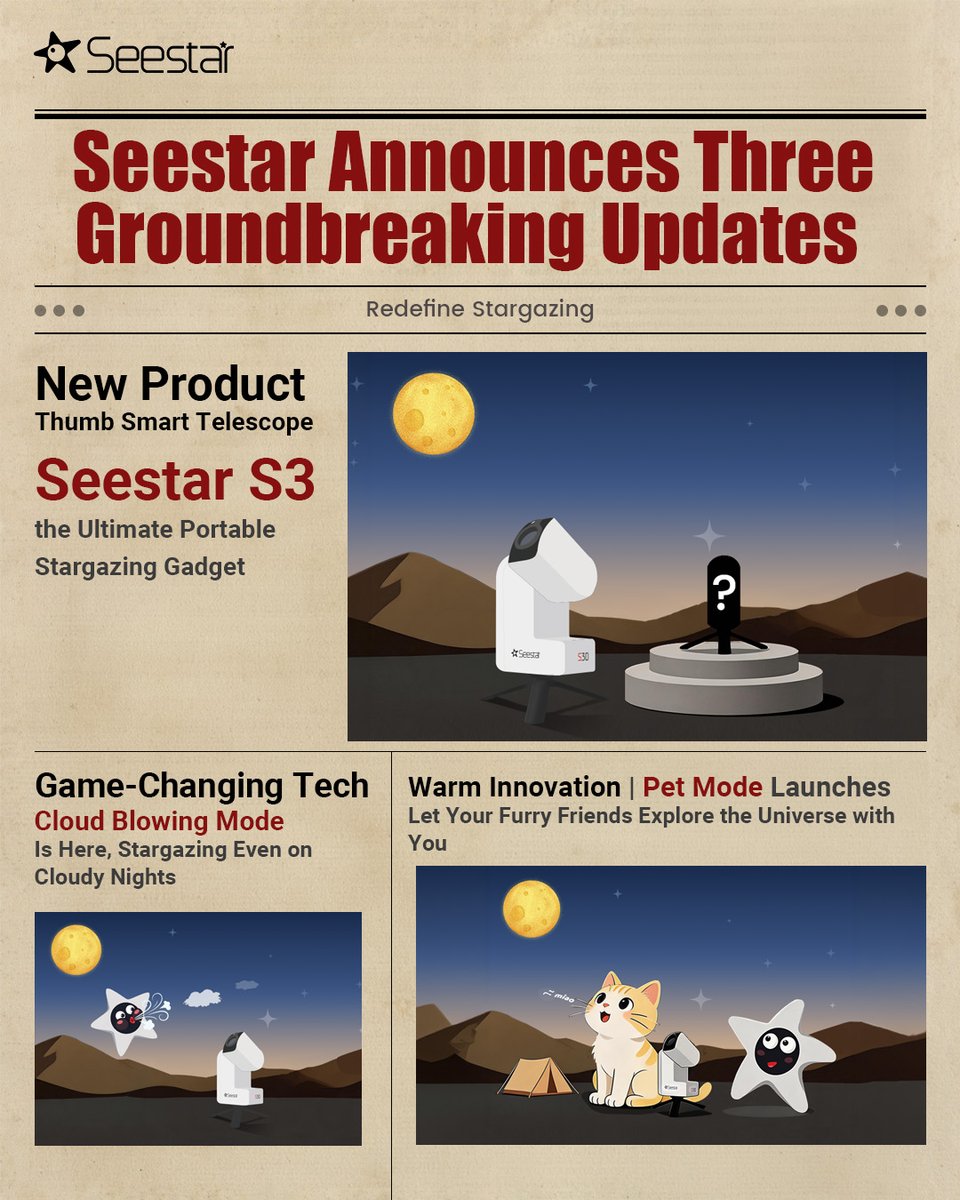
📷 A New Revolution in Astrophotography!
Seestar is thrilled to announce three groundbreaking updates that will completely redefine stargazing:
📷 New Product | Thumb Smart Telescope Seestar S3
Meet the Seestar S3: thumb-sized, pocket-ready, and possibly the world’s tiniest smart telescope. Stargazing has never been this portable—or this fun!
📷 Game-Changing Tech | Cloud Blowing Mode
Clouds? Fog? Gone. One tap and Seestar clears the skies for you. Stargazing on a rainy night? Child’s play.
📷 Warm Innovation | Pet Mode
Why should humans have all the fun? Pet Mode responds to your furry friend’s barks or meows and automatically points to a celestial target—so your dog or cat can finally explore the cosmos too.
Seestar: bringing the universe… and your pets… closer than ever.
Which update is your favorite? 📷
#Seestar #Astrophotography #SmartTelescope #StargazingAnywhere #AprilFools
English


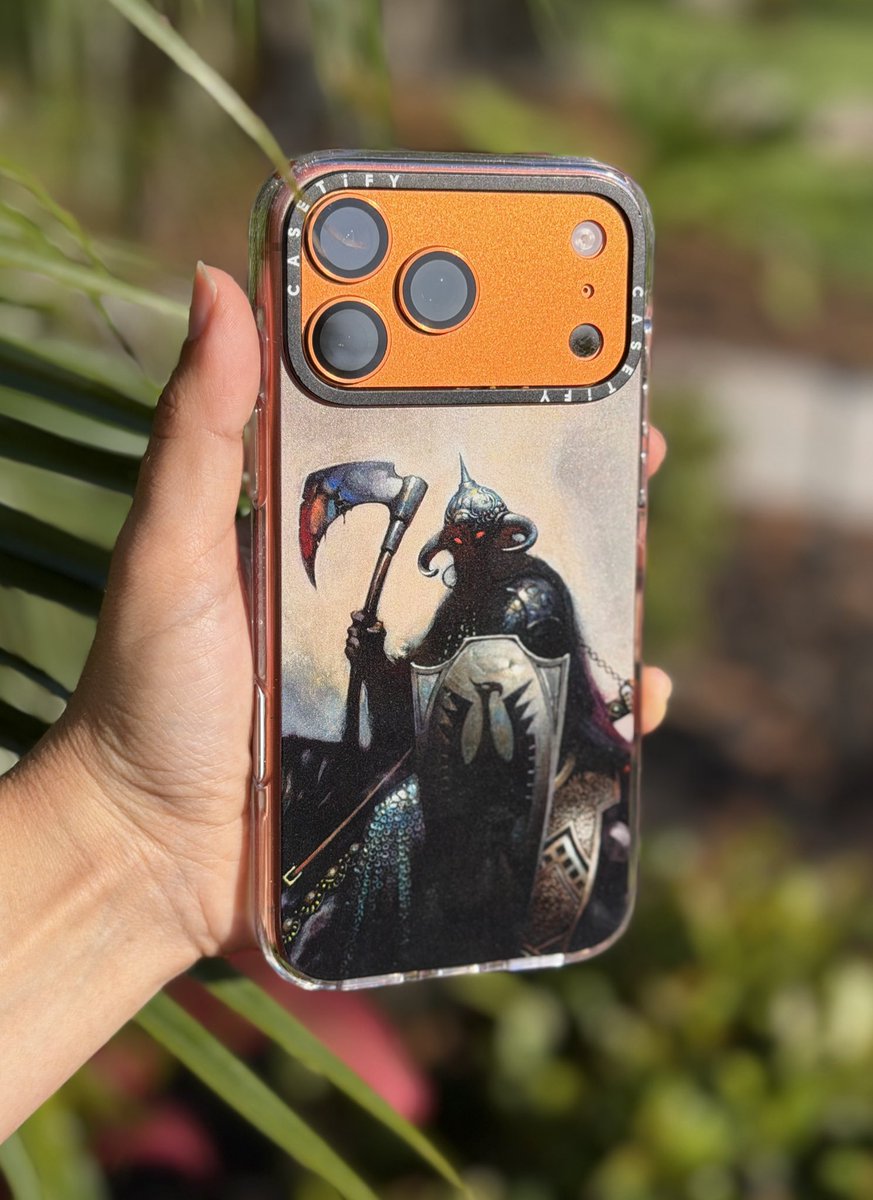

Gentlemen, what's keeping you from dressing like this?

English


This building in New York reminds me so much of Andor


English
MY NEW HELMET SHELF!!! What do we think??

English
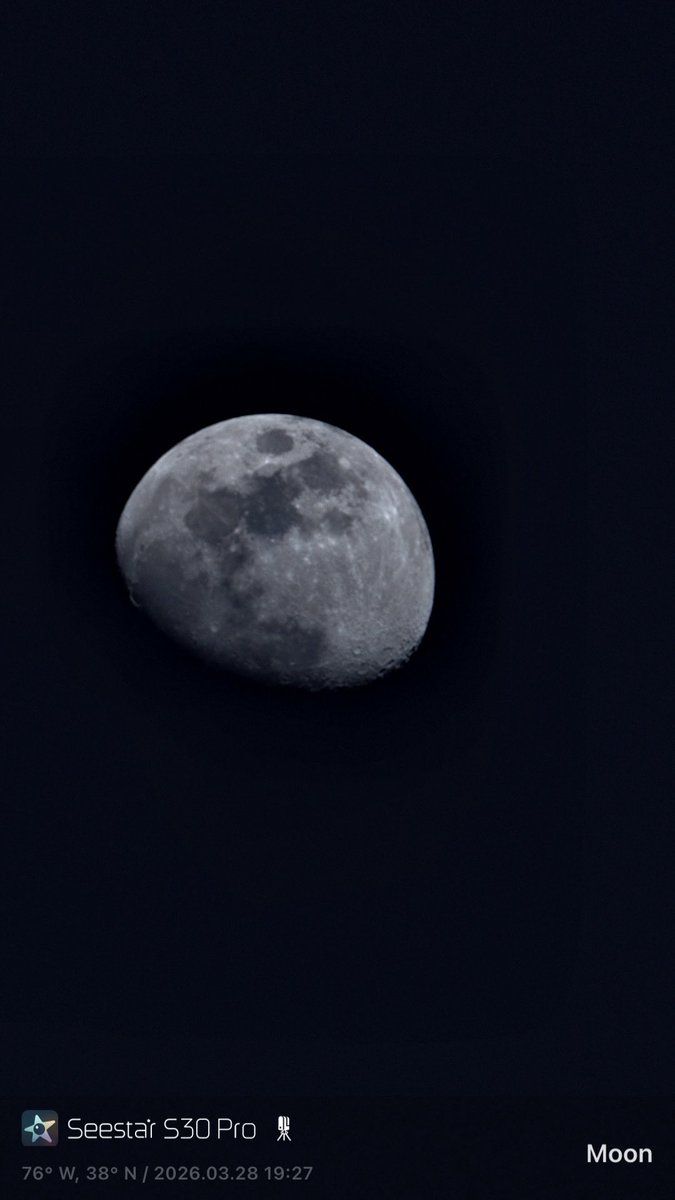
@CosmosconBlog Nice! Until I get a new laptop I’m relying on the Seestar S30 Pro to process fo me.



English

Do you ever wonder what the workflow is for some of the astrophotography images you see here?
I'm still an amateur at this and my workflow is still improving every day but here is an example of what I do to generate a final image that I share on social media.
First off, the data in this example (M42 Orion Nebula) that generated these images consisted of about 90 minutes of total exposure time with my 85mm refractor telescope and Canon DSLR. Once I downloaded the 180 pics from that data set to my computer, here is what it looked like during each major milestone in the workflow.
The attached short video shows 6 images:
1 - After stacking, aligning and calibrating with Bias, Dark and Flat frames.
2 - After Background Extraction (removing light pollution, etc.)
3 - After Color Calibration
4 - After Noise Reduction
5 - After Generalized Hyperbolic Stretching (accentuating the nebula image)
6 - After some final tweaking!
Hope you enjoy!
English

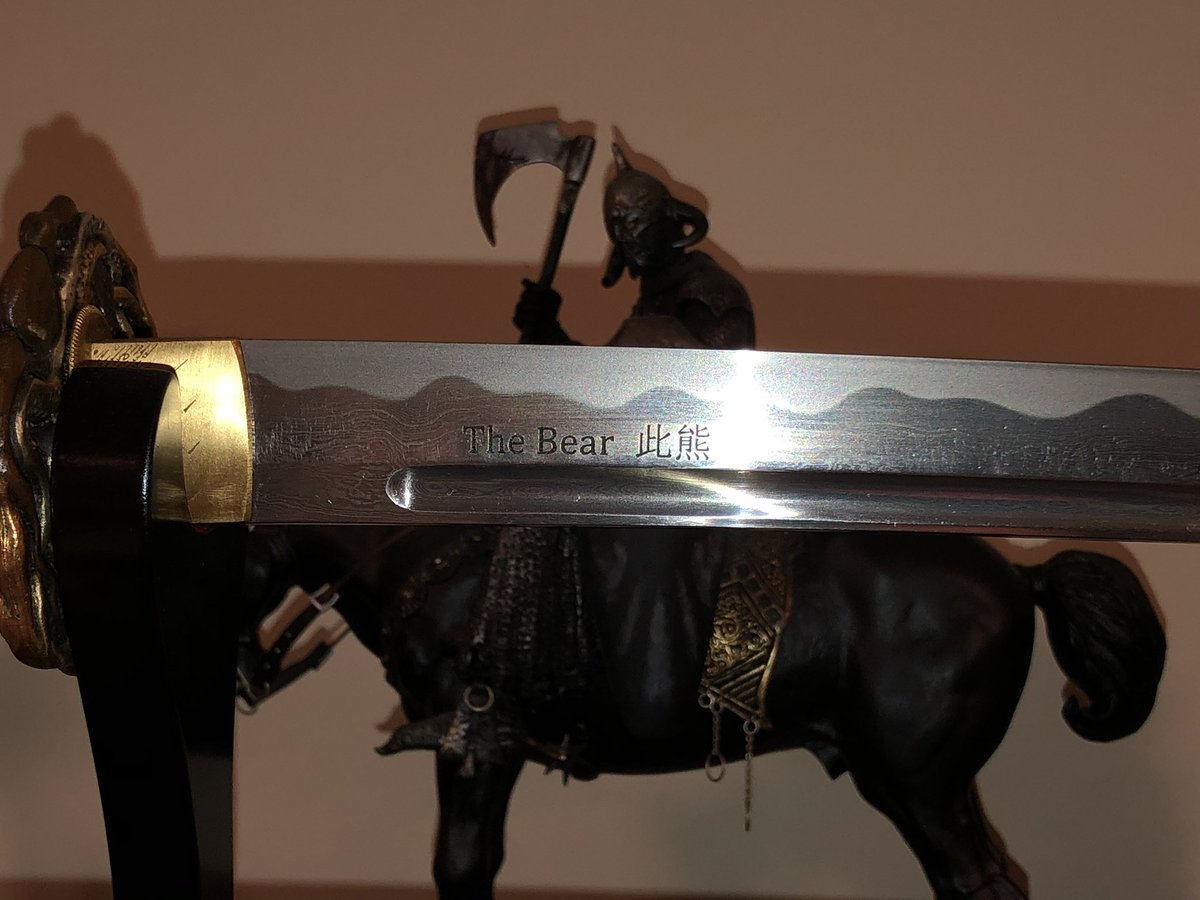
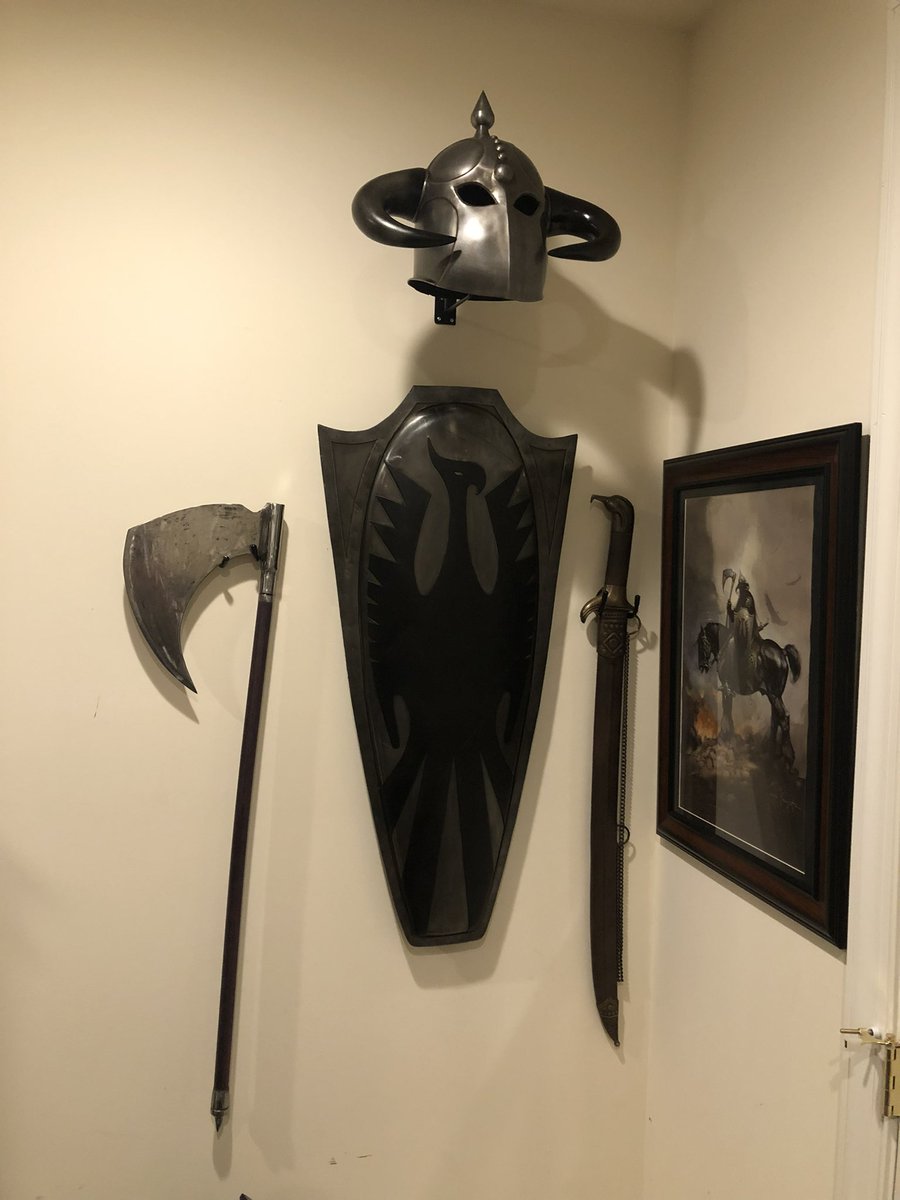
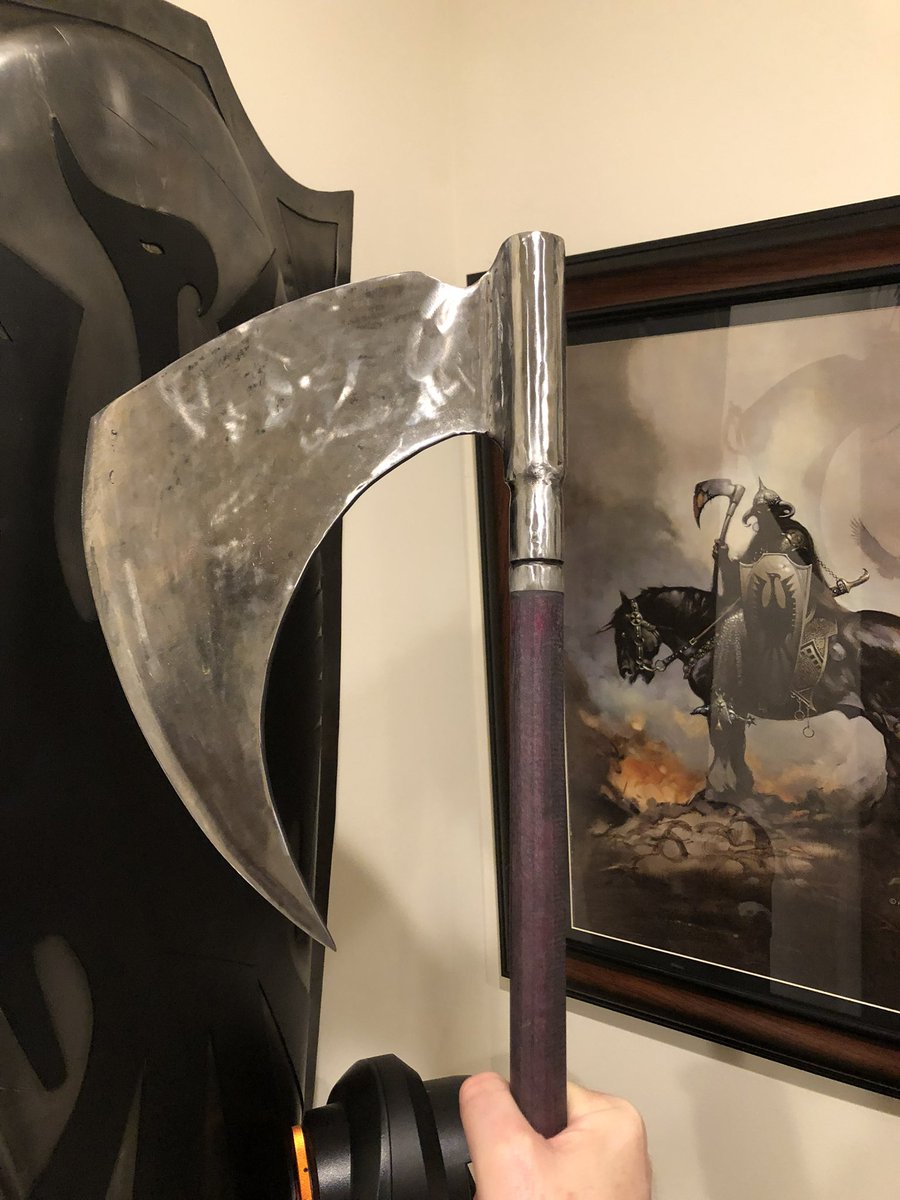

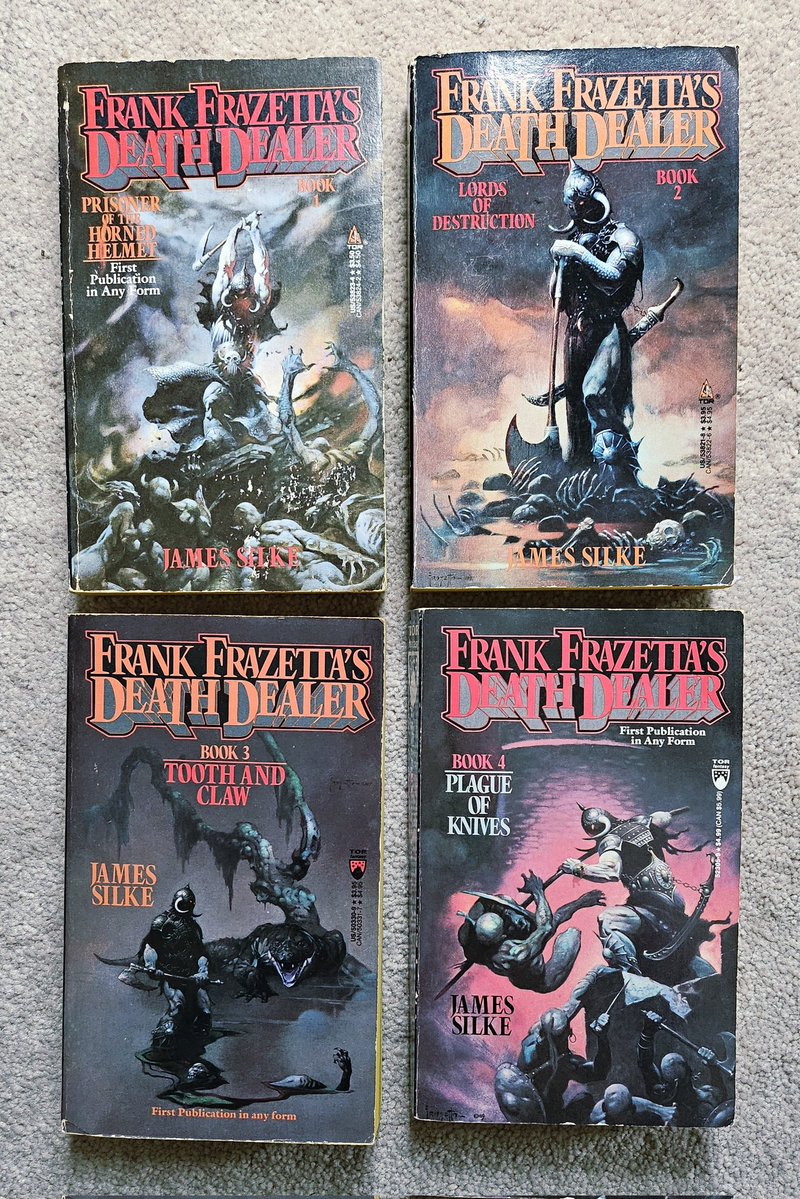
Frank Frazetta's Death Dealer series, written by James Silke is a wonderful contribution to the genre of swords-and-sorcery. It is often overlooked, partly due to being out of print for so many years, but if you are a fan of authors such as Robert E. Howard, Karl Edward Wagner, and Fritz Lieber, you will not be disappointed.
Sandown, NH 🇺🇸 English

Name some awesome martial arts movies....
Me first: Enter the Dragon
GIF
English
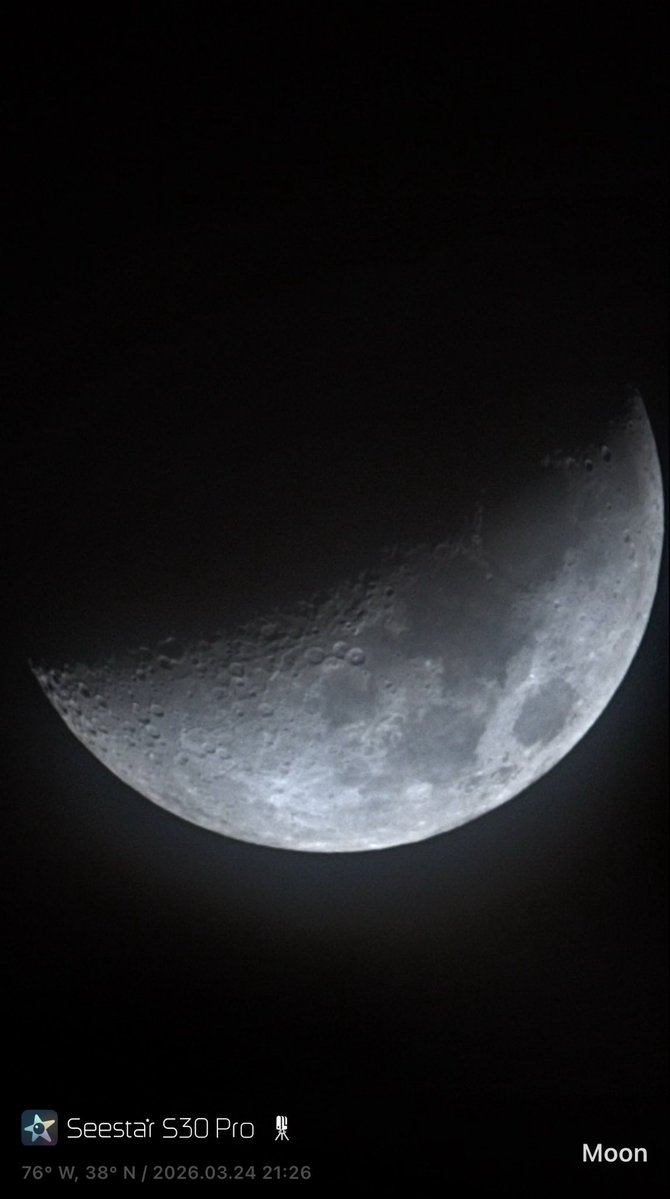


Just before midnight on Mar 23, 2026, a 27% lit Waxing Crescent moon graces Taurus, shining near the Pleiades at roughly 367,000 km from Earth.
The growing silver blade slices the velvet dark, creating a stunning celestial triangle in the evening sky! #moonphase

English
🦉 Messier 97 (M97), the Owl Nebula, is a planetary nebula in the constellation Ursa Major, approximately ~2,030 light-years from our planet. It spans about 3.4' in apparent size, which corresponds to a physical diameter of ~2.4 light-years, making it one of the larger planetary nebulae observable from Earth.
🛰️ The fastest spacecraft ever built is NASA’s Parker Solar Probe, designed to study the Sun’s outer corona. It reaches speeds of up to 690,000 km/h as it swings close to the Sun—faster than any previous human-made object. Despite this incredible velocity, covering a distance of those 2.4 light-years would still take around 3,760 years!
🏛️ If NASA's Parker Solar Probe had been launched back then—around 1735 BCE— at a time the Minoans 🐂 had palaces like Knossos with running water and frescoed walls, it would still be flying (!) through interstellar space today, just now nearing a star 2.4 light-years away.
✨ M97´s central star (see photo) is a hot white dwarf with a surface temperature exceeding 120,000 K, illuminating the ejected outer layers of ionized gas that form the nebula.
M97 has an apparent magnitude of 9.9, and its low surface brightness (~13 mag/arcmin²) can make it challenging for small instruments; observers should use an 8-inch telescope to resolve structural features. The nebula emits strongly in the [O III] (495.9 and 500.7 nm) and Hα (656.3 nm) lines, making it ideal for narrowband imaging or visual observation using an OIII filter, which greatly enhances contrast against the background sky.
My attached photo of M97 was captured using a Vaonis #Vespera II robotic EAA telescope, without any filters, and later post-processed manually by me, demonstrating that even under modest conditions, careful technique and processing can reveal the soft, haunting glow of this ancient stellar remnant.
M97 is estimated to be around 8,000 years old, representing the late evolutionary stage of a low- to intermediate-mass star (~1–2 M☉), and is expanding at a rate of roughly 27 km/s.
Best viewed from the Northern Hemisphere tonight around midnight, M97 offers a technically rich and visually rewarding target for us #stargazing and #astrophotography enthusiasts alike.
👋 Hey friends! This is @xipteras, tweeting from Germany. If you enjoying reading my stories, hit the like button or pls retweet them to spread some joy to our fellows around the world!
Have an amazing night and "Clear Skies"! /px

English
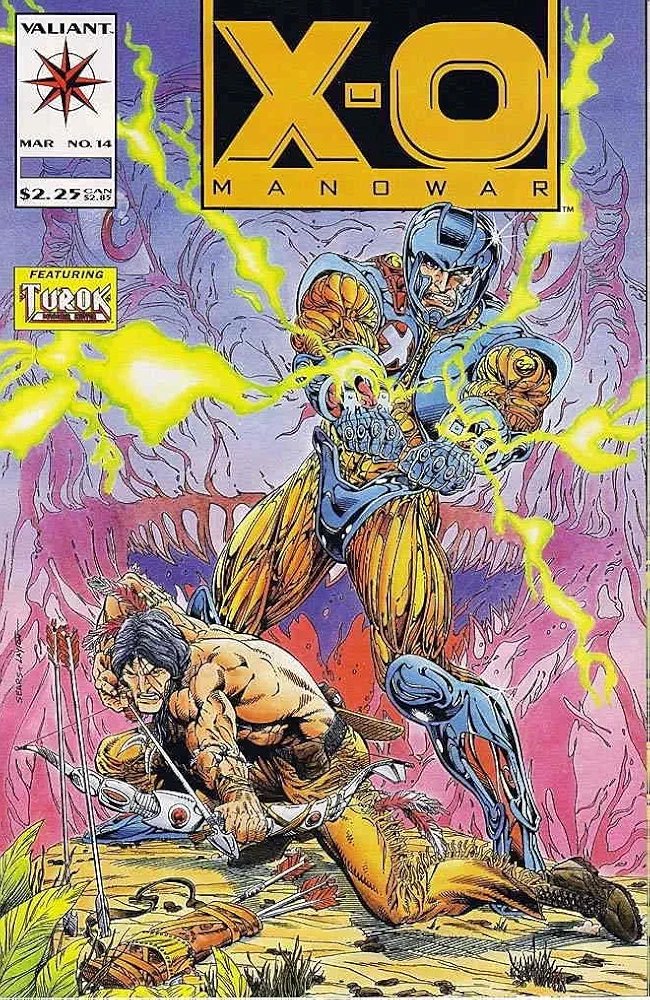
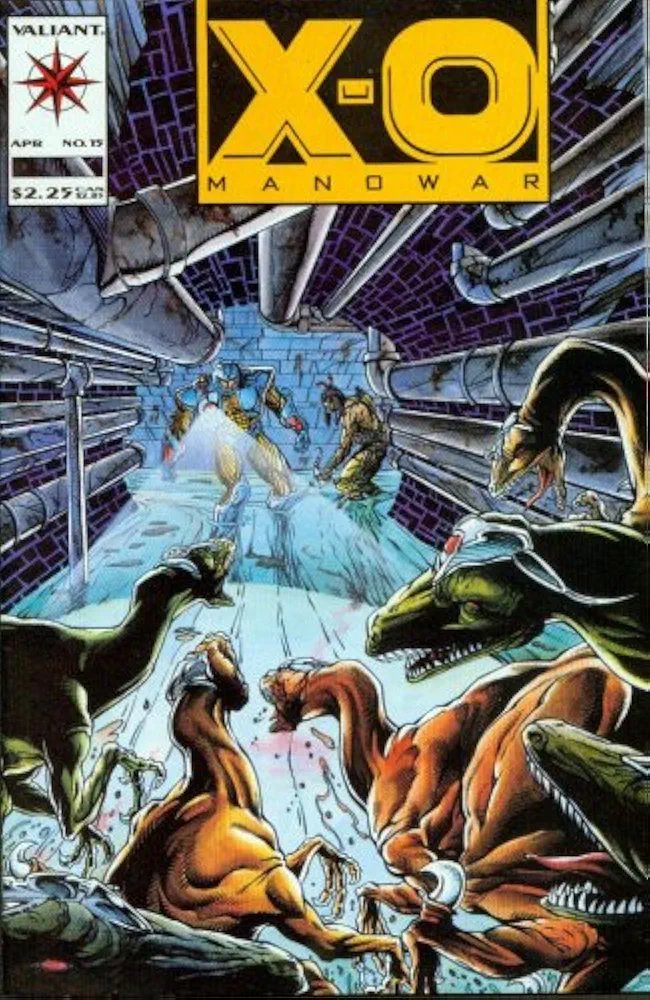
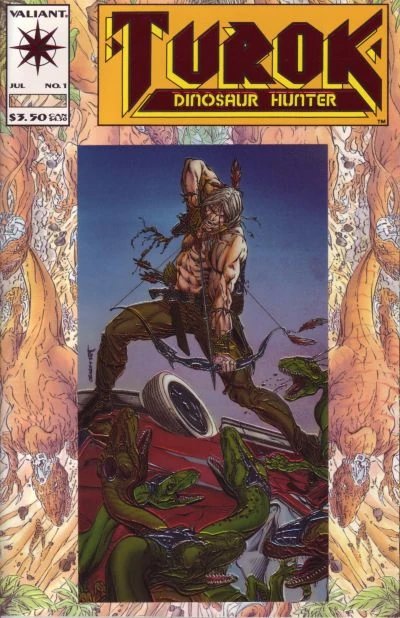
Let's talk some Valiant today! Bart Sears was absolutely on fire during his run from X-O Manowar to Turok: Dinosaur Hunter! These are some of the best drawn, action comics around! When I think either of these characters, I think Bart Sears!

English