Mohsin Patel

197 posts

Mohsin Patel banner
Mohsin Patel

Mohsin Patel

@mohsinifg

Co Founder @ Cur8 Capital & @IFguru | Bringing top 1% investments for the 99% | $200m+ AUM and growing 🚀

Katılım Nisan 2022
85 Takip Edilen444 Takipçiler
Mohsin Patel
Mohsin Patel@mohsinifg·
My second son is the one who costs me the most money. Ibrahim is the kid who asks questions, gets excited about new things, wants to try everything. Which sounds great until you're the one paying for it. It started with karate. He got a couple of belts, enjoyed going, so I paid a good few hundred quid for a three-month block of lessons after the first block. Then he just stopped wanting to go. I forced him to attend a few more times but I was fighting a lost battle. Money gone. Now it's cricket. He got into it about a year ago and is showing promise. Now he's joined a club who require that I drop £££ on lot. Bat, pads, gloves, helmet, the lot. I'm bracing myself for the day he tells me he doesn't want to go to training. But I think I keep backing them. The curiosity is worth more than the cricket bat. Even if the cricket bat ends up gathering dust next to the karate gi. I can always use it for our next office cricket session. Consistency is one of the most underrated skills you can gain. Powering through even when you don't want to do something is something that we adults also struggle with. But if you can master it, you can achieve huge things.

Mohsin Patel tweet media
English
0
1
1
74
Mohsin Patel
Mohsin Patel@mohsinifg·
Growing up in Bolton, I watched my parents' generation choose between their faith and a mortgage. This year, that changed. By about half a billion pounds. In the last six months, four startups in our EIS portfolio have collectively moved over £450M in Shariah-compliant financial products. I'll be honest, even I didn't think it would happen this fast. We backed these founders because the thesis was simple. 1.8 billion Muslims have needed proper financial infrastructure forever. The supply has been SO poor for SO long that anyone building genuine quality in this space would find massive demand already waiting for them. That's exactly what's playing out. StrideUp closed a £308M Shariah-compliant RMBS, the UK's first by a non-bank lender. It won IFN Deal of the Year. Twice. GoCab raised $45M to bring Shariah-compliant vehicle ownership to three African markets. They hit $17M ARR within 18 months. I remember the IFG community telling us for years that halal car finance was the thing they wanted most. Turns out they were right, and not just in the UK. Ayan closed a £25M facility for halal car finance here in Britain and they're targeting £100M by end of 2026. And erad secured a $125M facility led by Jefferies to power SME financing across the Middle East. When Jefferies is backing your facility, something has shifted. I grew up thinking Shariah-compliant finance was this small, awkward thing that never quite worked properly. Something your uncle complained about at Eid. I genuinely believe we're watching that change in real time, and these founders are the ones building the infrastructure for it. I'm curious to see what we all think. Are we actually at a tipping point? The numbers are starting to speak for themselves but I don't know if the institutional world is fully paying attention yet. The Cur8 EIS Fund closes on 14 April. If you're a £100k+ investor who wants to back founders like these early, link's below to book a call. Capital at risk. The EIS Fund is managed by Cur8 Capital (IFG.VC Limited), authorised and regulated by the FCA (No. 943736). This is not financial advice.
Mohsin Patel tweet media
English
0
1
2
118
Mohsin Patel
Mohsin Patel@mohsinifg·
I used to treat everyone like an A-player. It was a mistake. What I mean is this. Your best people will figure it out regardless. Give them a vague objective and they'll work out how to get there. They don't need a detailed process or a checklist or someone looking over their shoulder. They just get on with it. But most people aren't like that. And I don't mean that as a criticism. Most people do better work when they know exactly what's expected of them. Clear processes. Defined outcomes. Regular check-ins. That's not because they're less capable. It's because that's how they operate best. I hate being micromanaged so I never micromanaged anyone. I gave people freedom and expected them to thrive. Some did. A lot didn't. What I've learned is that building systems and processes isn't about controlling people. It's about setting up your B-players to perform like A-players. The structure does the heavy lifting. You're always going to have more B-players than A-players. That's just maths. So if your company only works when everyone's an A-player, your company doesn't work. The job is to build something where normal people can do exceptional work. I know there's this Silicon-Valley mentality that everyone needs to be an A-player but most businesses don't work that way. We probably need to rethink these terms as well.
Mohsin Patel tweet media
English
0
0
2
61
Mohsin Patel
Mohsin Patel@mohsinifg·
I didn't go into business with Ibrahim as a co-founder because of his skills. We went into business because of a conversation we had 12 years ago. It was an ISOC barbecue in 2011. I'd just come back from my year abroad and it was my final year at Oxford. Ibrahim was in his second year and I'd kind of seen him on Facebook (where all the action used to happen) making a splash. We got talking at that barbecue and basically didn't stop. I ended up going back to his place and we carried on until God knows what time. I should have been head down in my books that year but I ended up spending a lot of my time with him instead. I genuinely couldn't tell you what we talked about that first night. Maybe it was the humour, maybe it was our styles, something obviously clicked. What I do know is that I think it would have been REALLY difficult to start IFG - and certainly to keep it going through all the ups and downs - without that kind of foundation. We'd been through stuff together before we ever started a company. We knew each other's character. We'd seen each other handle things. I'm a bit wary of giving advice on finding a co-founder because honestly I think I just got really lucky. Me even being at Oxford was a bit of whirlwind (see previous post) and I've often thought whether that was just God's way of putting us together. But if my son asked me whether to start a business with someone, I'd tell him the character matters more than the competence. The raw skills are important but you can judge that objectively based on someone's track record independent of you going into business with them. Can you have hard but fair conversations with this person? Will they do the right thing by customers even when it hurts? Do you trust them when things get messy? Do you trust them in your personal life? You can only really know that if you've been through lived experiences together. Which I suppose is an argument for building friendships before building companies.
Mohsin Patel tweet media
English
0
0
2
183
Mohsin Patel
Mohsin Patel@mohsinifg·
Missiles hit Dubai this week. I told my team I expected them in the office by 9am. Next morning I drove in. Sat down at my desk. Opened my laptop. And looked around at my entire Dubai team. Which is just me. There is no Dubai team. I'm the only one here. Very heroic stuff, holding the fort for a team of one. But genuinely, the night before the house was shaking and I was telling my kids to get away from the windows. That bit wasn't funny. And then I drove to the office the next morning. Not out of bravery. Mostly because I was getting eerie COVID vibes with 4 kids at home and had to get out. And also I just looked at the actual facts. Missiles intercepted. Strategic targets, not civilians. One death from shrapnel. At that point you're statistically more likely to get stabbed in London than be hurt by anything here. And I'd happily go to London without thinking twice. Things could change quickly and I could look like a mug for not finding a way to get out. But at the moment, it's a time for calm caution. We have a pre-planned eid trip back to the UK so I do hope that can go ahead. Whenever there's a lot of noise and attention it's easy to get frightened. But I'd urge all those who are in a similar situation to think rationally. P.S. thanks to all those who've reached out with well wishes.
Mohsin Patel tweet media
English
0
0
3
339
Mohsin Patel
Mohsin Patel@mohsinifg·
We let someone go recently. I wasn't in the room. And honestly, that bothers me more than it probably should. I've always felt that if you're ending someone's role, the least you can do is look them in the eye. That's how I was raised and it's what felt right. Every time we've had to do it before, it's been me or Ibrahim personally. I'm the kind of person who needs to be close to the detail. Deals, investor comms, what's going out, what conversations are being had. When you're small, that's just being a good founder. The problem is when the company grows, the engine room doesn't get smaller. It gets bigger. And if you're wired to be in there, you don't naturally pull back. You lean in harder. About 18 months ago I tried stepping away from the day-to-day and it went badly. Things drifted. I jumped back in. But then I was like, okay, this clearly isn't sustainable either. I can't be in every room forever. So when this came up this week, I had to fight the instinct. My team had made the call. They'd thought it through. They had the conversation. The extent of my involvement was approving it. And it felt cold. There's something jarring about not being in the room for something that serious. Part of me wanted to take over. But I think that's the bit you have to sit with. The discomfort of trusting people with the things that actually matter. Not the small calls. The ones that keep you up. I don't think you ever fully get comfortable with it but it's necessary for growth.
Mohsin Patel tweet media
English
0
0
0
145
Mohsin Patel
Mohsin Patel@mohsinifg·
Not having money didn't make my dad more pious. It just made everything harder. He ran a newsagent in Bolton. Worked every day for decades to keep things running. We weren't poor but we definitely had to make choices and sacrifices. And I can tell you from watching that up close - it puts pressure on your family, it limits what you can do for the people around you, and it doesn't bring you closer to God. It just narrows your options. Someone said to me recently that they don't want to be wealthy because they're worried it'll change them. I hear this a lot in our community. This idea that money is inherently a fitna. That the safest path is to just not have much of it. But I've also seen what money does to people who weren't ready for it. I've seen people get wealth and completely lose themselves. So I get where the fear comes from. My view is that money is more like a magnifying glass on your character. It doesn't change who you are. It just makes it harder to hide. If you're generous when you're skint, you'll be more generous when you're wealthy. If you're selfish when you've got nothing, you'll be even more so with money. So if you are well-off, how do you make sure your kids develop the right character to deal with money? There's a saying - "clogs to clogs in three generations." First generation grafts to build it. Second generation maintains it or even builds on it. Third generation loses it. Something like 90% of wealthy families go through this cycle. Through Cur8 Capital I see how family offices actively try to prevent this. One family I know makes every member work outside the business until they're at least 25. Others tie access to capital to milestones or make charitable giving a structured family responsibility rather than optional. You can't force hardship. But you can force experience. And the families that survive the third generation are almost always the ones that were deliberate about this. Many of our generation grew up with difficulty that made us who we are. And that difficulty has led to some prosperity thanks to our parents' generation and the sacrifices they made. But then our kids are growing up with more than we had. We don't want to create artificial difficulty for them. But we also don't want them thinking money just appears. I don't have a clean answer for where that line is if I'm honest. I think the honest version of "I don't want to be rich" is often "I don't trust myself with money." And that's actually quite a useful thing to know about yourself. But the answer isn't to avoid it. It's to work on the person holding it. Done well, being wealthy can be a great contributor to society.
Mohsin Patel tweet media
English
0
0
1
119
Mohsin Patel
Mohsin Patel@mohsinifg·
My team thinks I'm annoying. I'll sit there going line by line through legal documents asking the same question over and over. "But what happens if this entity fails? Where does the investor's claim actually sit?" That's the lawyer in me. I trained at a City firm and spent years looking at how deals are put together. Not the exciting stuff - the boring structural stuff. Who actually owns what. Where the money sits. What legal recourse investors have when things go wrong. And I've seen enough situations where people assumed they were protected and they weren't. The thing most people don't think about when they invest is securitisation. Basically, how protected is your money if everything falls apart tomorrow? If the company managing your fund went bust, what actually happens to your capital? Not what the brochure says. What structurally, legally happens. Is your money sitting with a regulated custodian completely separate from the fund manager's own accounts? Or is it all in one pot where you're basically an unsecured creditor hoping for the best? That one distinction alone would have saved a lot of people a lot of pain over the last decade. Then there's the asset backing question. If someone tells you they're investing in property, do you as an investor have a legal charge over that property? Or do you own shares in a company that owns a company that owns another company that might have some connection to a building somewhere? The more layers between you and the actual asset, the more nervous you should be. This is exactly why we built our GBP Income Fund the way we did. It invests in a diversified portfolio of secured, asset-backed opportunities - real estate, structured finance, home purchase plans - where there's a clear line between investor capital and tangible assets. Regulated custodian. Proper governance. The boring stuff that actually matters. Could we have structured it differently and juice the returns? Probably. But not without taking risk that does not fit what we wanted to do with the fund. So if you're evaluating any investment, just ask the question most people don't: "What happens to my money if you go bust?" If the answer is clear and specific, that's a good sign. If it's vague or they get uncomfortable, that tells you everything. All investment carries risk and you need to know exactly what those risks are. Nobody ever lost money by asking too many questions. Capital at risk. The GBP Income Fund is managed by Cur8 Capital (IFG.VC Limited), authorised and regulated by the FCA (No. 943736). This is not financial advice.
Mohsin Patel tweet media
English
0
0
2
122
Mohsin Patel
Mohsin Patel@mohsinifg·
I used to think being calm was always a good thing. Then my son got lost in a national park. We were in the UAE. He'd gone biking around this massive track and I told him to come back after a while. But he's in a world of his own, this kid. Just kept going. Before we knew it, it was getting dark and he wasn't back. My wife was worried. I was like, he'll be fine. He'll call eventually. And then eventually even I was like, okay, he's actually not here. What I didn't know at the time was that he'd found himself in the middle of the national park, in the dark. It's a scary place at night. If I'd been a bit more prone to reacting quickly, maybe I would have gone looking sooner. Turned out fine in the end. Clever kid found some lights, cycled over, told the people there he was lost, and asked them to ring his mum. He'd memorised her number for some reason. We've lost the knack of memorising things these days but apparently he hadn't. But it made me think about something Ustadh Hisham mentioned to me recently. He was referencing Ibn Al Qayyim's Madaarij al-Salikeen: "It encourages him to be courageous which is the middle course between cowardice and imprudence, and to be forbearing which is the middle course between extreme unnecessary anger and ignominy." His point was that every virtue sits between two extremes. Too much of any trait - even a good one - tips into weakness. Being calm is useful. People need to see you're not panicking when things go wrong. But being too calm? Sometimes you need to spring into action and you're just... not built for that. I'm still working out what my mechanisms are for that.
Mohsin Patel tweet media
English
1
0
1
105
Mohsin Patel
Mohsin Patel@mohsinifg·
If you want to dig into the detail, there's a short form here where you can register interest and we'll send over the full info pack: form.typeform.com/to/EvL0TMXv Also happy to answer any questions in the comments or DMs - genuinely, fire away. Regulatory Risk Disclaimer: Don't invest unless you're prepared to lose all the money you invest. This is a high-risk investment and you're unlikely to be protected if something goes wrong. Take 2 mins to see our risk warning. (shorturl.at/KApDZ).
English
0
0
1
44
Mohsin Patel
Mohsin Patel@mohsinifg·
Why pharmacy? I get this question a lot. Of all the sectors Cur8 could focus on, why community pharmacy? The honest answer is it's partly personal. I grew up around a community business. There's something about places that become part of the fabric of where people live - where the same faces come in every week, where people trust you - that I've always found compelling. More on that another time. But the investment case is also genuinely interesting right now. The UK has around 12,000 community pharmacies. Almost all of them are built for an old model - make your money dispensing NHS prescriptions, maybe sell some toiletries. That model is broken. Funding was frozen for years while costs kept rising. Boots and Lloyds are actively exiting hundreds of sites. Most people look at that and see an industry in decline. We looked at it and saw something else. Could we be wrong? Of course we could. But pharmacy and healthcare generally is quite defensive anyway. The NHS is increasingly pushing services into community pharmacies - Pharmacy First, blood pressure checks, contraception, weight loss management. The funding contract just got a 19.7% uplift. Pharmacies that can actually deliver these services - with proper consultation rooms, trained staff, the right systems - will do well. Pharmacies stuck in the old model won't. So we partnered with Waqqass Sheikh and the Everest team. They've built and sold pharmacy portfolios before. They know how to operationally transform these businesses - robotics, services, staffing. We provide capital and M&A support. To date, we've acquired 38 pharmacies across the North. Annualised revenue around £30m. Share price has moved from £1.00 to £1.20 in 16 months (independently valued). Why do this at all? Private equity done well creates value for the entrepreneurs, the investors and the community. Link in replies if you want to learn more.
Mohsin Patel tweet media
English
1
1
2
76
Mohsin Patel
Mohsin Patel@mohsinifg·
Here's an uncomfortable truth about the next 20 years: The middle class is disappearing. And your portfolio needs to acknowledge it. I've been thinking about this since relocating to Dubai. When I stepped outside the UK bubble, the patterns became a little clearer. Cost of living keeps climbing. Wages stay flat. AI is coming for knowledge work. The comfortable middle - where most of us sit - is getting squeezed from both sides. You either move up or you move down. There's less and less room in between. Now, I'm naturally optimistic about business and entrepreneurship solving problems. But I'm also pragmatic about what's happening. If you're constructing a portfolio for the next two decades, you can't ignore this reality. The maths is brutal but simple: There will continue to be people with significant wealth chasing a limited number of luxury assets. Whether it's Hermès bags, Patek watches, or beachfront property, the premium keeps growing. What is interesting is that luxury consumers are literally funding the returns for luxury company shareholders. When you buy the product, you're normally on the wrong side of the transaction. It's when you own the business that you're capturing the value. This creates an ethical tension I wrestle with. When I see these trends, part of me thinks: What do I do to protect myself and my family? How do I position for what's coming? But there's another voice asking: What about my community? What about society? I don't have clean answers. The Gary Stevensons of the world would say wealth tax everything. The Dan Priestlys would say to create more value. Maybe the answer is somewhere in between. What I do know is this: Pretending these dynamics don't exist won't make them go away. The question isn't whether inequality will grow. It's what we do about it - both for our portfolios and our principles. How are you thinking about this tension?
Mohsin Patel tweet media
English
0
0
1
100
Mohsin Patel
Mohsin Patel@mohsinifg·
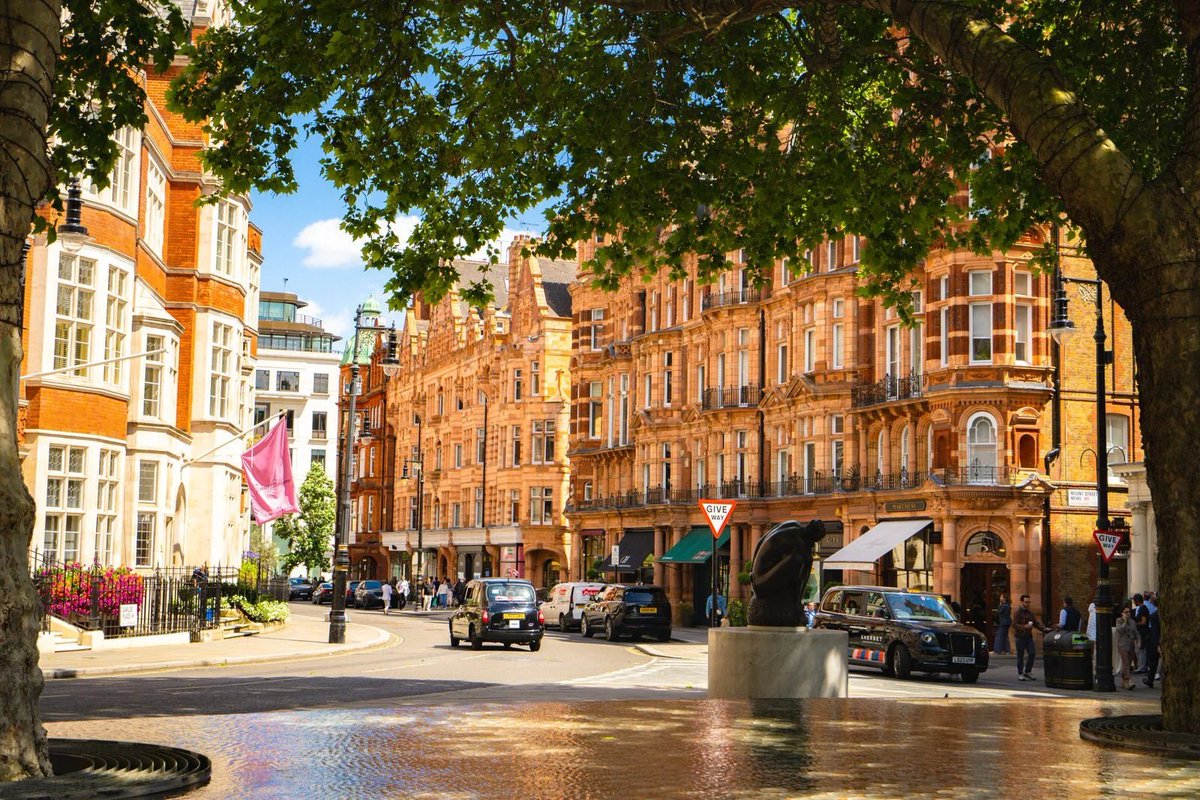
A Knightsbridge mansion worth £15m today still pays c.£3,000 in council tax. Same as a £2m flat in the same borough. Westminster Council published their 2025/26 council tax rates. Band H (the highest): £3,138.92 per year. That's for properties worth £320,000+ in 1991 values. And this is where the maths can get absurd: The annual holding cost on that £15m property is: - Council tax: £3,138.92 - Total as percentage of value: 0.020% You sometimes pay higher fees on a basic ISA. Meanwhile, Empty Homes Premium (the government's solution to vacant properties): doubles your council tax after 2 years empty. So around £6k on a £15m asset. Still 0.040% annually. I learned something crucial when I relocated to Dubai and watched UK property from the outside: Prime London property was never really about the investment returns. As I've observed with UHNW clients: After a certain wealth level, you stop optimising for yield and start optimising for optionality. The Knightsbridge address isn't an investment. It's infrastructure. Let me explain what that means: April 2025 brought the new non-dom tax rules. Dubai property enquiries from UK residents went up significantly (Knight Frank confirmed this). Yet Knightsbridge prices remain resilient. Why? Because the owners aren't running ROI calculations. They're maintaining options. Your children might need London school access. Your business might require a European presence. Your family might need a bolt-hole. The property sits empty not despite its value, but because of it. Using it would defeat its purpose. It needs to be available, not occupied. At these price levels, a £3-6k tax bill isn't even a consideration. It's equal to a few nights at Claridge's penthouse. The uncomfortable reality is we've designed a system where it's economically rational to keep premium real estate empty. No policy tweak changes this because policymakers assume everyone's playing the property game. They're not. They're playing the access game.
Mohsin Patel tweet media
English
0
0
1
103
Mohsin Patel
Mohsin Patel@mohsinifg·
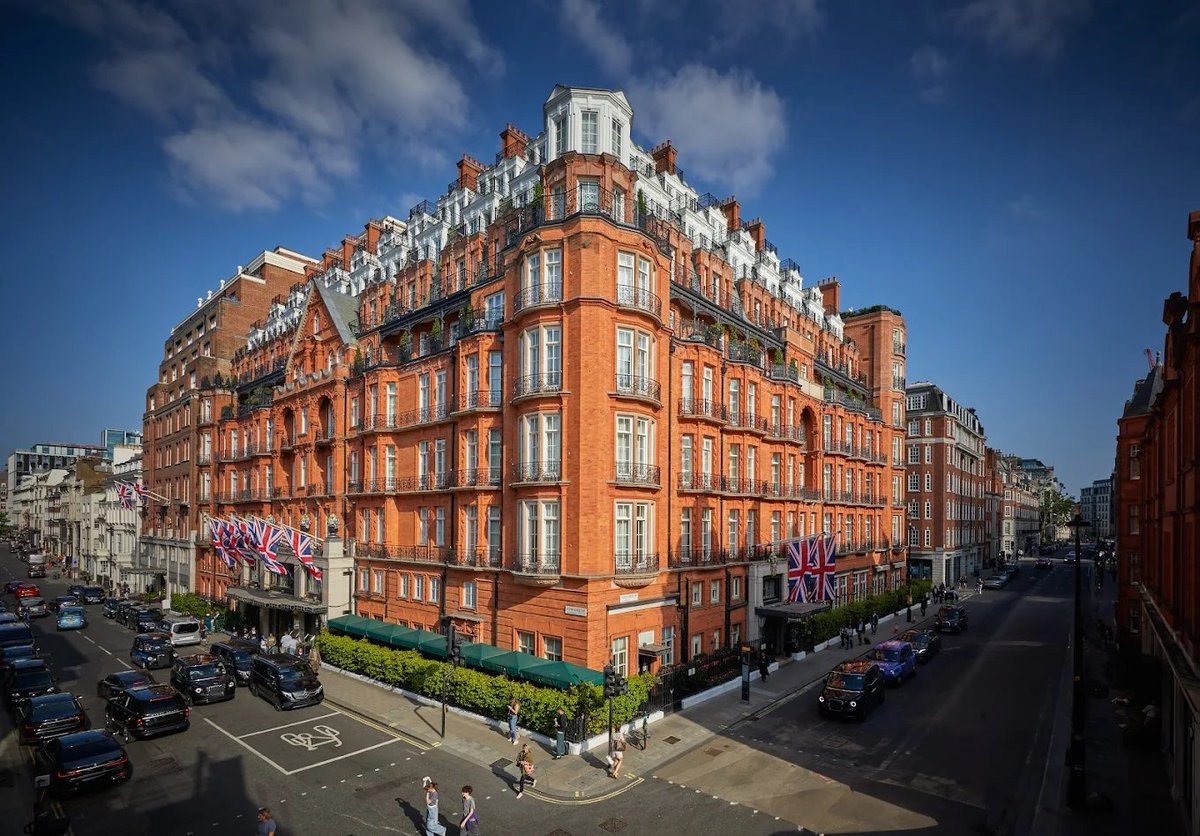
Mayfair rental yields can be around 2%. UK gilts will pay you more at 4.5%. You're literally losing money owning property there versus holding government bonds. Yet people keep buying London property. The maths doesn't work. Until you realise nobody's doing maths. When I ask an ultra-high net worth investor why they buy London property, their answer is normally along the lines of: "We're not just buying the buildings because of ROI. We're also buying because they're in London." And that's when it starts to make sense. For decades, a Mayfair address wasn't a real estate investment. It was a membership card. Access to schools, universities, circles, credibility. The yield was irrelevant because the yield wasn't the point. You bought Mayfair like you bought a Swiss passport. Not for the ROI, but for what it unlocked. But that calculus is shifting. Non-dom changes. Brexit aftershocks. The rise of Dubai, Singapore, Miami. What makes desirable real estate? Good real estate in a great location. But GREAT real estate because of an unbeatable brand. That brand premium? It's evaporating. You see it in the data. Not the prices - those lag. But in days on market. In viewing numbers. In the nationality mix of buyers. The smart money isn't asking "what's the yield?" They're asking, "What's the brand worth?" And increasingly, the answer is: less than yesterday. When perception shifts, prices follow. Always have. Always will. The question isn't just whether Mayfair property makes financial sense. It never did. The question will become whether it also still makes brand sense. I am highly pro-London but we need to bring the desirability back fast.
Mohsin Patel tweet media
English
0
0
0
135
Mohsin Patel
Mohsin Patel@mohsinifg·
Many Muslims are still renting when they'd rather own a house. But recently there was a big step towards changing that narrative. StrideUp closed a £308m RMBS deal - the first fully shariah-compliant Residential Mortgage Backed Security since 2018. Institutional investors are now backing Islamic home financing at scale. This isn't just about big numbers. StrideUp's currently at £40m deployed through their Home Purchase Plan model. That's 200 families on the property ladder through partnership, not debt. At £400m, that's 2,000 families. At £4bn, we're talking 20,000 households building generational wealth without compromising their values. The HPP model is fundamentally different. When markets drop, you're not alone - your financing partner shares the risk. Try getting that from a traditional mortgage. What excites me most is that we're proving ethical finance isn't charity - it's smart business. When you solve real problems for underserved markets, everyone wins. The Muslim population in the UK is young, increasingly affluent, and desperate for products that align with their faith. The success of this RMBS shows that when Islamic finance is done right, institutional capital follows. We're building better financial products that happen to be shariah-compliant. The journey from £40m to £4bn isn't just about scale. It's about making Islamic finance so normal, so accessible, that the next generation won't even remember when we had to choose between our faith and our financial future. That's the world we're building. On that note, we are open to subscriptions for our GBP Income Fund at Cur8 Capital which supports this ecosystem. If you're a high net worth or institutional investor looking to deploy 6-7 figures into the fund, please fill out the short form and one of the investment team will personally be in touch. form.typeform.com/to/EvL0TMXv?ut…
Mohsin Patel tweet media
English
0
1
0
113
Mohsin Patel
Mohsin Patel@mohsinifg·
Here's what the Cur8 Capital GBP Income Fund has actually delivered for investors. When we launched this fund, we started with a target yield of 6.50%. Within the first year, we'd outperformed expectations consistently enough to recalibrate to 7.50%. Stage 1: We built critical mass through collateralised real estate financing - semi-liquid assets with predictable cashflows in the 12-15% range. Stage 2 (current): We've shifted c.55% of the portfolio into High Performing Pharmacies (HPPs) - resilient, semi-liquid underlying assets that generate regular annual inflows of £12-15m. Stage 3 (forward): HPPs remain the core, but we're adding diversification through alternative cashflow-generating investments. Short-term Sharia-compliant money market securities and bank deposits will manage liquidity without compromising returns. The results are as follows: Cumulative AUM has grown steadily. Net returns have been delivered on time. No missed distributions in three years. If you're a company director, there's an additional angle worth considering: you can access this fund through a SSAS pension and get up to 45% tax relief on contributions. My colleague Husain just wrote a breakdown of how that works (see comments below). The fund is also IF-ISA eligible, which means you can shelter up to £20,000 of returns from tax entirely. If you want to explore investing in the GBP income fund, email husain@cur8.capital. PS. If you're a high net worth or institutional investor looking to deploy 6-7 figures into the fund, please fill out the short form and myself or Husain will be personally in touch. form.typeform.com/to/EvL0TMXv?ut…
English
1
0
2
93
Mohsin Patel
Mohsin Patel@mohsinifg·
Nobody realises that the US and Saudi went head to head and the US won. By a mile. When US private equity firm Clearlake bought a stake in Chelsea, they spotted a loophole. UEFA's amortisation rules let you spread transfer fees over contract length. Meaning if you sign someone on an 8-year contract instead of the usual 4, you've just halved your annual cost on paper. This sounds useless. But in elite football, the only constraint to buying players is either capital or regulation. The Financial Fair Play rules mean that you can only spend money on transfers in line with your income. So when Chelsea spread a player's fee across 8 years instead of 4, that means they can spend double the amount (because capital is not the constraint for them, just the Financial Fair Play limit). It's also smart because they assembled a massive squad of talented young players with these rules knowing the rules would get shut down. This means that when these players get sold in the future, it adds more money to the pot which they can use for more spending. It's accounting leverage. Most people laughed at Chelsea's new owners as 8-year contracts were unheard of in football. But those folks have gone quiet now. And UEFA have indeed closed the loophole. Had PIF and Saudi clocked on to this earlier with their Newcastle team, things might have looked very different for them.
Mohsin Patel tweet media
English
0
0
0
109
Mohsin Patel
Mohsin Patel@mohsinifg·
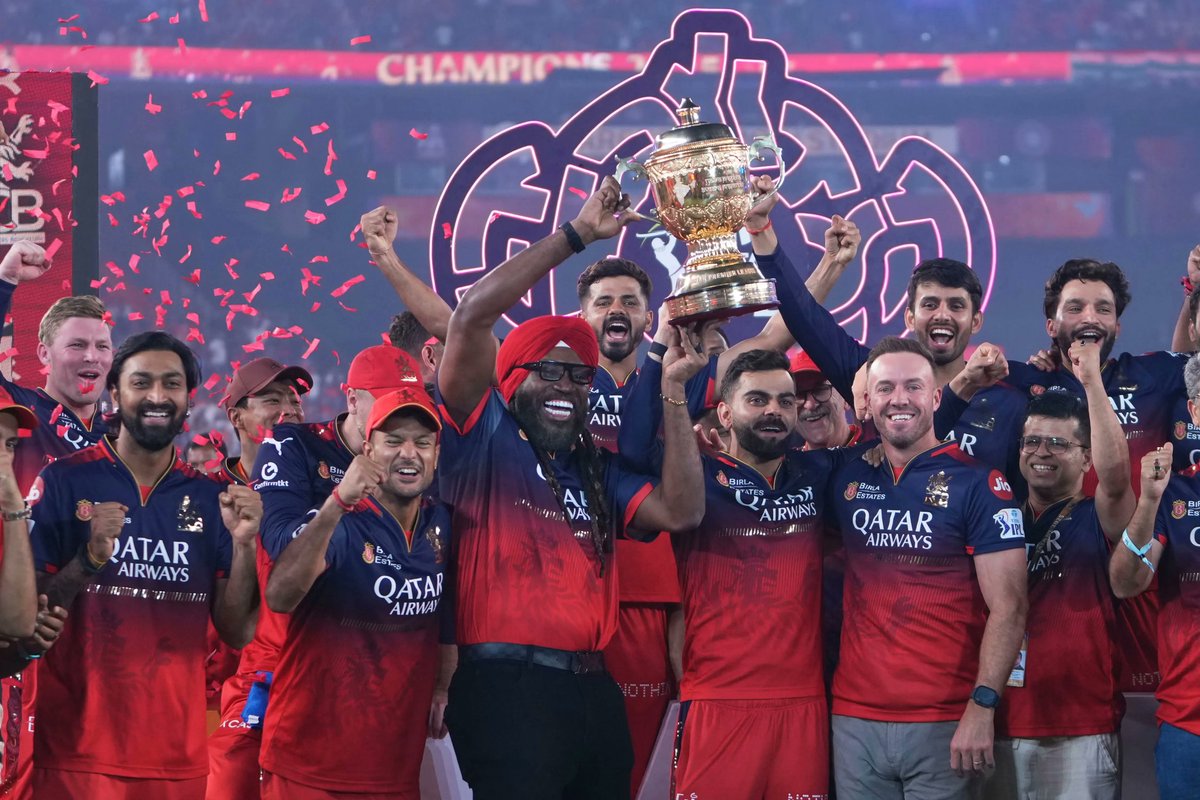
The IPL was supposed to fail. In 2008, they launched franchise cricket with a 6-week season. The purists hated it. "It's not real cricket." "Players won't take it seriously." "Nobody will watch T20 franchise games." Fast forward: it's the second richest sports league globally after the NFL. Players make more in 6 weeks than most international cricketers make in a year. They didn't make cricket better. They put a modern twist on it. Compressed timeline that fits today's lifestyle. City franchises instead of countries. Bollywood money. Player auctions are creating transfer drama. Evening games for working professionals. Most businesses obsess over being 10% better than competitors. The IPL changed the entire game. Tomorrow's businesses are not asking how to improve something. They're inventing new categories altogether.
Mohsin Patel tweet media
English
0
0
0
73