SoyaCincau@Soya_Cincau
MITI says it is not true that EVs will become more expensive under the new CBU EV rules.
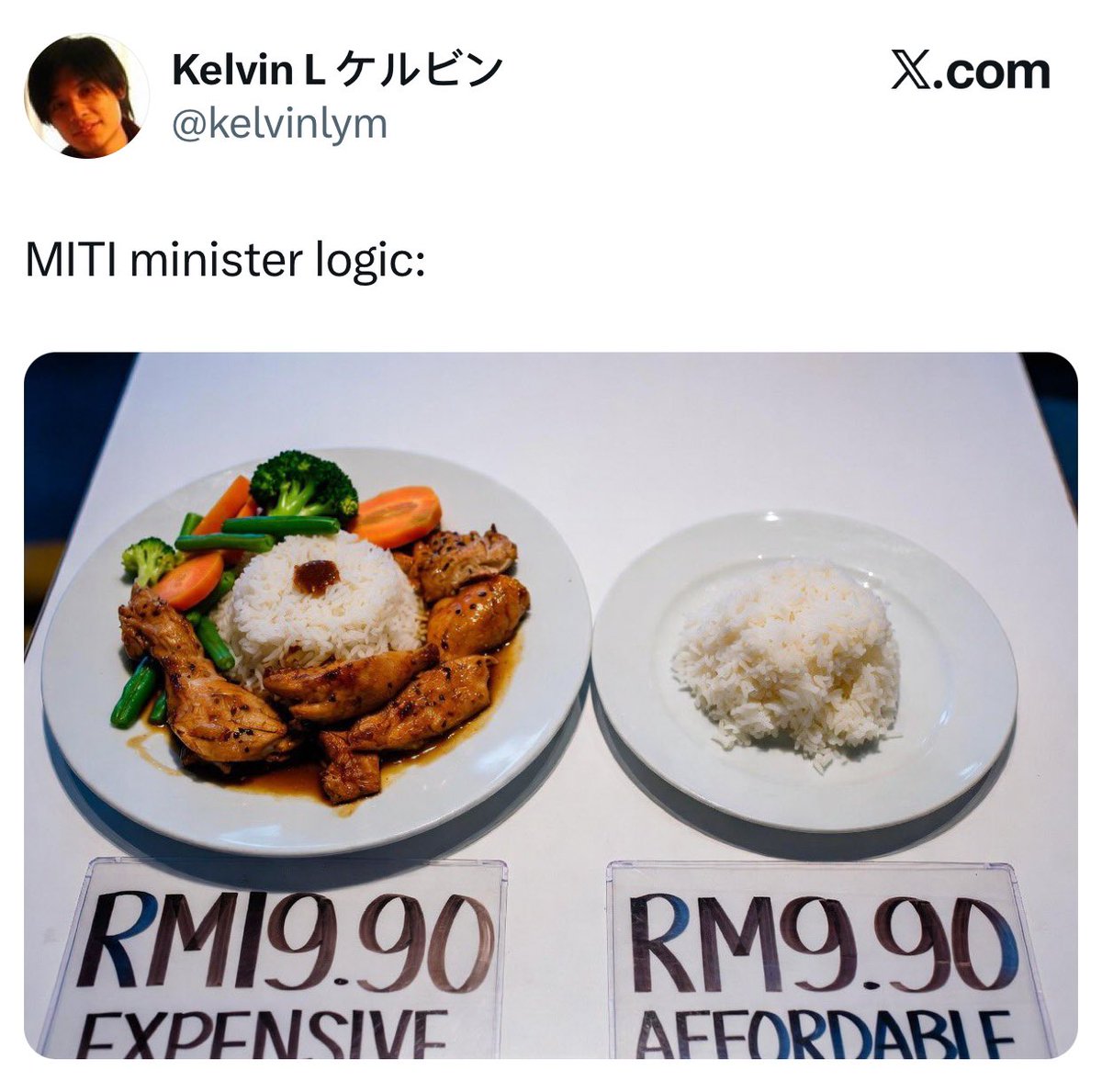
Deputy Investment, Trade and Industry Minister Sim Tze Tzin said claims that EVs will no longer be affordable are inaccurate, pointing out that Chinese brands such as Zeekr and several others are also planning local assembly operations in Malaysia.
Under the new ruling, only CBU EVs with RM200,000 CIF value (effectively RM300K selling price) and 180kW (241hp) power output are allowed from 1st July 2026.
But here’s the problem.
Malaysia’s EV adoption is growing rapidly, with 44,813 EVs registered in 2025, more than double the 21,789 units recorded in 2024. If EV registrations continue to grow and reach around 80,000 units this year, is Malaysia’s current CKD EV capacity enough to meet short-term demand when the new CBU EV ruling takes effect in July 2026?
Proton’s Tanjung Malim EV plant has an annual capacity of 20,000 units under phase one. Even if Proton maximises production, that would cover only 25% of an 80,000-unit EV market. While the plant can eventually be scaled up to 45,000 units annually, that still does not immediately answer the short-term supply gap.
Perodua is still struggling to gain traction with the QV-E, while other brands are either still “planning” local assembly or are in the process of ramping up production.
So the real question is this: is Malaysia’s current CKD EV capacity sufficient to fill the gap left behind by BYD and other imported EV brands that currently offer affordable choices below RM150,000?
If Malaysia wants more brands to invest in CKD, the industry needs long-term clarity. At the moment, CKD EVs are tax-exempt only until 31 December 2027. Automakers and investors need to know what happens after that.
This new CBU EV policy should have been made clear years ago, not five months after the CBU EV tax incentives ended on 31 December 2025, with just two months for brands to react. Investors won’t like surprises and last-minute policy flip-flops.
Here’s the irony. When Toyota launched its full BEV lineup, which may soon no longer qualify for import under MITI’s new rules, the same deputy minister said more consumers could shift to affordable EVs as heavily subsidised petrol is not sustainable in the long term.
If Malaysia wants to reduce fuel subsidies, the logical move is to increase consumer access to affordable EVs, not reduce the options available to consumers.
The government should also introduce stronger incentives for businesses to switch from diesel to electric commercial trucks and vans. This would help reduce the burden of subsidised diesel while lowering transport costs for goods.