
Andy Garside
1.1K posts
Andy Garside
@mragarside
Experienced Senior Teacher @marsdenshs, QLD. Junior Technical Director @olympic_fc. Former Assistant Principal and Director of Sport @ErnestBevinColl, London.
Brisbane, Queensland Katılım Mart 2013
952 Takip Edilen301 Takipçiler

1/14
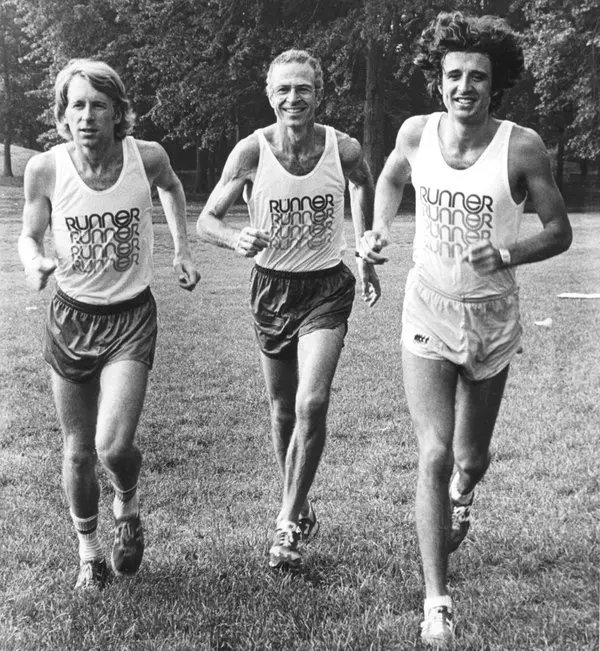
In 1968, Frank Shorter was a failed distance runner. Then he made a radical decision...
He gave up on making the Olympic team.
What happened next changed running forever.
A thread on how abandoning dreams can lead to greatness:
English
It's becoming very obvious that generative AI is making all forms of non-exam assessment totally obsolete.
It's a threat to the integrity of education everywhere.
It's not that hard to solve though - we just need more handwritten & in-person exams!

English
‘Young players should not be mimicking what pros do NOW.
They should be mimicking what pros did THEN’
Nice @JoelCressman
Joel Cressman@JoelCressman
In 2016, researchers compared the developmental activities of Bundesliga pros vs. national team players. The difference was not in quality of coaching or innate athleticism. Here’s what they found:
English

Radical thought.
What if academy players had the flexibility to choose when they trained?
Well, that’s exactly what AIK FC have done.
And it's working.
How? 🧵

English
FutureFit - Discussing the updates to grassroots youth football in England. youtu.be/pfU4duqoEdY?si… via @YouTube
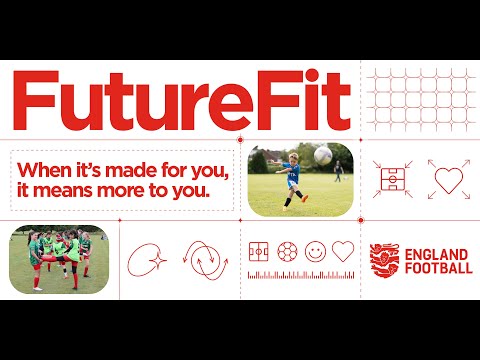
YouTube
English

Andy Garside retweetledi

Representative Learning Design is one of the most important principles when designing practice tasks.
Want to GRASP Representative Learning Design?
This simple acronym will help you apply RLD in practice
Many coaches struggle to design training that truly prepares players for competition. Drills that look good in isolation often fail to transfer when the game gets chaotic. That’s where Representative Learning Design (RLD) comes in—and the GRASP framework can help you apply it in practice.
1)Guiding Role of the Coach
Coaches act as learning environment designers, shaping practice through constraint manipulations ****to help players discover movement solutions that work for them. Instead of prescribing techniques, coaches create environments that encourage exploration and adaptation.
2)Representative Information
Effective practice must include key information from the game, such as ball flight and opponent movement in tennis. Ensuring these elements are present helps players develop skills that are more likely transfer to competition. Without this, players might perform well in training but struggle in the real game.
3)Alive Tasks
Rather than isolating skills, coaches should create ‘alive slices’ of the game—practice scenarios that preserve key elements of the sport while maintaining decision-making and perceptual challenges . By designing game-relevant problems for players to solve, coaches help them develop adaptable skills that transfer to real competition.
4)Simplification
Instead of breaking skills into isolated parts (which removes real-game context), simplify by adjusting constraints—like reducing defenders or modifying space—while keeping perception and action linked
5)Progress and Challenge
Practice must be scaled appropriately and progressed at the right level of challenge . Training should stretch players—neither too easy nor too overwhelming. The key is scaling challenge appropriately so they stay in the 'Goldilocks Zone.
English

Win the ultimate Boiler Room: Brisbane experience.: arep.co/puplj1
English
Andy Garside retweetledi

Due to severe weather disruptions last week, we were unable to complete the U18 Academy trials as planned. As a result, we will be holding two additional trial sessions next week at Goodwin Park.
Register your interest through the link today → bit.ly/3Yv31wY
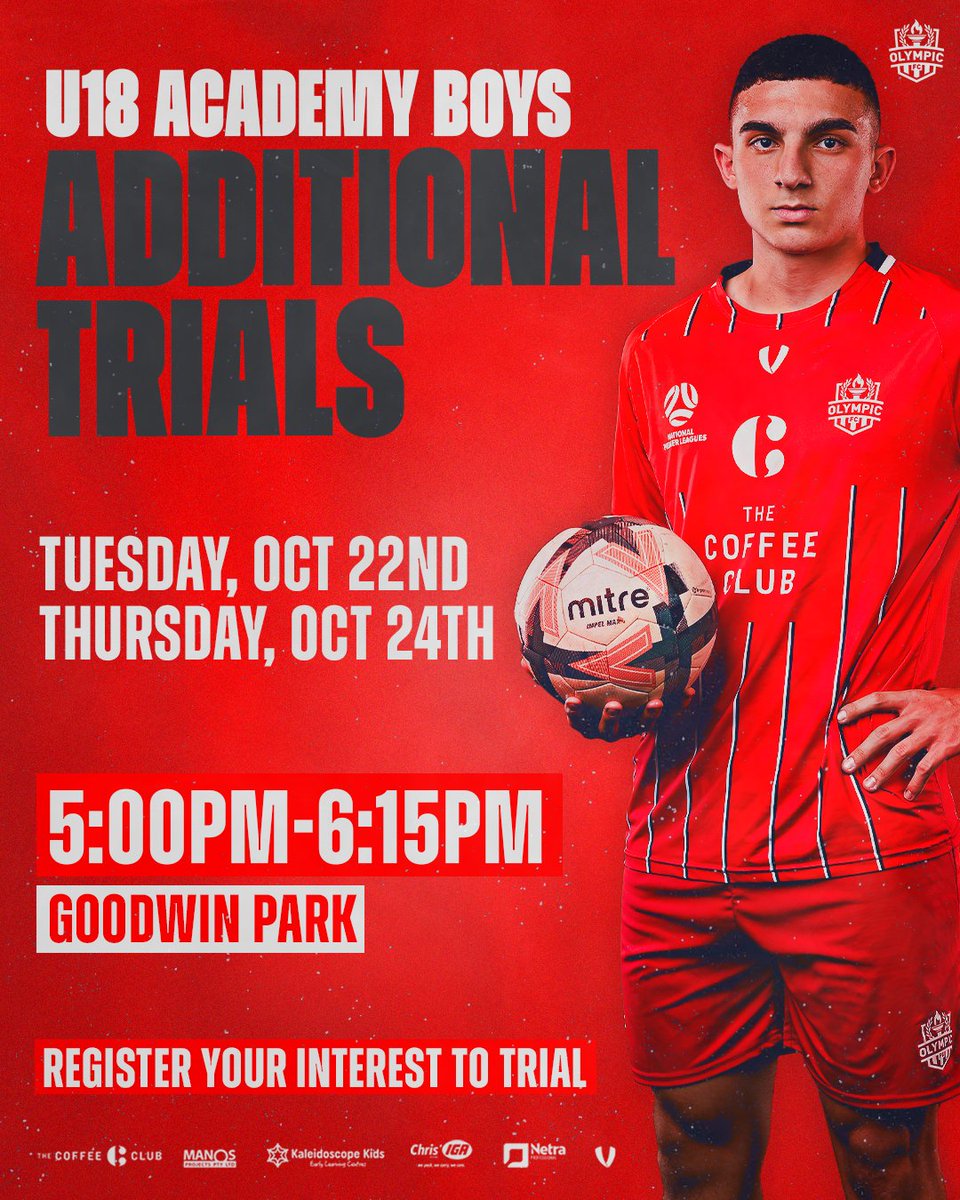
English
Andy Garside retweetledi
Olympic Football Club is seeking dedicated and experienced coaches to lead our senior Academy teams in the 2025 FQ Academy League season.
Register your interest through the link today → bit.ly/3ALmU9j
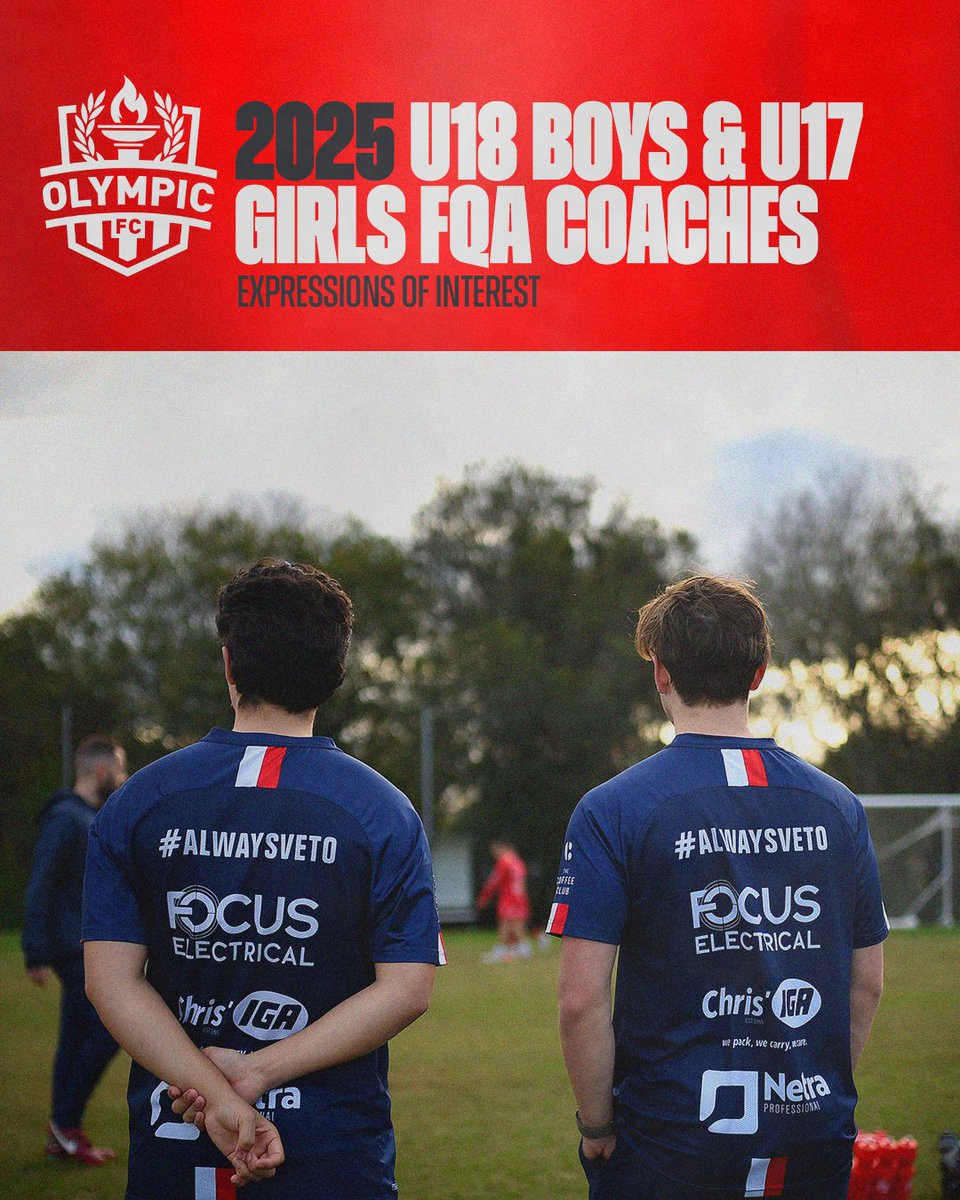
English
Andy Garside retweetledi

Here's my favorite LTAD / #Pathway story....
Tennis Australia was doing a detailed, national, sport review to try and figure out why their participation levels were falling.
They commissioned one of the big management groups to do the review - and it was exhaustive, detailed and took the best part of a year.
I was asked to contribute as an industry "expert".
I met two of the researchers towards the end of their review process - and they were NOT sports industry professionals - just very experienced, independent researchers - and I asked them "What do you think the problem is?"
One of them said, "The PATHWAY model".
I asked why he said that.
He replied - and this is GOLD for ALL sports: "We think the Pathway model is killing the sport because when we do interviews, focus groups and surveys, it's clear that players, coaches, parents and everyone else all believe that as soon as they pick up a racket, every kid is on the pathway to being Roger Federer".
He continued. "It just doesn't make sense. It's like making every kindergarten child hold a crayon in a very specific way and making them draw straight lines so that WHEN they become a brain surgeon they've developed the right skills to hold a scalpel".
And then - his final comment....."We don't understand - to extend the analogy - why you don't just let kids hold the crayon anyway they want to and let them draw anything they choose like rainbows and horses and bunnies. Then the ones who decide they love drawing will keep doing it and those who don't wont".
My friends - that story is pretty much where we are. When they love what they do, they will do what they love.
It's time for a different approach to sport.
newsportfuture.com/sport-pathway/
English
Andy Garside retweetledi
Awesome night ♥️⚽️ @Olympic_FC
Olympic FC@Olympic_FC
On Tuesday, Our Junior Academy had a team building night hosted by Character Builders where they participated in team building activities that brought our players together. It was a great night filled with great learning experiences for our players 🙌
English
I created a guide to help coaches get to grips with the CLA
It has over 100 short 'snips' of the best skill acquisition podcast episodes.
These helped take my knowledge and coaching to the next level.
Like & reply 'CLA' to receive for free through DM
(Must be following)
English

Today marks 9 months since I had ACL surgery. I have learnt that it’s all about perspective and instead of seeing the last 9 months as a setback, I see it has a reset. I am fitter, stronger, and more excited than ever before to get back playing when our season starts in a month.
English