
Younes
605 posts


what if `bunx bun.lock` opened a "lockfile inspector"

English


Dear Entrepreneur, Failure is the tuition that you pay for success.
English
Yes, getting a degree can be a big waste of time.
I like the way @joshkaufman explains it in The Personal MBA.
You don't need to know everything or have a degree.
What's important is to build mental models to actually understand the building blocks of business.
And you build those mental models through experience and acting on what you learn.
English

'But I need a degree to succeed!'
Said no entrepreneur ever.
Skills pay bills.
Degrees collect dust.
What are you learning today that'll make you money tomorrow?
English
@nadavshomer I stressed this too much.
IMHO, working on what matters most is the best approach.
Face the problems you have and seek success one step at a time.
There'll be times when you're working harder, figuring things out, and then building processes for working smarter.
English

Very successful entrepreneur: “Hard work doesn’t matter”
Also, a very successful entrepreneur: “Hard work is the most important thing”
Conclusion:
There is no one path to success and money. Just do what you need to do and find the right path along the way.
English
« Is this a good idea? »
This is probably the worst question you can ask someone when pitching your business idea.
Here’s why:
1. People might not tell the truth. They don't want to hurt your feelings, so they might say it's good even if they don't really think so.
2. You might only hear what you want to hear. This can make you think your idea is better than it really is.
3. It can leads you down the wrong path. You end up investing too many resources in the wrong product.
4. You won't learn how to make your idea better.
Instead of asking if it's a good idea, try to learn more about the problem you're trying to solve.
Ask people:
→ How does this problem affect their daily life?
→ What do they do to fix this problem now?
→ What do they wish was different?
→ Are they currently looking for a solution? (In other words, is the problem really impacting them or not?)
Remember: An idea isn't truly great until people are willing to pay for it and use it.
English
@scott_bair Do you cover personal branding also?
I struggle with this idea of matching my personal brand with my business brand (sort of founder-led strategy).
Btw, loved your last crash course video 👍
English

More YouTube videos on branding coming soon!
What topics should I cover?
English

@mrouabehi Haha yes, lots of people need to hear this message.
English
Did you know that increasing customer retention by just 5% can boost profits by 25-95%?
You can increase your revenue without chasing new leads with this simple strategy:
→ Leverage your existing customer base
→ Tap into established trust and relationships
→ Offer tailored solutions to recurring problems
Implement it in three easy steps:
1. Every 3-6 months, reach out to past customers
2. Identify their current challenges
3. Present a compelling, personalized offer
Remember: It's 5-25 times more expensive to acquire a new customer than to retain an existing one. Don't leave money on the table!
What's your experience with customer retention strategies? Share your thoughts below!
English

@mrouabehi This makes me want to create a poll for previous customers and see what they are dealing with.
English

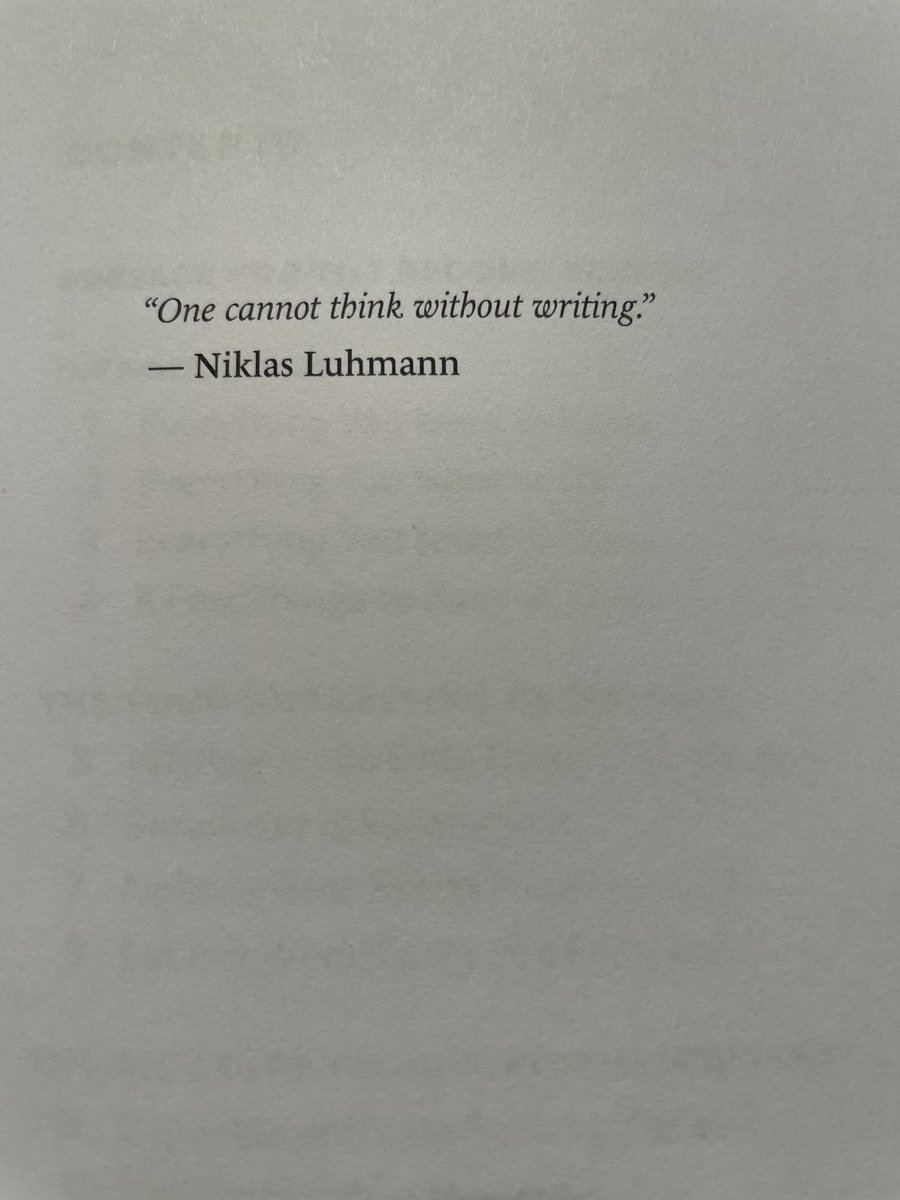
Current reading: How to Take Smart Notes
I’m only halfway through the book and I’ve already found so many gems in it.
I understand more and more that writing is essential to everything in life and that you cannot really think clearly without writing.
Writing is all about thinking and learning.
I mostly talk about business, product management, and software craftsmanship, but I allow myself to stray for this post.
Take this advice: If you want to get good at what you do, start writing.
English
@BjornFalken Didn't know that. Wow, it's impressive.
People had better memories before.
English

@mrouabehi Makes me wonder what humans did before the invention of writing.
They'd write in their heads I suppose (like Gia said).
We have long epics preserved like the Illiad & the Odessey that were originally told as long oral stories, and not written down until hundreds of years later.
English
@vanessaosheaa It's a mix of psychology, communication, and interviewing customers to understand their pain points.
Once you know what annoys them on a daily basis, you know what they care about.
English

@mrouabehi What's your process for figuring out what people truly care about?
English