

Torah
2.1K posts


There's a friend who is a police officer niliona amepost hii. I've lived for 23 Years and I've never seen such a rifle hapa Kenya. I'm convinced beyond doubt hakuna kama hii hapa Kenya. Even our elite forces hawana.

English

SHOCK & AWE IN YAMOUSSOUKRO, IVORY COAST
The Prophet of the Lord, Dr. David Owuor, calls down instant rain from HEAVEN before a stunned multitude, a fearful visitation of the LORD GOD.
Prepare the way! The MESSIAH is Coming!
English
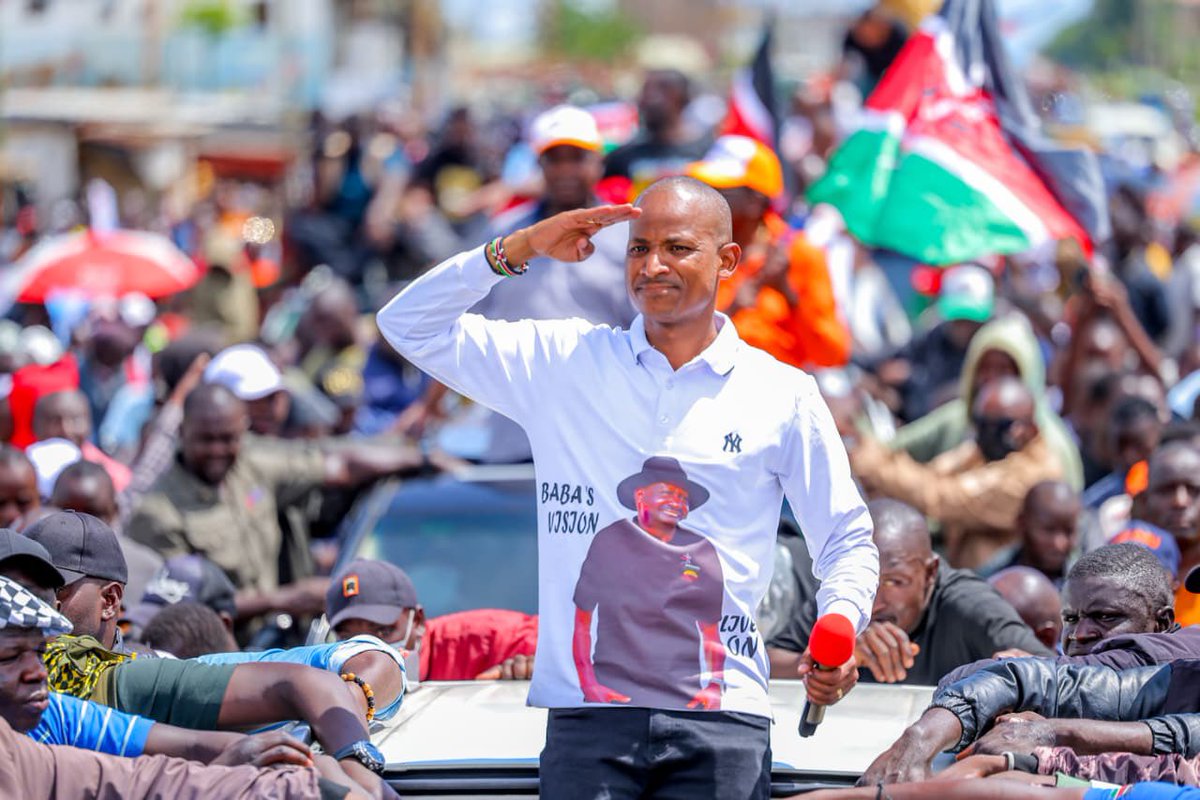
Show me any ODM leader who can mobilise more than Oketch Salah and I will show you a blue Donkey.
The movement is coming soon.
English
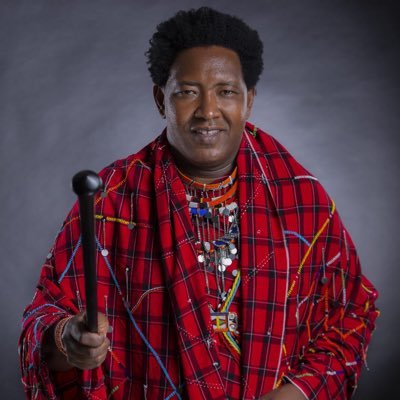
We can’t EVER end up like KANU NEVER, no matter what! Those diabolical schemes to annihilate the Orange Democratic Movement? Be brutally warned: we are MIGHTIER than you can fathom! Kisumu, Homa Bay, Migori brace yourselves, I’m storming in SOON to ignite your fire and remind you who STOOD FIRM with Baba in the darkest hours!
English

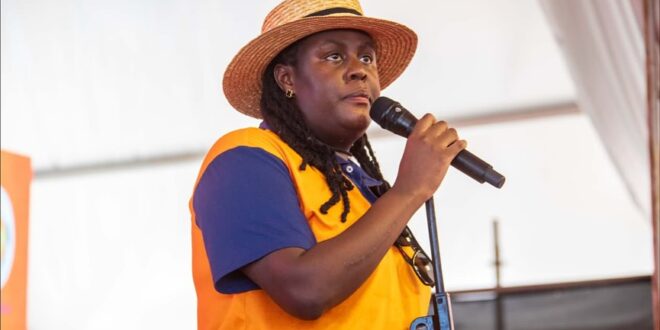
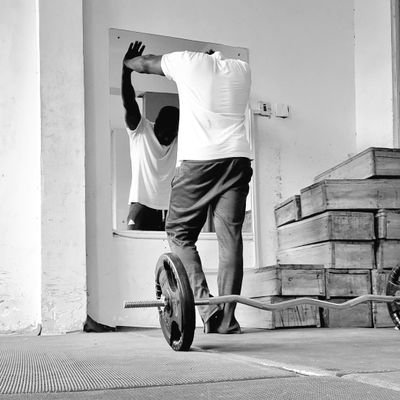
mwenye Jaza supermarket huendesha town ace Ile ya kitambo aliachiwa na baba yake ,wife wake na mama yake wote wanaskuma range rover vogue na hubadilishwa after 1 year of use,bado yeye ndio main supplier wa foods kwa all top 5 supermarkets in E.A
Lesson : Be Rich Don't Look Rich
Filipino

@Bossyator Targeting the leafy suburbs... Deliver service kutumia drones
English

If I give you Ksh100K right now, what business idea will you invest in if I remove M-PESA Kiosks, Barbershop, Wine-Spirits and Butchery from the list?.. you should repay in 6months.
English

2 things that have caught my attention today.
This 2 gentlemen behind ososti.
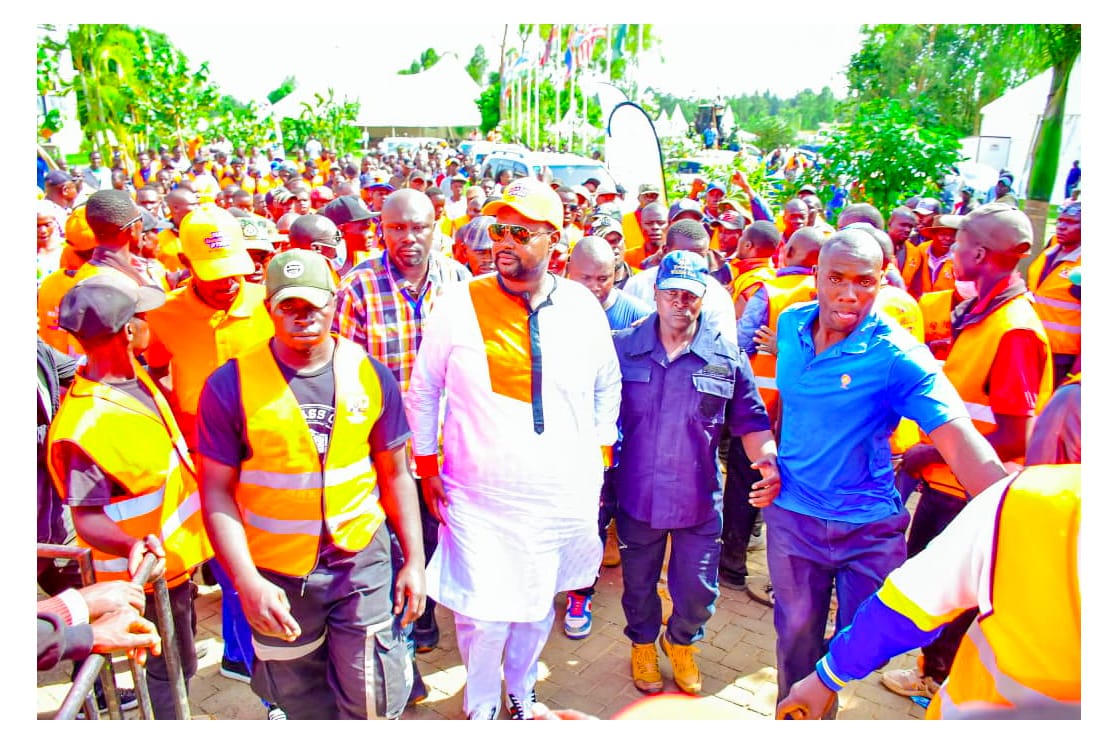
First, The guy in white has been random today in Linda mwanainchi more than Babu, Brian weke and others. who is he?😂
Second, the guy with white hat is more of a twin brother to Raila than Oburu😂
English
@Bossyator He's going for governor to collect funds for his next move 😂
English
Say what you want but Babu Owino is definitely in contention of being the next Luo Kingpin. He's cleverly passing the test by being disruptive to the status quo, he's loved genuinely. He better drop Gubernatorial ambitions. Learn from what happened to Sonko. Kalonzo stopped him.
English

When Sabastian Sawe broke a marathon record, our sprinter alishinda akijipost sana na his alleged records. Kenyans hatupendani aki. Let the man shine. Your day ilikuwa juzi yake ilikuwa jana.
Filipino

@edwinsifuna Unatuangusha bwana sisi we thought tuko nyuma yako you be the leader of the new generation wewe unaenda kuendorse orengo Ka party leader, are you afraid of the weight of your popularity and faith the young people have placed on you?
English
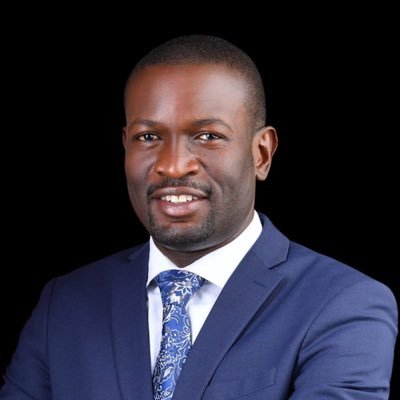
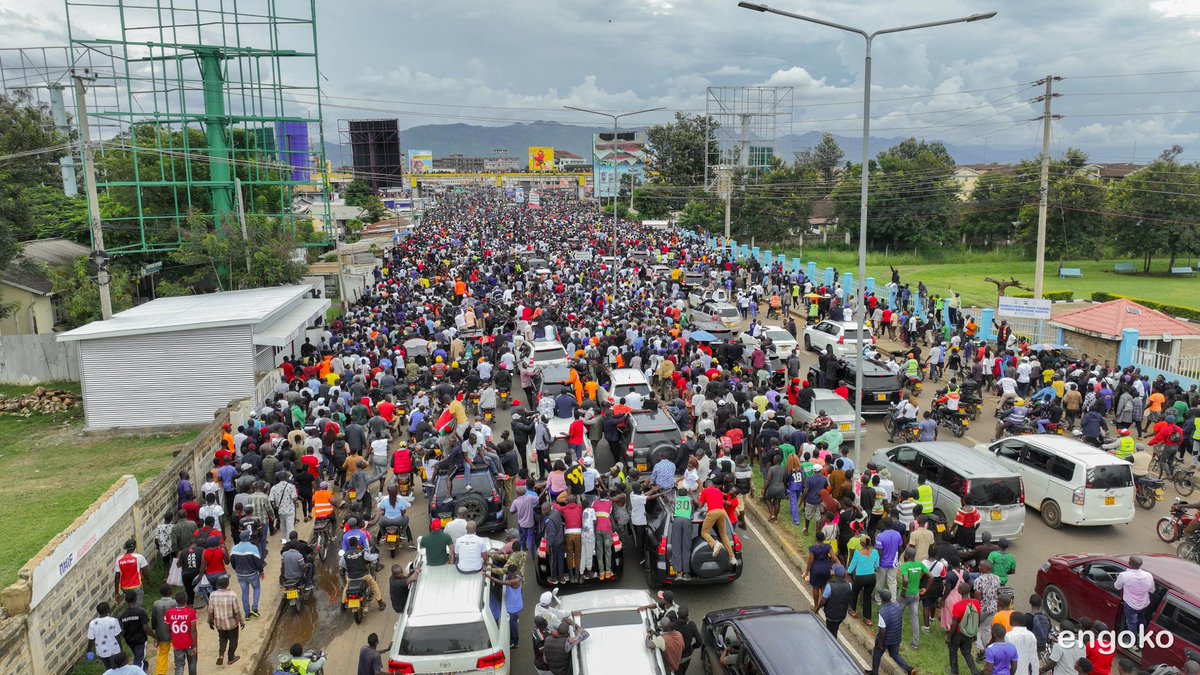


Will you support Sifuna if he joins Gachagua who comes with the Mt. Kenya Region votes?
English


If somebody ever tells you they’re a pastor or claims they’re an agent of God, treat them with utmost care & respect. Doesn’t matter how evil you assume they are or how shabbily they’re dressed. You can attract a curse by pointing a finger at them. Let God judge, wewe lenga tu.
Karomo Richú@tonykaromo
A GenZ lady confronts a matatu preacher for disturbing peace and claiming 'autonomy of free speech' as a Christian.
English
Otherwise unachukua video ya mtu akifanya kazi ya Mungu kwa matatu ama soko, You post it for clout , ofcourse watu watabambika but wewe in your blindness hujui umeamsha vita na mwenye alimtuma😅
Bro, they’re entities you don’t joke with.
Indonesia



The "Goon" Label: A Deliberate Mischaracterisation of Kenya's Political & Economic Reality
Any jobless Luo or Luhya youth with access to a political leader is quickly branded a "goon." This lazy characterisation ignores a deliberate historical pattern: communities whose leaders stood in principled opposition to successive governments were systematically locked out of state opportunities, forcing their people into self-reliance.
The Historical Pattern of Political Exclusion
The Kenyatta Era (1963–1978): The Original Sin
The marginalisation began almost immediately after independence. When Jaramogi Oginga Odinga - then Vice President - broke with Jomo Kenyatta over ideological differences and the direction of the new nation, he didn't walk alone. The Luo community walked with him into the political wilderness.
Jaramogi's formation of the Kenya People's Union (KPU) in 1966 was met with a swift and brutal response: mass detentions, the assassination of Tom Mboya in 1969, the Kisumu Massacre during Kenyatta's visit that same year, and the banning of KPU altogether. Luo professionals, civil servants, and businesspeople found doors closing. State contracts, government appointments, and access to credit dried up for an entire community perceived as "disloyal" to the regime.
The Moi Era (1978–2002): 24 Years of Systematic Exclusion
Daniel Arap Moi perfected what Kenyatta had started, extending the punishment to anyone who dared dissent.
When Jaramogi Oginga Odinga, Masinde Muliro, and Martin Shikuku - along with others - agitated for multiparty democracy in the late 1980s and early 1990s, Western Kenya joined Nyanza in the cold. The original "Seven Bearded Sisters" (including Shikuku, Muliro, Oginga Odinga, and later figures like Raila Odinga, James Orengo, and others) paid dearly: detention without trial, exile, professional destruction.
Raila Odinga spent years in detention. Masinde Muliro died in 1992 under circumstances many still question. Martin Shikuku was detained multiple times, his businesses collapsed, his family scattered.
But here's what history often omits: their communities paid alongside them. When your Member of Parliament is in detention, your Senator is in exile, your regional leaders are marked as enemies of the state - there are no government tenders flowing to your area. No civil service recruitments. No infrastructure projects. No state bank loans.
What do you do? You find an empty plot near the road. You set up a jua kali stand. You repair cars, weld gates, make furniture, hawk goods. You survive.
The Kibaki & Uhuru Era (2002–2022): The Pattern Continues
Even after the 2002 democratic transition, the pattern repeated. Raila Odinga's fallout with Mwai Kibaki after the 2005 referendum and the disputed 2007 election kept the Luo community largely outside the formal state apparatus.
The 2013 and 2017 elections - both disputed - ensured another decade of exclusion.
The Luhya community, fragmented as it was, followed similar trajectories. Leaders like Musalia Mudavadi, Moses Wetang'ula, and others oscillated between government and opposition, but the community's youth never fully benefited from the patronage systems that built the Kenyan middle class in other regions.
The Mathematics of Exclusion: Kenya's "Goon Economy"
Now consider the numbers:
Kenya has approximately 18–19 million employed people. Of these:
• Only about 3 million are in formal employment
o Roughly 1 million in government (national and county)
o About 2 million in the formal private sector
• The remaining 15 -16 million are in the informal sector - the jua kali economy
This means over 80% of Kenya's workforce operates outside any formal government recognition or protection. No NSSF. No NHIF (now SHA). No employment contracts. No job security. No pension.
By the logic that labels politically active youth as "goons," 15 million Kenyans are goons.
The mama mboga supplying vegetables to your estate? Goon.
The fundi who fixed your gate? Goon.
The boda boda rider who gets you to work? Goon.
The mechanic in Ngara or Kisumu who keeps your car running? Goon.
The young graduate running errands for a politician because no bank or NGO called them back? Goon.
The Luo and Luhya Dominance in Jua Kali: By Design, Not Accident
It is not coincidental that the Luo and Luhya communities dominate Kenya's informal sector and produce large numbers of politically aware, unemployed youth. This is the direct, measurable consequence of 60 years of political exclusion.
When your leaders are in opposition, your community is locked out of:
• Civil service recruitment (which historically favoured communities "in government")
• State tenders and contracts
• Agricultural subsidies and cooperative support
• Infrastructure investments that create formal jobs
• Access to state-linked credit facilities
What remains? Hustle. Innovation. Self-employment. The informal economy.
And yes - political engagement. Because when the state has abandoned you, politics becomes the only avenue to demand inclusion.
The Weaponisation of the "Goon" Label
The "goon" label serves a specific political purpose: to delegitimise political participation by economically marginalised youth.
Notice who gets called a goon:
• A young person from Nyanza who works with a political campaign? Goon.
• A Luhya youth who provides security or logistics for a rally? Goon.
• A blogger from Kisumu or Kakamega who supports an opposition figure? Goon.
The Hypocrisy: No Politician is Innocent
Let us be clear: there is no politician in Nyanza, Western Kenya - or anywhere in Kenya - who has not worked with these young men and women we dismissively call goons.
Every campaign relies on them. Every rally is organised by them. Every voter mobilisation depends on them. They are the Personal Assistants, the security details, the social media teams, the logistics coordinators, the crowd mobilisers.
When they work for your candidate, they are "the youth." When they work for your opponent, they become "goons" and "hired hooligans."
Wacheni ufala.
Instead of stigmatising politically engaged youth from marginalised communities, we should be asking:
1. Why does Kenya's economy only produce formal jobs for 3 million people out of 19 million workers?
2. Why are certain communities overrepresented in the informal sector? (Hint: it correlates almost perfectly with time spent in political opposition)
3. What would it take to formalise and recognise the 15 million Kenyans currently operating in the jua kali economy?
4. How do we create pathways for young people to participate in politics without being labelled criminals?
The young Luo man running a digital media operation for a politician is not a goon - he is an entrepreneur locked out of formal employment. The young Luhya woman organising logistics for a campaign is not a thug - she is a project manager who never got the interview at Safaricom.
You will not brand every one of our young people as a goon simply because they are politically active and economically excluded.
The real goon economy is the one that produces 800,000 graduates annually and only 80,000 formal jobs. The real goons are the systems that have kept entire communities out of the mainstream economy for six decades.
English