Munish Kaushik retweetledi

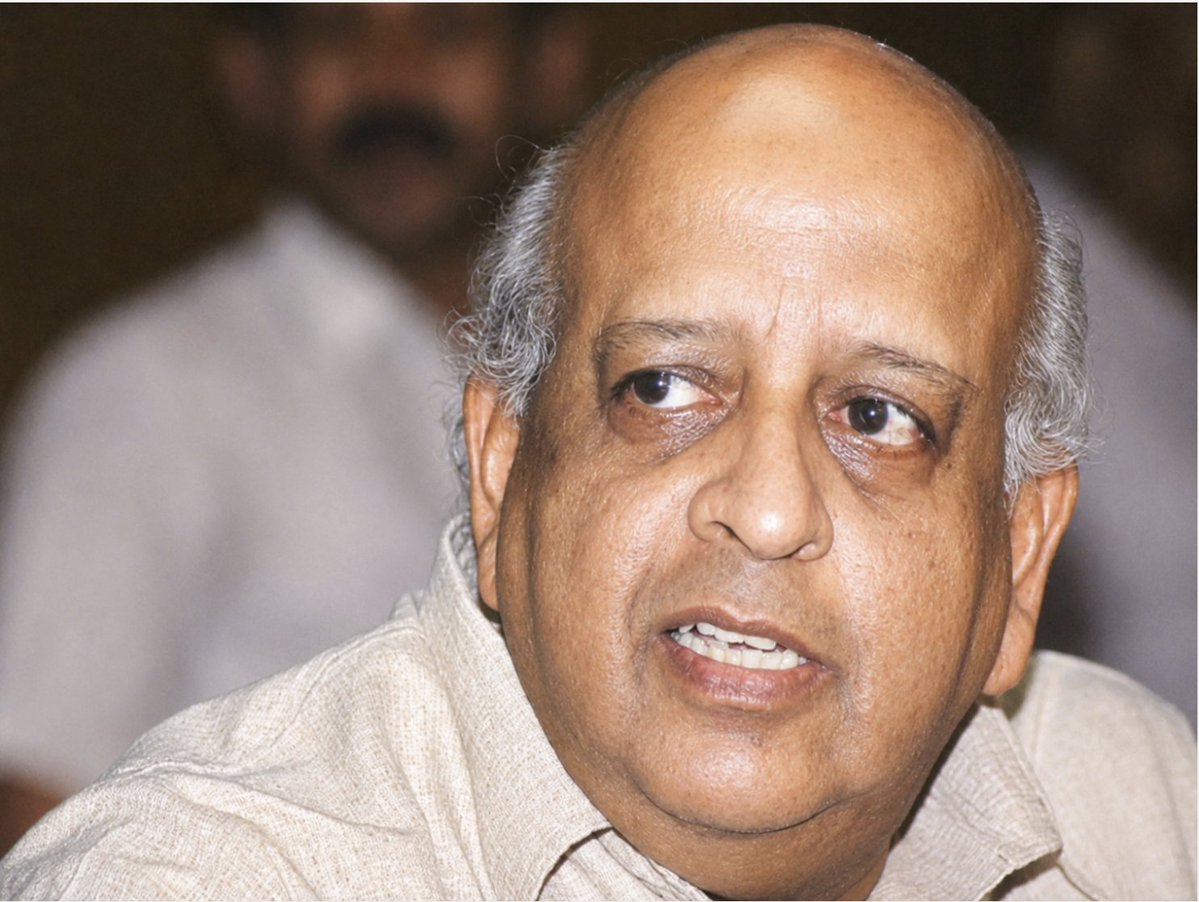
His name was T.N. Seshan.
He was born on December 15, 1932 in Thirunellai village, Palakkad, Kerala. His father was a court lawyer. He cleared the IAS in 1955 and spent the next 35 years moving through the machinery of the Indian government.
In 1989, he became Cabinet Secretary, the highest position in the civil service.
Then, in December 1990, he was appointed the 10th Chief Election Commissioner of India.
Before Seshan, Indian elections were a spectacle. Booth capturing was common. Candidates spent without limits. Government machinery was deployed freely for the ruling party's campaigns. The Model Code of Conduct was treated as a joke.
Seshan treated it as law.
He postponed and cancelled elections when he found violations. He reviewed over 40,000 expenditure accounts and disqualified 14,000 candidates for filing false information.
He introduced the Voter Photo Identity Card. He appointed election officials from outside the states going to the polls so they could not be pressured locally.
He publicly named ministers he said were trying to influence voters and asked the Prime Minister to act.
The government tried to clip his wings by appointing two additional Election Commissioners in 1993. Seshan challenged the move in the Supreme Court.
He was once asked to define his role.
He said, “I am not the Chief Election Commissioner of the Government of India. I am the Chief Election Commissioner of India.”
He received the Ramon Magsaysay Award in 1996.
He died on November 10, 2019 in Chennai at the age of 86.
The Election Commission of India called him “the man who redefined the grammar of Indian elections.”
Every time India votes peacefully, it is partly because one man refused to let anyone make a mockery of the ballot.
Follow for stories India deserves to remember.
English