Maximiliano Hawkes, MD

293 posts

Maximiliano Hawkes, MD banner
Maximiliano Hawkes, MD

Maximiliano Hawkes, MD

@mxhawkes

#MayoClinic Critical Care and Stroke Neurologist @MayoClinicNeuro. Tweets are my own.
Rochester, MN Katılım Ocak 2016
328 Takip Edilen428 Takipçiler
Rafid Mustafa
Rafid Mustafa@RafidMustafa·
So grateful to wrap up the inaugural @MayoClinic Hospital Neurology CME conference with my dear friend and co-course director Dr. Michel Toledano. Thanks to the incredible faculty and staff that made this possible as well as our phenomenal audience. See you all again in 2027!
Rafid Mustafa tweet media
English
3
3
32
2.2K
Maximiliano Hawkes, MD
Maximiliano Hawkes, MD@mxhawkes·
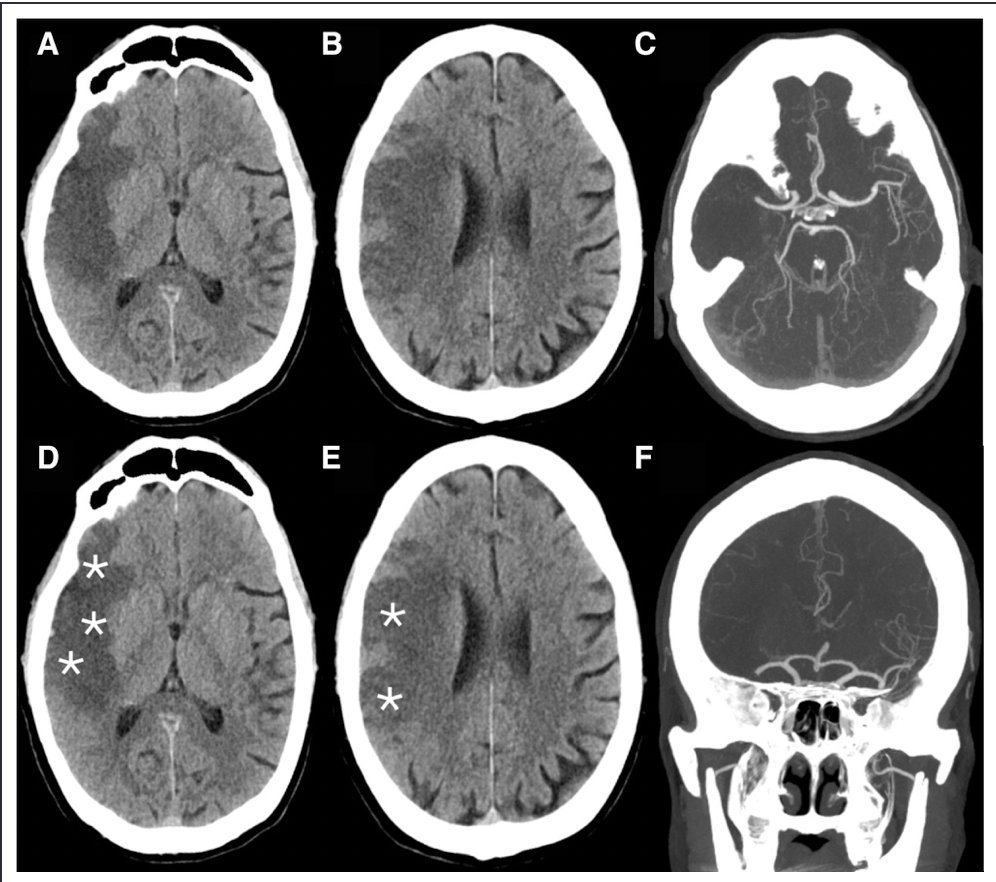
@UPensato @StrokeAHA_ASA @DGutierrez__V Thanks for writing this letter, you’re voicing the concerns of many of us. Core is not the same as established infarct. Few would doubt that the CT hypodensity shown in the case would have a FLAIR correlate of the DWI and, beyond 6 hours, would not have qualified for most trials.
English
0
0
5
122
Raffaele Di Giacomo, PhD
It's indeed crucial to revisit traditional prognostic markers in light of new data. The absence of PLR has long been considered a poor prognostic sign, yet as you highlighted, it can lead to false positives. This study's findings on PLR and dilated pupils in the context of OHCA are compelling, showing a significant correlation with brain death. It raises questions about the criteria we use for assessing neurological outcomes. How might these findings change clinical practices? #Medicine For more in-depth biomedical insights and review capabilities, check out sciqst.com—an invaluable resource for professionals seeking to stay updated.
English
1
0
0
31
Mica Schachter, MD
Mica Schachter, MD@neurona_critica·
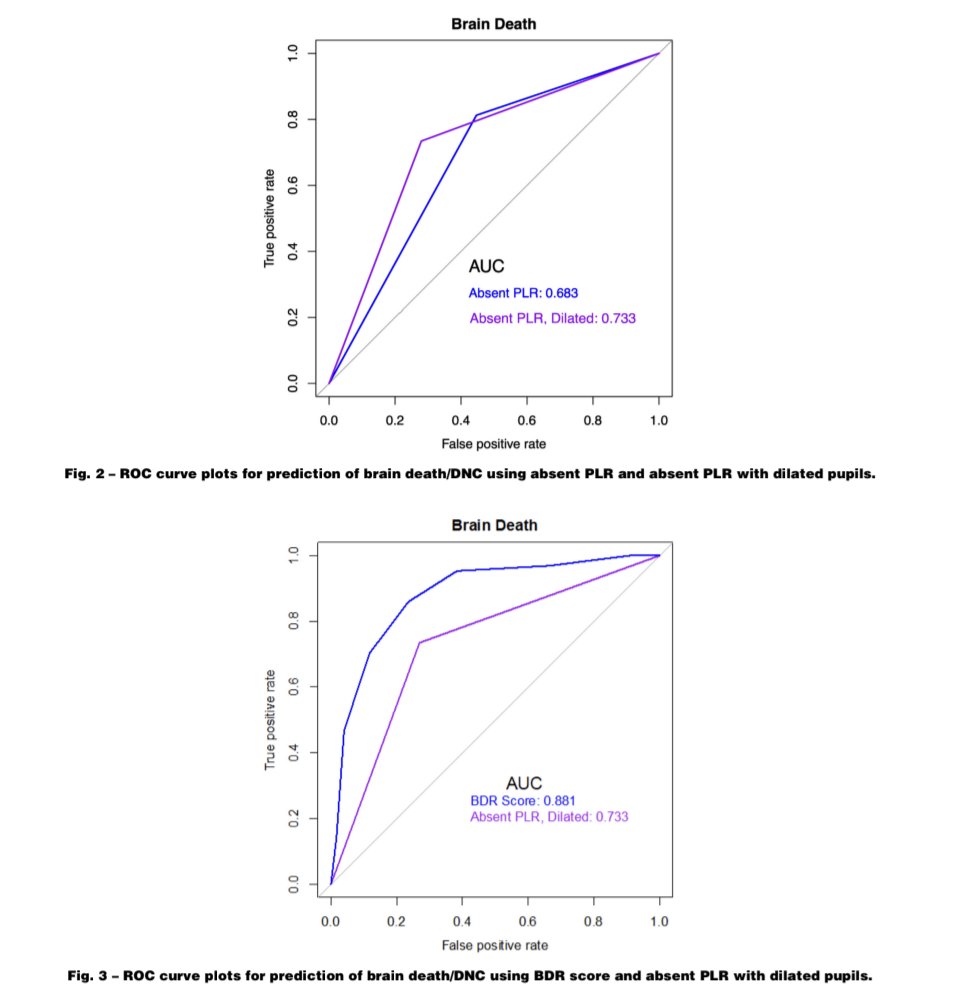
🏆 Why it matters Absent pupillary light reflex (PLR) after OHCA is a traditional marker of poor prognosis but it has false positives. 📍Bottom line Patients with absent PLR and dilated pupils had a higher incidence of brain death (34.8 % vs. 9.7 %, p < 0.001).
Mica Schachter, MD tweet media
English
3
4
12
1.2K
Luciano Sposato 🇦🇷🇨🇦
🧠 PFO Closure in Ischemic Stroke & TIA Patients ≥60y 🔗 doi.org/10.1177/239698… 📌 Single-center cohort, n=239 👴 120 patients ≥60y ⏱ 3.1y mean follow-up 🎯 Recurrent stroke rates ▪️PFO closure (≥60y): 6.1% (3/49) ▪️No closure (≥60y): 25.4% (18/71) 📉 aHR = 0.11 (95% CI: 0.03–0.49) ▪️PFO closure (<60y): 2.6% (2/78) ▪️No closure (<60y): 19.5% (8/41) 📉 aHR = 0.10 (95% CI: 0.02–0.50) 🛡 Safety ▪️Procedure-related events: 6.1% (≥60y) vs 5.1% (<60y) ▪️Periprocedural AF: 6.1% (≥60y) vs 3.8% (<60y) ✅ No significant differences 🤔 Thoughts ⚠️ No benefit seen in TIA subgroup (aHR = 0.43; 95% CI: 0.03–5.82) → underpowered? ⚠️ High recurrence in non-closure groups → Competing mechanisms? Selection bias? 👉 Are you closing PFOs in patients ≥60y with ischemic stroke?
English
4
36
61
3.9K
Maximiliano Hawkes, MD retweetledi
JAMA Neurology
JAMA Neurology@JAMANeuro·
Most viewed this week from @JAMANeuro: APOE epsilon ε4 is a significant risk factor for intracranial hemorrhage in patients with atrial fibrillation on apixaban. ja.ma/3TJHNb8
JAMA Neurology tweet media
English
2
11
28
5.7K
Maximiliano Hawkes, MD retweetledi
Eelco F.M.Wijdicks,MD,PhD
Eelco F.M.Wijdicks,MD,PhD@EWijdicks·
Misdiagnosed,misinterpreted or not recognized.With initial polypharmacy excellent outcomes
Eelco F.M.Wijdicks,MD,PhD tweet media
English
2
30
96
10.2K