Neural Consult
4.9K posts

Neural Consult
@neuralconsult
We make AI for medical students worldwide Tweet daily board exam prep content for USMLE, PANCE *All tweets for education only and not patient care*

Katılım Mart 2023
632 Takip Edilen18.4K Takipçiler
Sabitlenmiş Tweet
Neural Consult retweetledi

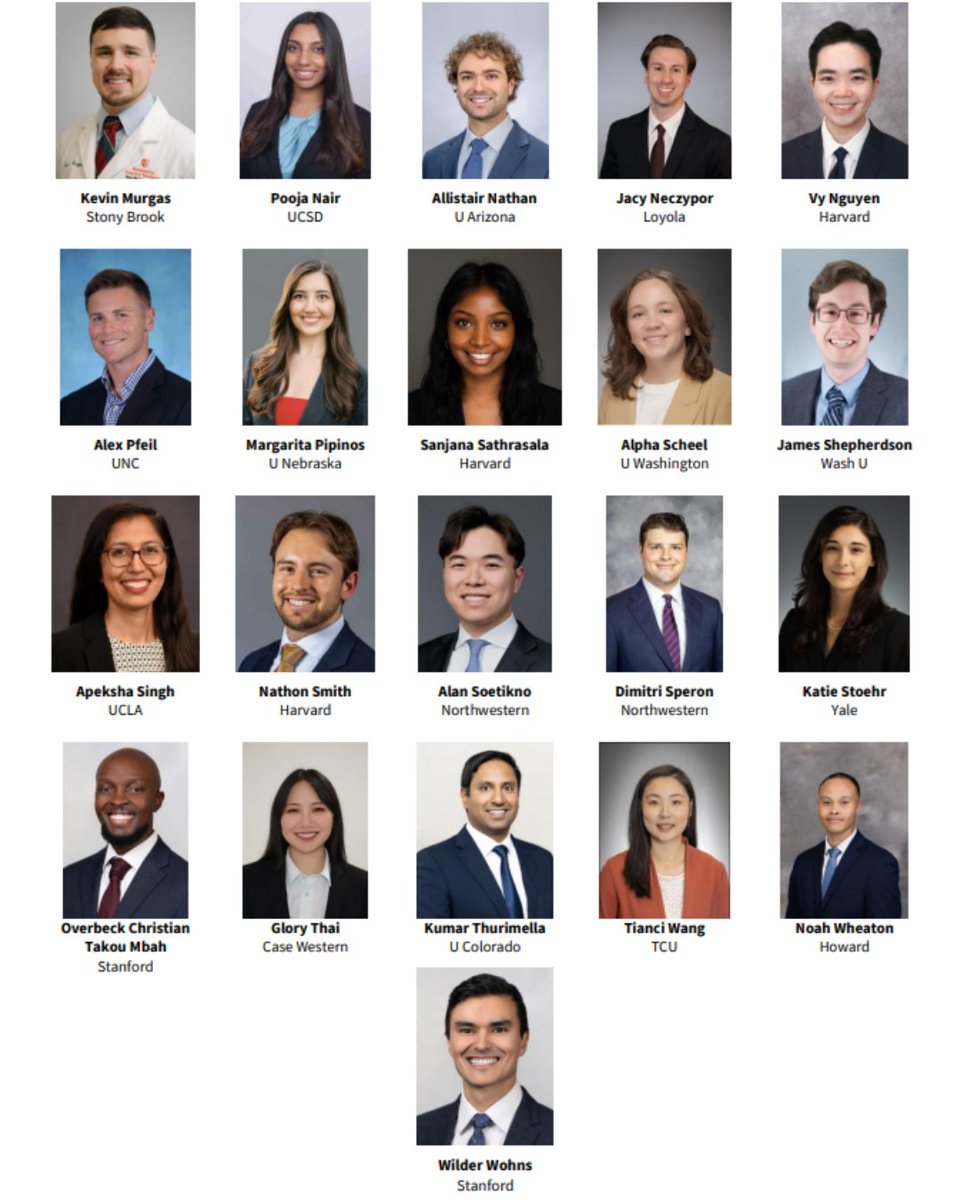
It's #MatchDay! Please join us in welcoming our 2026-2027 intern class! Welcome to the Stanford Department of Medicine! @StanfordMedRes is thrilled to have you! ❤️🥳🎉🤩🍾
@Ron_Witteles @StanfordDeptMed #Match2026


English
Neural Consult retweetledi

In medical school, we are taught a golden rule: "When you hear hoofbeats, think horses, not zebras." It is a reminder to look for the common explanation before the exotic one. But after decades in cardiology, I’ve learned that if a patient is still suffering after the "horses" have been ruled out, a doctor must have the courage—and the curiosity—to go hunting for the zebra.
Sarah was a thirty-four-year-old marathon runner and a devoted mother who came to me after six months of being told she was "fine." She had been bounced from one specialist to another, each one pointing to her normal EKG and standard blood tests as proof that her crushing fatigue and racing heart were simply the result of "new mom stress." By the time she reached my office, she didn't just look tired; she looked invisible, as if the medical system had stopped seeing the woman and only saw the data.
Instead of re-reading the normal test results that had already failed her, I asked Sarah to walk me through her life. We talked about her training and her family, eventually landing on a backpacking trip she took to the Mendoza province of rural Argentina. She described staying in a charming, rustic cottage made of sun-dried mud bricks. She mentioned waking up one morning with a strangely swollen, purple eyelid that she assumed was a simple spider bite.
As she spoke, a memory surfaced from a biography I had read years ago about Charles Darwin. Most people know Darwin for his theories on evolution, but medical historians have long puzzled over the mysterious, debilitating illness that plagued him for decades after he returned from his voyage on the HMS Beagle. Darwin had written in his journals about being bitten by the "great black bug of the Pampas" while sleeping in mud-walled huts in South America. He spent the rest of his life suffering from heart palpitations and exhaustion that the Victorian doctors of his time could never explain.
I realized then that Sarah wasn't suffering from stress; she was likely hosting the same "silent killer" that may have haunted Darwin: Chagas Disease.
The "Kissing Bug" lives in the cracks of those mud-brick walls. It bites its victims—often near the eyes or mouth—while they sleep, passing a parasite called Trypanosoma cruzi into the blood. The danger of Chagas is that the initial symptoms disappear quickly, but the parasite can hide in the body for years, slowly weaving itself into the muscle and electrical "wiring" of the heart.
To confirm this, I moved beyond the standard tests. I ordered a specialized "Strain Rate" ultrasound, which doesn't just look at whether the heart is pumping, but at how the individual muscle fibers are stretching. We saw that while her heart looked strong to the naked eye, the fibers were "stuttering," a sign of early parasite-induced scarring. A specific blood test for the parasite's antibodies confirmed the diagnosis.
Treatment required a difficult, sixty-day course of anti-parasitic medication to stop the infection, paired with a protective heart regimen to keep her electrical system stable while the inflammation settled. Because we caught it before her heart was physically damaged or enlarged, the recovery was a success.
Months later, Sarah returned to my office, her vibrant energy restored. She brought me a leather-bound copy of The Voyage of the Beagle with a note tucked inside. She wrote that while other doctors had looked at her charts, I had looked at her. This case remains a vital reminder for my memoir: in a world of high-tech scans and AI, the most sophisticated diagnostic tool we possess is still the human story. When we truly listen, we don't just find the disease—we find the patient.
Good morning.
English

@usernamee389 got some work to do!! thanks for the shout out
English
Neural Consult retweetledi

🚨 I just read the most important AI paper of 2025 and it might redefine how medical students learn.
A new paper from Dartmouth and Stanford shows that generative AI can finally deliver personalized tutoring at scale without hallucinations.
They built a system called NeuroBot TA, an AI teaching assistant powered by Retrieval-Augmented Generation (RAG). It only answers from instructor-approved materials, meaning it’s accurate and contextual.
The results?
• 329% spike in student usage before exams
• Heavy after-hours use (post–5 pm)
• Most questions on neuroanatomy & clinical disorders
• Students trusted it more because it cited real sources but some wanted it less constrained
The tension is clear:
Reliability vs. breadth.
Students love AI that’s grounded in truth, but they still crave flexibility.
This is what the future of med ed looks like: precision learning tailored, verified, 24/7 tutoring built directly from your course.
Full paper: npj Digital Medicine (Nature, 2025)

English

@alex_prompter we've literally already been doing this neuralconsult.com
English
Neural Consult retweetledi

(1/x) When you trying to decongest patients in the ICU, there are lots of drugs available... not just lasix
Here are some tips for diuresing patients🧵
Furosemide - backbone of diuresis. Start at a higher than you think and back off if diuresis achieved.
Metolazone (or other thiazides). Use when Na on the higher side as helps prevent distal Na resorption. You get more naturesis.
Acetazolamide. Use to prevent metabolic alkalosis. Aids in decongestion.
Spironolactone. Use to prevent K+ wasting and to achieve more natriuresis.
3% saline. Consider in diuretic resistant heart failure with hypochloremia.

English
Neural Consult retweetledi

(1/x) Andromeda-Shock 2 was just published in JAMA and is the most important septic shock trial in the past DECADE.
They found that phenotyped resuscitation improves the composite outcome of mortality, vital support, and hospital LOS.
Here's how you can apply this protocol to your practice 👇

English
Neural Consult retweetledi

Q5: Pt has elevated eosinophils, normal IgE levels, asthma and a positive foot drop. Likely dx? #Pulmonary
English
Neural Consult retweetledi

Here's a video I made breaking down this incredible case of a 25-year-old woman who suddenly collapsed to the ground in cardiac arrest
#FOAMed
English

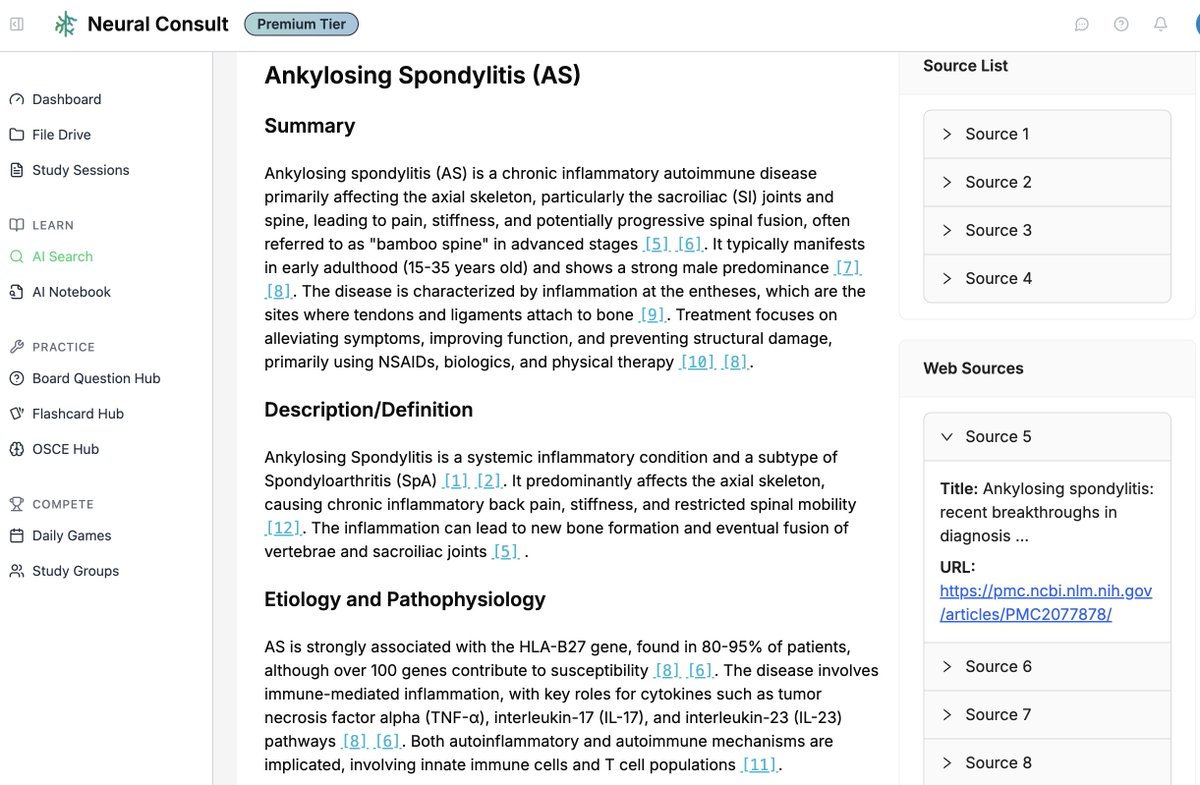
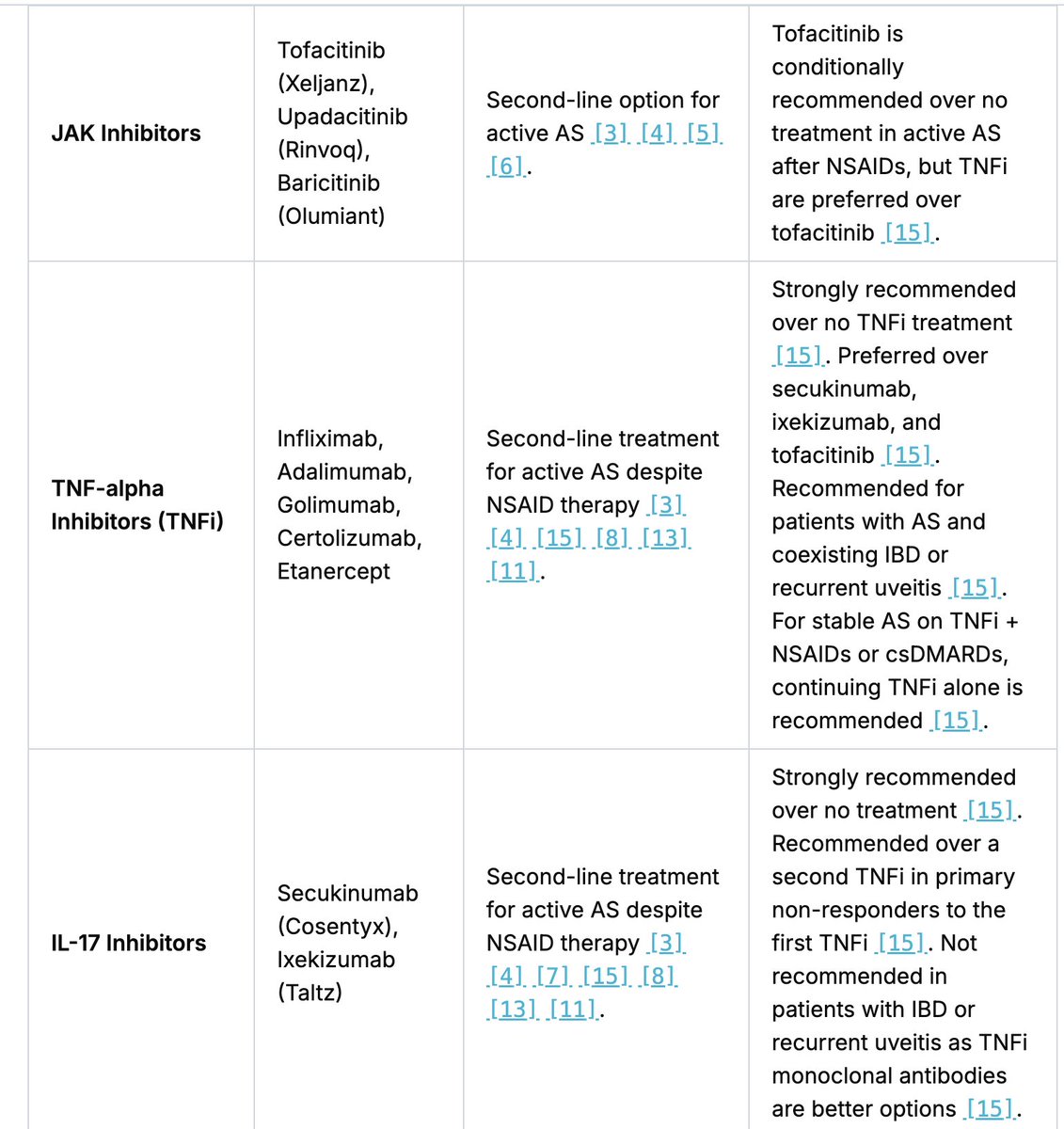
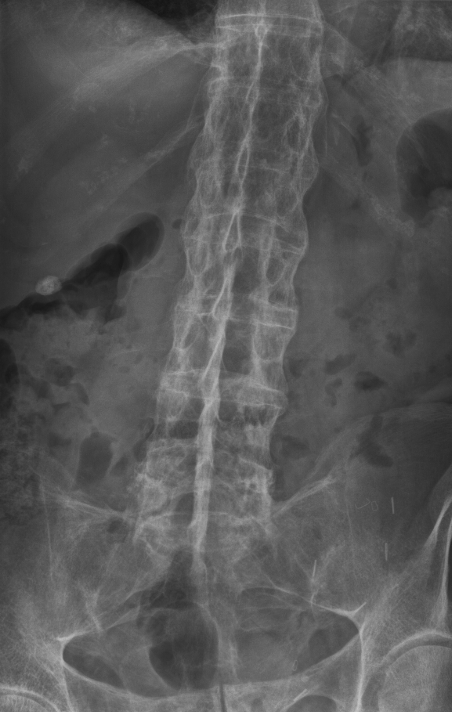
Ankylosing Spondylitis (AS)


Neural Consult@neuralconsult
26M with back stiffness and general malaise. Lumbar AP radiographs below. Diagnosis?
English
Neural Consult retweetledi

@neuralconsult ✅✅✅✅
Alexander Mendieta, MD@mendietaalex1
@Jenmatos0 @Neuromed_ @BrownJHM @Lap_surgeon @drkeithsiau Ankylosing Spondylitis 🌐inflammation of articulations and vertebrae cause tenderness 🌐exercise may improve pain 🌐shoulders, feet and knees may be affected too 🌐HLA-B27 is the haplotype ⬆️CRP and ESR 🌐exercise and prevention of spinal complications are key for treatment ✅

QME
Neural Consult retweetledi

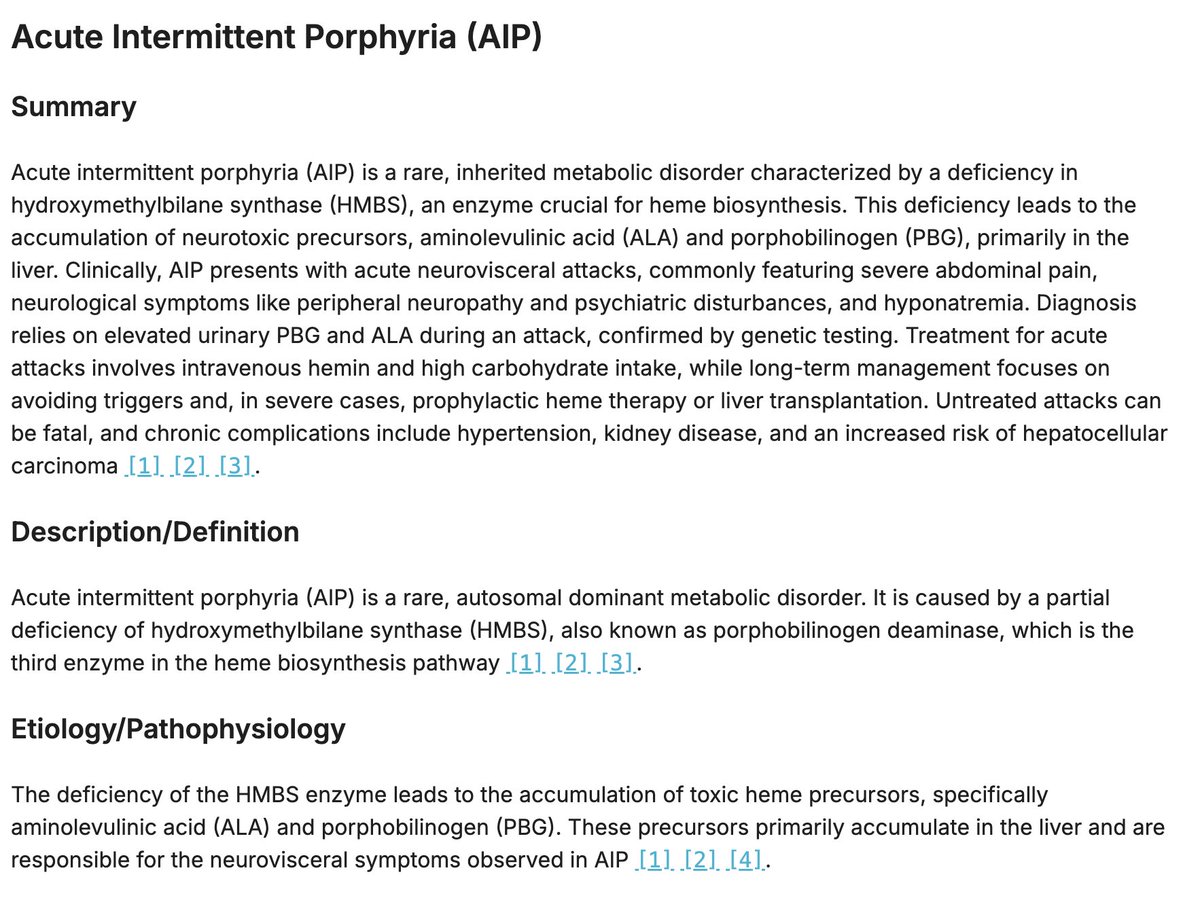
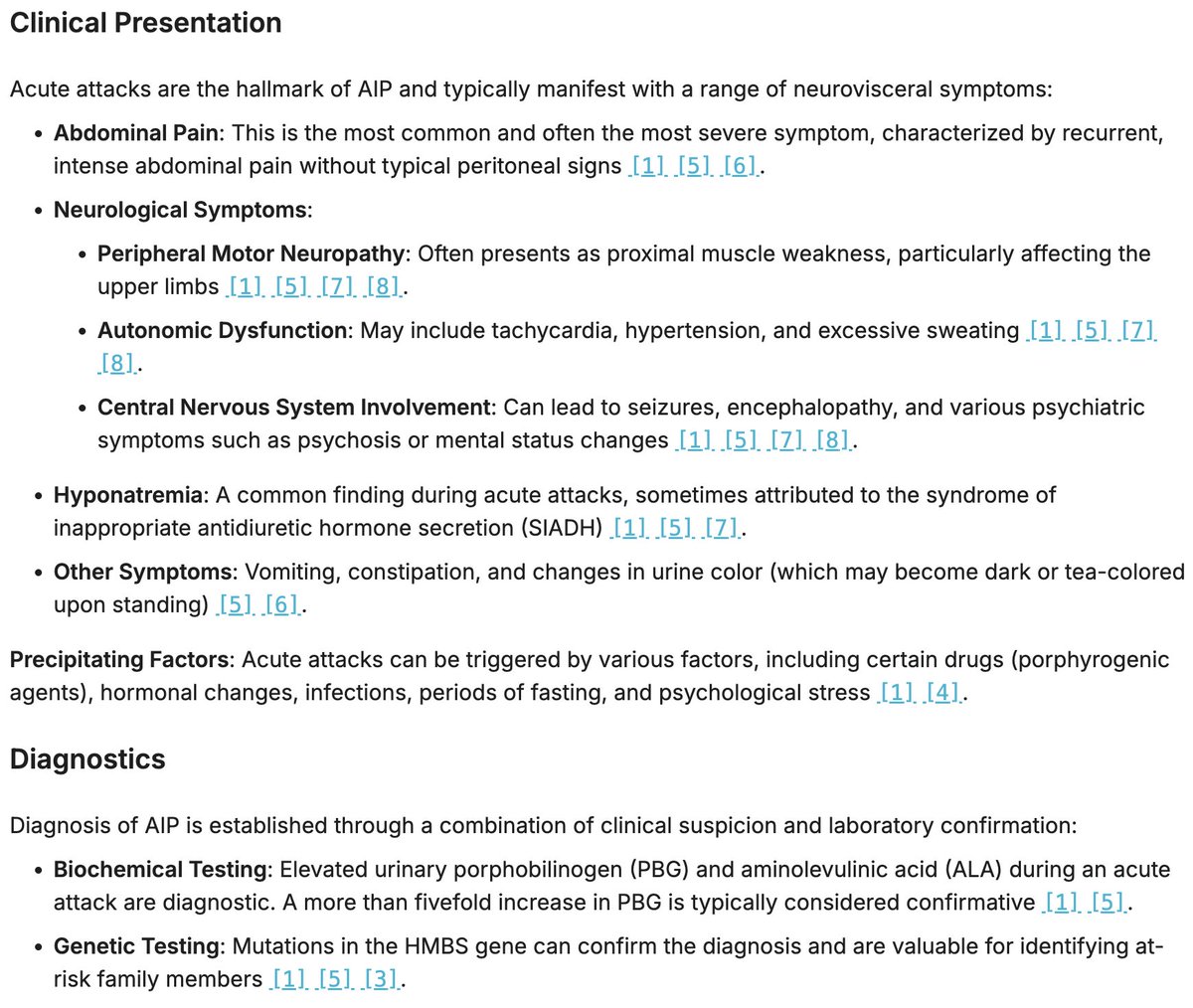
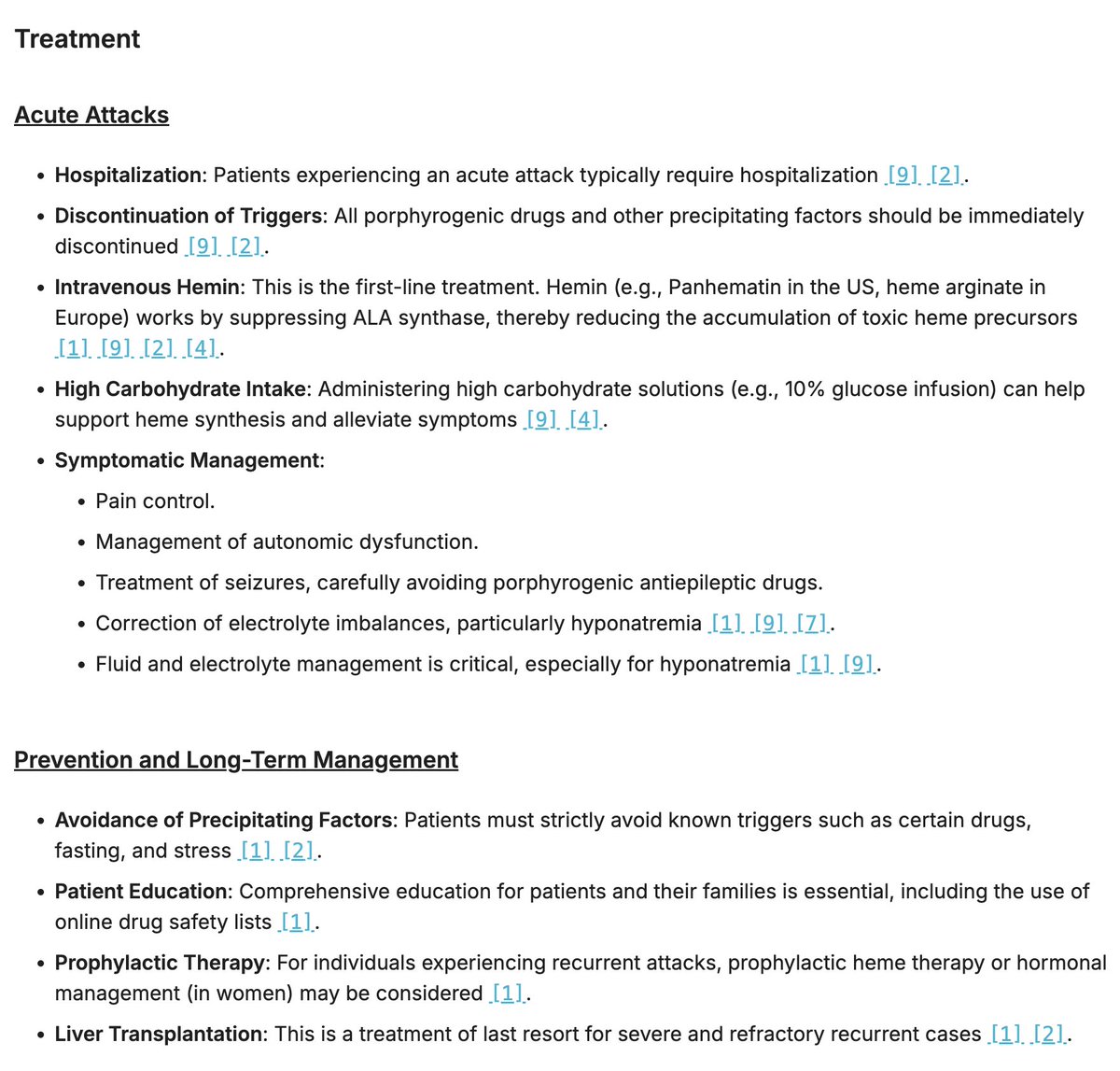
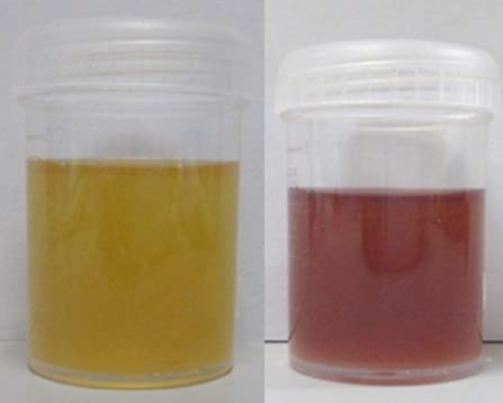
Acute Intermittent Porphyria (AIP)


Neural Consult@neuralconsult
Pt with abdominal pain who notes urine changes color when left in the toilet, as below. Diagnosis?
Română